
Lecture
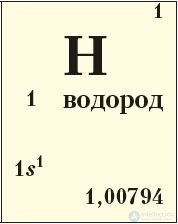
Having the smallest atomic mass, the hydrogen atom  also has the simplest structure: a nucleus consisting of a single proton, and one electron, which is located in the 1s-orbital. The electron configuration of 1Н is 1s1, and the electron-graphical scheme is:
The electronegativity of hydrogen is 2.2. This is higher than that of metals and silicon, but lower than the electronegativity of oxygen and other chalcogens and halogens. Therefore hydrogen is characterized by oxidation states of –1, 0, and +1, for example,  (lithium hydride),
  (silane),
  (methane),
  (hydrogen oxide, water).
As you already know, natural hydrogen consists of two stable isotopes — (protium — 99.98% of the total number of atoms),  (deuterium D — 0.015%) and radioactive
  (tritium Т — trace amounts) (§ 7, Fig. 12).
Hydrogen is the most abundant element in the Universe. On Earth, hydrogen accounts for about 1% by mass, counting water and air, and about 17% of the total number of atoms. Hydrogen is predominantly found in a combined state. It is part of water, petroleum, natural gas, and living organisms. As a simple substance, hydrogen is almost never found in nature. Trace amounts of it have been detected in the upper layers of the atmosphere, in volcanic gases, and among the products of bacterial decomposition of organic matter under conditions of limited air.
Hydrogen as a simple substance consists of diatomic Н2 molecules, in which the atoms are joined by a single covalent σ-bond formed by the overlap of 1s-orbitals:
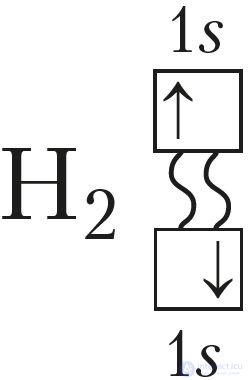 or
or 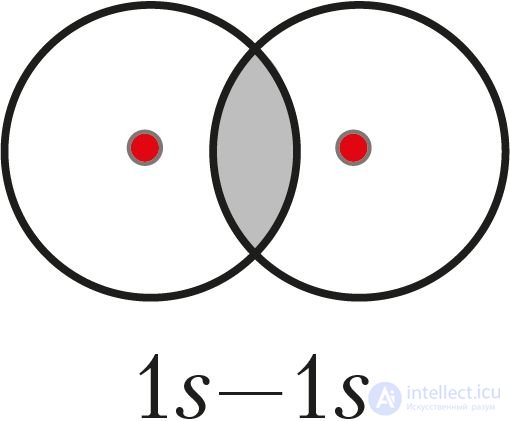
The electron-dot and graphical formulas of the molecule have the form: Н:Н and Н—Н.
Physical properties. Under normal conditions, hydrogen is a colorless, odorless, tasteless gas with a density of 0.089 g/dm3. It has very low boiling (–252.6 °С) and melting (–259.2 °С) points. The solubility of hydrogen in water as a polar solvent is low, so it can be collected in a vessel by water displacement. Hydrogen is highly soluble in many metals (Ni, Pt, Pd, and others).
Chemical properties. The chemical activity of hydrogen at room temperature is low, because of the high strength of the covalent bond in the molecule. In chemical reactions, hydrogen can act as either a reducing agent (which is more typical) or an oxidizing agent.
1. Reactions with simple substances:
a) it reacts as a reducing agent with nonmetals whose atoms have a higher electronegativity than hydrogen — halogens, nitrogen, sulfur, oxygen:
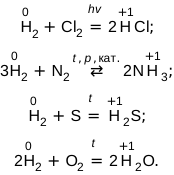
It should be noted that hydrogen does not react with phosphorus or silicon;
b) it reacts as an oxidizing agent with alkali and alkaline earth metals, forming hydrides:
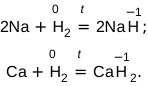
Hydrides readily decompose in water with the release of hydrogen:

2. Reactions with complex substances:
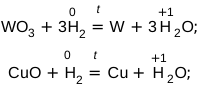
a) it reacts with certain oxides of group B metals as a reducing agent:
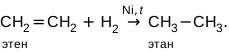
b) it reacts with organic substances containing multiple bonds (a hydrogenation reaction) — alkenes, alkynes, dienes, arenes, as well as aldehydes. For example:
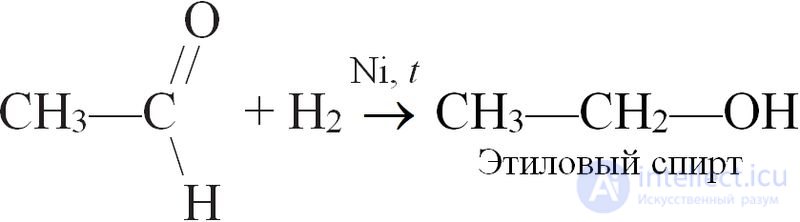
It reacts with triglycerides containing residues of unsaturated carboxylic acids:

Preparation. To obtain hydrogen in the laboratory, metals of medium activity (zinc, aluminum, iron) and acids (hydrochloric or sulfuric) are used:
Zn + 2НCl = ZnCl2 + Н2↑.
A Kipp's apparatus is often used for this — a device that allows gaseous substances to be produced and their flow to be regulated (Fig. 63).
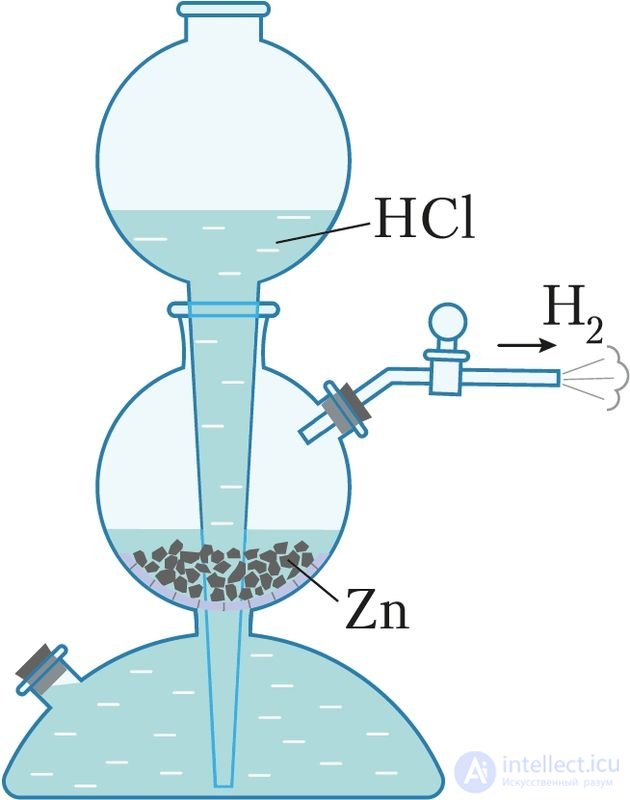
Fig. 63. Kipp's apparatus.
Producing hydrogen
in the laboratory
The most important methods of producing hydrogen industrially are:
1) the reaction of water vapor with methane:

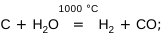
2) the reaction of water vapor with red-hot coke:
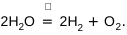
3) electrolysis of water (in the presence of an electrolyte):
Uses. One of the most important physical properties of hydrogen is its low density, which is why it is used to fill probes exploring the upper layers of the atmosphere.
In the chemical industry, hydrogen is used to produce ammonia NH3, hydrogen chloride НСl, methanol (СО + 2Н2 = СН3ОН), and many metals from their oxides, for example the refractory metals molybdenum and tungsten. Plants are already operating in which hydrogen, rather than carbon (coke), is used to reduce iron oxides to the metal. Hydrogen is also used in the production of margarine from vegetable oils.
The combustion reaction of hydrogen in oxygen (2Н2(г) + О2(г) = 2Н2О(г) + 484 kJ) is used in rocket engines that launch spacecraft into space (Fig. 64). For example, the powerful "Energia" space rocket consumes more than 2000 tonnes of fuel, most of which is liquid hydrogen and oxygen. Production of automobiles fueled by hydrogen has now begun (Fig. 65).
The same reaction is also used for welding work (Fig. 66). Special torches achieve a flame temperature of about 4000 °C, which allows welding of even the most refractory materials.
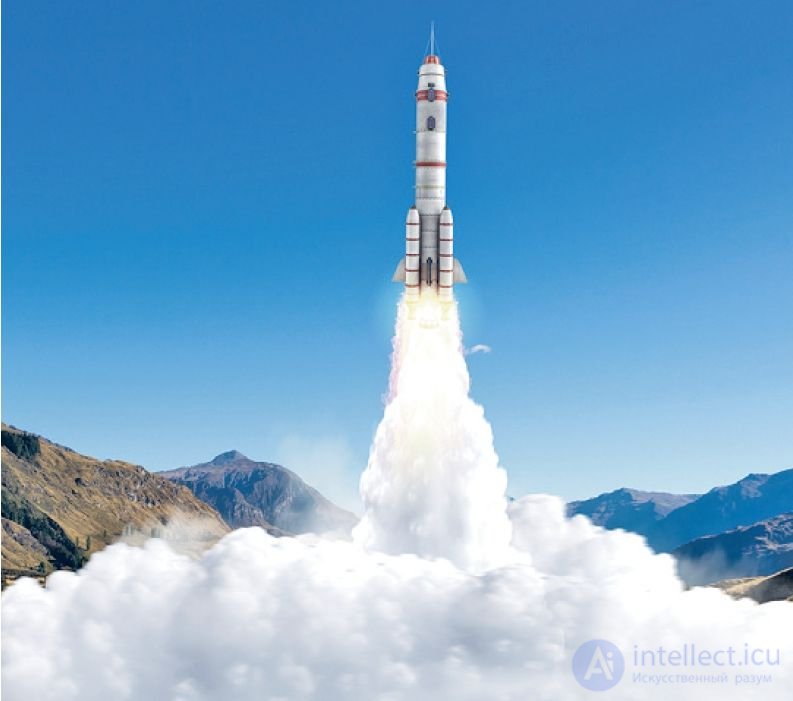
Fig. 64. Launch of a
space rocket
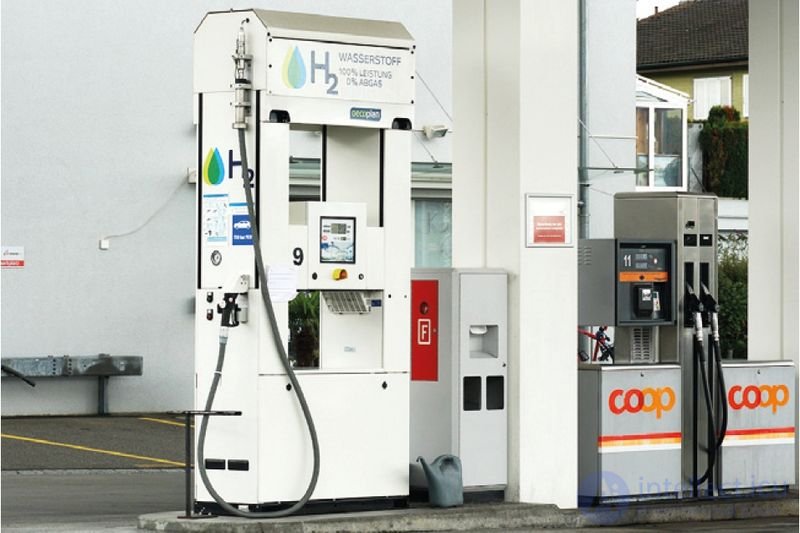
Fig. 65. Hydrogen refueling station
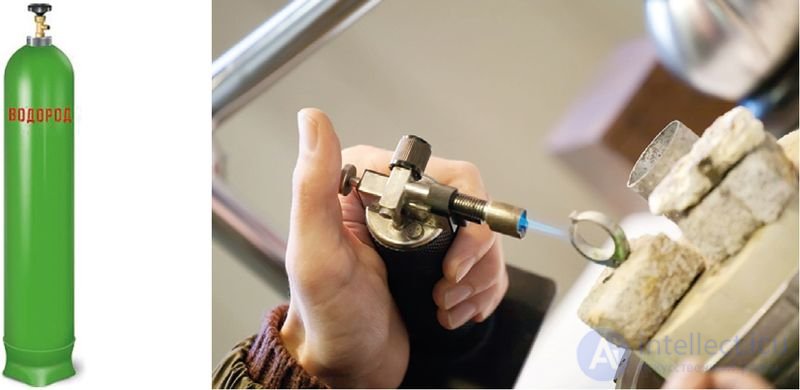
Fig. 66. Welding of jewelry items
with an oxy-hydrogen flame
Scientists in various countries are searching for ways to replace petroleum, gas, and coal with hydrogen as a fuel. The combustion of the former produces substances that pollute and damage the environment (СО2, СО, SO2, and others), whereas the combustion product of hydrogen is an environmentally clean substance — water.
Volatile hydrogen compounds are substances of molecular structure that, under normal conditions, are gases (НСl, NH3, H2S) or liquids (Н2O, НF) (Fig. 67).
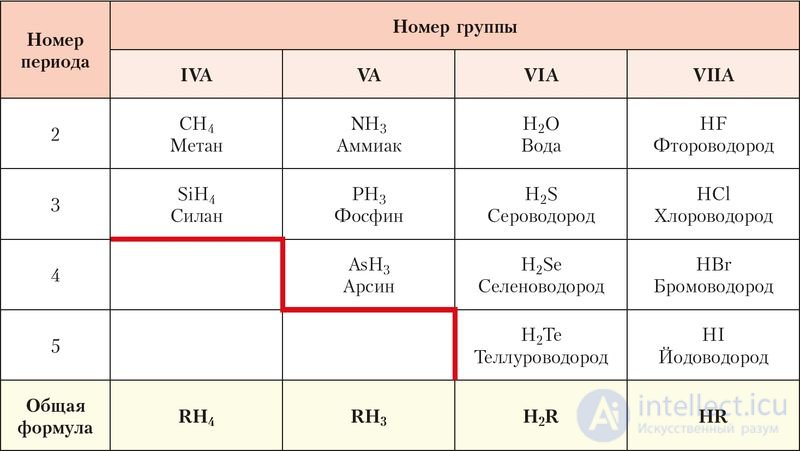
Fig. 67. Volatile hydrogen compounds of nonmetals
The acid-base properties of aqueous solutions of volatile hydrogen compounds change depending on the position of the element in the periodic table. It is known that СН4 does not dissolve in water, NH3 forms the weak base NH3 · Н2O, an НF solution is a weak acid, and an HCl solution is a strong acid:
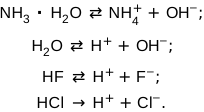
This means that the acidic properties of the hydrogen compounds of nonmetals increase across a period and down a group.
The hydrogen atom is characterized by oxidation states of –1, 0, +1. Elemental hydrogen can act as either an oxidizing agent or a reducing agent.
Aqueous solutions of volatile hydrogen compounds can display the properties of acids or bases.
1. Name:
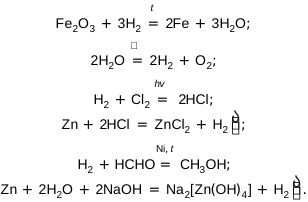
2. From the given list of reaction equations, write out those that characterize:
3. Fill in the table "Uses of hydrogen."
| Property of hydrogen | Areas of use | Reaction equation |
| Reaction with oxygen Reaction with nitrogen Reaction with chlorine Reaction with oxides of refractory metals Hydrogenation of benzene |
4. Write the equations for the reactions producing hydrogen (the metals tin Sn and nickel Ni are oxidized to the +2 oxidation state):
5. Determine the maximum volume of hydrogen (at STP) that can be obtained in a Kipp's apparatus when loading 0.39 kg of zinc.
6. Compare:
7. Write the reaction equations according to the scheme:

 .
.8. Determine the amount of heat released on combustion of 1 m3 of hydrogen (at STP), if the thermochemical equation of the reaction has the form: 2Н2(г) + О2(г) = 2Н2О(г) + 484 kJ.
9. Water in excess was added to 1.05 g of the hydride of an unknown divalent metal. This released 1.12 dm3 of hydrogen (at STP). Determine the metal.
10. The following equilibrium has been established in a system:  . It is known that by this point 35% of the hydrogen has reacted and 7 mol of ammonia has formed. Determine the initial mass of hydrogen.
*Prepare a report on "Hydrogen — the fuel of the future".
1. To produce hydrogen in the laboratory, the following metals are used:
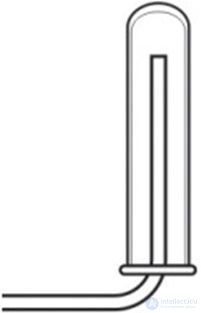
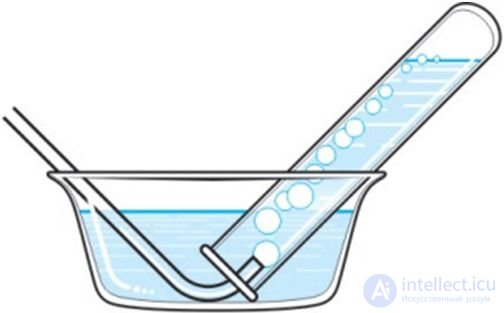
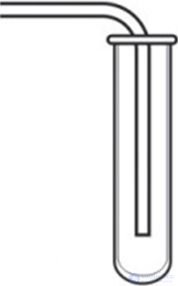
2. To collect hydrogen without significant losses, the following vessels can be used:
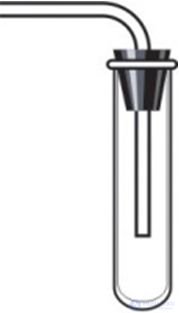
3. Hydrogen acts as an oxidizing agent in reactions with:
4. Adverse effects on the environment are caused by the release into the atmosphere of:
5. The sum of the coefficients in the equation of the reaction for the complete reduction by hydrogen of iron(II,III) oxide:

Comments