
Lecture
In psychology, a " squinting look " is most often perceived as an expression of discontent, hidden aggression, or wariness. It signals internal tension and an attempt by a person to distance themselves from the other person while maintaining control of the situation.
Emotional background: This look is usually accompanied by furrowed brows and a slightly lowered head. This may indicate:
irritation or anger;
distrust and suspicion;
hidden resistance or protest;
sometimes - shame or a desire to hide true emotions.
A communicative signal: A sideways glance is often used as a nonverbal means of pressure. A person appears to be "looking down," even if their head is physically lowered. This creates a sense of threat or challenge.
Cultural differences: The perception of this gaze may vary across cultures. In Europe, it is more often interpreted as aggressive or unfriendly, while in some Eastern countries, avoiding direct eye contact may be associated with respect and modesty.
| Situation | Possible meaning | Context |
|---|---|---|
| Conversation with the boss | Dissatisfaction, criticism | May signal a hidden conflict |
| Interpersonal communication | Caution, distrust | The person is not ready for open dialogue |
| Children and teenagers | Protest, stubbornness | Often manifests as a form of resistance to authority |
| Intimate relationships | Shame or the desire to hide emotions | May be mixed with curiosity |
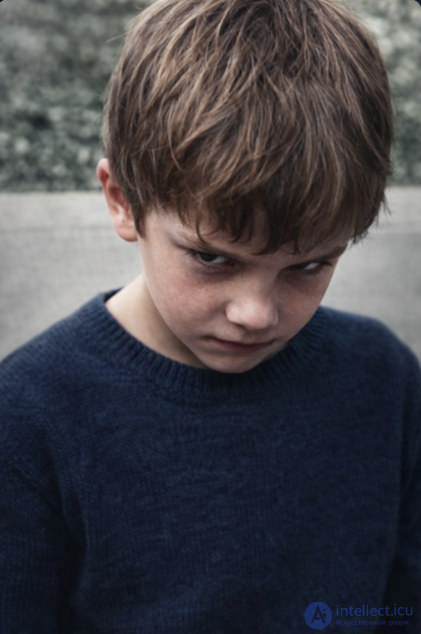
Princess Diana at age eight. Like most little girls, she understood the power of the sideways glance
. Princess Diana perfected the sideways glance. She tilted her head slightly to the side, revealing her vulnerable neck to everyone around her. This childish gaze evoked parental feelings in millions, which were further heightened during the British royal family's brutal attacks on the unfortunate princess. People who use such sequences of gestures typically don't rehearse them in advance, but they achieve success the first time they try them.
Princess 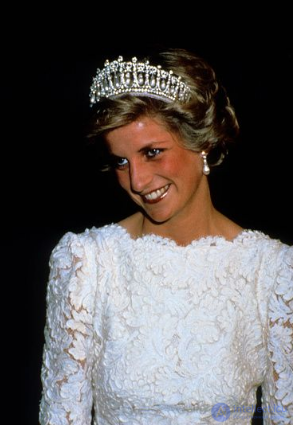

Diana always looked askance. It's no wonder the world immediately took her side in the divorce proceedings.
Look at the context: the same look can mean different things depending on the situation.
Pay attention to the body and facial expressions: if the gaze is accompanied by a tense posture, this strengthens the signal of aggression.
Don't jump to conclusions: sometimes a person looks askance simply because of habit or facial features.
Use feedback: A gentle question ("Are you unhappy about something?") helps clarify the true state of the interlocutor.
A frown is a nonverbal indicator of internal tension, most often associated with aggression, mistrust, or protest. To understand it correctly, it's important to consider the context of the interaction, cultural characteristics, and accompanying nonverbal cues.

Comments
To leave a comment
Body language
Terms: Body language