You get a bonus - 1 coin for daily activity. Now you have 1 coin

210 Tests on Electronics and Electrical Engineering with Answers and Diagrams

Practice


Welcome to an exciting journey into the world of electronics and electrical engineering! In this collection of tests you will find 200 varied questions covering different aspects of this fascinating field of knowledge. From simple basic concepts to more complex technical aspects, these tests will help you assess your level of knowledge and identify areas that need further study.

Many questions are accompanied by hints that will help you understand the correct solutions and reinforce the concepts you have learned. In addition, diagrams are provided together with the questions, which visually demonstrate the operating principles of electronic devices and help you better understand how they function.

Regardless of your level of preparation - whether you are a beginning enthusiast, a student, or an experienced professional in the field of electronics and electrical engineering, these tests will give you valuable opportunities for learning and self-assessment. They can also be useful for preparing for exams, interviews, or simply for broadening your horizons in this fascinating field.

Use your knowledge, analytical skills, and intuition to choose the correct answers to each question. If you are not sure of the answer, do not worry! This is an ideal opportunity for additional study and expanding your knowledge.

Dive into the world of electronics and electrical engineering and enjoy this exciting journey! Good luck answering the tests, and may your understanding and skills in electronics and electrical engineering continue to grow and develop!

Choose one correct answer option from those offered. Remember that the time to complete the test is not limited, but for your own dignity you should answer everything as quickly and correctly as possible

1. In what units is the voltage of electric motors measured?
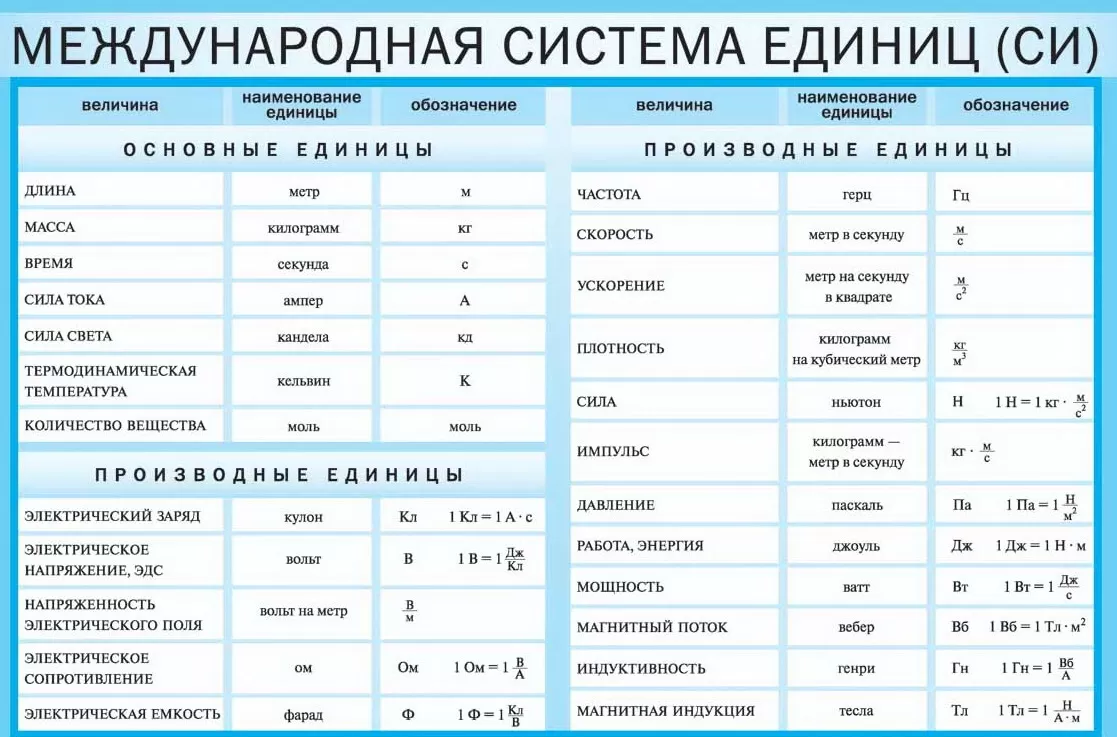
  • 1) Amperes
  • 2) Coulombs
  • 4) Volts*
  • 4) Hertz
  • 5) Newtons

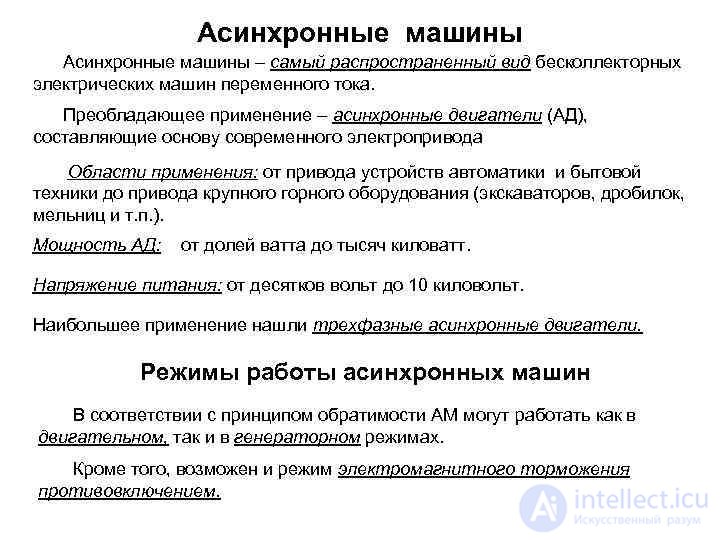
210 Tests on Electronics and Electrical Engineering with Answers and Diagrams

2. In what units is the current strength of electric motors measured?

  • 1) Amperes*
  • 2) Coulombs
  • 4) Volts
  • 4) Hertz
  • 5) Newtons

3. What is the electric current produced by generators?

  • 1) Flow of water in a river
  • 2) Flow of wind in the air
  • 3) Directed motion of electrons*
  • 4) Force of attraction
  • 5) Splitting of atoms into electrons, protons and neutrons

210 Tests on Electronics and Electrical Engineering with Answers and Diagrams

210 Tests on Electronics and Electrical Engineering with Answers and Diagrams

4. What is an electric generator?

  • 1) a device in which electrical forms of energy are converted into non-electrical energy
  • 2) a device in which non-electrical forms of energy (mechanical, chemical, thermal, etc.) are converted into electrical energy *
  • 3) a device in which any form of energy (mechanical, chemical, thermal, etc.) is converted into money
  • 4 )a device in which money is converted into various forms of energy (mechanical, chemical, thermal, etc.)
  • 5) a device that processes information about energy

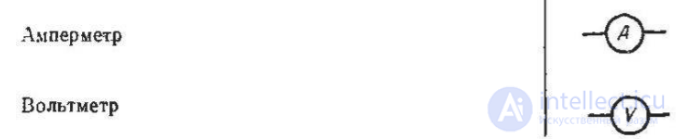
5. With what instrument is the electric current strength of electric motors measured?

  • 1) Ammeter*
  • 2) Voltmeter
  • 3) Wattmeter
  • 4) Phase meter
  • 5) Kenotron

210 Tests on Electronics and Electrical Engineering with Answers and Diagrams

210 Tests on Electronics and Electrical Engineering with Answers and Diagrams

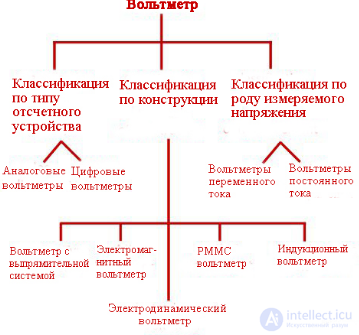
6. With what instrument is the voltage of electric motors measured?

  • 1) Ammeter
  • 2) Voltmeter*
  • 3) Wattmeter
  • 4) Phase meter
  • 5) Kenotron

210 Tests on Electronics and Electrical Engineering with Answers and Diagrams

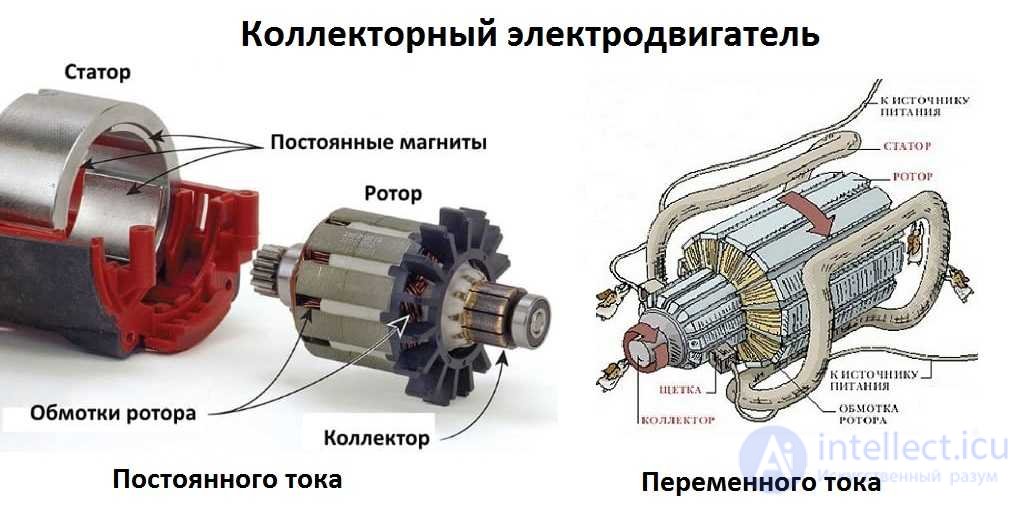
7. Commutator (brushed) motors make it possible to:

  • 1) Reduce the size of the motor
  • 2) Reduce electrical energy losses
  • 3) Smoothly change the rotor speed*
  • 4) Increase the rotation speed
  • 5) Decrease the rotation speed

210 Tests on Electronics and Electrical Engineering with Answers and Diagrams

8. A disadvantage of commutator motors:

  • 1) they only work on alternating current
  • 2) The ability to adjust speed within wide limits
  • 3) High noise level during operation*
  • 4) Low starting currents and loads
  • 5) High speed up to 10,000 rpm

9. Commutator motors are used:

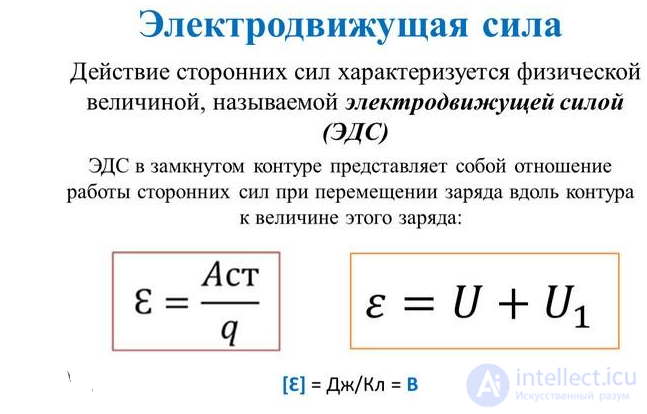
  • 1) In the electric drive of machine tools
  • 2) In automobile starters
  • 3) In refrigerators
  • 4) In electric transport devices*
  • 5) In wind generators

10. Commutator motors are not used:

  • 1) In the electric drive of machine tools *
  • 2) In automobile starters*
  • 3) In refrigerators*
  • 4) In electric transport devices
  • 5) In wind generators*

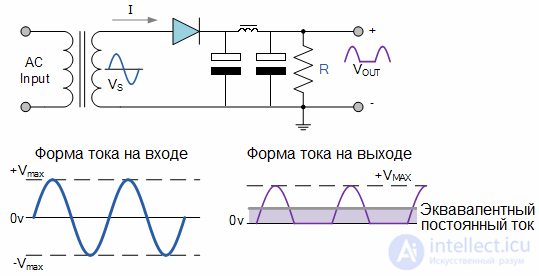
11. To convert alternating current into direct current, the following are used -

  • 1) Motors
  • 2) Generators
  • 3) Rectifiers*
  • 4) Heating devices
  • 5) Lighting devices

210 Tests on Electronics and Electrical Engineering with Answers and Diagrams

12. To stabilize the voltage in a rectifier, the following can be used

  • 1) a resistor
  • 2) a conductor
  • 3) a dielectric
  • 4) a capacitor*
  • 5) an antenna

13. The rotors of commutator and induction (asynchronous) motors rotate under the action of interaction forces between:

  • 1) The current in the stator and the current in the rotor
  • 2) The current in the stator and the voltage on the rotor
  • 3) The voltage on the stator and the voltage on the rotor
  • 4) The magnetic field of the stator with the current in the rotor winding*
  • 5) The voltage at the motor input and the current in the rotor winding

14. The rotors of commutator and induction (asynchronous) motors rotate under the action of interaction forces between:

  • 1) The current in the stator and the current in the rotor
  • 2) The current in the stator and the voltage on the rotor
  • 3) The voltage on the stator and the voltage on the rotor
  • 4) The magnetic field of the stator with the current in the rotor winding*
  • 5) The voltage at the motor input and the current in the rotor winding

15. Field of application of induction (asynchronous) motors:

  • 1) Electric drive*
  • 2) Electric traction
  • 3) For lighting purposes
  • 4) For heating purposes
  • 5) As transformers

210 Tests on Electronics and Electrical Engineering with Answers and Diagrams

16. Field of application of induction (asynchronous) motors:

  • 1) Electric drive*
  • 2) Electric traction
  • 3) For lighting purposes
  • 4) For heating purposes
  • 5) As transformers

17. Technical devices that use the electromagnetic action of electric current:

  • 1) Electric motors and generators*
  • 2) Lighting devices
  • 3) Heating devices
  • 4) Power transmission lines
  • 5) Fuses

18. Technical devices that use the electromagnetic action of electric current:

  • 1) Electric motors and generators*
  • 2) Lighting devices
  • 3) Heating devices
  • 4) Power transmission lines
  • 5) Fuses

19. What is the electric current produced by generators?
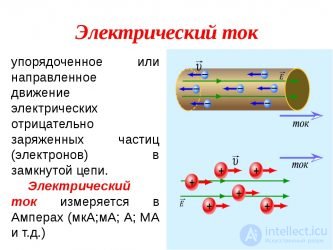
  • 1) Flow of water in a river
  • 2) Flow of wind in the air
  • 3) Directed motion of electrons*
  • 4) Force of attraction
  • 5) Splitting of atoms into electrons, protons and neutrons

20. What is the electric current produced by generators?

  • 1) Flow of water in a river
  • 2) Flow of wind in the air
  • 3) Directed motion of electrons*
  • 4) Force of attraction
  • 5) Splitting of atoms into electrons, protons and neutrons
  • 6) Free energy of the ether

21. Which converter is used to step down and step up voltage of industrial (mains) frequency?
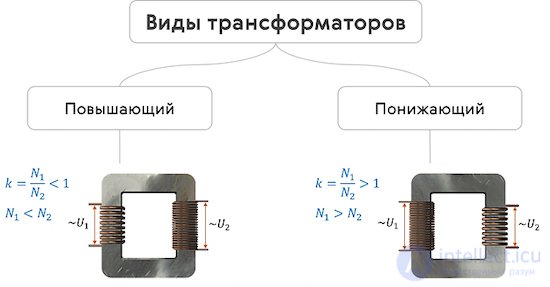
  • 1) Rectifier
  • 2) Transformer*
  • 3) Synchronous motor
  • 4) Disconnector
  • 5) Capacitor

22. Which converter is used to step down and step up voltage of industrial (mains) frequency?

  • 1) Rectifier
  • 2) Transformer*
  • 3) Synchronous motor
  • 4) Disconnector
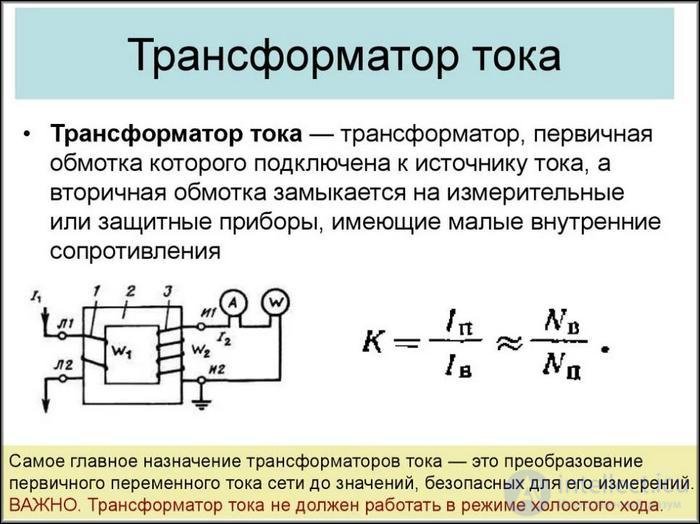
  • 5) Capacitor

210 Tests on Electronics and Electrical Engineering with Answers and Diagrams

23. Which transformers are used to convert voltage into a form suitable for household and industrial use?

  • 1) Step-down transformers*
  • 2) Autotransformers
  • 3) Oil-filled transformers
  • 4) Dry-type transformers
  • 5) Step-up transformers

24. Which transformers are used to convert voltage into a form suitable for household and industrial use?

  • 1) Step-down transformers*
  • 2) Autotransformers
  • 3) Oil-filled transformers
  • 4) Dry-type transformers
  • 5) Step-up transformers

25. What is the name of the element of any power plant that converts a non-electrical quantity into an electrical one?

  • 1) Motor
  • 2) Generator*
  • 3) Transformer
  • 4) Rectifiers
  • 5) Frequency converter

26. What is the name of the element of any power plant that converts a non-electrical quantity into an electrical one?

  • 1) Motor
  • 2) Generator*
  • 3) Transformer
  • 4) Rectifiers
  • 5) Frequency converter

27. What is the name of electrical equipment that uses an electrical quantity, converting it into a non-electrical one?

  • 1) Generator
  • 2) Capacitor
  • 3) Motor*
  • 4) Induction furnaces
  • 5) Transformer

28. What is the name of electrical equipment that uses an electrical quantity, converting it into a non-electrical one?

  • 1) Generator
  • 2) Capacitor
  • 3) Motor*
  • 4) Induction furnaces
  • 5) Transformer

29. How do commutator electric motors differ from induction (asynchronous) motors?

  • 1) It has its own commutator
  • 2) The rotor speed coincides with the rotation speed of the stator's magnetic field
  • 3) The rotor speed does not coincide with the rotation speed of the stator's magnetic field
  • 4) The ability to adjust the rotation speed of the electric motor*
  • 5) There is no correct answer

30. How do commutator electric motors differ from induction (asynchronous) motors?

  • 1) It has its own commutator
  • 2) The rotor speed coincides with the rotation speed of the stator's magnetic field
  • 3) The rotor speed does not coincide with the rotation speed of the stator's magnetic field
  • 4) The ability to adjust the rotation speed of the electric motor*
  • 5) There is no correct answer

31. Which motors are most widely used in industry and in everyday life?

  • 1) High-frequency motors
  • 2) Low-power electric motors
  • 3) High-power electric motors
  • 4) Synchronous motors
  • 5) Induction (asynchronous) motors*

32. Which motors are most widely used in industry and in everyday life?

  • 1) High-frequency motors
  • 2) Low-power electric motors
  • 3) High-power electric motors
  • 4) Synchronous motors
  • 5) Induction (asynchronous) motors*

33. What electrical equipment is used to start large synchronous motors with a heavy start-up?

  • 1) Synchronous motors
  • 2) Induction (asynchronous) motors*
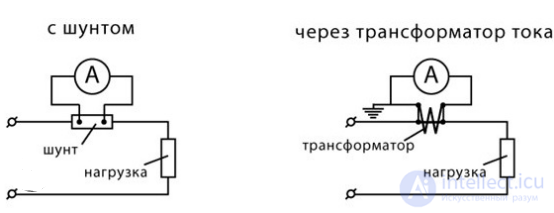
  • 3) Low-power electric motors
  • 4) High-frequency motors
  • 5) High-power electric motors

34. What electrical equipment is used to start large synchronous motors with a heavy start-up?

  • 1) Synchronous motors
  • 2) Induction (asynchronous) motors*
  • 3) Low-power electric motors
  • 4) High-frequency motors
  • 5) High-power electric motors

35. If the number of turns of the secondary winding exceeds that of the primary, what is such a transformer called?

  • 1) Step-down transformer
  • 2) Step-up transformer*
  • 3) Unclear transformer
  • 4) Multi-frequency transformer
  • 5) High-voltage transformer

36. If the number of turns of the secondary winding exceeds that of the primary, what is such a transformer called?

  • 1) Step-down transformer
  • 2) Step-up transformer*
  • 3) Unclear transformer
  • 4) Multi-frequency transformer
  • 5) High-voltage transformer

37. Which words are associated with the word «Transformer»?
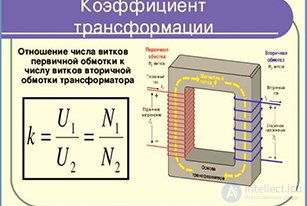
  • 1) Transformation ratio*
  • 2) A barrel of oil
  • 3) A squirrel wheel
  • 4) Large cross-section wires
  • 5) There is no correct answer

210 Tests on Electronics and Electrical Engineering with Answers and Diagrams

38. Which words are associated with the word «Transformer»?

  • 1) Transformation ratio*
  • 2) A barrel of oil
  • 3) A squirrel wheel
  • 4) Large cross-section wires
  • 5) There is no correct answer

39. Which electric motors are used to compensate for reactive power?
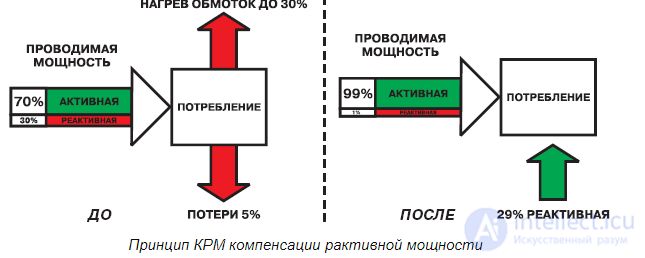
  • 1) Induction (asynchronous) motors
  • 2) Commutator motors
  • 3) Synchronous motors*
  • 4) Multifunctional motors
  • 5) Supersonic motors

210 Tests on Electronics and Electrical Engineering with Answers and Diagrams

40. Which electric motors are used to compensate for reactive power?

  • 1) Induction (asynchronous) motors
  • 2) Commutator motors
  • 3) Synchronous motors*
  • 4) Multifunctional motors
  • 5) Supersonic motors

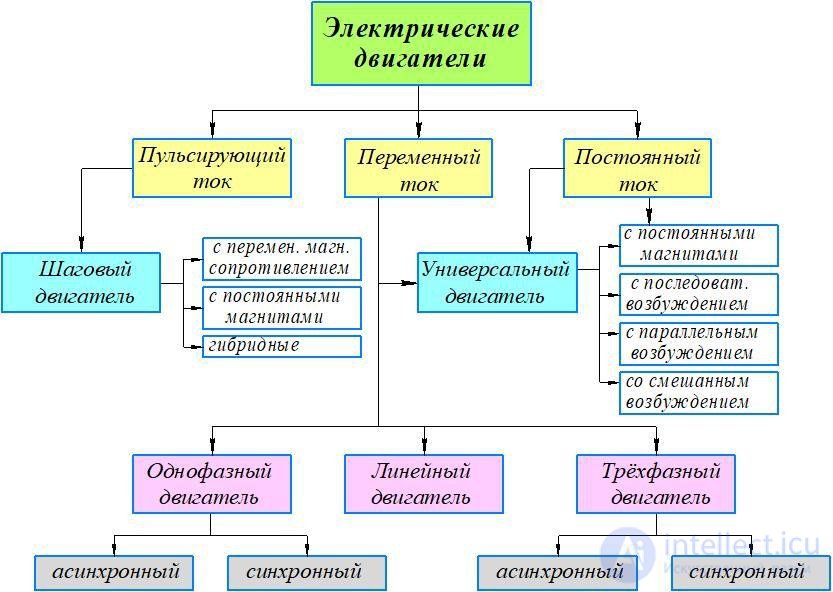
41. According to the type of current, into what types are electrical machines divided?
  • 1) Into intermediate-current and transverse-current machines
  • 2) Into independent-current and feeble-current machines
  • 3) Into stereotyped-current and personal-current machines
  • 4) Into DC and AC machines*
  • 5) There is no correct answer

42. According to the type of current, into what types are electrical machines divided?

  • 1) Into intermediate-current and transverse-current machines
  • 2) Into independent-current and feeble-current machines
  • 3) Into stereotyped-current and personal-current machines
  • 4) DC and AC machines *
  • 5) There is no correct answer

210 Tests on Electronics and Electrical Engineering with Answers and Diagrams

43. According to their design, into which 2 types are all synchronous machines divided?

  • 1) Salient-pole and non-salient-pole*
  • 2) Clearly expressed and not clearly expressed
  • 3) Oval and round
  • 4) Option 2 and 3
  • 5) There is no correct option

44. According to their design, into which 2 types are all synchronous machines divided?

  • 1) Salient-pole and non-salient-pole*
  • 2) Clearly expressed and not clearly expressed
  • 3) Oval and round
  • 4) Option 2 and 3
  • 5) There is no correct option

45. What is the name of a system of two conductors of any size and shape, separated by a dielectric and possessing capacitance?
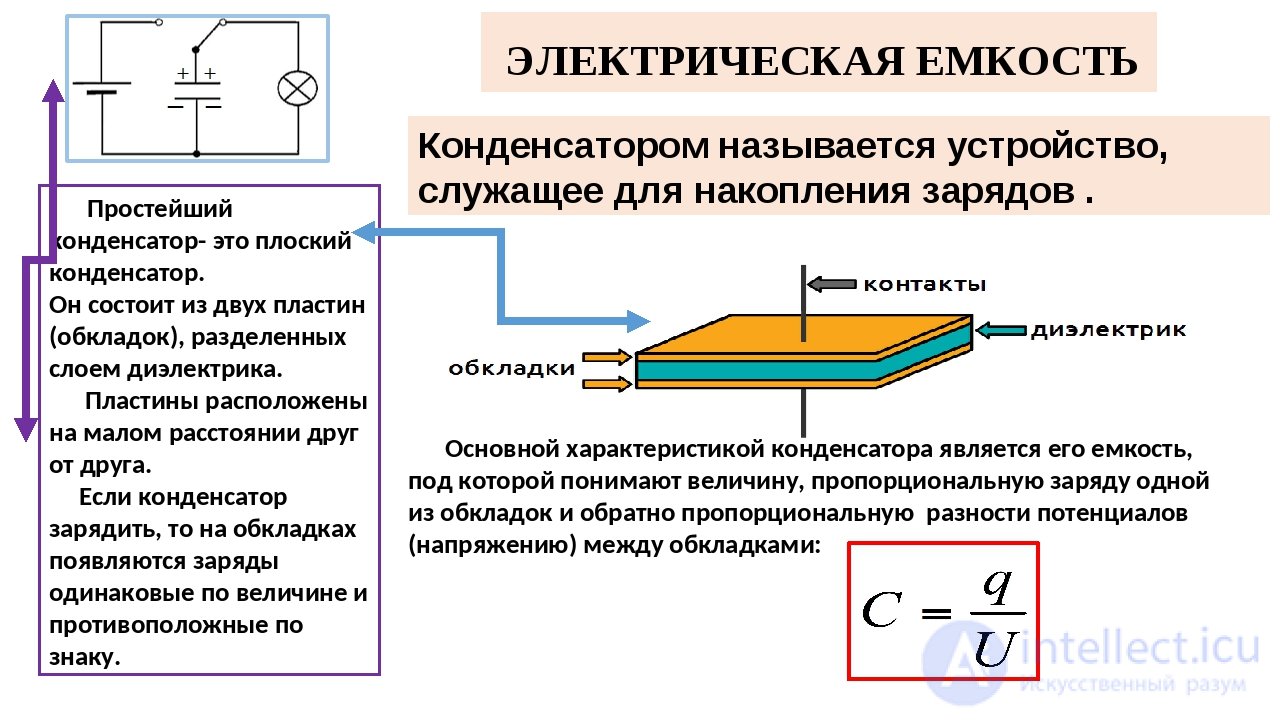
  • 1) Capacitor*
  • 2) Commutator
  • 3) Motor
  • 4) Rectifier
  • 5) Inverter

210 Tests on Electronics and Electrical Engineering with Answers and Diagrams

46. What is the name of a device made of a conductor possessing a certain resistance?
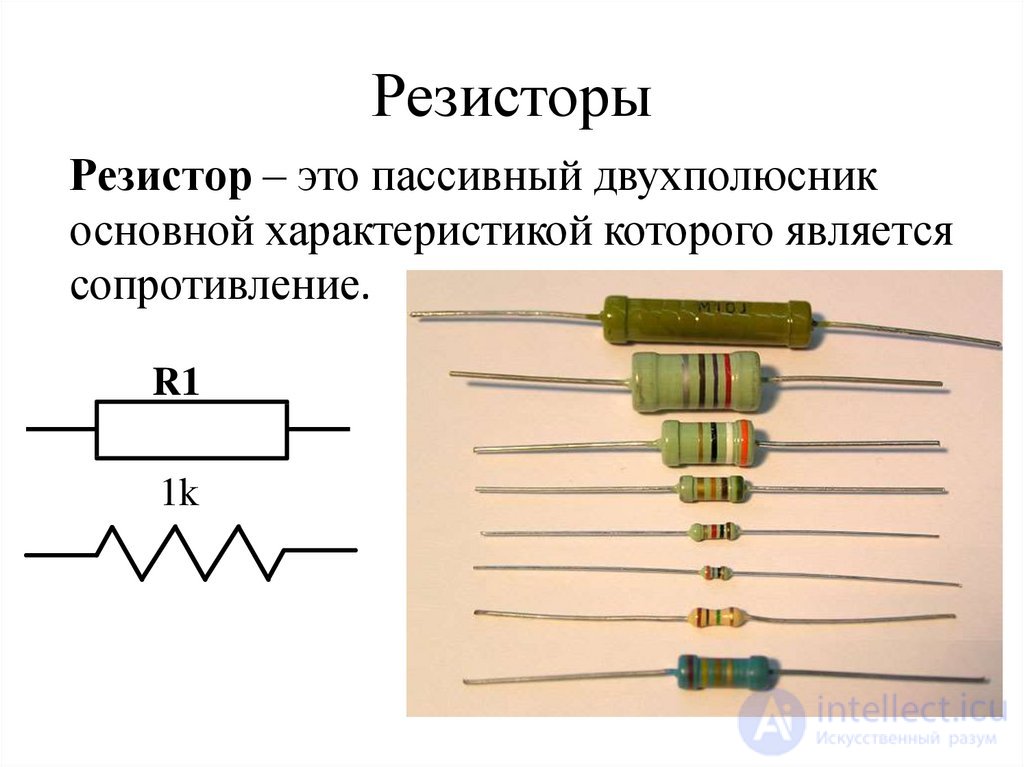
  • 1) Resistor*
  • 2) Commutator
  • 3) Diode
  • 4) Rectifier
  • 5) Inverter

210 Tests on Electronics and Electrical Engineering with Answers and Diagrams

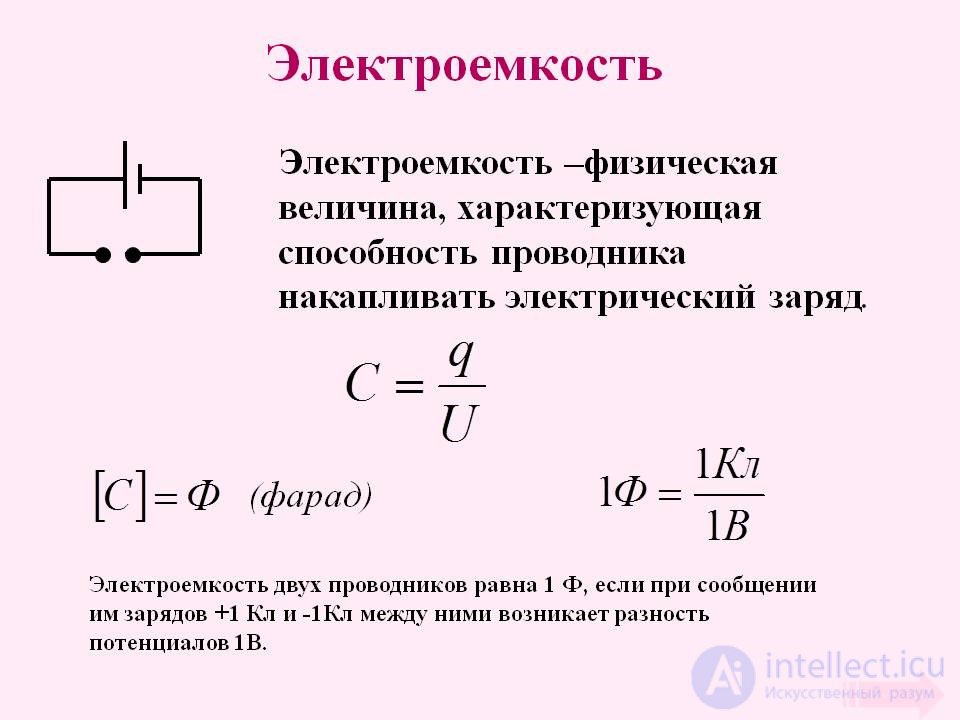
47. What is the name of the ratio of the charge on a capacitor to the voltage at which it can acquire this charge?
  • 1) Field strength of the capacitor
  • 2) Capacitance of the capacitor*
  • 3) Dielectric strength
  • 4) Dielectric breakdown
  • 5) Electric field strength

210 Tests on Electronics and Electrical Engineering with Answers and Diagrams

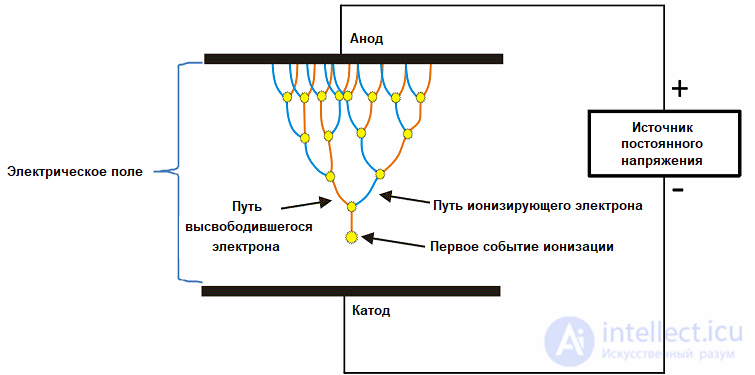
48. The phenomenon of a sharp increase in current in a solid, liquid, or gaseous dielectric or in air, occurring when a voltage above a critical value is applied?
  • 1) Field strength of the capacitor
  • 2) Dielectric breakdown *
  • 3) Dielectric strength
  • 4) Capacitance of the capacitor
  • 5) Electric field strength

210 Tests on Electronics and Electrical Engineering with Answers and Diagrams

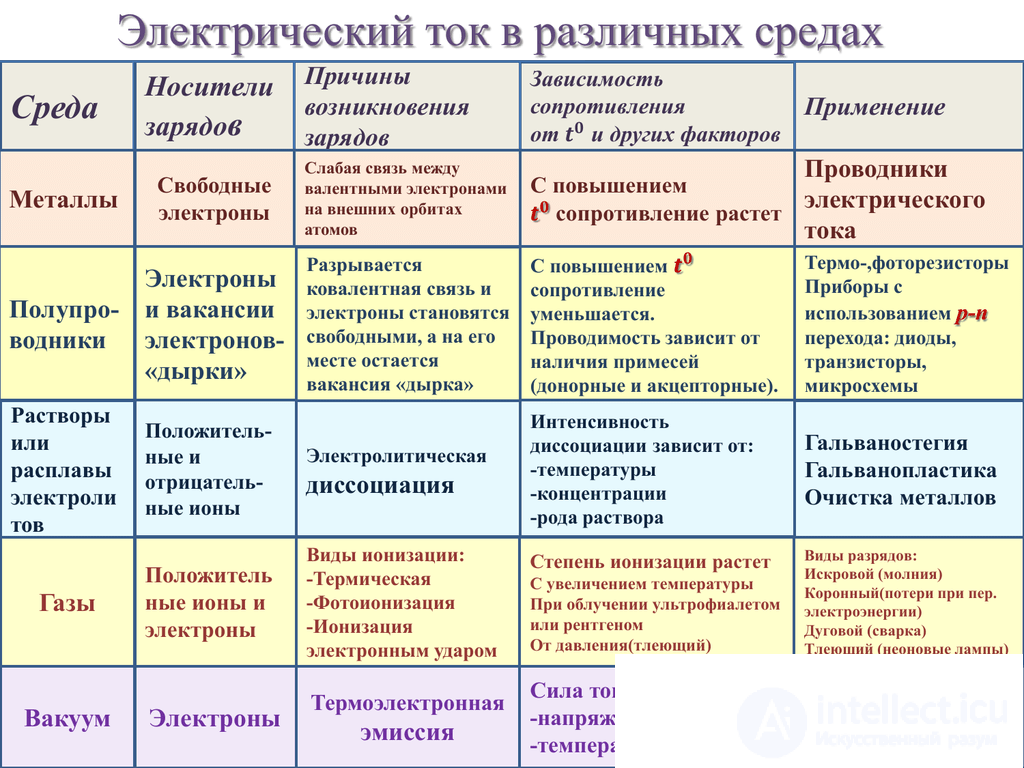
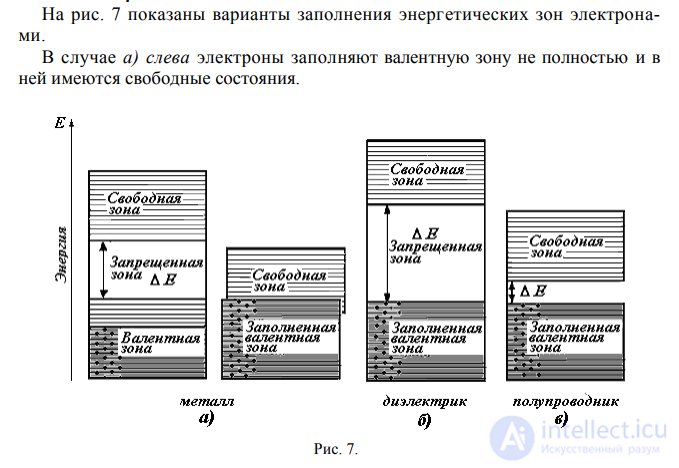
49. What are substances called in which a large number of free electrons predominate and which have high electrical conductivity?
  • 1) Dielectrics
  • 2) Semiconductors
  • 3) Conductors*
  • 4) Metal
  • 5) Semiconductor dielectrics

210 Tests on Electronics and Electrical Engineering with Answers and Diagrams

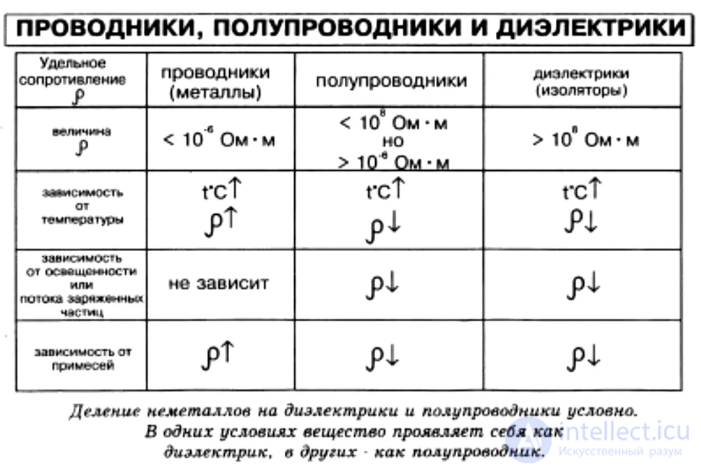
50. If ΔE is small – of the order of a few tenths of an electronvolt – the energy of thermal motion turns out to be sufficient to transfer part
of the electrons to the upper free band (case c)). These electrons will find themselves in conditions analogous to those of the valence electrons in a metal. The free band will become a conduction band for them. At the same time, the transition of valence-band electrons to its now-vacant upper levels becomes possible. Such a substance is called electronic?

  • 1) Dielectrics
  • 2) Conductors
  • 3)Semiconductors *
  • 4) Metal
  • 5) Semiconductor dielectrics

51. What are substances called in which free electrons are absent and which do not have electrical conductivity?
  • 1) Dielectrics *
  • 2) Semiconductors
  • 3) Conductors
  • 4) Metal
  • 5) Semiconductor dielectrics

210 Tests on Electronics and Electrical Engineering with Answers and Diagrams

52. What are substances called in which free electrons are absent and which do not have electrical conductivity?

  • 1) Dielectrics*
  • 2) Semiconductors
  • 3) Conductors
  • 4) Metal
  • 5) Semiconductor dielectrics

53. What are substances called that occupy an intermediate position between conductors and dielectrics?

  • 1) Dielectrics
  • 2) Semiconductors*
  • 3) Conductors
  • 4) Metal
  • 5) Semiconductor dielectrics

54. What are substances called that occupy an intermediate position between conductors and dielectrics?

  • 1) Dielectrics
  • 2) Semiconductors*
  • 3) Conductors
  • 4) Metal
  • 5) Semiconductor dielectrics

55. What is the name of the special state of matter, created in the surrounding region of space by particles carrying electric charges – physical bodies charged with electricity?

  • 1) Magnetic field
  • 2) Electromagnetic field
  • 3) Electric field*
  • 4) Absolute dielectric permittivity
  • 5) Electrical conductivity

56. What is the name of the special state of matter, created in the surrounding region of space by particles carrying electric charges – physical bodies charged with electricity?

  • 1) Magnetic field
  • 2) Electromagnetic field
  • 3) Electric field*
  • 4) Absolute dielectric permittivity
  • 5) Electrical conductivity

57. What is the name of the maximum electric field strength that a dielectric can withstand for a long time without loss of integrity or insulating properties?

  • 1) Magnetic field
  • 2) Electromagnetic field
  • 3) Absolute dielectric permittivity
  • 4) Dielectric strength*
  • 5) Electrical conductivity

58. What is the name of the maximum electric field strength that a dielectric can withstand for a long time without loss of integrity or insulating properties?

  • 1) Magnetic field
  • 2) Electromagnetic field
  • 3) Absolute dielectric permittivity
  • 4) Dielectric strength*
  • 5) Electrical conductivity

59. What is the disruption called when the field strength exceeds the value of the dielectric strength?

  • 1) Insulation failure
  • 2) Semiconductor breakdown
  • 3) Absolute dielectric permittivity
  • 4) Conductor breakdown
  • 5) Dielectric breakdown*

60. What is the disruption called when the field strength exceeds the value of the dielectric strength?

  • 1) Insulation failure
  • 2) Semiconductor breakdown
  • 3) Absolute dielectric permittivity
  • 4) Conductor breakdown
  • 5) Dielectric breakdown*

61. Which current does not change with time, i.e. is constant in both direction and magnitude?
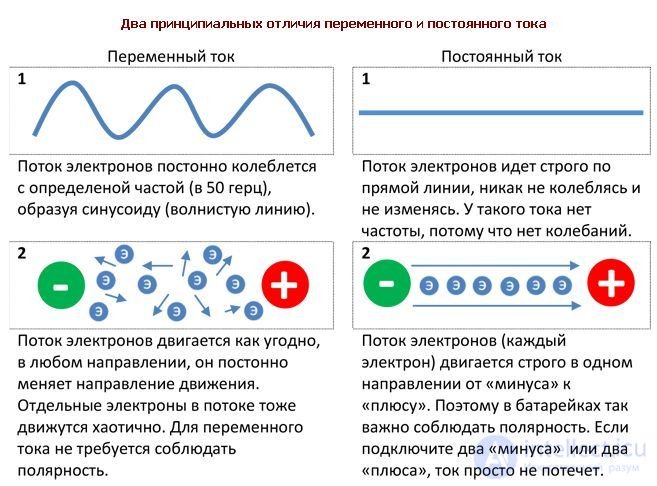
  • 1) Direct current*
  • 2) Alternating current
  • 3) Absolute current
  • 4) Inductive current
  • 5) Symmetrical current

210 Tests on Electronics and Electrical Engineering with Answers and Diagrams

210 Tests on Electronics and Electrical Engineering with Answers and Diagrams

62. Which current does not change with time, i.e. is constant in both direction and magnitude?
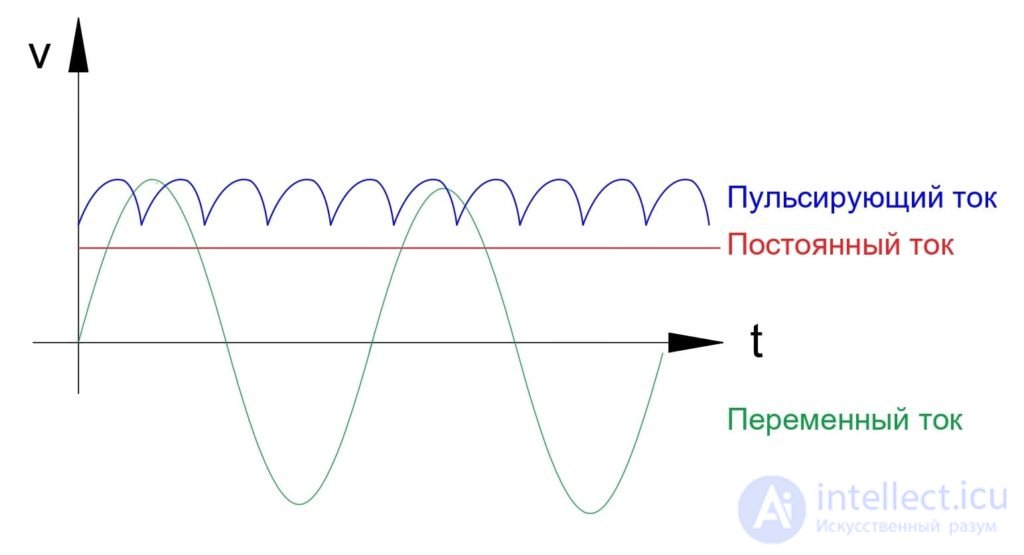
  • 1) Direct current*
  • 2) Alternating current
  • 3) Absolute current
  • 4) Inductive current
  • 5) Symmetrical current

63. Indicate the drawing on which electrical circuits are depicted using conventional graphical symbols.
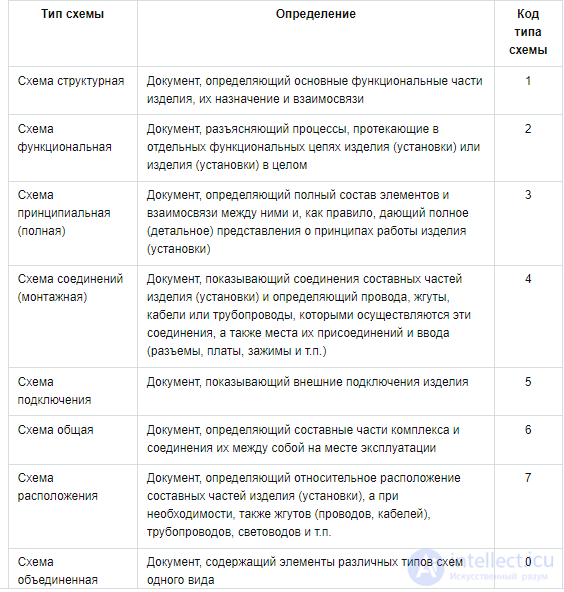
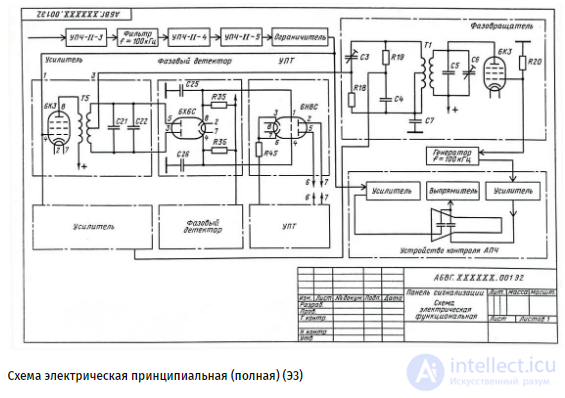
  • 1) Plan – project
  • 2) Electrical circuit diagram E3 *
  • 3) General site plan
  • 4) Connection drawing
  • 5) Drawings of the contacts of electrical loads

210 Tests on Electronics and Electrical Engineering with Answers and Diagrams

210 Tests on Electronics and Electrical Engineering with Answers and Diagrams

64. Indicate the drawing on which the main functional parts of a device are depicted.

  • 1) Structural (block) diagram
  • 2) Functional diagram *
  • 3) Electrical circuit diagram E3
  • 4) Connection drawing
  • 5) Drawings of the contacts of electrical loads

65. Decode the abbreviation – e.d.s

  • 1) Standard of real force
  • 2) Energy drink for Sveta
  • 3) Electromotive force (e.d.s)*
  • 4) Erudition of a Thinking Opponent
  • 5) Electric choke (reactor) for luminaires

210 Tests on Electronics and Electrical Engineering with Answers and Diagrams

66. Decode the abbreviation – EDS

  • 1) Standard of real force
  • 2) Energy drink for Sveta
  • 3) Electromotive force (e.d.s)*
  • 4) Erudition of a Thinking Opponent
  • 5) Electric choke (reactor) for luminaires

67. What is the name for the difference in electric potential between the poles of a current source, under the action of which an electric current flows in the external circuit?
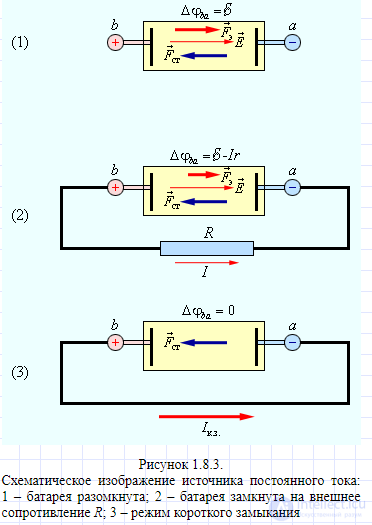
  • 1) Potential difference
  • 2) Electric current
  • 3) Absolute dielectric permittivity
  • 4) Electric voltage*
  • 5) Electrical resistance

68. What is the name for the difference in electric potential between the poles of a current source, under the action of which an electric current flows in the external circuit?

  • 1) Potential difference
  • 2) Electric current
  • 3) Absolute dielectric permittivity
  • 4) Electric voltage*
  • 5) Electrical resistance

210 Tests on Electronics and Electrical Engineering with Answers and Diagrams

69. Name the quantity that is the reciprocal of resistance, i.e. equal to 1/R.

  • 1) Resistivity
  • 2) Electric voltage
  • 3) Absolute dielectric permittivity
  • 4) Dielectric strength
  • 5) Electrical conductance*

70. Name the quantity that is the reciprocal of resistance, i.e. equal to 1/R.

  • 1) Resistivity
  • 2) Electric voltage
  • 3) Absolute dielectric permittivity
  • 4) Dielectric strength
  • 5) Electrical conductance*

71. What types of connections can occur in an electrical circuit consisting of several resistances?
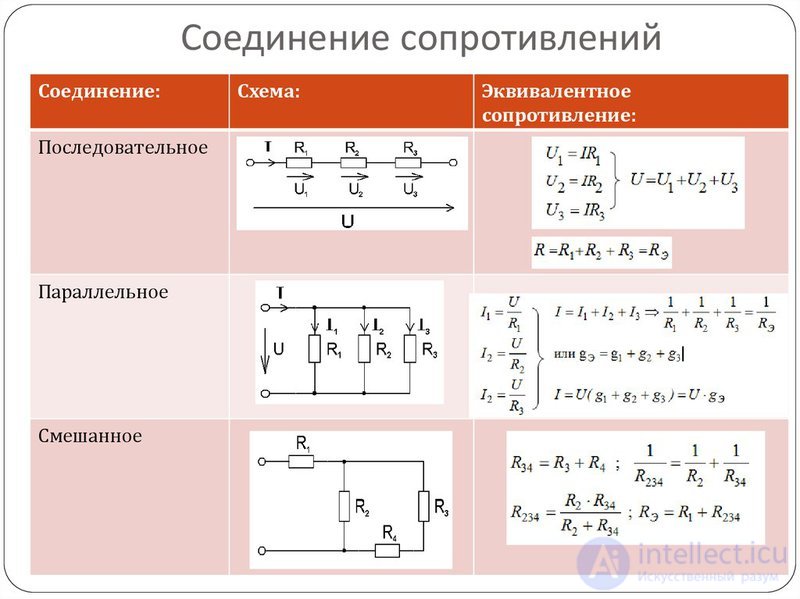
  • 1) Parallel, series and mixed *
  • 2) Parallel, perpendicular and longitudinal
  • 3) External, internal
  • 4) Open, concealed and combined
  • 5) Electrical, mechanical and neutral

210 Tests on Electronics and Electrical Engineering with Answers and Diagrams

72. What types of connections can occur in an electrical circuit consisting of several resistances?

  • 1) Parallel, series and mixed *
  • 2) Parallel, perpendicular and longitudinal
  • 3) External, internal
  • 4) Open, concealed and combined
  • 5) Electrical, mechanical and neutral

73. Name the connection in which the end of the first conductor is joined to the beginning of the second, the end of the second to the beginning of the third, and so on.

  • 1) Parallel
  • 2) Series*
  • 3) Mixed
  • 4) Combined
  • 5) Mechanical

74. Name the connection in which the end of the first conductor is joined to the beginning of the second, the end of the second to the beginning of the third, and so on.

  • 1) Parallel
  • 2) Series*
  • 3) Mixed
  • 4) Combined
  • 5) Mechanical

75. In which connection are all the beginnings of the conductors joined together, and their ends also joined together?

  • 1) Parallel*
  • 2) Series
  • 3) Mixed
  • 4) Combined
  • 5) Mechanical

76. In which connection are all the beginnings of the conductors joined together, and their ends also joined together?

  • 1) Parallel*
  • 2) Series
  • 3) Mixed
  • 4) Combined
  • 5) Mechanical

77. Which quantity characterizes the intensity of a magnetic field?
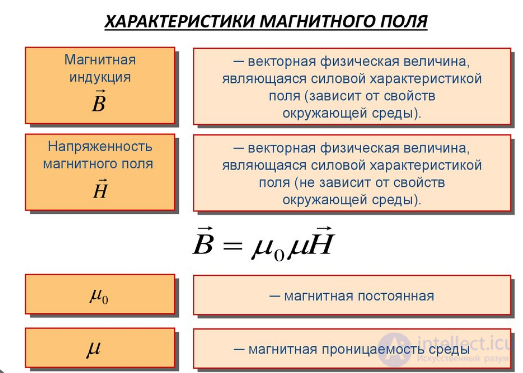
  • 1) Force of attraction
  • 2) Air flow
  • 3) Magnetic induction*
  • 4) Magnetic flux
  • 5) Electromotive force

78. Which quantity characterizes the intensity of a magnetic field?
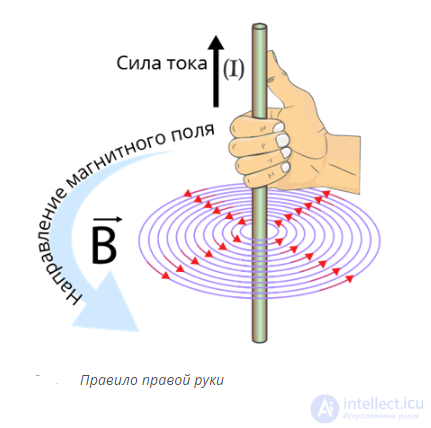
  • 1) Force of attraction
  • 2) Air flow
  • 3) Magnetic induction*
  • 4) Magnetic flux
  • 5) Electromotive force

210 Tests on Electronics and Electrical Engineering with Answers and Diagrams

210 Tests on Electronics and Electrical Engineering with Answers and Diagrams

79. Which quantity is of great importance in the study of electromagnetic phenomena?

  • 1) Force of attraction
  • 2) Air flow
  • 3) Magnetic induction
  • 4) Magnetic flux*
  • 5) Electromotive force

80. Which quantity is of great importance in the study of electromagnetic phenomena?

  • 1) Force of attraction
  • 2) Air flow
  • 3) Magnetic induction
  • 4) Magnetic flux*
  • 5) Electromotive force

81. What is the portion of the magnetizing force per unit length of a magnetic field line called?
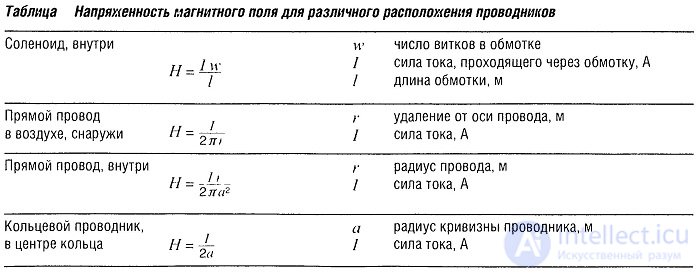
  • 1) Force of attraction
  • 2) Air flow
  • 3) Magnetic induction
  • 4) Magnetic flux
  • 5) Magnetic field strength*

82. What is the portion of the magnetizing force per unit length of a magnetic field line called?

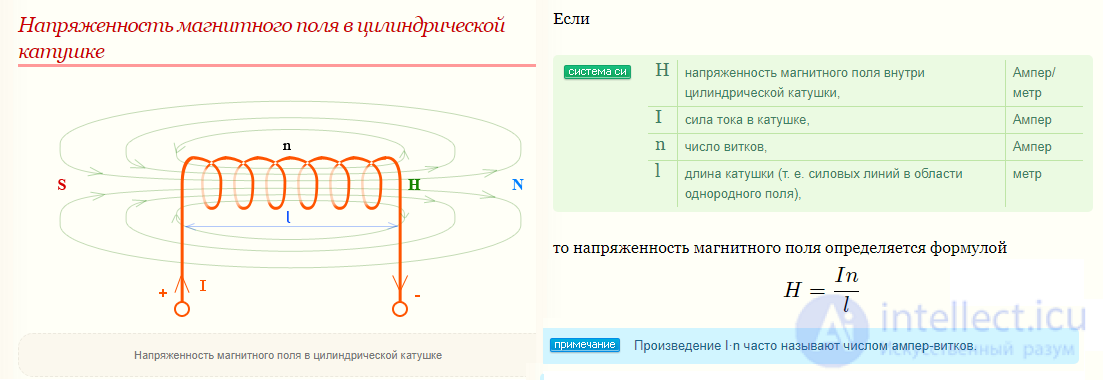
  • 1) Force of attraction
  • 2) Air flow
  • 3) Magnetic induction
  • 4) Magnetic flux
  • 5) Magnetic field strength*

210 Tests on Electronics and Electrical Engineering with Answers and Diagrams

210 Tests on Electronics and Electrical Engineering with Answers and Diagrams

83. Name the region of space in which magnetic forces act?

  • 1) Force of attraction
  • 2) Air flow
  • 3) Magnetic induction
  • 4) Magnetic field*
  • 5) Magnetic field strength

84. Name the region of space in which magnetic forces act?

  • 1) Force of attraction
  • 2) Air flow
  • 3) Magnetic induction
  • 4) Magnetic field*
  • 5) Magnetic field strength

85. Which electric current periodically changes its direction and continuously varies in magnitude?

  • 1) Alternating current*
  • 2) Direct current
  • 3) Capacitive current
  • 4) Magnetoelectric current
  • 5) Strained current

86. Which electric current periodically changes its direction and continuously varies in magnitude?

  • 1) Alternating current*
  • 2) Direct current
  • 3) Capacitive current
  • 4) Magnetoelectric current
  • 5) Strained current
  • 6) Pulsating current

87. Which voltage acts between the start of each phase of a generator or load and the neutral point, or between any of the three line conductors and the neutral conductor?
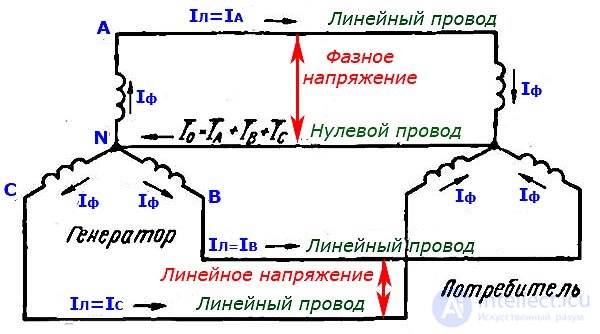
  • 1) Line voltage
  • 2) Phase voltage *
  • 3) Capacitive voltage
  • 4) Neutral voltage
  • 5) Zero voltage

210 Tests on Electronics and Electrical Engineering with Answers and Diagrams

88. Which voltage acts between the start of each phase of a generator or load and the neutral point, or between any of the three line conductors and the neutral conductor?

  • 1) Line voltage
  • 2) Phase voltage *
  • 3) Capacitive voltage
  • 4) Neutral voltage
  • 5) Zero voltage

89. Name the voltage that acts between any two line conductors?

  • 1) Line voltage*
  • 2) Phase voltage
  • 3) Capacitive voltage
  • 4) Neutral voltage
  • 5) Zero voltage

90. Name the voltage that acts between any two line conductors?

  • 1) Line voltage*
  • 2) Phase voltage
  • 3) Capacitive voltage
  • 4) Neutral voltage
  • 5) Zero voltage
  • 6) Step voltage

91. Identify the main part of an electric motor inside which the EMF is transformed, while it itself remains stationary?

  • 1) Rotor
  • 2) Squirrel cage
  • 3) Stator*
  • 4) Motor shaft
  • 5) Cooling fan

92. Identify the main part of an electric motor inside which the EMF is transformed, while it itself remains stationary?

  • 1) Rotor
  • 2) Squirrel cage
  • 3) Stator*
  • 4) Motor shaft
  • 5) Cooling fan

93. Identify the main part of an electric motor owing to which the EMF is transformed inside the motor, while it rotates in the direction of the magnetic flux?

  • 1) Rotor*
  • 2) Squirrel cage
  • 3) Stator
  • 4) Motor shaft
  • 5) Cooling fan

94. Identify the main part of an electric motor owing to which the EMF is transformed inside the motor, while it rotates in the direction of the magnetic flux?

  • 1) Rotor*
  • 2) Squirrel cage
  • 3) Stator
  • 4) Motor shaft
  • 5) Cooling fan

95. Which part of an electric motor is called the «squirrel cage», in which copper or aluminum bars are placed into the slots and short-circuited by two end rings?

  • 1) Motor shaft
  • 2) Squirrel cage
  • 3) Stator
  • 4) Rotor*
  • 5) Cooling fan

96. Which part of an electric motor is called the «squirrel cage», in which copper or aluminum bars are placed into the slots and short-circuited by two end rings?

  • 1) Motor shaft
  • 2) Squirrel cage
  • 3) Stator
  • 4) Rotor*
  • 5) Cooling fan

97. Which electric motors are supplied from a 220 V mains?

  • 1) Three-phase motors
  • 2) Two-phase motors
  • 3) Linear motors
  • 4) Phase motors
  • 5) Single-phase motors*

98. Which electric motors are supplied from a 220 V mains?

  • 1) Three-phase motors
  • 2) Two-phase motors
  • 3) Linear motors
  • 4) Phase motors
  • 5) Single-phase motors*

99. Which electric motors are supplied from a 380 V mains?

  • 1) Three-phase motors(
  • 2) Two-phase motors
  • 3) Linear motors
  • 4) Phase motors
  • 5) Single-phase motors

100. Which type of electric motor has a rotor with a short-circuited winding?

  • 1) Squirrel-cage induction motor*
  • 2) Commutator motor
  • 3) Stepper motor
  • 4) Linear motor
  • 5) Unipolar motor

101. What is the ratio of the useful mechanical power at the motor shaft to the power consumed from the mains called?
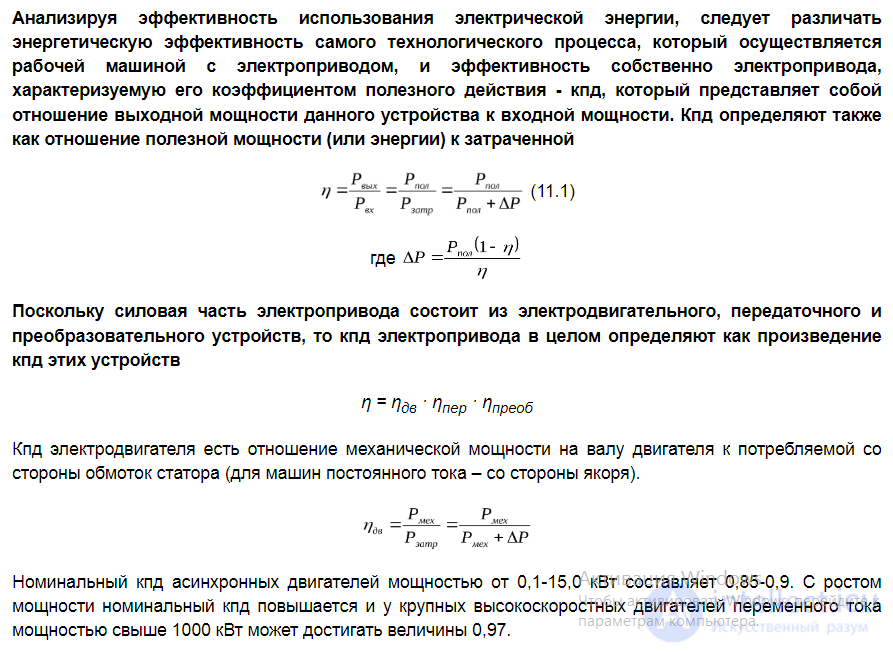
  • 1) Equal power
  • 2) Electromotive force (EMF)
  • 3) Efficiency (η)*
  • 4) Power ratio
  • 5) Useful electrical energy consumption

102. What is the ratio of the useful mechanical power at the motor shaft to the power consumed from the mains called?

  • 1) Equal power
  • 2) Electromotive force (EMF)
  • 3) Efficiency (η)*
  • 4) Power ratio
  • 5) Useful electrical energy consumption

210 Tests on Electronics and Electrical Engineering with Answers and Diagrams

103. An electric machine is called ……… because its rotor rotates at the same speed as the rotating magnetic flux produced by the current in the stator winding.

  • 1) Commutator
  • 2) Stationary
  • 3) Asynchronous
  • 4) Synchronous*
  • 5) Highly mobile

104. An electric machine is called ……… because its rotor rotates at the same speed as the rotating magnetic flux produced by the current in the stator winding.

  • 1) Commutator
  • 2) Stationary
  • 3) Asynchronous
  • 4) Synchronous*
  • 5) Highly mobile

105. What is the emission of a stream of electrons into the surrounding space by a solid or liquid (for example, mercury) cathode called?
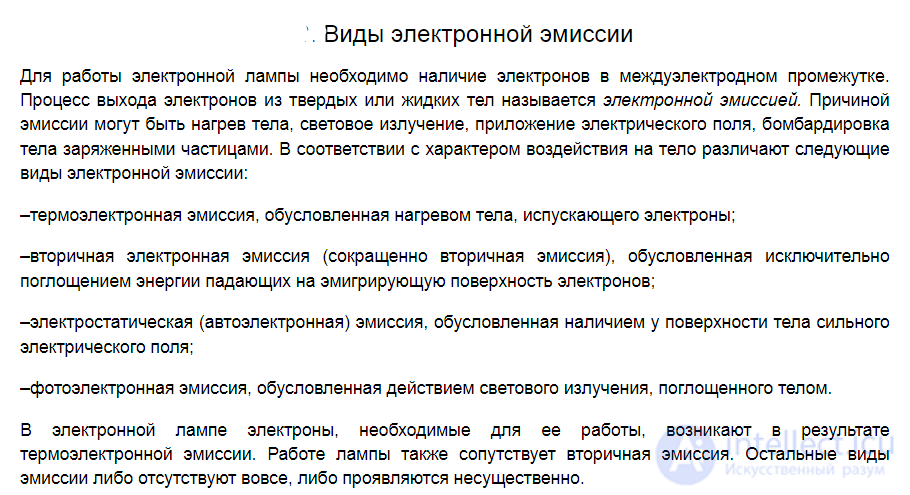
  • 1) Energy generation
  • 2) Radiation emission
  • 3) Anode emission
  • 4) Cathode emission
  • 5) Electron emission*

210 Tests on Electronics and Electrical Engineering with Answers and Diagrams

106. What is the emission of a stream of electrons into the surrounding space by a solid or liquid (for example, mercury) cathode called?

  • 1) Energy generation
  • 2) Radiation emission
  • 3) Anode emission
  • 4) Cathode emission
  • 5) Electron emission*

107. …………..-this is the additional energy supplied to electrons by heating the cathode to a high temperature.

  • 1) Thermionic emission*
  • 2) Photoelectron emission
  • 3) Secondary emission
  • 4) Field (autoelectron) emission
  • 5) Ordinary emission

108. …………..-this is the additional energy supplied to electrons by heating the cathode to a high temperature.

  • 1) Thermionic emission*
  • 2) Photoelectron emission
  • 3) Secondary emission
  • 4) Field (autoelectron) emission
  • 5) Ordinary emission

109. ………….-this is the emission of electrons by solid and liquid bodies under the action of light.

  • 1) Thermionic emission
  • 2) Photoelectron emission*
  • 3) Secondary emission
  • 4) Field (autoelectron) emission
  • 5) Ordinary emission

110. ………….-this is the emission of electrons by solid and liquid bodies under the action of light.

  • 1) Thermionic emission
  • 2) Photoelectron emission*
  • 3) Secondary emission
  • 4) Field (autoelectron) emission
  • 5) Ordinary emission

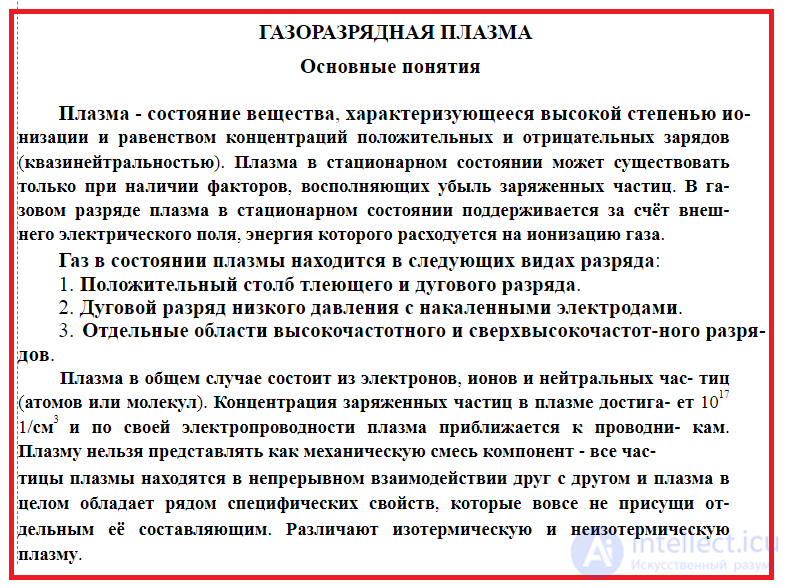
111. The state of an ionized gas is called …………
  • 1) Arc discharge
  • 2) Photoelectron emission
  • 3) Gas-discharge plasma*
  • 4) Field (autoelectron) emission
  • 5) Ordinary emission

112. The state of an ionized gas is called …………

  • 1) Arc discharge
  • 2) Photoelectron emission
  • 3) Gas-discharge plasma*
  • 4) Field (autoelectron) emission
  • 5) Ordinary emission

210 Tests on Electronics and Electrical Engineering with Answers and Diagrams

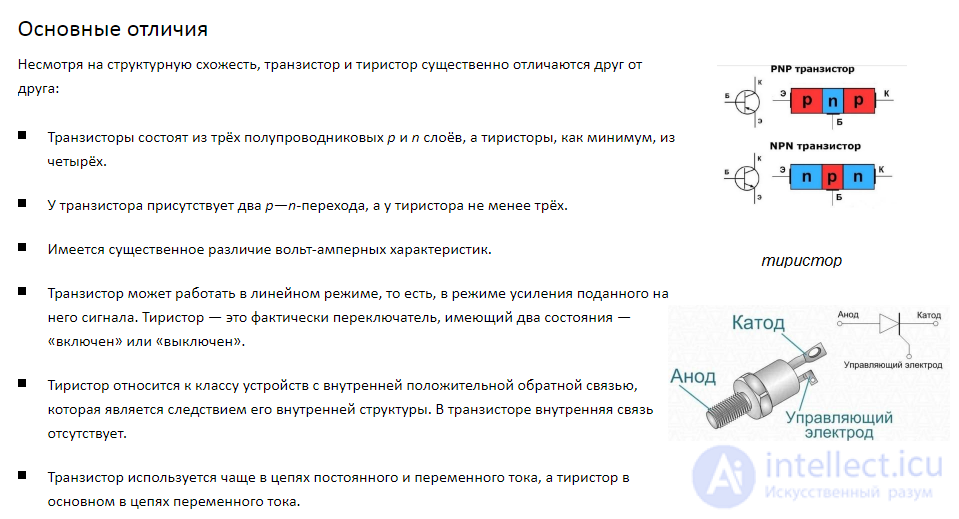
113. Name the controlled semiconductor – silicon valve.
  • 1) Varistors
  • 2) Transistors
  • 3) Thermistors
  • 4) Thyristors *
  • 5) Electronic amplifiers

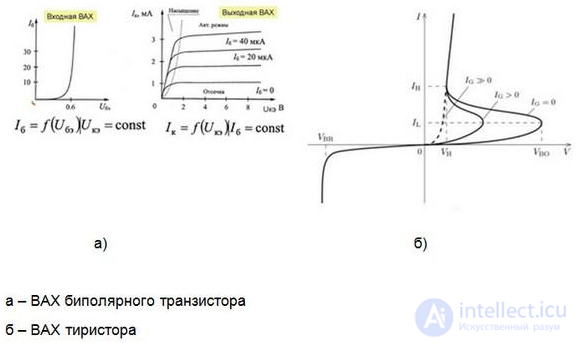
114. Name the controlled semiconductor – silicon valve.
  • 1) Varistors
  • 2) Transistors
  • 3) Thermistors
  • 4) Thyristors *
  • 5) Electronic amplifiers

210 Tests on Electronics and Electrical Engineering with Answers and Diagrams

210 Tests on Electronics and Electrical Engineering with Answers and Diagrams

115. Name the semiconductor device whose operation is based on the dependence of the electrical resistance of semiconductor materials on temperature.

  • 1) Varistors
  • 2) Transistors
  • 3) Thermistors*
  • 4) Thyristors
  • 5) Electronic amplifiers

116. Name the semiconductor device whose electrical resistance depends nonlinearly on the applied voltage.

  • 1)Thermistors
  • 2) Transistors
  • 3) Varistors*
  • 4) Thyristors
  • 5) Electronic amplifiers

117. Identify the main performance indicator of an electronic amplifier.

  • 1) Current transfer ratio
  • 2) Rated resistance
  • 3) Temperature characteristic
  • 4) Efficiency (η)
  • 5) Gain*

118. The current gain, which shows the amplification of alternating current at zero load resistance, is - ___ .

  • 1)Gain
  • 2) Rated resistance
  • 3) Temperature characteristic
  • 4) Efficiency (η)
  • 5) Current transfer ratio *

119. Name the phenomenon of electrons being torn out of a metal surface caused by light falling on that surface?

  • 1) External photoelectric effect (photoemission)*
  • 2) Internal photoelectric effect
  • 3) Barrier-layer (photovoltaic) effect
  • 4) Options B and C
  • 5) No correct answer

120. The phenomenon of increasing electrical conductivity and decreasing resistance caused by irradiation is -
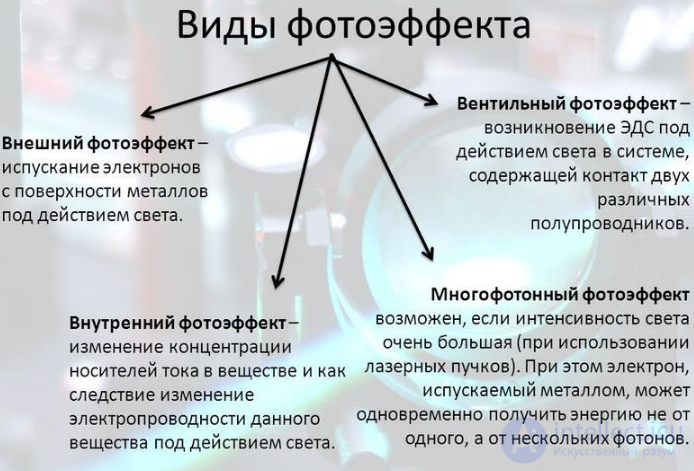
  • 1) Internal photoelectric effect*
  • 2) External photoelectric effect (photoemission)
  • 3) Barrier-layer (photovoltaic) effect
  • 4) Options B and C
  • 5) No correct answer

210 Tests on Electronics and Electrical Engineering with Answers and Diagrams

121. Name the photocell that, along with converting light energy into electrical energy, also amplifies the photocurrent.

  • 1) Varistors
  • 2) Phototransistors*
  • 3) Thermistors
  • 4) Thyristors
  • 5) Electronic amplifiers

122. Name the devices that are sensitive to electromagnetic radiation in the visible, infrared and ultraviolet regions, as well as devices that produce or use such radiation

  • 1) Semiconductor devices
  • 2) Optoelectronic devices*
  • 3) Vacuum devices
  • 4) Electronic devices
  • 5) Mechanical devices

123. Which electrical devices are used to obtain alternating currents of high and elevated frequency?

  • 1) Rectifiers
  • 2) Kenotrons
  • 3) Electronic generators *
  • 4) Thyristors
  • 5) Electronic amplifiers

124. Which electrical devices are used to obtain high voltage?

  • 1) Rectifiers
  • 2) Resistors, logic elements
  • 3) Voltage multipliers, transformers, pulse sources, capacitors *
  • 4) Microprocessors and microcontrollers
  • 5) Electronic amplifiers

138. A device consisting of two conductors of any shape, separated by a dielectric

  • A. transformer
  • B. current source
  • C. resistors
  • D. rheostats
  • E. capacitor *

139. Using which formulas can the RMS value of current be calculated:
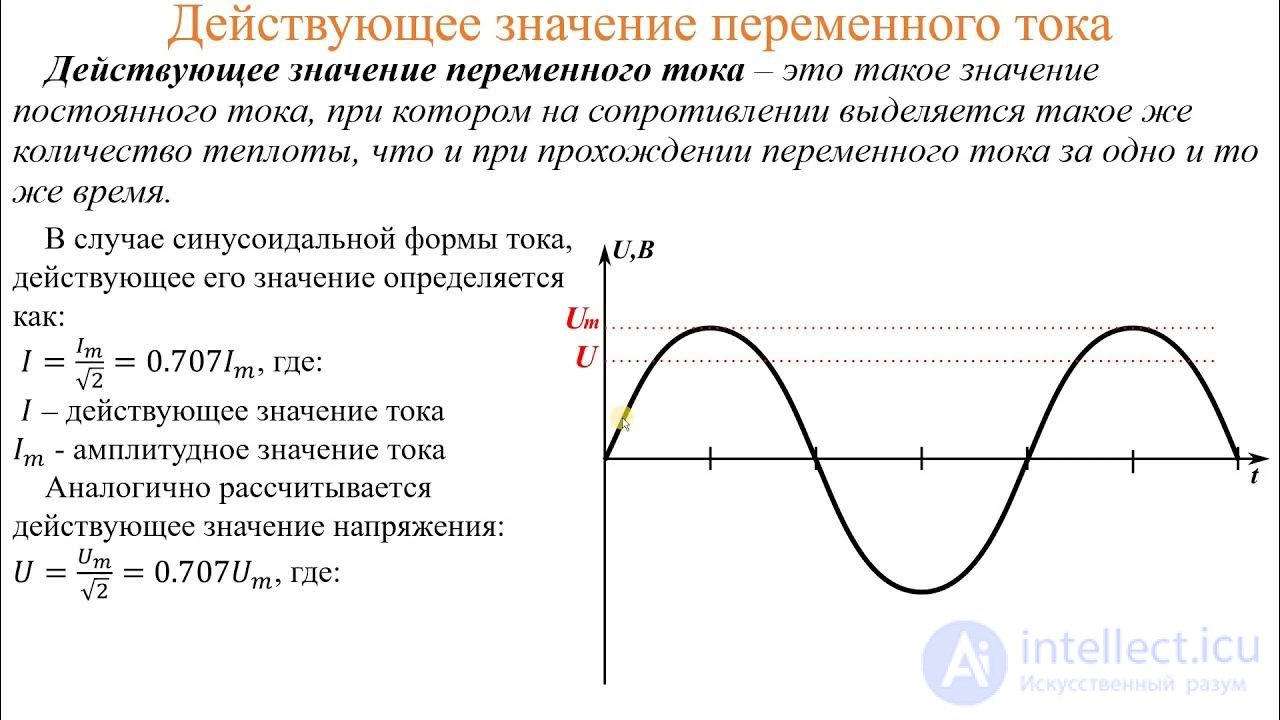
  • A. I=Im/2
  • b) I=Im/ √ 2 *
  • c) I=Im/√3
  • d) I= U/R

210 Tests on Electronics and Electrical Engineering with Answers and Diagrams

140. Determine the resistance of the filament of an electric lamp rated at 100 W, if the lamp is designed for a voltage of 220 V.
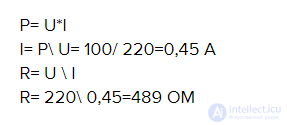
  • A. 570 Ohm.
  • B. 488 Ohm. *
  • C. 523 Ohm.
  • D. 446 Ohm.
  • E. 625 Ohm.

210 Tests on Electronics and Electrical Engineering with Answers and Diagrams

141. The physical quantity characterizing the rate at which work is done.

  • A. work
  • B. voltage
  • C. power *
  • D. resistance
  • E. no correct answer

210 Tests on Electronics and Electrical Engineering with Answers and Diagrams

142. Ohm's law for the complete circuit:
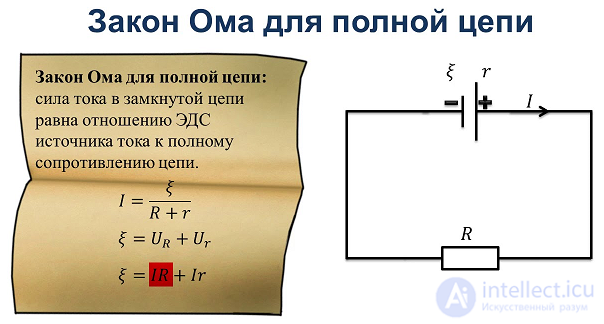
  • A. I= U/R
  • B. U=U*I
  • C. U=A/q
  • D. I=I_1=I_2=…=I_n
  • E. I= E/ (R+r) *

210 Tests on Electronics and Electrical Engineering with Answers and Diagrams

143. Substances that conduct almost no electric current.

  • A. dielectrics*
  • B. electrets
  • C. ferroelectrics
  • D. piezoelectric effect
  • E. diode

144. A section of an electric circuit is…?

  • A. a part of the circuit between two nodes;
  • B. a closed part of the circuit;
  • C. a graphical representation of the elements;
  • D. a part of the circuit between two points; (this is a part of the electric circuit containing a selected set of its elements.)*
  • E. an element of the electric circuit intended for the use of electrical resistance.

145. Convert fuel energy into electrical energy.
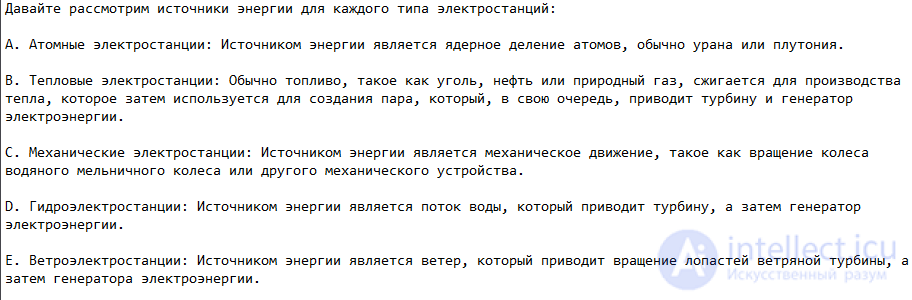
  • A. Nuclear power plants.
  • B. Thermal power plants*
  • C. Mechanical power plants
  • D. Hydroelectric power plants
  • E. Wind power plants.

210 Tests on Electronics and Electrical Engineering with Answers and Diagrams

146. A rheostat is used to regulate… in a circuit

  • A. voltage
  • B. current
  • C. voltage and current *
  • D. resistance
  • E. power

147. A device consisting of a coil and an iron core inside it.

  • A. transformer
  • B. battery
  • C. accumulator
  • D. rheostat
  • E. electromagnet*

148. In a parallel connection of capacitors……= const
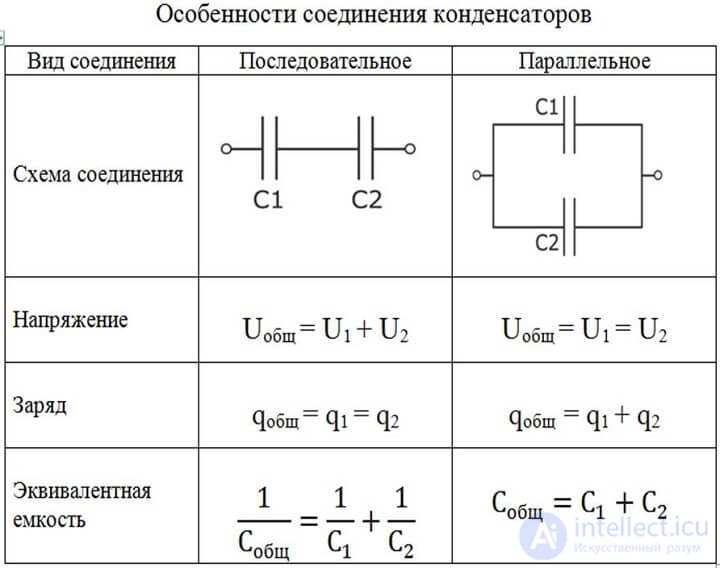
  • A. voltage *
  • B. charge
  • C. capacitance
  • D. resistance
  • E. current

210 Tests on Electronics and Electrical Engineering with Answers and Diagrams

149. The rotating part of an electric generator.
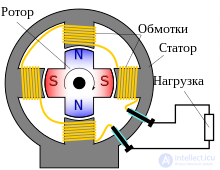
  • A. stator
  • B. rotor*
  • C. transformer
  • D. commutator
  • E. coil

210 Tests on Electronics and Electrical Engineering with Answers and Diagrams

150. A current transformer is…

  • A. a transformer designed to convert pulse signals with a pulse duration of up to tens of microseconds with minimal distortion of the pulse shape.
  • B. a transformer powered from a voltage source.
  • C. a version of a transformer designed to convert electrical energy in electrical networks and in installations intended for receiving and using electrical energy.
  • D. a transformer powered from a current source. *
  • E. a transformer whose primary winding is not electrically connected to the secondary windings.

210 Tests on Electronics and Electrical Engineering with Answers and Diagrams

151. What kind of quantity is the magnetic flux Φ?

  • A. a scalar - Because Φ=B*S (two scalar quantities that are multiplied)*
  • B. a vector
  • C. mechanical
  • D. answers A, B
  • E. perpendicular

152. A set of turns forming an electric circuit in which are summed the EMFs induced in the turns.

  • A. magnetic system
  • B. flat magnetic system
  • C. winding *
  • D. insulation
  • E. no correct answer

153. What is the time interval between two nearest maximum values equal to:
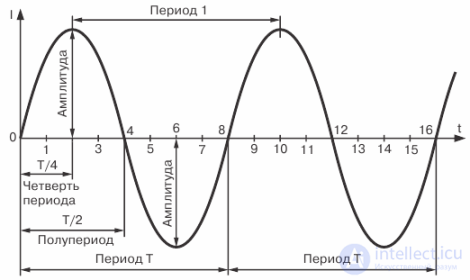
  • A. insufficient data to determine the value;
  • B. half the period;
  • C. a quarter of the period;
  • D. the period. *

210 Tests on Electronics and Electrical Engineering with Answers and Diagrams

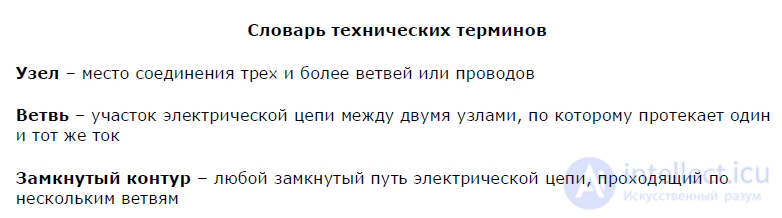
154. From the equations presented, select the ones correctly formulated according to Kirchhoff's first law for node 2:
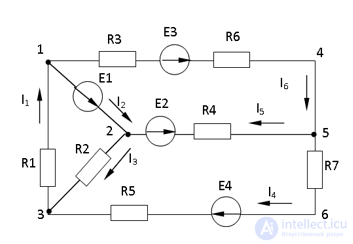
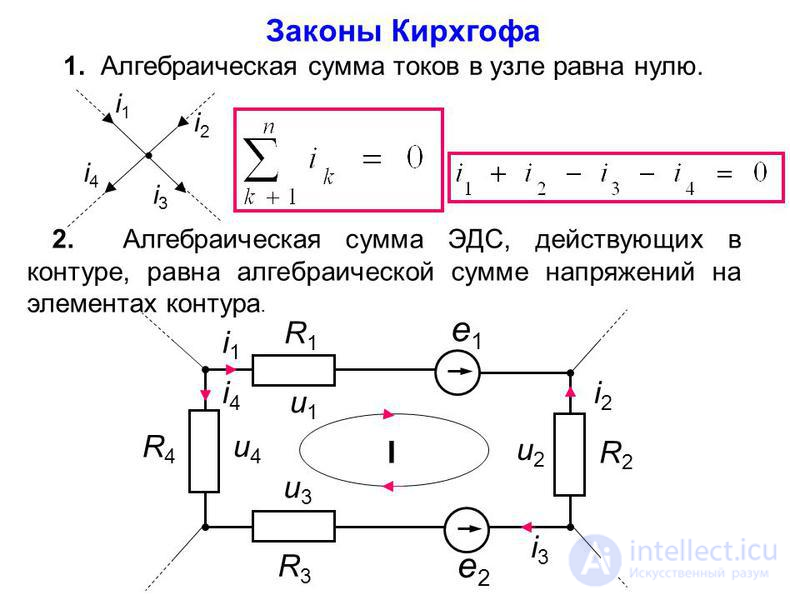
  • A. I1 + I3 + I1=0
  • B. I2 + I5 = - I3
  • C. I2 + I5 - I3=0 *
  • D. I6 + I5 - I2=0

210 Tests on Electronics and Electrical Engineering with Answers and Diagrams

210 Tests on Electronics and Electrical Engineering with Answers and Diagrams

210 Tests on Electronics and Electrical Engineering with Answers and Diagrams

155. In which diagrams is a parallel connection of resistors shown:
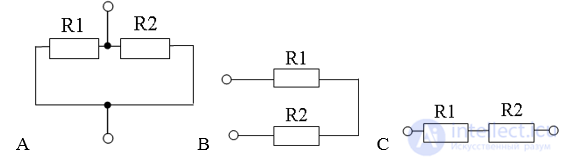
  • A*
  • B
  • C

210 Tests on Electronics and Electrical Engineering with Answers and Diagrams

156. The unit of measurement of resistance in the International System is - …

  • A) Ohm.*
  • B) Coulomb.
  • C) Newton.
  • D) Ampere.

157. How will the reading of a voltmeter with an internal resistance of 1 kOhm change if an additional resistance of 10 kOhm is connected in series with it?
  • A) It will increase 10-fold.
  • B) It will decrease 10-fold.
  • C) It will increase 11-fold.*
  • D) It will not change.

210 Tests on Electronics and Electrical Engineering with Answers and Diagrams

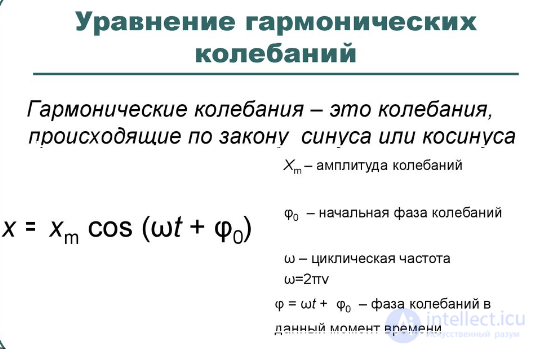
158. A1 In the equation of harmonic oscillation q = qmcos(ωt + φ0), the quantity standing under the cosine sign is called

  • 1) the phase *
  • 2) the initial phase
  • 3) the charge amplitude
  • 4) the angular frequency

159. A2 The graph shows the dependence of the current in a metal conductor on time. Determine the frequency of the current oscillations.
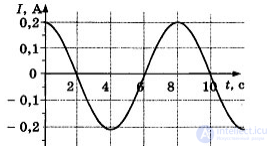
  • 1) 8 Hz
  • 2) 0.125 Hz *
  • 3) 6 Hz
  • 4) 4 Hz

210 Tests on Electronics and Electrical Engineering with Answers and Diagrams

160. A3. How will the period of the natural electromagnetic oscillations in the circuit change if switch K is moved from position 1 to position 2?
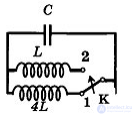
  • 1) It will decrease by a factor of 2 *
  • 2) It will increase by a factor of 2
  • 3) It will decrease by a factor of 4
  • 4) It will increase by a factor of 4

210 Tests on Electronics and Electrical Engineering with Answers and Diagrams

161. A4. An alternating current, varying according to a harmonic law, flows through a section of a circuit with resistance R. At a certain moment the RMS voltage on this section is decreased by a factor of 2, and its resistance is decreased by a factor of 4. In this case the power of the current

  • 1) will decrease by a factor of 4
  • 2) will decrease by a factor of 8
  • 3) will not change *
  • 4) will increase by a factor of 2

162. A5. The current in the primary winding of a transformer is 0.5 A, the voltage across its terminals is 220 V. The current in the secondary winding is 11 A, the voltage across its terminals is 9.5 V. Determine the efficiency of the transformer.

  • 1) 105 %
  • 2) 95 % *
  • 3) 85 %
  • 4) 80 %

163. B1. The table shows how the charge of a capacitor in an oscillating circuit changed over time.210 Tests on Electronics and Electrical Engineering with Answers and Diagrams Calculate the capacitance of the capacitor in the circuit if the inductance of the coil is 32 mH. Express your answer in picofarads and round to the nearest tenth.

  • a) 50.7 pF *
  • b) 50.7 µF
  • c) 50.7 nF
  • d) 50.7 F

164. B2. The oscillating circuit of a radio transmitter contains a capacitor with a capacitance of 0.1 nF and a coil with an inductance of 1 µH. At what wavelength does the radio transmitter operate? The speed of propagation of electromagnetic waves c= 3 · 108 m/s. Round your answer to the nearest whole number.

  • a) 18.84 m*
  • b) 18.84 nm
  • c) 18.84 mm
  • d) 18.84 km

165. C1. Determine the period of the electromagnetic oscillations in an oscillating circuit, if the amplitude of the current is Im, and the amplitude of the electric charge on the capacitor plates is qm.

  • a) T = 2πqm/Im*
  • b) T = 2qm/Im
  • c) T = 2πqm
  • d) T = 2 qm/Im

Variant 2
166. A1. In the equation of harmonic oscillation i = Imcos(ωt + φ0) the quantity ω is called

  • 1) the phase
  • 2) the initial phase
  • 3) the current amplitude
  • 4) the angular frequency *

167. A2. The graph shows the dependence of the current in a metal conductor on time. Determine the amplitude of the current oscillations.
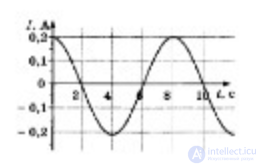
  • a) I max= 2 A
  • b)I max=0.2 A *
  • c) I max= 20 A

210 Tests on Electronics and Electrical Engineering with Answers and Diagrams

168. A3. How will the frequency of the natural electromagnetic oscillations in the circuit change if switch K is moved from position 1 to position 2?
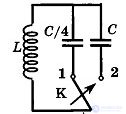
  • 1) It will decrease by a factor of 4
  • 2) It will increase by a factor of 4
  • 3) It will decrease by a factor of 2 *
  • 4) It will increase by a factor of 2

210 Tests on Electronics and Electrical Engineering with Answers and Diagrams

169. A4. An alternating current, varying according to a harmonic law, flows through a section of a circuit with resistance R. At a certain moment the RMS voltage on this section is increased by a factor of 2, and the resistance of the section is decreased by a factor of 4. In this case the power of the current

  • 1) did not change
  • 2) increased by a factor of 16 *
  • 3) increased by a factor of 4
  • 4) decreased by a factor of 2


170. A5. The voltage at the terminals of the primary winding of a transformer is 110 V, the current in it is 0.1 A. The voltage at the terminals of the secondary winding is 220 V, the current in it is 0.04 A. What is the efficiency of the transformer?

  • 1) 120 %
  • 2) 93 %
  • 3) 80 % *
  • 4) 67 %

171. B1. The voltage on a capacitor in an AC circuit varies with angular frequency ω = 4000 s-1. The amplitudes of the voltage and current oscillations are, respectively, Um = 200 V and Im = 4 A. Find the capacitance of the capacitor.

  • a) 5 F
  • b) 5 µF *
  • c) 5 nF
  • d) 5 pF

172. B2. Find the minimum wavelength that a receiver can pick up if the capacitance of the capacitor in its oscillating circuit can be smoothly varied from 200 pF to 1800 pF, and the inductance of the coil is constant and equal to 60 µH. The speed of propagation of electromagnetic waves c = 3 · 108 m/s.

  • a) 206.4 m *
  • b) 206.4 km
  • c) 206.4 nm
  • d) 206.4 mm

173. C1. In the course of oscillations in an ideal oscillating circuit, at a moment in time t the charge of the capacitor is q = 4 · 10-9 C, and the electric current in the coil is I = 3 mA. The period of oscillation is T = 6.28 · 10-6 s. Find the amplitude of the charge oscillations.

  • a) 5 nC *
  • b) 5 C
  • c) 5 kC
  • d) 5 pC


Variant 3
174. A1. In the equation of harmonic oscillation u = Umsin(ωt + φ0) the quantity φ0 is called

  • 1) the phase
  • 2) the initial phase *
  • 3) the voltage amplitude
  • 4) the angular frequency

175. A2. The graph shows the dependence of the current in a metal conductor on time. The amplitude of the current oscillations is equal to
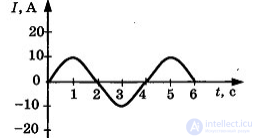
  • 1) 20 A
  • 2) 10 A *
  • 3) 0.25 A
  • 4) 4 A

210 Tests on Electronics and Electrical Engineering with Answers and Diagrams

176. A3. A set of radio components for building a simple oscillating circuit includes two coils with inductances L1 = 1 µH and L2 = 2 µH, as well as two capacitors with capacitances C1 = 3 pF and C2 = 4 pF. With which choice of two elements from this set will the natural oscillation frequency of the circuit be the highest?

  • 1) L2 and C1
  • 2) L1 and C2
  • 3) L1 and C1 *
  • 4) L2 and C2

177. A4. An alternating current, varying according to a harmonic law, flows through a section of a circuit with resistance R. How will the power of the alternating current on this section of the circuit change if the RMS value of the voltage on it is decreased by a factor of 2, and its resistance is increased by a factor of 4?

  • 1) It will decrease by a factor of 16 *
  • 2) It will decrease by a factor of 4
  • 3) It will increase by a factor of 4
  • 4) It will increase by a factor of 2

178. A5. The voltage at the terminals of the primary winding of a transformer is 127 V, the current in it is 1 A. The voltage at the terminals of the secondary winding is 12.7 V, the current in it is 8 A. What is the efficiency of the transformer?

  • 1) 100 %
  • 2) 90 %
  • 3) 80 % *
  • 4) 70 %

179. B1. The table shows how the charge of a capacitor in an oscillating circuit changed over time. 210 Tests on Electronics and Electrical Engineering with Answers and DiagramsCalculate the inductance of the coil if the capacitance of the capacitor in the circuit is 100 pF. Express your answer in millihenries and round to the nearest whole number.

  • a) 65 mH *
  • b) 65 H
  • c) 65 nH
  • d) 65 kH

180. B2. Find the maximum wavelength that a receiver can pick up if the capacitance of the capacitor in its oscillating circuit can be smoothly varied from 200 pF to 1800 pF, and the inductance of the coil is constant and equal to 60 µH. The speed of propagation of electromagnetic waves c = 3 · 108 m/s.

  • a) 619.1 km
  • b) 619.1 nm
  • c) 619.1 mm
  • d) 619.1 m *


181. C1. In an ideal oscillating circuit, the amplitude of the current oscillations in the inductor coil is 10 mA, and the amplitude of the charge oscillations of the capacitor is 5 nC. At a moment in time t the charge of the capacitor is 3 nC. Find the current in the coil at this moment.

  • a) 8 kA
  • b) 8 A
  • c) 8 mA *
  • d) 8 pA

Variant 4

182. A1. In the equation of harmonic oscillation u = Umsin(ωt + φ0) the quantity Um is called

  • 1) the phase
  • 2) the initial phase
  • 3) the voltage amplitude *
  • 4) the angular frequency

183. A2. The graph shows the dependence of the current in a metal conductor on time. The frequency of the current oscillations is equal to
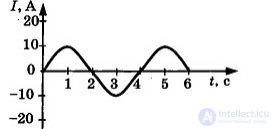
  • 1) 0.12 Hz
  • 2) 0.25 Hz *
  • 3) 0.5 Hz
  • 4) 4 Hz

210 Tests on Electronics and Electrical Engineering with Answers and Diagrams
184. A3. The graph shows the dependence of the current on time in an oscillating circuit under free oscillations. The coil in this circuit was replaced with another coil whose inductance is 4 times smaller. What will the oscillation period of the circuit be?
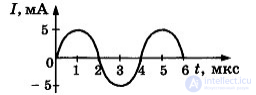
  • 1) 1 µs
  • 2) 2 µs *
  • 3) 4 µs
  • 4) 8 µs

210 Tests on Electronics and Electrical Engineering with Answers and Diagrams
185. A4. An alternating current, varying according to a harmonic law, flows through a section of a circuit with some resistance R. How will the power of the alternating current on this section of the circuit change if the RMS value of the current in it is increased by a factor of 2, and its resistance is decreased by a factor of 2?

  • 1) It will not change
  • 2) It will increase by a factor of 2 *
  • 3) It will decrease by a factor of 2
  • 4) It will increase by a factor of 4

186. A5. The voltage at the terminals of the primary winding of a transformer is 220 V, the current in it is 1 A. The voltage at the terminals of the secondary winding is 22 V. What would the current in the secondary winding be if the efficiency of the transformer were 100 %?

  • 1) 0.1 A
  • 2) 1 A
  • 3) 10 A *
  • 4) 100 A

187. B1. The inductance of a coil is 0.125 H. The equation of the current oscillations in it has the form: i = 0.4cos(2 · 103t), where all quantities are expressed in SI units. Determine the amplitude of the voltage on the coil.

  • a) 100 V *
  • b) 100 kV
  • c) 100 mV
  • d) 100 µV

188. B2. The oscillating circuit of a radio receiver contains a capacitor with a capacitance of 10 nF. What must the inductance of the circuit be to receive a wave with a length of 300 m? The speed of propagation of electromagnetic waves c = 3 · 108 m/s.

  • a) 2.54 kH
  • b) 2.54 H
  • c) 2.54 µH *
  • d) 2.54 nH

189. C1. In an ideal oscillating circuit, in the inductor coil the amplitude of the current oscillations is Im = 5 mA, and the amplitude of the charge oscillations of the capacitor is qm = 2.5 nC. At a moment in time t the current in the coil is i = 3 mA. Find the charge of the capacitor at this moment.

  • a) 2 µC
  • b) 2 pC
  • c) 2 C
  • d) 2 nC *

Variant 5
190. A1. In the equation of harmonic oscillation q = qmcos(ωt + φ0) the quantity standing before the cosine sign is called

  • 1) the phase
  • 2) the initial phase
  • 3) the charge amplitude *
  • 4) the angular frequency

191. A2. The graph shows the dependence of the current in a metal conductor on time. The period of the current oscillations is equal to
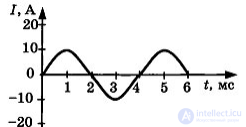
  • 1) 2 ms
  • 2) 4 ms *
  • 3) 6 ms
  • 4) 10 ms

210 Tests on Electronics and Electrical Engineering with Answers and Diagrams

192. A3. The graph shows the dependence of the current on time in an oscillating circuit under free oscillations. If the capacitance of the capacitor is increased by a factor of 4, the natural oscillation period of the circuit will become equal to
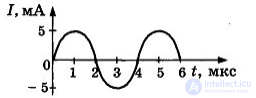
  • 1) 2 µs
  • 2) 4 µs
  • 3) 8 µs *
  • 4) 16 µs

210 Tests on Electronics and Electrical Engineering with Answers and Diagrams

193. A4. An alternating current, varying according to a harmonic law, flows through a section of a circuit with some resistance R. At a certain moment the RMS value of the current in the section increases by a factor of 2, and the resistance decreases by a factor of 4. In this case the power of the current

  • 1) will increase by a factor of 4
  • 2) will increase by a factor of 2
  • 3) will decrease by a factor of 2
  • 4) will not change *

194. A5. The efficiency of the transformer is 90 %. The voltage at the terminals of the primary winding is 220 V, at the terminals of the secondary winding 22 V. The current in the secondary winding is 9 A. What is the current in the primary winding of the transformer?

  • 1) 0.1 A
  • 2) 0.45 A
  • 3) 0.9 A
  • 4) 1 A *

195. B1. The table shows how the charge of a capacitor in an oscillating circuit changed over time. 210 Tests on Electronics and Electrical Engineering with Answers and Diagrams Calculate the inductance of the coil if the capacitance of the capacitor in the circuit is 50 pF. Express your answer in millihenries and round to the nearest whole number.

  • a) 30 mH
  • b) 31 mH
  • c) 32 mH *
  • d) 33 mH

196. B2. The electrical oscillating circuit of a radio receiver contains a coil with an inductance of 10 mH and two parallel-connected capacitors, with capacitances of 360 pF and 40 pF. To what wavelength is the circuit tuned? The speed of propagation of electromagnetic waves c = 3 · 108 m/s.

  • a) 3 m
  • b) 37 m
  • c) 3768 m *
  • d) 376 m

197. C1. In an ideal oscillating circuit, the amplitude of the electric current oscillations in the inductor coil is Im = 5 mA, and the amplitude of the voltage on the capacitor is Um = 2 V. At a moment in time t the current in the coil is i = 3 mA. Find the voltage on the capacitor at this moment.

  • a) 1.6 kV
  • b) 1.6 mV
  • c) 1.6 V *
  • d) 1.6 pV

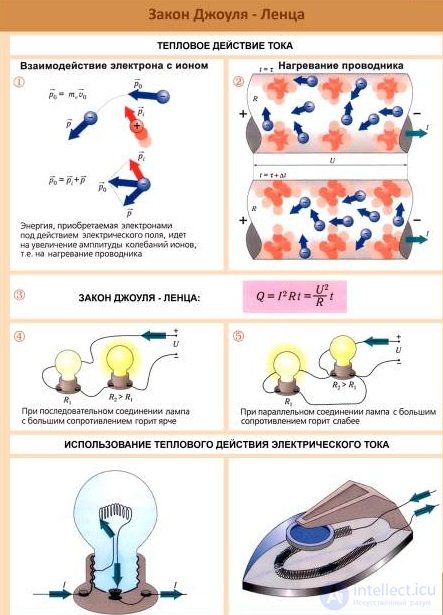
198. Joule–Lenz law:

  • a) defines the relationship between the EMF of a power source and its internal resistance
  • b) the work done by a source is equal to the product of the source's EMF and the charge transferred in the circuit
  • c) the amount of heat released in a conductor as an electric current passes through it is equal to the product of the square of the current, the resistance of the conductor, and the time the current passes through the conductor *

210 Tests on Electronics and Electrical Engineering with Answers and Diagrams

199. It is necessary to determine the resistance of the filament of an electric lamp rated at 100 W, if the lamp is designed for a voltage of 220 V:

  • a) 488 Ohm *
  • b) 625 Ohm
  • c) 523 Ohm

200. The current in an electric circuit is 2 A at a voltage of 5 V across its ends. Find the resistance of the conductor:

  • a) 4 Ohm
  • b) 2.5 Ohm *
  • c) 10 Ohm

201. Dielectrics that retain polarization for a long time after removal of the external electric field:
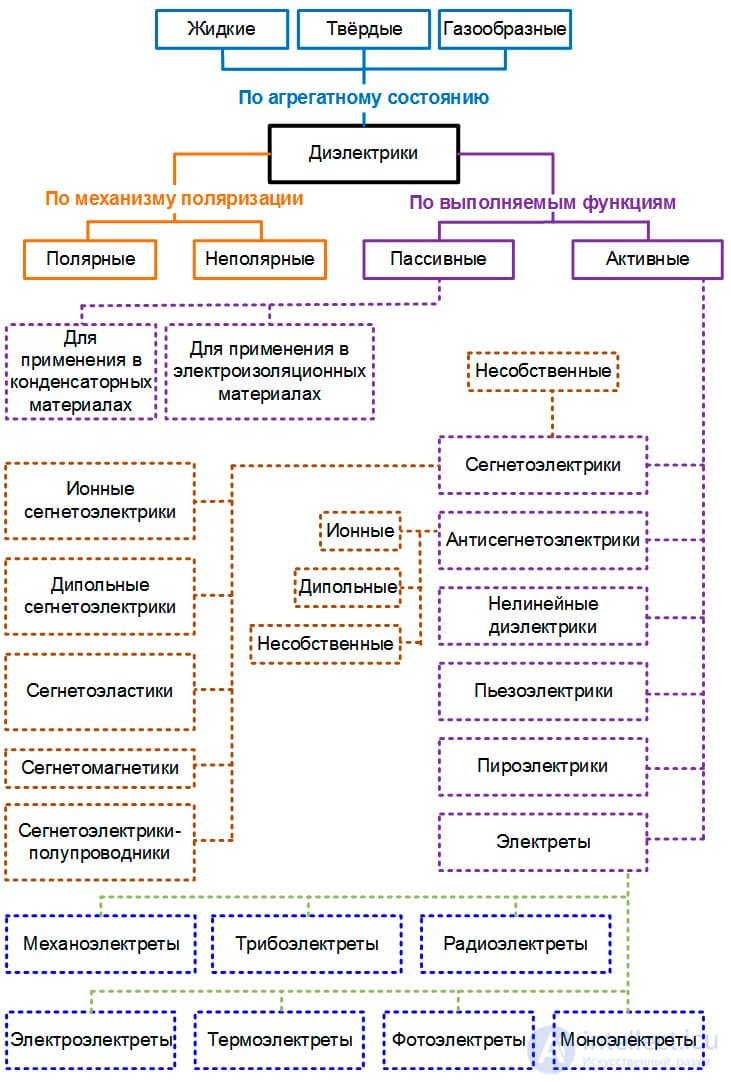
  • a) piezoelectric effect
  • b) ferroelectrics
  • c) electrets *

210 Tests on Electronics and Electrical Engineering with Answers and Diagrams

202. Which particles have the smallest negative charge:
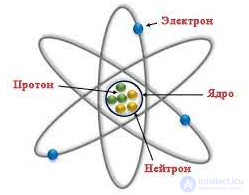
  • a) proton
  • b) electron *
  • c) neutron

210 Tests on Electronics and Electrical Engineering with Answers and Diagrams

203. What is the name of a device consisting of a coil and an iron core inside it:

  • a) electromagnet*
  • b) battery
  • c) accumulator

204. What is a dipole:

  • a) the absolute permittivity of vacuum
  • b) two opposite electric charges located a small distance apart from each other *
  • c) the alignment of dipoles along the field lines of the electric field

205. Two lamps rated for the same voltage were connected in series in a circuit with a voltage of 250 V. One lamp has a power of 500 W, the other a power of 25 W. Determine the resistance of the circuit:

  • a) 2045 Ohm
  • b) 2625 Ohm *
  • c) 238 Ohm

206. An electric circuit is called:

  • a) a set of devices intended for the passage of electric current *
  • b) a device for measuring EMF
  • c) the ordered movement of charged particles in a conductor

207. Who was the first to study the phenomena in electric circuits deeply and thoroughly:

  • a) Faraday
  • b) Maxwell
  • c) Georg Ohm*

208. What is the name of the part of a circuit between two points:

  • a) branch
  • b) circuit section *
  • c) loop

209. The current in a conductor is:

  • a) directly proportional to the voltage across the ends of the conductor *
  • b) inversely proportional to the voltage across the ends of the conductor
  • c) inversely proportional to the voltage across the ends of the conductor and to its resistance

210. How much energy does an electric lamp draw from the mains in 2 hours if its resistance is 440 Ohm and the mains voltage is 220 V:

  • a) 240 W/h
  • b) 220 W/h *
  • c) 340 W/h

211. The potential of a point is:

  • a) the potential difference between two points of an electric field
  • b) the absolute permittivity of vacuum
  • c) the work done in moving a unit charge from the point of the field to infinity *

212. Charge carriers:

  • a) electrons
  • b) negative ions
  • c) positive ions
  • d) holes
  • e) all of the above *

210 Tests on Electronics and Electrical Engineering with Answers and Diagrams

213. Where is the thermal effect of electric current used:

  • a) in electric irons *
  • b) in electric motors
  • c) in generators
  • d) in a supermarket

213. A source of electric energy that supplies alternating current:

  • a) a size-AA galvanic battery
  • b) a lead-acid accumulator
  • c) the 220-volt mains *

214. How are power-consuming devices connected in an apartment:

  • a) in series
  • b) in parallel *
  • c) both ways

215. When measuring current, an ammeter is connected in the circuit:
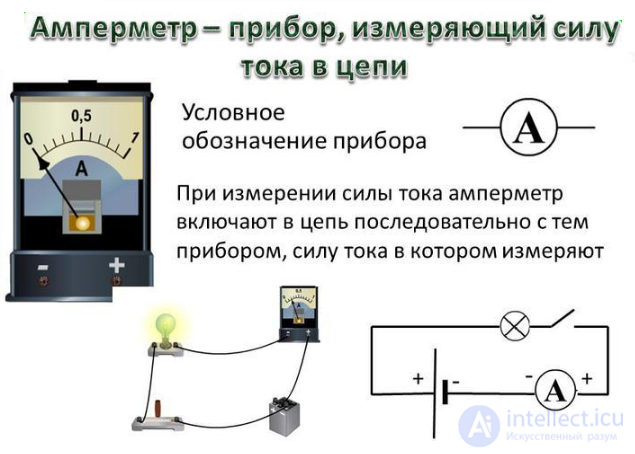
  • a) in series with the device whose current is being measured *
  • b) in parallel with the current source
  • c) in parallel with the device whose current is being measured

210 Tests on Electronics and Electrical Engineering with Answers and Diagrams

In conclusion, these tests on radio electronics have played an important role in your educational process and professional training in the field of radio engineering and electronics. They helped assess the level of your knowledge and skills, and also serve as an incentive for further study and development in this field.

Correct answers:

1) 3;
2) 3;
3) 3;
4) 3;
5) 1;
6) 1;
7) 3;
8) 3;
9) 4;
10) 4;
11) 3;
12) 3;
13) 4;
14) 4;
15) 1;
16) 1;
17) 1;
18) 1;
19) 3;
20) 3;
21) 2;
22) 2;
23) 1;
24) 1;
25) 2;
26) 2;
27) 3;
28) 3;
29) 4;
30) 4;
31) 5;
32) 5;
33) 2;
34) 2;
35) 2;
36) 2;
37) 1;
38) 1;
39) 3;
40) 3;
41) 4;
42) 4;
43) 1;
44) 1;
45) 1;
46) 1;
47) 2;
48) 2;
49) 3;
50) 3;
51) 1;
52) 1;
53) 2;
54) 2;
55) 3;
56) 3;
57) 4;
58) 4;
59) 5;
60) 5;
61) 1;
62) 1;
63) 2;
64) 2;
65) 3;
66) 3;
67) 4;
68) 4;
69) 5;
70) 5;
71) 1;
72) 1;
73) 2;
74) 2;
75) 1;
76) 1;
77) 3;
78) 3;
79) 4;
80) 4;
81) 5;
82) 5;
83) 4;
84) 4;
85) 1;
86) 1;
87) 2;
88) 2;
89) 1;
90) 1;
91) 3;
92) 3;
93) 1;
94) 1;
95) 4;
96) 4;
97) 5;
98) 5;
99) 1;
100) 1;
101) 3;
102) 3;
103) 4;
104) 4;
105) 5;
106) 5;
107) 1;
108) 1;
109) 2;
110) 2;
111) 3;
112) 3;
113) 4;
114) 4;
115) 3;
116) 3;
117) 5;
118) 5;
119) 1;
120) 1;
121) 2;
122) 2;
123) 3;
124) 3;

Answers on the topic Electromagnetic Oscillations and Waves

Option 1
1-1
2-2
3-1
4-3
5-2
6. 50.7 pF
7. 18.84 m
8. T = 2πqm/Im


Option 2
1-4
2-2
3-3
4-2
5-3
6. 5 µF
7. 206.4 m
8. 5 nC


Option 3
1-2
2-2
3-3
4-1
5-3
6. 65 mH
7. 619.1 m
8. 8 mA


Option 4
1-3
2-2
3-2
4-2
5-3
6. 100 V
7. 2.54 µH
8. 2 nC


Option 5
1-3
2-2
3-3
4-4
5-4
6. 32 mH
7. 3768 m
8. 1.6

See also

  • [[b4636]]
  • [[b7354]]
  • [[b11970]]
  • [[b9879]]

See also

Comments

Тимур 07-02-2024
Я хотел бы выразить свою искреннюю благодарность за вашу статью о тестах по электронике и электротехнике. Это было удивительное исследование, которое помогло мне не только углубить свои знания в этих областях, но и улучшить мои навыки в решении различных задач.

Одним из наиболее привлекательных аспектов статьи было присутствие ответов на вопросы теста, что сделало процесс обучения более эффективным и понятным. Кроме того, я нашел схемы, представленные в статье, очень информативными и полезными для понимания основных принципов работы электронных устройств.

Мне также понравилось, насколько статья была структурированной и легко читаемой. Вопросы теста были разделены по различным темам, что позволило мне сосредоточиться на конкретных аспектах каждой темы. Это было особенно полезно при повторении материала перед экзаменом или сдачей теста.

Я благодарен автору за то, что он сделал такое полезное руководство доступным для всех. Это идеальный ресурс как для студентов, изучающих электронику и электротехнику, так и для тех, кто просто интересуется этими областями. Я определенно рекомендую эту статью всем, кто ищет качественный материал для самообразования или подготовки к экзаменам.

Спасибо еще раз за вашу ценную работу и за предоставление такого полезного ресурса!

To leave a comment

If you have any suggestion, idea, thanks or comment, feel free to write. We really value feedback and are glad to hear your opinion.
To reply

Lectures and tutorial on "Theoretical Foundations of Electrical Engineering"

Terms: Theoretical Foundations of Electrical Engineering