
Lecture 7 min.
Taking acoustoelectronics tests can be an engaging and informative experience that helps you check and deepen your knowledge of this fascinating field. Here are some tips that can help you succeed in acoustoelectronics tests:
Preparation and study of the material: Take time to study the basic principles and concepts of acoustoelectronics. Review the main acoustic phenomena, the interaction of sound and electrical signals, and the operating principles of acoustic devices and instruments. Studying textbooks, lectures, and manuals will help you deepen your knowledge.
Solving practical problems: In addition to studying theory, it is recommended to solve practical problems related to acoustoelectronics. This will help you apply your knowledge in practice and develop the skills of analyzing and solving problems related to acoustoelectronic systems.
Understanding basic concepts and terms: Basic concepts and terms play an important role in acoustoelectronics. Pay attention to the definitions and key terms used in this field. Make sure that you understand their meanings and can apply them in the context of test questions.
Working with the test format: Familiarize yourself with the format of the tests you will be taking. It may be a test with one or several correct answers, matching tasks, or calculation problems. While studying the material, pay attention to the topics that often appear in tests, and practice solving similar problems.
Pay attention to details and features: In acoustoelectronics, even small details can matter. Try to remember the features of various devices, parameters, and characteristics. Be careful when reading questions and answers so as not to miss important details.
Practice and review: Spend some time on practice and review. Work through examples and problems and take practice tests to reinforce your knowledge and boost your confidence before testing.
Remember that self-discipline, systematic study, and practice are the key factors for success in taking acoustoelectronics tests. Start your preparation with confidence, ask questions if something is unclear, and do not be afraid to ask your instructor or colleagues for help. Good luck with your tests and with your further study of acoustoelectronics!
Make sure that you read the questions carefully and choose the correct answers carefully. Good luck with your acoustoelectronics tests!
1. Acoustoelectronics is:
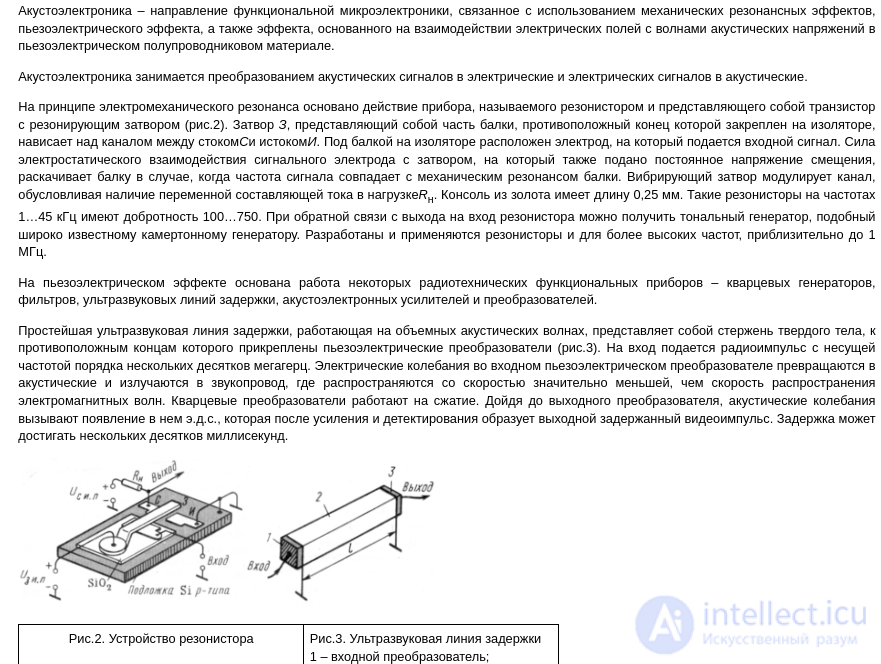
2. Properties of acoustic waves that determine their use in radio engineering and electronics:
3. An IDT (interdigital transducer) is:
4. The period of an IDT (interdigital transducer) structure is equal to:
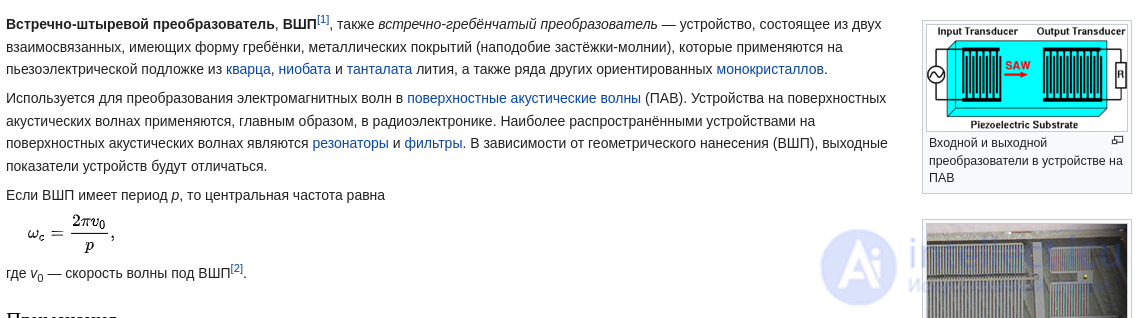
5. Among SAW products, the largest share of the market is held by:
6. What is the piezoelectric effect?
7. What principle underlies the operation of piezoelectric transducers?
8. What is a resonator?
9. What is an acoustic filter?
10. What is ultrasound?

11. Which device is used to measure sound level?
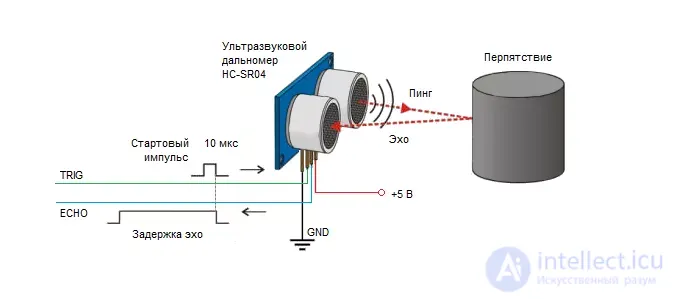
12. What principle is used in ultrasonic distance sensors?
13. What is acoustic resonance?
14. What effect underlies the operation of hydrophones?
15. What is the amplitude of a sound wave?
Congratulations on successfully passing the acoustoelectronics tests! Your knowledge and understanding of this field were clearly reflected in your correct answers. This deserves praise!
Passing acoustoelectronics tests is an important step on your educational path, and you handled it excellently. Your ability to choose the correct answers and demonstrate an understanding of the key concepts and principles of acoustoelectronics speaks of your thorough preparation.
You should be proud of your achievements and move forward with confidence, continuing to explore and deepen your knowledge of acoustoelectronics. You have already demonstrated your ability to apply what you have learned in practice, but do not forget that the field of acoustoelectronics is constantly evolving and offers new challenges and opportunities.
Remember that successfully passing tests is only one step on the way to achieving your goal. Keep studying and practicing acoustoelectronics, and take part in projects and research to broaden your experience and become an even more competent specialist in this field.
I wish you further success in studying acoustoelectronics and reaching new heights in your career! Keep developing and striving for new knowledge and achievements. Good luck!

Comments