
Lecture
When solving problems involving transient processes, it is convenient to use a special method of presenting information – the per-unit system, which gives universality to the writing of mathematical equations and simplifies the use of both final and intermediate results.
The per-unit (relative) value of a given physical quantity is called the ratio of this physical quantity to some other named quantity chosen as the base value.
In most transient-process calculations, it is most convenient to choose the three-phase power SB and the line voltage Ub , as the base quantities; all other base quantities can then be calculated. In order for the relations corresponding to Ohm's and Kirchhoff's laws to hold between the per-unit quantities, the base current and base resistance are determined as:
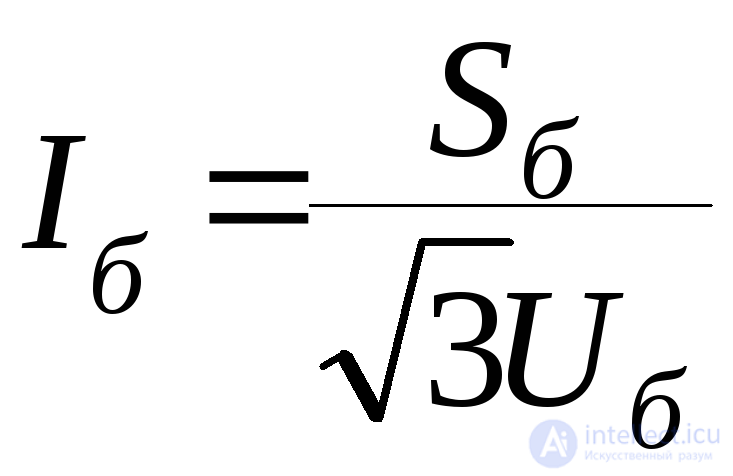 ;
; 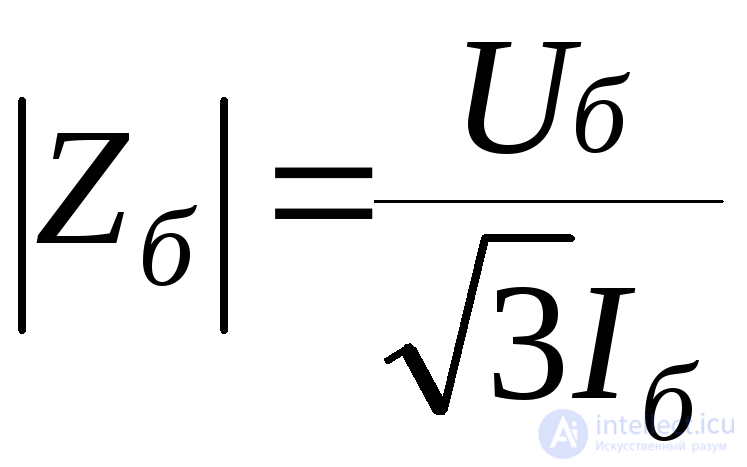 . (1.4)
Base quantities are always named numbers, and the type (real, complex) of the per-unit quantities is determined by the type of the named quantities.
Under the chosen base conditions, the per-unit EMF, voltage, resistance and current are determined as follows: 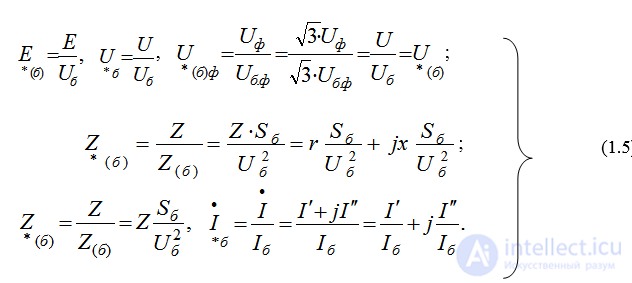
Here the sign “*” means that the quantity is expressed in per-unit values, and the index (b) means that it is referred to the base conditions.
The transition from a per-unit quantity 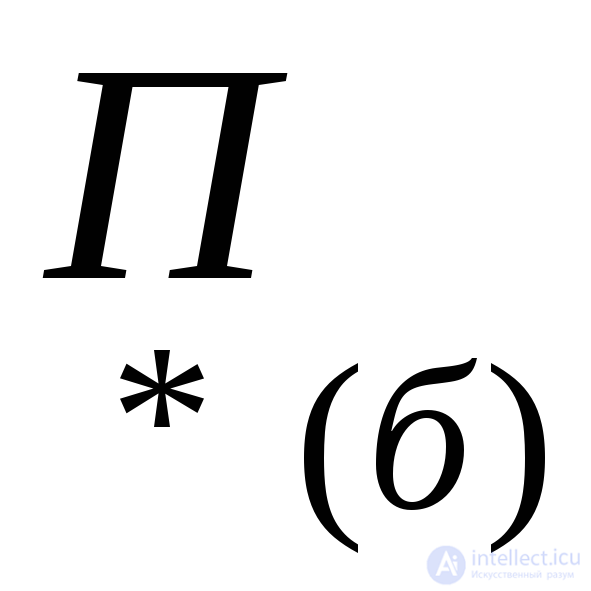 to the named quantity P is performed by the formula
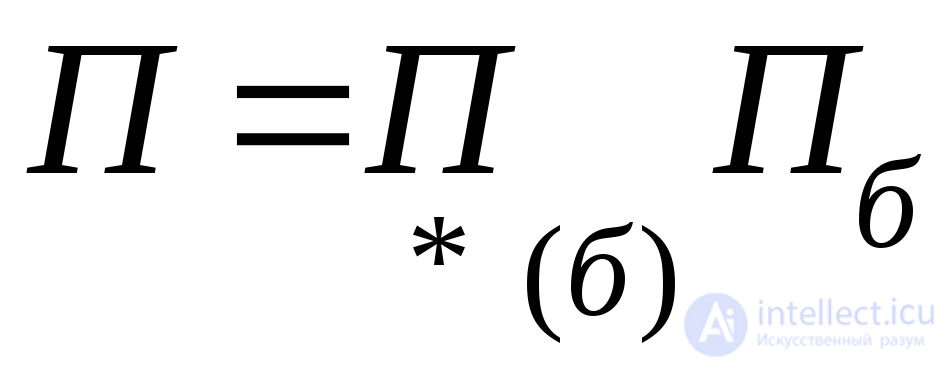 .
.
If the rated (nameplate) parameters of an element are expressed in per-unit values, then they are referred to the rated parameters of the same device. In this case, under base conditions, the nameplate data will be determined as
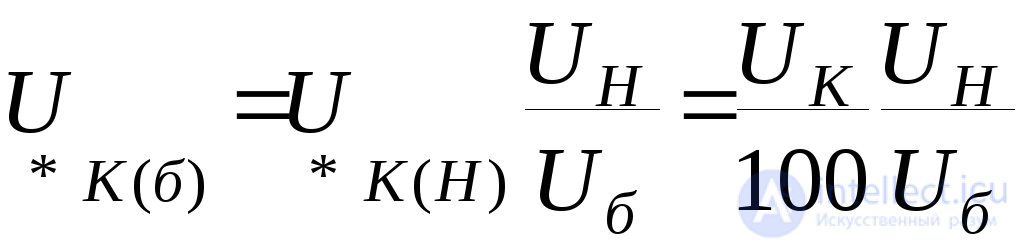 ;
; 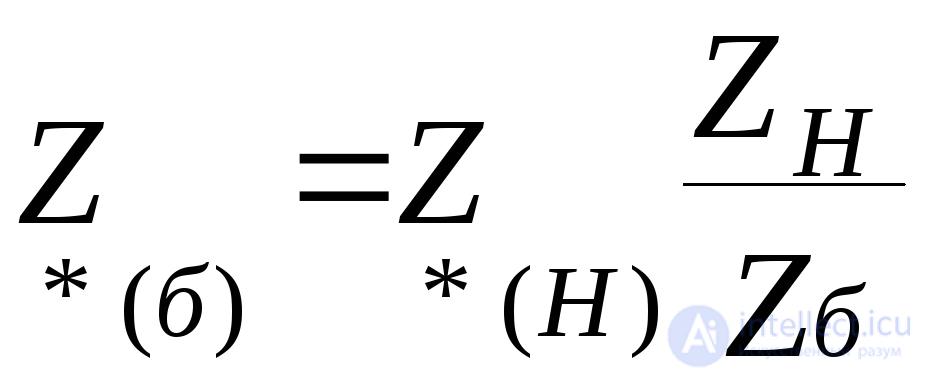 . (1.6)
The per-unit system extends not only to electrical quantities.
If the synchronous angular velocity  is taken as the base value, that is
  , then
 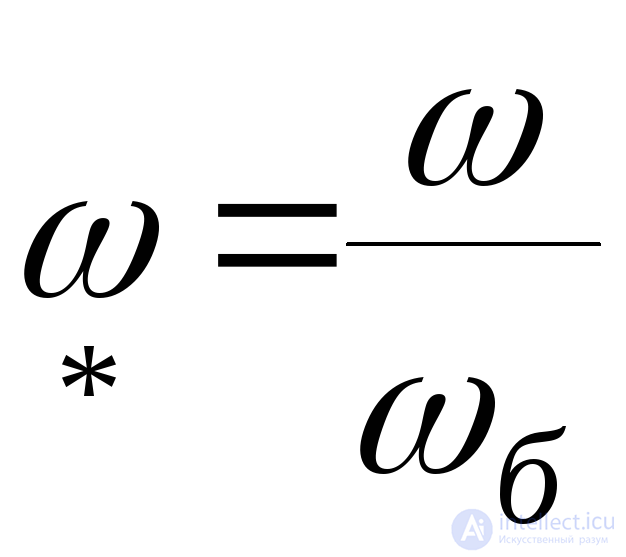 .
.
Accordingly, we adopt
for inductance – 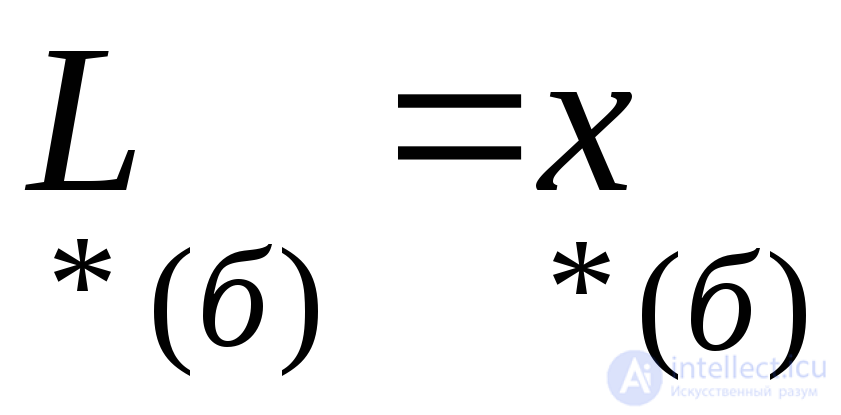 ;
;
for flux linkage – 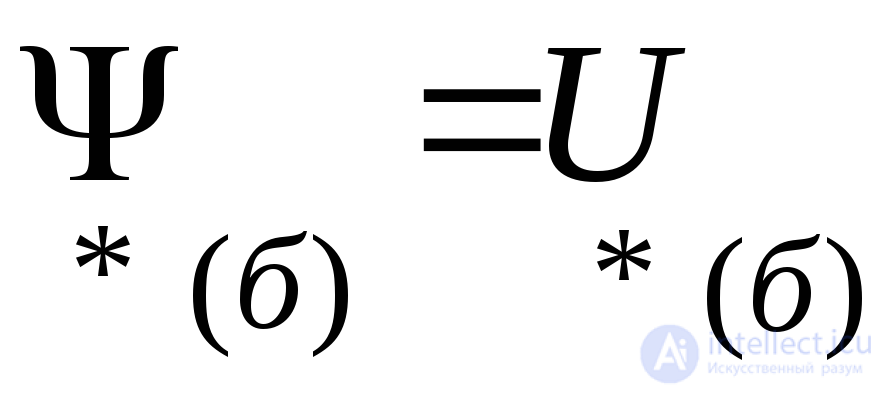 .
.
Time is also conveniently expressed in per-unit values.
If the base time is taken as
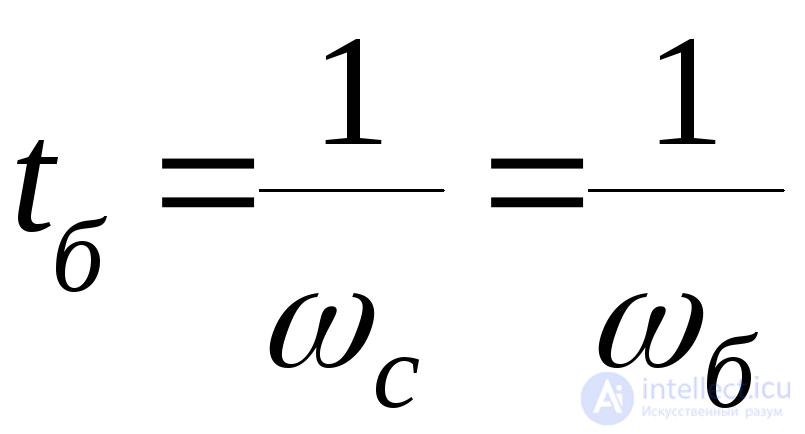 ,
,
then the time constant


Comments