
Lecture
In modern game design, more and more emphasis is placed on the harmonious combination of engaging gameplay and a deep, immersive narrative. Players expect not just a set of mechanics, but immersion in a living world with characters they can empathize and interact with. In this lecture, we will examine how narrative and gameplay can interact, enhancing the player's experience and creating unforgettable game worlds. The interaction of narrative with gameplay is a key aspect of creating engaging and memorable games.
Narrative (from English and French narrative ← Latin narrare «to tell, to recount») — an independently created account of some set of interrelated events, presented to the reader or listener as a sequence of words or images.
Part of the meanings of the term «narrative» coincides with the common words «narration» and «story».
The study of narrative is narratology. Since the beginning of the 21st century, under the influence of English-language political science, the term has also acquired an additional meaning in the Russian language — «a statement that contains a worldview attitude/prescription» — synonymous with ideologeme.
Gameplay is what the player does: runs, jumps, fights, explores.
The narrative, in turn, provides context for these actions, explaining why the player should do something and how it fits into the bigger picture of the game's world. When gameplay and narrative combine harmoniously, they reinforce each other, creating deep immersion and emotional engagement.
A well-integrated narrative can significantly enhance the gaming experience, making it deeper and more emotionally rich. In this lecture, we will examine how to effectively combine narrative and gameplay to create a harmonious gaming process.
Why is the interaction of narrative and gameplay important?
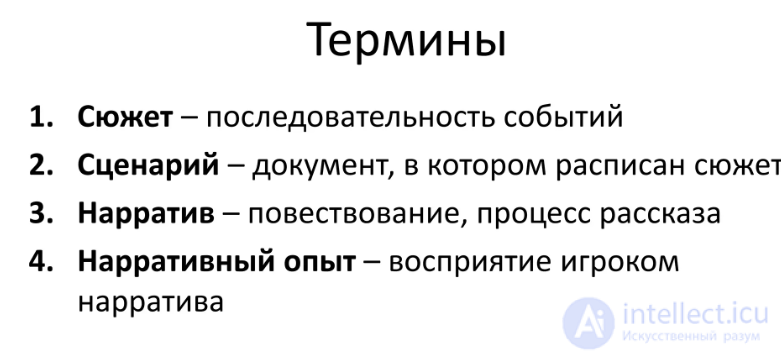

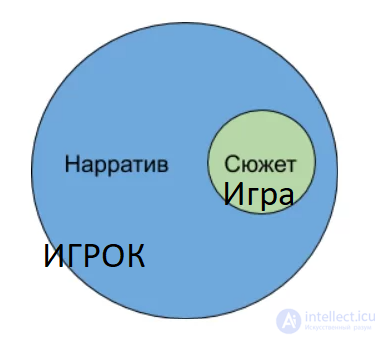
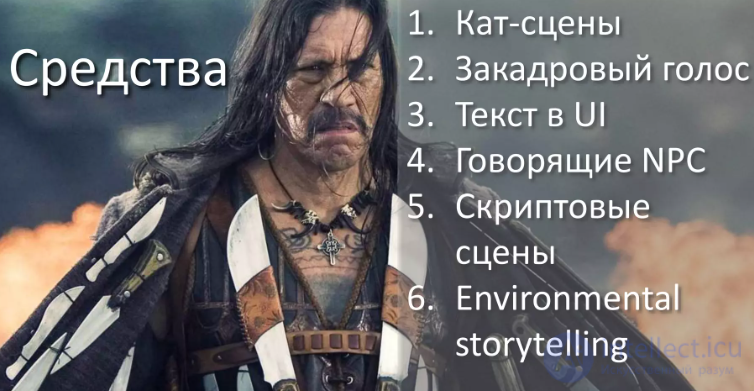
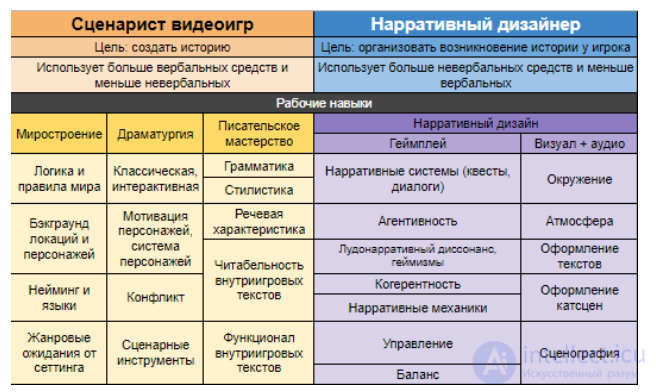
the distinction between the roles of the writer and the narrative designer in the game industry:
The writer creates the content of the story — what will happen in the game's world, which events and characters are involved, the dialogues, story lines, and so on. He focuses on creating the narrative, its logic, and its sequence.
The narrative designer is responsible for how this story will be conveyed to the player through mechanics, interactions, levels, visual elements, and so on. His work consists of ensuring that the story is organically woven into the gameplay, making it part of the player's experience.
Example:
Thus, the writer focuses on the content of the story, while the narrative designer focuses on its delivery through gameplay interaction.
Developers can apply various strategies to prevent dissonance between narrative and gameplay, ensuring the harmonious interaction of these components:
Deep integration of plot and mechanics. Creating mechanics that naturally fit into the plot and help to reveal it. An example would be the use of dialogues and choices that directly influence the development of the plot and relationships with characters.
Adaptive narrative. Developing a plot that can adapt to the player's actions makes it possible to create a sense of continuity and consistency between the gameplay and the narrative.
Alignment of theme and mechanics. Choosing mechanics that emphasize the theme and atmosphere of the game strengthens the connection between the player's actions and the plot.
Narrative gameplay space. Developing game levels and worlds that tell a story or convey certain emotions through visual design and interactivity.
Feedback and testing. Early testing of game scenarios with the participation of players helps to identify moments of dissonance and provides the opportunity to adjust both the narrative and the gameplay.
Gaming motivations directly influence players' preferences and the aspects of a game that they find most satisfying. Developers can use this knowledge to create games that better meet the needs and expectations of their target audience.
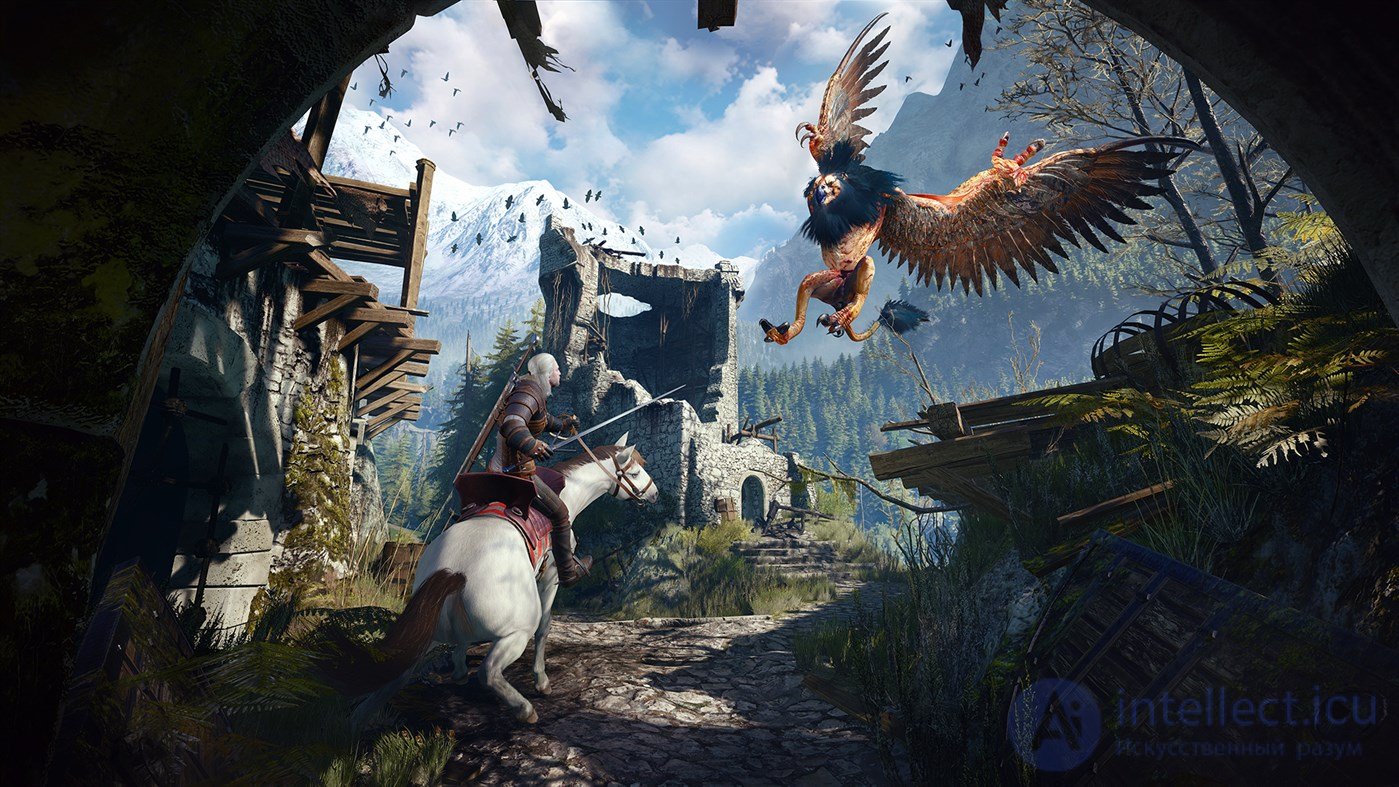
Immersion in the plot. Players motivated by narrative seek deep and emotionally engaging stories. Games like «The Witcher 3: Wild Hunt» attract them with their rich world and multi-layered plot.
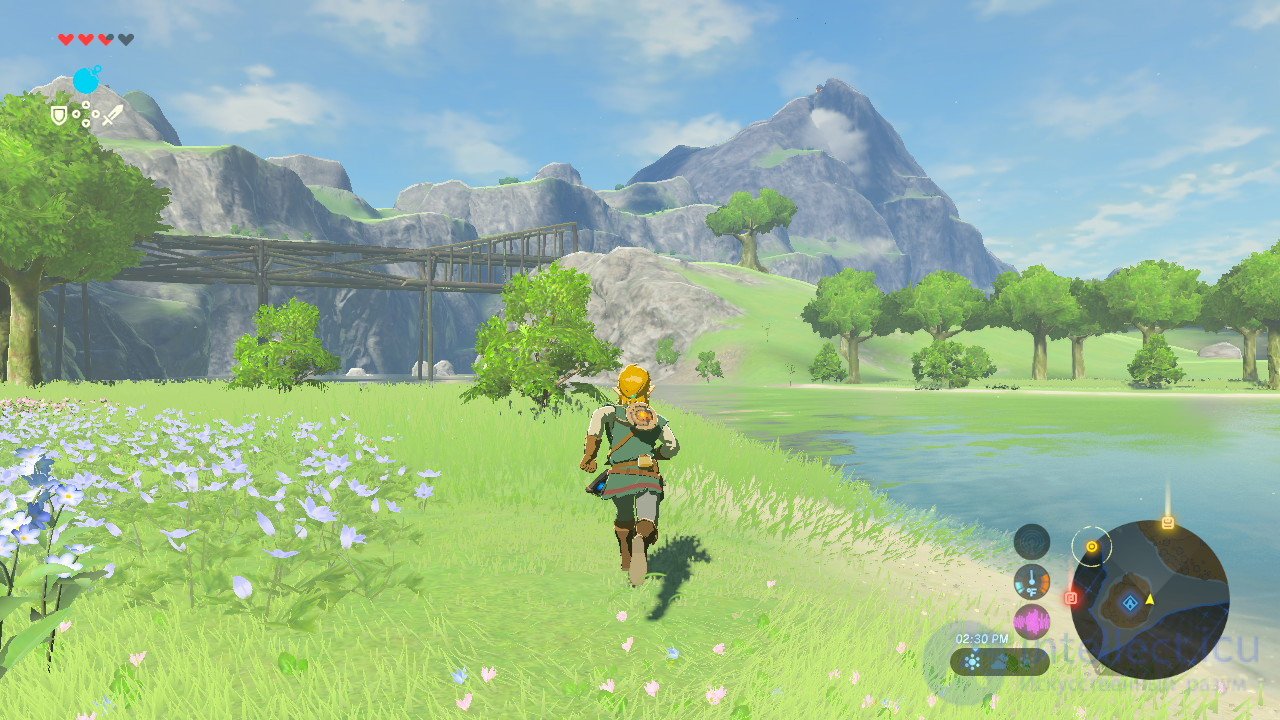
Exploration and discovery. Players passionate about exploration prefer open-world games with many secrets, such as «Breath of the Wild». For them, freedom of choice and the ability to independently uncover the game world are important.
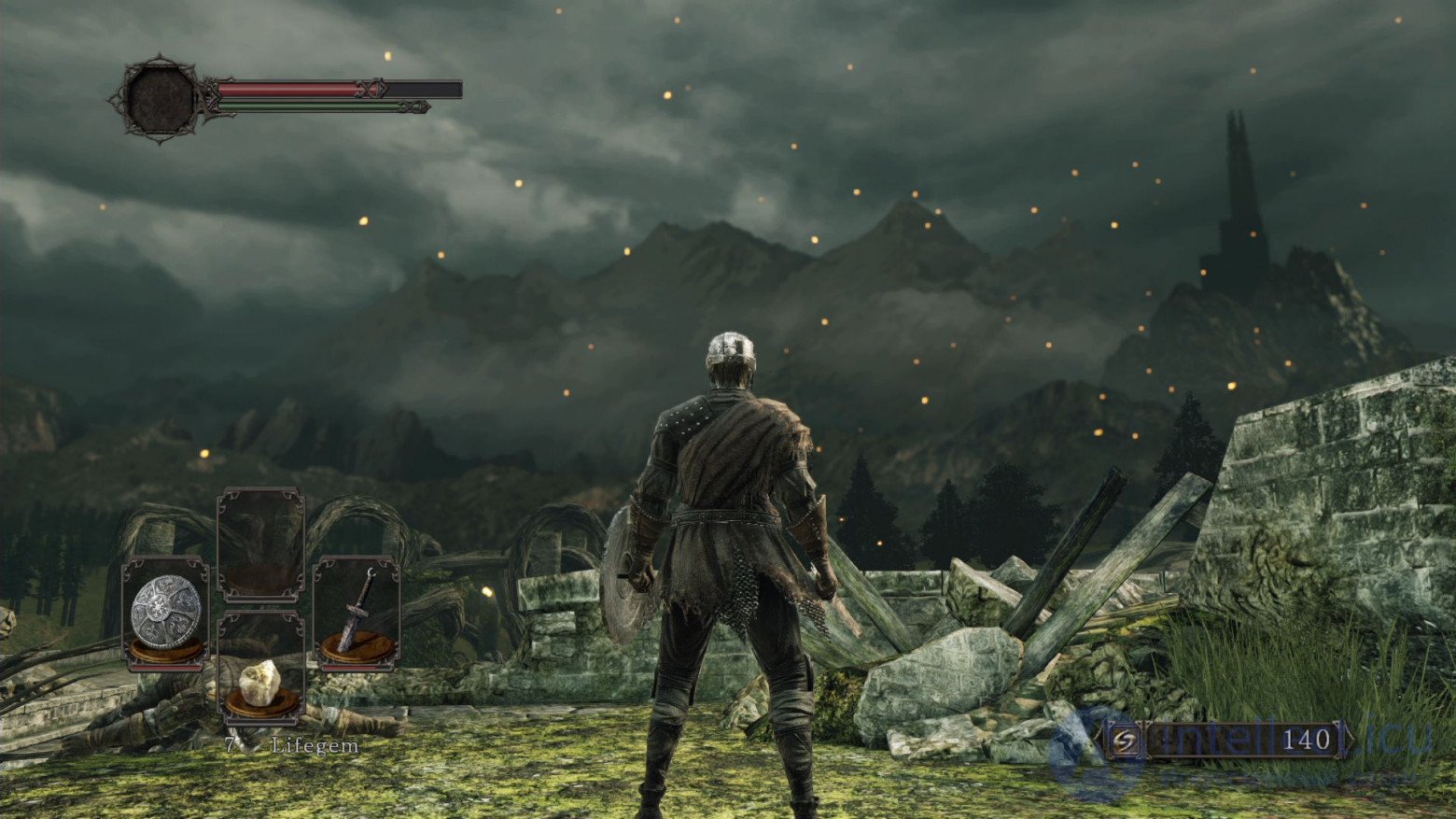
Competition and achievement. Motivation toward achievement and competition leads players to prefer games with clear goals and the opportunity to demonstrate mastery, for example, in «Dark Souls» or in competitive multiplayer games.
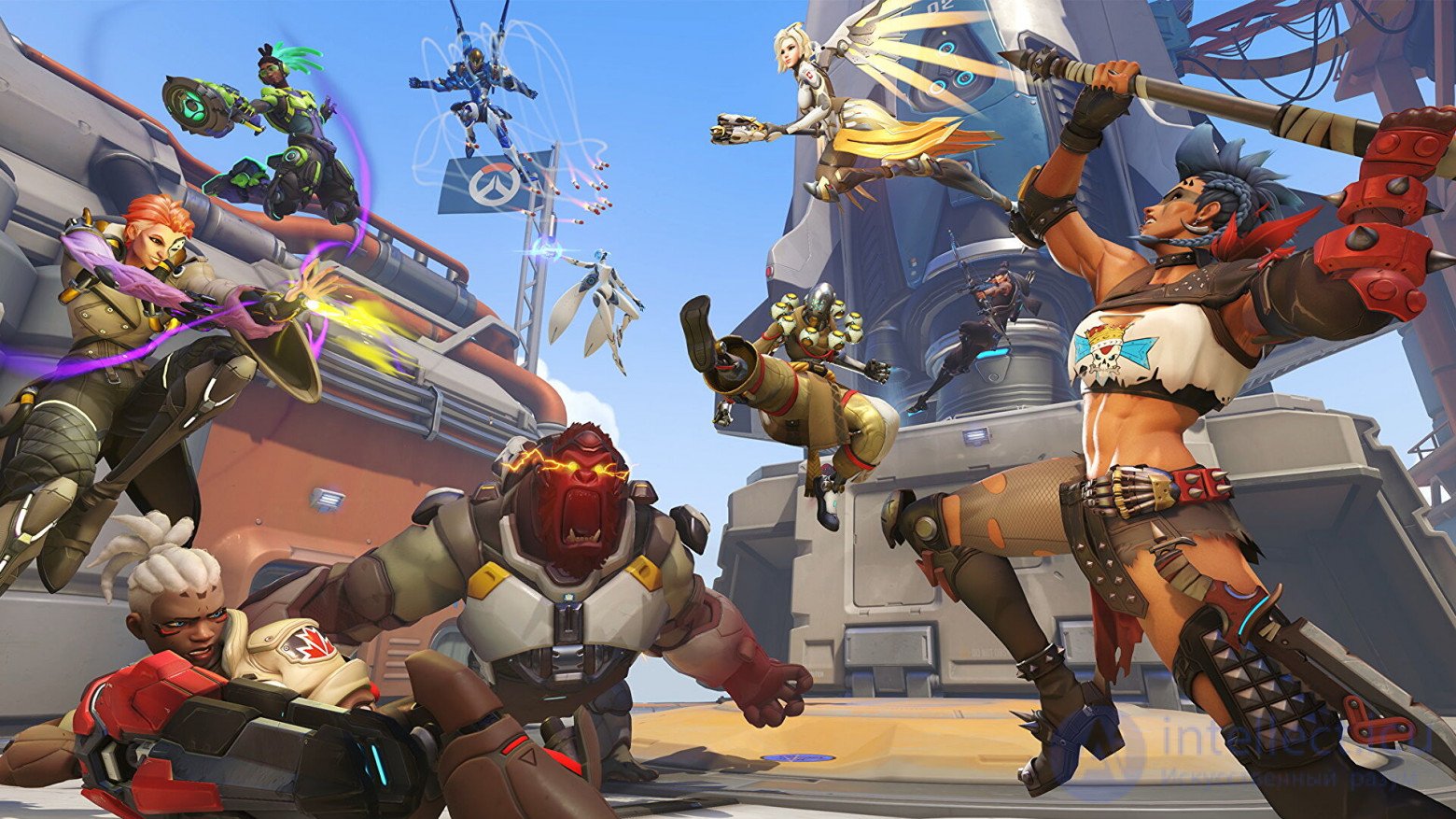
Social interaction. Players seeking social interaction prefer games that support and encourage team play and communication, such as «Overwatch» or MMORPGs like «World of Warcraft».
Understanding these motivations allows developers to create more targeted gaming experiences that can satisfy the various preferences of players, making their games more appealing and memorable. Including elements purposefully designed for different types of players can contribute to the creation of deeper and more satisfying gaming experiences.
The relationship between cultural preferences and the popularity of certain video game genres is expressed through the diversity of gaming traditions and tastes around the world. Game developers often orient themselves toward these preferences when creating and localizing their products for various regional markets.
In-game video, or cutscene (from English cutscene — a cut-out scene, insert, vignette) — an episode in a computer game in which the player can influence the ongoing events weakly or not at all, usually with an interruption of the gameplay. Cutscenes are used to develop the plot, visually present game progress, and fill pauses in the gameplay. Scenes can be animated by the game itself or use filmed live-action footage.
The very first computer games that used cutscenes as an extensive and integral part of the game were Portopia Renzoku Satsujin Jiken by Enix, released in 1985, and Maniac Mansion by LucasArts Entertainment, created by Ron Gilbert and released in 1987, which was also known for several other innovations. Since then, cutscenes have become part of many games, especially in the RPG and quest genres.
Cutscenes are sometimes called cinematic inserts or in-game movies if they are made on the game's engine, or Full-Motion Video (from English — «video of full action / full-fledged movie») if they were pre-rendered as a video file.
In-game videos (cutscenes) play an important role in conveying narrative in games. They can:
Cutscenes can be of different kinds:
In modern games, the boundaries between narrative and gameplay are blurring: cutscenes often transition smoothly into gameplay, and plot moments can be revealed through the surrounding world, dialogues during play, and other methods.
Live-action cutscenes have much in common with films. For example, the video clips of Wing Commander IV: The Price of Freedom featured well-known professional actors — Mark Hamill and Malcolm McDowell.
Some games created under a film license — «The Lord of the Rings», «Star Wars» by Electronic Arts — extensively used already-filmed footage from the films themselves. Another example: Enter the Matrix used specially filmed footage. Notably, the filming of the clips took place at the same time and in the same studios where the film «The Matrix Reloaded» was shot, the same actors played the roles in them, and they were directed by the Wachowski brothers.
However, some gamers call live-action scenes tasteless because of their often low quality and poor acting. The cutscenes in the real-time strategy game series Command & Conquer are especially noted for their overwrought performances.
Live-action scenes were popular in the first half of the 1990s, at the beginning of the CD-ROM era and the subsequent increase in computer performance. It also led to the development of so-called interactive cinema, which showed whole hours of filmed live-action footage, sacrificing interactivity and complex gameplay.
The increase in graphics quality, cost, the critical reaction of society, and the need for professionalism to better integrate cutscenes, computer graphics, and gameplay soon led to an increase in the popularity of animated cutscenes (engine-based clips) in the late 1990s. But despite this, for cinematic effect, some games still use live-action scenes; one example is Black, which shows an interview between Jack Kellar and his interrogator, filmed with real actors.
There are two main technologies for animating cutscenes.
In-game scenes are displayed by rendering on the fly, using the same graphics engine as the corresponding game. For example, in the stealth-action genre — Metal Gear Solid, Splinter Cell, in RPG and Action — Grand Theft Auto, The Legend of Zelda, and so on.
Pre-rendered scenes (sometimes pre-rendered) have a higher quality, comparable to full-fledged films. In these scenes, characters and environments are presented in the same design as in the game. The Final Fantasy video game series, developed by Square Co., is noted for such cutscenes, which were first introduced in Final Fantasy VII. Blizzard Entertainment is also recognized in this area. The company has its own division, created specifically for producing high-quality cinematic clips, for example, in Diablo II, Warcraft III, World of Warcraft. In 1996, DreamWorks Interactive created The Neverhood — the first and only game consisting entirely of animated scenes in clay, with claymation.
Pre-rendered cutscenes generally have higher visual quality than in-game ones, but there are two significant drawbacks: the difference in quality can sometimes reach too great heights, emphasizing the low graphics of the game itself; also, such a cutscene cannot adapt to the current state of the game: for example, displaying the various pieces of clothing worn out by the character. The problem is clearly expressed in Resident Evil 4 for PlayStation 2 and PC, where Leon always appears in his default costume, which was not observed in the GameCube version.
In newer games, which can use complex methods of animation and post-effects, in-game scenes are rendered on the fly and can be closely integrated with the gameplay (scripted cutscenes). Some games give the player some control over the camera during clips — Dungeon Siege, Metal Gear Solid 2: Sons of Liberty, Kane & Lynch: Dead Men, Assassin's Creed — others require button presses during scenes to continue successfully, as in Sword of the Berserk: Guts Rage, Resident Evil 4, Resident Evil 5, or Shenmue 2.
Gradually, the genre of «interactive cinema» is returning, and the beginning of this may be marked by the games Fahrenheit and Dreamfall: The Longest Journey, where subsequent chains of events depend on the player's actions.
Interactive scenes are designed like ordinary cutscenes, but they require the player's participation. Scenes come in two types: passive, when one must choose one option from those provided (for example, a branch in a dialogue, present in KOTOR, Mass Effect, Dragon Age: Origins, and so on), and active, when it is necessary to quickly and accurately press certain keys — this type is called «Quick Time Events» (from English — «Instant events», abbreviated QTE). QTE is present, for example, in the games Assassin's Creed II, Shenmue, Yakuza, Spider-Man 3, Resident Evil 4, God of War, Tomb Raider: Legend, Marvel: Ultimate Alliance, Fahrenheit, Heavy Rain, Beyond: Two Souls, Detroit: Become Human, as well as in the Mass Effect series.
Recently, a trend has emerged to avoid separate cutscenes. The most famous popularizer of this was the 1998 computer game Half-Life by Valve, and since then this innovation has been used in many games, for example in BioShock and all other Valve games. Instead of passive viewing, the player always retains control over the character, but instead the face of the protagonist character can almost never be seen, except in cases where the game is played from the third person; Assassin's Creed by Ubisoft allows the player to retain control over the character during cutscenes, thereby immersing them in the game, but the method requires great effort on the part of the developer: the player must not interrupt these scenes.
Director Steven Spielberg, director Guillermo del Toro, and game designer Ken Levine, all of whom are avid video gamers, have criticized the use of cutscenes in games, calling them intrusive. Spielberg asserts that creating a natural flow of the story into the gameplay is a challenge for future game developers. Hollywood writer Danny Bilson called cinematography «the last resort of storytelling in a game», since a person does not want to watch a movie when playing a video game. Game designer Raph Koster criticized cutscenes as the part that has «the greatest opportunity for emotional engagement, for art, dare we say», and at the same time as the part that can be cut out without any impact on the gameplay itself. Koster asserts that because of this, many of the memorable peak emotional moments in video games are actually not given by the game itself at all. A common criticism is that cutscenes simply belong to a different medium.
Others believe that cutscenes are yet another tool that designers can use to create captivating video games. An article on GameFront points to a number of successful video games that make excessive use of cutscenes for narration, citing cutscenes as a highly effective way of conveying the storyteller's vision. Rune Klevjer asserts: «The cutscene does not interrupt the gameplay. It is an integral part of the configurational experience», saying that they will always affect the rhythm of the game, but if they are well implemented, cutscenes can be an excellent tool for building tension or providing the player with useful or important visual information.
Effective interaction of narrative and gameplay makes it possible to create a captivating and emotionally rich gaming experience. Game designers should strive for a harmonious combination of these elements to ensure deep immersion and player satisfaction.
The interaction of narrative and gameplay – this is a key element in creating engaging and memorable games. A harmonious combination of these two elements makes it possible to create a deep and emotional gaming experience.
Creating video games — this is an art requiring a careful balance between narrative and gameplay. As the examples examined show, the successful integration of these elements can turn a game into an unforgettable experience that deeply touches the emotions and reflections of players. At the same time, dissonance between plot and gameplay can undermine immersion in the game and leave a feeling of dissatisfaction.
The key strategies for achieving harmony are deep integration of plot and mechanics, adaptive narrative, alignment of theme and mechanics, creation of a narrative gameplay space, and thorough testing with feedback from players. Developers who pay attention to these aspects can avoid dissonance and create games that leave a significant mark on the hearts and minds of their audience.
The world of video games is constantly evolving, and I look forward with anticipation to seeing what new stories we will be able to tell in this exciting art form. Thank you for joining me in this exploration of the harmony between narrative and gameplay. Let us together continue to create worlds that inspire, teach, and entertain.
Assignments for independent work:
Questions for discussion:

Comments