Game testing – is an integral part of the development process. It allows you to identify and fix bugs, improve the gameplay experience, and generally raise the quality of the product. In this lecture, we will look at the various types of testing, methods, and tools that are used to ensure high game quality. Game testing — is an important stage of development aimed at identifying bugs and improving gameplay. Quality testing helps create a stable and engaging product that will meet players' expectations.
Why is game testing important?
- Identifying bugs: Errors in a game can cause it to run unstably, crash, or make game elements behave incorrectly.
- Improving gameplay: Testing lets you assess how interesting, engaging, and balanced the game is.
- Meeting technical requirements: Checking the game's compatibility with various devices and platforms.
- Ensuring quality: Testing guarantees that the game meets high quality standards and is ready for release.

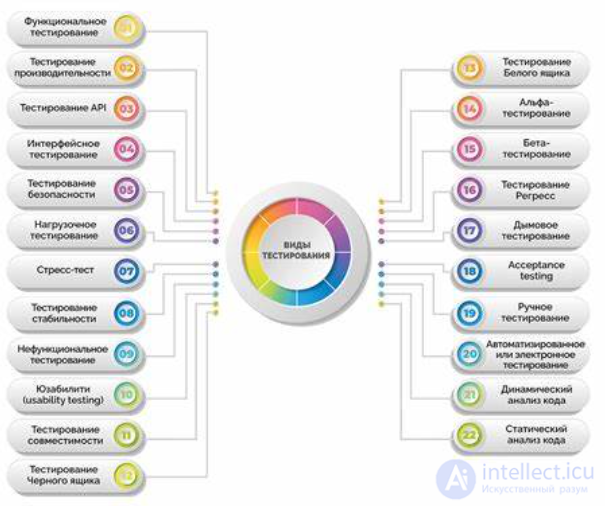
Types of game testing
- Functional testing: Checking that the game's functions comply with the requirements of the technical specification.
- Performance testing: Assessing the game's performance on various devices and under various loads.
- User interface (UI) testing: Checking the convenience and intuitiveness of the interface.
- Game balance testing: Assessing the balance between players and game elements.
- Compatibility testing: Checking how the game runs on different devices and operating systems.
- Localization testing: Checking the accuracy of the translation and the game's adaptation for different regions.
- Penetration testing: Searching for vulnerabilities in the game's security system.
-
Functional testing
- Checking the game's core functions against the requirements.
- Includes testing of mechanics, interfaces, and interactions.
-
Regression testing
- Checking fixed bugs and new features for the emergence of new errors.
- Ensures stability after changes are made.
-
Performance testing
- Assessing the game's performance on various devices and platforms.
- Includes testing of loading, frame rate, and response time.
-
Usability Testing
- Assessing the convenience and intuitiveness of interfaces and controls.
- Includes gathering user feedback and analyzing their behavior.
-
Compatibility testing
- Checking how the game runs on various devices, operating systems, and configurations.
- Ensures the game is accessible to a wide audience.
Stages of the testing process
- Planning: Defining testing goals, drawing up test plans and scenarios.
- Preparing the test environment: Setting up the test environment, installing the necessary tools.
- Running tests: Conducting manual and automated tests.
- Analyzing results: Analyzing the data obtained, identifying errors, and prioritizing them.
- Reporting: Drawing up reports on the testing results.
- Fixing errors: Developers fix the errors that were identified.

-
Planning
- Defining the goals and objectives of testing.
- Developing test plans and scenarios.
-
Preparation
- Setting up the test environment and tools.
- Preparing test data and accounts.
-
Running tests
- Conducting tests in accordance with the plan.
- Recording results and identifying bugs.
-
Analysis and reporting
- Analyzing testing results and prioritizing bugs.
- Drawing up reports and handing them over to the development team.
-
Fixing and retesting
- Fixing the identified bugs and retesting to verify the fixes.
- Ensuring the stability and quality of the game.

Testing methods
- Manual testing: The tester manually plays through the game, performing various actions and recording any errors found.
- Automated testing: Using special tools to automate routine tests.
- Beta testing: Involving external players to test the game before release.
- A/B testing: Comparing two or more versions of a game to determine the most effective one.
Tools for game testing
- Bug trackers: Systems for tracking and managing errors (for example, Jira, Trello).
- Test automation tools: Selenium, Appium, Unity Test Runner.
- Profilers: For analyzing a game's performance (for example, Unity Profiler, Unreal Engine Profiler).
-
Automated testing
- Using scripts and programs to automate tests.
- Examples of tools: Selenium, Appium, TestComplete.
-
Manual testing
- Conducting tests manually to identify bugs and assess gameplay.
- Includes the use of checklists and test cases.
-
Bug tracking systems
- Using systems to record and manage bugs.
- Examples of tools: JIRA, Bugzilla, Trello.
Roles in the testing process
- Tester: Directly carries out the testing, identifying and recording errors.
- Automation tester: Develops and maintains automated tests.
- Quality manager: Coordinates the testing process, plans and distributes tasks.
Improving gameplay through testing
- Gathering feedback: Surveying players, analyzing forums and social networks.
- Analyzing game metrics: Studying data on player behavior to identify problem areas.
- Iterative testing: Continuous testing and making changes based on the results obtained.
Conclusion
Game testing – is a continuous process that begins in the early stages of development and continues right up to release. Quality testing makes it possible to create games that not only run stably but also bring enjoyment to players. Game testing — is a comprehensive process that requires attention to detail and a systematic approach. Quality testing helps create a stable and engaging product that will meet players' expectations and ensure success in the market.
Questions for discussion
- Which types of testing do you consider most important for games of your genre?
- How can the testing process be automated?
- How can players be attracted to beta testing?
Assignments for independent work
- Analyze the interface of some game and compile a list of potential problems.
- Develop a simple test to check the balance in a game.
- Study one of the tools for automating game testing.


Comments