Game production is a comprehensive process that spans every stage of creating a game, from concept to release. A producer is a kind of orchestra conductor who coordinates the work of the entire team, keeps an eye on deadlines and budget, and is responsible for the overall quality of the product.
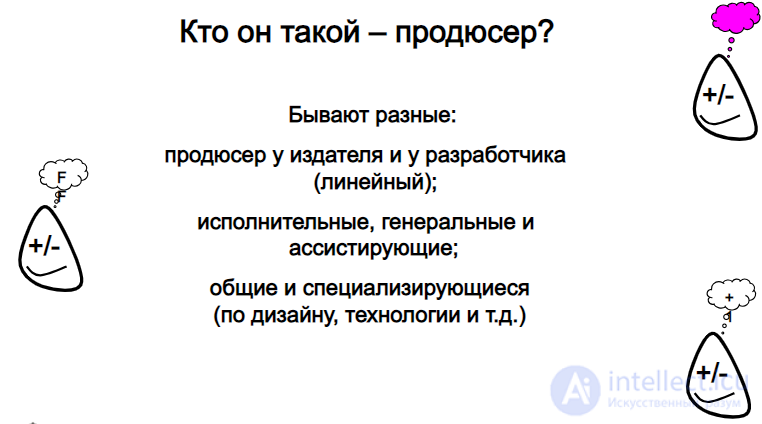
The producer's role in the games industry
- Planning: Developing a detailed project plan, including deadlines, budget, resources, and key milestones.
- Team management: Coordinating the work of all team members, motivating them, and resolving conflicts.
- Quality control: Ensuring the product meets the specified quality requirements.
- Communication: Interacting with all stakeholders (investors, publishers, the development team).
- Decision-making: Making important decisions concerning the project's development.
Game development phases under the producer's management
- Pre-production:
- Assembling the team.
- Developing the game concept.
- Creating a prototype.
- Planning the budget and schedule.
- Production:
- Developing game mechanics.
- Creating graphics, sound, and music.
- Programming the game.
- Testing.
- Release:
- Preparing for the game's launch.
- Marketing and promotion.
- Launching the game.
- Post-production:
- Supporting the game after release.
- Releasing updates and add-ons.
The producer's main tasks
-
Project planning:
- Developing the project roadmap.
- Defining key stages and completion deadlines.
-
Team management:
- Coordinating the work of various specialists (game designers, programmers, artists, etc.).
- Motivating the team and resolving conflicts.
-
Resource management:
- Allocating the budget and controlling costs.
- Providing the necessary tools and technologies.
-
Quality control:
- Ensuring the game meets quality standards.
- Organizing testing and fixing bugs.
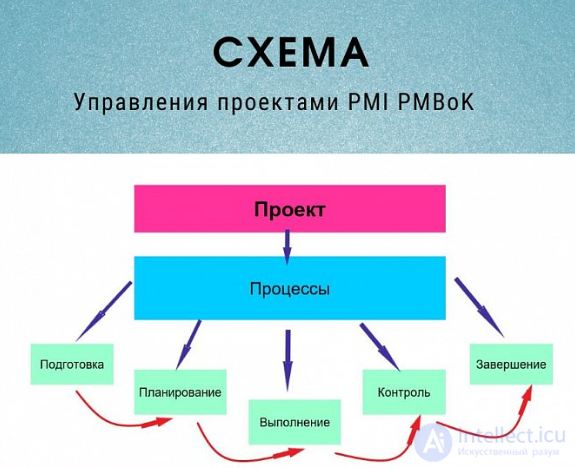
Project management stages
-
Initiation:
- Defining the project's goals and objectives.
- Analyzing the market and audience.
-
Planning:
- Creating a detailed project plan.
- Determining resources and drawing up a budget.
-
Execution:
- Implementing the plan and coordinating the team's work.
- Regular meetings and progress reports.
-
Monitoring and control:
- Tracking task completion and deadlines.
- Managing risks and making adjustments.
-
Closure:
- Final review and testing of the game.
- Preparing for release and the marketing campaign.
Important skills for a producer
-
Communication:
- Communicating effectively with the team and stakeholders.
- The ability to listen and give constructive feedback.
-
Organization:
- The ability to plan and manage time.
- The ability to set priorities and delegate tasks.
-
Problem-solving mindset:
- Quickly solving problems and making decisions.
- Managing conflicts and stressful situations.
-
Technical knowledge:
- Understanding game development processes.
- Knowledge of the tools and technologies used in game development.
Project management tools and methodologies in the games industry
- Agile: An iterative approach to development that allows for a quick response to changes.
- Scrum: A project management framework based on short iterations (sprints).
- Kanban: A visual project management method that lets you track work progress.
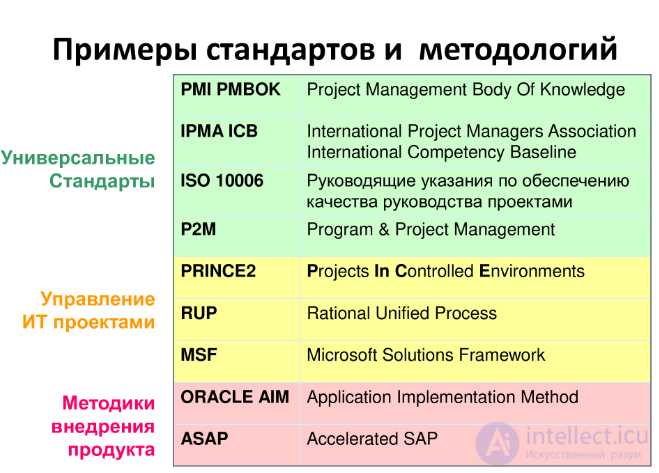
- Project management software: Trello, Jira, Asana.
Challenges and difficulties in game production
- Risk management: Unforeseen circumstances, technical problems, market changes.
- Tight deadlines: High expectations from publishers and investors.
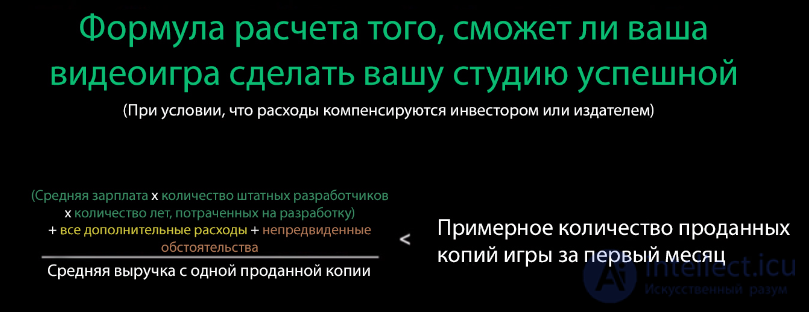
- Budget constraints: The need to stay within a limited budget.
- Changing requirements: The need to adapt to the shifting demands of the market and players.
- Team management: Motivating employees, resolving conflicts, ensuring effective communication.
Qualities of a successful game producer
- Leadership qualities: The ability to inspire and lead a team toward achieving a goal.
- Organization: The ability to plan, coordinate, and oversee the development process.
- Communication skills: The ability to interact effectively with people at different levels.
- Flexibility: A willingness to adapt to changes and make unconventional decisions.
- Strategic thinking: The ability to see the big picture and make decisions that account for long-term prospects.
Game marketing
Game marketing is a set of strategies and methods aimed at promoting video games among a target audience in order to attract players, boost sales, and increase brand awareness.
In the games industry there are several categories of games that differ in budget, scale, and level of polish. Here is how they differ:
-
AA games are mid-tier projects. Their budgets are smaller than those of major Triple-A projects, and their review scores are often somewhat lower. Such games may fall short in certain respects, for example in graphics, gameplay, or the scale of their story. Nevertheless, they can offer quality content that does not require enormous investment.
-
AAA games are the equivalent of blockbusters in the world of film. These games are made with large budgets and development teams, often with dozens or hundreds of people. They are characterized by high-quality graphics, story depth, and varied gameplay. The production of AAA games also involves large marketing teams that ensure wide recognition for such projects.
-
AAAA games / AAA+ are either even larger and more expensive projects that surpass standard AAA games in the resources invested, or projects that operate on a games-as-a-service model. Such games are constantly updated, offering new paid add-ons and content, which sustains players' interest over a long period.
-
III games are independent projects (indie) that can rival AAA games in quality, budget, and ambition. This type of game is becoming increasingly prominent thanks to the growth of digital platforms, crowdfunding, and support from independent publishers. Although III games are still rare, they demonstrate the potential of indie developers capable of creating blockbusters.
The marketing process spans every stage: from developing the game to its release and further sustaining user interest. Here are the key aspects of game marketing:
1. Market and audience research
- Target audience analysis: Determining players' age, demographic, and behavioral characteristics. Which genres and platforms they prefer, which games are already popular among them.
- Competitive analysis: Studying competitors and successful game projects, as well as analyzing current industry trends (for example, popular genres and new gaming technologies).
2. Creating a unique selling proposition (USP)
- Formulating the game's unique features that set it apart from competitors. This could be unique gameplay, an original story, innovative mechanics, or a distinctive art style. It is important that players understand why this game deserves their attention.
3. Go-to-market strategy
- Platform choice: Determining which platforms the game will be released on (PC, consoles, mobile devices). This depends on the target audience and the game's technical specifications.
- Distribution model: Determining the monetization model: a paid game, a free-to-play (F2P) game, or a games-as-a-service title (with the option of regular updates and in-game purchases).
4. Creating trailers and demos
- Trailers: Official trailers and promotional videos are an important tool for drawing attention to a game. Trailers showcase the game's key features, gameplay, and graphics, emphasizing its uniqueness.
- Demos: Giving players the chance to try a game before its release is a powerful way to generate interest. It helps gather feedback and stimulates discussion among the audience.
5. Advertising campaigns
- Digital marketing: Online advertising is an important part of promoting games. Channels such as Google Ads, social media (Facebook, Instagram, TikTok), YouTube, Twitch, and other platforms are used to display ads.
- Social media: Engaging with players through social media helps build a loyal community. Here it is important to actively interact with the audience, share updates, run contests, and take part in discussions.
- Retargeting: Using data about user behavior to show ads to those who have already shown interest in the game but have not made a purchase.
6. Community engagement
- Building a community: Involving players in the development and promotion process through forums, Discord, Reddit, Steam, and other platforms. It is important to keep discussions active, host streams, and run Q&A sessions (AMAs).
- Beta tests: Open and closed beta tests give players the opportunity to take part in the game's development and provide developers with feedback, which helps improve the game before release.
7. Influencers and streamers
- Promotion through opinion leaders: Collaborating with popular streamers on platforms like Twitch and YouTube. These influencers can attract a huge audience by making reviews or broadcasting gameplay.
- Reviews and recommendations: Enlisting journalists and bloggers for early reviews of a game can significantly boost audience interest ahead of release.
8. PR and media coverage
- Press releases and articles: Publications in gaming outlets, on news sites, and on blogs help inform the audience about a game's launch, updates, or announcements.
- Participation in expos and events: Presentations at major gaming events (E3, Gamescom, PAX, etc.) attract the attention of the media and players, creating a buzz around the release.
9. Post-release support
- Updates and add-ons: After a game's release, it is important to sustain the audience's interest by offering regular updates, new content, and DLC (add-ons).
- Games as a service: Many modern projects are supported for years through new modes, seasonal events, and updates, which helps retain users and monetize through microtransactions.
10. Reviews and ratings
- Managing reviews: It is important to monitor player reviews and respond promptly to criticism. Good reviews on platforms like Steam or the App Store can significantly influence the purchasing decision.
Effective game marketing requires a comprehensive approach that includes both engaging the audience and community and professional advertising campaigns and partnerships with opinion leaders.
the marketing of tomorrow:
• Focused on the quality of the product being made
• Developing and building brands
• Creating a relationship between the game and its players
• Analyzing the market, the game, the traffic. Analyzing everything and then a little bit more on top!
• Using the right channels for marketing communications
• Participating in development, not just in promoting the product
• Working globally, not confining itself to the local market
• Able to assess the marketing effectiveness of each channel
• Caring about both ROI and brand awareness
Conclusion
A game producer plays a key role in a project's success. They not only manage the development process but are also responsible for the game's creative side. A successful producer is someone who knows how to combine organizational ability, creative thinking, and leadership qualities.
Game production and project management is a complex but fascinating process that requires a wide range of skills and knowledge. A successful producer is able to unite a team and direct its efforts toward creating a quality product that will be in demand in the market.
Questions for discussion and self-assessment
- Which qualities do you consider the most important for a successful game producer?
- Which project management tools and methodologies do you consider the most effective in the games industry?
- How can you cope with risks and uncertainty during the game development process?
Assignments for independent work
- Analyze a case study of a successful and an unsuccessful game project.
- Develop a simple project plan for a small indie game.
- Explore various project management tools and choose the one most suitable for you.
See also
- Budgeting in the games industry
- financial planning in the games industry
- Marketing
- game promotion
- Game localization
- Creating game prototypes


Comments