
Lecture
Character types can be classified by various criteria, for example, by their role in the story, personality traits, functions, or motivation.
Choosing the right characters for computer games plays a key role in creating an engaging and memorable gaming experience. Characters are not only the vehicles of the story but also a tool for establishing an emotional connection with the player. Interesting and well-thought-out characters help immerse the player more deeply in the game world, making it more alive and realistic. Each character is assigned its own function: the main heroes set the direction of the story, antagonists create conflict and tension, secondary characters enrich the world, and background characters add detail. In addition, characters define the tone and style of the game. For example, a dark and mysterious antihero suits horror games or psychological thrillers, whereas bright and charismatic heroes are better suited to adventure or family games. It is also important to consider the diversity of characters in order to attract a broader audience, ensuring the representation of various cultures, personalities, and motives. Well-developed characters improve the narrative and mechanics, allowing players to identify with a hero or, conversely, to explore new roles. Thus, the right choice and development of characters not only enrich the story and gameplay but also make the game more successful and popular among players.
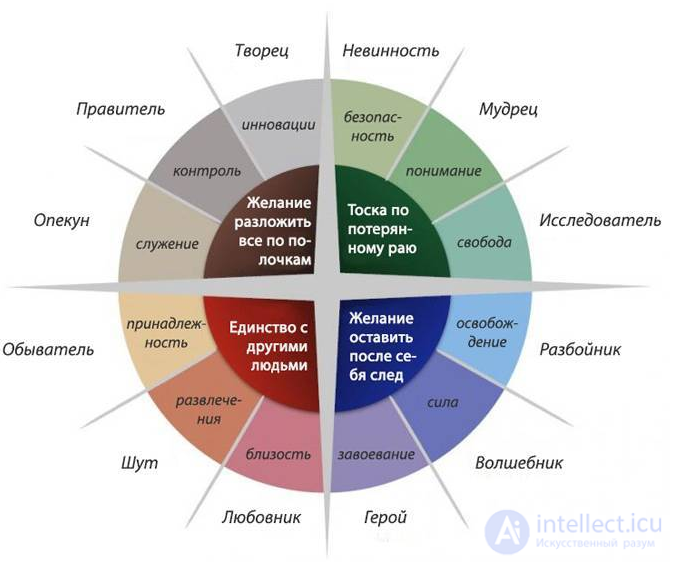
a) Main hero (protagonist)
The central character around whom the story unfolds. Their goal and actions determine how the story develops.
Example: Harry Potter from the book series by J. K. Rowling.
b) Antagonist
Opposes the protagonist, creating conflicts and obstacles. This can be a villain or simply an opponent.
Example: Voldemort from the same series.
c) Secondary characters
Play supporting roles, enrich the story, or support the main heroes.
Example: Ron and Hermione.
d) Background character
May be episodic, create atmosphere, but their contribution to the story is minimal.
Example: a shop clerk.
a) Hero
A brave, virtuous, and often resolute character. He acts for the common good.
Example: Superman.
b) Antihero
A main character who does not conform to traditional heroic standards but still evokes sympathy.
Example: Walter White from "Breaking Bad".
c) Villain
Often selfish, malicious, or vengeful. Motivated by a thirst for power, money, or revenge.
Example: The Joker.
d) Trickster
Cunning, deceptive, often creates chaos. Sometimes his actions are unpredictable, but he can be useful.
Example: Loki from Marvel.
e) Idealized hero. A hero of the "Mary Sue" or "Gary Stu" type (if referring to a male character) can be assigned to a separate subtype within the Heroes category, namely it is a subtype of the "Hero" distinguished by hyper-idealization.: Description: This is a character who has no obvious flaws, often perfect in everything: appearance, skills, morality, and the ability to handle any problem. Such a hero often receives universal admiration and achieves their goals without much effort.
Characteristics:
f) The "damsel in distress" is a classic archetype that is often used in literature, film, and games. This type of character usually represents a woman who finds herself in a dangerous situation from which a hero must rescue her.
This archetype is often criticized for being stereotypical, as it portrays women as weak and unable to cope with difficulties on their own. Modern games and stories increasingly move away from the classic image of the "damsel in distress", giving characters independence, personality, and skills.
a) Catalyst
Triggers the events of the story but may not participate actively himself.
Example: a wizard who bestows a sword upon the hero.
b) Mentor (Teacher)
A mentor or guide who helps the protagonist gain knowledge or skills.
Example: Merlin to King Arthur.
c) Savior
Suddenly comes to the rescue at a critical moment.
Example: Gandalf in "The Lord of the Rings".
d) Comic relief
A character who adds humor and release in tense moments.
Example: Timon and Pumbaa from "The Lion King".
a) Seeker
A character driven by a thirst for knowledge, adventure, or truth.
Example: Indiana Jones.
b) Avenger
Acts out of a desire to avenge grievances or losses.
Example: Batman.
c) Redeemer
Seeks forgiveness or corrects their mistakes.
Example: Ebenezer Scrooge from "A Christmas Carol".
d) Defender
Fights for their loved ones, family, or homeland.
Example: Katniss Everdeen from "The Hunger Games".
Characteristics:
Examples:
Characteristics:
Examples:
Characteristics:
Examples:
Characteristics:
Examples:
Characteristics:
Examples:
Characteristics:
Examples:
Characteristics:
Examples:
Characteristics:
Examples:
Characteristics:
Examples:
Characteristics:
Examples:
— this is a specific character archetype, popular in Japanese culture, especially in anime, manga, and games. This type combines outward tenderness, devotion, and love with a dark, sometimes frightening side that includes obsession, jealousy, and a tendency toward violence in order to protect the object of their love.
Characteristics of the Yandere
Obsessive love - The Yandere experiences such strong romantic feelings that it can lead to extremes, including stalking or even violent actions.
Duality - At first glance the character may seem sweet, caring, and friendly. However, when there is a threat to their love (real or imagined), a dark and dangerous side emerges.
Motivation - The main goal of the Yandere is to be with the object of their love at any cost, even if it requires eliminating rivals or manipulating the loved one.
Emotional instability - Yanderes are often prone to sharp mood swings, combining moments of absolute tenderness with outbursts of rage or aggression.
Where to place the Yandere?
By role in the story:
Antagonist: Yanderes often act as a threat because of their obsessive fixation.
Main hero or secondary character: If the story focuses on a romantic line or drama, the Yandere can be a central figure.
By personality characteristics:
The Yandere is a subtype of the lover, but with an extreme leaning toward the dark side.
By archetypes:
The Shadow: Symbolizes hidden and suppressed desires.
Animus/Anima: The Yandere can be the personification of idealized but destructive love.
Examples of Yandere in culture
Yuno Gasai (Future Diary / Mirai Nikki) — one of the most famous examples of a Yandere: a sweet but cruel and insanely jealous girl.
Monika (Doki Doki Literature Club!) — a hidden Yandere who manipulates the game's reality for the sake of her love for the main hero.
Kiyoko Satsuki (Yandere Simulator) — a typical example of a Yandere in a gaming context.
Using the Yandere in games
This type of character can add drama, surprise, and emotional tension to the story. However, it is important to carefully consider the character's motivation and development so that they do not look cartoonish. A well-developed Yandere can become either a memorable antagonist or a tragic figure that evokes empathy.
— this is a popular character archetype characteristic of Japanese culture, especially in anime, manga, and games. This type of character combines two opposing behavioral aspects: "tsun" (coldness, rudeness) and "dere" (tenderness, shyness), which manifest depending on circumstances or the character's emotional state.
Characteristics of the Tsundere
A cold beginning - A tsundere character often displays sharpness, rudeness, or even hostility toward others, especially toward the object of their affection. This can be expressed in sarcastic comments, sharp replies, or refusals to help.
Hidden tenderness - Beneath the "hard shell" hides a soft, kind, and romantic nature. This is revealed in moments of vulnerability, when the character becomes aware of their feelings or receives support from those around them.
Emotional struggle - Tsundere characters often experience inner conflict: they cannot openly express their feelings, so their behavior appears contradictory.
Development of the relationship - The evolution from coldness to open tenderness usually becomes part of their story arc.
Where to place the Tsundere?
By role in the story:
Main hero or secondary character: Tsundere characters often serve as key figures in romantic or comedic stories.
Rival: Sometimes their behavior serves as a source of conflict, which adds dynamics to the relationships between characters.
By personality characteristics:
The Tsundere can be viewed as a subtype of the "complex hero" that combines contradictory traits.
By archetypes:
Lover: Their behavior revolves around romantic emotions.
Rebel: Tsundere characters often play the role of those who are unwilling to immediately submit to social or emotional expectations.
Types of Tsundere
Classic Tsundere — At first seems rude and arrogant, but gradually opens up.
Example: Asuka Langley Soryu (Neon Genesis Evangelion).
Reverse Tsundere — At first kind and sweet, but becomes stern if you cross them.
Example: Maki Nishikino (Love Live!).
Comedic Tsundere — Their rudeness is used mainly for humor.
Example: Kaguya Shinomiya (Kaguya-sama: Love is War).
Using the Tsundere in games
The Tsundere can add depth and dynamics to the interaction between characters, especially in genres such as visual novels, JRPGs, or dating simulators. Such a character attracts players with their complexity, emotional arc, and the possibility of "uncovering" their true nature through story interactions. However, it is important to balance their behavior so that it does not look monotonous or excessively aggressive.
The Tsundere is an archetype that many people like for the combination of challenge and reward in relationships, making such characters especially memorable.
Choosing the character types for a game's heroes — this is an important process that affects the perception of the story, the emotional involvement of players, and the success of the project as a whole. To choose the right character types for your heroes, follow these recommendations:
Hero character types should match the game's genre:
In a team-based RPG:
Each of these types of heroes adds unique colors to the story, creating conflict, dynamics, and emotional involvement for viewers or players. A successful choice of hero character types begins with an analysis of the genre, story, and target audience. Give characters not only unique roles but also depth that will be revealed over the course of the game. Well-developed heroes will become a key factor in players' engagement and interest.

Comments