Player data analysis has become a key tool for game developers who aim to create more interesting, engaging, and long-lasting gameplay experiences. With data, developers can not only track how players interact with a game, but also use that data to improve level design, difficulty, economic systems, and overall user engagement.
1. The Importance of Data in Game Design
Modern games, especially online games, generate an enormous amount of data that can be collected and analyzed to optimize gameplay. Data makes it possible to:
- Track player behavior: which levels are completed more easily, where players run into difficulties, and at which stages they leave the game.
- Measure engagement: how much time players spend in the game, how often they return, and which game elements attract the most attention.
- Adjust balance: fine-tune difficulty levels and improve combat mechanics or economic systems based on player behavior.
By using data, developers can make more informed decisions that improve the quality of the gameplay experience and boost audience retention.
2. Types of Data for Analysis
2.1. Behavioral Data
Behavioral data helps developers understand how players interact with the game world. Player behavioral data in video games is information about how players interact with the game, make decisions, take actions, and react to various in-game events. This data can be used to analyze players' habits, their level of engagement, and their preferences. The main types of such data are:
- Playtime: the length of gaming sessions and total time spent in the game.
- Levels and progression: how quickly players complete levels and at which stages they encounter difficulties.
- Task completion rate: which quests or tasks are completed most often, and which ones cause frustration.
Applications of Behavioral Data:
- Gameplay optimization: improving the user experience by adjusting difficulty or content.
- Marketing: creating personalized offers and promotions based on player behavior.
- Engagement analysis: determining player engagement and retention levels in order to improve user retention.
- Artificial intelligence: using data to create smarter and more adaptive NPCs (non-player characters).
2.2. Social Data
Many modern games include social elements such as guilds, cooperative missions, and PvP battles. Social data makes it possible to analyze:
- Interactions between players: how often players interact with other participants, join groups, or take part in events.
- Role distribution: for example, in team-based games, you can study who more often chooses leader or support roles, and how this affects team success.
Social data about interactions between players in video games plays an important role in improving gameplay, retaining users, and building and supporting gaming communities. This data helps game developers and publishers understand how players interact with one another, and it can be used for a variety of purposes. Here are several key ways this data is applied:
Optimizing Multiplayer Interaction
- Team play analysis: studying interactions between players on teams in order to improve balance, cooperation mechanics, and competitive elements. For example, you can track how often players help each other (reviving, support), or how much time players spend in cooperative modes.
- Match balance: using interaction data to create balanced matches based on players' skill levels, play styles, and social activity. This can improve the experience for both newcomers and more experienced players.
Analyzing Community Dynamics
- Creating and supporting clans and groups: data on how players create and develop their clans (guilds) or groups can help developers support the game's social features. For example, by analyzing the frequency of communication and joint activities within a clan, you can offer players relevant improvements or events.
- Community engagement: how often players interact with the game community and participate in forums, social media, discussions, and votes. This data can be used to stimulate activity by offering content or events that will interest a large part of the community.
Marketing and Monetization
- Personalized offers: based on social activity, you can present players with targeted in-game offers. For example, if a player actively interacts with a particular group, they may be offered items that help improve joint gaming sessions.
- Events and promotions: social interaction data can be used to develop events focused on team play or large-scale gaming activities. This can increase interest in the game and activity within it.
Increasing Player Engagement and Retention
- Analyzing the frequency of communication and interaction: tracking how often players communicate in the game chat or through voice channels can help determine their level of engagement. If players actively interact with each other, it may indicate a high level of engagement and satisfaction.
- Interaction recommendations: using data to create recommendations for friends or gaming partners. If players often play with certain people, the system can suggest that they continue this partnership or recommend new potential partners.
Preventing Toxicity and Improving the Gaming Climate
- Monitoring and moderation: social interaction data can be used to identify cases of toxic behavior, trolling, aggression, and other negative behavior. Based on this data, you can automate warning or ban systems for users who behave inappropriately.
- Creating a positive gaming climate: analyzing social dynamics can help identify behavioral patterns that contribute to a healthy gaming climate. For example, if players often thank each other for help or actively communicate in chat in a positive way, such initiatives can be encouraged.
Enriching Game Mechanics
- Interaction with NPCs: based on data about interactions between players, you can improve the behavior of NPCs (non-player characters) in multiplayer games. For example, if players frequently perform certain social actions, NPCs can be programmed to respond to such patterns, enhancing immersion in the game world.
- Events based on social activity: creating dynamic in-game events based on the level of community activity, such as launching global events when a certain number of players participate in cooperative actions.
Studying Social and Cultural Trends
- Social networks and gaming culture: studying how gaming communities interact outside the game can provide useful insight into cultural and social trends. For example, analyzing activity on gaming forums or in fan communities can help in developing future updates or targeted advertising campaigns.
Analytics for Improving the Game
- In-game social networks: analyzing interaction through built-in in-game social networks (if they exist) can help improve the user interface and functionality related to interaction between players.
- Adapting game scenarios: based on the analysis of group behavior, you can adapt the difficulty and content of game missions. For example, if a team consistently fails at a certain stage, developers can introduce hints or change the difficulty.
2.3. Financial Data
For games with in-game purchases and subscriptions, financial data plays an important role:
- Microtransactions: how often players make purchases, and at which stages of the game they most often spend money.
- Payment drop-off: why players may stop making purchases or switching to a subscription.
Financial data in games with in-game purchases and subscriptions helps developers and publishers manage monetization, optimize offers, and increase revenue. Here are several examples of how this data can be applied:
Microtransactions
- Purchase analysis: microtransaction data makes it possible to understand which items, resources, or services players buy most often. For example, developers may discover that cosmetic items, such as character skins, attract more attention than, say, experience boosters.
- Stages when players spend money: financial data shows at what point players make purchases. For example, if most transactions occur at a medium difficulty level or when reaching a new stage of the game, developers can create special offers timed to these key moments.
- "Whale" behavior: so-called "whales" are players who make significant purchases in a game. Analyzing their financial data makes it possible to understand what motivates such players to spend heavily, and to develop strategies aimed at retaining them.
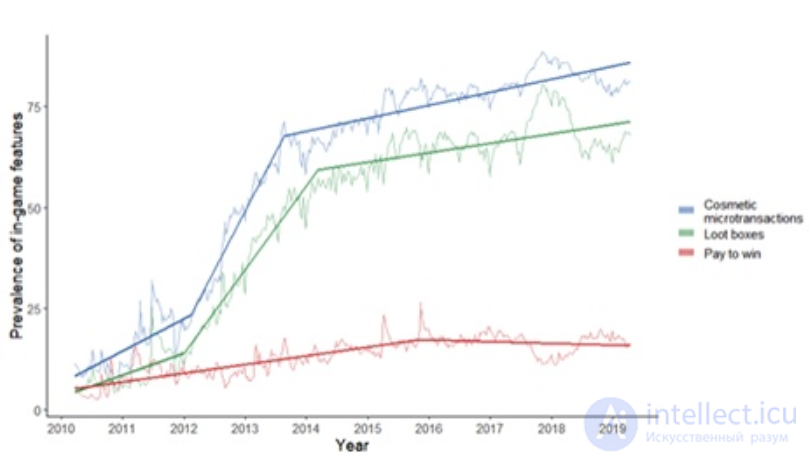
The most popular forms of microtransactions among developers are cosmetic microtransactions and «loot boxes». According to statistics, 80% of gamers have encountered a game that uses cosmetic microtransactions, and 70% have encountered a game that uses «loot boxes». Pay-to-win mechanics are also present, but compared with the two previous options, fortunately there are relatively few of them.
Payment Drop-off
- Reasons for subscription cancellations: financial data can help explain why players stop paying for a subscription. For example, it may be because they don't see value in the premium content, or because the subscription doesn't meet their gaming expectations. Analyzing this data helps developers make changes to content, improve the user experience, and minimize churn.
- Payment declines and transaction errors: if players encounter technical problems when trying to make a purchase or pay for a subscription (for example, errors when entering payment details), this can negatively affect their willingness to keep paying. This data is important for quickly identifying and resolving problems.
Predicting Behavior
- Forecasting future purchases: using historical data on player behavior, developers can predict how often and what types of purchases players will make in the future. This makes it possible to develop more personalized offers aimed at retaining players.
- Recognizing churn risks: based on the analysis of financial data, you can identify players who may soon stop making purchases or cancel their subscription. For example, if a player has stopped spending money for a certain period after an active buying phase, this may be a sign that their interest in the game is waning.
Pricing and Offer Optimization
- Testing pricing models: financial data makes it possible to test various pricing models in order to understand which one works best for different categories of players. For example, different subscription tiers, purchase bundles, and discounts can be tested to see what brings in the most revenue.
- Personalized offers: based on data about a player's past purchases, you can present them with personalized discounts or bonus bundles. For example, if a player regularly buys certain types of items, they can be offered an exclusive discount on future purchases or a bundle that includes these items.
Responding to In-Game Events
- Purchases during events: financial data can help you understand how in-game events (for example, holidays, new content releases, special activities) affect player behavior and their willingness to spend money. If players make purchases more actively during these events, developers can schedule them more regularly and make more appealing offers.
- Improving event mechanics: if the data shows that certain events do not lead to an increase in sales, you can adjust their mechanics or offer other types of content that better match audience expectations.
Subscription Models
- Analyzing subscription conversions: studying which factors motivate players to switch to a subscription model. For example, it may be access to exclusive content or regular in-game bonuses. Financial data helps you understand what encourages players to choose a long-term subscription over one-time purchases.
- Supporting subscribers: financial data helps track how long subscribers remain active and develop strategies to retain them, including loyalty programs, bonuses for long-term participation, and exclusive offers.
Regional and Demographic Analytics
- Regional differences in purchases: financial data can show how player preferences differ across various regions or countries. For example, in-game currencies may be popular in one region, while skins or cosmetic items are popular in another. This makes it possible to tailor pricing offers depending on the region.
- Analyzing purchases by age group: studying the purchasing behavior of different age groups makes it possible to better understand which offers will interest each category of players. For example, a younger audience may be interested in cosmetic items, while an older audience may be interested in functional improvements.
Analytics for Content Development
- Identifying popular products: analyzing which items or services are purchased most often can help developers create new, more in-demand items. If certain items generate greater interest, this may be a sign that players want more similar products.
- Monetizing gameplay: financial data can help developers integrate monetization into gameplay in a more natural way, so that it is not perceived as intrusive but rather as added value for players.
Using financial data in games with microtransactions and subscriptions helps create more flexible and personalized monetization models, improve interaction with players, and increase revenue.
3. Using Data to Improve Gameplay
3.1. Optimizing Difficulty
One of the most common problems in games is a mismatch between the difficulty level and the player's expectations. Using data, developers can see:
- Which levels players get stuck on most often.
- Where the greatest number of failures occurs.
- Which game mechanics are hardest for players to grasp.
For example, if the difficulty level rises sharply and causes a mass exodus of players, this is a signal for developers to reconsider the mechanics or resource distribution in the game.
3.2. Improving the User Experience (UX)
Analyzing data about the interface and the user journey helps improve the game's accessibility and usability. Important elements of UX analysis include:
- Exit points: places where players most often leave the game.
- User interfaces: which interface elements cause confusion or turn out to be unused.
Example: if players often fail to notice important elements, such as buttons or markers on the map, this may indicate a need to redesign the visual design.
3.3. Configuring Game Events and Mechanics
Collecting data on how players interact with game events can help developers configure:
- The frequency and difficulty of events.
- Rewards and their appeal.
For example, data may show that certain game events fail to attract players because the rewards are not interesting enough or the difficulty is too high.
4. Data Analysis Methods
Successful data analysis requires the use of the right methods and tools.
4.1. Player Segmentation
One effective method of analysis is segmenting players into groups such as:
- New players: those who have just started the game may have different preferences and behavioral patterns than veterans.
- Active players: those who log in regularly can provide valuable information about long-term motivation.
4.2. A/B Testing
A/B testing is a method that allows developers to test several versions of game elements, such as levels or in-game stores. Players are divided into two groups, each of which interacts with a different version of the element. This helps evaluate which version is more effective.
4.3. Analytics Tools
Specialized tools are often used to analyze player data:
- Google Analytics: suitable for basic analysis of engagement and behavior.
- GameAnalytics: a specialized tool for tracking game statistics.
- Mixpanel: an advanced tool for segmenting users and analyzing their behavior.
5. An Example of Using Data in Games
As an example, consider an MMORPG, where data analysis makes it possible to improve the social aspects of the game. Developers can track:
- The frequency of raid participation.
- The level of communication between players.
- The impact of content updates on engagement.
This data will help adjust quest design and create more appealing social mechanics, such as guild activities or PvP events.
Conclusion
Player data analysis is a powerful tool for game developers that makes it possible to improve gameplay, optimize mechanics, and retain players. By using behavioral, social, and financial data, developers can create more dynamic and interesting games that meet the expectations of different types of players. It is important to remember that the ongoing collection and analysis of data helps keep a game relevant and engaging, adapting it to the changing preferences of users.


Comments