
Lecture
LiveOps (Live Operations) in games — is a strategy for managing and improving games after their release. It is aimed at retaining players and increasing their engagement and monetization. LiveOps implies the continuous development of a project, adding new content, events, and features.
Regular content updates
Game events (Events)
Monetization and in-game purchases
Data analytics
Social interaction
Player feedback
A/B testing
It is worth noting that LiveOps methods have existed for several decades and underlie many of the most profitable games in the world.
I was inspired to write this article by a post by Kristen Cox. This is not a translation of that article, but I cannot fail to reference some of its ideas.
From a product standpoint, the gaming industry has changed a great deal over the past few years, and this has happened right before my eyes. It has gone through several stages: from the game as a product to the LiveOps approach. So, let's take everything in order.
In the first stage, a game was software recorded on a physical medium. Players needed special equipment, the medium with the game, and also many hours devoted exclusively to games. The games business was also closely tied to retail, distribution, publishing, and large advertising campaigns. Communication between players and developers was virtually nonexistent or kept to a minimum. This period coincided with my childhood. I confess that the minutes I spent in The Sims and No One Lives Forever were true happiness for me.
Over time, with the spread of high-speed internet, an online culture began to emerge, which led to changes in the gaming industry as well.
The game became a permanent service and began to focus on acquiring players and sales funnels. At this stage, social and mobile games became widespread. Developers gained the ability to sell games directly to their players. In addition, with the rise of social networks, communication between developers and players became more common. Speaking of this stage, one cannot fail to mention Steam, the online digital distribution service for computer games, released in 2003. Many Games as a Service use LiveOps to some extent, but this approach is more characteristic of the Game as a Community stage.
This stage is similar to the previous one, but here a very important element is added — the process of building long-term relationships with the user. The game as a community is fundamentally based on social context and activity. The game provides the ability to create clans and guilds and to invite friends into the game.
In addition, the game begins to segment players and tries to offer each segment a certain type of game. The LiveOps approach makes it possible to achieve this.
Kristen Cox writes:
The future is LiveOps
Why is that so?
What magic is hidden behind this word?
Translated literally, Live Operations, or «actions in real time», implies all the improvements that will be made to a game over the course of its existence after the release stage. It also means that mechanics supporting a process of continuous interaction are built into the game, and this happens thanks to changes in content that becomes available to players over time (upon the occurrence of a certain event in the game or the arrival of a certain time). The content is built into the game in advance and becomes available without updating the entire product.
Such events are directed at the user, at their actions in the game, and have a specific goal. It is important to remember that one of the reasons users come to a game is precisely the experience of new content. Content and its quality — are extremely important. And there must be enough content so that the player does not consume it in a couple of days.
In addition, the main requirement for LiveOps — is the presence of scalable systems that can be used for events, sales, promotions, and content.
As well as ensuring a balance between the costs of producing content and the expected profit (this means finding ways to make content more repeatable and cheaper to produce).
The goal of LiveOps:
LiveOps — is a comprehensive approach that includes:
By scale of reach, in-game events can be divided into:
By purpose:
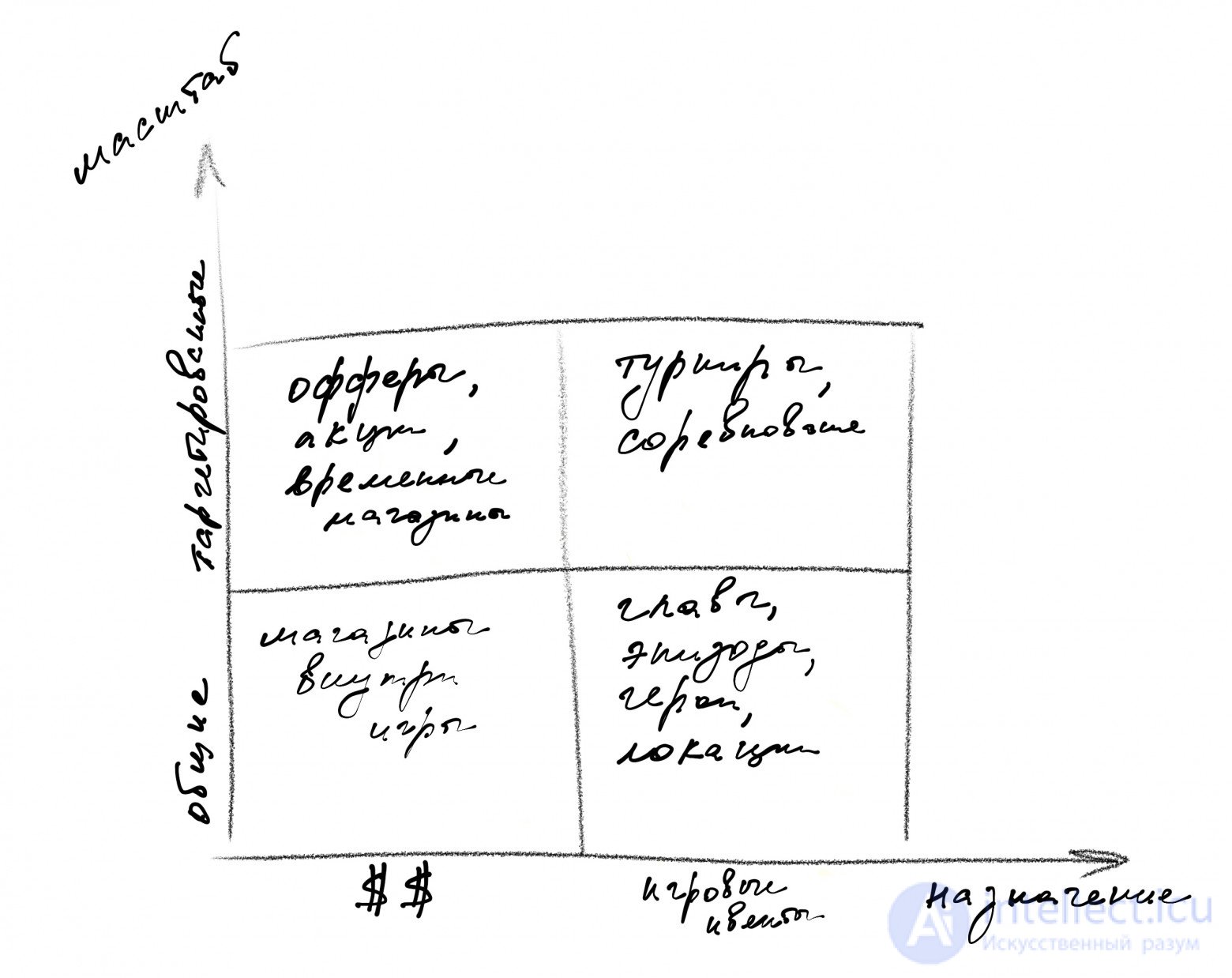
Properly chosen promotional content increases the number of players who are willing to buy items in the game and spend resources. To minimize burnout or a decrease in the impact of promotions and events, it is necessary to ensure their variety.
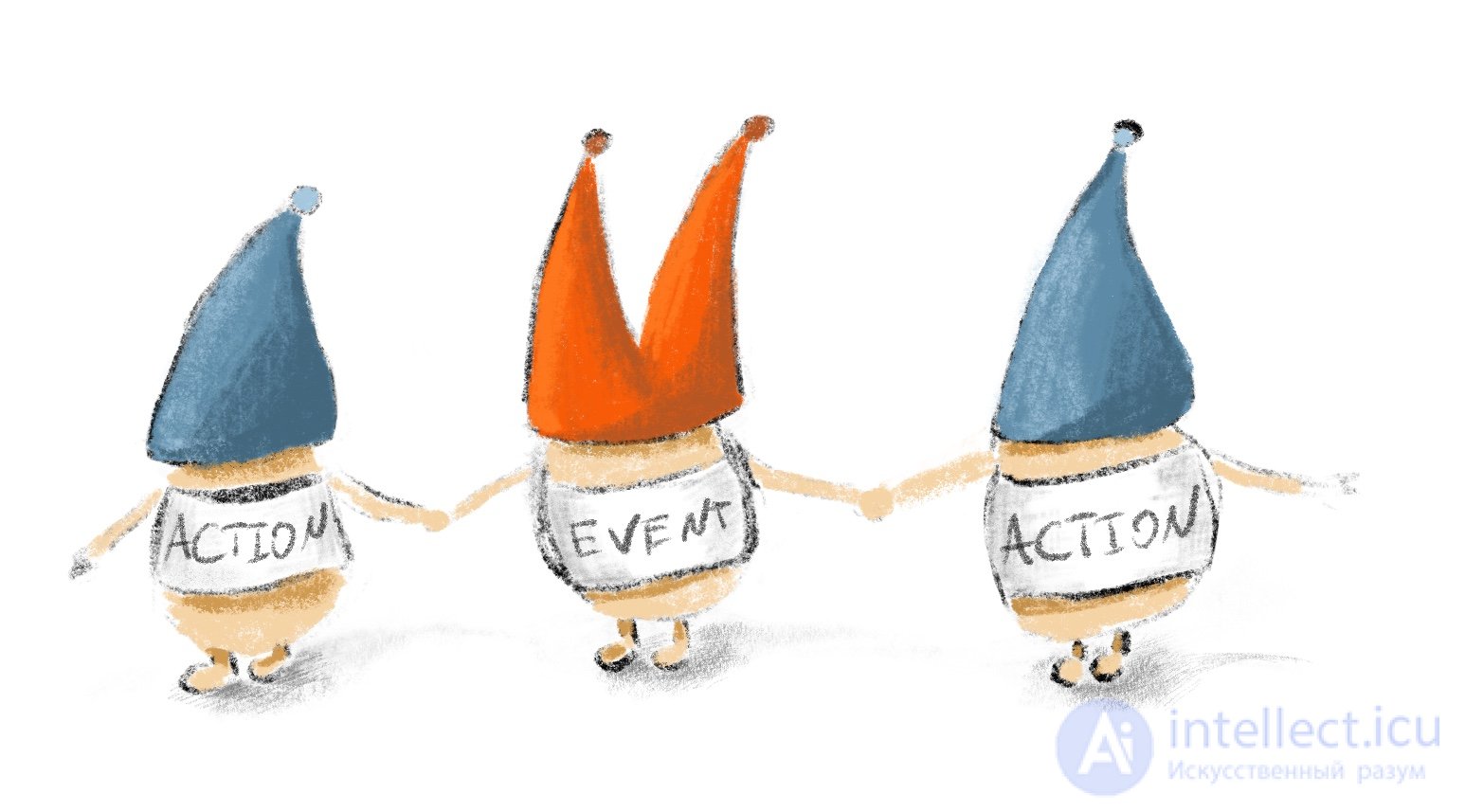
Game and payment events should alternate so that the player has the opportunity to spend earned or purchased resources and has the need to buy new ones. The plan for launching various events should take into account parallel events and additional rewards.
Game event -> Promotion -> Game event -> Promotion
Events should be targeted where possible. This means that it is necessary to segment players and offer each segment a certain type of game. Segmentation can be divided into 2 types: by content and by monetization. The goal is to provide relevant content to each segment at any point in time.
The event system should be designed before release.
This point is connected to the previous one. Any new art for skins or new promotions, models, and sounds must be loaded into the game. This means supporting a content update system without updating the entire game.
A/B testing and data analysis — are an important part of LiveOps and a condition for the continuous improvement of the gameplay. Since it is not always possible to precisely determine the consequences of one decision or another, hypotheses must be formulated and tested. And A/B testing must be conducted continuously in order to optimally tune in-game parameters.
Based on analytical data, conclusions can be drawn about behavioral patterns and players' interest in a particular event, promotion, or mechanic. The analytics system can also be used for writing marketing strategies.
The analysis includes: data collection (the types of events that we will record in the game, and in what format they are passed to the analytics system), the method of processing, and forecasting of likely problems. Based on the data obtained, decisions can be made about changes to the project: putting forward hypotheses about improvements and their impact on metrics, and conducting A/B tests.
This category can include answering questions that come into the support service, resolving situations that are unclear to the player, and various events related to the game's community.
Such events include:
The LiveOps approach in game development is invaluable. For a game's success to be measured in years, you need to make decisions based on analytics data, continuously conduct A/B testing, and develop long-term relationships with your player communities, providing them with quality content and events in the game.
Each of these areas is important for live operations, but requires constant work from the team, pipelines for management, and tools for building. And there are many tools that can provide the foundation for work in these areas. But developing a plan for specific events, updates, offers, and promotions requires individual solutions.

Comments