Interview tests contain four answer options for two different positions: level designer (Level Designer) and game designer (Game Designer). These tests are aimed at assessing the knowledge and skills required for each position. The questions focus on key aspects of level design, gameplay, mechanics, and interaction with the player.
In each test, four answer options are provided, one of which is correct, marked for the convenience of grading and feedback.
Interview test for the Level Designer position
1. Which parameter is important when creating a balanced level difficulty?
- A) The maximum number of enemies on the screen
- B) The number of textures in the game level
- C) A gradual increase in the difficulty of enemies and tasks throughout the level *
- D) Using a single type of enemy on all levels
2. Which of the listed actions is important when designing an open-world level?
- A) Linear movement along set routes
- B) The presence of invisible walls to limit the player's freedom
- C) Freedom of exploration and natural barriers *
- D) Placing all objects near the starting point
3. What makes a level more interactive and interesting for the player?
- A) Using a minimal number of objects
- B) Multi-stage tasks and hidden bonuses *
- C) A level without secret areas and opportunities
- D) A linear structure with no changes in the environment
4. Which tool is most often used to create game levels?
- A) A web editor, which can be used to make a website for the game
- B) Excel spreadsheets, in which you can create a balance system for the game
- C) A game engine with built-in level creation tools (for example, Unreal Engine or Unity) *
- D) A text editor in which a brief description of the game is written
5. Which of the following statements is correct when designing a level?
- A) The player should always be given precise instructions
- B) It is important to leave the player freedom of action while still guiding them through the level design *
- C) Levels should be as short as possible
- D) A level should be linear and predictable
6. Which factor is most important when designing puzzles in a level?
- A) Difficulty, so the player cannot solve them quickly
- B) The puzzle should be hard to understand
- C) Puzzles should provide satisfaction from solving them and fit into the overall game mechanics *
- D) They should be random and unconnected to the story
7. Which element improves the player's navigation through a level?
- A) Identical textures in all areas
- B) Various visual landmarks and markers *
- C) Invisible barriers
- D) Placing objects at a large distance from each other
8. What should be taken into account when placing enemies in a level?
- A) Enemies should be placed randomly
- B) Enemies should not be too close to the player
- C) Enemies should appear in places where the player has room to maneuver and prepare *
- D) All enemies should be on a single line of attack
9. What role do "checkpoints" play in a level?
- A) They provide the ability to quickly reload the level
- B) They allow the player to start the level over
- C) They serve to save progress and reduce frustration when the player dies *
- D) They have no functional role at all
10. Which aspect should be taken into account when creating secret areas in a level?
- A) They should be visible from the very beginning
- B) They should be completely inaccessible
- C) They should be hard to find, but the player should receive hints to help locate them *
- D) Secret areas should be random and have no effect on the game whatsoever
11. What is "flow" in the context of level design?
- A) A constant increase in the game's difficulty
- B) A harmonious combination of challenges and opportunities that sustains the player's interest *
- C) Linear storytelling
- D) Smooth graphic design
12. Which of these principles should be avoided when designing levels?
- A) Accessibility for players of different skill levels
- B) Introducing new mechanics gradually and with tutorials
- C) Levels that the player has to complete without any motivation or challenge *
- D) Balancing risk and reward
13. What is the best way to motivate the player to explore a level?
- A) Give no guidance at all and complete freedom
- B) Creating visible and attainable goals that can be explored *
- C) A complete absence of rewards for exploration
- D) A linear level design with no secrets
14. Which of these types of levels creates a greater sense of progress?
- A) Levels where the player is forced to perform repetitive actions
- B) Levels with varied tasks and changes of pace *
- C) Levels without any dynamics
- D) Levels with a limited number of actions and interactions
Interview test for the Game Designer position
1. Which of the elements is important for creating a good reward system in a game?
- A) Random rewards with no context
- B) A progressive reward system tied to the player's actions *
- C) Rewards that are impossible to obtain
- D) Rewards that do not affect the gameplay
2. What is a "metagame" in the context of game design?
- A) The game's story, accessible to a wide range of players
- B) A complex game mechanic present from the very start of the game
- C) Systems or mechanics that extend beyond the core game and influence the player's long-term motivation *
- D) Dividing levels into acts
3. How should a game designer take the game's audience into account when creating mechanics?
- A) Mechanics should be equally difficult for everyone
- B) The preferences and skills of the target audience must be taken into account, creating mechanics that are accessible and interesting for them *
- C) Mechanics should not depend on the audience
- D) Make the mechanics as difficult as possible, regardless of the target audience
4. What is meant by the term "death spiral" in game design?
- A) A graphic effect in games
- B) A mechanic in which the player ends up in a situation where each subsequent loss makes their position worse, with no possibility of recovery *
- C) A winning strategy
- D) A scenario in which the player receives infinite resources
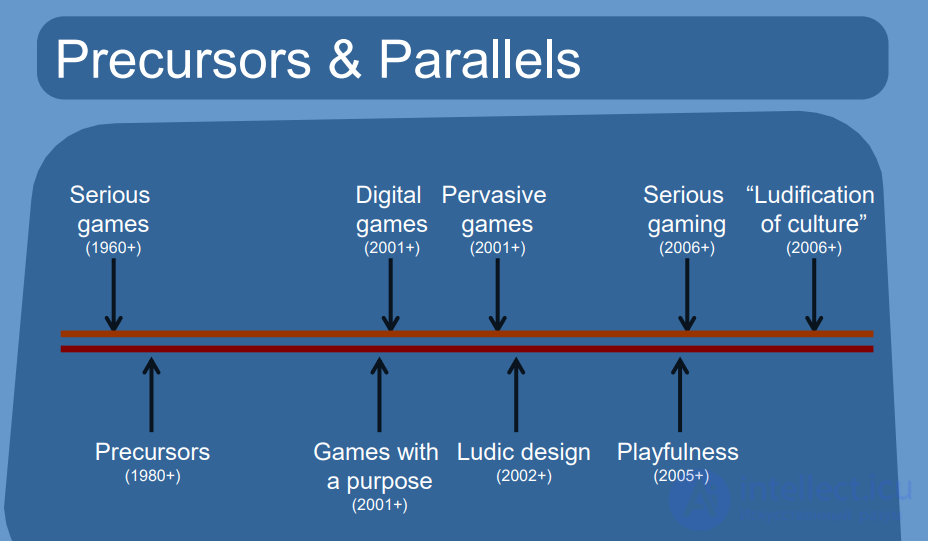
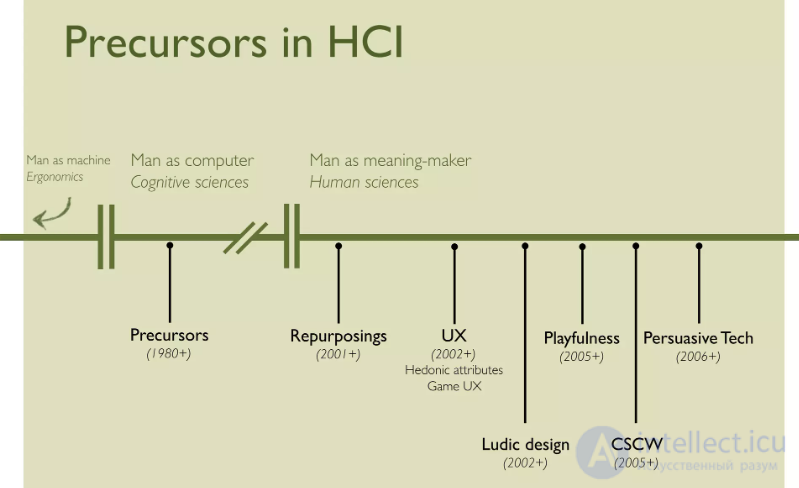
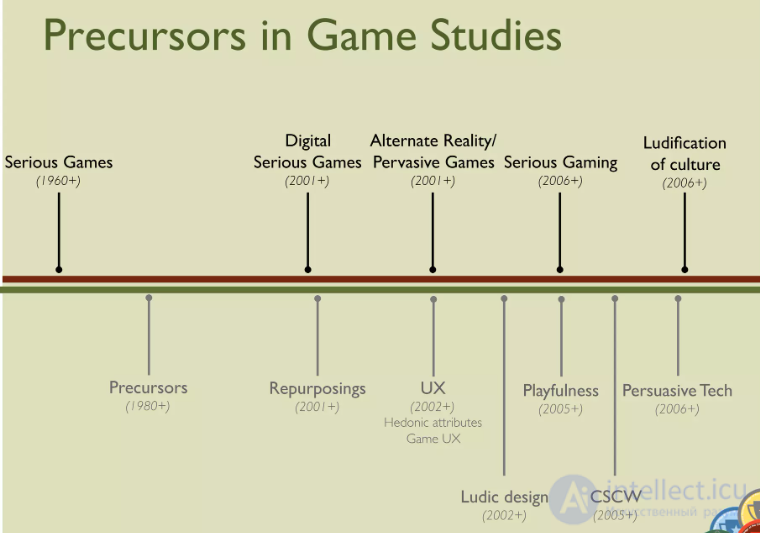
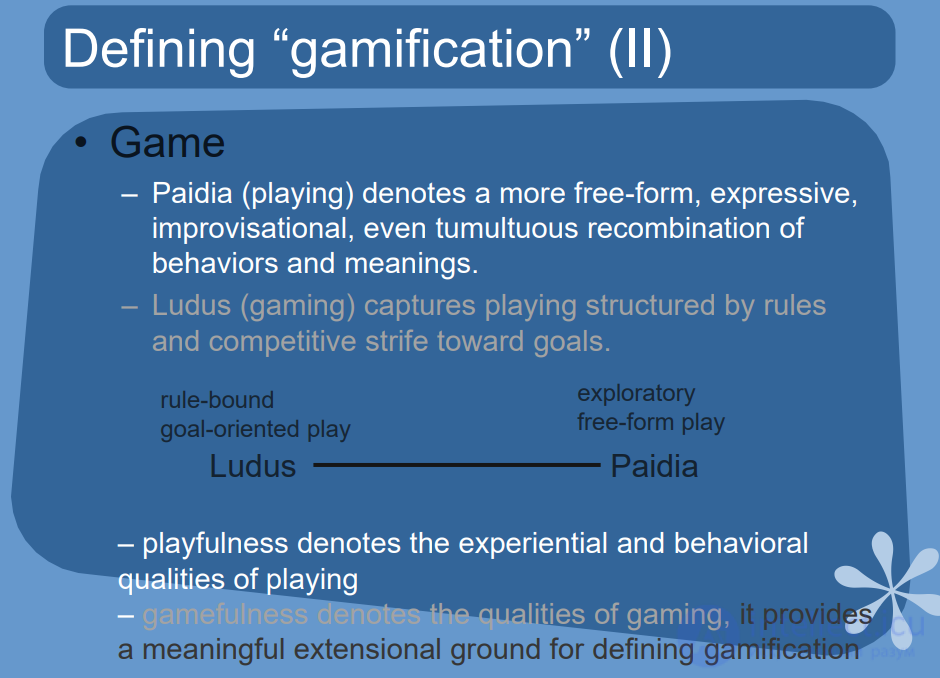
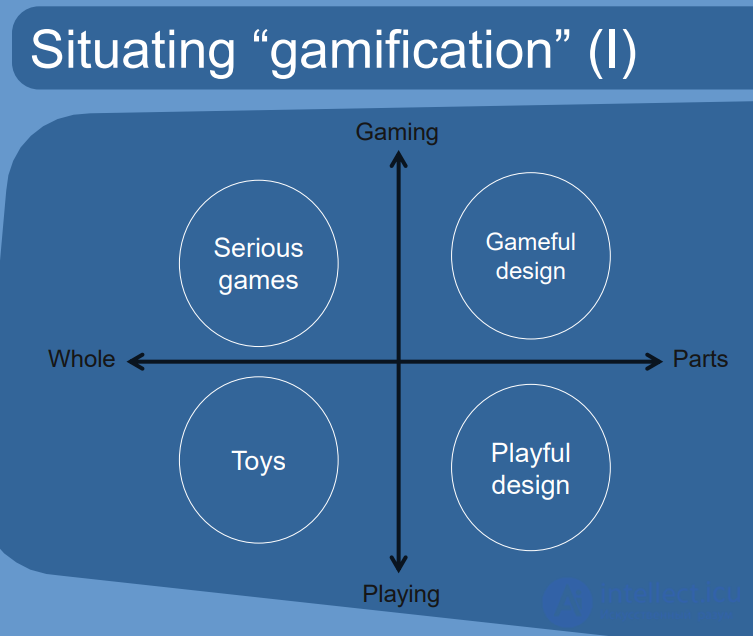
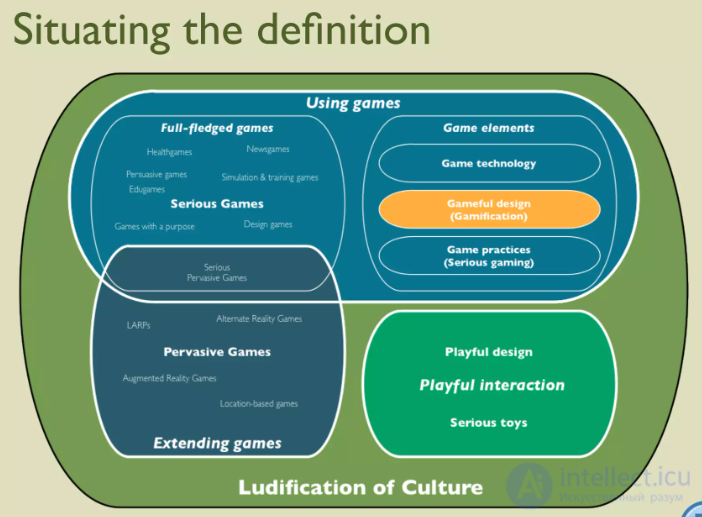
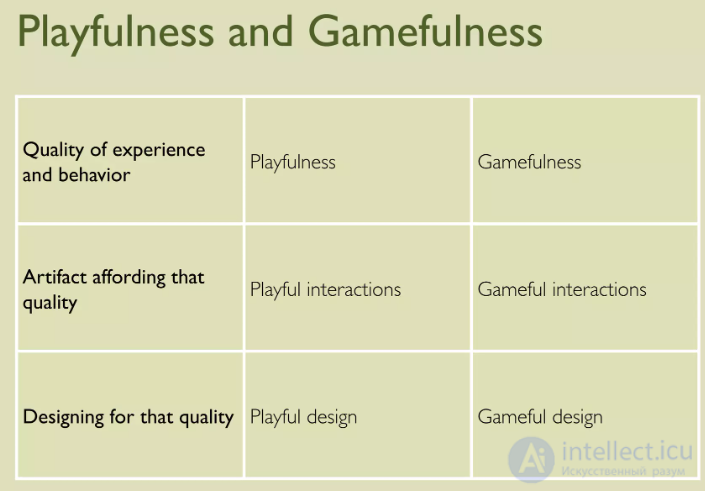
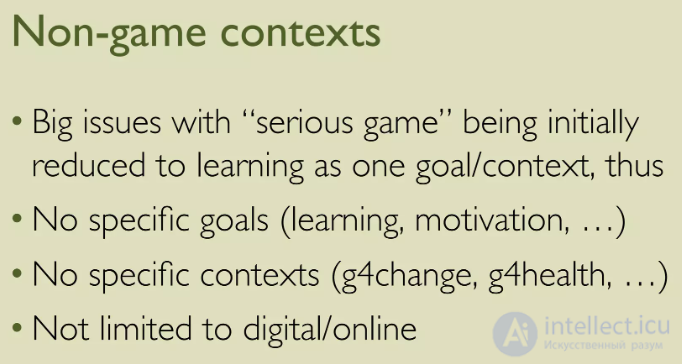
5. What is "gamification"?
- A) Applying game mechanics in non-game contexts to increase user engagement *
- B) Creating a game for mobile platforms
- C) Using a story in games
- D) The process of developing games
6. Which of the statements is most correct regarding managing the learning curve in a game?
- A) The learning curve should be steep from the very beginning
- B) The game should become difficult as quickly as possible
- C) The learning curve should be gradual and accompanied by teaching moments *
- D) Players should learn on their own without help
7. What is "empathy" in the context of game design?
- A) The game's ability to evoke an emotional connection with the player *
- B) The player's ability to react to enemies faster
- C) The ability to understand the game's story
- D) The ability to anticipate opponents' moves
8. Which factor best improves the player's engagement in the gameplay?
- A) Constantly punishing the player for mistakes
- B) Clear and consistent feedback that allows the player to understand the consequences of their actions *
- C) A constant increase in difficulty without explanation
- D) A complete absence of challenges and difficulties
9. Which monetization method is the least aggressive and acceptable to most players?
- A) Random loot boxes
- B) Paid upgrades that affect the game's balance
- C) Skin packs and cosmetic items that do not affect gameplay *
- D) Constant pop-up purchase offers
10. What is "agency" in the context of game design?
- A) A system of missions and quests
- B) The player's ability to influence the game and its outcome through their own actions and decisions *
- C) A management company
- D) A storyline development division
11. What is the core element of a good game mechanic?
- A) Colorful visual effects
- B) Multiplayer mode
- C) Ease of learning and the possibility of improving one's skills *
- D) Complex and confusing controls
12. How should a game designer approach creating a story for a game?
- A) Focus only on combat scenes
- B) Consider how the story affects the player's motivation and emotional engagement *
- C) Ignore the storyline if the game's mechanics are complex enough
- D) Make the story as long as possible to increase the game's duration
13. Which of these game mechanics best promotes the player's engagement in the game?
- A) Random events unconnected to the player's actions
- B) Interaction with the environment and NPCs that affects the development of the story and the world *
- C) Minimal interaction with the surrounding environment
- D) Complex puzzles that are unrelated to the game's main story
Tests on key terms for a game designer
1. Who is the player in the context of a game?
- A) A person who creates the game
- B) A character who moves automatically
- C) A person who interacts with the game, controlling a character or game elements *
- D) A person who develops levels
2. What actions can a player perform in a game?
- A) Only observe events
- B) Control characters, make decisions, and influence the development of the story *
- C) Only press buttons without affecting the story
- D) Play mini-games without affecting the main game
3. Which of the statements is correct about the player's interaction with the game?
- A) The player cannot influence the development of events in the game
- B) The player influences the game through actions and decisions that change the game world or story *
- C) The player cannot control characters
- D) The player does not interact with the game's surrounding world
4. Who is an enemy in the gameplay?
- A) A character who helps the player
- B) A game element that creates conflict or a challenge for the player, often intended to hinder their progress *
- C) An additional character for interaction
- D) A secondary character with no role in the story
5. What functions does an enemy perform in a game?
- A) Helps the player complete tasks
- B) Creates challenges for the player, hinders their progress, and can be a main source of conflict *
- C) Has no effect on the player whatsoever
- D) Is always a playable character
6. How can an enemy differ across different types of games?
- A) An enemy always performs the same role in every game
- B) An enemy can be either a physical obstacle (for example, a monster or an opponent) or a more abstract element (for example, a timer or the environment) *
- C) An enemy always appears on screen at the end of a level
- D) An enemy does not affect the gameplay
7. How can an enemy affect the gameplay?
- A) An enemy does not interact with the gameplay
- B) An enemy creates obstacles and forces the player to adapt their strategies *
- C) An enemy always loses to the player
- D) An enemy helps the player overcome difficult levels
8. What kinds of enemies exist in a game?
- A) Only characters with weapons
- B) Any elements that pose a task to the player or create difficulty (monsters, traps, puzzles) *
- C) Only bosses at the end of a level
- D) Only non-playable characters
9. How does a player usually interact with enemies in a game?
- A) Fights them, avoids them, or uses strategies to defeat them *
- B) Ignores them
- C) Cooperates with them to complete missions
- D) Cannot interact with enemies
10. What is the player's goal when interacting with enemies in most games?
- A) To avoid interacting with enemies
- B) To overcome enemies, using strategies, in order to advance in the game or complete levels *
- C) To avoid progress
- D) To constantly run away from enemies with no chance of winning
11. What does the term "risk-reward zones" mean?
- A) Areas in a game where the player must make risky decisions in order to obtain valuable rewards *
- B) Areas with extra lives
- C) Places where the player can save
- D) Territories with stronger enemies
12. What is meant by "metagame"?
- A) The game's storyline
- B) Elements or mechanics that extend beyond the core gameplay, influencing the player's long-term strategy or behavior *
- C) Balancing game mechanics
- D) Interface design
13. What is "discovery through play"?
- A) A process in which the player learns the game's mechanics through experimentation and trial rather than through explicit hints *
- B) Learning through text instructions
- C) Hints on every level
- D) Watching tutorial videos
14. What is "negative feedback" in the gameplay?
- A) A mechanic that reduces the player's progress in response to successes in order to maintain balance *
- B) Player reviews about poor graphics
- C) The loss of a character's life
- D) Bugs in the game's code
15. What is a game mechanic?
- A) The game's story
- B) The rules and systems of the player's interaction with the game world that create the gaming experience *
- C) The game's graphic design
- D) The game's advertising
16. What is meant by "system balance" in a game?
- A) An even distribution of enemies across levels
- B) The ratio between the game's difficulty and the available resources, creating a fair challenge for the player *
- C) The design of the game world
- D) The maximum amount of content in the game
17. What is a "feedback loop" in game design?
- A) A technical error
- B) A mechanism in which the player's actions cause changes in the game, which then influence the player's further actions *
- C) A repeating level
- D) A description of characters
18. What does the term "progression loop" mean in the context of game design?
- A) The process of the player improving their skills and achievements, which leads to new goals and tasks *
- B) Repeating levels with no end
- C) The game's storyline
- D) Constantly adding content
19. What is "difficulty" in game mechanics?
- A) The level of visual effects
- B) The degree of challenge the player faces, depending on enemies, puzzles, and game mechanics *
- C) The number of characters in the game
- D) The length of the game
20. Which of the statements about "flow" is correct?
- A) It is when the player constantly wins
- B) It is the balance between challenges and the player's abilities that sustains their engagement and interest *
- C) It is the process of teaching the player
- D) It is a description of the graphical interface
21. What is meant by "player agency" in a game?
- A) The influence of the player's actions on the game world and the development of the story *
- B) Interaction with NPCs (non-playable characters)
- C) The process of receiving rewards
- D) Resource management
22. What is a "reward system" in a game?
- A) A mechanic in which the player receives rewards for certain achievements, reinforcing motivation for further progress *
- B) A system for improving graphics
- C) The game's difficulty balance
- D) The distribution of resources across levels

23. What does the term "learning curve" mean in game design?
- A) A mechanic in which the game becomes harder with each new level
- B) The process of the player mastering the game's mechanics, which should be smooth enough to avoid frustration but sufficient to provide a challenge *
- C) A visual curve on a difficulty graph
- D) An increase in the length of levels
24. What is meant by the term "magic loop" in game design?
- A) A cycle of mechanics that creates constant player engagement through sequential actions, rewards, and progress *
- B) A recurring bug in the code
- C) A description of magic in the game
- D) A graphic interface element
25. What is "ludonarrative dissonance"?
- A) A mismatch between the game mechanics and the narrative, when the player's actions contradict the story *
- B) Animation problems
- C) A contradiction in the characters' dialogue
- D) The balance between difficulty and story
26. What is a "death spiral" in a game?
- A) A bug in the game engine
- B) A mechanic in which each subsequent loss worsens the player's position, making recovery practically impossible *
- C) A dynamic change of level
- D) A winning strategy
27. What does "hardcore mechanic" mean in game design?
- A) A mechanic that offers the player a very high level of difficulty and minimal leniency *
- B) A mechanic with a low level of difficulty
- C) A concept related to graphics
- D) A storyline
28. What is "emotional resonance" in a game?
- A) Visual effects
- B) The game's ability to evoke an emotional reaction from the player through the story, characters, and events *
- C) The game's ability to scale
- D) Interaction with NPCs
29. What does the term "dynamic" mean in the context of game design?
- A) Character animations
- B) Changes in the game's rules and conditions depending on the player's actions *
- C) The game's graphic design
- D) Static elements of the environment
30. What is Character Agency in game design?
- A) The player's freedom to choose which buttons to press
- B) The character's ability to act and make decisions within the game world, influencing the story or events *
- C) The character's interaction with other NPCs without the player's involvement
- D) The character's complete subordination to the player's actions
31. What is Player Agency?
- A) The player's ability to make decisions that directly affect the gameplay and the development of events *
- B) The player's ability to follow a predetermined story
- C) The player's control only over the character's animations
- D) The player's freedom to change the game's settings
32. Which of the statements is correct about the difference between character agency and player agency?
- A) Character agency describes the player's freedom, while player agency describes the character's freedom
- B) Character agency is related to the character's actions in the game world, while player agency is related to the possibilities and freedom of choice of the player themselves *
- C) Player agency means that the player has no control
- D) Character agency always outweighs player agency
33. How does player agency affect gameplay?
- A) The player performs predetermined actions without freedom of choice
- B) The player can make decisions that change the course of the game, affect the development of the story, and the interaction with the game world *
- C) Player agency does not affect gameplay
- D) The player simply observes the character's actions
34. How does character agency manifest in games with a high degree of freedom of action?
- A) The character follows a linear story with no deviations
- B) The character can perform various actions depending on their attributes and the player's choices *
- C) Character agency is limited by the script
- D) The character does not affect the story
35. What is the main goal of player agency?
- A) To allow the player to control all aspects of the world
- B) To give the player the ability to make informed decisions that affect the outcome of the game and the experience of interacting with the world *
- C) To limit the player's actions within the framework of predetermined rules
- D) To fully control the character with no possibility of choice
36. Which of the following statements correctly characterizes character agency?
- A) The character always acts according to scripted limitations
- B) The character can change the game world depending on their actions and decisions *
- C) Character agency does not affect the game world
- D) All of the character's actions depend on the player
37. Which example best illustrates player agency?
- A) The player chooses different paths through the game, influencing the story and the ending *
- B) The player observes the character's actions with no possibility of intervening
- C) The player must follow a single predetermined script
- D) The player can only control the character's movement
38. What is the connection between player agency and character agency?
- A) Player agency gives the player freedom of choice, while character agency determines how these choices are realized in the game world *
- B) Player agency completely controls character agency
- C) They are not connected to each other
- D) Character agency always limits the player's actions
39. What can limit character agency?
- A) The player's choices and actions *
- B) Graphics settings
- C) The absence of an inventory
- D) The number of enemies in the game
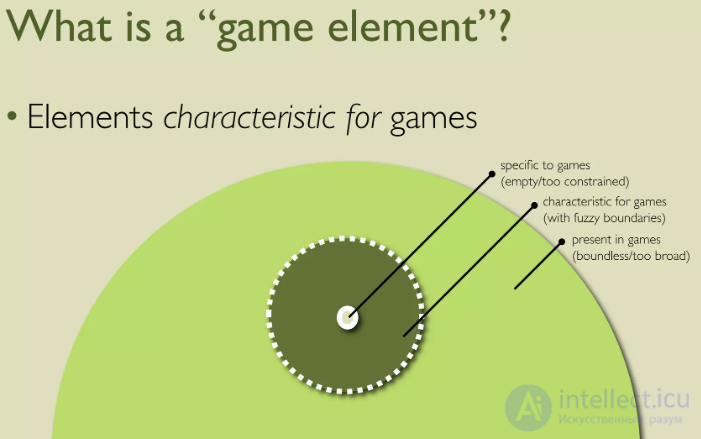
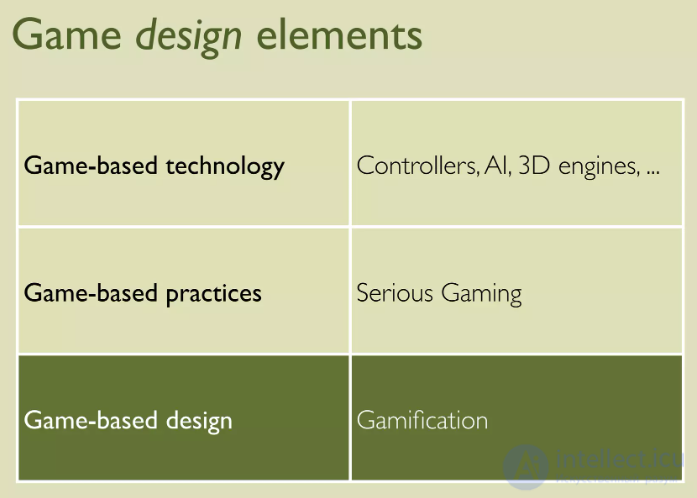
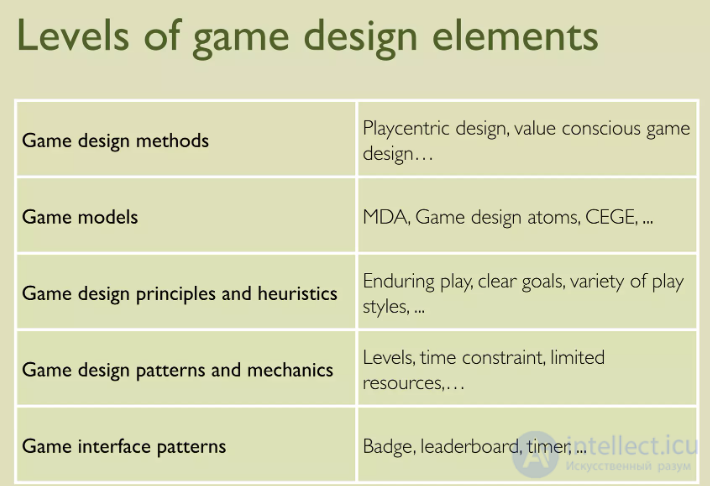
40. What is considered to be among the core Game Elements?
- A) The script and story
- B) Only graphics
- C) Rules, goals, players, and objects *
- D) Background images
41. What role do rules play in the gameplay?
- A) They only complicate the gameplay
- B) They set the limitations and possibilities for the players' actions *
- C) They create only visual effects
- D) Interaction with the game does not depend on them
42. What is the purpose of the game element "challenges"?
- A) To make the game easy for all players
- B) To hinder the player in achieving goals, adding interest and motivation *
- C) To increase the completion time
- D) To affect only the game's graphic execution
43. Which of the listed is a typical example of the game element "rewards"?
- A) An increase in the game's difficulty
- B) Earning points, new levels, or character upgrades *
- C) A transition to the main screen
- D) None of the above
44. What is considered among the game elements of the player's interaction with the world?
- A) The control system, the navigation system *
- B) Graphics and sound
- C) The game's color scheme
- D) The game's settings menu
45. How does the "game environment" affect the gameplay?
- A) It provides only the visual surroundings
- B) It determines how the player interacts with objects and levels *
- C) It affects only the audio perception
- D) It does not affect the gameplay at all
46. What is the function of the game element "feedback"?
- A) It shows how well the player is handling tasks and interacting with the game *
- B) It increases the number of enemies in the game
- C) It simplifies the gameplay
- D) It is related only to visual effects
47. What is an example of the player's "interaction" with game elements?
- A) Changing graphics settings
- B) Control over the character's movement and interaction with game objects *
- C) Reading information about the game's developers
- D) Listening to background music
48. What is a typical element related to game balance?
- A) The interaction between the difficulty level and the rewards for completing tasks *
- B) Reducing the number of enemies in later stages
- C) Slowing down the gameplay
- D) Simplifying all levels
49. What role do "enemies" play in the gameplay?
- A) They do not affect the completion of levels
- B) They serve as obstacles that add difficulty and interactivity to the game *
- C) They only decorate the visual part of the game
- D) They are part of the musical arrangement
See also
See also


Comments