
Lecture
Creating a game that will keep players engaged for a long time requires a thoughtful approach to game mechanics. Retention mechanics motivate players to come back again and again, keeping their interest in the gameplay alive.
In video games, one of the most telling metrics is retention. It determines how much players enjoy returning to the game and spending time in it. Again and again.
You probably already know this, but just in case, let me remind you:
Retention Rate is calculated as the ratio of users who returned to the product to the number of users who installed it on a particular date.

Usually three most telling periods are used for these “returners”:
Those who returned the next day (for them 1-day retention is calculated)
Users who returned after a week (7-day retention)
Players who keep playing a month later (28-day retention)
Tip: if you set out to calculate retention for a game, it's better to use the rolling retention rate. It demonstrates user return rate more clearly, because it takes into account not only users who returned on a specific date, but also those who came back later on any other day (just think about it: maybe that specific day happened to fall on a major holiday, or the power was simply cut off across an entire district, and the game had nothing to do with it).
Let's look at the key mechanics that help retain an audience.
One of the main reasons players keep playing is the ability to see progress. This can be:
Leveling up the character's levels and skills;
Unlocking new features and content;
Improving equipment and resources.
The more a player feels growth, the higher the likelihood of them returning to the game.
Games often use a system of rewards for daily logins, motivating users to log in regularly. This can be:
Login bonuses;
Increased rewards for consecutive logins;
Time-limited events.
Interaction with other players increases engagement. Popular social mechanics include:
Clans, guilds, and alliances;
Leaderboards and competitive elements;
Co-op or PvP mode.
Players love receiving rewards, especially when there's an element of surprise. Using random drop or loot box mechanics makes them come back again in the hope of rare loot.
The mechanic of limited actions per day (for example, energy, mission attempts) forces players to plan their gameplay and return after a certain amount of time.
Dynamic content and temporary events keep the game fresh. Developers introduce:
Themed events;
Battle passes with rewards;
Updates with new levels and mechanics.
A deep plot and character development can retain a player no worse than progression mechanics. The ability to find out what happens next pushes users to keep playing.
When a player can tailor the character or gameplay to their own preferences, they feel a strong connection to the game. This includes:
The character's appearance;
Configuring skills and abilities;
Choosing the path to take.
table Retention game mechanics
|
Name
|
Essence
|
example
|
|
|---|---|---|---|
|
Daily rewards
|
The player receives bonuses for logging into the game every day, often with increasing value.
|
Day 1 +2 coins
Day 2 +3 coins
Day 3 +10 coins
Day 4 +20 coins
Day 5 +25 coins
Day 6 +30 coins
Day 7 +40 coins
|
|
|
Daily/weekly tasks
|
Regular quests or tasks that give rewards for completion.
|
-
|
|
|
Achievement system
|
The player receives trophies, medals, or badges for performing certain actions.
|
|
|
|
Battle Pass
|
A seasonal system with rewards that are unlocked by completing tasks and leveling up.
|
if something is collected before
the end of the season, then + 10 coins
|
|
|
Events and temporary promotions
|
Time-limited events that give exclusive rewards.
|
if something is collected before a date,
then +10 coins
|
|
|
Competitions and rankings
|
Leaders receive rewards, and players strive to climb higher in the leaderboard.
|
|
|
|
Clans and guilds
|
Interaction with other players within a group system.
|
|
|
|
Friend system
|
The ability to add friends, exchange gifts, and compete.
|
|
|
|
Team modes
|
Players team up for joint challenges, raids, or PvP battles.
|
|
|
|
Seasonal updates
|
Regular major updates that add new content and mechanics.
|
themed decorations
|
|
|
Loot and rare items system
|
Random rewards and rare items that motivate players to keep playing.
|
wheel of fortune or a loot box with ads and prizes
|
|
|
Character customization
|
The ability to change the hero's appearance, skins, emotes.
|
choosing new characters by outfit
|
|
|
Long-term development (leveling up, levels, skills)
|
Gradual improvement of the character, unlocking new abilities.
|
|
|
|
Collecting items
|
Collecting cards, pets, skins, trophies, and other rare things.
|
+ collecting parts of something
|
|
|
Economy and trading
|
A built-in market, exchanging items between players or with yourself.
|
|
|
|
Dynamic environment
|
A changing world, seasons, weather effects.
|
|
|
|
Return algorithms (notifications, reminders)
|
Push notifications (+5 coins), in-game notifications, email messages (+ 10 coins), and event reminders.
|
|
|
|
Referral program
|
|
||
|
Subscription in SS
|
|
||
|
Share your result
|
|
||
|
|
|
|
But what affects the share of these very returning players? And how do you increase it?
For this, there are what are called retention mechanics. But it's not all that simple with them. You can't just cram your game with every possible feature and expect out-of-this-world numbers. Each product has its own specific mechanics that work for it, adapted to the specific requests and needs of users. And those, in turn, depend on the types of players.
The following types are distinguished:
Achievers (collectors, hoarders, achievement gatherers). They also get called by a certain not-so-polite word (I think you can guess who I mean). Their main motivation to keep playing is rewards, achievements, bonuses, titles. They want to collect as much of everything as possible! To earn all the hidden and visible achievements, to win the rarest titles, to feel special. And, of course, simply because they enjoy collecting and gathering everything =)
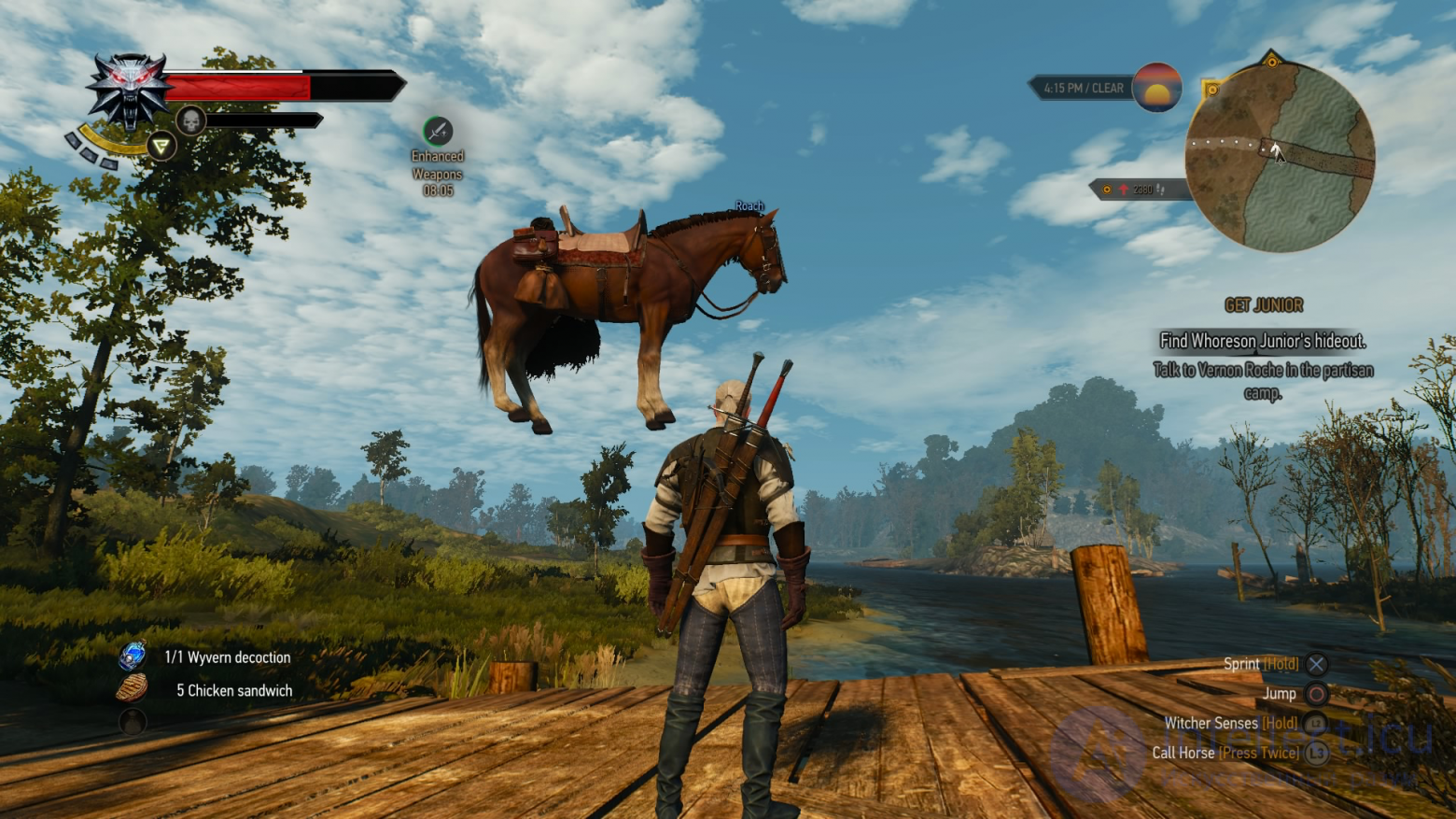
Explorers. These folks enjoy discovering the game world. Running around to all the question marks in The Witcher, uncovering all the hidden fragments of the map in Heroes or Civilization (even when victory is already in hand) — that's what gives them an irresistible thrill, motivating them to come back and play again. Not a single new quest or seasonal event will escape their attention.
Killers. This type of user doesn't so much love to “kill” — here it's more of a metaphor. They love to be first, to be the winners, to grind their rivals into the dirt, even if it's a chess tournament (and there's no talk of killing in the literal sense here). For killers, status and ranking matter. To always be first, always the best! It's precisely for the win, for staying at the top, that they will return to the game.
Socializers. People for whom communication and interaction with other people matter. The ability to share with friends, challenge acquaintances, even just chat with another living person in the game world — that's what makes it appealing to them.
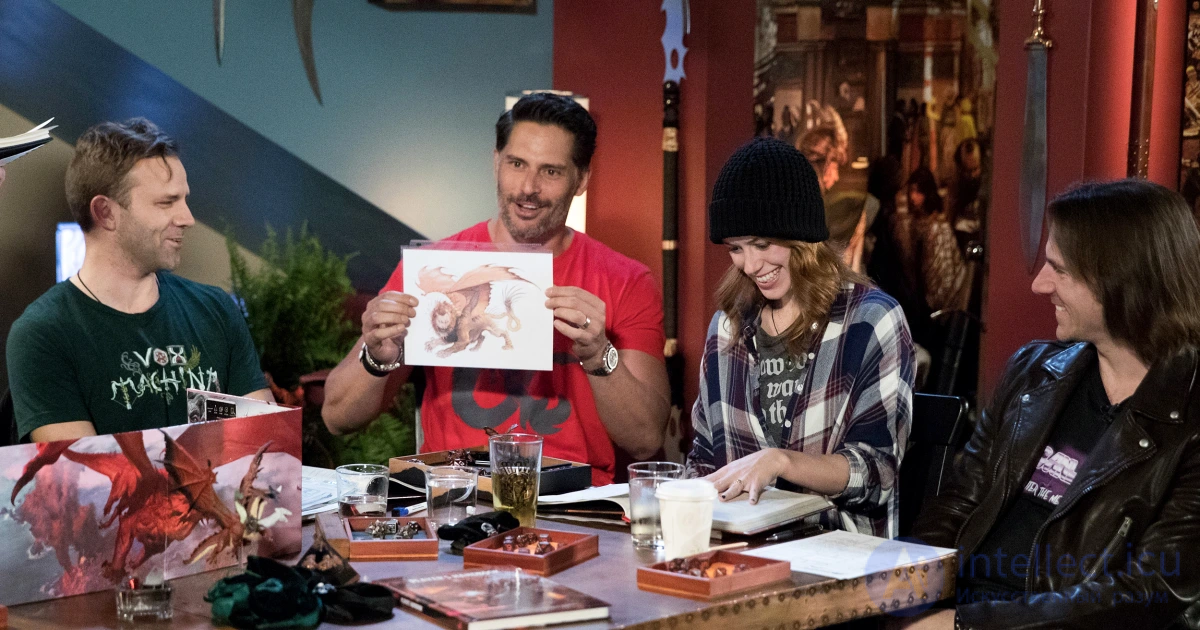
Most players have traits of each of the four types, but, as a rule, one of the traits is dominant. And it's precisely that one that determines the user's behavior and motivation in the game.
The prelude is over, now to business. First, remember: you won't be able to satisfy everyone all at once. Some will like the game more, some less. For some, one feature will be the hook, for others — another. So decide which type of audience you'll target first and foremost, and which of them your specific game suits best (which, by the way, you can find out by looking at the behavior of players in your game through analytics tools or in live tests).
Below I'll give some more or less universal techniques, or rather tips, on how to make a game more appealing to the user and, accordingly, increase the return rate to it.
This isn't only about gameplay. In a game, everything should feel “native”: the tutorial, settings, controls, and, of course, the gameplay itself. The trick is for the user to have no questions about where things are and how they work. To not have to read instructions to figure it out. “Jumped in, poked around, got it!” — that's what the ideal start of a game should be like for a player, so it doesn't scare them off. And after that, everything depends on the specific product =)
Not to be confused with the plot! The plot is only part of the narrative, revealing the story and setting the sequence of events. The narrative itself includes the complete design of the game. It is set through sounds, the interface, characters, music, gameplay… In a good game, it is thought out and present in everything.
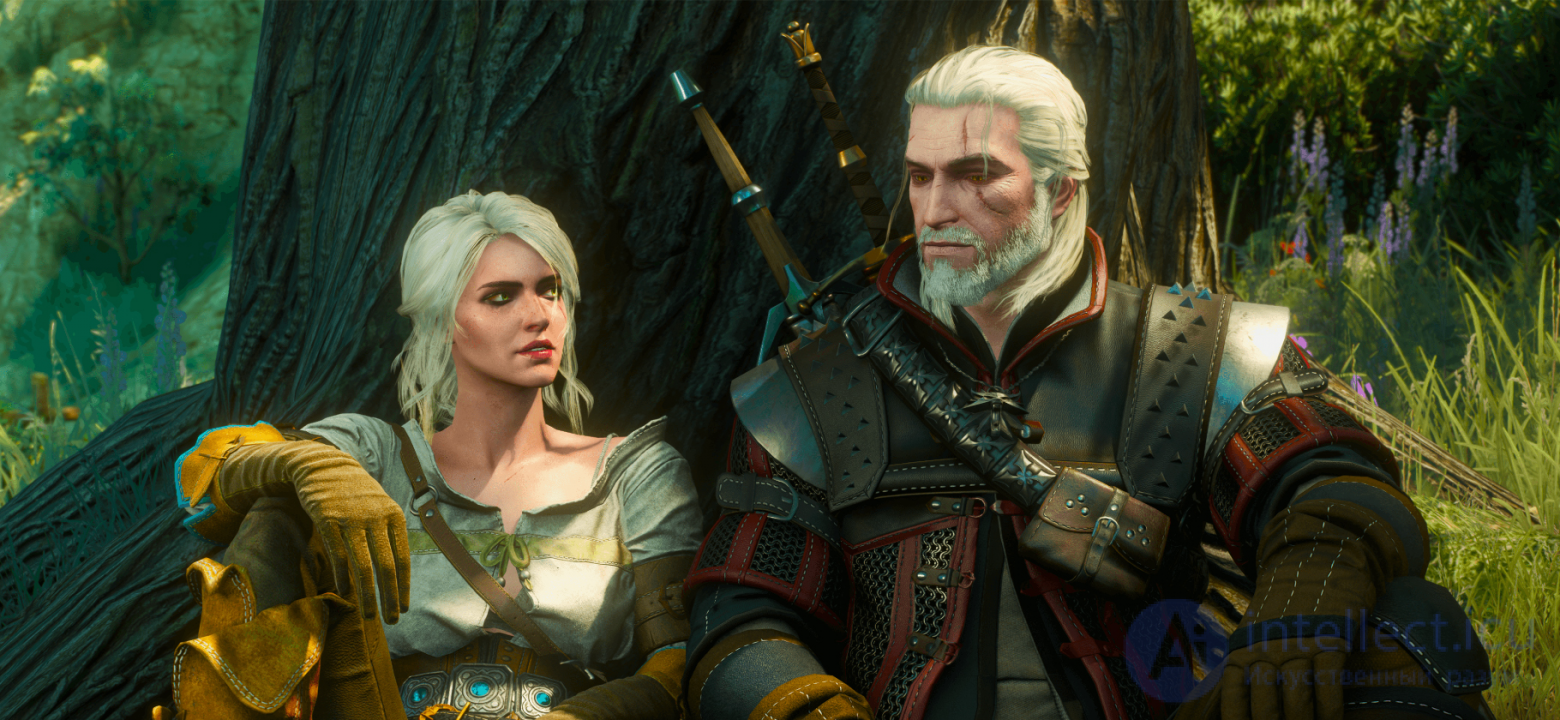
Users enjoy discovering something new, going through the story, gradually unlocking levels, characters, new mechanics. Keep this in mind. You shouldn't dump a sea of features and information on the user from the very first minutes. Restrain them. First, this will help avoid cognitive overload. Second, it will give you the chance to catch your breath before releasing an update. And third, it will create intrigue. It will plant a seed of interest in the minds of your users. After all, if as we progress through the game we gradually learn that there's something more in it that we hadn't suspected, we want to keep playing, anticipating what will happen next!
Praise your users! Let them know that they are dear to you and that their actions bring some kind of result. Rewards come in various kinds: tangible and intangible, status-based, and many others. We'll talk about them in a separate article. For retaining and returning the user, one thing matters — that there are rewards, that there are enough of them (but not too many, otherwise they can be devalued), that they are valuable and fit the specific product. You'll agree, it would be strange to receive plate armor in Candy Crush =)
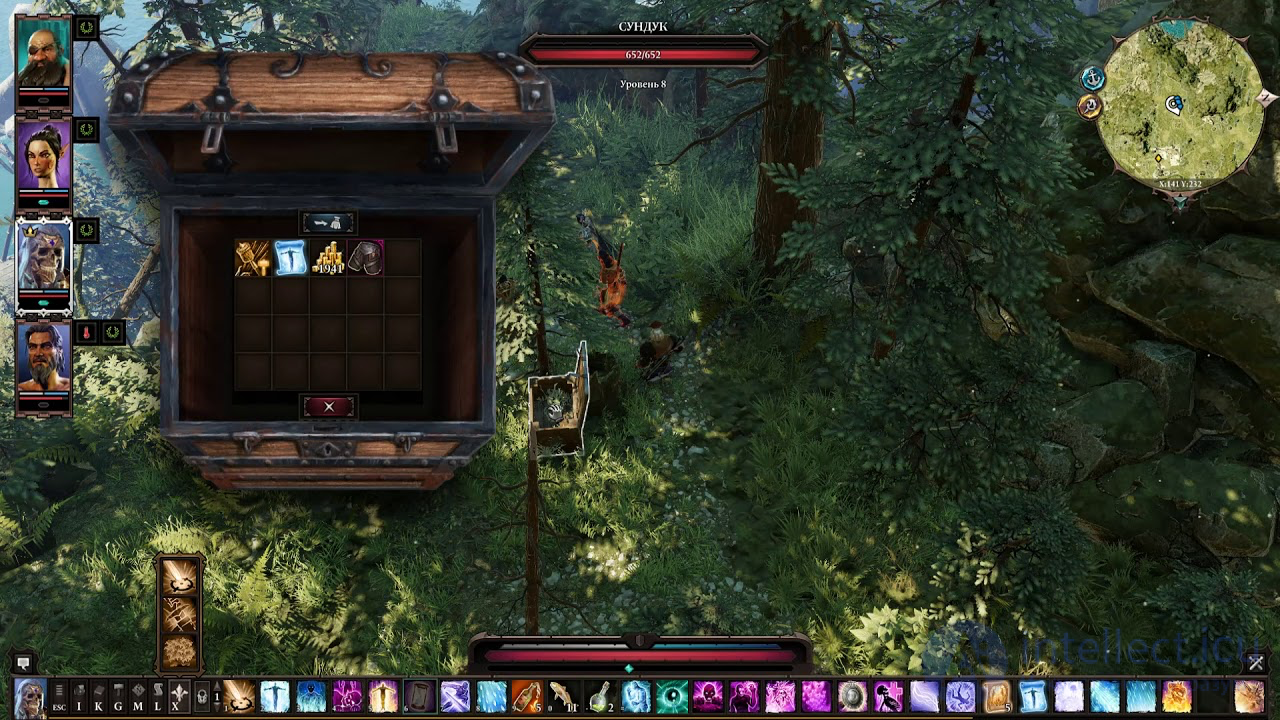
The player should understand why they are performing this or that action. Set them a task as clearly as possible, make tasks of varying difficulty. Balance tasks and levels not only by difficulty, but also by scope (the size of the game space, completion time, amount of content), reward (economy balance), events. Use goals of varying duration (short-, medium-, long-term). Experiment with the format of presentation.
An excellent way to remind players about the game (and, as a result, increase their return rate) — seasonal events and content updates! Seasonal events work, this has been proven by a million projects already, and not only gaming ones. Recall “Black Friday” — that's the same kind of event, whose goal is to attract more shoppers to stores. Events and updates can be different, and here it's worth remembering two things:
New content must be genuinely NEW (and not effectively the same thing, only a different color or with a bow on top) and of high quality (don't do it just to get it done; better to do updates less often, but do them wisely).
Inform your players. Send pushes, change the design of the game's own icon, do mailings. Choose the most suitable method for you and your audience. It's important that as many players as possible find out that something new has appeared in the game.
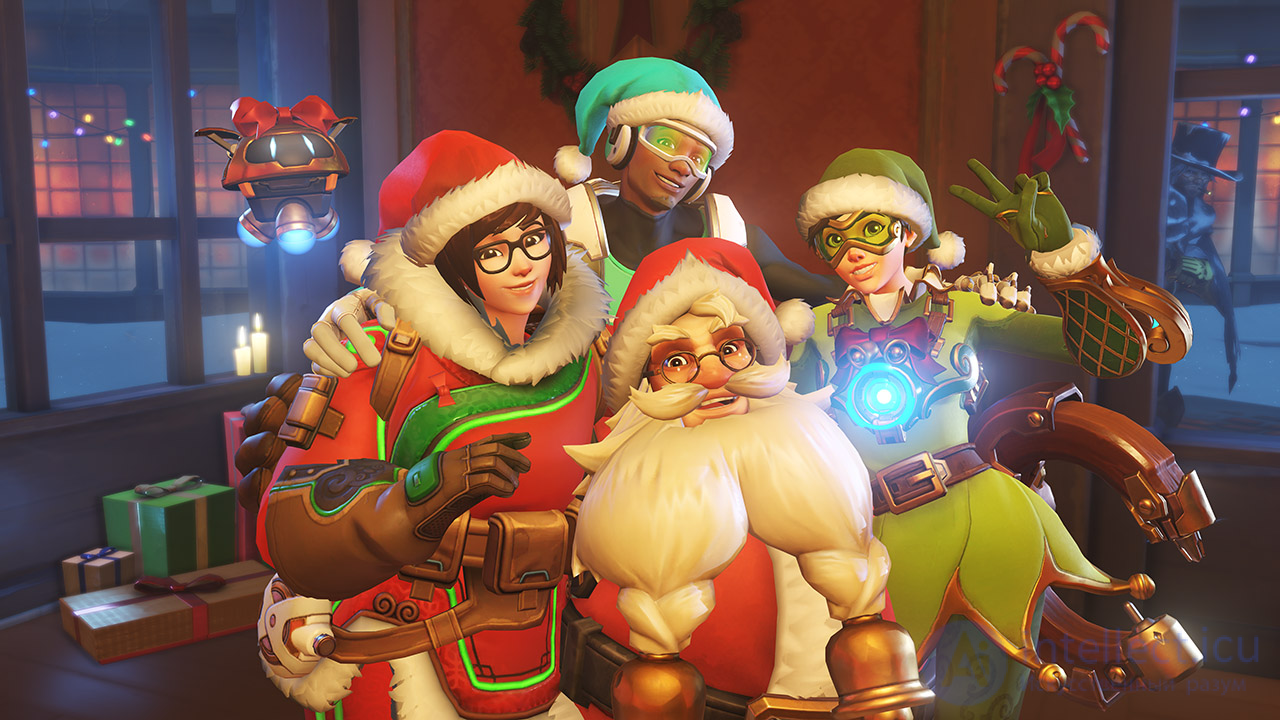
In different games it can be expressed in different ways. Teams, guilds, the ability to invite a friend, PVP battles, ranking (yes, yes, rankings and leaderboards are not only a status feature but also a social one)... Anything. People are drawn by the possibility of communicating and interacting with a real person, and not only with bots and NPCs. Take advantage of this.
While attaching various “treats” to the game, don't forget the main thing: the game should work well, not crash, not bombard with a pile of pop-up ads. That's what is most annoying. Once you lose a user, it will be very hard to get them back. So first polish your product, play it yourself, let friends and acquaintances play it to make sure it works correctly. And only then show it to the wider public.
And the last, most important tip: make the game wisely, be guided by common sense, and rely on analytics data. In that case it will be far easier for you to achieve success than if you blindly follow the advice of other people and articles. Everything has already been invented and written a gazillion times, it's all freely available and everyone reads it. But for some reason some games bring in millions, while others fall into oblivion. Try, reflect, invent. Treat the game as a creative work, as your own brainchild. And may everything work out!
Retention game mechanics are a combination of different approaches that make it possible to create a game you want to return to. Well-integrated systems of progression, rewards, social interaction, and updates make a project successful over the long term.

Comments