
Lecture
Audio and visual elements play a key role in shaping the perception of a game and its overall emotional impact on the player. These aspects not only improve the quality of the graphics and sound, but are also the primary means of immersion, influencing how players perceive the game world, react to its events, and interact with characters. Understanding how audio and visual effects work together to create a complete gameplay experience is an important part of a game designer's work.
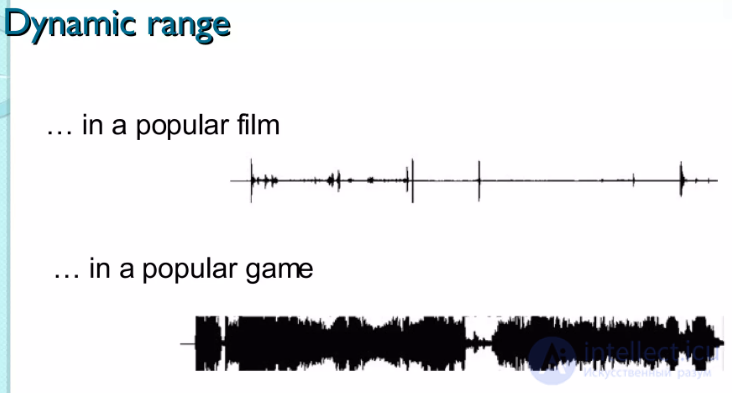
Sound in a game performs one of the main functions in creating mood and atmosphere. This can include:
Music: Epic orchestral music in strategy games, tense melodies in horror games, or melodic sounds in relaxing games help set the emotional tone. For example, horror games such as Silent Hill use unsettling sound effects to heighten feelings of fear and anxiety.
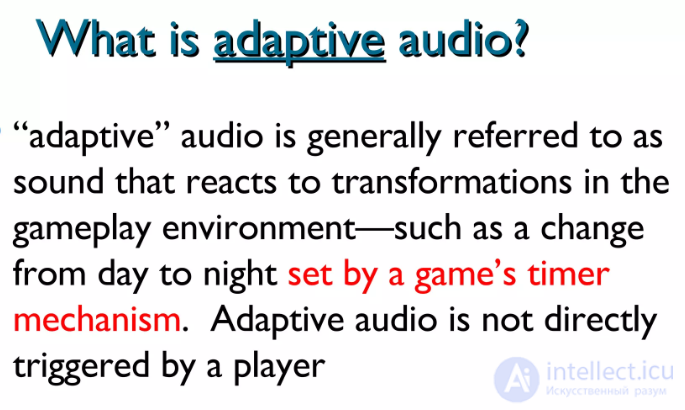
Ambient sound: These are the sounds of wind, water, and footsteps, which create a genuine sense of immersion in the game world. For example, the rustling in bushes or the cries of birds in a forest location make the game world feel more alive.
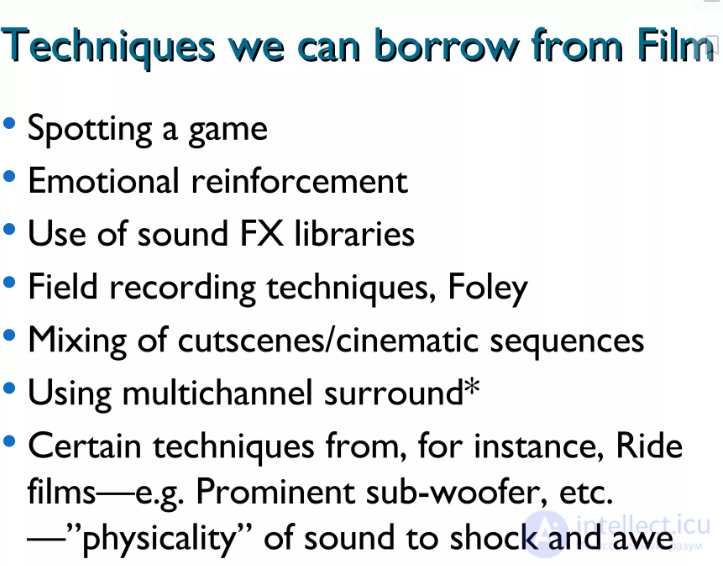
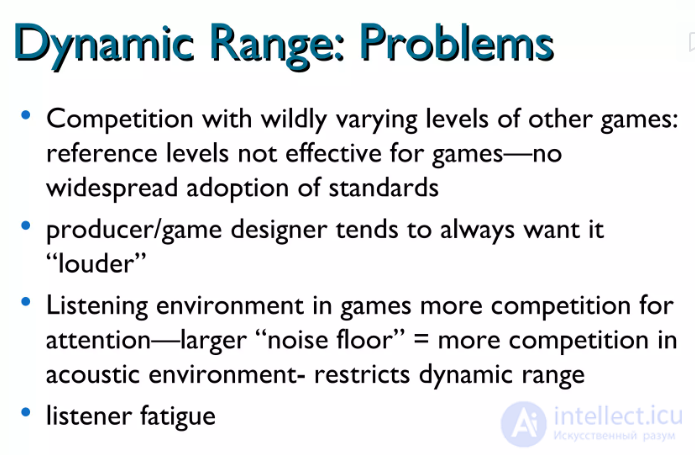
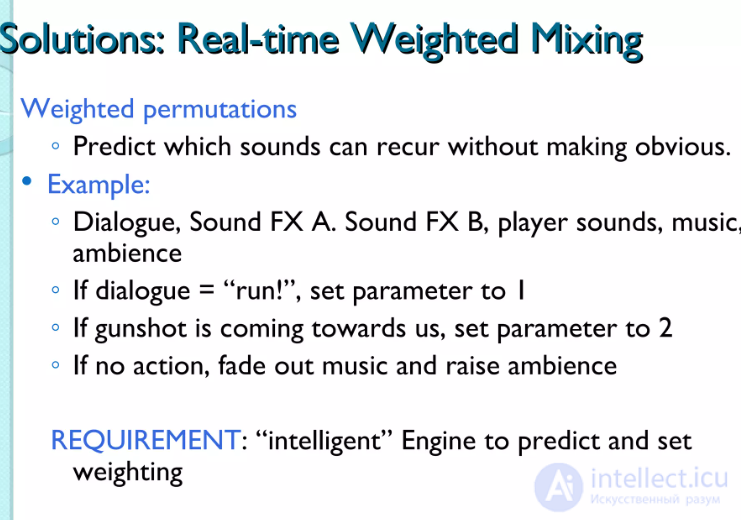
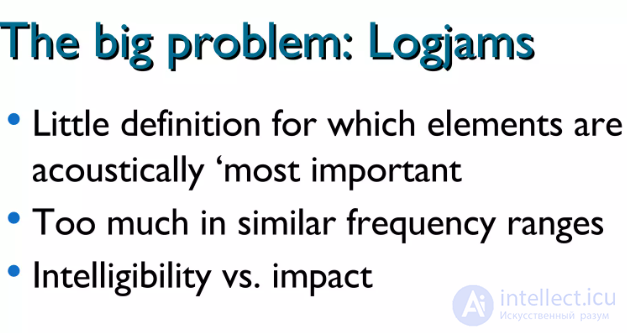
Audio cues: Audio can serve as a tool that helps the player navigate the game, warns them of impending danger, or hints at actions to take. For example, the sound of an approaching enemy or a timer signals the need for a quick response.
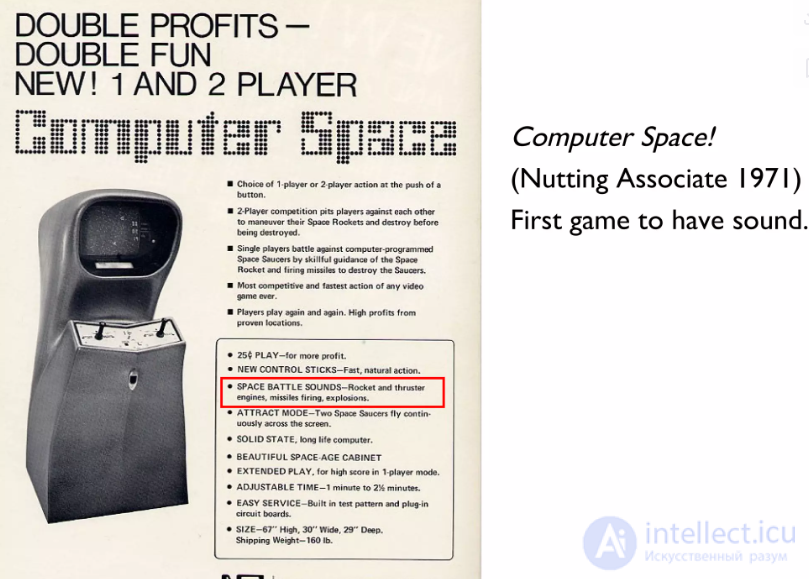
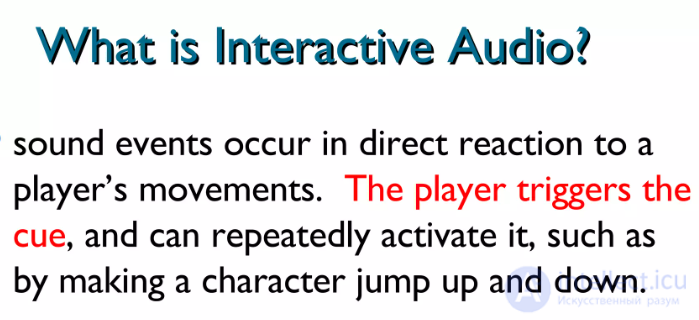
Sound feedback refers to the game's responses to the player's actions, accompanied by sound effects. For example, a successful attack may be accompanied by a distinctive impact sound, while a failed attempt may produce a dull sound or no effect at all. This helps players feel connected to the game mechanics and better understand how their actions affect the game world.
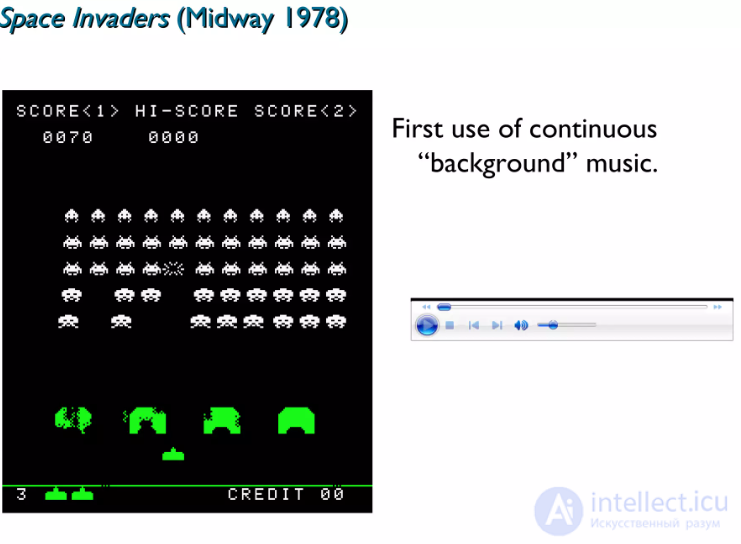
Music in games can act not only as a background element, but also as a storytelling device that advances the plot. For example, in the game The Last of Us, the musical themes reinforce emotional scenes, helping players empathize with the characters. Musical themes can also change depending on the location, defining the importance of events.


Visual elements directly influence how players perceive the surrounding game world. This can include:
Graphic style: Classic 2D, realistic 3D graphics, or a stylized visual language, as in Cuphead, create different impressions and emphasize the artistic direction of the game.
Color palette: Colors in a game play a huge role in creating mood. Bright, saturated colors create a sense of joy and energy, as, for example, in games like Super Mario Odyssey, while dark, cold tones can evoke a feeling of anxiety or oppression, as in Bloodborne.
Light and shadow are used to create depth and realism in a game. They can not only enhance the visual aesthetics, but also direct the player's attention. For example, lighting effects can point to important objects or help the player navigate dark levels. In horror games, light is often used to build tension and create sudden "jump scare" moments.
Visual effects also play an important role in the gameplay itself. Explosions, magic spells, rain, or dust — all of these elements enhance the sense of dynamism and help players better understand what is happening in the game world.
The first game we present is Flower, developed by That Game Company; this game illustrates some of the ideas we have proposed. The entire design is not overloaded with additional elements (Figure 1); it is designed with just enough elements to create immersion in the narrative and the gameplay, so the goal of the game and the design are consistent. On the other hand, there are elements within the environment that guide the player and make them focus on the game's objective. The whole environment becomes pleasant as the player tries to reach as many petals as possible. The game combines visual appeal and challenge in accordance with the player's progress.
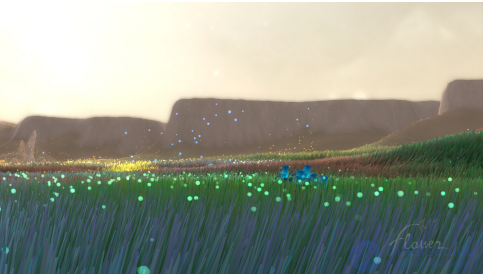
Figure 1: One of the scenes in the game Flower, showing the landscape as the path the player must follow
The second game is called Journey, which was also developed by That Game Company. The player is surrounded by vast dunes, and the sand is the main character within the scene; this is how this particular game begins (Figure 2). Its qualities are revealed in the way the background transforms into the shape of the environment; at the same time, color transforms into space. The entire background has the necessary elements; there are no extra elements, because the existing ones each have their own role in the game.

Figure 2: One of the first scenes in Journey
The balance observed in the composition of the levels supports the ideas we explained earlier regarding the concepts of our human visual perception, especially because it is not an overloaded scene. The player has the opportunity to focus all their attention on the game's objectives, and the player can also notice every minor change within the game. Another feature is the visual effect created in the background (3), as if it were made of several layers, and all together they create a sense of space within the game. This game is a striking example of how to make the player feel immersed, without an overloaded background.
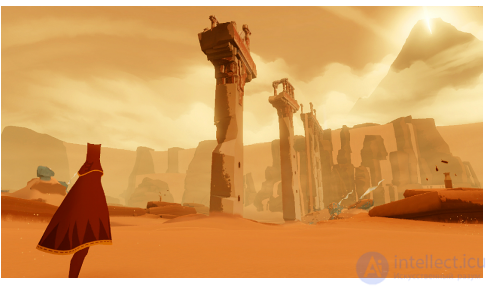
Figure 3: Note that the background image was built from several layers, and all together they create a sense of space within the game.
So far we have referred to two games that support our proposal, or at least illustrate our ideas. Now we will compare it with a game that is well known for its gameplay and realistic look. The game we are going to use as a counterexample is Gears of War 3, developed by «Epic Games». This third-person shooter video game has an overloaded and realistic visual design; however, as we mentioned earlier, with such a design it is difficult to notice all the details, since the player's attention is focused on the game's plot.
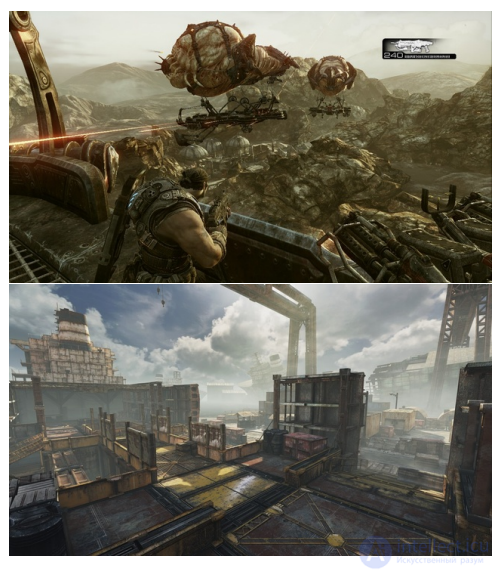
Figure 4: Various scenes from the game Gears of War 3, developed by Epic Games.
We know that the background is full of detailed objects, which makes the game as realistic as possible in order to make the gameplay experience better. Therefore, according to research on human visual perception, players do not fully perceive all of these elements in the environment during gameplay. They miss many of these elements, since they are mainly focused on the strategy for winning. On the other hand, note that as soon as we first see a scene, we create an abstraction of the main idea, and if there are any changes, we will not notice them unless that change transforms the main idea, giving it a different meaning.
Regarding our proposal and this type of game, we believe that another trend in game design could be creating an environment with fewer elements, while still preserving the main idea of the game.
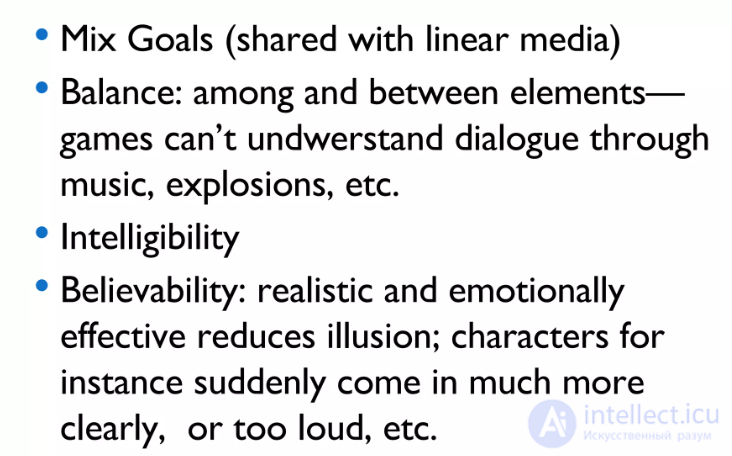
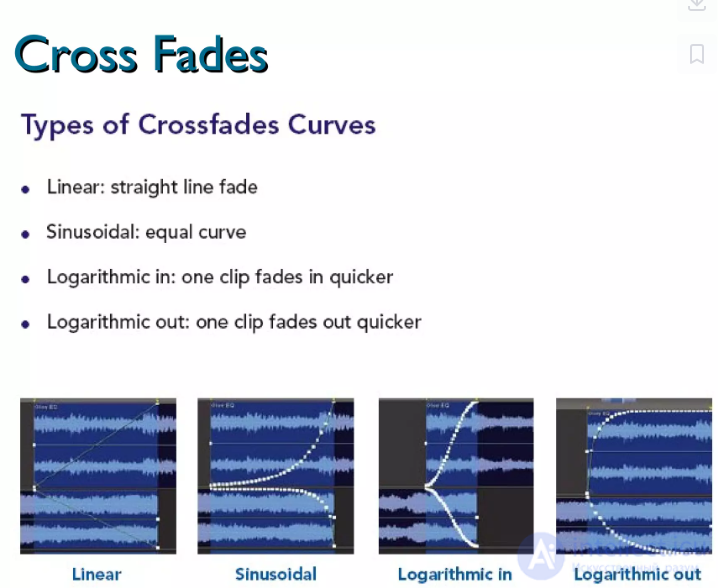
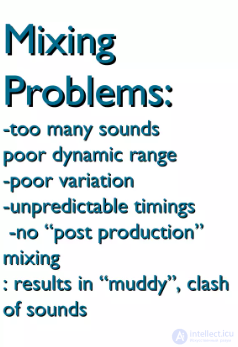
To achieve maximum immersion in the gameplay, sound and visual elements must work in sync. If the player sees an explosion but does not hear its accompanying sound, this can shatter the illusion of reality and cause frustration. Proper synchronization of audio and visuals is important for creating the sense of a cohesive game world.
When sound and visual effects interact, they can significantly amplify the emotional perception of a game. For example, in tense combat scenes, rapid visual changes (enemy movement, explosions) can be accompanied by rhythmic, building music that gives the player a rush of adrenaline and the urge to act faster.
The Legend of Zelda: Breath of the Wild: In this game, the visual beauty of nature, harmoniously combined with calm music and ambient sounds, allows the player to fully immerse themselves in the world. Here, audio and visual effects work as a single whole to create an effect of freedom and exploration.
DOOM (2016): In this game, the fast and aggressive gameplay is enhanced by a metal soundtrack and intense visual effects. The interaction of audio and visuals here is built on accelerating the pace of the game, which keeps the player constantly tense and focused on the action.
Audio and visual effects are not merely decorative elements; they are important tools for creating a unique gameplay experience. They help improve the atmosphere, manage the player's mood, enhance the perception of actions and events, and provide feedback throughout the game. The interaction of audio and visuals is a key component in creating games that can capture the player's attention and emotions, making their experience truly unforgettable.

Comments