Test with answers on the topic "General Psychology".
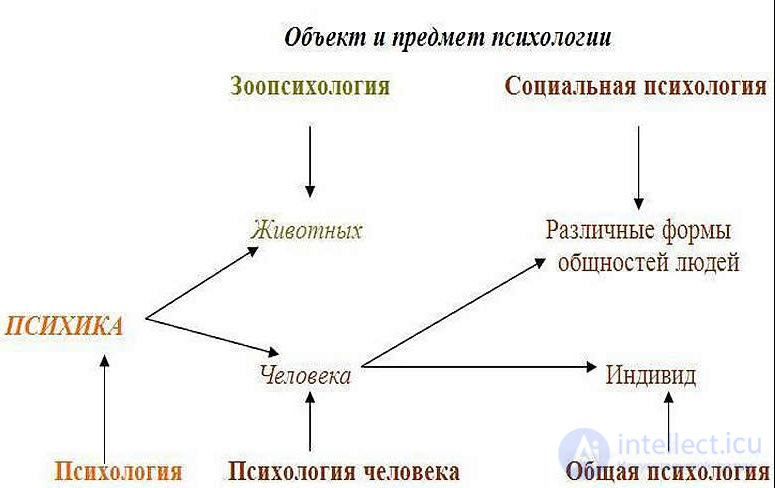
1. The subject of general psychology is
- the psyche*
- behavior
- subjectivity
- the pedagogical process
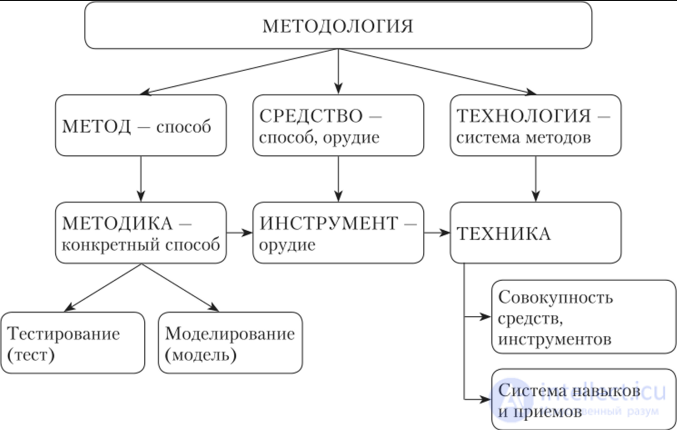
2. Methodology is the science of behavior
- the science of the psyche
- the science of the most general principles and methods of cognition*
- the science of communication
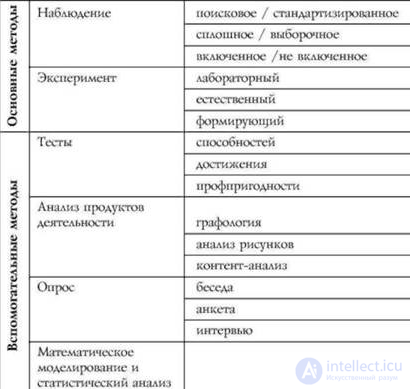
3. The methods of objective psychology include
- hypnosis
- intuition
- experiment*
- hermeneutics
4. The schools of world psychology include
- psychoanalysis*
- Psychology
- abstractionism
- pacifism
- Sufism
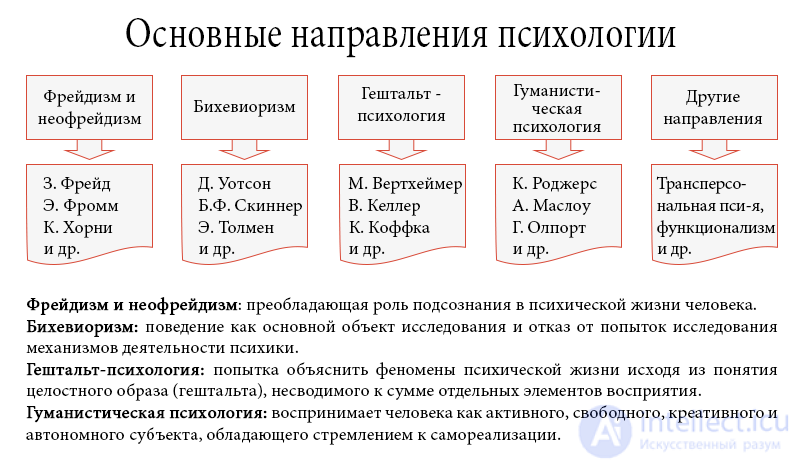
5. Behavior is the subject of study in
- Gestalt psychology
- humanistic psychology
- transpersonal psychology
- behaviorism*
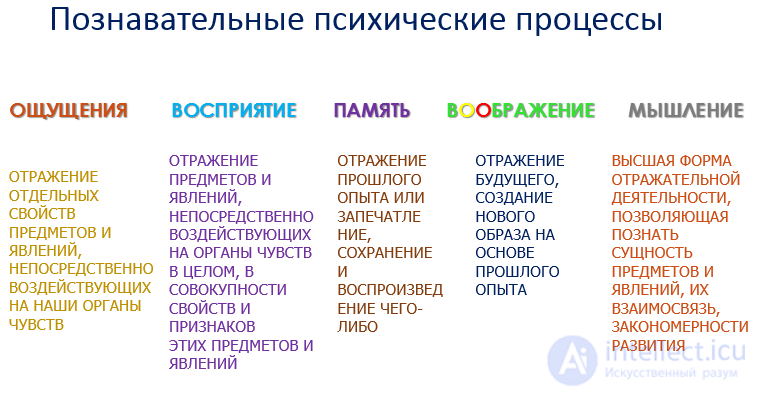
6. The cognitive processes include
- thinking*
- temperament
- needs
- character
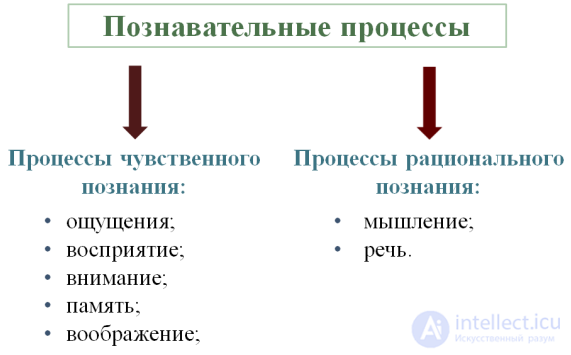
7. Characteristic of the natural-science approach to studying human psychology is
- the researcher's interested attitude toward the object
- experimental testing of hypotheses*
- understanding of the impossibility of obtaining the single correct knowledge about the object
- the specific nature of manifestations of the individual psyche
8. The main characteristic of activity is
- awareness
- objectivity*
- sociality
- subjectness
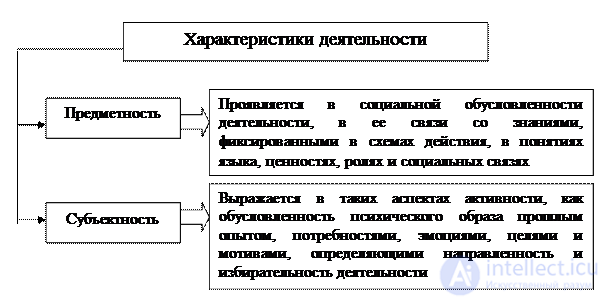
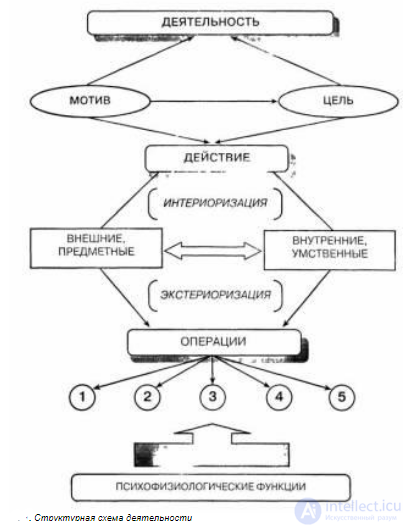
9. The operational-technical elements of activity include (A. N. Leontiev)
- needs
- actions*
- goals
- tasks
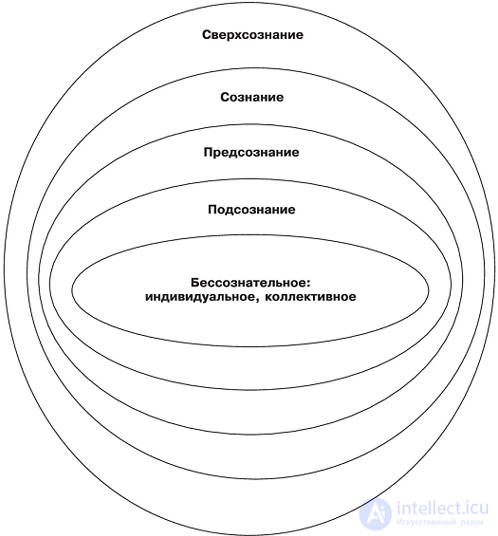
10. The highest level of development of the psyche is
- preconsciousness
- the subconscious
- consciousness*
- irritability
- behavior
- sensitivity
- thinking
- intellect
- the soul
- the spirit
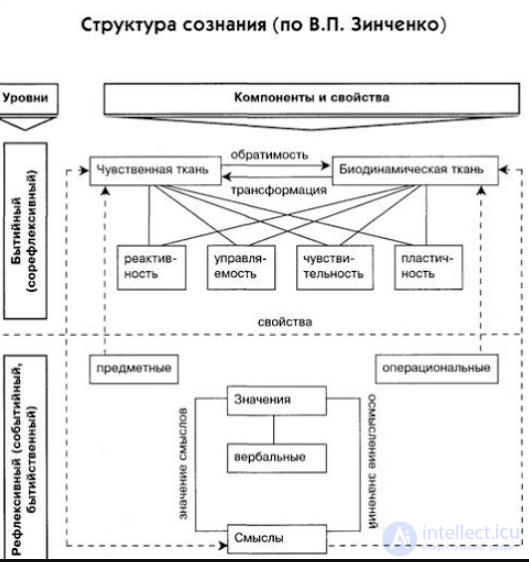
11. The existential-activity layer of consciousness consists of …
- understanding
- meaning
- sense
- the sensory fabric of the image*
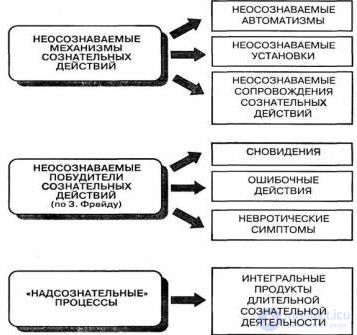
12. The unconscious processes include
- set (attitude)*
- sensation
- thinking
- attention
13. Sensation can be defined as …
- the process of reflecting a whole object
- the process of reflecting individual properties of an object*
- the process of generalized, mediated reflection of reality
- the process of reflecting connections and relations
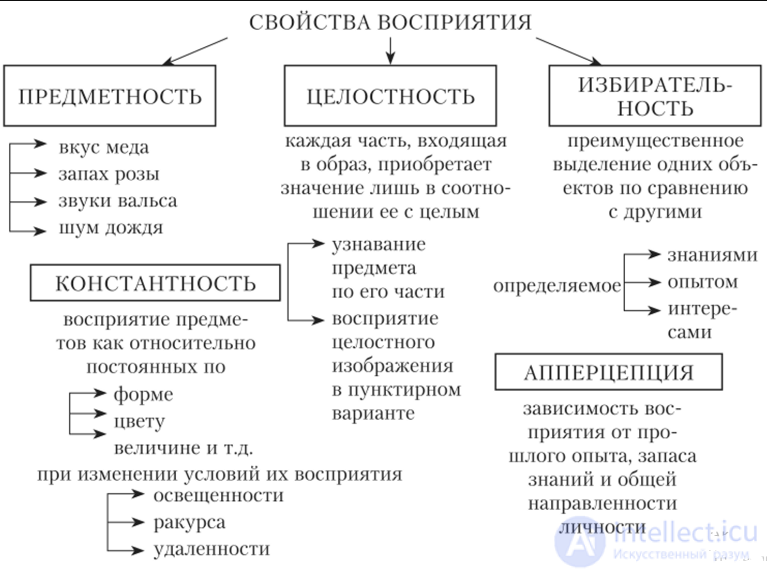
14. Objectivity is a property of …
- sensation
- thinking
- perception*
- attention
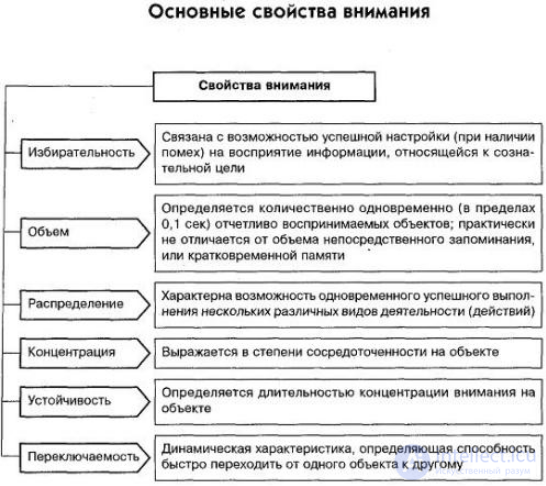
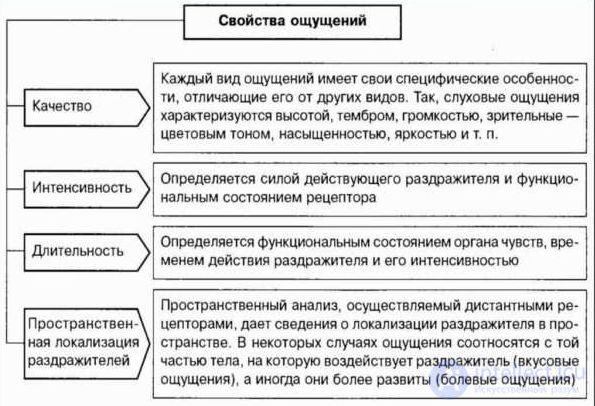
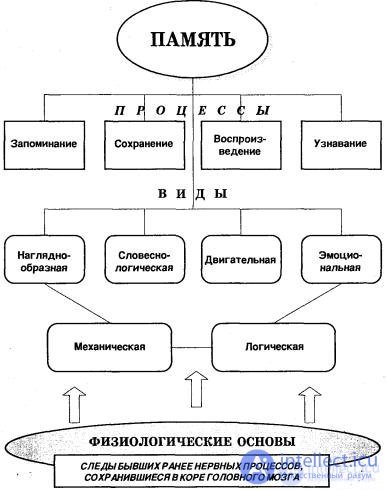
15. The memorization, retention, and subsequent active reproduction of accumulated experience by a person is called
- memory*
- perception
- sensation
- imagination
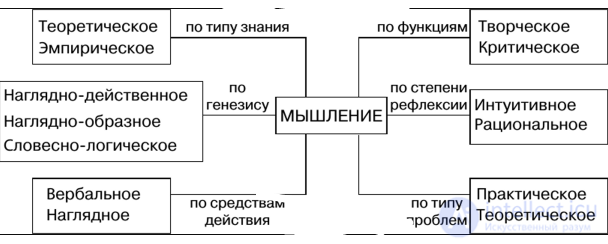
16. Reflection of the externally presented features of objects is characteristic of … thinking
- empirical*
- rational
- creative
- intuitive
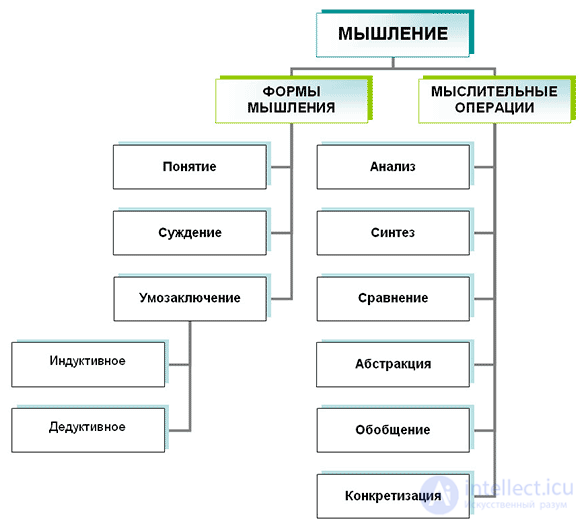
17. The forms of thinking include
- analysis
- synthesis
- generalization
- judgment*
18. Identifying the internal connections and relations of objects and the general mode of acting with
- an object is the subject matter of … thinking
- intuitive
- creative
- theoretical*
- logical
19. The directedness and concentration of consciousness on a particular object is called...
- attention*
- sensation
- perception
- thinking
20. The search for a solution to extremely uncertain problem situations is based on
- thinking
- perception
- imagination*
- attention
21. The process of transforming the spatial-temporal characteristics of reality
- into particular signs and symbols is called…
- thinking
- imagination
- speech*
- attention
22. Emotions are
- a conscious striving to satisfy needs
- a generalized reflection of reality
- the highest level of development of the psyche
- a person's partial, subjectively colored experience of relations*
23. Volitional regulation is needed for behavior associated with … …
- sufficient motivation
- the necessary conditions
- overcoming difficulties*
- the presence of tasks
24. A motive is …
- an impulse toward a particular activity*
- the result of activity
- the condition of activity
- the carrying out of activity
25. Innate anatomical-physiological features of the organism that underlie the development of abilities are called …
- inclinations
- giftedness
- aspiration
- aptitudes*
26. The highest level of development of abilities is …
- genius*
- giftedness
- talent
- ability
27. The individual is
- an innate quality of a person*
- an acquired quality of a person
- a formed quality of a person
- a social characteristic of a person
28. In Russian (Soviet) psychology, personality is a property of a person that…
- is present in latent form at the moment of birth
- arises as the brain matures
- is a consequence of being included in a system of relations with other people*
- is the result of biological maturation
29. The human soul as a kind of matter, as a corporeal formation consisting of various atoms, was interpreted by:
- Plato
- Democritus*
- Aristotle
- B. Spinoza
30. The soul as something divine, distinct from the body, existing in a person before entering into union with his body, was conceived by:
- Plato*
- Democritus
- Aristotle
- B. Spinoza
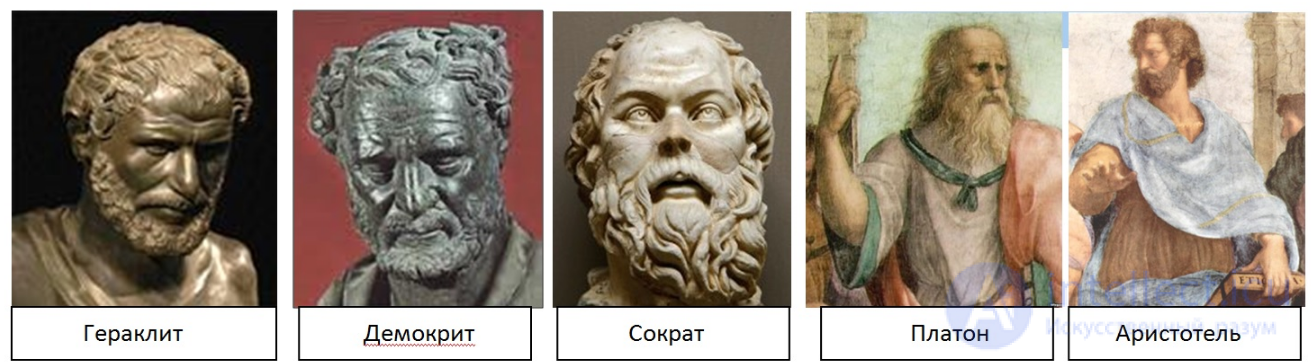
31. The proposition that the soul is inseparable from the body was first put forward by:
- Democritus
- Plato
- Socrates
- Aristotle*
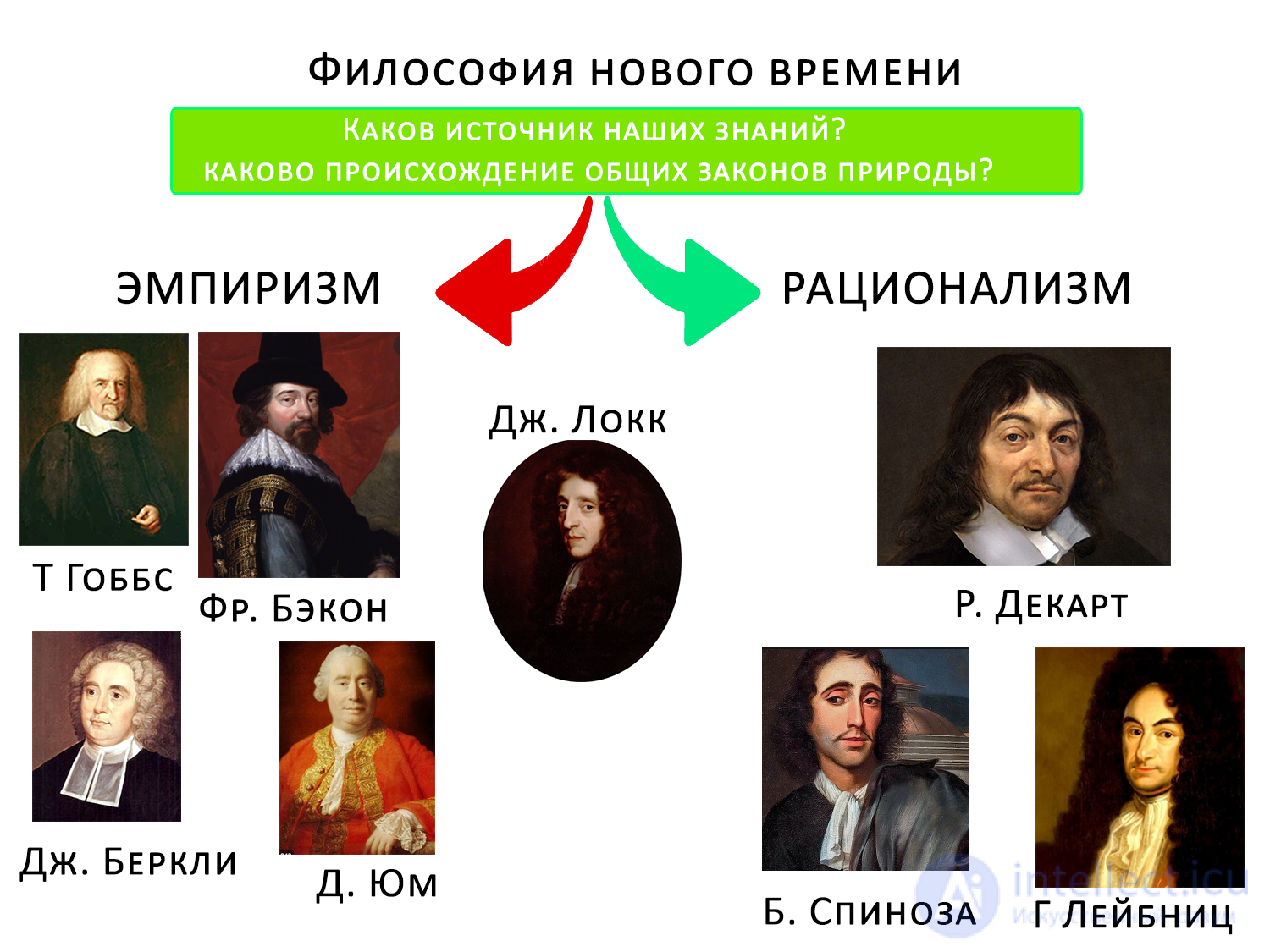
32. Whoever compared the soul, as passive but capable of perceiving the environment, to a blank slate on which nothing has yet been written:
- G. Leibniz
- B. Spinoza
- C. Wolff
- J. Locke*
33. According to A. N. Leontiev's hypothesis, sensitivity is the reflection of influences that are
- abiotic*
- biotic
- ecological
- psychological
See also
- [[b6944]]
- [[b7324]]
- [[b7347]]
- [[b8014]]
- [[b8015]]
- [[b8016]]
- [[b8017]]
- [[b8018]]
- [[b8019]]
- [[b8020]]
- [[b8021]]
- [[b8022]]
- [[b8023]]
- [[b8024]]
- [[b8025]]
- [[b8026]]
- [[b8027]]
- [[b8028]]
- [[b8029]]
- [[b8030]]
- [[b8031]]
- [[b8032]]
- [[b8033]]
See also
- Psychology Tests with Answers and Diagrams - 300 Tests
- Psychological processes: Teaching, learning, learning, learning activities. addiction, imprinting, capturing, sensitization, associative learning, habit formation, play, memorization
- Tests with answers to educational psychology
- 100 Tests with Answers and Diagrams - Fundamentals of General Psychology
- Pedagogical psychology test questions with answers - developmental psychology with diagrams
- 60 Tests with Answers — Pedagogical Psychology, with Hints
- Tests with answers and diagrams on the topic — Social Psychology
- Tests with answers on the topic: Methodology and methods of psychological-pedagogical research
- History of Psychology Tests with Answers
- Test questions with answers on the history of developmental psychology
- Test questions with answers on child psychology
- 155 Psychodiagnostics Test Questions with Answers and Diagrams
- Tests with Answers on the Psychological Service in Education, in Diagrams
- Child Practical Psychology — Tests with Answers and Diagrams
- Tests with Answers and Diagrams on Work Psychology
- tests with answers and diagrams on the topic of Clinical Psychology
- Tests with Answers and Answer Keys on the Topic of Psychological Counseling
- 80 Tests with Answers and Answer Keys on the Topic of Psychological and Pedagogical Correction
- Psychotherapy Test Questions with Answers
- Tests with Answers on Methods of Active Social-Psychological Training
- Tests with Answers on Political Psychology
- Online tests with answers on Conflict Studies (90 questions) with diagrams
- Test questions with answers on social gerontology


Comments