
Lecture
Flow in positive psychology, also known as being in the zone or locked in, is a mental state in which a person performing some activity is fully immersed in a feeling of energized focus, full involvement, and enjoyment of the process of the activity. In essence, flow is characterized by complete absorption in what one is doing and a resulting transformation in one's sense of time. Flow is a merging of action and awareness; a state of balance between skill and the challenge of the task. It requires a high level of concentration. Flow is used as a coping skill for stress and anxiety when productively engaging in a form of leisure that matches one's skills.
Named by psychologist Mihaly Csikszentmihalyi in 1970, this concept has been widely used across various fields (and is especially well known in occupational therapy).
The flow state shares many features with hyperfocus. However, hyperfocus is not always described in a positive light. Some examples include spending "too much" time on video games or pleasurably immersing oneself in one aspect of an assignment or task at the expense of the overall task. In some cases, hyperfocus can "take over" a person, possibly making them appear unfocused or causing them to start multiple projects but finish only a few. Hyperfocus is often mentioned "in the context of autism, schizophrenia, and attention deficit hyperactivity disorder — conditions that have implications for attentional abilities."
Flow is an individual experience, and the idea of flow originated from sports psychology theory about the individual zone of optimal functioning. The individuality of the flow concept suggests that each person has their own subjective flow zone, where they will function best in a given situation. A person is most likely to experience flow at moderate levels of psychological arousal, since they are unlikely to be overwhelmed, but also not underwhelmed to the point of boredom
Flow is so named because, during interviews conducted by Csikszentmihalyi in 1975, several people described their "flow" experiences using the metaphor of flowing water carrying them along: "It was like swimming," "I was carried along by the current."
Mihaly Csikszentmihalyi and others began studying flow after Csikszentmihalyi became fascinated with artists who essentially lost themselves in their work. Artists, especially painters, became so absorbed in their work that they ignored the need for food, water, and even sleep. Flow theory arose as Csikszentmihalyi tried to understand the phenomenon these artists were experiencing. Flow research became widespread in the 1980s and 1990s, with Csikszentmihalyi and his colleagues in Italy still at the forefront. Researchers became interested in optimal experience and emphasized positive experience, especially in settings such as schools and the business world. During this time they also began to study flow theory.
The cognitive science of flow has been studied under the heading of effortless attention.
Jeanne Nakamura and Csikszentmihalyi identify the following six factors that encompass the experience of flow:
These aspects can appear independently of one another, but only in combination do they constitute what is called the flow experience. In addition, psychologist Kendra Cherry mentions three other components that Csikszentmihalyi lists as part of the flow experience:
As with the conditions listed above, these conditions can be independent of one another.
At any given moment, an enormous amount of information is available to every person. Psychologists have found that the human mind can only consciously perceive a certain amount of information at once. According to Csikszentmihalyi's 2004 TED talk, this figure is about "110 bits of information per second." That may seem like a lot of information, but simple everyday tasks require quite a large amount of information. Decoding speech alone requires about 40–60 bits of information per second, which is why a person cannot focus on other things while having a conversation
People are generally able to decide what they will devote their full attention to. This excludes basic distinguishing sensations such as hunger and pain. However, when a person is in a flow state, they are completely absorbed in a single task and, without making a conscious decision to do so, lose awareness of everything else: time, people, distractions, and even basic bodily needs. According to Csikszentmihalyi, this happens because all of a person's attention in the flow state is focused on the task; there is no attention left to direct elsewhere.
The flow state has been described by Csikszentmihalyi as an "optimal experience," in which a person achieves a high level of satisfaction from the experience. Achieving this experience is considered personal and "depends on the abilities" of the individual. A person's ability and willingness to overcome difficulties in order to achieve their ultimate goals leads not only to optimal experience but also to a sense of satisfaction with life as a whole.
There are three common ways of measuring flow experience: the Flow Questionnaire (FQ), the Experience Sampling Method (ESM), and "standardized component-approach scales."
The FQ asks people to define what flow means to them and identify situations in which they believe they have experienced flow, followed by a section in which they are asked to rate their personal experience in those flow-inducing situations. The FQ defines flow as a multi-construct phenomenon, which allows the results to be used to assess differences in the likelihood of experiencing flow across various factors. Another advantage of the FQ is that it does not assume that flow experiences are the same for everyone. Because of this, the FQ is an ideal measure for assessing the prevalence of flow. However, the FQ has some drawbacks that later methods were designed to address. The FQ does not allow measurement of the intensity of flow during specific activities. This method also does not measure the effect of the challenge-to-skill ratio on the flow state
The ESM requires people to fill out an Experience Sampling Form (ESF) at eight randomly selected time intervals throughout the day. The purpose of this is to understand subjective experience by evaluating the time intervals people spend in certain states during everyday life. The ESF consists of 13 categorical items and 29 scaled items. The purpose of the categorical items is to identify the context and motivational aspects of current activities (these items include: time, location, communication/desire to communicate, activity being performed, reason for performing the activity). Because these questions are open-ended, the responses must be coded by researchers. This must be done carefully in order to avoid any biases in the statistical analysis. The scaled items are designed to measure levels of various subjective feelings a person may be experiencing. The ESM is more complex than the FQ and contributes to understanding how flow plays out in different situations, but the potential for bias makes it a riskier choice.
Some researchers are not satisfied with the methods mentioned above and have chosen to create their own scales. The scales developed by Jackson and Eklund are the most commonly used in research. This is mainly because they still conform to Csikszentmihalyi's definition of flow and treat flow as both a state and a trait. Jackson and Eklund created two scales that have been shown to be psychometrically valid and reliable: the Flow State Scale-2 (which measures flow as a state) and the Dispositional Flow Scale-2 (designed to measure flow either as a general trait or as a domain-specific trait). Statistical analysis of individual results from these scales provides a much more comprehensive understanding of flow than the ESM and FQ.
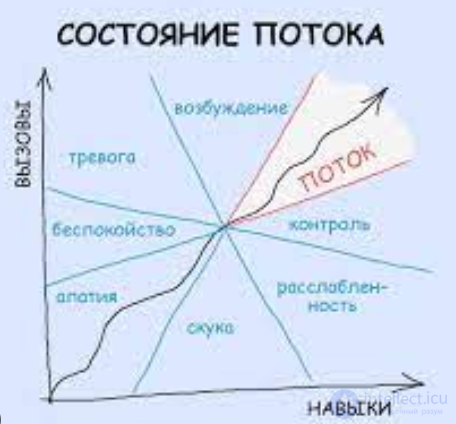
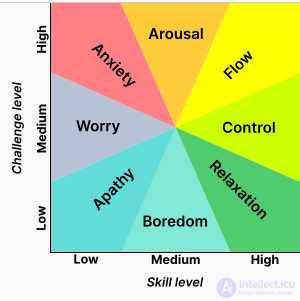
Mental state in terms of level of challenge and level of skill, according to Csikszentmihalyi's flow model.
A flow state can be achieved during any activity, although it is more likely when a task or activity is fully engaged in for its own intrinsic goals. Passive activities, such as taking a bath or even watching television, generally do not induce flow experiences, since active participation is a prerequisite for entering a flow state. Although the activities that induce flow vary and can be multifaceted, Csikszentmihalyi argues that the experience of flow is the same regardless of the type of activity.
Flow theory postulates that three conditions must be met to achieve flow:
It has been argued that the antecedent factors of flow are interrelated, and as such, the balance between perceived difficulty and skill requires that goals be clear and feedback be effective. Thus, such a balance can be defined as the central precondition of the flow experience.
In 1987, Massimini, Csikszentmihalyi, and Carli published an eight-channel model of flow. Antonella Delle Fave, who worked with Fausto Massimini at the University of Milan, calls this graph the experience fluctuation model. The model maps channels of experience that result from different levels of perceived challenge and perceived skill. The graph illustrates another aspect of flow: it is more likely to occur when an activity presents an above-average challenge (above the center point) and a person has above-average skill (to the right of the center point). The center of the graph, where the sectors meet, represents the average level of challenge and skill across all of a person's daily activities. The farther an experience is from the center, the more intense that state of being becomes, whether it is flow, anxiety, boredom, or relaxation.
Several problems with the model have been discussed in the literature. One is that it does not provide for a perceived balance between challenges and skills, which is said to be the central precondition of the flow experience. People with low average skill levels and high average challenge levels (or vice versa) do not necessarily experience a match between skill and challenge when both are above their individual average. Other research has found that low-challenge situations that were overcome by skill were associated with pleasure, relaxation, and happiness, which they argue contradicts flow theory.
Shaffer (2013) proposed seven conditions for flow:
Shaffer published the Flow Condition Questionnaire (FCQ) to measure each of these seven flow conditions for any given task or activity.
Some of the problems that interfere with staying in flow include the states of apathy, boredom, and anxiety. The state of apathy is characterized by easy tasks and low skill demands, leading to an overall lack of interest in the activity. Boredom is a somewhat different state that occurs when there are few challenges but a person's skill level exceeds those challenges, prompting them to seek more difficult tasks. The state of anxiety arises when tasks are demanding enough to exceed one's perceived skill level, causing distress and worry. These states generally interfere with achieving the balance necessary for flow. Csikszentmihalyi said: "If the challenges are too low, a person returns to flow by increasing them. If the challenges are too great, one can return to a flow state by mastering new skills."
Csikszentmihalyi hypothesized that people with certain personality traits may be more capable of achieving flow than the average person. These traits include curiosity, persistence, low self-centeredness, and a high tendency to perform actions for intrinsic reasons. People with most of these personality traits are said to have an autotelic personality. The term "autotelic" comes from two Greek words, auto, meaning "self," and telos, meaning "goal." Being autotelic means having a self-sufficient activity, with no expectation of future gain but simply experiencing it.
There is little research on the autotelic personality, but the results of the few studies conducted show that some people are indeed more prone to experiencing flow than others. One researcher (Abuhamdeh, 2000) found that people with an autotelic personality show a greater preference for "high-activity, high-skill situations that stimulate them and foster growth" compared to people without an autotelic personality. It is in such challenging situations requiring high skill that people are most likely to experience flow.
Experimental evidence shows that a balance between individual skill and task demands (as opposed to boredom and overload) induces a flow experience only in people who have an internal locus of control, or a habitual action orientation. Several correlational studies have shown that need for achievement is a personality characteristic that contributes to the flow experience.
The autotelic personality has also been shown in research to correlate with and show overlap between flow in personal life and the Big Five Personality Traits of Extraversion, Agreeableness, Conscientiousness, Neuroticism, and Openness to Experience. More specifically, the traits of agreeableness and extraversion. Studying the autotelic personality is difficult, as most studies are conducted through self-report, since the autotelic personality is hard to observe.
Group flow (or team flow) differs notably from independent flow in that it is inherently reciprocal. Group flow is achievable when the unit of performance is a group, such as a team or a musical band. When groups collaborate to align goals and patterns, social flow, commonly known as group cohesion, is far more likely to occur. If a group has not yet entered flow, a challenge at the team level can stimulate the group toward harmonization. Group flow differs from synchronized individual flow, in which a group simultaneously experiences individual flow. Group flow occurs in an interpersonal manner, in which the presence of others acting is an integral cause of the flow state.
A study presented in a review published by PLoS ONE argues: "Group context introduces many additional variables that cause people to act, think, and feel differently in group situations compared to solitary situations." Because of these additional variables, the cause and effect of flow differ significantly and are unique to the individual flow experience, thereby providing evidence for the existence of a separate flow state: group flow.
Sanneleijn studies the correlation of a physiological effect within a group that simultaneously reports a "flow" state. This research concludes that, across many similar studies, when a participant reports feeling a flow state (whether synchronously or due to the group setting), there is a similarity in the cardiovascular triggers experienced by the participant.
Csikszentmihalyi alone seems to have published proposals for external applications of the flow concept, such as methods for designing playgrounds to elicit flow experiences. Other practitioners of Csikszentmihalyi's flow concept focus on internal applications, such as spirituality, performance improvement, or self-help.
Flow state theory suggests that when people are in a flow state, they experience deep immersion, focus, and intrinsic motivation in their activity. In an educational context, the flow state is associated with increased student engagement, which is a key factor determining learning success.
Numerous studies have examined the relationship between flow and student engagement, demonstrating positive associations. For example, Csikszentmihalyi and Larson (1984) found that students who reported experiencing flow while performing their academic tasks showed higher levels of engagement, concentration, and enjoyment. Similarly, Cho and Lee (2017) found that flow experiences were positively correlated with student engagement in college learning settings.
Research on the flow state has also examined its effect on learning outcomes, such as knowledge acquisition, skill development, and creativity. When students are in a flow state, they are more likely to experience heightened focus, concentration, and intrinsic motivation, which can lead to improved learning outcomes.
Research has shown that flow experiences can improve cognitive processes related to learning. For example, Schüler and Brunner (2009) found that university students who reported being in a flow state while studying demonstrated better information retention and problem-solving ability. In addition, research by Simons and Dewitte (2004) and Jackson and Csikszentmihalyi (1999) showed that flow experiences positively affected creativity and innovation among students.
The concept of flow has been applied to various educational settings and practices, offering valuable insights for teaching and learning. Here are a few notable applications:
These applications demonstrate the potential benefits of integrating flow state theory into educational practice. However, further research is needed to explore specific strategies and interventions that effectively promote flow in educational settings.

A small child drawing a model
In education, the concept of overlearning plays a role in a student's ability to achieve flow. Csikszentmihalyi argues that overlearning allows the mind to focus on visualizing the desired outcome as a single, integrated action rather than a set of separate actions. Complex tasks that (slightly) extend one's skills lead to flow.
In the 1950s, British cybernetician Gordon Pask designed an adaptive teaching machine called SAKI, an early example of "electronic learning." The machine is discussed in detail in Stafford Beer's book "Cybernetics and Management." In the SAKI patent application (1956), Pask's comments (some of which are quoted below) show an awareness of the pedagogical importance of balancing a student's competence with the difficulty of the didactic tasks, which aligns quite well with flow theory:
If the operator is given data too slowly, they are likely to become bored and switch their attention to other, irrelevant data.
If the data provided too precisely indicates which responses the operator should give, the skill becomes too easy to perform, and the operator again becomes bored.
If the data is too complex or presented too quickly, the operator cannot cope with it. They may then become frustrated and lose interest in performing or learning the skill.
Ideally, in order for the operator to perform the skill effectively, the data presented to them should always be sufficiently challenging to sustain their interest and maintain a competitive situation, but not so challenging as to discourage the operator. Similarly, these conditions must be obtained at every stage of the learning process if it is to be effective. A tutor teaching a single student strives to maintain exactly these conditions.
Around 2000, Csikszentmihalyi drew attention to the fact that the principles and practices of the Montessori method of education appear to deliberately create continuous opportunities and experiences of flow for students. Csikszentmihalyi and psychologist Kevin Rathunde undertook a multi-year study of students' experiences in Montessori and traditional educational settings. The study confirmed the observation that students achieve flow experiences more often in Montessori settings.
Musicians, especially improvisational soloists, can experience a flow state while playing their instrument. Research has shown that performers in a flow state have improved performance quality compared to when they are not in a flow state. In a study conducted with professional classical pianists, who played piano pieces multiple times to induce a flow state, a significant relationship was found between the pianist's flow state and the pianist's heart rate, blood pressure, and major facial muscles. When a pianist entered a flow state, heart rate and blood pressure decreased, and the major facial muscles relaxed. This study further emphasized that flow is a state of effortless attention. Despite the effortless attention and overall bodily relaxation, the pianist's performance improved during the flow state.
Drum groups pass through a flow state when they feel a collective energy driving the rhythm, which they call getting into the groove or being carried along. Similarly, drummers and bassists often describe a flow state when they feel a strong rhythm together, known as being in the pocket. Researchers have measured flow through subscales: challenge-skill balance, action-awareness merging, clear goals, unambiguous feedback, total concentration, sense of control, loss of self-consciousness, transformation of time, and autotelic experience.
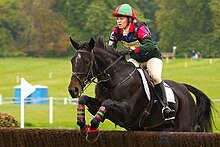
Flow can occur in demanding sports such as the triathlon.
The concept of being in the zone during athletic performance fits the description of flow given by Csikszentmihalyi. The theories and applications of being in the zone and its connection to competitive advantage in sports are topics studied in the field of sports psychology. In a qualitative study of NCAA Division I athletes' flow experiences, 94% of athletes described the flow state as involving a merging of action and awareness, and that it was easy and automatic.
Timothy Gallwey's influential work on the "inner game" in sports such as golf and tennis describes the mental preparation and attitudes needed to "get into the zone" and achieve full inner mastery in that sport
Roy Palmer suggests that "being in the zone" may also affect motor patterns, since better integration of conscious and subconscious reflexive functions improves coordination. Many athletes describe the ease of their performance while achieving personal records at the same time.
In many martial arts, the term Budo is used to describe psychological flow. Mixed martial arts and karate champion Lyoto Machida uses meditation techniques before fights to achieve mushin, a concept that he describes as being in every respect equal to flow.
Formula One driver Ayrton Senna, describing his experience during qualifying at the 1988 Monaco Grand Prix, explained: "I was already on pole, [...] and I just kept driving. Suddenly I was almost two seconds faster than everyone else, including my teammate in the same car. And suddenly I realized that I was no longer driving the car consciously. I was driving it by instinct, only I was in a different dimension. It was as if I were in a tunnel."
Former 500cc GP racer Wayne Gardner, recounting his win at the 1990 Australian Grand Prix in the documentary The Unrideables 2, said: "During those last five laps I had a sort of out-of-body experience, where I actually rose above the ground and could see myself as the rider. It was something like a remote control, and it's the strangest thing that has ever happened to me. [...]" After the race, Mick [Doohan] and, in fact, Wayne Rainey said, "How the hell did you do that?" and I said, "I have no idea."
In yogic traditions, such as Raja Yoga, the flow state is mentioned in the practice of Samyama, a psychological immersion in the object of meditation.
Flow in games and gaming has been linked to the laws of learning as part of the explanation of why educational games (using games to introduce material, improve understanding, or increase retention) have the potential to be effective. In particular, flow is inherently motivating, which is part of the law of readiness. The feedback condition required for flow is related to the feedback aspects of the law of exercise. This is evident in well-designed games, particularly where players operate at the edge of their competence, since they are guided by clear goals and feedback. The positive emotions associated with flow are related to the law of effect. The intense experiences of being in a flow state are directly related to the law of intensity. Thus, gaming experience can be so engaging and motivating because it aligns with many of the laws of learning that are inextricably linked to the creation of flow.
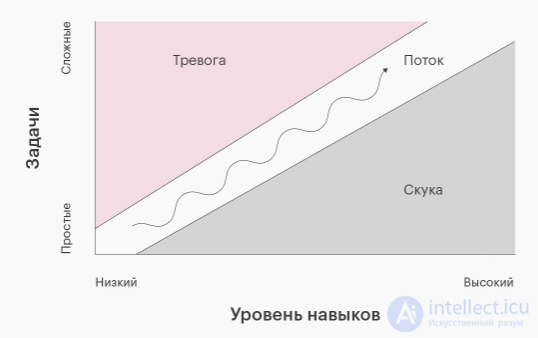
Jesse Schell suggests that alternating micro-rises and dips in difficulty within the sweet spot (represented on the graph by the wavy arrow) is far more interesting for the player than a constant, uniform rise
In games, a great deal can often be achieved thematically through an imbalance between the level of challenge and the level of skill. Horror games often maintain a level of challenge significantly exceeding the player's level of competence, in order to foster a constant sense of anxiety. In contrast, so-called "relaxation games" maintain a level of challenge significantly below the player's level of competence, to achieve the opposite effect. The video game Flow was developed as part of Jenova Chen's master's thesis to study design decisions that allow players to achieve a flow state by dynamically adjusting the difficulty during gameplay.
This improves performance; calling this phenomenon "television trance," a 1981 BYTE article discussed how "the best players seem to enter a trance in which they play but pay no attention to the details of the game." The main goal of games is to create enjoyment through intrinsic motivation, which is linked to flow; that is, without intrinsic motivation it is virtually impossible to establish flow. Through the balance of mastery and challenge, the player's brain is aroused, attention is engaged, and motivation is high. Thus, the use of flow in games helps foster enjoyment, which in turn increases motivation and draws players into continuing to play. Accordingly, game designers strive to integrate the principles of flow into their designs. Overall, the gaming experience is fluid and inherently psychologically rewarding regardless of points or achievements within the game while in a flow state.
A simplified modification of flow has been combined with the Technology Acceptance Model (TAM) to help develop and explain the adoption of intrinsically motivated computer systems. This model, the Hedonic Motivation System Adoption Model (HMSAM), is designed to improve understanding of the adoption of hedonic motivation systems (HMS). HMS are systems used primarily to satisfy users' intrinsic motives, such as online games, virtual worlds, online shopping, learning/education, online dating, digital music repositories, social networks, online pornography, gamified systems, and gamification in general. Rather than a secondary extension of TAM, HMSAM is an HMS-specific system adoption model based on an alternative theoretical perspective, which in turn is grounded in the concept of cognitive absorption (CA), which is based on flow. HMSAM further builds on van der Heijden's (2004) hedonic system acceptance model, including CA as a key mediator of perceived ease of use (PEOU) and behavioral intention to use (BIU) of hedonic motivation systems. Typically, models simplistically represent "intrinsic motives" merely as perceived enjoyment. Instead, HMSAM uses the more complex, richer construct of CA, which includes joy, control, curiosity, focused immersion, and temporal dissociation. CA is a construct grounded in the foundational flow literature, however CA has traditionally been used as a static construct, as if all five of its sub-constructs occur simultaneously — in direct contradiction to the flow literature. Thus, part of HMSAM's contribution is to bring CA closer back to its flow roots by reordering these CA sub-constructs into a more natural process-dispersion order, as predicted by flow. Empirical data collection along with mediation tests further support this modeling approach.
Flow conditions, defined as a state in which tasks and skills equally match one another, play an important role in the workplace. Because flow is linked to achievement, its development can have particular implications for increasing satisfaction and achievement in the workplace. Flow researchers such as Csikszentmihalyi believe that certain interventions can be carried out to improve and increase flow in the workplace, through which people will gain "intrinsic rewards that encourage persistence" and provide benefits. In his consulting work, Csikszentmihalyi emphasizes finding activities and settings that promote flow, and then identifying and developing personal qualities to increase flow experiences. Applying these methods in the workplace can improve morale by fostering a sense of greater happiness and achievement, which may be linked to increased productivity. In his review of Mihaly Csikszentmihalyi's book "Good Business: Leadership, Flow, and the Making of Meaning," Kurt Wisser presents the ideas put forward by Csikszentmihalyi, including "good work," in which a person "enjoys doing their best while also contributing to something larger than themselves." He then offers tools with which managers and employees can create an atmosphere that encourages good work. Some consultants suggest using the Experience Sampling Method (ESM) for individuals and groups in the workplace to determine how time is currently being spent, and where attention should be redirected in order to maximize flow experiences
To achieve flow, Csikszentmihalyi identifies the following three conditions:
Csikszentmihalyi argues that with an increase in flow experiences, people experience "growth toward complexity." People flourish as their achievements grow, and with this comes the development of ever greater "emotional, cognitive, and social complexity." Creating a work environment that fosters flow and growth, Csikszentmihalyi argues, can increase employees' levels of happiness and achievement. An increasingly popular way to foster more flow in the workplace is to use methods that facilitate "serious play"
In the study "Predicting Flow at Work: A Study of Activities and Job Characteristics That Predict Flow States at Work," Karina Nielsen and Brian Cheal used a 9-item flow scale to examine predictors of flow at two levels: the activity level (e.g., brainstorming, problem-solving, and evaluation) and the more stable level (e.g., role clarity, influence, and cognitive demands). They found that activities such as planning, problem-solving, and evaluation predicted transient flow states, but more stable job characteristics were not found to predict flow at work. This research can help us determine which work tasks can be developed and emphasized to help employees experience flow at work. In her article in Positive Psychology News Daily, Kathryn Britton discusses the importance of experiencing flow in the workplace beyond the individual benefits it creates. She writes: "Flow is not only valuable for individuals; it also contributes to the achievement of organizational goals. For example, frequent flow experiences at work lead to higher productivity, innovation, and employee development (Csikszentmihalyi, 1991, 2004). Therefore, finding ways to increase the frequency of flow experiences may be one way for people to work together to improve the effectiveness of their workplaces."
Csikszentmihalyi's books suggest that increasing the time spent in flow makes our lives happier and more successful. Flow experiences are expected to lead to positive affect as well as better performance. For example, delinquent behavior decreased among adolescents after two years of increased flow through activity.
People who have experienced a flow state describe the following sensations:
However, further empirical evidence is needed to confirm these preliminary indications, as flow researchers continue to explore the problem of how to directly investigate the causal relationships of flow experiences using modern scientific instruments to observe the neurophysiological correlates of the flow state.
Flow is inherently a positive experience; it is known to "evoke strong feelings of pleasure." An experience that is so enjoyable ought to lead to positive emotions and happiness in the long run. In addition, Csikszentmihalyi argued that happiness arises from personal development and growth, and flow situations make it possible to experience personal development.
Several studies have found that flow experiences and positive emotions go hand in hand, and that challenges and skills exceeding a person's average level contribute to positive emotions. However, the causal processes underlying these relationships remain unclear at present.
The flow experience implies a growth principle. When a person is in a flow state, they are working to master the current activity. To maintain this flow state, they must strive for increasingly challenging tasks. Attempts to overcome these new, challenging tasks expand their skills. A person emerges from such a flow experience with a bit of personal growth and a greater "sense of competence and effectiveness." As the time spent in flow increases, intrinsic motivation and self-directed learning also increase.
Flow has a well-documented connection to high performance in the fields of artistic and scientific creativity, teaching, learning, and sports;
Flow is associated with persistence and achievement in activities, and it also helps reduce anxiety during various activities and boost self-esteem.
However, the evidence regarding better performance in flow situations is mixed. Of course, the relationship between the two is reciprocal. That is, flow experiences can contribute to better performance, but on the other hand, good results also make flow experiences more likely. Findings from a longitudinal study in an academic context show that the causal influence of flow on performance is only of small magnitude, and that the strong association between them is due to the influence of performance on flow. In the long run, flow experiences in a particular activity can lead to higher performance in that activity, since flow correlates positively with higher subsequent motivation to perform and to perform well.
Flow research is well established, yet unresolved critical issues remain regarding universal definitions and measurements associated with the concept. In recent years, the language, definitions, measurement approaches, and models of the flow state within the research community have continually expanded. A systematic review of flow-state research conducted from 2012 to 2019 was one of the first steps toward identifying a potential universalization of terminology for future use in flow research.
Research on the psychological flow state has made significant progress in understanding the concept and its implications. However, like any scientific field, it is not without criticism and areas requiring further study.
This section addresses criticisms of flow-state research and highlights potential directions for future research.
The lack of standardized definitions, measurement approaches, and terminology hampers cumulative progress in flow-state research and creates problems when synthesizing and comparing results across different studies. It also limits the development of comprehensive theoretical models capable of capturing the complexity and nuances of flow experiences. Addressing these critical issues is essential for improving the scientific rigor and validity of flow-state research, allowing for a deeper understanding of this intriguing psychological phenomenon. Despite this criticism and these challenges, the study of flow states continues to develop and expand. Researchers are actively working to refine the conceptualization, measurement, and theoretical frameworks of flow. Through ongoing efforts toward consensus and the development of standardized guidelines, the field seeks to overcome these limitations, paving the way for more robust and comprehensive research into the nature and significance of psychological flow states.
Csikszentmihalyi himself writes about the dangers of flow:
...enjoyable activities that produce flow have a potentially negative effect: although they are capable of improving the quality of existence by creating order in the mind, they can become addictive, at which point the self becomes a prisoner of a certain kind of order and is unwilling to deal with the uncertainties of life.
He further writes:
The flow experience, like everything else, is not "good" in an absolute sense. It is good only in that it has the potential to make life more rich, intense, and meaningful; it is good because it increases the strength and complexity of the self. But whether the consequence of any particular instance of flow is good in a broader sense must be discussed and evaluated in terms of more inclusive social criteria.
Keller and Landhäusser (2012, p. 56) advocate for a flow-intensity model, since many flow models fail to predict the intensity of flow experiences that can arise under various circumstances when skill and task demands align to produce flow.
Cowley et al. found that because self-reported flow occurs after the fact, it does not actually reflect the aspect of flow that occurs in the moment. Moreover, this aspect of flow is prone to change, so self-reported flow experiences cannot be trusted to that extent.
Cameron et al. found that there is not much information about group flow, and that this may hinder the development of managerial and theoretical contributions.
Braxton Soderman's 2021 monograph "Against Flow: Video Games and the Flowing Subject" points out that flow exists on ideological grounds as an individualistic counterpoint to socialism. Moreover, the application of flow through gamification has led to an even closer connection between work and play. Thus, play is transformed into a form of unpaid labor.
In a global context, there is a gap in understanding how flow manifests across various sociocultural contexts. Cross-cultural comparative studies, as suggested by Engeser and Rheinberg (2008), could delve into how flow experiences differ across societies, deepening our understanding of the universality or cultural specificity of the concept.
Longitudinal studies capable of tracking flow experiences over extended periods could provide insight into the lasting impact of flow on personal development, well-being, and performance. As suggested by Seligman and Csikszentmihalyi (2000), such studies could offer a more nuanced understanding of the concept's long-term effects.
The impact of technological advances on flow experiences represents another noteworthy avenue of research. As digital technologies increasingly permeate our lives, examining how immersive technologies, such as virtual reality or augmented reality, foster or hinder flow states could become an illuminating research direction. The potential of such research was discussed by Csikszentmihalyi and Csikszentmihalyi (2014), emphasizing the need to understand how digital distractions can disrupt flow and how these effects can be mitigated. Another important direction for future research is the role of flow in online learning. The growth of digital educational platforms, as discussed by Csikszentmihalyi and Nakamura (2018), calls for research into how flow can be stimulated in these contexts and how it can affect learning outcomes.
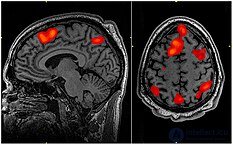
This particular fMRI scan made it possible to determine which brain regions are activated during working-memory tasks, but this type of imaging can also identify brain regions that are activated during the experience of flow.
The neurobiological foundations of flow are a developing area with significant potential. With advances in neuroimaging, as highlighted by Linden (2021), the ability to correlate the psychological experience of flow with its physiological counterparts is becoming increasingly feasible
Additional research into how flow influences ethical decision-making in professional fields could have far-reaching implications. An exploratory study by Nielsen and Cleal (2010) hints at the potential role of flow in influencing ethical judgments, pointing to the need for more extensive research in this area.
Cameron et al. proposed a research program that focuses on how group flow differs from individual flow, and how group flow affects group performance. These insights would address some of the challenges in group-flow research, such as poor data collection and interpretation. Sridhar and Lingdoh proposed that research should examine how mobility affects the ethical performance of sales professionals. In addition, longitudinal studies should be conducted across various fields to understand the ethical implications of flow in sales.

Comments