
Lecture
The study guide, developed by our team of experts in psychological science, is a valuable resource for students and instructors at pedagogical universities. It was specifically created to help students acquire deep knowledge of psychology, which is fundamental for pedagogical specialties.
This study guide includes a wide variety of test tasks covering various aspects of psychology, ranging from its foundations and principles to more specific topics such as developmental psychology, social psychology, clinical psychology, and many others. Each task is designed with current theoretical and practical aspects in mind, making the study guide a useful tool for assessing and deepening students' knowledge.
Instructors will also find this guide an indispensable resource for developing curricula, planning classes, and conducting quality assessments of their students' knowledge. It will help instructors structure the learning process and provide students with up-to-date and proven materials.
In addition, this study guide is the result of our specialists' many years of experience in pedagogy and psychology, and it reflects current requirements and educational standards in this field. We are confident that it will become a reliable partner for both students and instructors, helping them achieve excellent results in learning and teaching psychological disciplines.
The test tasks on the topic "General Psychology," covering such a diverse range of concepts and aspects, are a valuable resource for understanding and assessing the fundamental principles and phenomena of psychology. It is important to note that these tasks allow students and instructors to deepen their knowledge in the following key areas:
The subject of psychology: The tests allow students to gain a deeper understanding of what psychology studies and what tasks this science sets for itself.
The history of psychology: Knowledge of the history of psychology's development helps in understanding how its main schools of thought and methods were formed.
The psyche in ontogenesis and phylogenesis: By comparing the development of the psyche from an individual and evolutionary perspective, students can understand general patterns and specific features.
Stages of development: Tasks on the stages of psychic development help deepen understanding of the processes of growth and change in human psychology.
Personality: Testing includes aspects of personality, including structure, typology, problems of motivation, character, temperament, abilities, emotions, and much more that is important for understanding and analyzing personality.
Mental processes: Questions about attention, memory, thinking, imagination, speech, and other mental processes help students better understand how the human mind works.
Means of communication and communication theory: Examining the concepts, functions, and types of communication helps in better understanding the interaction between people and communicative processes.
All these topics are the core elements of general psychology, and understanding them not only helps students in their studies but is also an integral part of the knowledge needed by educators who are involved in raising and teaching other people. The test tasks in this field provide a complete and systematic understanding of psychology, which is necessary for successful work in pedagogical specialties.
Learning elements: subject, tasks, methods, main branches, history
1. A distinctive feature of psychology in underdeveloped countries is the use of the category of:
2. The subject of modern psychological science is:
3. The need to identify contradictions as a source of development and self-development of the psyche represents the principle of:
4. The proposition on the unity of consciousness and activity was first put forward by:
5. The conditioning of mental phenomena by the action of the factors producing them constitutes the essence of the principle of:
6. The principle that requires mental phenomena to be considered in constant change and movement is called the principle of:
7. The explanatory principle used in behaviorism is the principle of:
8. The concept of higher mental functions was introduced into scientific use by:
9. A diverse set of psychological knowledge and skills that has become common property of a wide circle of people is … psychology.
10. The science that studies the processes of active reflection by humans and animals of objective reality in the form of sensations, perceptions, concepts, feelings, and other mental phenomena is … psychology:
11. A method of gathering facts under specially created conditions that ensure the active manifestation of the mental phenomena being studied is:
12. A type of experiment in which the active formation of the property being studied takes place is a … experiment.
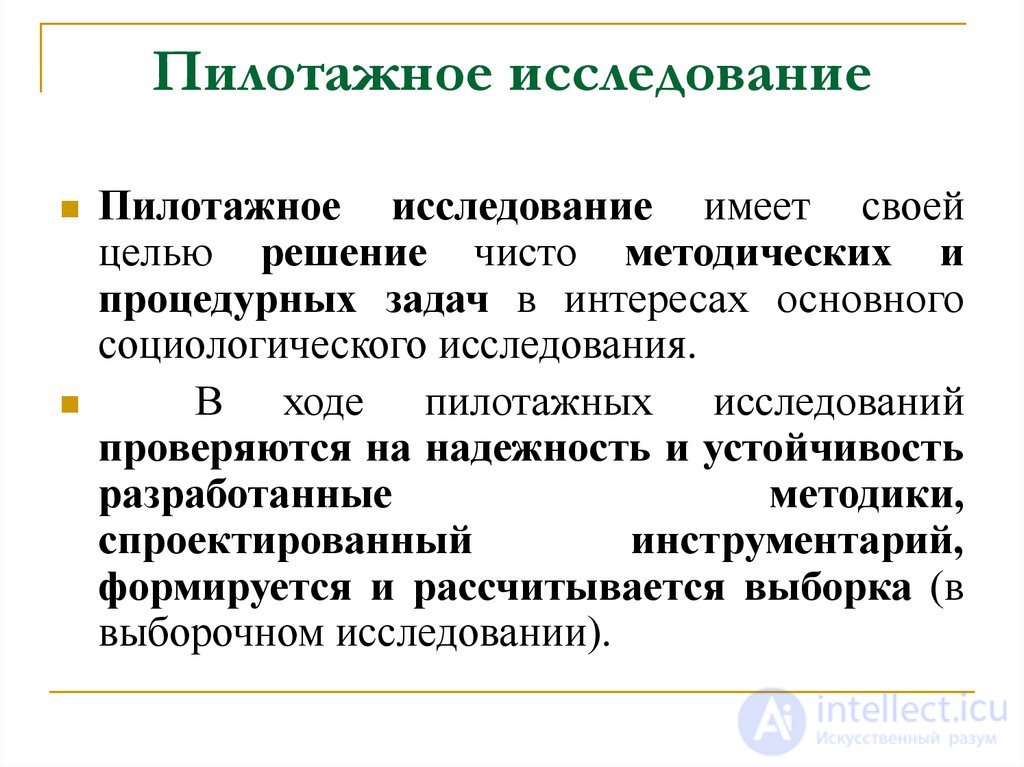
13. A study that precedes a new series, during which the quality of the method and plan is checked, side variables are identified, and experimental hypotheses are refined, is a … study.
14. A scientific-practical method of psychological measurement, consisting of a finite series of brief tasks aimed at diagnosing the individual expression of properties and states, is:
15. Discovering the laws of the psyche is … of psychology.
Learning elements: the psyche in ontogenesis and phylogenesis, stages of development
1. The development of the human organism from birth to death is called:
2. The development of humans as a species is called:
3. The historical formation of a group of organisms in the process of evolution is called:
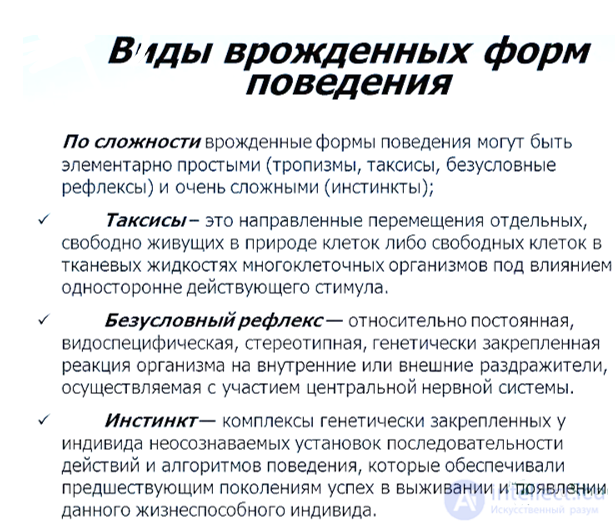
4. Genetically programmed forms of activity of living organisms that manifest as behavioral acts characteristic of a given biological species are:
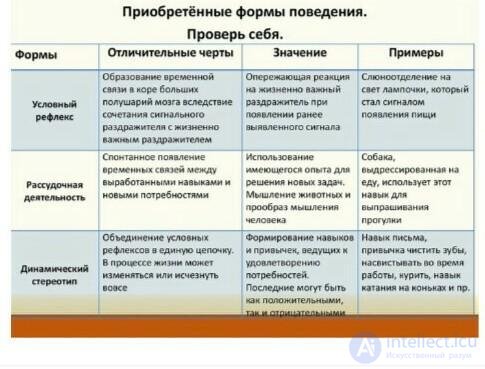
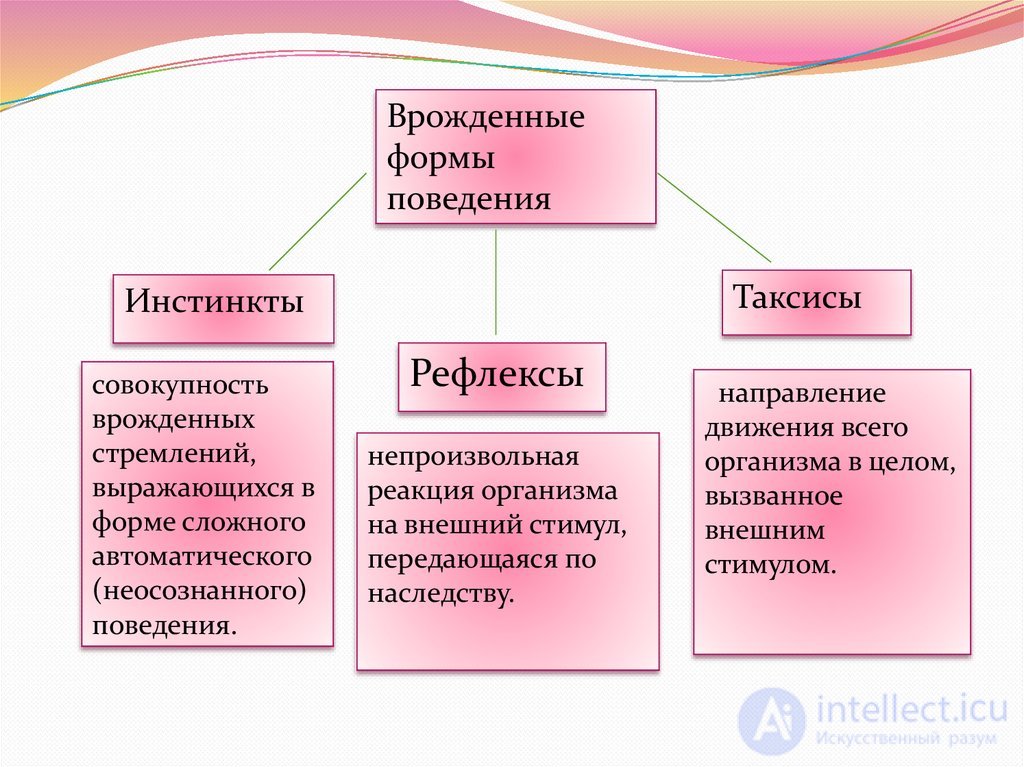
5. Consciousness, as the highest form of mental reflection, is characterized by:
6. A sense organ that converts the energy of an external influence into nerve signals is called:
7. A nervous apparatus that performs the function of analyzing and synthesizing stimuli coming from the external and internal environment of the organism is called:
8. The minimum magnitude of a stimulus that produces a barely noticeable sensation is the … absolute threshold of sensation.
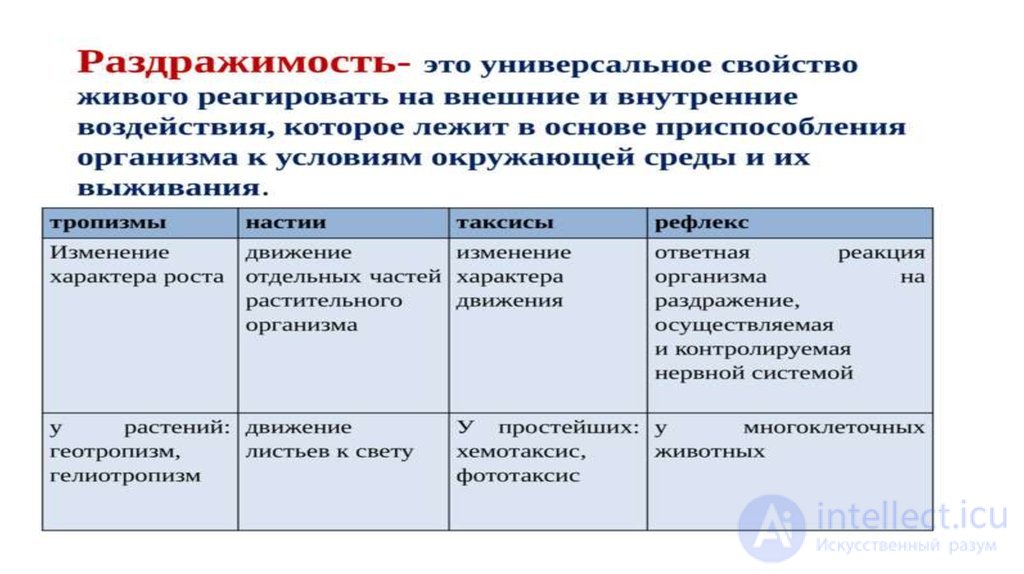
9. Forms of activity of living organisms that manifest as a change in the direction of movement of plant parts under the influence of biologically significant stimuli are called:
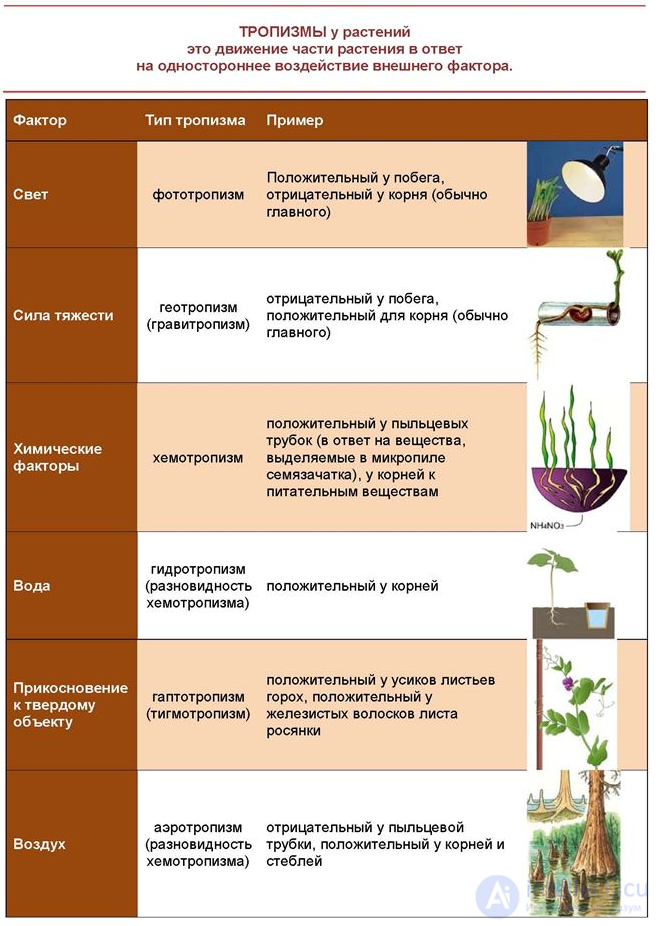
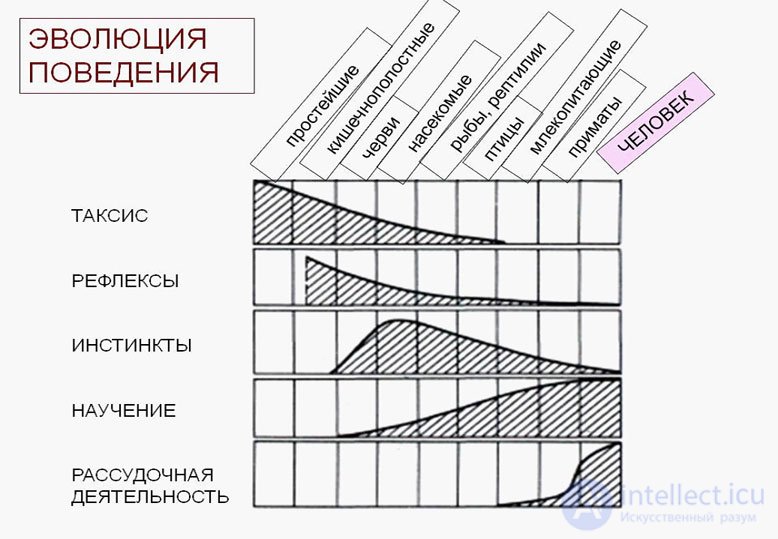
10. The main features of mental reflection include:
11. A complex set of instinctive actions that have lost their original function and entered another sphere of animal life as signals or symbols is:
12. The highest form of mental reflection, integrating all other forms of reflection and unique to humans, is:
13. According to A.N. Leontiev, the criterion for the emergence of the rudiments of a psyche in living organisms is:
14. The ability of organisms to react to biologically significant influences is called:
15. An innate, hereditarily fixed form of response to a biologically significant influence of the external world is called:
Learning elements: theory of activity; personal aspects and structure of activity; the concept, functions, types, levels, and means of communication
1. The concept of "leading activity" was introduced into psychological science by:
2. Human activity aimed at changing and transforming reality in order to satisfy one's needs and to create material and spiritual values is called:
3. The components of activity are:
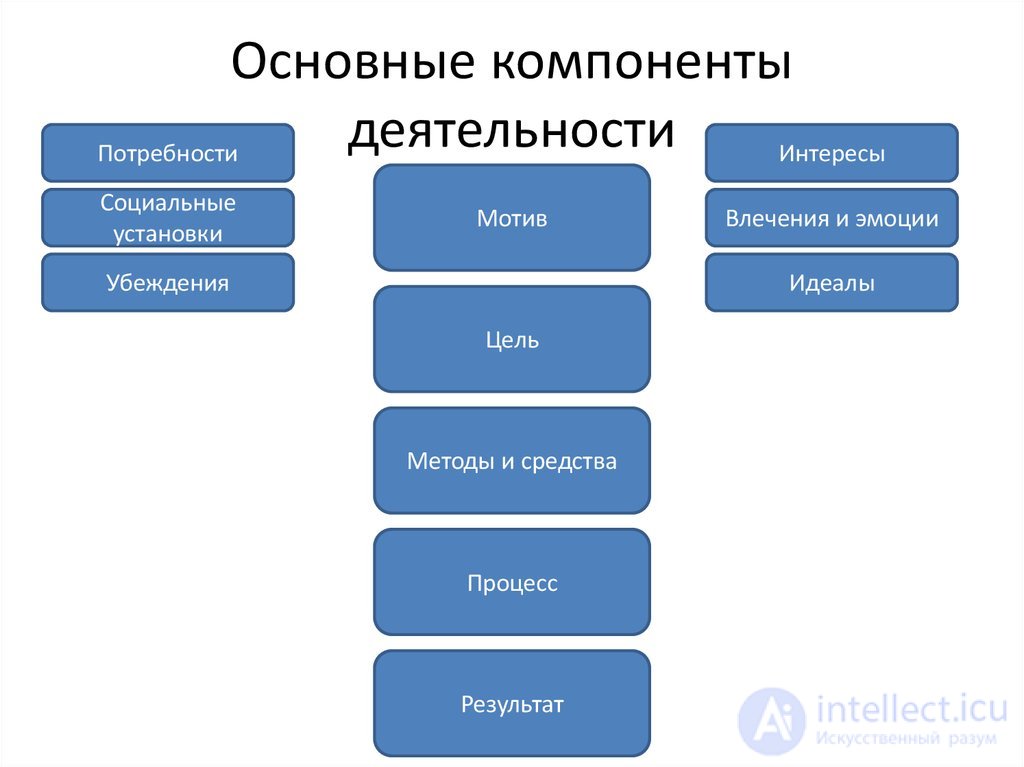
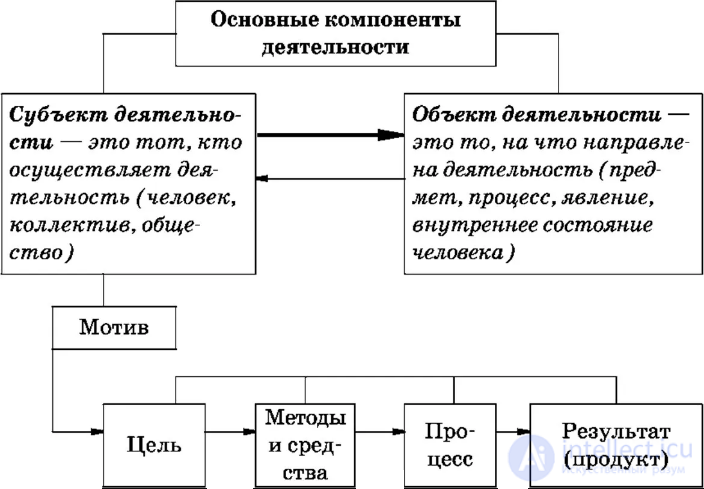
4. The components of activity are:
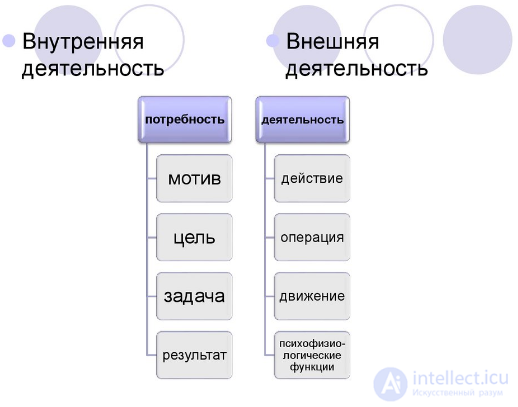
5. The components of activity are:
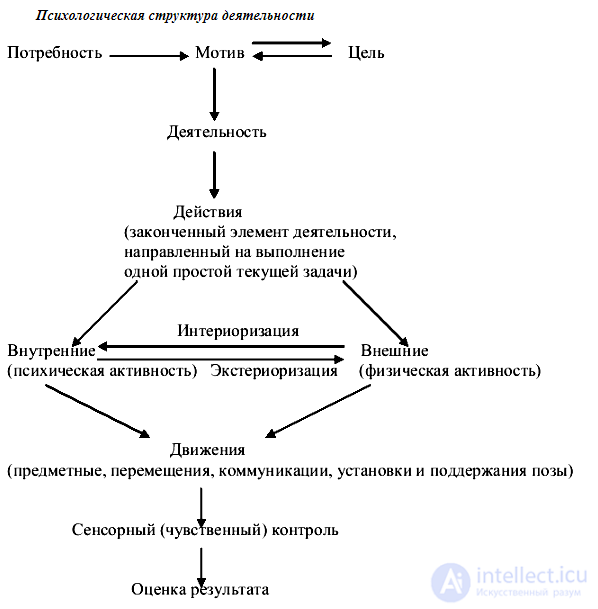
fig. The psychological structure of activity
6. The following component is absent from the structure of communication:
7. The process of interaction between individuals and groups, characterized by an exchange of activity, information, experience, skills, and abilities, as well as the results of activity, is called:
8. The structure of communication includes the following component:
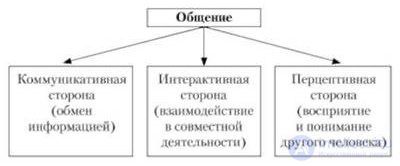
9. The component of communication that consists of exchanging mutual impulses and actions is the ... component.
10. The component of communication that consists of exchanging information is the ... component.
11. The component of communication that consists of a person's perception of themselves, other people, and the social phenomena of the surrounding world is the ... component.
12. The external manifestations of a person's mental activity are:
13. According to B.F. Lomov, communication and activity relate to each other as:
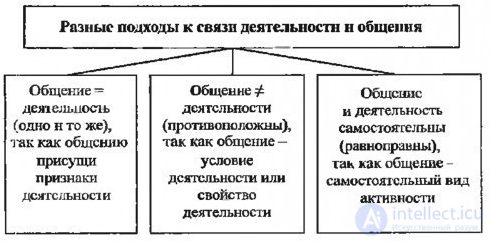
14. According to A.N. Leontiev, communication and activity relate to each other as:
15. Natural mental contact between individuals is defined as … communication:
Learning elements: theories, structure, typology of personality, problems of motivation
1. A person's evaluation of themselves, their abilities, personal qualities, and place in the system of interpersonal relations is called:
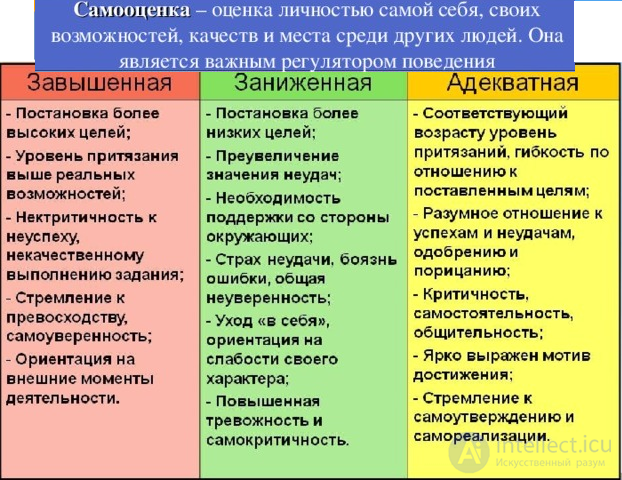
2. A human trait manifested in one's ability to consciously control one's psyche and actions and to overcome obstacles on the way to achieving a goal is:
3. The process by which a person accumulates experience through the transformation of external elements of object-related activity into an internal plane is:
4. A separate living being, a human as a representative of a biological species, is:
5. The combination of a person's psychological characteristics that make up their uniqueness, their distinction from other people, is:
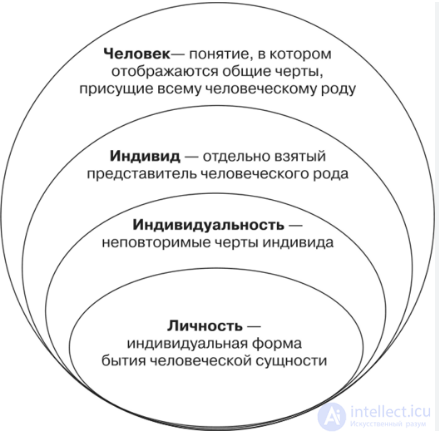
6. Social relations determine a person's formation as a:
7. In the psychology of underdeveloped countries, personality is considered to be a result of:
8. The inner makeup of a personality, its foundation as an integral formation, is the … of personality.
9. In the psychology of underdeveloped countries, the structure of personality is divided into intra-individual, inter-individual, and meta-individual subsystems by:
10. The sources of personality activity are:
11. An important conscious motive of personal behavior that gives one's activity special significance and clear direction is:
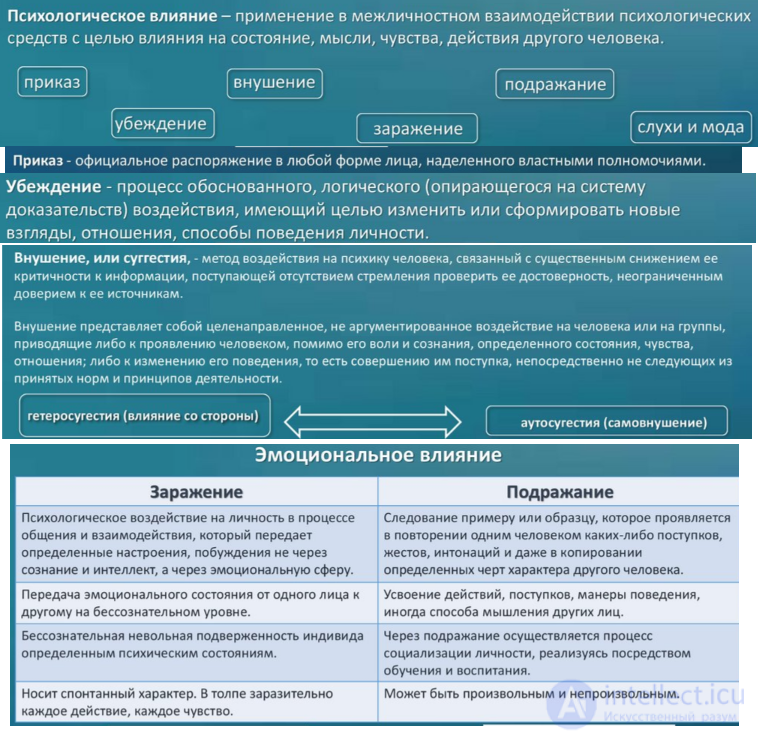
12. A relatively stable, more or less conscious system of an individual's ideas about themselves, on the basis of which they build their interactions with others, is:
13 A modern concept of personality that focuses on the problems of activity, self-awareness and creativity of the personality, the formation of the human self, the struggle of motives, the cultivation of individual character and abilities, self-realization and personal choice, and the search for the meaning of life, is the … approach.
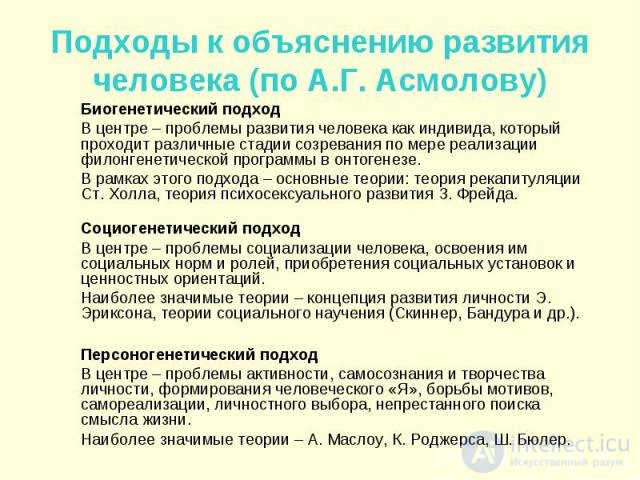
14. A modern concept of personality that focuses on the development of a person as an individual possessing certain anthropological properties that pass through various stages of maturation as the phylogenetic program of the species is realized in ontogenesis is the … approach.
15. A modern concept of personality that focuses on the processes of a person's socialization, their assimilation of social norms and roles, and their acquisition of social attitudes and value orientations, is the … approach.
Learning elements: character, temperament, abilities
1. The dynamic characteristic of an individual's mental activity is:
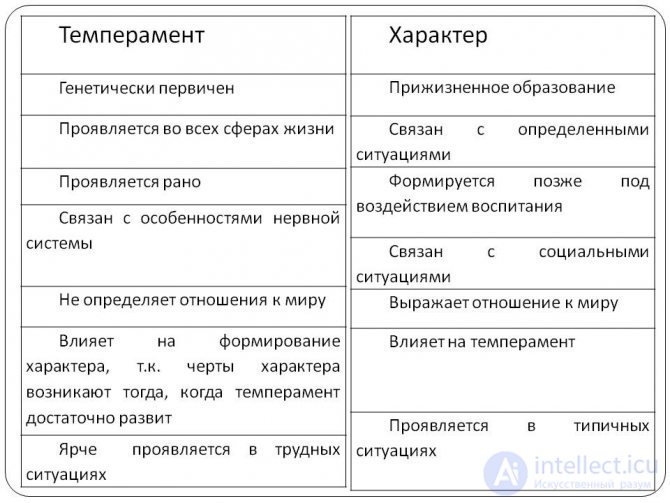
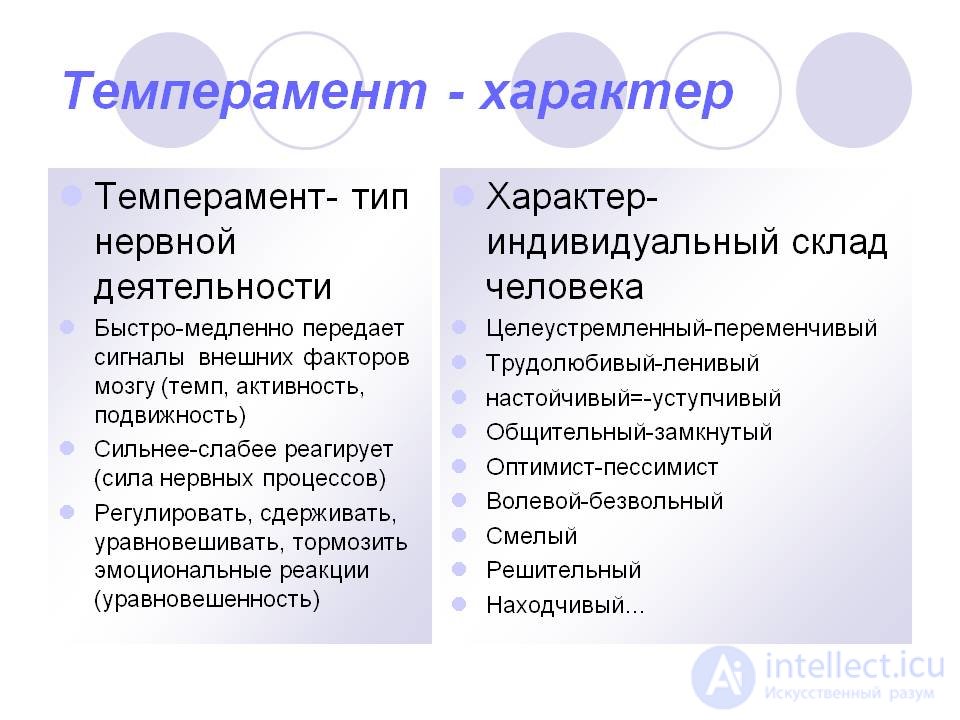
2. The subsystem of personality that unites qualities and relations, manifesting as a person's moral traits, is the … of personality.
3. The set of personality traits that determine one's ways of responding to life circumstances is:
4. The subsystem of personality that unites the properties of temperament, sex and age-related traits of personality, as well as organic changes, is the … of personality.
5. The excessive expression of individual character traits, representing extreme variants of the norm, is:
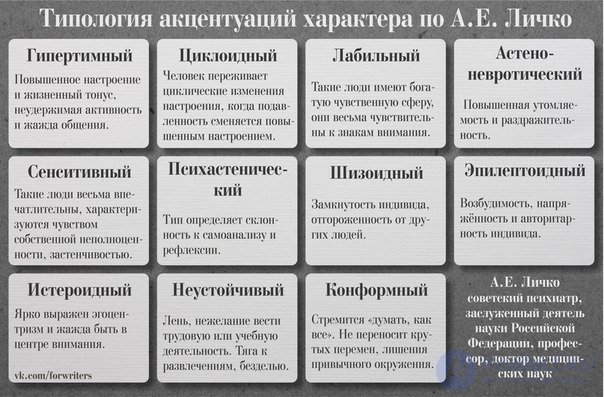
6. Innate anatomical and physiological characteristics of the organism that form the biological basis for the development of abilities are:
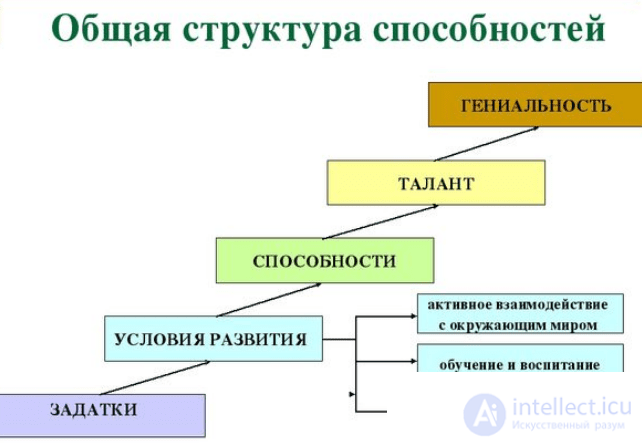
7. Psychological properties of a personality on which the successful acquisition of knowledge, abilities, and skills depends, but which are not themselves reducible to their presence, are:
8. The reflection in individual consciousness of the place occupied by a given object (phenomenon) in the system of a person's activity is called:
9. The criterion of a formed personality (according to A.N. Leontiev) is:
10. A mental phenomenon that characterizes the stability of manifestations of an individual's psyche, the typical features of a given individual's psyche, is called:
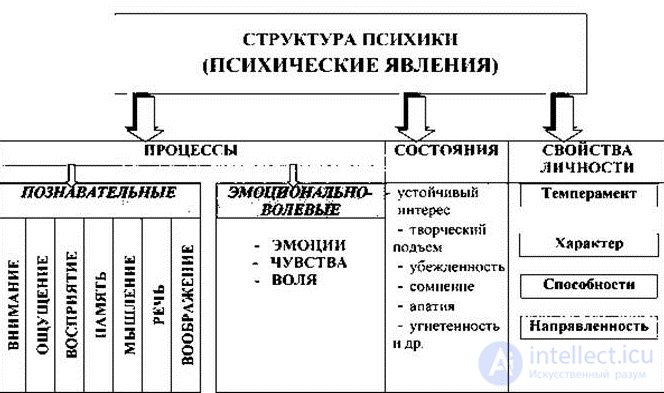
11. A mental phenomenon, as an act of mental activity that has its own object of reflection and its own regulatory function, is called:
12. According to I.P. Pavlov's approach, a person with a strong, balanced, mobile type of nervous system is:
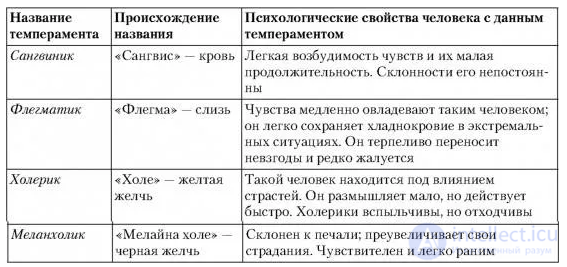
13. According to I.P. Pavlov's approach, a person with a strong, mobile, but unbalanced type of nervous system is:
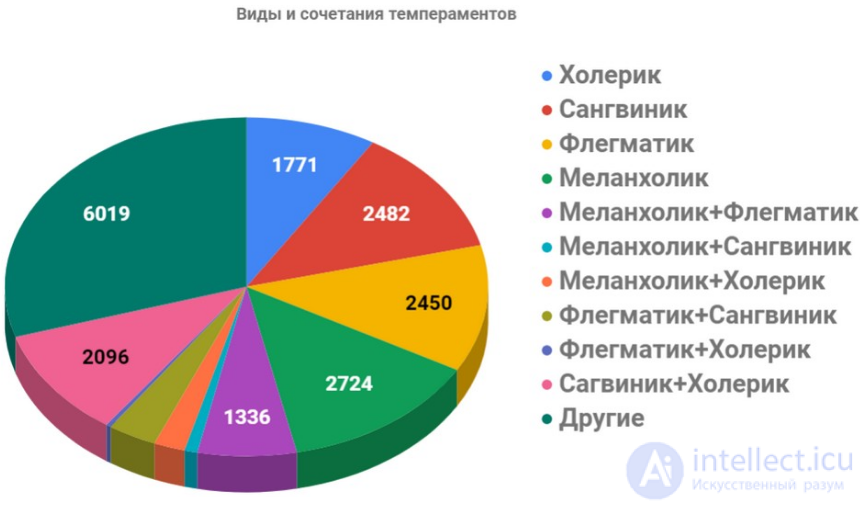
fig. Statistics on the prevalence of pure and mixed temperaments
14. According to I.P. Pavlov's approach, a person with a strong, balanced, but inert type of nervous system is:
15. According to I.P. Pavlov's approach, a person with a weak type of higher nervous activity is:
Learning elements: emotions, feelings, will
1. The longest-lasting emotional state, which colors a person's entire behavior, is:
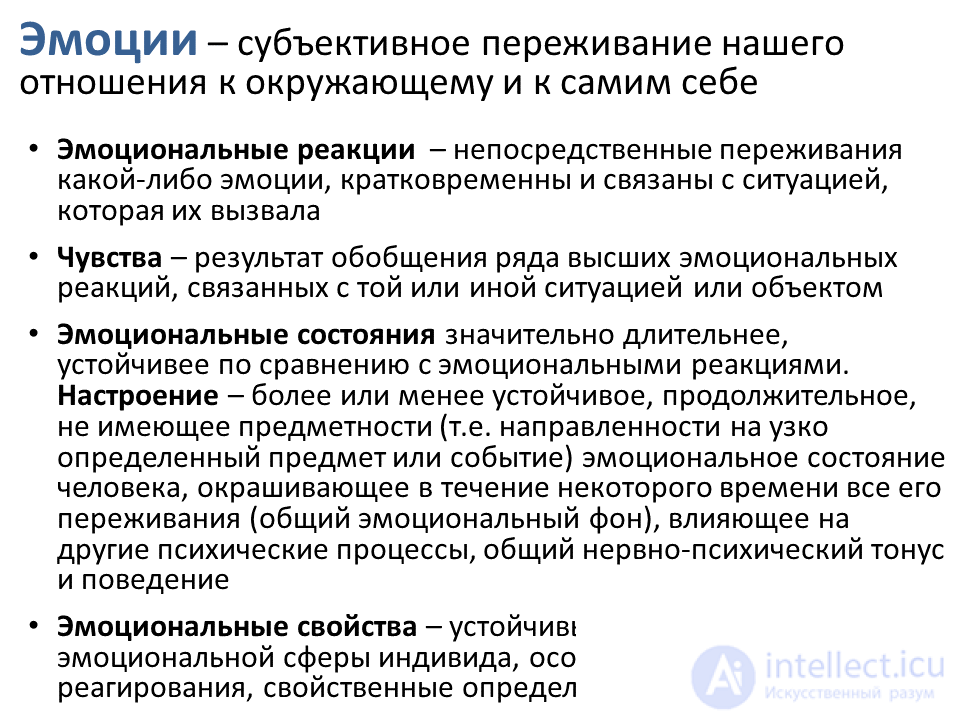
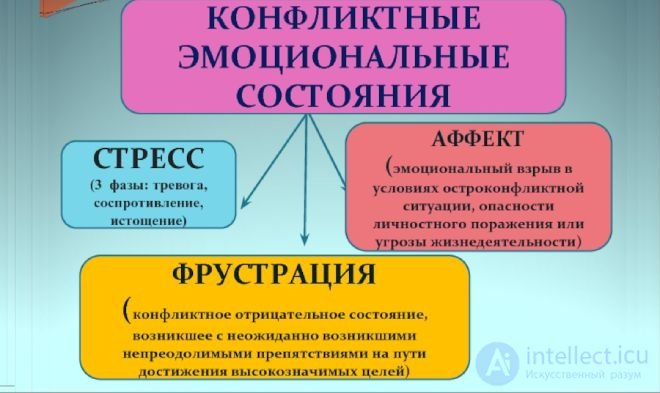
2. A brief, violently occurring emotional state characterized by a lack of awareness of one's behavior and actions is:
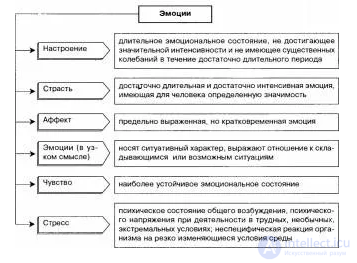
3. Emotional processes and states in the life of an organism perform the functions of:
4. The biological theory of emotions, which inextricably links human emotions with animal instincts, was developed by:
5. The experience of satisfying a need for something is called:
6. The experience of loss, the inability to satisfy a need for something, is:
7. A strong, persistent, long-lasting feeling that takes hold of and possesses a person is:
8. A characteristic feature of emotions is:
9. A mental state caused by failure to satisfy a need or desire is:
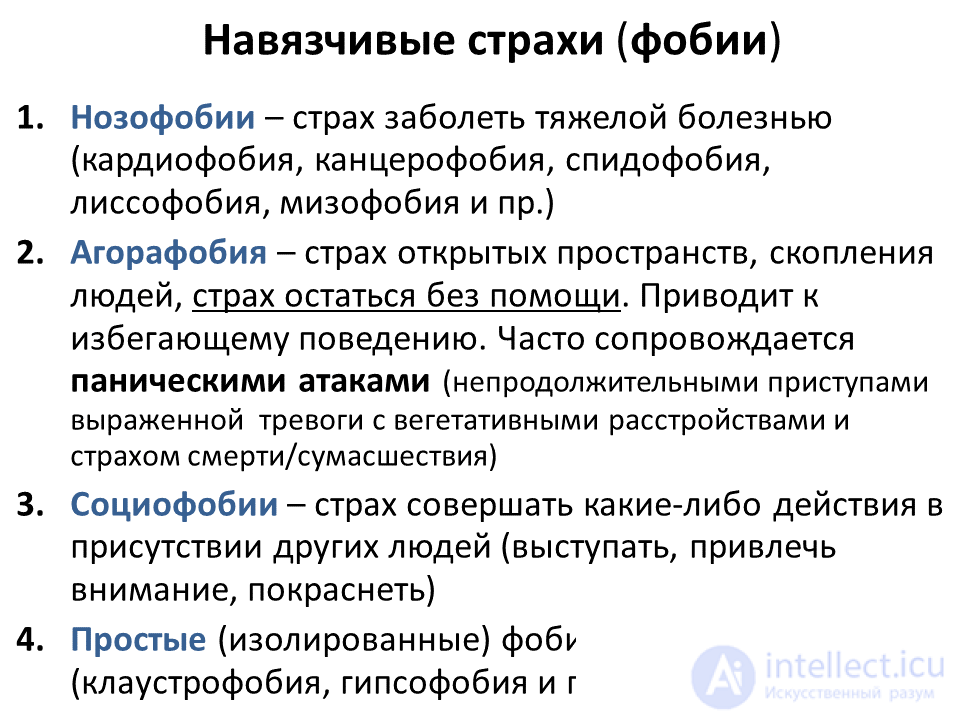
10. States whose content is an insurmountable fear of specific situations, objects, or beings, or an undefined objectless fear, are:
11. Will is the … regulation by a person of their own behavior, associated with overcoming internal and external obstacles.
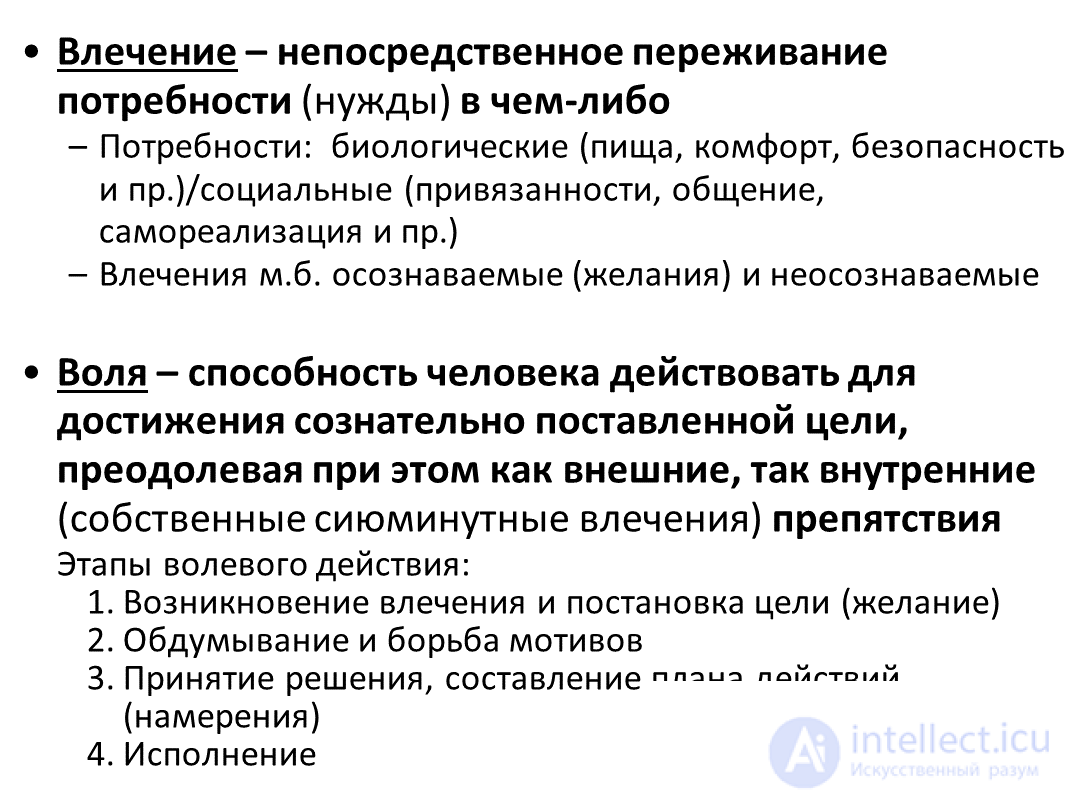
12. A volitional quality of personality consisting in a person's ability to determine their actions based not on the pressure of others or on chance influences, but on their own convictions and knowledge, is:
13. The higher feelings include:
14. A positive emotional experience arises when the actual results of an activity match the expected ones, and a negative one arises when they do not, according to the theory of:
15. Emotions as a product of evolution, as an adaptive factor in the life of the animal world, are considered in:
Learning elements: attention, sensations, perception, memory, thinking, imagination, speech
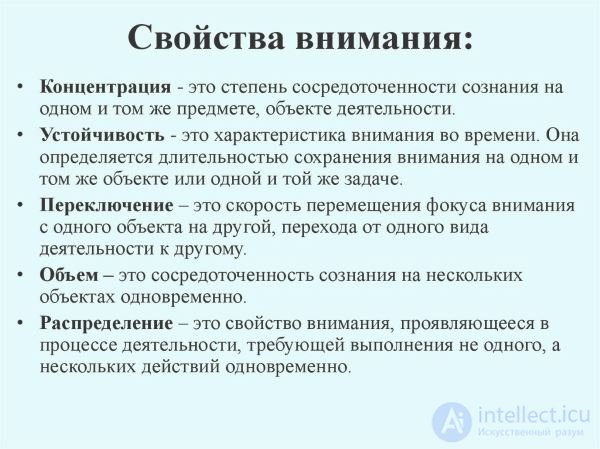
1. A type of perception that forms on the basis of tactile and kinesthetic sensations is:
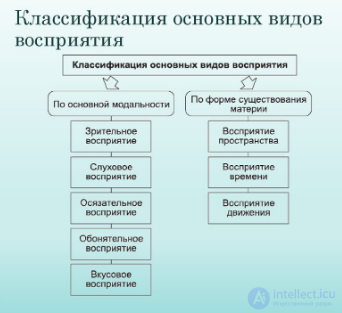
2. The degree of concentration of consciousness on an object is the … of attention.
3. In ontogenesis, the formation of the phonetic system of speech is completed by the age of … years.
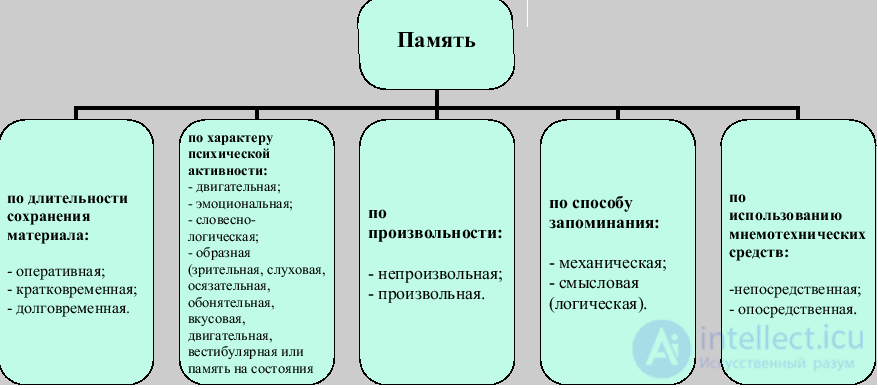
4. A type of memory based on establishing semantic connections in the material being memorized is:
5. A method of practically solving problems that involves visually examining a situation and performing practical actions on material objects within it is … thinking.
6. Theoretical and practical thinking are distinguished:
7. The mental division of an object into parts or characteristics constitutes the essence of the logical operation of:
8. A technique for creating images of the imagination associated with increasing or decreasing an object, changing the number of its parts, or shifting them is:
9. A cognitive process consisting in the reflection of individual properties of objects and phenomena of the surrounding world through their direct effect on the sense organs is:
10. An indirect and generalized reflection of reality, consisting in the cognition of the essence of things and phenomena and the regular connections and relations between them, is:
11. Perception reflects:
12. Visual-imaginative thinking involves operating with:
13. The concentration of consciousness on some object, phenomenon, or experience is ensured by:
14. A cognitive process characterized by the memorization, retention, and subsequent reproduction of information is:
15. The process of transforming representations that reflect actual reality and creating new images on this basis is:
|
No. |
Name of the Didactic Unit |
1 |
2 |
3 |
4 |
5 |
6 |
7 |
8 |
9 |
10 |
11 |
12 |
13 |
14 |
15 |
|
1.1.
|
Introduction to General Psychology |
c |
b |
c |
a |
d |
a |
b |
d |
a |
c |
b |
a |
d |
c |
b |
|
1.2. |
Evolutionary Development of the Psyche |
d |
b |
a |
c |
b |
a |
c |
d |
a |
d |
b |
a |
c |
a |
b |
|
1.3. |
Psychological Characteristics of Activity and Communication |
c |
a |
d |
a |
c |
c |
a |
b |
d |
b |
a |
d |
a |
c |
d |
|
1.4. |
Psychological Characteristics of Personality |
c |
a |
d |
c |
a |
d |
b |
a |
c |
a |
c |
d |
a |
d |
c |
|
1.5. |
Individual Psychological Characteristics of Personality |
a |
c |
b |
d |
a |
c |
d |
a |
d |
c |
b |
d |
a |
c |
a |
|
1.6. |
The Emotional-Volitional Sphere of Personality |
b |
a |
d |
c |
a |
b |
a |
c |
d |
b |
a |
c |
b |
d |
a |
|
1.7. |
Cognitive Mental Processes |
a |
b |
c |
d |
c |
b |
a |
d |
c |
a |
d |
a |
b |
d |
a |

Comments