
Lecture
Tests with answers - Fundamentals of General Psychology
Welcome to the tests with answers on the fundamentals of general psychology! In this series of tests, we invite you to check your knowledge and understanding of the basic concepts, theories, and principles underlying psychology.
Psychology is the science that studies human behavior and cognitive processes. It covers a wide range of topics, including perception, attention, memory, learning, motivation, emotions, personality development, mental disorders, and much more. A good understanding of the fundamentals of psychology can help us better understand ourselves, other people, and the interactions between us.
In these tests you will find a variety of questions that will help you assess your overall competence in the field of psychology. Each question is accompanied by answer options, from which you must choose the most suitable one. At the end of the test you will receive feedback in the form of correct answers and explanations, so you can learn more about each question.
Get ready to dive into the world of psychology and test your knowledge of the fundamentals of general psychology. Good luck!
single-answer choice task.
Option 1
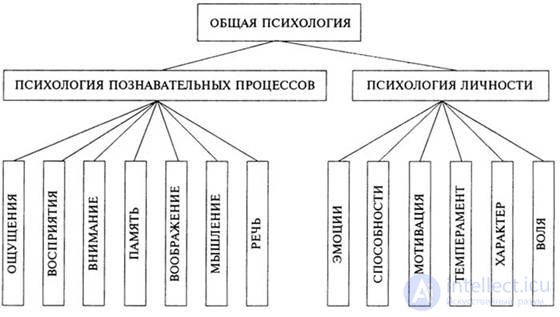
1. General psychology is a science that studies:
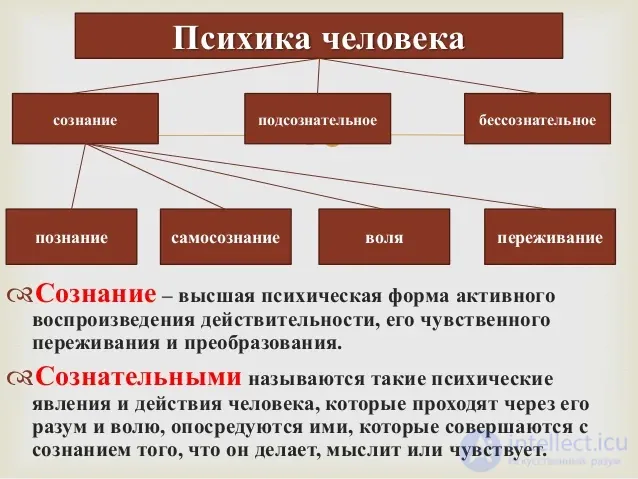
2. A systemic property of highly organized matter (the brain), consisting in the individual's active reflection of the objective world, the construction of an image of this world, and the self-regulation of one's behavior and activity on this basis - this is:
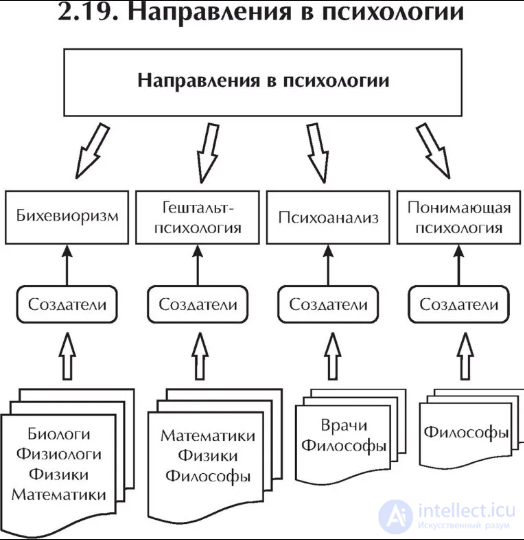
3. One of the schools of Russian psychology whose founders are S.L. Rubinstein and A.N. Leontiev:
4. One of the schools in psychology whose representatives study the unconscious and its influence on human consciousness and behavior:
5. The conditioning of mental phenomena by the action of the factors that produce them constitutes the essence of the principle of:
6. The principle stating that any mental phenomenon must be considered in constant change and motion:
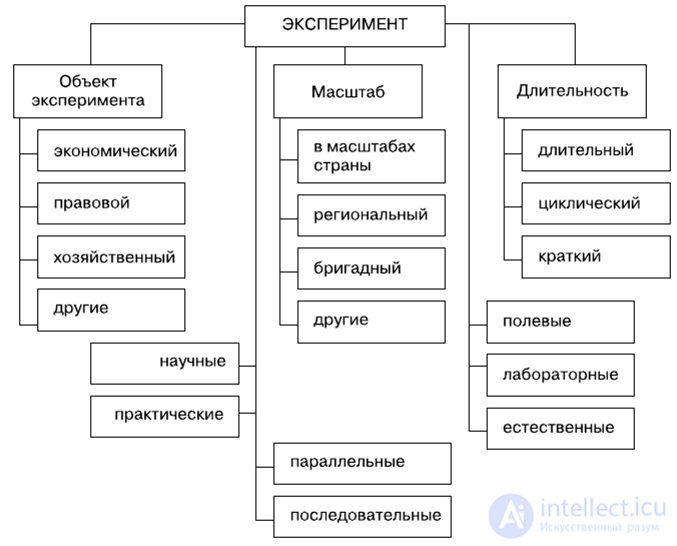
7. A type of experiment that involves using a minimal amount of equipment in a situation close to natural:
8. The procedure of establishing a one-to-one correspondence between a set of objects (states) and a set of symbols (numbers); a type of study in which the researcher determines the qualitative and quantitative characteristics of an object (or set of objects) using external means (instruments, tests, etc.):
9. Obtaining empirical data through a subject's observation of their own mental processes and states as they occur or immediately afterward:
10. The property denoting the ability to reflect on reflection itself, to ponder one's own sensations, experiences, and thoughts - this is:
11. A psychological defense mechanism characterized by likening oneself to a significant object (a person or group), the unconscious copying of another's traits and manners - this is:
12. The appropriation, in the process of socialization, of external norms, rules, and attitudes, without their genuine awareness and acceptance - this is:
13. The following components can be distinguished in the content of an activity:
14. The main result toward the achievement of which behavior is directed:
15. In activity, a person is practically unaware, or not fully aware, of:
16. The loss of automaticity of a motor action (temporary or permanent) arising as a result of external influences or long breaks in its use - this is:
17. A well-coordinated, integrative system of conditioned-reflex processes in the cerebral cortex, formed as a result of the repeated application of a fixed sequence of the same positive and inhibitory conditioned stimuli at constant time intervals between them - this is:
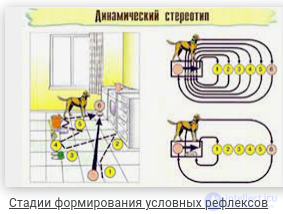
18. The feeling of discomfort that arises from actions that go against one's own convictions - this is:
19. The striving to achieve goals of the degree of difficulty that a person considers themselves capable of - this is:
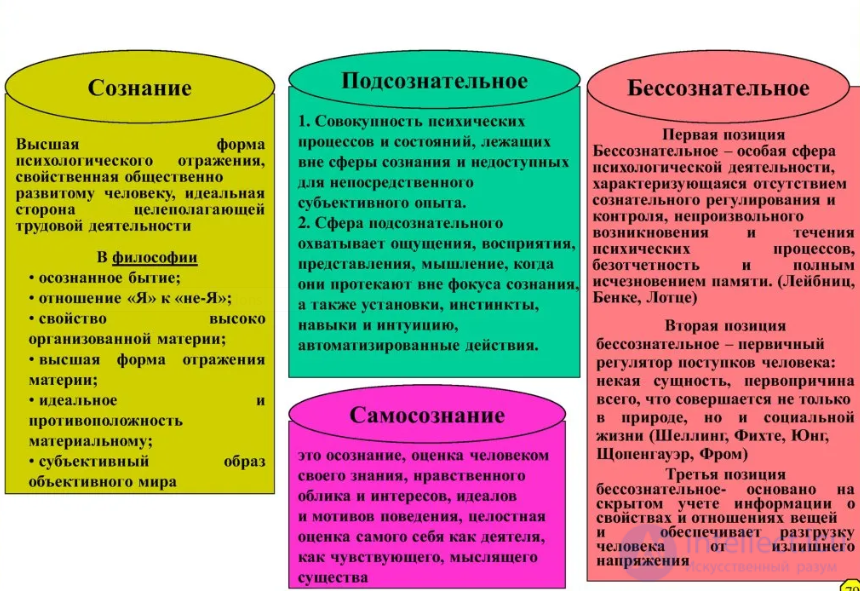
20. Indicate the incorrect definition of temperament:
21. The excessive expression of individual character traits, representing extreme variants of the norm - this is:
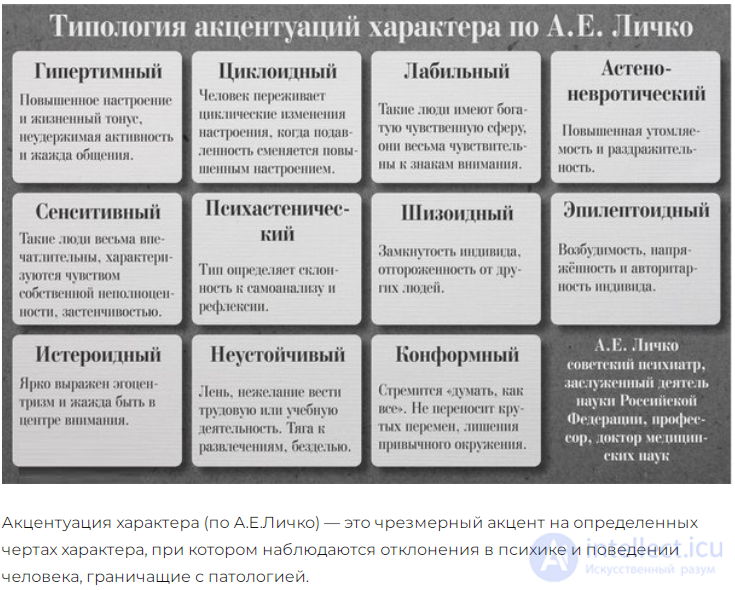
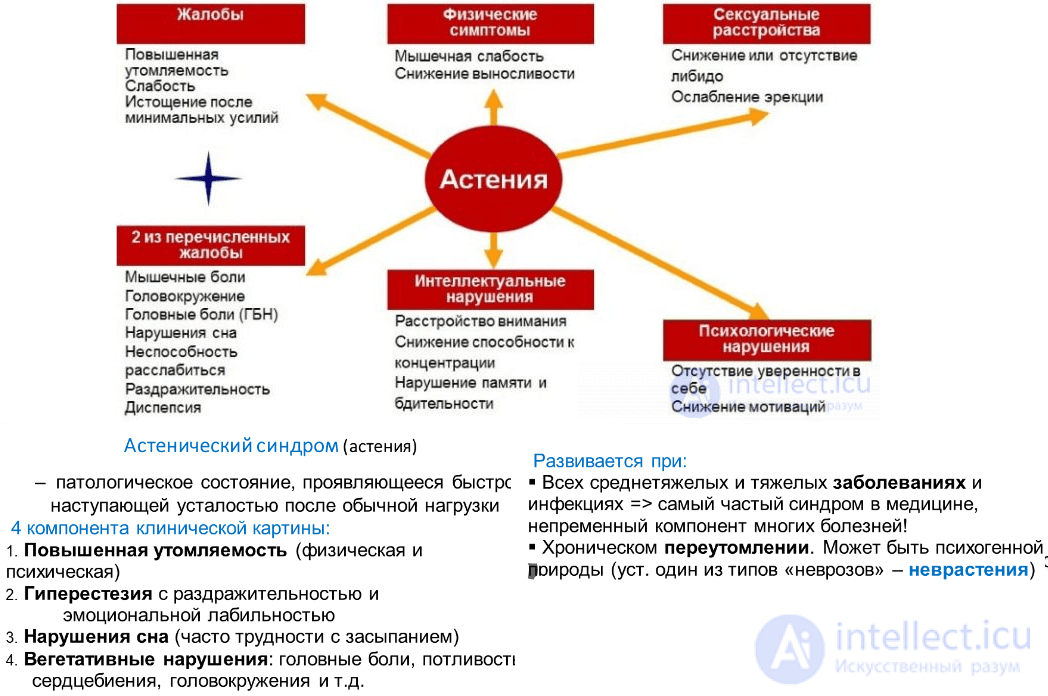
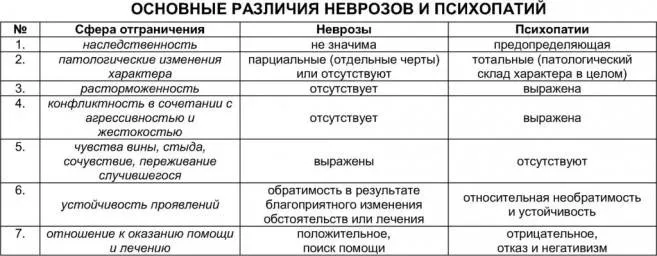
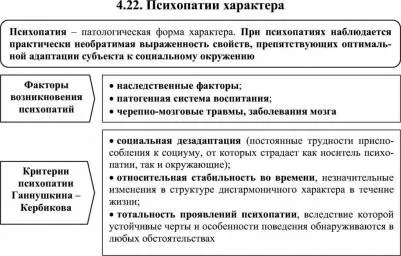
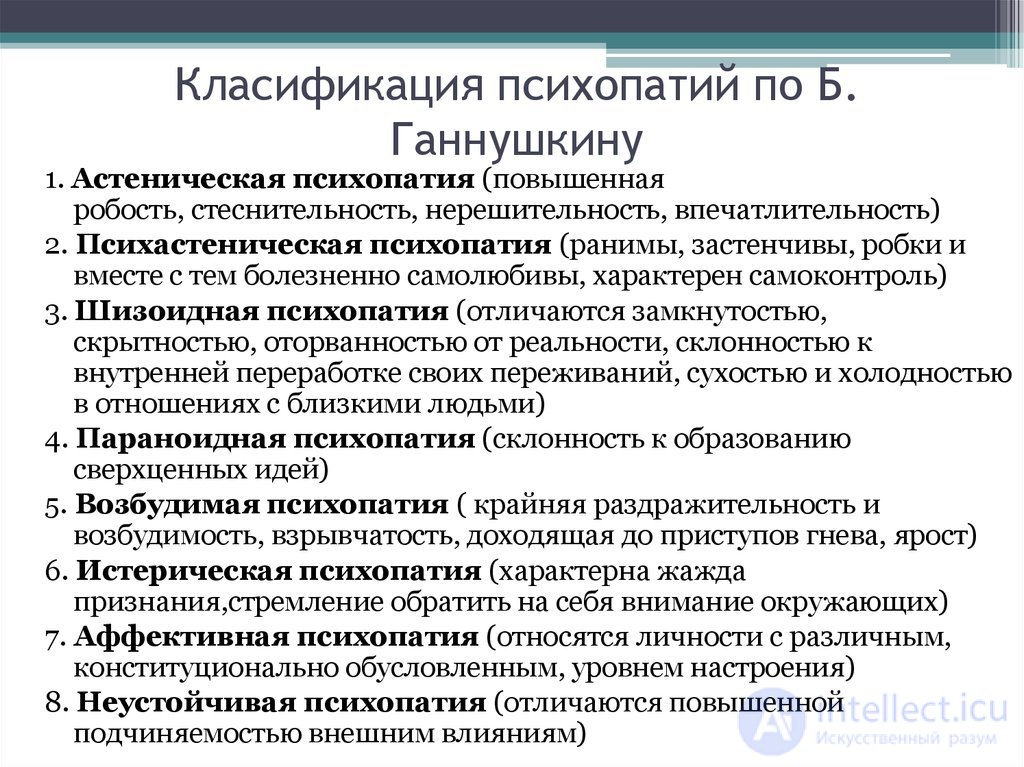
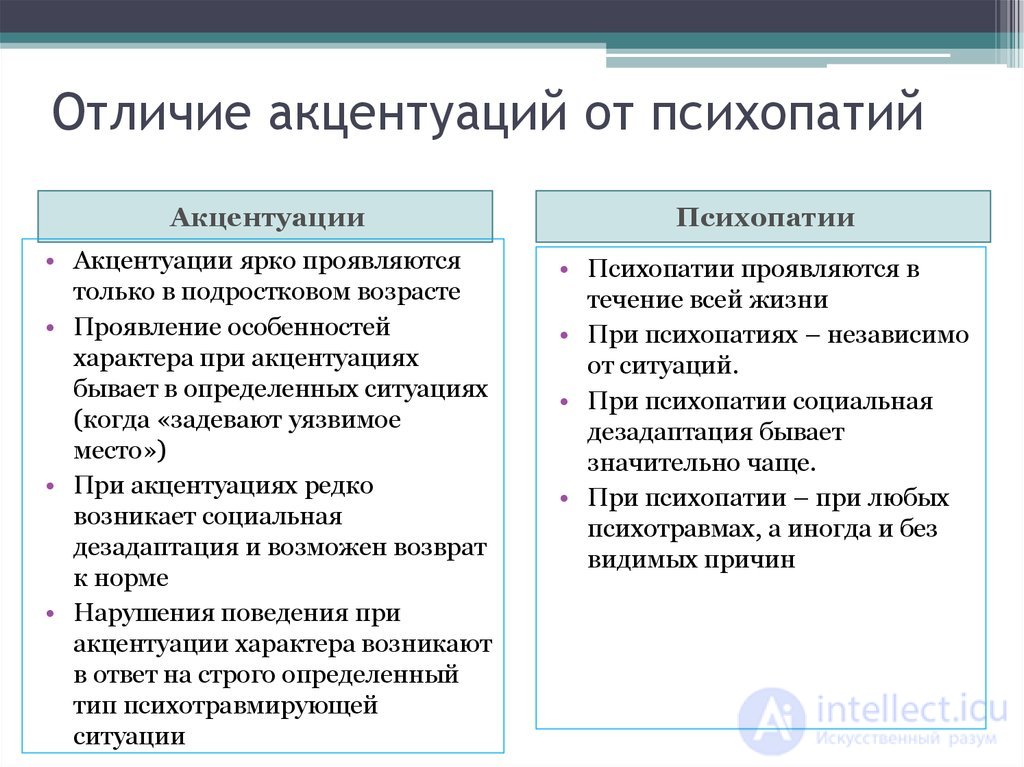

22. Genetically determined anatomical and physiological features of the nervous system that serve as a precondition for the formation of abilities - this is:
23. The emotional component of insight, a joyful experience associated with a suddenly found solution and understanding of a problem - this is:

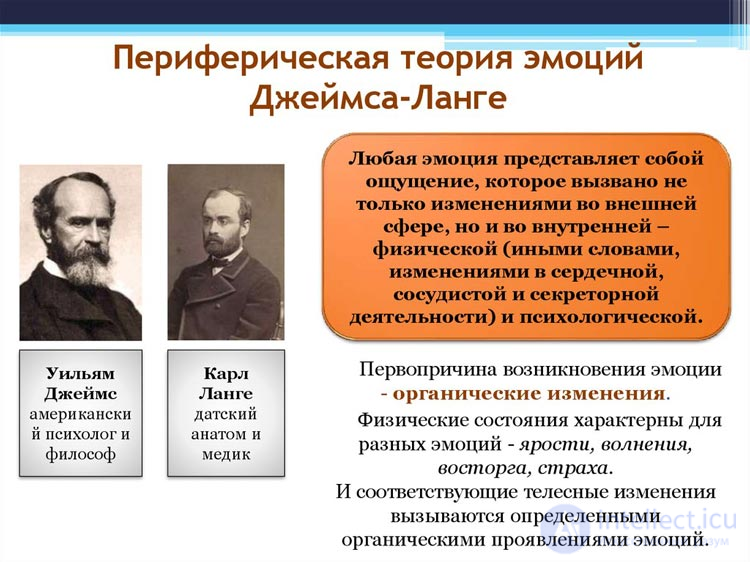
24. The founders of the psychological theory of emotions holding that the perception of an exciting fact (danger, a sad event) directly and reflexively causes bodily changes, and that emotions are the sensation of these changes, are:
25. A human quality manifested in the ability to consciously control one's own psyche and actions, to overcome obstacles on the way to achieving a goal - this is:
26. Unlike other processes, this process has no content of its own:
27. The process and state of a subject's focus on perceiving priority information and carrying out assigned tasks - this is:
28. A temporarily dominant focus of excitation in the central nervous system, characterized by the ability to accumulate excitation within itself and inhibit the work of other nerve centers - this is:
29. The decrease in the intensity of a sensation during the prolonged action of a constant stimulus:
30. The sensory system responsible for the analysis of substances entering the oral cavity, whose cortical region is located in the opercular area of the cerebral hemispheres and in the hippocampus:
31. Sensations caused by the action of mechanical and thermal stimuli - this is:
32. What property of perception is being described - in objects and phenomena of reality, individual features and properties are in a constant, stable relationship, and perception reflects the stable connections between the components of an object or phenomenon:
33. The adjustment of the eyes for clearly distinguishing objects at various distances by changing the refractive power (thickness) of the lens:
34. The reflection of the objective duration, speed, and sequence of phenomena of reality - this is:
35. The delay in the time of response to the second of two rapidly successive signals - this is:
36. Culturally and historically developed systems of the sensory qualities of objects, which are acquired by a child during ontogenesis and used as internal standards when examining objects and identifying their properties - this is:
37. The dividing of an object into parts or characteristics - this is:
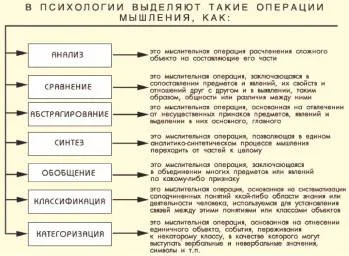
38. A type of thinking carried out through the transformation of perceptual images into representational images, and the further alteration, transformation, and generalization of the subject content of representations, forming a reflection of reality in figurative-conceptual form - this is:
39. One of the operations of thinking, characterized by combining objects and phenomena of reality on the basis of what is common in them, relatively stable, invariant properties of objects and their relations - this is:
40. The area of the cerebral cortex located in the posterior part of the superior temporal gyrus of the dominant hemisphere, which provides the phonemic auditory analysis of oral speech - this is:
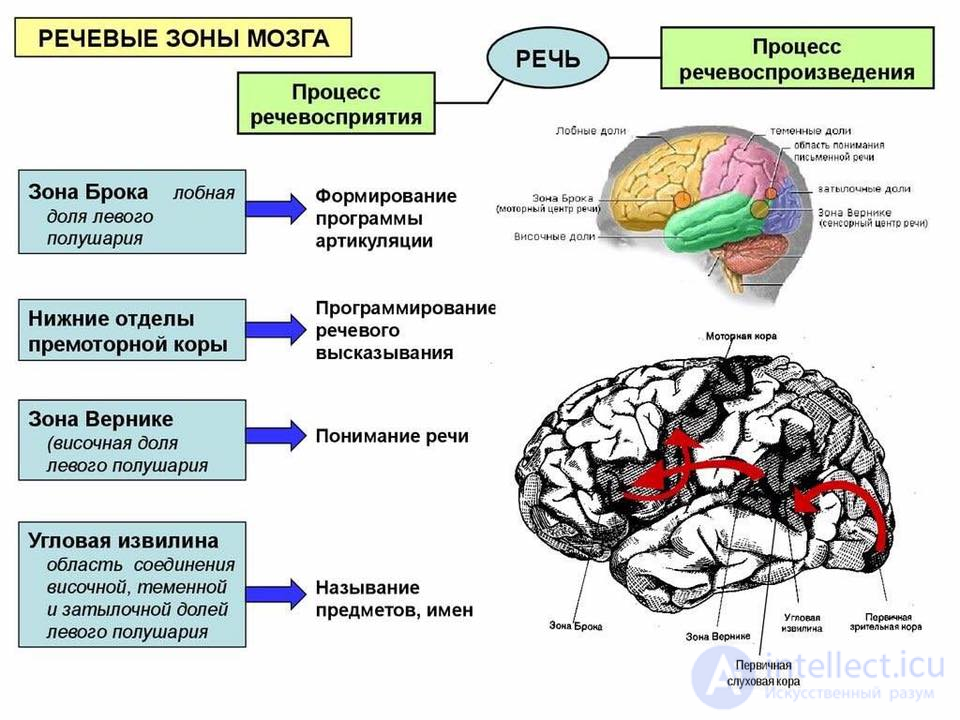
41. A system of signs that serves as a means of human communication and mental activity, of transmitting accumulated cultural-historical experience, and as a way of expressing a person's self-awareness - this is:
42. A technique for creating images of the imagination associated with increasing or decreasing the size of an object, changing the number of its parts, or shifting them - this is:
43. A vivid image of an object or phenomenon (event) that arises on the basis of past experience through its reproduction:
44. The phenomenon of a spontaneous improvement in recall performance after a certain amount of time has passed since the end of memorization - this is:
45. One of the forms of long-term memory, characterized by the conscious recollection of the past (facts and events) - this is:
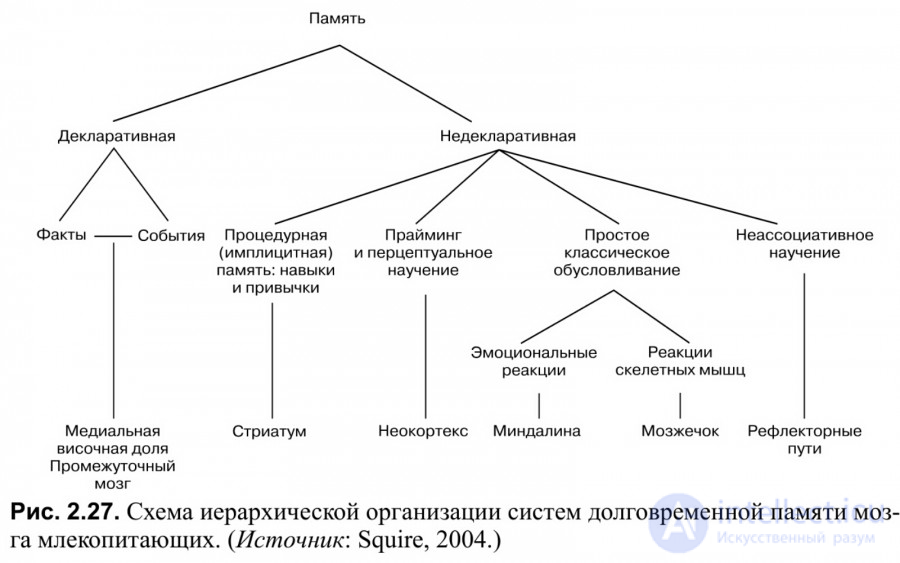
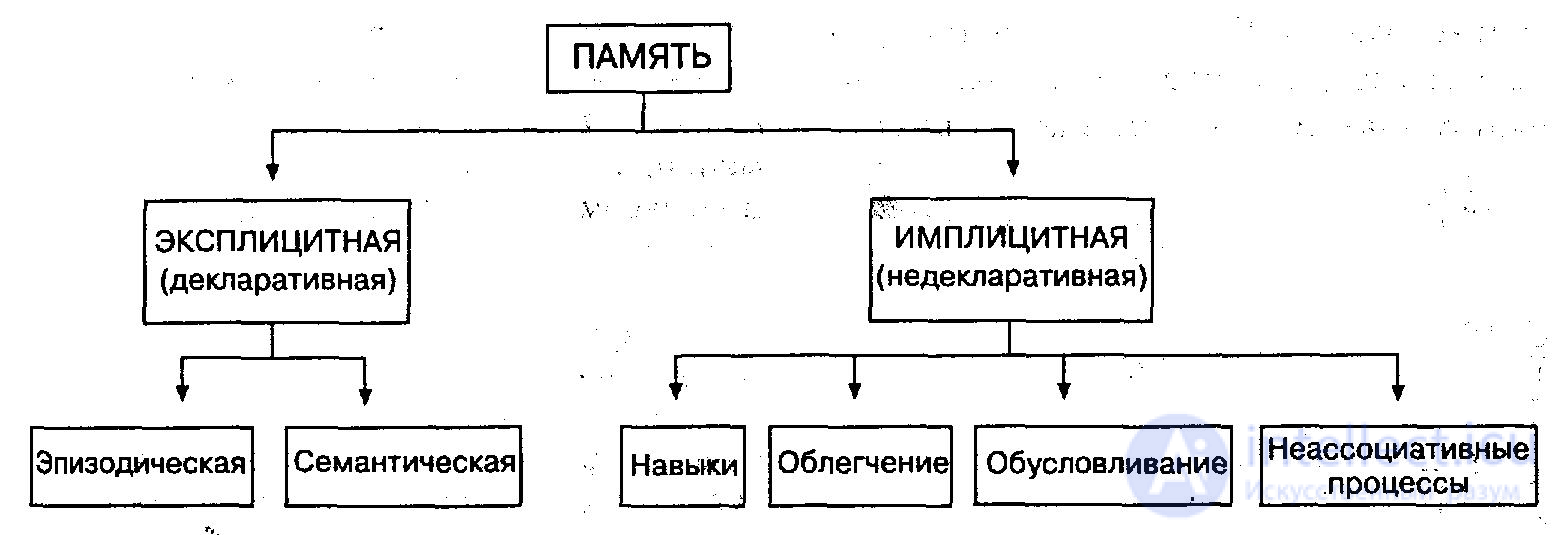
46. The loss of information either under the influence of subsequently incoming new material or due to the competition of memory traces - this is:
47. Inhibition occurring in a situation where the strength of a stimulus exceeds the limits biologically permissible for the organism - this is:
48. One of the types of memory characterized by a limited storage time for information and a limited number of retained elements - this is:
49. A type of memory characterized by establishing a trace of a stimulus, its sensory copy, in the central part of the visual analyzer; it ensures the storage of all sensory information for the subsequent selection of relevant information, maintains the perceptual continuity of perceived objects, and monitors the adequacy of transformations carried out at higher levels:
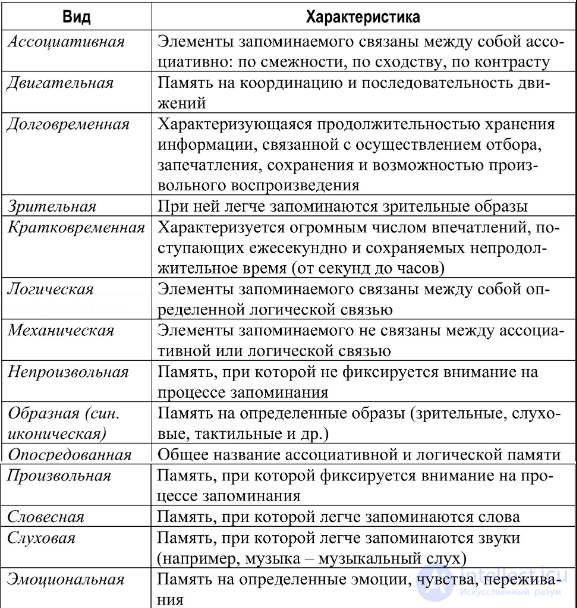
50. A type of memory based on generalized and systematized associations that reflect the most important and essential aspects and relations of objects:
1. A property of specially organized matter, consisting in the ability to reflect the objective world, which exists independently of it, and, on the basis of this reflection, to regulate human behavior - this is:
2. The main forms in which the psyche manifests itself include:
3. The author of the cultural-historical theory of the development of higher mental functions is:
4. According to S. Freud, the structure of personality consists of the following structural components:
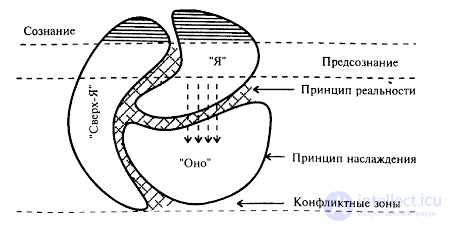
5. The need to identify contradictions as a source of development and self-development of the psyche corresponds to the principle of:
6. A standardized method of psychological research used to achieve a precise quantitative assessment and a rigorous qualitative determination of the characteristics of a person's psyche and behavior, oriented toward established evaluation norms - this is:
7. Select the features that do NOT pertain to an experiment:
8. A type of experiment during which the active formation of the property under study is carried out - this is:
9. The highest form of mental reflection, integrating all other forms of reflection, unique to humans - this is:
10. A set of unconscious mechanisms whose function is to preserve the integrity and stability of the personality by reducing negative experiences and negative emotional states in stressful, conflictual, and frustrating situations accompanied by a feeling of anxiety - this is:
11. A psychological defense mechanism characterized by attributing one's own feelings, desires, and qualities to another person - this is:
12. Human activity directed at changing and transforming reality in order to satisfy one's needs, and at creating material and spiritual values, is called:
13. The process of transition from internal actions to external, practical actions:

14. A process directed toward achieving a goal:
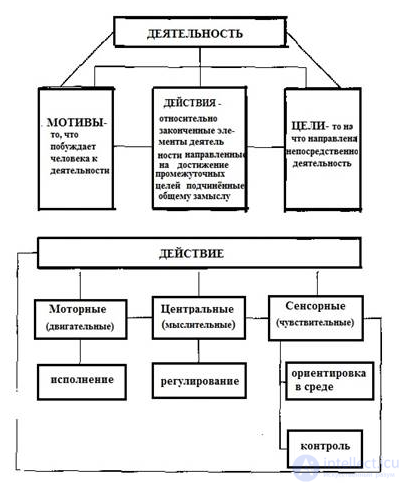
15. The physiological basis of automatic actions is:
16. A voluntary act subordinated to a representation of a result, an image of the future, i.e., a process subordinated to a consciously realized goal - this is:
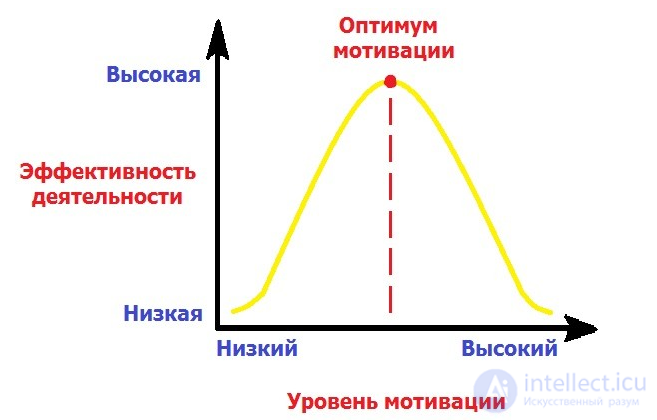
17. The law whose essence is that the dependence of the effectiveness of an activity on the level of motivation is characterized by a curvilinear function, and hence that there exists a certain optimum level of motivation for performing any given activity, was formulated by:
18. A stable (trans-situational) inclination, an orientation of a person's thoughts, feelings, desires, fantasies, and actions, which results from the dominance of certain motives - this is:
19. An internal, dynamic, and unconscious state of the personality that arises as a result of the interaction of needs and the environment - this is:
20. Select the incorrect definition of character:
21. Indicate the incorrect definition of abilities:
22. A more or less stable, prolonged emotional state of a person, without a defined focus of intention, which colors all of a person's behavior - this is:
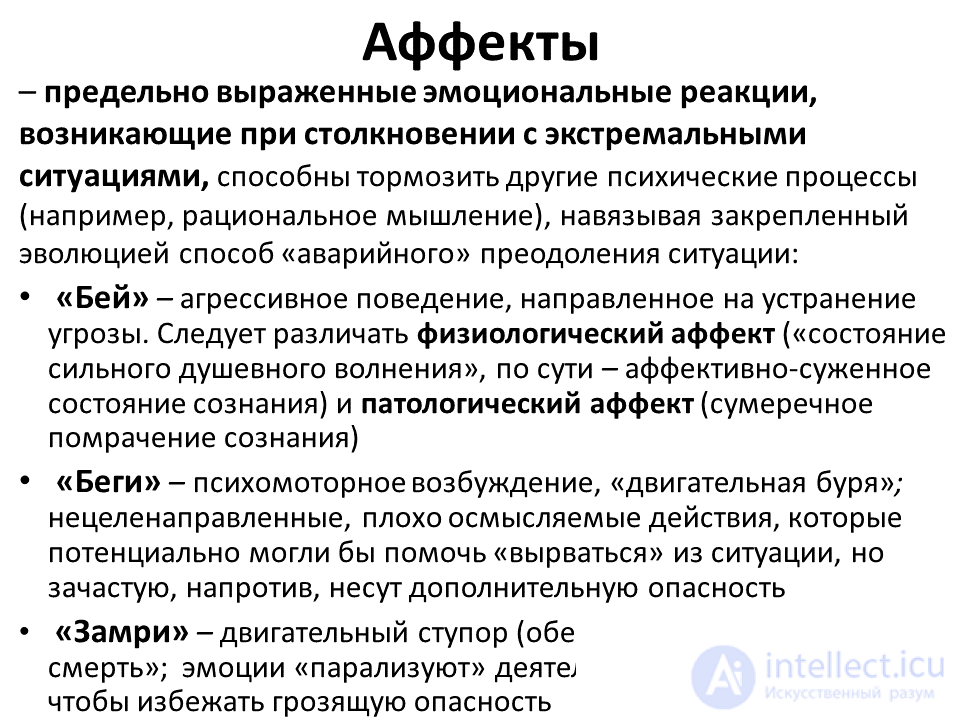
23. A strong and relatively brief emotional experience accompanied by sharply pronounced motor and visceral manifestations and a reduction in volitional control - this is:
24. Stable emotional relationships of a person to the phenomena of reality, reflecting the significance of these phenomena in relation to their needs and motives - this is:
25. The stage of a volitional act associated with forming a sequence of actions leading to the achievement of goals:
26. Which of the following is NOT a condition for the occurrence of involuntary attention:
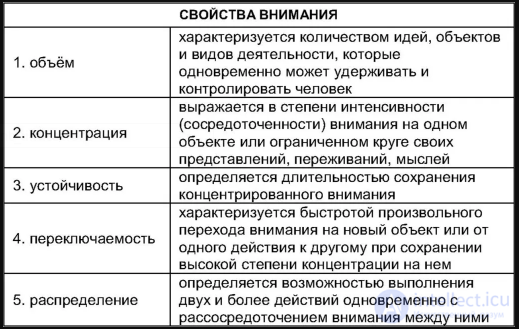
27. The number of objects that can be correctly perceived when presented briefly and simultaneously - this is:
28. A cognitive process characterized by the reflection of individual properties and features of an object:
29. A property of sensation determined by the strength of the acting stimulus and the functional state of the receptor:
30. The interval from the presentation of a stimulus to the beginning of the response reaction - this is:
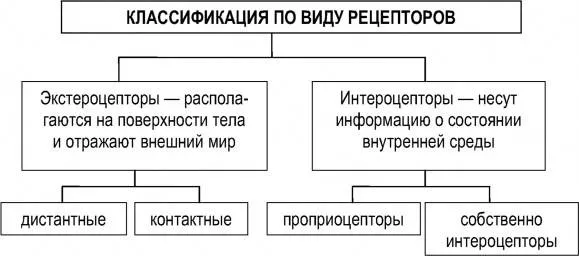
31. A type of exteroceptor whose activation usually gives rise to sensations with a somatic localization, and whose activation occurs only through direct contact of the receptor with the object - this is:
32. One of the properties of perception consisting in singling out certain objects (or their parts) and features from the sensory field while abstracting from all other characteristics:
33. The dependence of the perception of objects and phenomena of the surrounding reality on the past experience of a given subject, on the content and orientation of their current activity, and on their personal characteristics - this is:
34. A type of vergence movement characterized by the convergence of the visual axes of both eyes toward closer objects - this is:
35. The psychophysical phenomenon in which, upon adaptation to weak illumination, the maximum of the observer's spectral sensitivity curve shifts toward bluish-green tones from the point of maximum daytime vision, which lies at the wavelengths of yellow-green tones (a differential change occurs in the apparent brightness of differently colored objects, e.g., red poppies in a flower bed lose visible brightness, while blue flowers - cornflowers - become brighter and more noticeable) - this is:

36. A method of practically solving problems that involves visually examining a situation and taking practical actions within it using material objects - this is:
37. The mental isolation and extraction of certain elements of a specific set while disregarding the other elements of that set - this is:
38. A type of thinking associated with solving problems that have a single correct solution, determined with the help of previously learned algorithms - this is:
39. The ability to change a previously planned path for solving a problem if it fails to satisfy the conditions of the problem that gradually emerge during the process of solving it constitutes the essence of a quality of thinking known as:
40. One of the types of speech characterized by productivity and activity - this is:
41. Increasing or decreasing the size of an object, changing the number of its parts, or shifting them is known as:
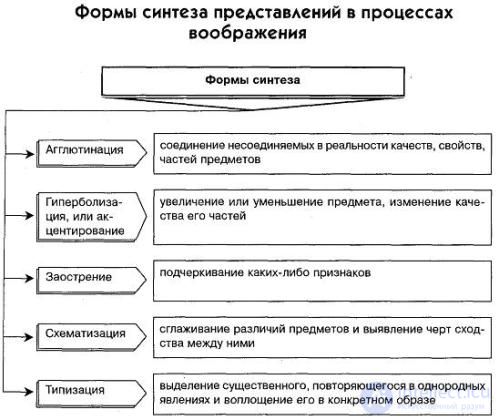
42. The creative capacities (abilities) of a person, which can manifest in thinking, feelings, communication, and particular types of activity, and can characterize the personality as a whole and its individual aspects, as well as the products of activity and the process of their creation - this is:
43. A type of memory based on establishing semantic connections in the material being memorized - this is:
44. A type of memory in humans and animals characterized by long-term retention of material after its repeated repetition and reproduction - this is:
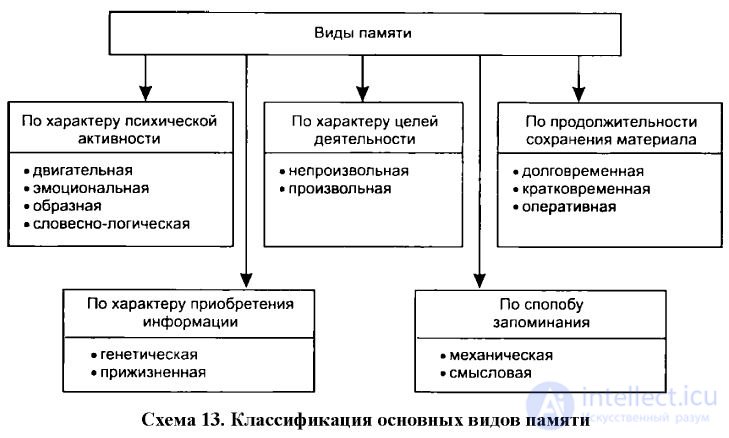
45. One of the processes of memory manifested in the inability to recall or recognize information, or in erroneous recall or recognition - this is:
46. The imprinting of perceived information without any mental processing - this is:
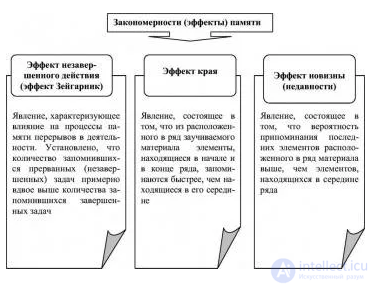
47. A mnestic effect consisting in the dependence of the effectiveness of remembering material (actions) on the degree of their completion:
48. A property of memory processes manifested in the functional variability of mnestic actions and operations, conditioned by the characteristics of the material, its significance, the subject's motives and goals, and their past experience:
49. A type of memory that includes the processes of encoding, retaining, and reproducing information processed during the performance of an action and needed only for achieving the goal of that particular action:
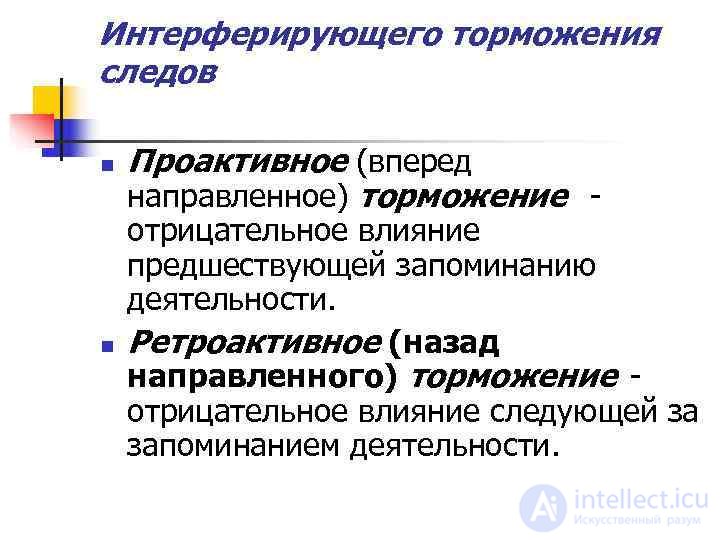
50. The negative influence of preceding activity on the memorization of material being learned:
Correct answers
|
|
|
|
|
|
|
|
|
|
|
|
|
|
|
|
|
|
|
|
|
|
|
|
|
|
|
|
|
|
|
|
|
|
|
|
|
|
|
|
|
|
|
|
|
|
|
|
|
|
|
|
|
|
|
|
|
|
|
|
|
|
|
|
|
|
|
|
|
|
|
|
|
|
|
|
|
|
|
|
|
|
|
|
|
|
|
|
|
|
|
|
|
|
|
|
|
|
|
|
|
|
|
|
|
|
|
|
|
|
|
|
|
|
|
|
|
|
|
|
|
|
|
|
|
|
|
|
|
|
|
|
|
|
|
|
|
|
|
|
|
|
|
|
|
|
|
|
|
|
|
|
|
|
|
|
|
|
|
|
|
|
|
|
|
|
|
|
|
|
|
|
|
|
|
|
|
|
|
|
|
|
|
|
|
|
|
|
|
|
|
|
|
|
|
|
|
|
|
|
|
|
|
|
|
|
|
|
|
|
|
|
|
|
|
|
|
|
|
|
|
|
|
|
|
|
|
|
|
|
|
|
|
|
|
|
|
|
|
|
|
|
|
|
|
|
|
|
|
|
|
|
|
|
|
Criteria for evaluating test results for the course "Fundamentals of General Psychology"
|
|
|
|
|
|
|
|
|
|
|
|
|
|
|
|
|
|
|
|

Comments