Welcome to the world of psychology tests! Psychology is a fascinating and multifaceted science that studies human behavior, thoughts, and emotions. If you are preparing to take psychology tests, then you are on the right path to expanding your knowledge and understanding of important aspects of the human psyche.
In this article, we will provide you not only with answers to psychology tests, but also with diagrams that will help you better understand and remember key concepts and theories. This is a valuable resource that will help you successfully handle the tests and improve your preparation in the field of psychology.
-
The value of answers and diagrams: Answers to psychology tests will let you check your knowledge and understand how well you have mastered the material you have studied. Diagrams, in turn, will help you see the logical structure and interrelationships between concepts and theories, which contributes to a deeper and more systematic understanding of the subject.
-
Approach to taking the tests: It is recommended not simply to memorize the answers, but to work through their logic and reasoning. Understanding the basic concepts and theories will allow you to answer more difficult questions and better analyze situations related to psychology.
-
Studying the diagrams: Studying the diagrams will help you organize information and see the connections between different concepts. When studying a diagram, pay attention to the key terms, principles, and models that will help you better remember and apply the knowledge.
-
Additional resources: Along with the answers and diagrams, it is recommended to use additional resources, such as our website (psychology section), textbooks, articles, lectures and video materials, communication with professional psychologists, and visits to relevant museums. A variety of sources will help you get a fuller picture of various aspects of psychology and prepare for a wide range of question types.
-
Self-assessment and review: After taking the tests, evaluate your results and analyze your mistakes. Pay attention to the areas where you experience difficulties, and devote more time to further review and in-depth study of them.
Prepare for success using the answers and diagrams for psychology tests! Preparing for the tests will help you strengthen and expand your knowledge of psychology, and understanding key concepts and theories with the help of the diagrams will let you better navigate difficult questions. Put in the effort, and your preparation will bring you the desired results. Good luck!
1. The psyche and the patterns of its manifestation and development are studied by...
- 1) differential psychology
- 2) social psychology
- 3) general psychology*
- 4) genetic psychology
the correct answer is at the end of the article
2. General psychology examines...
- 1) mental processes, properties, and states of the personality*
- 2) the dynamics of age-related development
- 3) the patterns of learning and upbringing
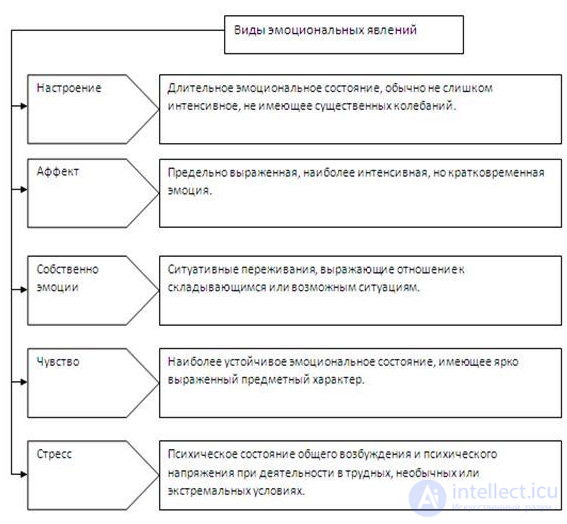
- 4) the characteristics of relationships in large and small groups
3. One of the distinguishing features of scientific psychology compared with everyday psychology is...
- 1) conclusions built on observations
- 2) mutually contradictory conclusions
- 3) rigorous facts obtained through special research*
- 4) stereotypical views and beliefs
4. The main methods of psychology are...
- 1) testing and surveying
- 2) observation and experiment*
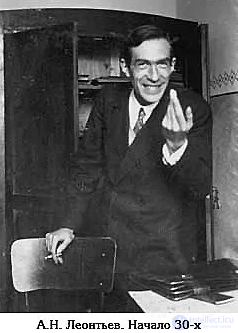
- 3) the sociometry method
- 4) analysis of the products of creative activity
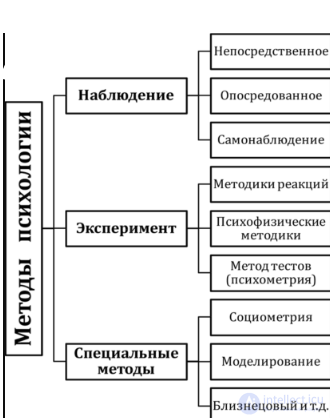
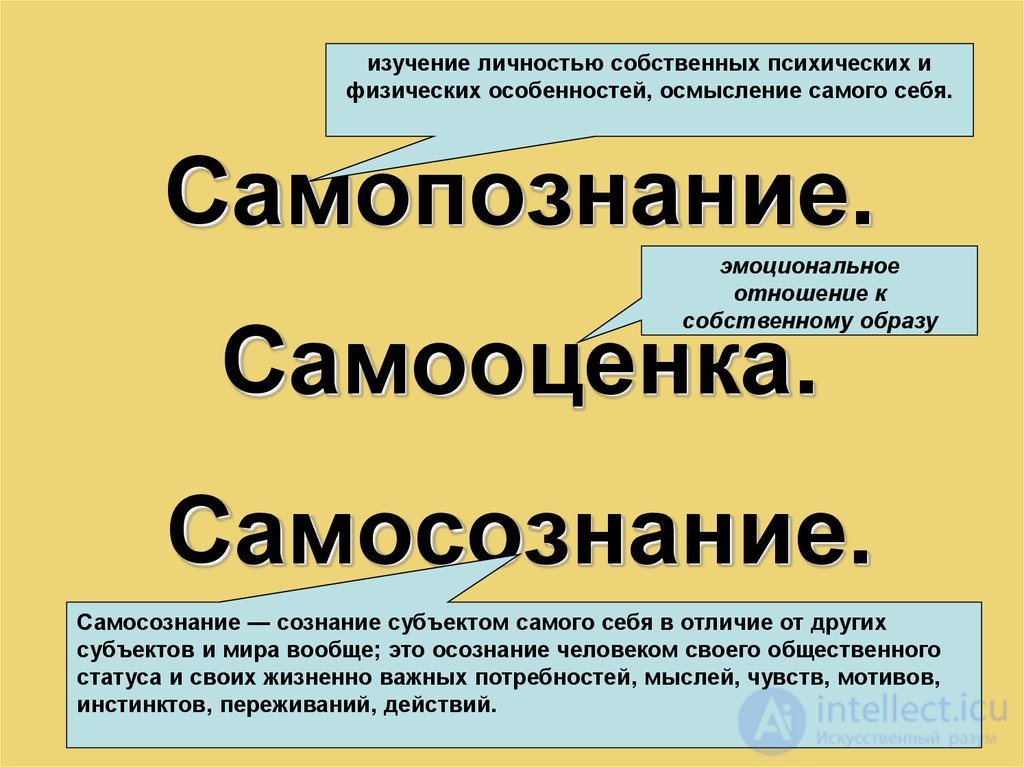
5. The method consisting of the deliberate, purposeful, and recorded perception of the external manifestations of the psyche is...
- 1) testing
- 2) observation*
- 3) conversation
- 4) experiment
6. The main biological prerequisites for the emergence of human consciousness are...
- 1) the formation of the hand
- 2) self-awareness
- 3) labor and speech*
- 4) purposeful behavior
7. The biological form of reflection is -
- 1) behavior
- 2) instinct
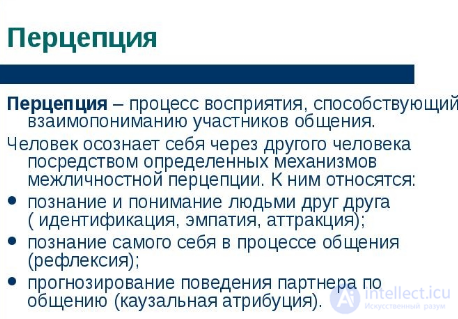
- 3) irritability*
- 4) activity
8. The highest form of mental reflection, unique to humans, is -
- 1) will
- 2) reflex
- 3) consciousness*
- 4) emotions
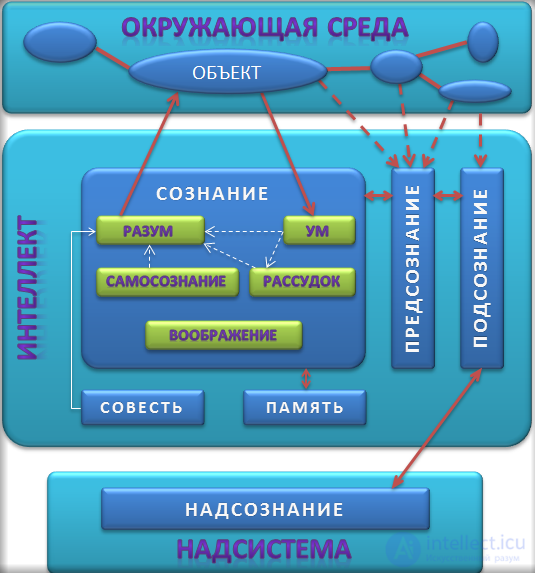
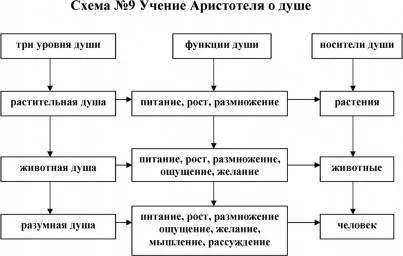
9. The author of the treatise "On the Soul" is -
- 1) Plato
- 2) Democritus
- 3) Aristotle*
- 4) Epicurus
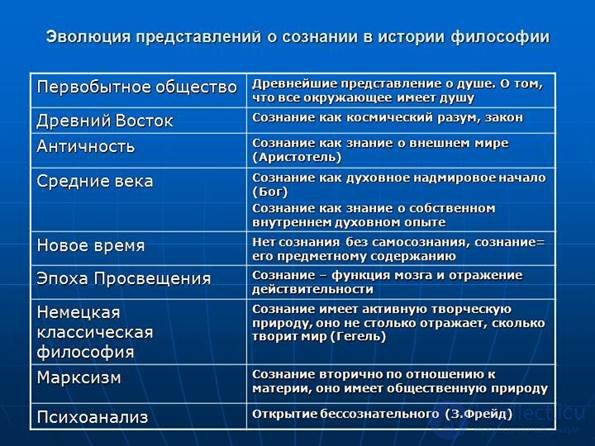
10. A questionnaire form with a pre-designed system of questions is -
- 1) a test
- 2) an inventory
- 3) a questionnaire*
- 4) a text
11. Genetically determined behavior is -
- 1) intellectual
- 2) a skill
- 3) instinctive*
- 4) moral
12. The highest level of mental reflection is -
- 1) irritability
- 2) intelligent behavior
- 3) consciousness*
- 4) self-awareness
13. A change in sensitivity depending on environmental conditions is...
- 1) adaptation*
- 2) sensitization
- 3) apperception
- 4) agglutination
14. The reflection in a person's consciousness of individual properties of objects and phenomena that directly affect the sense organs is -
- 1) perception
- 2) attention
- 3) sensations*
- 4) imagination
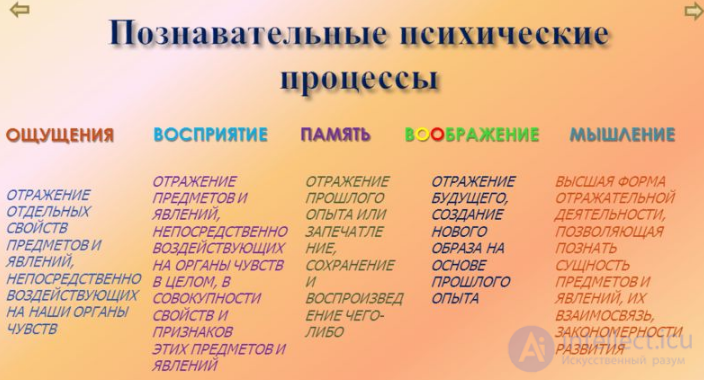
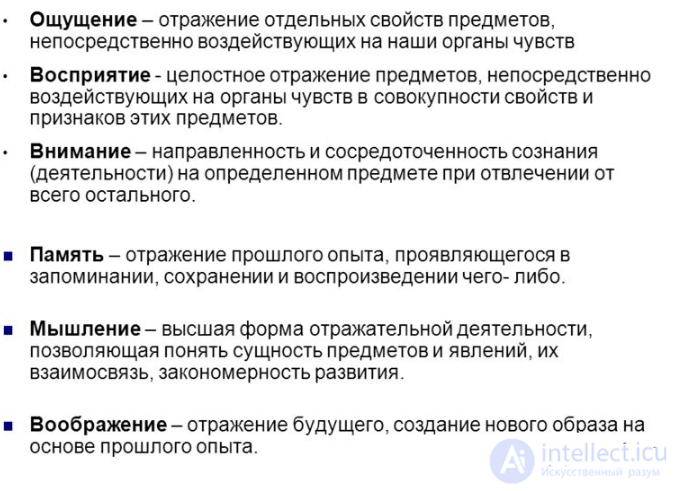
15. Perception is the reflection in a person's consciousness of...
- 1) individual properties of an object
- 2) past experience
- 3) the object as a whole*
- 4) further actions
16. Establishing connections between objects and phenomena is called...
- 1) representations
- 2) associations*
- 3) selectivity
- 4) receptivity
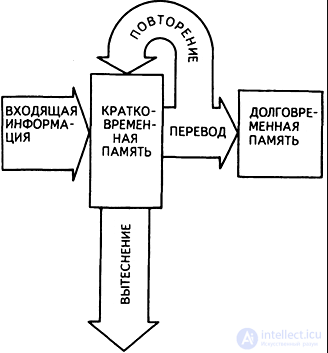
17. A process of short duration, but sufficient for accurate reproduction
- 1) long-term memory
- 2) short-term memory*
- 3) working memory
- 4) instantaneous memory
18. Mental operations include...
- 1) comparison, analysis, synthesis, generalization
- 2) inference
- 3) general and particular concepts
- 4) judgment*
19. The type of thinking that relies on perception or mental imagery is called...
- 1) visual-figurative*
- 2) object-based/action-based
- 3) theoretical
- 4) abstract-logical
20. The property of attention that allows two different activities to be performed at the same time is...
- 1) span
- 2) distribution*
- 3) switching
- 4) stability
21. The degree of concentration of consciousness on an object is an indicator of attention known as...
- 1) object
- 2) concentration*
- 3) distribution
- 4) switching
22. Concentration of consciousness on a particular object, phenomenon, or experience is provided by...
- 1) reflection
- 2) perception
- 3) attention*
- 4) memory
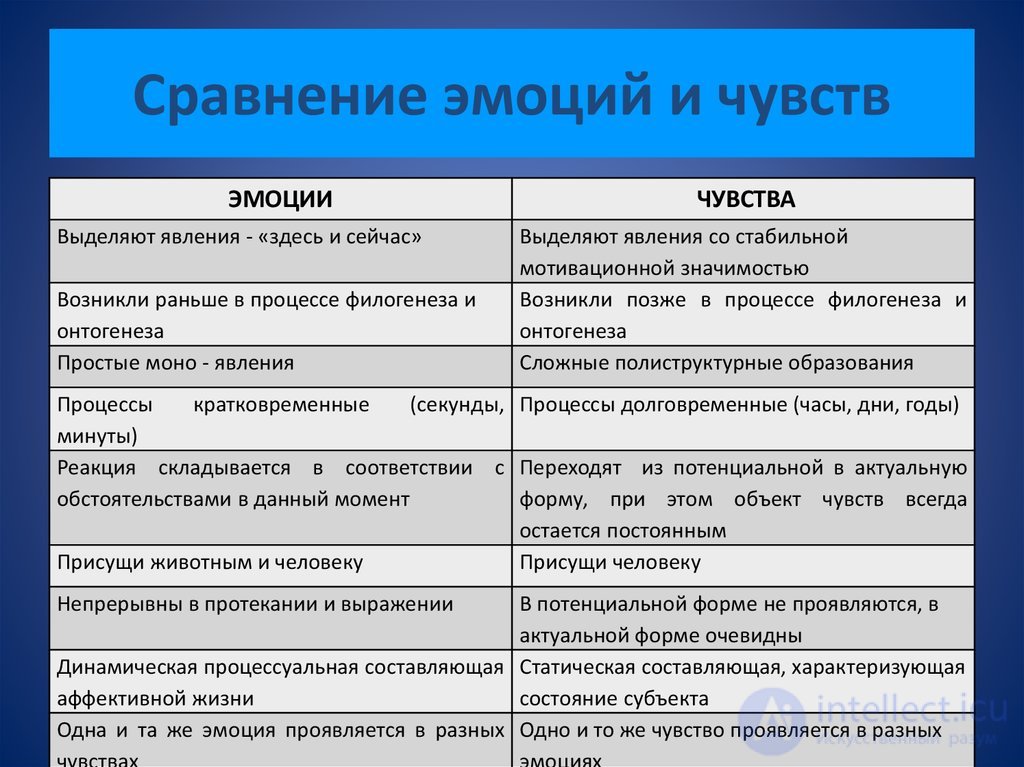
23. A complex, stable, established emotional attitude of a person is called...
- 1) emotions
- 2) feelings*
- 3) mood
- 4) love
24. Violent, short-lived emotional outbursts that engulf the entire personality are -
- 1) passion
- 2) frustration*
- 3) affect
- 4) stress
25. The typological characteristics of temperament do not include...
- 1) the strength of nervous processes
- 2) stability*
- 3) balance
- 4) mobility
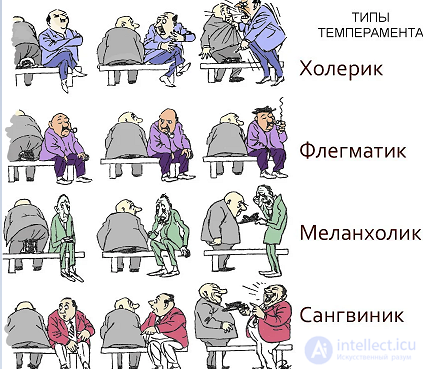
26. The sanguine type of temperament is characteristic of a person who is...
- 1) fast, impulsive, with strong, easily kindled feelings that are vividly reflected in expressive facial expressions, gestures, and speech
- 2) fast, agile, responding emotionally to all impressions, quickly establishing social contacts*
- 3) slow, balanced, and calm, not easily offended emotionally and impossible to provoke
- 4) very sensitive to offense, taking failures hard, inclined toward isolation and loneliness
27. The highest degree of manifestation of a person's creative powers is called...
- 1) talent
- 2) giftedness
- 3) genius*
- 4) predisposition
28. The proposition on the unity of consciousness and activity was first put forward by...
- 1) S.L. Rubinstein*
- 2) A.N. Leontiev
- 3) G.A. Kovalev
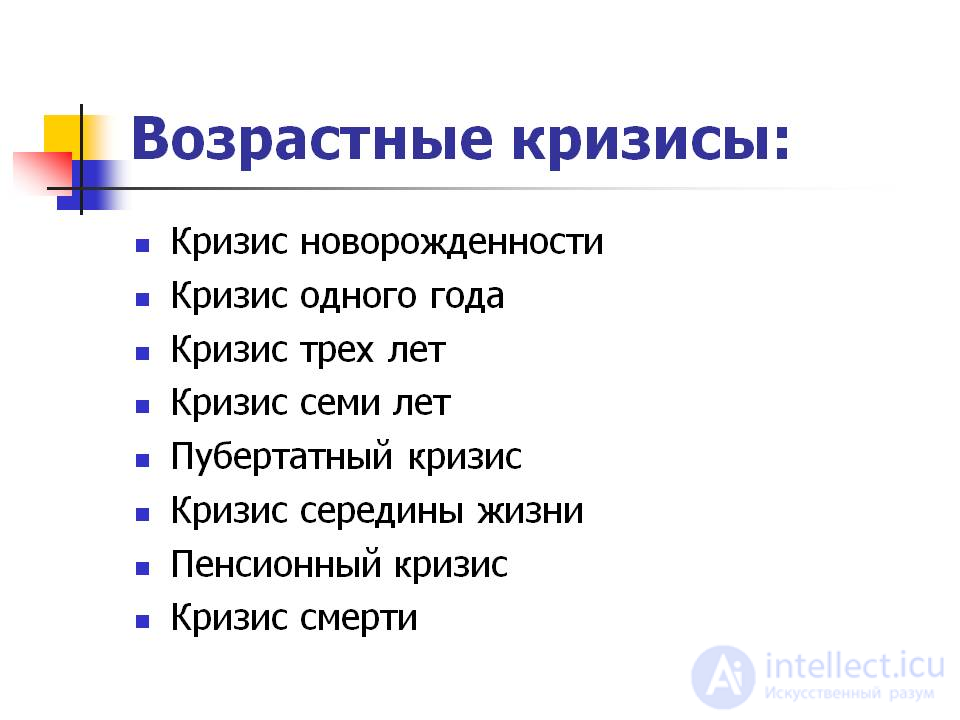
- 4) L.S. Vygotsky
29. The concept of higher mental functions was introduced into scientific use by...
- 1) L.S. Vygotsky*
- 2) A.N. Leontiev
- 3) A.R. Luria
- 4) P.Ya. Galperin
30. The development of the human organism over the course of life is -
- 1) ontogenesis*
- 2) phylogenesis
- 3) sociogenesis
- 4) anthropogenesis
31. The development of the human species is -
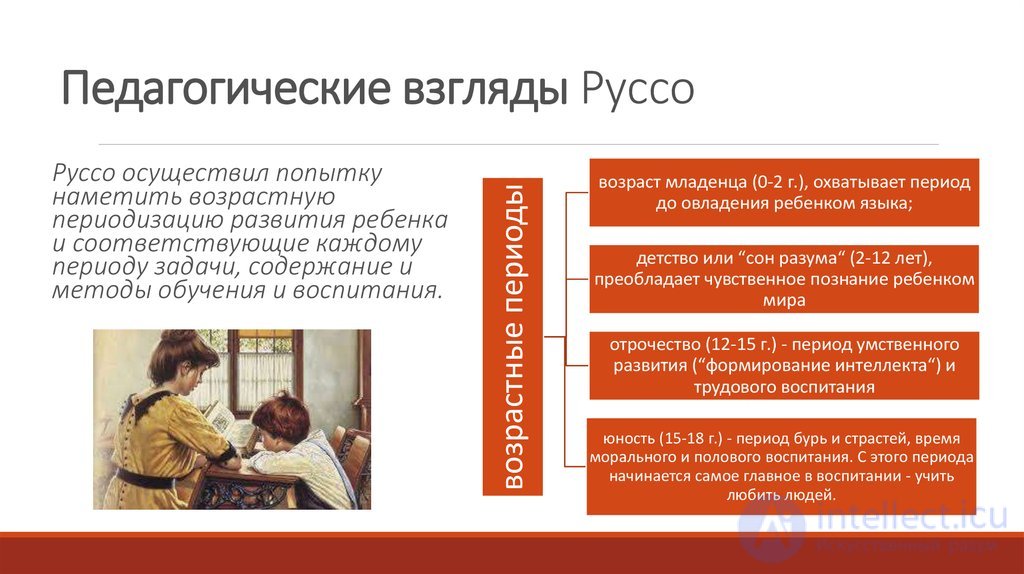
- 1) ontogenesis
- 2) phylogenesis
- 3) sociogenesis
- 4) anthropogenesis*
32. The concept of "leading activity" was put forward by the scientist...
- 1) L.S. Vygotsky
- 2) D.B. Elkonin
- 3) A.N. Leontiev*
- 4) S.L. Rubinstein
33. Consciousness, as the highest form of mental reflection, is characterized by...
- 1) concreteness
- 2) objectness
- 3) clarity
- 4) objectivity*
34. A person's evaluation of themselves, their abilities, personal qualities, and place within the system of interpersonal relationships is -
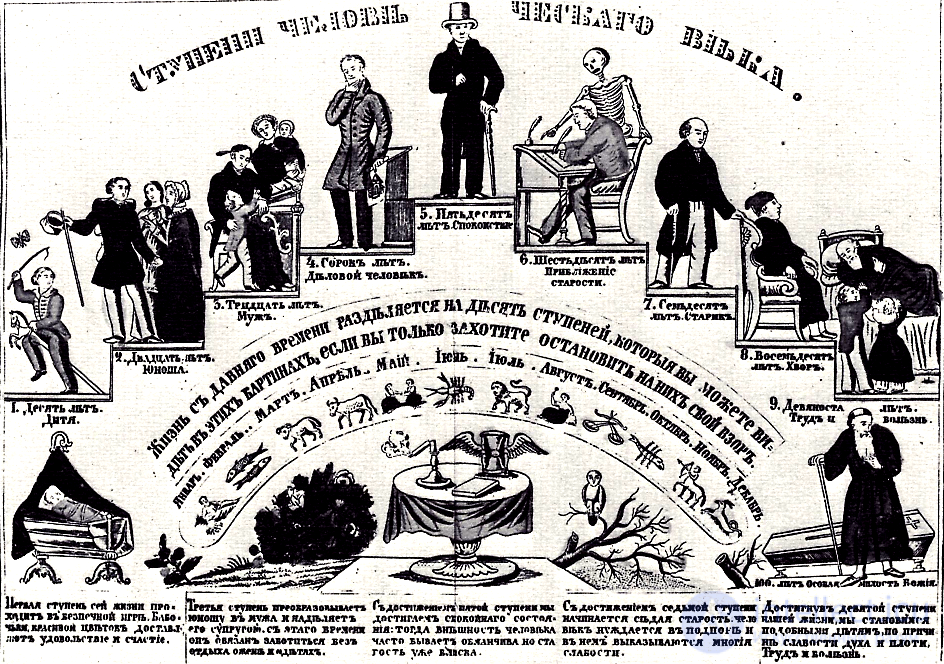
- 1) self-esteem*
- 2) self-presentation
- 3) self-perception
- 4) self-sensation
35. A sense organ that converts the energy of an external influence into nerve signals is -
- 1) an analyzer
- 2) a receptor*
- 3) a regenerator
- 4) a conductor
36. Perception is commonly called...
- 1) touch
- 2) apperception
- 3) perception (in the strict sense)*
- 4) observational skill
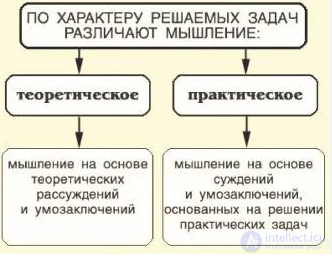
37. Theoretical and practical thinking are distinguished...
- 1) by the type of tasks being solved*
- 2) by the nature of the generalizations
- 3) by the activity of the subject
- 4) by the leading analyzer
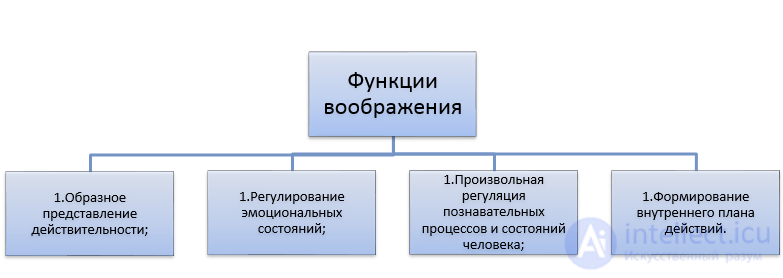
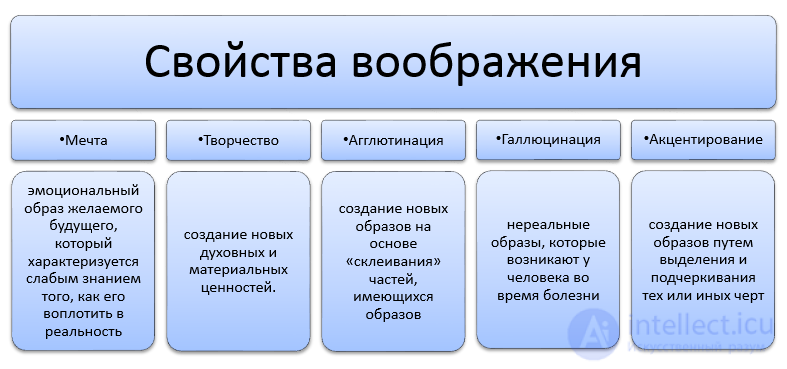
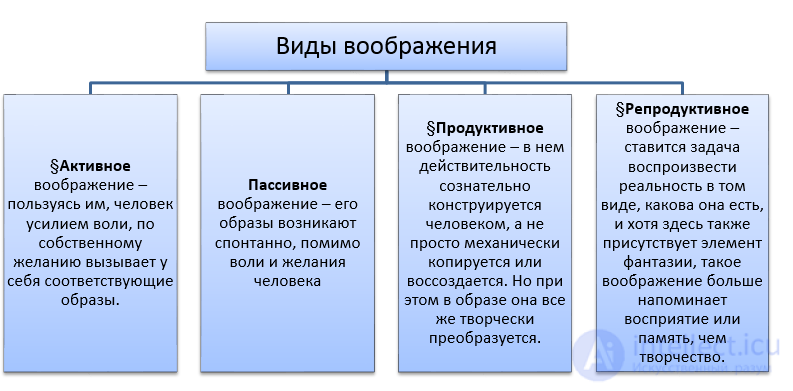
38. Creative activity based on the creation of new images is called...
- 1) perception
- 2) thinking
- 3) imagination*
- 4) attention
39. A condition that does not give rise to involuntary attention is...
- 1) the novelty of the stimulus
- 2) the unexpectedness of the stimulus
- 3) the person's interest
- 4) the person's fatigue*
40. The most long-lasting emotional state, coloring a person's entire behavior, is -
- 1) emotions
- 2) affect
- 3) mood*
- 4) feeling
41. A person's property manifested in their ability to consciously control their own psyche and actions, and to overcome obstacles on the way to achieving a goal
- 1) stimulus generalization
- 2) will*
- 3) determination
- 4) interest
42. The method of psychology by which the information of interest about an object can be obtained through written answers to predetermined, purposeful questions is -
- 1) surveying*
- 2) conversation
- 3) interview
- 4) sociometry
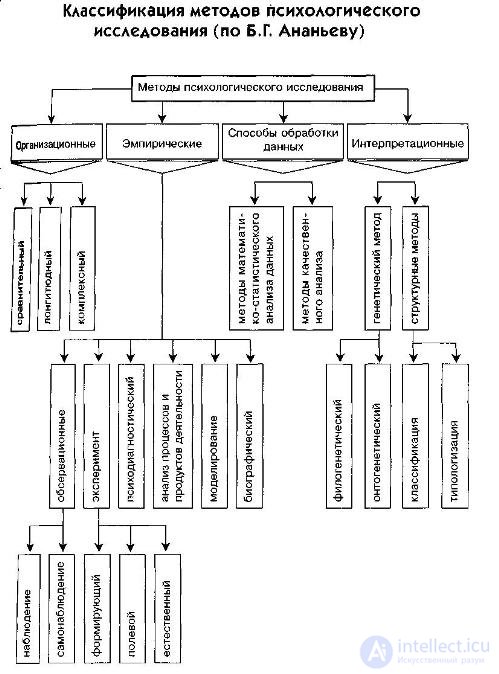
43. The active intervention of a researcher in the activity of a subject in order to create conditions for identifying and establishing a psychological fact is -
- 1) conversation
- 2) analysis of the products of activity
- 3) experiment*
- 4) content analysis
44. Emotions are a person's experiencing of something as...
- 1) direct*
- 2) indirect
- 3) conscious
- 4) rational
45. Feelings are called...
- 1) direct experiences of something
- 2) stable emotional relationships toward someone or something*
- 3) persistent, strong, long-lasting emotional states
- 4) an indifferent attitude toward reality
46. Higher feelings connected with cognitive activity are -
- 1) moral
- 2) aesthetic
- 3) intellectual*
- 4) practical
47. Comprehending another person's emotional states in the form of empathy and sympathy is -
- 1) reflection
- 2) identification
- 3) empathy*
- 4) sympathy
48. Volitional regulation is characterized by actions that are... Choose one of 4 answer options:
- 1) unconscious
- 2) conscious*
- 3) intuitive
- 4) involuntary
49. The mental state that does not belong to the sthenic (energizing) states is -
- 1) cheerfulness
- 2) enthusiasm
- 3) apathy*
- 4) elevated mood
50. According to H. Eysenck's concept, an emotionally unstable introvert is a...
- 1) choleric
- 2) melancholic*
- 3) sanguine
- 4) phlegmatic
51. Exclude the odd word...
- 1) temperament
- 2) abilities
- 3) stability*
- 4) character
52. The developed state of natural inclinations, a favorable psychological factor for a person's successful professional self-realization, is -
- 1) proficiencies
- 2) skills
- 3) knowledge
- 4) abilities*
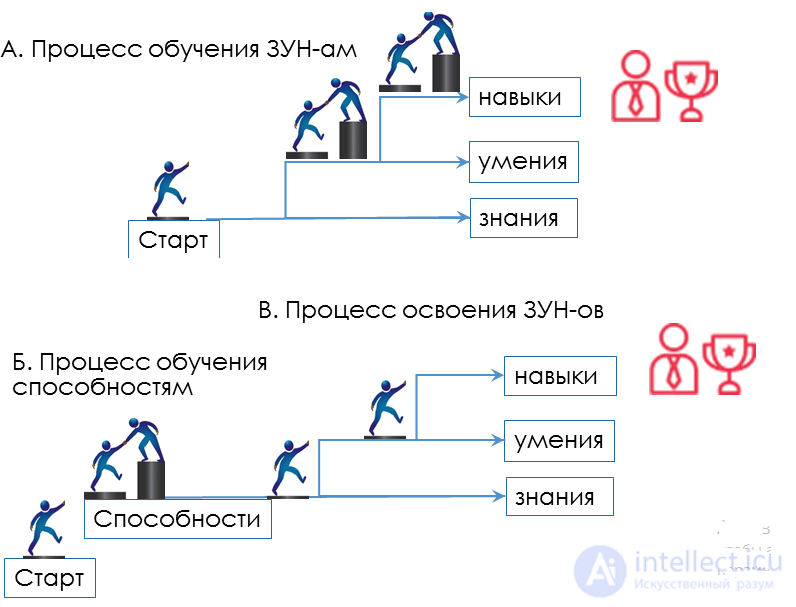
53. The type of perception that arises on the basis of tactile and kinesthetic (motor) sensations is -
- 1) apperception
- 2) illusion
- 3) observational skill
- 4) touch*
54. The biological basis for the development of abilities is considered to be...
- 1) genes
- 2) inclinations/aptitudes*
- 3) origin
- 4) lineage
55. The regular relationship of an individual's stable characteristics, describing various aspects of the dynamics of mental activity, is -
- 1) character
- 2) temperament*
- 3) feelings
- 4) will
56. Quickly gets along with people, cheerful, easily switches from one type of activity to another, but dislikes monotonous work...
- 1) sanguine*
- 2) phlegmatic
- 3) choleric
- 4) melancholic
57. Even-tempered in behavior, does not make hasty decisions, switches slowly from one type of activity to another, low activity level -
- 1) sanguine
- 2) phlegmatic*
- 3) choleric
- 4) melancholic
58. Overly impressionable, easily hurt, adapts slowly and gets used to changes slowly, shy, timid, indecisive -
- 1) sanguine
- 2) phlegmatic
- 3) choleric
- 4) melancholic*
59. Temperament is understood as the... characteristics of mental activity
- 1) static
- 2) content-related
- 3) dynamic*
- 4) acquired
60. According to I.P. Pavlov, the classification of temperament types was built taking into account...
- 1) the ratio of fluids in the human body
- 2) the characteristics of nervous system functioning*
- 3) body structure
- 4) the predominance of the right or left hemisphere of the brain
61. The central category of the psychology of cognitive processes is the category of...
- 1) relation
- 2) reflection*
- 3) mental set
- 4) perception
62. The anatomical-physiological apparatus intended to receive certain stimuli from the external and internal environment and convert them into sensations is -
- 1) a receptor
- 2) the conducting section
- 3) an analyzer*
- 4) a reflex
63. A change in sensitivity to adapt to external conditions is known as...
- 1) accommodation
- 2) adaptation*
- 3) synesthesia
- 4) sensitization
64. The reflection in a person's consciousness of objects and phenomena as a whole that directly affect their sense organs is...
- 1) sensations*
- 2) perception
- 3) mental imagery
- 4) imagination
65. Mental activity directed at creating new images is -
- 1) perception
- 2) thinking
- 3) imagination*
- 4) attention
66. The reflection in a person's consciousness of the most complex cause-and-effect relationships between objects and phenomena of the objective world is -
- 1) perception
- 2) imagination
- 3) thinking*
- 4) mental imagery
67. The type of thinking that relies on the direct perception of objects and their actual transformation is -
- 1) visual-figurative
- 2) visual-active*
- 3) verbal-logical
- 4) abstract
68. A relatively stable structure of mental abilities is -
- 1) thinking
- 2) insight
- 3) intelligence*
- 4) giftedness
69. Concentration of consciousness on a particular object, phenomenon, or experience is provided by -
- 1) perception
- 2) reflection
- 3) attention*
- 4) memory
70. The ability of a person to retain and reproduce "traces" of influences on the psyche is called...
- 1) perception
- 2) imagination
- 3) thinking
- 4) memory*
71. The type of memory based on establishing semantic connections in the material being memorized is called... memory
- 1) mechanical
- 2) logical*
- 3) emotional
- 4) auditory
72. The type of memory in which feelings experienced by a person are retained and reproduced:
- 1) visual-figurative
- 2) phenomenal
- 3) emotional*
- 4) verbal-logical
73. Information is better remembered if it...
- 1) is perceived by ear
- 2) is perceived visually
- 3) is incorporated into practical activity*
- 4) is repeated silently to oneself
74. Speech is (choose the most complete and accurate formulation)...
- 1) language
- 2) an exchange of opinions
- 3) the process of using language for the purposes of communication*
- 4) a discussion
75. Temperament was first described by...
- 1) Aristotle
- 2) Plato
- 3) Hippocrates*
- 4) Pavlov
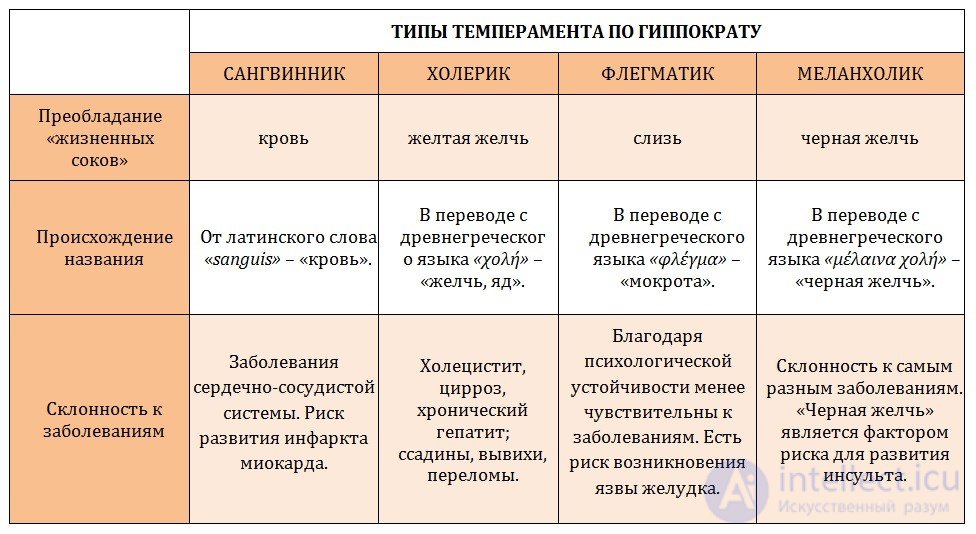
76. An overwhelming, subconscious drive toward the achievement of something is...
- 1) will
- 2) passion*
- 3) need
- 4) interest
77. The manifestation of character is in most cases determined by...
- 1) acceleration of development
- 2) the phenomenon of hospitalism
- 3) the influence of the environment*
- 4) genetic predisposition
78. A natural predisposition to perform a certain kind of activity is -
- 1) talent
- 2) genius
- 3) aptitudes/inclinations*
- 4) abilities
79. A process in which the surrounding reality is presented in implausible images is -
- 1) imagination
- 2) hallucinations
- 3) illusions*
- 4) synesthesia
80. A quality that characterizes the manifestation of personality...
- 1) emotionality
- 2) irritability
- 3) neatness*
- 4) vulnerability
81. The founder of the doctrine of the unconscious, subconscious, and conscious levels of the psyche is -
- 1) Leontiev
- 2) Freud*
- 3) Wundt
- 4) Rubinstein
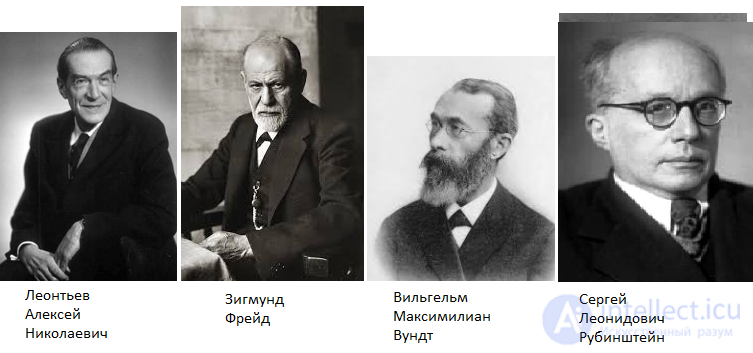
82. Psychology became established as an independent science in the...
- 1) 3rd century AD
- 2) 17th century
- 3) 19th century
- 4) 20th century*
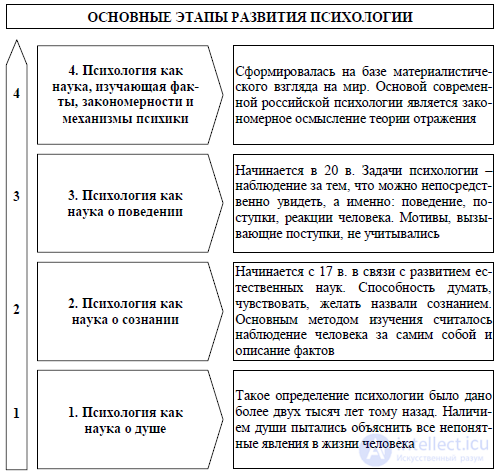
83. The primary basis of cognitive activity is considered to be:
- 1) thinking
- 2) imagination
- 3) sensations*
- 4) memory
84. A process in which surrounding reality is perceived in a distorted way, and the person is not aware of it, is -
- 1) hallucinations*
- 2) adaptation
- 3) synesthesia
- 4) imagination
85. A person who easily establishes social contacts with the people around them
- 1) introvert
- 2) extrovert*
- 3) ambivert
- 4) echoist
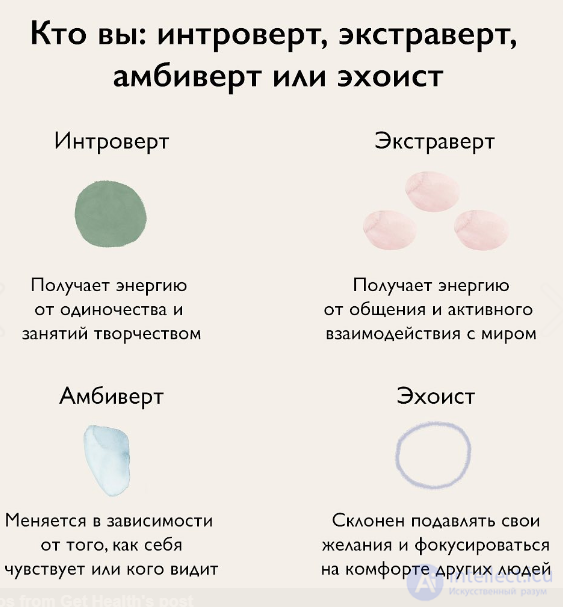
86. The psyche is...
- 1) a reflection of surrounding reality through the activity of the brain*
- 2) a physiological function of the nervous system
- 3) reflexive activity of the brain
- 4) a manifestation of the soul, knowable through introspection
87. The most ancient method of psychological inquiry is considered to be...
- 1) testing
- 2) surveying
- 3) observation*
- 4) experiment
88. Admiration for the beauty of nature is a manifestation of...
- 1) intellectual feelings
- 2) aesthetic feelings*
- 3) moral feelings
- 4) practical feelings
89. A person for whom it is difficult to enter into the process of communicating with the people around them is -
- 1) heteroverte
- 2) extrovert
- 3) introvert*
- 4) hypoverte
90. Inability to concentrate on the object being studied is due to...
- 1) involuntary attention
- 2) post-voluntary attention
- 3) selectivity of perception
- 4) absent-mindedness*
91. Personality is formed in the process of...
- 1) activity*
- 2) upbringing
- 3) education
- 4) developing volitional qualities
92. The type of activity in the process of which the mastery of the surrounding world takes place during preschool age is -
- 1) learning-related
- 2) labor-related
- 3) play*
- 4) productive
93. An automated action formed in the process of practice/exercises is -
- 1) a skill*
- 2) a proficiency
- 3) a habit
- 4) conformity
94. The ability to perform certain actions without prior deliberation is -
- 1) a habit
- 2) a proficiency*
- 3) a skill
- 4) talent
95. The physiological process opposite to nervous excitation, leading to a slowing or delay in the conduction of impulses in the nerve centers, is -
- 1) inertness
- 2) inhibition*
- 3) dynamism
- 4) lability
96. A suppressed emotional state manifested in slowed movements and a decreased interest in the surrounding world is -
- 1) stress
- 2) apathy
- 3) depression*
- 4) jealousy
97. A character trait manifested in the drive to satisfy only one's personal needs is -
- 1) egoism*
- 2) ambition
- 3) decisiveness
- 4) caprice
98. A personality orientation colored by positive emotions, connected with the manifestation of the cognitive need, is -
- 1) inquisitiveness
- 2) purposefulness
- 3) curiosity
- 4) interest*
99. The method that consists of obtaining information through the direct communication between a researcher and a subject is -
- 1) observation
- 2) surveying
- 3) conversation*
- 4) testing
100. A mental process that reflects individual properties of objects is -
- 1) imagination
- 2) thinking
- 3) memory
- 4) sensation*
101. Social psychology studies...
- 1) the development of the human psyche in ontogenesis
- 2) cognitive mental processes
- 3) individual differences among people
- 4) the interaction of people (and their groups) in society*
102. The founders of the accumulation of social-psychological knowledge are considered to be...
- 1) Herbert, Dickens, Watson
- 2) Aristotle, Plato, Heraclitus*
- 3) Schweiger, Skinner, Clause
- 4) Freud, Schmidt, Stewart
103. The founders of the psychology of peoples include...
- 1) McDougall
- 2) Wundt*
- 3) Tarde
- 4) Herbert
104. Social psychology turned into an experimental science engaged in applied research in the...
- 1) 1920s-1940s*
- 2) 1940s-1960s
- 3) 1960s-1980s
- 4) 1980s-1990s
105. The communicative, interactive, and perceptual sides of communication are examined within the ________________ approach to communication
- 1) pathopsychological
- 2) pathopsychological
- 3) socio-psychological*
- 4) psychophysiological
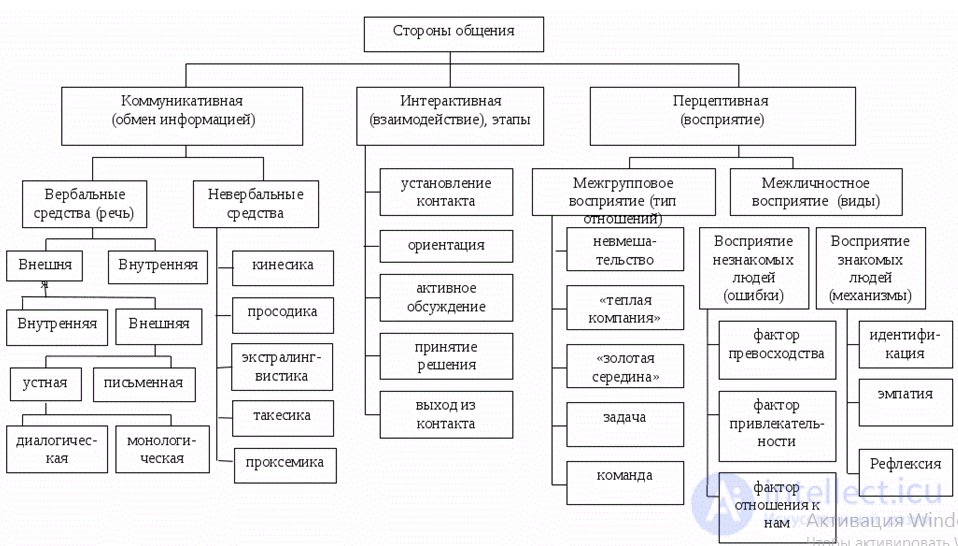
106. The interactive side of communication is understood as...
- 1) mutual perception
- 2) exchange of information*
- 3) interaction
- 4) mutual evaluation
107. The mutual influence of partners on one another in the process of communication is called...
- 1) communication
- 2) interaction*
- 3) perception
- 4) introspection
108. The tendency to preserve an impression once formed of another person constitutes the essence of the...
- 1) halo effect*
- 2) sequence effect
- 3) stereotyping effect
- 4) projection effect
109. Another person is regarded as an equal partner in communication, as a colleague in the joint search for knowledge, under the... style of activity
- 1) authoritarian
- 2) liberal
- 3) permissive
- 4) democratic*
110. A group of a high level of development is -
- 1) an association
- 2) a corporation
- 3) a collective*
- 4) an enterprise
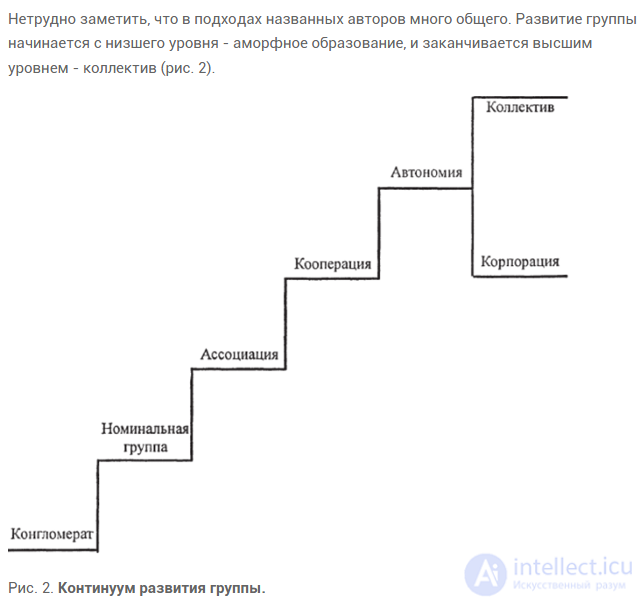
111. "Stars," "preferred," "neglected," "isolated," "rejected" - these are...
- 1) varieties of sociometric status*
- 2) social strata of society
- 3) social roles
- 4) group elements
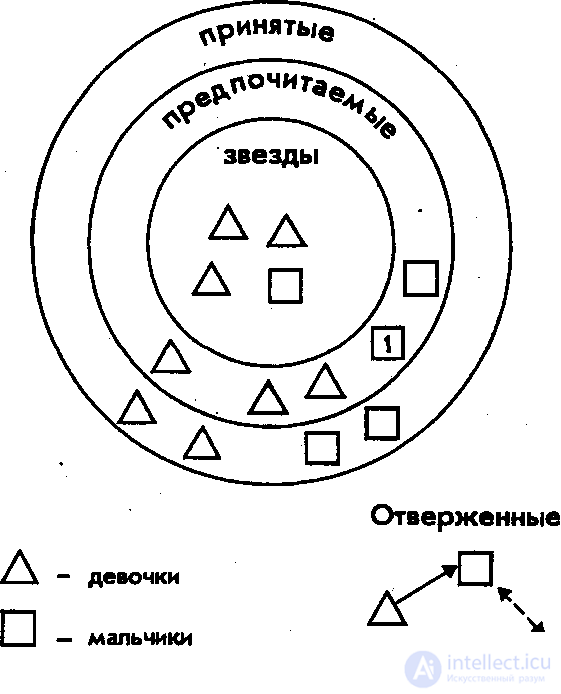
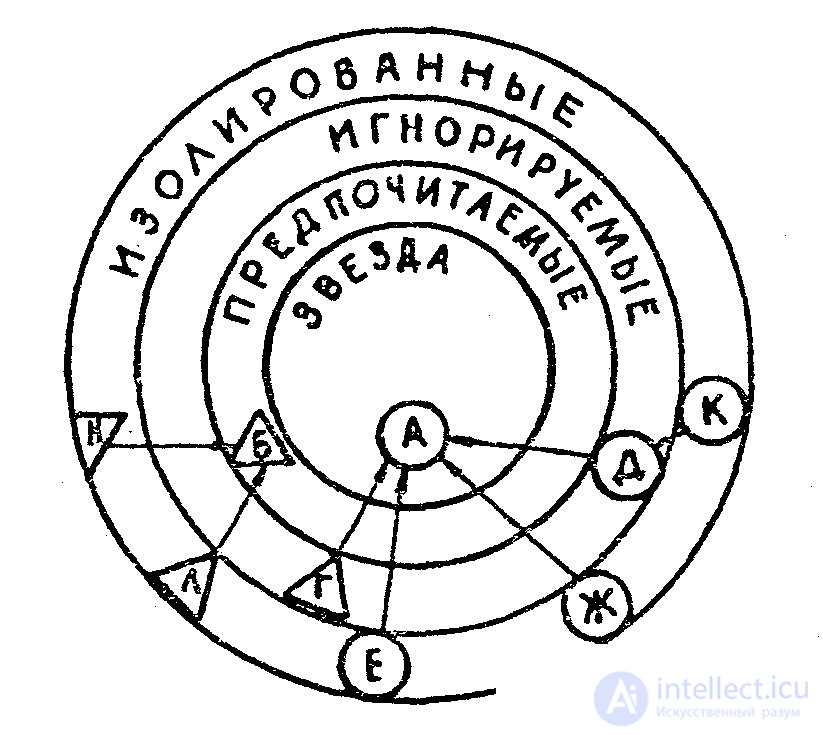
112. The socio-psychological manifestations of the personality and its relationships with other people are studied by... psychology
- 1) differential
- 2) social*
- 3) general
- 4) developmental
113. External manifestations of a person's mental activity include...
- 1) attitudes
- 2) expectations
- 3) planning
- 4) posture, facial expression, intonation*
114. Studying likes and dislikes and preferences is the basis of the... method
- 1) referentometry
- 2) sociometry*
- 3) longitudinal (method)
- 4) group cohesion
115. The perceptual side of communication is...
- 1) exchange of information
- 2) perceiving and evaluating one another*
- 3) visual communication
- 4) semantic barrier
116. Exchange of information is...
- 1) the communicative side of communication*
- 2) the perceptual side of communication
- 3) the interactive side of communication
- 4) the interferential side of communication
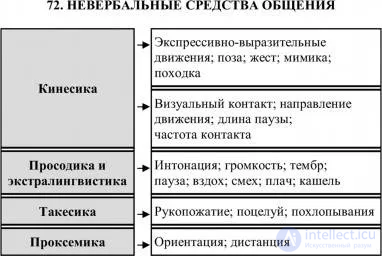
117. A verbal means of communication is -
- 1) speech*
- 2) facial expression
- 3) pantomime
- 4) space
118. A non-verbal means of communication does not include...
- 1) gaze
- 2) facial expression
- 3) pantomime
- 4) speech*
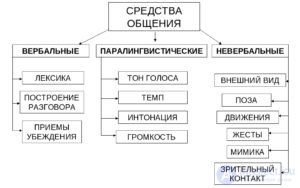
119. The causes of communicative barriers in communication do not include...
- 1) large social distance
- 2) character traits
- 3) sociability*
- 4) introversion
120. Patterns and rules of role behavior that regulate interaction in typical communication situations are called...
- 1) standards
- 2) social norms*
- 3) transactions
- 4) fashion
121. The maximum coincidence of social norms arises within...
- 1) a single culture
- 2) a single nationality
- 3) a social stratum
- 4) a small social group*
122. The greatest difficulties from not knowing social norms arise during...
- 1) intergroup interactions
- 2) communication between people belonging to different social strata
- 3) cross-communication between people belonging to cultures distant from one another*
- 4) belonging to the same culture
123. Coercion to comply with social norms is called...
- 1) social sanctions*
- 2) stereotypes
- 3) prejudices
- 4) inquiries
124. A method of psychological influence in the process of communication does not include...
- 1) suggestion
- 2) persuasion
- 3) emotional contagion
- 4) ranking*
125. A person's reproduction of the traits and patterns of behavior demonstrated by someone significant to them is called:
- 1) persuasion
- 2) imitation*
- 3) suggestion
- 4) fashion
126. A criterion for evaluating a group as a collective does not include...
- 1) the group's acceptance of collective values and goals
- 2) the group's ability to provide each of its members with the opportunity for full, harmonious development
- 3) the number of members in the group*
- 4) the correspondence of the group's goals to the goals of society
127. Identification is...
- 1) a behavior pattern in a typical situation
- 2) likening oneself to others*
- 3) seeing oneself through the eyes of others
- 4) repressing the unnecessary from consciousness
128. Attributing one's own qualities to a communication partner is called...
- 1) sublimation
- 2) the primacy (first impression) effect
- 3) the recency (last impression) effect
- 4) projection*
129. The spatial and temporal co-presence of people united by joint activity to achieve a shared, lasting goal, with an organizing structure of role-based and emotional relationships, and its own specific culture, is called...
- 1) a small group*
- 2) an experimental group
- 3) social interaction
- 4) a cultural community
130. Small groups do not include -
- 1) an association
- 2) a corporation
- 3) a social stratum*
- 4) a collective
131. The essential characteristics of a collective as a group include...
- 1) the emotional attraction between group members, the frequency of contacts
- 2) the altruistic orientation of each group member
- 3) the empathic tendencies of all group members
- 4) the socially useful and personally meaningful goals of the group*
132. A leader is...
- 1) an emotionally attractive person
- 2) a very sociable, charming person
- 3) a person who guides the group and whom the group follows*
- 4) an authoritative member of the group
133. The type of communication in which a partner is regarded as a means for achieving one's own goal is -
- 1) spiritual
- 2) play-based
- 3) business
- 4) primitive*
134. Covert influence on a partner for the purpose of gaining personal benefit is used by...
- 1) a manipulator*
- 2) a dictator
- 3) a communicator
- 4) an opponent
135. In the USSR, social psychology, for political reasons, did not develop during the...
- 1) 1910s-1930s
- 2) 1930s-1950s*
- 3) 1950s-1970s
- 4) 1970s-1980s
136. Communicative competence is...
- 1) a multilateral exchange of information leading to mutual understanding
- 2) a bilateral exchange of information leading to mutual understanding
- 3) the ability to establish and maintain the necessary contacts with other people*
- 4) a multifunctional exchange of needed information
137. Stereotypes are...
- 1) a tendency to reject everything that contradicts one's own views
- 2) simplified opinions about individuals or situations, without analysis or understanding of the situations or problems*
- 3) poor relations between people, where it is difficult to convince one person that another is right
- 4) a tendency for a person to exaggerate their own role in the process of communication
138. Open communication is...
- 1) the ability to sustain communication on any topic
- 2) the ability to openly express one's point of view
- 3) the desire and ability to fully express one's own point of view and the willingness to take others' positions into account*
- 4) the ability to persistently and fully express one's own point of view
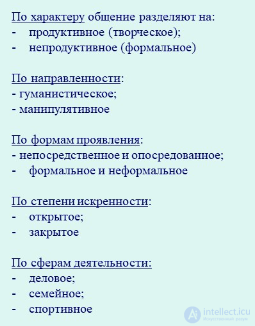

139. Closed communication is...
- 1) the inability to openly express one's point of view or the information one has*
- 2) unwillingness to share accumulated knowledge and communication experience with others
- 3) the inability to openly share information with a large group of people
- 4) the inability of a person to speak in front of a large audience

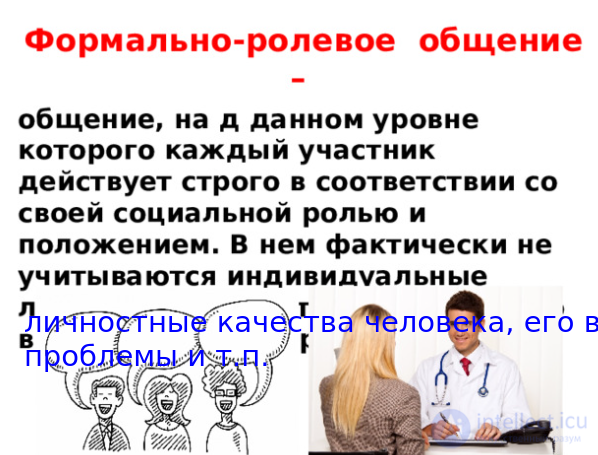
140. Role-based communication is communication carried out...
- 1) based on social functions
- 2) based on social role*
- 3) based on sphere of activity
- 4) based on social status
141. Transactional analysis of communication distinguishes three main positions -
- 1) Infant, Parent, Adult
- 2) Mature, Infant, Grown-up
- 3) Neighbor, Colleague, Relative
- 4) Child, Parent, Adult*
142. Tactile communication (haptics) studies...
- 1) touch in a communication situation*
- 2) speech influence in a communication situation
- 3) facial muscle movements in a communication situation
- 4) movements of the whole body's muscles in a communication situation
143. In intimate communication, the distance permitted between people is -
- 1) 15-25 cm
- 2) 15-35 cm
- 3) 15-45 cm*
- 4) 15-55 cm
144. In personal communication, the distance permitted between people is -
- 1) 35-120 cm
- 2) 45-120 cm*
- 3) 55-120 cm
- 4) 65-120 cm
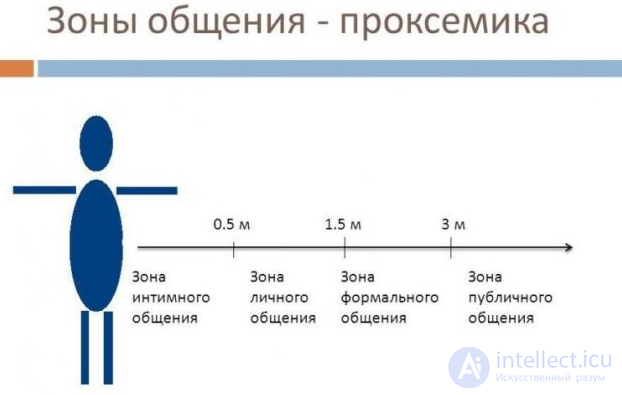
145. Facial expressions carry more than... of information in the process of communication
- 1) 50% of information
- 2) 70% of information*
- 3) 80% of information
- 4) 90% of information
146. A person is trying to hide information (or is lying) if their eyes meet their communication partner's eyes...
- 1) less than 1/2 of the conversation time
- 2) less than 1/3 of the conversation time*
- 3) less than 1/4 of the conversation time
- 4) less than 1/5 of the conversation time
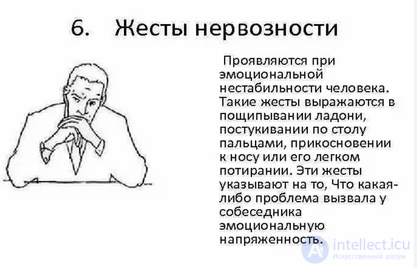
147. Gestures of nervousness are...
- 1) hands clasped behind the back
- 2) extending the index finger along the cheek
- 3) twitching of the body and facial muscles
- 4) interlaced fingers, pinching the palms*
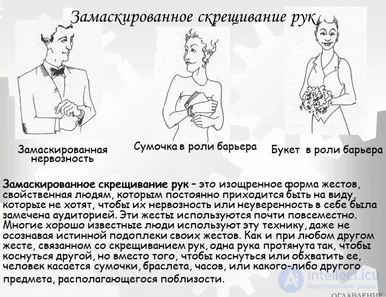
a disguised crossing of the arms
148. The contradiction that forms the basis of a conflict is...
- 1) the subject matter of the conflict*
- 2) material value
- 3) the subject (party) of the conflict
- 4) the object of the conflict
149. Burnout syndrome is most characteristic of professions of the type -
- 1) "person-to-person"*
- 2) "person-to-technology"
- 3) "person-to-nature"
- 4) "person-to-art"
150. Age is:
- 1) a relatively self-contained developmental cycle with its own structure and dynamics*
- 2) the development of the psyche from birth to the end of a person's life
- 3) the gradual change of various forms of the organic world in the process of evolution
- 4) the drive to change one's abilities and skills in accordance with changed conditions
151. The object of study of developmental psychology is:
- 1) the gradual change of various forms of the organic world in the process of evolution
- 2) the drive to change one's abilities and skills in accordance with changed conditions
- 3) the age-related variability of mental phenomena
- 4) a relatively self-contained developmental cycle with its own structure and dynamics*
152. The subject of study of developmental psychology is:
- 1) the gradual change of various forms of the organic world in the process of evolution
- 2) the drive to change one's abilities and skills in accordance with changed conditions
- 3) the age-related variability of mental phenomena
- 4) the system of relationships that a child enters into in society, and how the child orients themselves within it*
153. Developmental crises are called:
- 1) turning points of development that separate one age stage from another*
- 2) the drive to change one's abilities and skills in accordance with changed conditions
- 3) age-related variability of mental phenomena
- 4) the system of relationships that a child enters into in society, and how the child orients within it
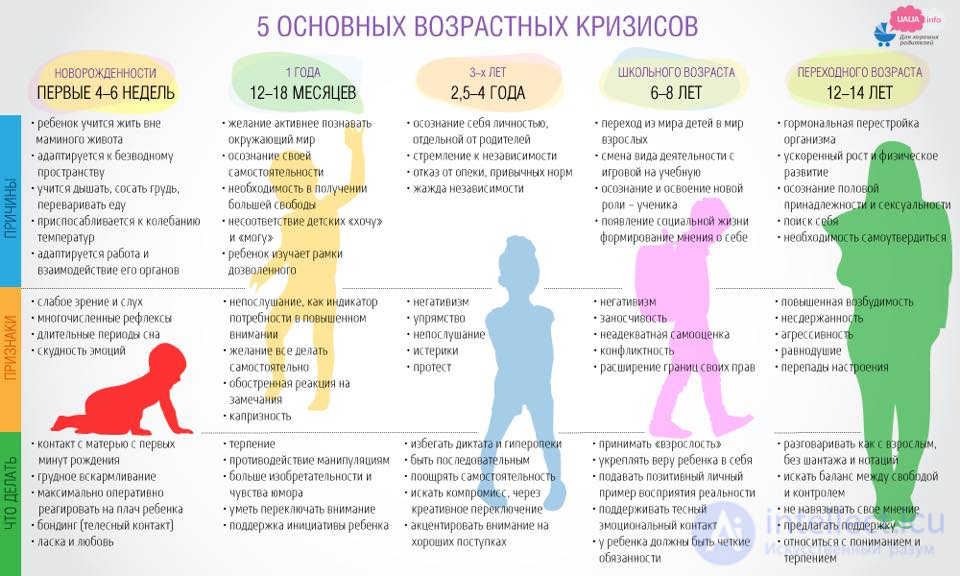
154. The neonatal period is the period…
- 1) during the first four weeks after birth*
- 2) during the first two weeks after birth
- 3) during the first three weeks after birth
- 4) during the first four months after birth
155. The main developmental task at the stage of middle adulthood, from Erik Erikson's point of view, is:
- 1) achieving identity
- 2) achieving integrity
- 3) achieving career growth*
- 4) achieving generativity
156. The concept of "social situation of development" belongs to:
- 1) D.B. Elkonin
- 2) L.S. Vygotsky*
- 3) M.I. Lisina
- 4) A.N. Ananyev
157. The capabilities a child actually possesses, which can be revealed and used for the child's development with minimal help or prompting from those around, are called...
- 1) the zone of actual development
- 2) the zone of prospective development
- 3) the zone of proximal development*
- 4) the zone of arbitrary development
158. The leading type of activity in preschool age is:
- 1) play*
- 2) learning
- 3) intimate-personal communication with peers
- 4) emotional communication with adults
159. The leading type of activity in adolescence is:
- 1) emotional communication with adults
- 2) intimate-personal communication with peers*
- 3) play activity
- 4) learning activity
160. The leading activity in early youth is:
- 1) intimate-personal communication
- 2) play activity
- 3) professional self-determination*
- 4) "finding oneself"
161. In youth, people strive to...
- 1) emphasize their individuality and dissimilarity from others*
- 2) limit the number of contacts with others
- 3) provoke conflicts with friends
- 4) provoke conflicts with parents
162. The leading activity in old age is:
- 1) intimate-personal communication
- 2) leisure hobbies*
- 3) delinquent behavior
- 4) the need for self-affirmation
163. The age period that occupies the largest span of a person's life:
- 1) infancy
- 2) early childhood
- 3) youth
- 4) maturity*
164. The branch of psychology concerned with studying the psychological characteristics of people of different ages…
- 1) developmental psychology*
- 2) child psychology
- 3) cognitive psychology
- 4) social psychology
165. J.-J. Rousseau called the age period the "period of storms and passions"…
- 1) from birth to 2 years
- 2) from 2 to 12 years
- 3) from 12 to 15 years
- 4) from 15 years to adulthood*
166. The category of developmental psychology denoting distinct time intervals of a person's life, derived from a specific theory of development and its principle of periodization, is…
- 1) stage
- 2) crisis
- 3) psychological age*
- 4) chronological age
167. A change expressed in quantitative and qualitative transformations of mental processes is called…
- 1) evolution
- 2) somatogenic development
- 3) mental development*
- 4) age
168. Short periods of ontogenesis characterized by sharp psychological changes and belonging to the normative processes necessary for human development are called…
- 1) age-related crises*
- 2) age-related characteristics
- 3) individual stages of development
- 4) individual crises
169. Symptoms such as negativism, obstinacy, defiance, willfulness, protest-rebellion, and devaluation of adults, along with despotism, are indicators of the crisis of…
- 1) the newborn period
- 2) 3 years*
- 3) 1 year
- 4) 7 years
170. The sense of being grown up is a psychological new formation of...
- 1) preschool age
- 2) early school age
- 3) youth
- 4) adolescence*
171. A syndrome of pathological mental and personal development in a child, arising from a "deficit" of communication and a lack of attention, love, and care, is…
- 1) deviation
- 2) hospitalism*
- 3) approbation
- 4) abulia
172. Speech, object-oriented activity, and walking are the three most important new formations of…
- 1) infancy
- 2) early preschool age
- 3) early childhood*
- 4) older preschool age
173. The type of activity in which children, in imaginary situations, reproduce a particular sphere of adult activity and communication is…
- 1) direct emotional communication
- 2) learning activity
- 3) play activity*
- 4) object-manipulative activity
174. Contact between the child and mother immediately after birth is important for the formation of…
- 1) attachment*
- 2) perception
- 3) temperament
- 4) self-esteem
175. The social situation of development in early childhood takes the form of…
- 1) "child - adult"
- 2) "child - object - adult"*
- 3) "child - object"
- 4) "child - object - peers"
176. A new formation of early school age is…
- 1) pride in achievements
- 2) a sense of being grown up
- 3) an internal plan of action*
- 4) activity
.
|
Age period
|
Leading activity
|
New formations of the age
|
|
Infancy (0-1 year)
|
Direct emotional communication
|
Need for communication. Emotional relationships
|
|
Early childhood (1-3)
|
Object-manipulative activity
|
Speech and visual-active thinking
|
|
Preschool age (3-7)
|
Role-play
|
Need for socially significant and socially evaluated activity
|
|
Early school age (7-11)
|
Learning
|
Voluntariness, internal plan of action, self-control, reflection
|
|
Adolescence
|
Communication in the process of education, organizational and labor activity
|
Striving for "adulthood," self-esteem, submission to the norms of collective life
|
177. The leading type of activity for a younger schoolchild is:
- 1) learning activity*
- 2) communication with peers
- 3) emotional communication
- 4) labor activity
178. The need for socially significant and socially evaluated activity is a new formation of the crisis of…
- 1) 1 year
- 2) 3 years
- 3) 7 years*
- 4) 11-13 years
179. Signs of the crisis of 7 years:
- 1) affective reactions and displays of independence
- 2) loss of spontaneity and affectation*
- 3) negativism and obstinacy
- 4) devaluation and defiance
180. Traditionally, the following boundaries are used to denote old age:
- 1) 50-60 years
- 2) 60-75 years*
- 3) 75-90 years
- 4) over 90 years
181. The age boundaries of the midlife crisis:
- 1) 25+3
- 2) 30+2*
- 3) 40+3
- 4) 55+3
182. A crisis that promotes the development of self-knowledge and self-actualization is characteristic of...
- 1) mature age
- 2) youth*
- 3) adolescence
- 4) old age
183. A Russian psychologist, founder of a school for the study of the mature personality, who gave a new assessment of maturity as a stage of human ontogenetic development -
- 1) L.S. Vygotsky
- 2) B.G. Ananyev
- 3) D.B. Elkonin
- 4) L.I. Bozhovich*
184. The crisis of mature age...
- 1) passes unnoticed and does not manifest itself in any qualitative changes of personality
- 2) carries a destructive element as a result of realizing the impossibility of approaching the goals set in youth
- 3) is not observed in all individuals and often leads to regression, to an infantile level of personality development*
- 4) carries a positive element, since it promotes self-knowledge and self-development
185. The most typical mental state in old age is -
- 1) age-situational depression*
- 2) euphoria
- 3) frustration
- 4) constant anxiety
186. The mental health of an aging person is determined by their involvement in...
- 1) communication
- 2) social activity
- 3) creativity*
- 4) professional activity
187. The realization of an individual's right to voluntary death (a mercy killing) is denoted by the term -
- 1) regression
- 2) rebirthing
- 3) euthanasia*
- 4) placebo effect
188. Fear of death is a _____________ property of the human psyche
- 1) innate
- 2) acquired*
- 3) sthenic
- 4) asocial
189. The subject of medical psychology is -
- 1) the study of the psychology of the patient
- 2) the study of the fundamentals of the medical worker's activity
- 3) the development of methods of psychological assistance for patients*
- 4) the study of the psychological factors of the treatment process
190. The object of study of medical psychology is:
- 1) the patient
- 2) the medical team
- 3) the therapeutic environment: the patient and the medical worker*
- 4) communication within the "medical worker-patient" system
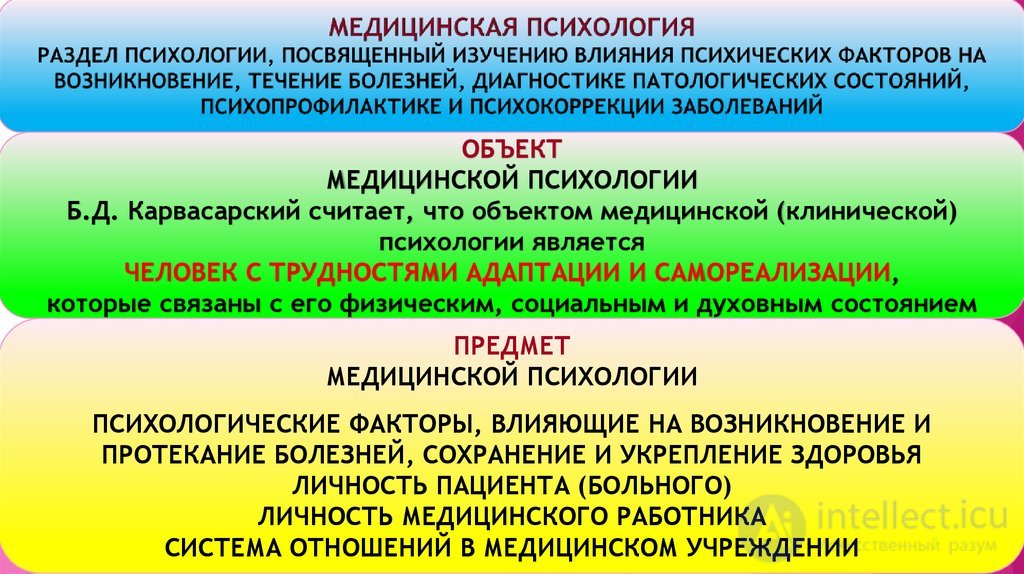
191. The medico-psychological tasks of a medical worker's activity are:
- 1) psychohygiene, psychocorrection, psychological expertise
- 2) psychotherapy, psychoprophylaxis, psychocorrection*
- 3) psychoprophylaxis, psychohygiene, rehabilitation
- 4) none of the above is correct
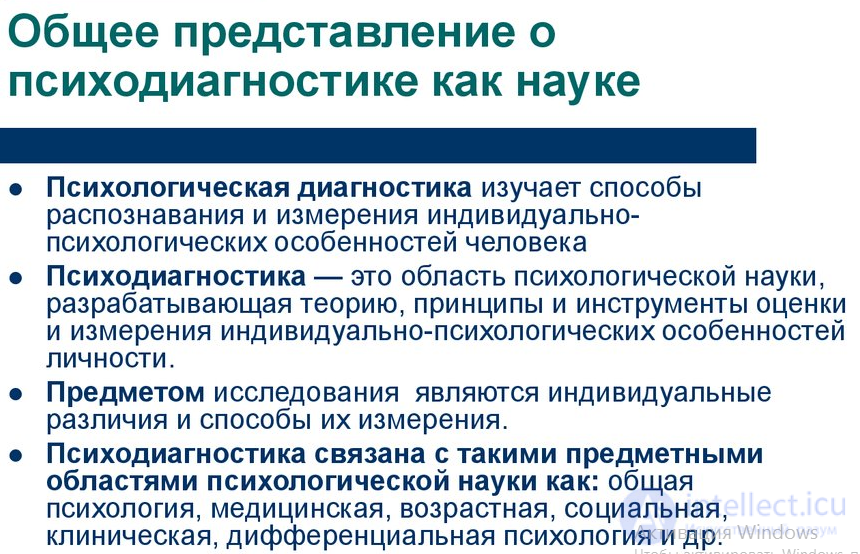
192. Psychodiagnostics is a field of psychological science that creates...
- 1) methods of psychological assistance for the patient
- 2) methods for diagnosing deviations in psychological development
- 3) methods for identifying individual psychological characteristics of a person
- 4) methods for assessing psychological characteristics and psychopathological states*
193. The main method of diagnosis and psychological assistance to the patient is considered to be -
- 1) observation
- 2) clinical interview*
- 3) testing
- 4) questionnaire survey
194. The functions of the clinical interview are:
- 1) diagnosis and psychocorrection
- 2) psychoprophylaxis and therapy
- 3) diagnosis and therapy*
- 4) diagnosis
195. The recommended style of interpersonal communication in the medical team and with the patient is
- 1) democratic
- 2) liberal
- 3) authoritarian*
- 4) partnership
196. Managing communication within the "medical worker-patient" system is carried out by means of...
- 1) feedback and the mechanisms of persuasion, suggestion, and contagion*
- 2) overcoming barriers in communication
- 3) the mechanisms of persuasion, suggestion, and contagion
- 4) active listening methods
197. The psychological atmosphere of a medical team is determined by:
- 1) subordination, a common goal of activity*
- 2) the social goal of activity, interdependence, responsibility
- 3) interaction, mutual support, mutual assistance
- 4) similarity of social status, closeness and frequency of contacts
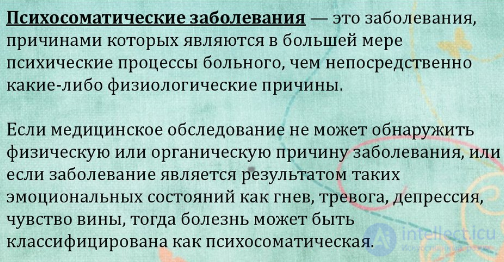
198. Psychosomatic illnesses are...
- 1) a complication of the illness resulting from careless words of a medical worker
- 2) illnesses caused by psychogenic factors*
- 3) the result of the negative effect of the hospital environment
- 4) mental disorders that develop as a consequence of somatic illnesses
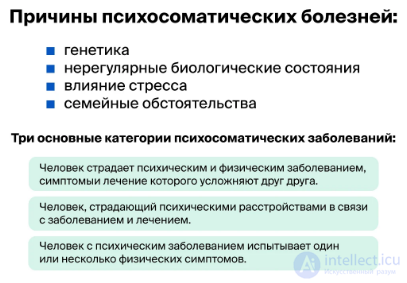
199. The factors in the development of psychosomatic illnesses are:
- 1) suggestion, conflicts, features of the nervous system
- 2) biological, psychological, social*
- 3) self-suggestion, excessive demands on the personality
- 4) conflicts, self-suggestion, social factors
200. The causes of psychosomatic illnesses include:
- 1) psychological conflicts, suggestion, reflex pathogenic reaction*
- 2) a weak type of nervous system, the nature of professional activity
- 3) suggestion, character, social factors
- 4) incompetence of medical staff and a psychologically traumatic situation
201. Somatogenies are...
- 1) complications in the course of an illness
- 2) illnesses caused by the actions of medical workers
- 3) mental disorders caused by somatic illnesses*
- 4) manifestations of hospitalism
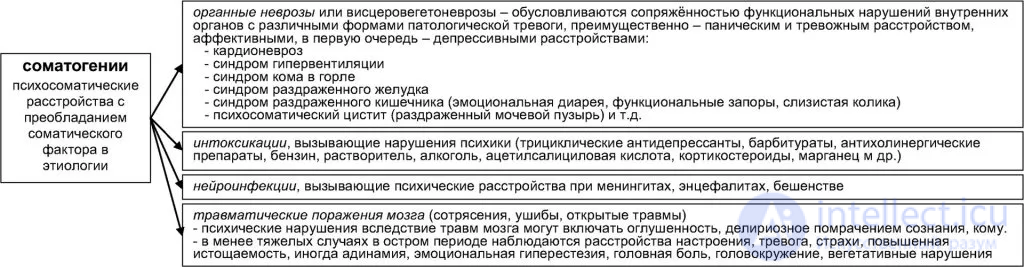
202. The objective severity of an illness is determined primarily by the criterion of -
- 1) mortality*
- 2) disability
- 3) pain characteristics
- 4) all answers are correct
203. The factors in the formation of the internal picture of illness are:
- 1) education, age, temperament, profession
- 2) sex, social status, age, character
- 3) profession, sex, age, temperament, personality traits*
- 4) none of the proposed answers is correct
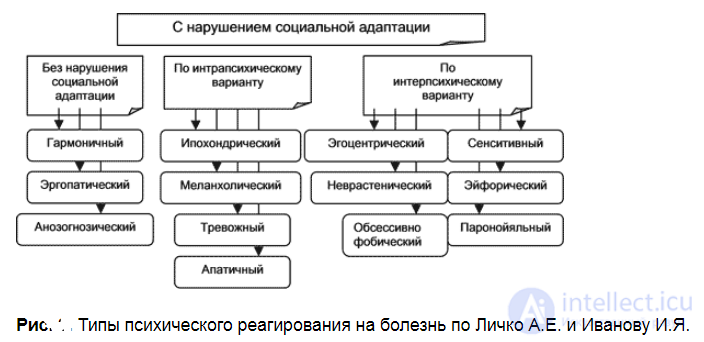
204. The type of response to illness is...
- 1) the totality of emotional and behavioral reactions to illness*
- 2) behavior caused by illness
- 3) a tension reaction caused by the action of a stimulus that threatens health
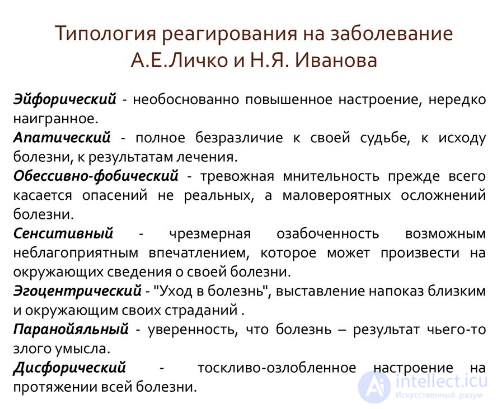
- 4) the internal picture of illness
205. An adequate attitude toward illness and a desire to cooperate with the medical worker are characteristic of:
- 1) the ergopathic type
- 2) the egocentric type
- 3) the harmonious type*
- 4) the anosognosic type
206. Continuous anxiety and suspiciousness, and a search for new methods of treatment, are characteristic of...
- 1) the anxious type*
- 2) the hypochondriac type
- 3) the neurasthenic type
- 4) the paranoid type
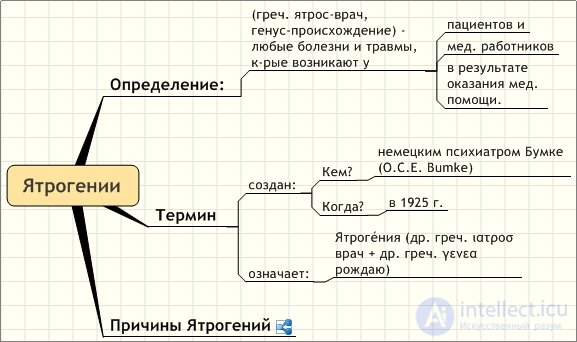
207. The phenomenon of unfavorable factors of the hospital environment acting on a patient is called:
- 1) mental deprivation
- 2) iatrogenies
- 3) hospitalism*
- 4) psychogenies
208. The communicative competence of a medical worker is called...
- 1) the ability to manage the behavior of members of the medical team
- 2) the ability to exert psychological influence on the patient
- 3) the ability to exert psychological pressure on the patient
- 4) the ability to establish and maintain contact with people*
209. Professional communication is...
- 1) the system of relationships among members of the medical team
- 2) the rules of relationships between patients, medical workers, and relatives
- 3) the system of interaction between the medical worker and the patient*
- 4) all answers are correct
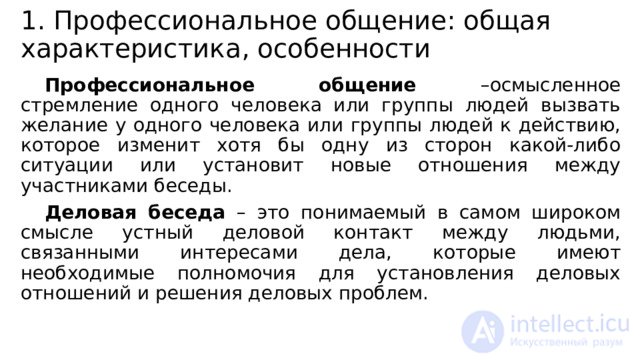
210. Optimal professional communication...
- 1) promotes the development of interpersonal relationships
- 2) promotes the creation of the best conditions for treatment*
- 3) promotes the prevention of conflicts
- 4) promotes the resolution of conflicts with patients
211. The norms of a medical worker's activity are:
- 1) sterility of word and behavior, keeping medical confidentiality*
- 2) empathy, benevolence, humanity
- 3) professionalism, tact
- 4) patience and self-control
212. Tactics of behavior of a medical worker in the clinic of internal diseases involves...
- 1) readiness to cooperate and organize leisure activities
- 2) prevention of hospitalism and observation
- 3) organization of the therapeutic environment*
- 4) creating a regime of emotional safety
213. Tactics of behavior of a nurse in the clinic of childhood diseases involves...
- 1) instilling self-confidence
- 2) the ability to establish close contact*
- 3) readiness to cooperate
- 4) eliminating iatrogenies
214. Tactics of communication for a nurse with elderly patients involves...
- 1) patience and love
- 2) organizing the therapeutic environment
- 3) tact, psychological support
- 4) preventing a growing sense of helplessness*
215. The system of social relationships that develops in a hospital and promotes an effective treatment process is called -
- 1) the therapeutic-protective regime
- 2) the therapeutic environment*
- 3) the activating therapeutic regime
- 4) the regime of emotional safety
216. Psychotherapeutic assistance to a patient promotes:
- 1) increasing the body's defenses*
- 2) prevention of mental illnesses
- 3) personal growth
- 4) adaptation in a medical facility
217. Among the principles of a nurse's simple psychotherapeutic intervention are...
- 1) forming a worldview
- 2) preventing conflicts
- 3) psychological counseling
- 4) facilitating adaptation in a medical facility*
218. The task of psychohygiene is -
- 1) rehabilitation of patients with mental illnesses
- 2) psychological counseling
- 3) educating patients and relatives about mental illnesses
- 4) preserving and strengthening the mental health of patients*
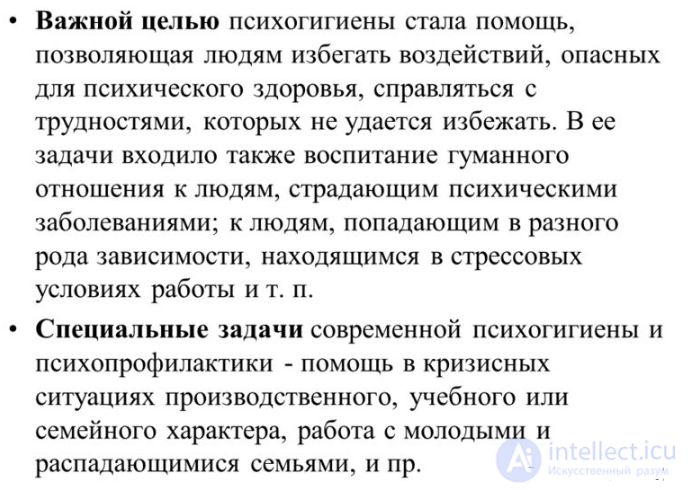
219. The goal of psychoprophylaxis is -
- 1) prevention of deviations in mental health*
- 2) forming skills for effective behavior
- 3) mobilizing mental resources to fight illness
- 4) rehabilitation of patients with mental illnesses
220. Psychohygienic and psychoprophylactic education involves...
- 1) forming an active life stance
- 2) promoting knowledge about psychological health*
- 3) promoting healthy lifestyle skills
- 4) all answers are correct
221. Therapeutic play...
- 1) is intended to calm the child before a procedure
- 2) involves eliminating fear of medical instruments and preparing for procedures*
- 3) familiarizes the child with medical instruments
- 4) all of the proposed answers are correct
222. Emotional burnout of a medical worker -
- 1) is professional stress*
- 2) arises as a result of conflicts with patients
- 3) arises as a result of conflicts between medical workers
- 4) none of the answers is correct
223. An important symptom of emotional burnout is...
- 1) detachment from patients
- 2) a feeling of fatigue and tension
- 3) the emergence of a formal attitude toward work
- 4) all of the proposed answers are correct*
224. Assistance in an acute stress situation involves -
- 1) eliminating the psychologically traumatic situation
- 2) relieving emotional tension*
- 3) eliminating anxiety and fear
- 4) all statements are correct
225. An important condition for effective communication between a nurse and a patient is
- 1) a trusting distance*
- 2) preventing hospitalism
- 3) using a clinical interview
- 4) preventing iatrogenies
226. Psychological ventilation of a patient involves -
- 1) using a regime of emotional safety
- 2) eliminating fear before a procedure
- 3) timely informing of the patient
- 4) active listening*
227. The ergopathic type of response to illness is characterized by -
- 1) disregard for the illness
- 2) immersion in work*
- 3) a euphoric attitude toward the illness and its consequences
- 4) continuous anxiety and suspiciousness
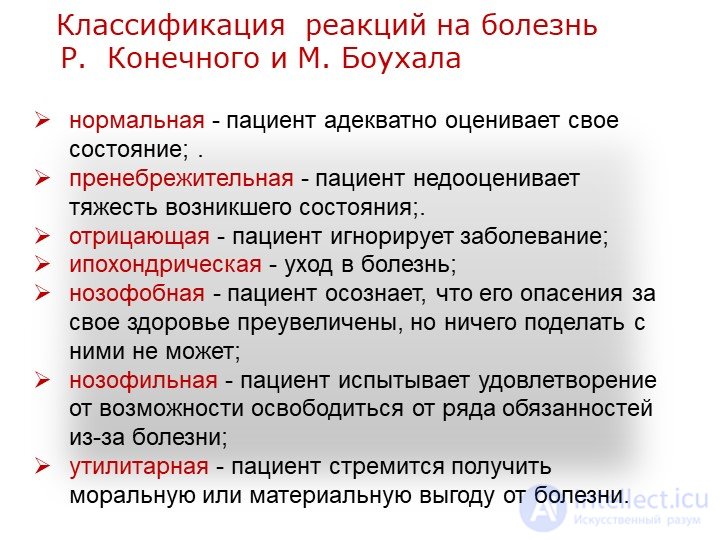
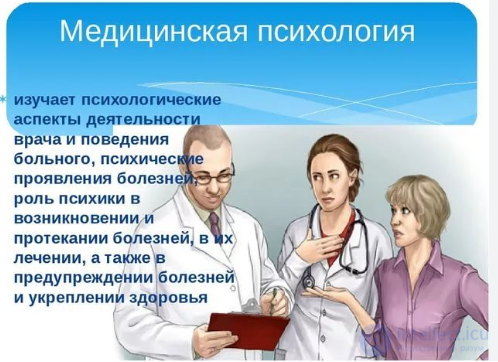
228. Medical psychology studies -
- 1) the place and role of mental processes in the emergence and course of illnesses*
- 2) the role of medical workers in treating patients
- 3) the psychology of communication between medical workers and patients
- 4) all answers are correct
229. The first laboratory of medical psychology in Russia was opened in -
- 1) 1879
- 2) 1885*
- 3) 1890
- 4) 1900
230. Which of the following scientists opened the first laboratory of medical psychology in Russia?
- 1) V.M. Bekhterev in Kazan*
- 2) S.S. Korsakov in Moscow
- 3) A.F. Lazursky in St. Petersburg
- 4) none of the answers is correct
231. Psychodiagnostics is...
- 1) a branch of medical psychology
- 2) a field of psychology that develops methods for identifying and studying the individual psychological characteristics of a personality*
- 3) a field of applied psychology
- 4) all answers are correct
232. A psychological diagnosis is...
- 1) the final result of a psychologist's activity
- 2) a description and identification of the essence of the individual psychological characteristics of a personality*
- 3) psychodiagnostics and recommendations on work regime
- 4) identification and description of disorders of mental activity
233. The task of a psychological case history is...
- 1) obtaining information about the patient's complaints
- 2) identifying the patient's attitude toward their illness
- 3) identifying the patient's harmful habits
- 4) obtaining information about the onset of the illness*
234. A psychological case history, unlike a medical case history, has the following properties:
- 1) it is intended to reveal the internal picture of the illness*
- 2) it is a questioning of the patient
- 3) it gathers information about the patient's life
- 4) none of the answers is correct
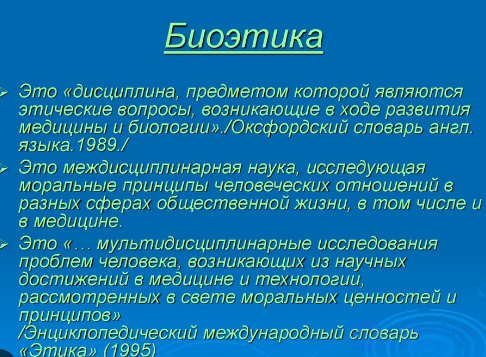
235. The subject of study of bioethics is:
- 1) the moral and ethical aspects of relationships between people
- 2) the history of nursing
- 3) the professional duty of a nurse*
- 4) the professional knowledge and skills of a nurse
236. The rules of internal culture of behavior of a mid-level medical worker do not include -
- 1) the absence of excessive jewelry and cosmetics*
- 2) maintaining discipline
- 3) a sense of collegiality
- 4) friendliness
237. The central category (concept) of medical psychology is -
- 1) illness
- 2) the patient
- 3) the soul
- 4) mental activity*
238. Relationships within a medical team should not be based on...
- 1) mutual respect
- 2) clear fulfillment of one's professional duties
- 3) submission to whoever is older, regardless of position*
- 4) subordination
239. If you notice mistakes in a colleague's work, in what form would you tell them about it?
- 1) make the remark right there, regardless of who is nearby (patients or colleagues)
- 2) try to talk with the colleague one on one, in a friendly manner*
- 3) talk with the colleague one on one, in a categorical manner, defending your own opinion
- 4) inform management about it and say nothing yourself
240. If, despite your repeated comments, a colleague makes the same mistake several times, you...
- 1) report it to management*
- 2) stop paying attention to it
- 3) start making comments in a sharper tone
- 4) tell your colleagues
241. The term "business subordination" in medicine means -
- 1) democracy in colleagues' relationships
- 2) respect for those senior in position
- 3) equality in business relationships
- 4) subordinates' precise execution of the orders of a senior in position*
242. Iatrogenic illnesses include -
- 1) those caused by harmful occupational factors
- 2) those caused by careless actions or statements of medical workers
- 3) illnesses with an unfavorable prognosis
- 4) illnesses of hereditary origin*
243. Empathy in medical practice is understood as...
- 1) similarity of beliefs, opinions, and emotional states between patients and medical workers
- 2) the ability of a medical worker to manipulate patients for their own purposes
- 3) the ability of a medical worker to instill their own thoughts in patients
- 4) the ability to recognize patients' emotions and respond to them*
244. A way to prevent conflicts in the professional activity of medical workers -
- 1) compromise
- 2) discussion within the team
- 3) polemics
- 4) all answers are correct*
245. Aphasias are called -
- 1) a disorder of perception
- 2) a disorder of hearing
- 3) a disorder of speech*
- 4) a disorder of attention
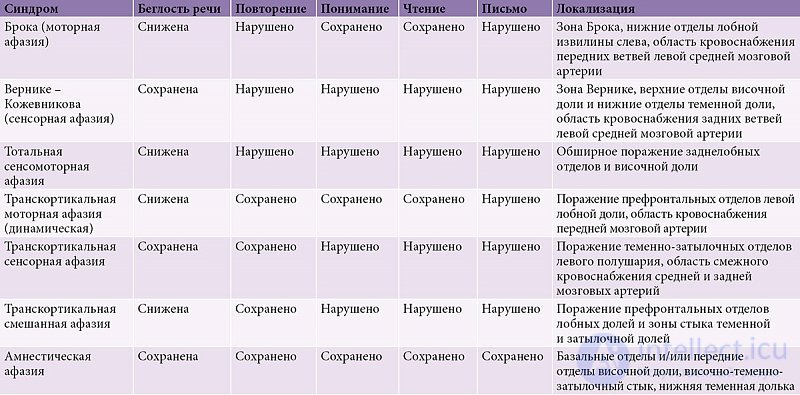
246. The cardinal symptom of neurasthenia is -
- 1) a hysterical fit
- 2) irritable weakness*
- 3) obsessive fears
- 4) twilight state of consciousness
247. Psychogenies are illnesses that arise under the influence of...
- 1) alcohol intoxication
- 2) severe brain injuries
- 3) psychic trauma*
- 4) severe brain injuries
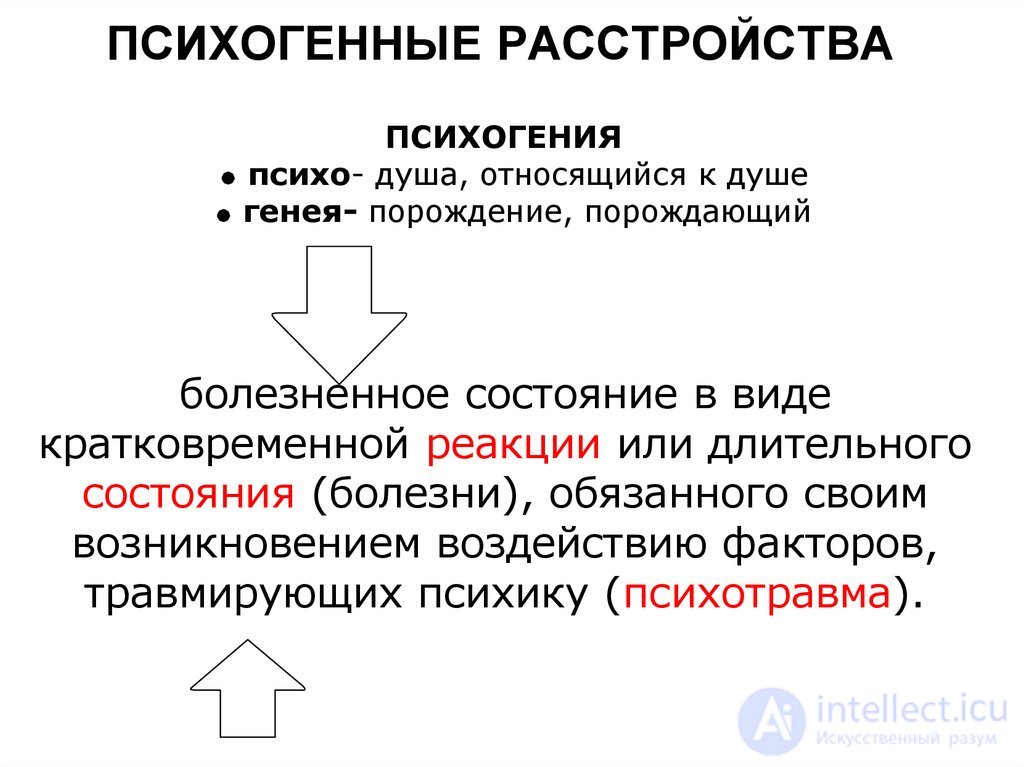
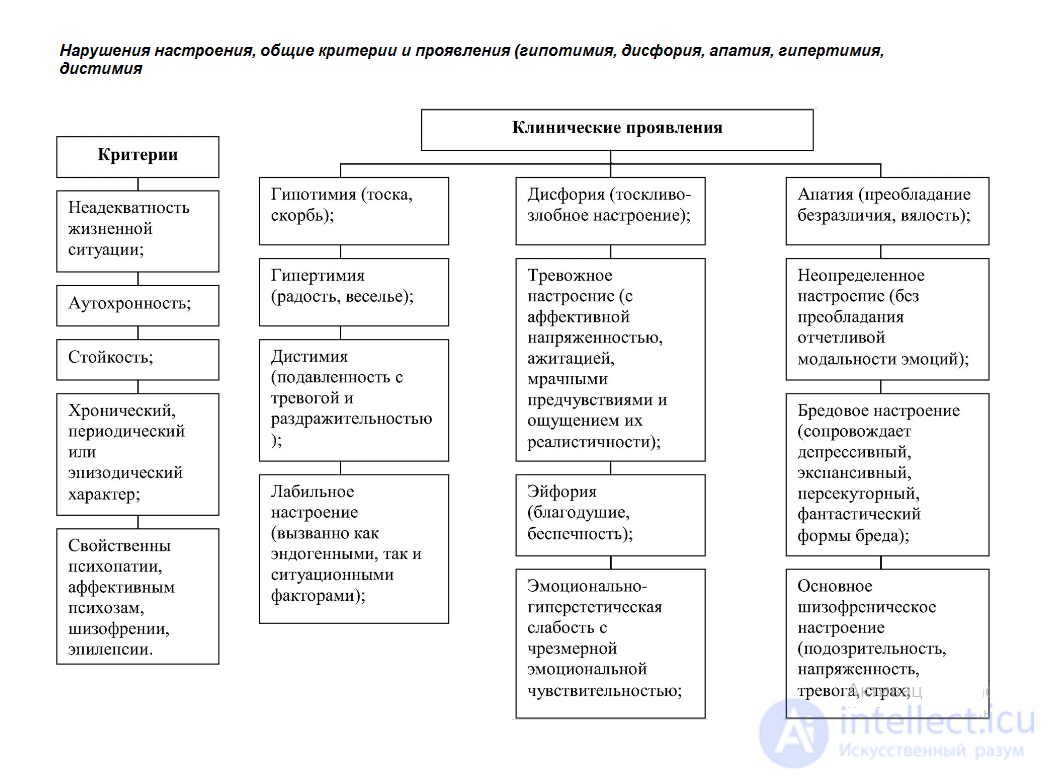
248. Depressive syndrome is characterized by -
- 1) dementia
- 2) euphoria
- 3) irritability
- 4) hypothymia*
249. The decisive factor in the development of neuroses is -
- 1) neuroinfection
- 2) a psychogenic factor*
- 3) traumatic brain injury
- 4) vascular diseases of the brain
250. A common symptom of involutional (presenile) psychoses -
- 1) visual hallucinations
- 2) a feeling of anxiety*
- 3) emotional dullness
- 4) delusions
251. An elevated mood, an accelerated pace of thinking, and increased activity characterize the syndrome -
- 1) depressive
- 2) anxious-depressive
- 3) manic*
- 4) convulsive
252. With hypochondriacal delusion, the patient believes that...
- 1) they have a serious illness*
- 2) they are being robbed
- 3) they are a criminal
- 4) they are being poisoned
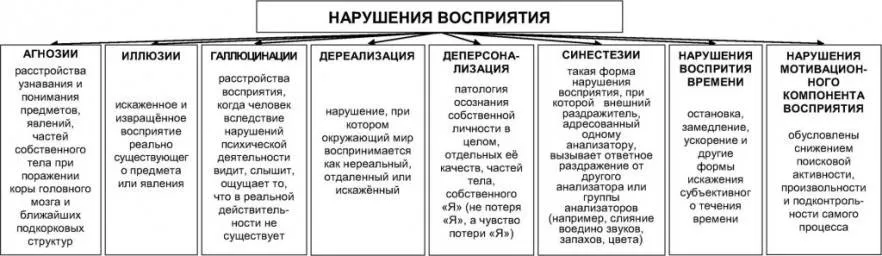
253. Perceptual disorders include -
- 1) convulsions
- 2) hallucinations*
- 3) delusions
- 4) depression
254. Dementia is...
- 1) an acute psychosis
- 2) a depressed mood
- 3) mental deficiency acquired during the course of illness*
- 4) congenital mental deficiency
255. A state in which consciousness is switched off -
- 1) coma*
- 2) delirium
- 3) twilight clouding of consciousness
- 4) oneiroid state
256. Disorders characteristic of psychosis include -
- 1) hallucinations*
- 2) anxiety, fear
- 3) motor agitation
- 4) emotional lability
257. Psychotic (psychopathological) symptoms and syndromes require the use of
- 1) psychological counseling
- 2) psychological correction
- 3) restoration of higher mental functions
- 4) psychiatric care*
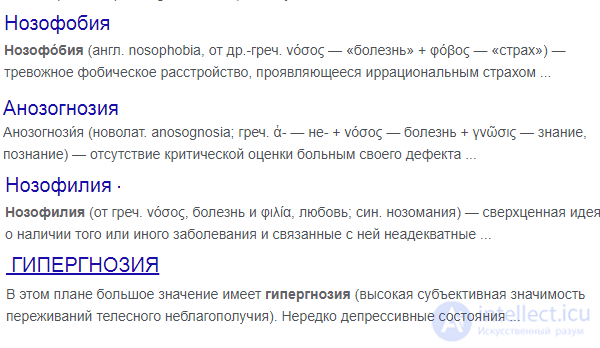
258. The phenomenon characteristic of the phase of active adaptation to illness is -
- 1) nosophobia
- 2) anosognosia
- 3) nosophilia*
- 4) hypergnosia
259. In the treatment of neuroses, the leading role is given to -
- 1) biochemical changes
- 2) mental response
- 3) the neurotic syndrome
- 4) the psychogenic factor*
260. Suicide is:
- 1) self-affirmation
- 2) self-perception
- 3) self-education
- 4) self-killing*
261. A nurse's communication in traumatology should be -
- 1) emotional in form
- 2) calm and unhurried in form*
- 3) playful in form
- 4) calm in form
262. With patients who have hearing impairments, a nurse's communication should be -
- 1) verbal in nature
- 2) nonverbal in nature*
- 3) aggressive in nature
- 4) soothing in nature
263. Verbal communication with patients includes -
- 1) speech*
- 2) facial expression
- 3) manners
- 4) distance
264. Dysphoria is...
- 1) a depressed, oppressed state
- 2) a gloomy state
- 3) a sullen, malicious state*
- 4) an elevated state
265. A patient's fear of death is a -
- 1) physical problem
- 2) psychological problem*
- 3) social problem
- 4) spiritual problem
266. Delusion is a disorder of -
- 1) memory
- 2) attention
- 3) thinking*
- 4) imagination
267. Amnesia is a disorder of -
- 1) memory*
- 2) perception
- 3) thinking
- 4) attention
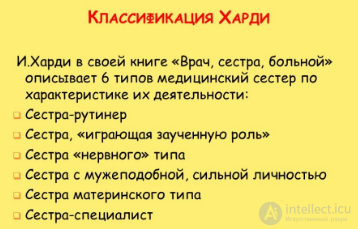
268. A "routine nurse" according to Hardy is:
- 1) a robot-nurse*
- 2) a nurse playing a memorized role
- 3) a nurse playing a memorized role
- 4) a "nervous" nurse
269. Which of the following is NOT a stage of the communicative process with a patient...
- 1) diagnosing a call for help
- 2) diagnosing a pathological state*
- 3) therapeutic contract
- 4) therapeutic alliance
270. Thanatophobia is fear of...
- 1) treatment
- 2) receiving a diagnosis
- 3) going to a medical facility
- 4) death*
271. Patients with chronic illnesses who have hope of recovery...
- 1) cope better with their condition*
- 2) do not improve their condition
- 3) it does not affect the outcome of the illness
- 4) get rid of the illness
272. In his characterization, I. Hardy identified:
- 1) 3 types of nurses
- 2) 6 types of nurses*
- 3) 8 types of nurses
- 4) 10 types of nurses
273. Health (according to the WHO) is...
- 1) the absence of diseases
- 2) a state of complete physical, mental, and social well-being
- 3) a state of the organism in which all its organs function correctly*
- 4) the absence of physical and mental illnesses
274. Psychosomatics studies...
- 1) disorders of cerebral circulation
- 2) diseases of internal organs and systems
- 3) the activity of the central nervous system
- 4) the influence of psychological factors on somatic processes*
275. The term "sanogenic" means...
- 1) morbidity
- 2) mental deficiency
- 3) health-promoting*
- 4) malaise
276. The term "pathogenic" means...
- 1) weakness
- 2) ill health*
- 3) imbalance
- 4) nervousness
277. A disruption in one's style of work and style of communication with a patient is called -
- 1) professional deformation of the nurse*
- 2) personal deformation of the nurse
- 3) a mental disorder of the nurse
- 4) a mental disorder of the patient
278. What feeling does a calm nurse, confident in her actions, produce in a patient?
- 1) doubt
- 2) fear
- 3) fright*
- 4) trust
279. To help the patient avoid fear of an unknown procedure, the nurse should...
- 1) shield the patient from communicating with other patients
- 2) explain to the patient what is about to be done, and let them talk with a patient who has already undergone this procedure*
- 3) show the patient the medical equipment and instruments that will be used during the examination
- 4) there is no correct answer
280. When a patient experiences intense fear, a medical worker should call -
- 1) a nutritionist
- 2) a psychologist or psychiatrist*
- 3) a traumatologist
- 4) an endocrinologist
281. A patient's signed consent regarding an upcoming procedure...
- 1) protects the nurse from legal liability*
- 2) does not protect the nurse from legal liability
- 3) has no legal force
- 4) carries legal liability toward the patient
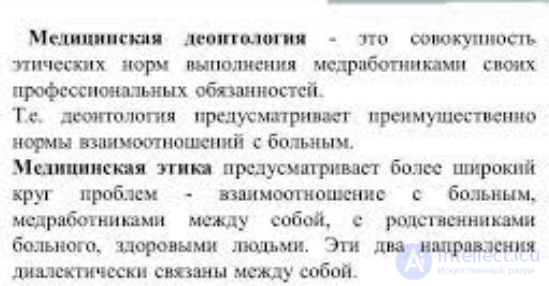
282. The science of professional duty is...
- 1) medical psychology
- 2) psychotherapy
- 3) neuropsychology
- 4) medical deontology*
283. Emotions during reactions of grief that do not find their natural outlet often turn into...
- 1) positive feelings
- 2) symptoms of a somatic illness*
- 3) the destruction of functional connections
- 4) all answers are correct
284. Galen astutely observed that the most successful healer is the one, ...
- 1) whom patients believe in*
- 2) whom patients fear
- 3) with whom patients are in love
- 4) whom people respect
285. Pain during nursing manipulations should not be, for the patient, -
- 1) long-awaited
- 2) unexpected*
- 3) an everyday occurrence
- 4) all answers are correct
286. In the presence of fear of death, a patient should...
- 1) fight it alone
- 2) not think about death
- 3) interact with a specially trained psychologist*
- 4) constantly think about death and draw logical conclusions
287. The methods of medical psychology include...
- 1) ways of studying the personality traits of the patient
- 2) engaging in live communication with the subject
- 3) observing the behavior of subjects in a natural situation
- 4) all answers are correct*
288. The phenomenon characteristic of the phase of active adaptation to illness is -
- 1) nosophobia
- 2) anosognosia
- 3) nosophilia*
- 4) hypergnosia
289. The factors that, taken together, have a direct effect on human health are:
- 1) biological, historical, social
- 2) physical, social, environmental
- 3) physical, mental, social*
- 4) pedagogical, biological, environmental
290. Which method of written survey is most often used to clarify data about a patient and characteristics of medical workers' activity?
- 1) analysis of products of activity
- 2) questionnaire survey*
- 3) testing
- 4) analysis of documentation
291. The psychological atmosphere of a medical team is determined by...
- 1) the social goal of activity, interdependence, responsibility
- 2) similarity of social status, closeness and frequency of contacts
- 3) subordination, a common goal of activity*
- 4) interaction, mutual support, mutual assistance
292. The patient's intellectual interpretation of a disease diagnosis and the corresponding emotional state -
- 1) nosology
- 2) nosognosia*
- 3) anosognosia
- 4) somatogeny
293. Iatrogenies -
- 1) cause psychic deprivation in the patient
- 2) cause professional deformation of the medical worker
- 3) aggravate the course of the illness*
- 4) none of the statements is correct
294. A system of measures ensuring the restoration of impaired functions is called...
- 1) an activating therapeutic regime*
- 2) a therapeutic-protective regime
- 3) a therapeutic environment
- 4) a regime of emotional safety
295. The process of transitioning from a preconflict situation to conflict and its resolution reflects…
- 1) the object of the conflict
- 2) the objectives of the conflict
- 3) the dynamics of the conflict*
- 4) the escalation of the conflict
296. An acute negative experience caused by a prolonged struggle between structures of a person's inner world, reflecting contradictory connections with the social environment and delaying decision-making, is…
- 1) a conflict between an individual and a group
- 2) an intergroup conflict
- 3) an intrapersonal conflict
- 4) an interpersonal conflict
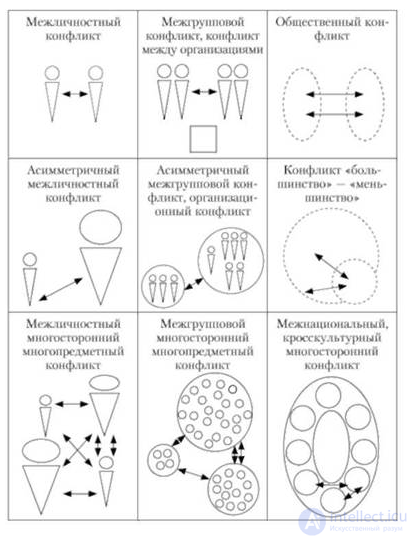
297. An extremely destructive way out of an intrapersonal conflict is
- 1) introspection
- 2) suicide*
- 3) frustration
- 4) reminiscence
298. A type of social conflict whose object is labor relations and the conditions for ensuring them is
- 1) family conflict
- 2) labor conflict*
- 3) intergroup conflict
- 4) interpersonal conflict
299. The negative consequences of emotional burnout include -
- 1) an increase in the level of conflict
- 2) a decrease in work motivation
- 3) a non-constructive behavior pattern
- 4) all of the above are correct*
300. A syndrome that develops against a background of chronic stress and leads to the depletion of the emotional and personal resources of a working person is called -
- 1) professional burnout*
- 2) professional decline
- 3) emotional exhaustion
- 4) emotional shock
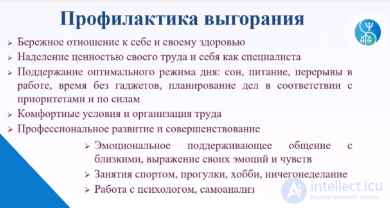
Correct answers:
1) 3;
2) 1;
3) 3;
4) 2;
5) 2;
6) 3;
7) 3;
8) 3;
9) 3;
10) 3;
11) 3;
12) 3;
13) 1;
14) 3;
15) 3;
16) 2;
17) 2;
18) 4;
19) 1;
20) 2;
21) 2;
22) 3;
23) 2;
24) 3;
25) 2;
26) 2;
27) 3;
28) 1;
29) 1;
30) 1;
31) 4;
32) 3;
33) 4;
34) 1;
35) 2;
36) 3;
37) 1;
38) 3;
39) 4;
40) 3;
41) 2;
42) 1;
43) 3;
44) 1;
45) 2;
46) 3;
47) 3;
48) 2;
49) 3;
50) 2;
51) 3;
52) 4;
53) 4;
54) 2;
55) 2;
56) 1;
57) 2;
58) 4;
59) 3;
60) 2;
61) 2;
62) 3;
63) 2;
64) 1;
65) 3;
66) 3;
67) 2;
68) 3;
69) 3;
70) 4;
71) 2;
72) 3;
73) 3;
74) 3;
75) 3;
76) 2;
77) 3;
78) 3;
79) 3;
80) 3;
81) 2;
82) 4;
83) 3;
84) 1;
85) 2;
86) 1;
87) 3;
88) 2;
89) 3;
90) 4;
91) 1;
92) 3;
93) 1;
94) 2;
95) 2;
96) 3;
97) 1;
98) 4;
99) 3;
100) 4;
101) 4;
102) 2;
103) 2;
104) 1;
105) 3;
106) 3;
107) 2;
108) 1;
109) 4;
110) 3;
111) 1;
112) 2;
113) 4;
114) 2;
115) 2;
116) 1;
117) 1;
118) 4;
119) 3;
120) 2;
121) 4;
122) 3;
123) 1;
124) 4;
125) 2;
126) 3;
127) 2;
128) 4;
129) 1;
130) 3;
131) 4;
132) 3;
133) 4;
134) 1;
135) 2;
136) 3;
137) 2;
138) 3;
139) 1;
140) 2;
141) 4;
142) 1;
143) 3;
144) 2;
145) 2;
146) 2;
147) 4;
148) 1;
149) 1;
150) 1;
151) 3;
152) 4;
153) 1;
154) 1;
155) 3;
156) 2;
157) 3;
158) 1;
159) 2;
160) 3;
161) 1;
162) 2;
163) 4;
164) 1;
165) 4;
166) 3;
167) 3;
168) 1;
169) 2;
170) 4;
171) 2;
172) 3;
173) 3;
174) 1;
175) 2;
176) 3;
177) 1;
178) 3;
179) 2;
180) 2;
181) 2;
182) 1;
183) 4;
184) 3;
185) 1;
186) 3;
187) 3;
188) 2;
189) 4;
190) 3;
191) 2;
192) 4;
193) 2;
194) 3;
195) 3;
196) 1;
197) 1;
198) 2;
199) 2;
200) 1;
201) 3;
202) 1;
203) 3;
204) 1;
205) 3;
206) 1;
207) 3;
208) 4;
209) 3;
210) 2;
211) 1;
212) 3;
213) 2;
214) 4;
215) 2;
216) 1;
217) 4;
218) 4;
219) 1;
220) 2;
221) 2;
222) 1;
223) 4;
224) 2;
225) 1;
226) 4;
227) 2;
228) 1;
229) 2;
230) 1;
231) 2;
232) 2;
233) 4;
234) 1;
235) 3;
236) 1;
237) 4;
238) 3;
239) 2;
240) 1;
241) 4;
242) 4;
243) 4;
244) 4;
245) 3;
246) 2;
247) 3;
248) 4;
249) 2;
250) 2;
251) 3;
252) 1;
253) 2;
254) 3;
255) 1;
256) 1;
257) 4;
258) 3;
259) 4;
260) 4;
261) 2;
262) 2;
263) 1;
264) 3;
265) 2;
266) 3;
267) 1;
268) 1;
269) 2;
270) 4;
271) 1;
272) 2;
273) 3;
274) 4;
275) 3;
276) 2;
277) 1;
278) 4;
279) 2;
280) 2;
281) 1;
282) 4;
283) 2;
284) 1;
285) 2;
286) 3;
287) 4;
288) 3;
289) 3;
290) 2;
291) 3;
292) 2;
293) 3;
294) 1;
295) 3;
296) 3;
297) 2;
298) 2;
299) 4;
300) 1;
See also
- [[b8327]]
- [[b7347]]
- [[b7238]]
- [[b8487]]
- [[b6944]]
- [[b8659]]
See also


Comments