You get a bonus - 1 coin for daily activity. Now you have 1 coin

Child Practical Psychology — Tests with Answers and Diagrams

Lecture


tests with answers on the topic Child practical psychology

SC (single-choice task)

M (matching task)


1. With whose name is the emergence and development of child practical psychology in the early 20th century associated?
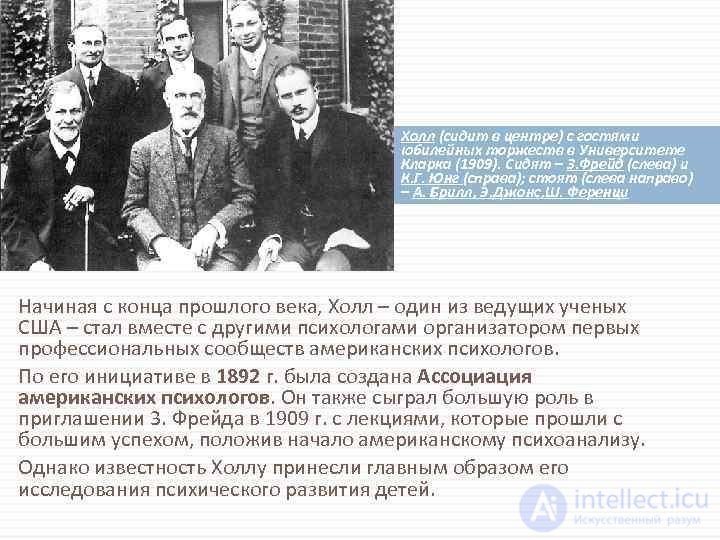
  • A) E. Meumann
  • B) S. Hall
  • C) J. Sully
  • D) W. Stern

Child Practical Psychology — Tests with Answers and Diagrams

2. Match the goals of the psychological service in education with the authors who put them forward:

1) I.V. Dubrovina

A) ensuring psychoprophylactic work with children

2) V.E. Pakhalyan

B) scientific support of the upbringing process

3) M.R. Bityanova

C) the psychological health of children

4) L.M. Fridman

D) creating socio-psychological conditions for a child's successful learning and development in situations of school interaction


3. Who is the author of the periodization of a child's mental development that is generally recognized in our country?

  • A) L.S. Vygotsky
  • B) V.I. Slobodchikov
  • C) D.B. Elkonin
  • D) P.P. Blonsky


4. Which of the listed projective drawing tests are used in work with children aged 3-4 years?

  • A) “My Family”
  • B) “House-Tree-Person”
  • C) “Draw-a-Person”
  • D) “Nonexistent Animal”
  • E) Free drawing


5. Which categories of children belong to the “at-risk group”?
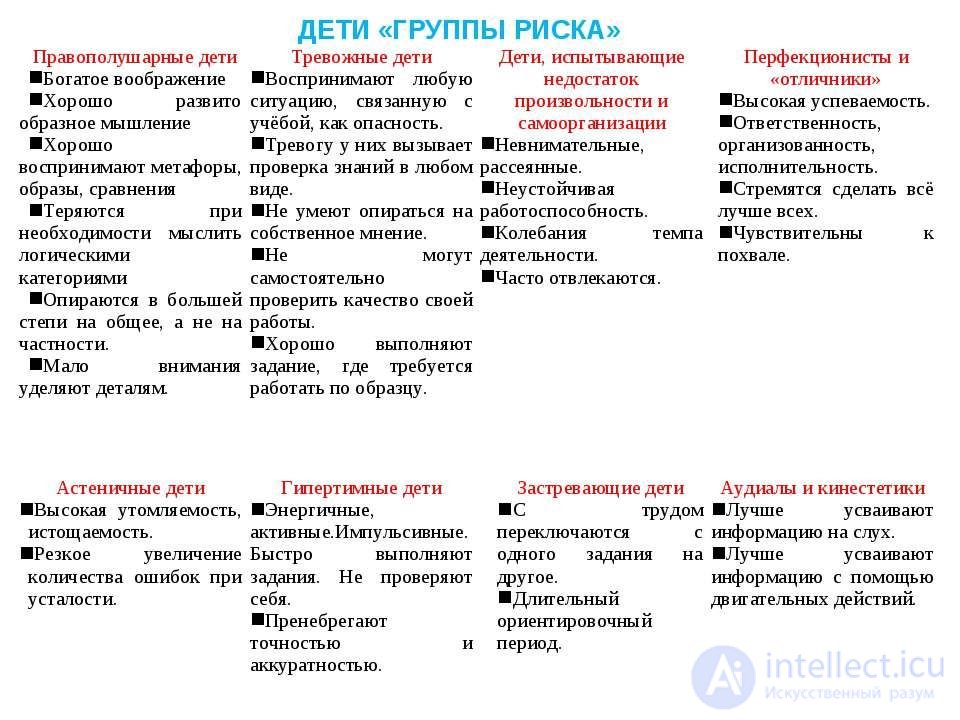
  • A) children with attention deficit hyperactivity disorder
  • B) gifted children
  • C) aggressive children
  • D) anxious and shy children

Child Practical Psychology — Tests with Answers and Diagrams
6. The main components of a psychocorrective complex are:

  • A) fairy-tale therapy
  • B) art therapy
  • C) music therapy
  • D) psycho-gymnastics
  • E) animal-assisted therapy

7. Which methods belong to the art-therapy group?

  • A) fairy-tale therapy
  • B) art therapy
  • C) music therapy
  • D) psycho-gymnastics
  • E) animal-assisted therapy


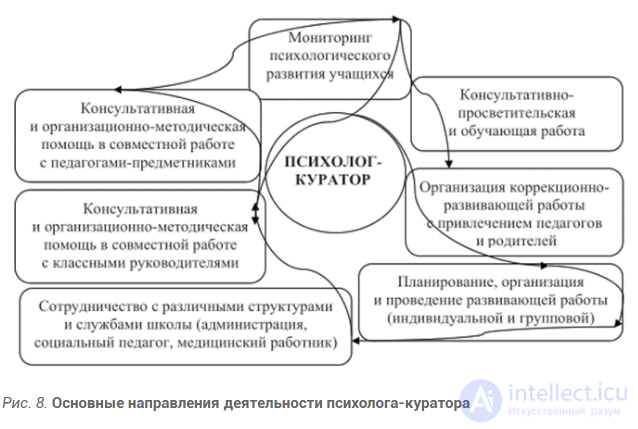
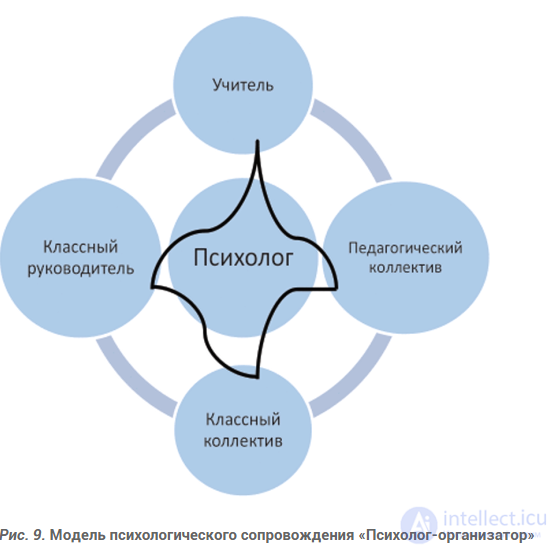
8. Which organizational model for a psychologist's work is best suited for implementation in an ordinary preschool educational institution that does not
carry out an experiment or psychological-pedagogical support of children:
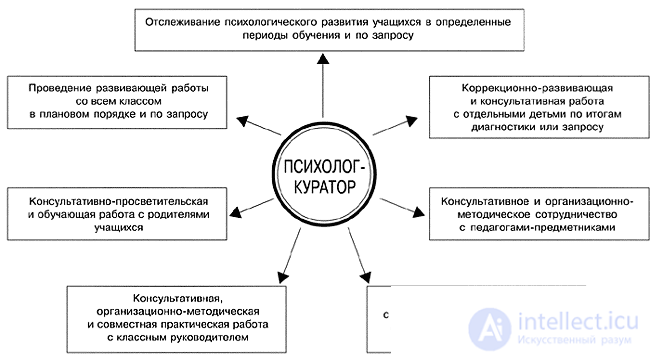
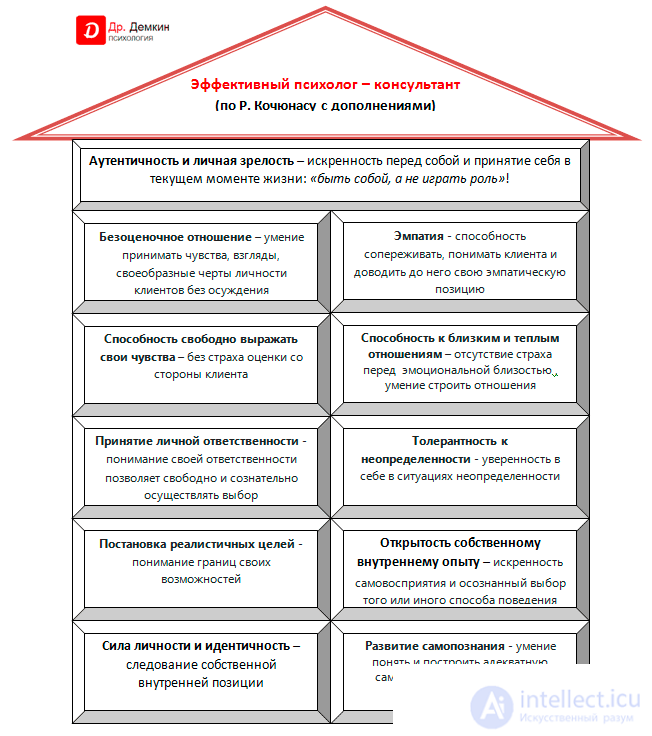
  • A) psychologist-consultant
  • B) psychologist-methodologist
  • C) psychologist-curator
  • D) other
  • E) psychologist-organizer

Child Practical Psychology — Tests with Answers and Diagrams

Child Practical Psychology — Tests with Answers and Diagrams

Child Practical Psychology — Tests with Answers and Diagrams

Child Practical Psychology — Tests with Answers and Diagrams
9. The main ethical principles of a psychologist's work are:
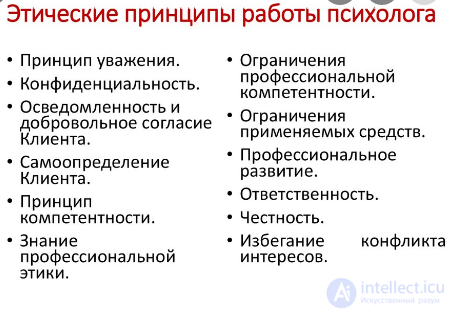
  • A) scientific rigor
  • B) confidentiality
  • C) voluntariness
  • D) determinism

Child Practical Psychology — Tests with Answers and Diagrams

10. The psychological features that provoke aggressive behavior in children include:

  • A) insufficient intellectual development
  • B) insufficiently developed communication skills
  • C) a reduced level of voluntary self-regulation
  • D) underdeveloped play activity
  • E) reduced self-esteem


11. Which children are most oriented toward the opinions of those around them:

  • A) aggressive
  • B) shy
  • C) demonstrative
  • D) capricious
  • E) children without a family


12. Which children are characterized by a paradoxical reaction to an adult's praise (joy and embarrassment):

  • A) aggressive
  • B) shy
  • C) demonstrative
  • D) touchy
  • E) children without a family


13. Which children perceive a peer as an enemy?

  • A) shy
  • B) demonstrative
  • C) touchy
  • D) impulsive
  • E) aggressive


14. In which children is the greatest discrepancy observed between self-esteem and the expected assessment of themselves by those around them?

  • A) aggressive
  • B) demonstrative
  • C) shy
  • D) impulsive
  • E) capricious


15. The features of children with attention deficit hyperactivity disorder include:

  • A) a decrease in overall intellectual development
  • B) difficulties in forming reading and writing skills
  • C) inattentiveness
  • D) impulsivity
  • E) aggressiveness


16. For correcting which type of non-constructive behavior in preschoolers are games with rules and lengthy joint games
with peers most effective:

  • A) impulsive
  • B) demonstrative
  • C) protest-driven
  • D) aggressive
  • E) conformist


17. Which games are considered the most universal means of correcting personal development and non-constructive behavior in children:

  • A) director's play
  • B) role-play
  • C) psychotechnical games
  • D) didactic games
  • E) folk games


18. Variants of demonstrative child behavior include:

  • A) clowning around
  • B) tantrums
  • C) pugnacity
  • D) dishonesty
  • E) shyness


19. Forms of protest behavior in children include:
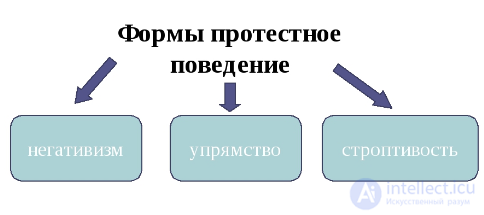
  • A) negativism
  • B) dishonesty
  • C) tattling
  • D) stubbornness
  • E) obstinacy

Child Practical Psychology — Tests with Answers and Diagrams
20. Choose the characteristics of conformist behavior in children:

  • A) unquestioning compliance with instructions
  • B) lack of self-confidence
  • C) pugnacity
  • D) passivity, lack of initiative
  • E) forgetting assignments


Correct answer options


Question No.


Answer


points


Question No.


Answer


points


1


b


1


11


c


1


2


1-c,2-a,3-d.4-b


1


12


b


1


3


c


1


13


e


1


4


a, b, c, e


1


14


c


1


5


a, c


1


15


b, c, d


1


6


a, b, c , e


1


16


a


1


7


a, b, c


1


17


e


1


8


a


1


18


a, b


1


9


b, c


1


19


a, d, e


1


10


b, c


1


20


a, b, d


1


Criteria for evaluating test results for the course Child Practical Psychology


Number of points


Performance

(% correct answers)


Grade


from 18 to 20


from 100 to 86 %


5


from 15 to 17


from 85 to 70 %


4


from 10 to 14


from 69 to 51 %


3


less than 10


less than 50 %


2

See also

  • [[b7324]]
  • [[b7347]]
  • [[b8014]]
  • [[b8015]]
  • [[b8016]]
  • [[b8017]]
  • [[b8018]]
  • [[b8019]]
  • [[b8020]]
  • [[b8021]]
  • [[b8022]]
  • [[b8023]]
  • [[b8024]]
  • [[b8025]]
  • [[b8026]]

See also

Comments

To leave a comment

If you have any suggestion, idea, thanks or comment, feel free to write. We really value feedback and are glad to hear your opinion.
To reply

Lectures and tutorial on "Pedagogical psychology"

Terms: Pedagogical psychology