
Lecture
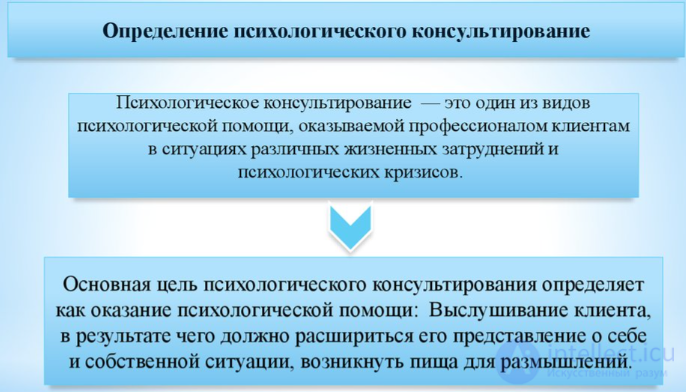
tests with answers on the topic Psychological Counseling
Psychological counseling is an integral part of modern psychology and plays an important role in helping people solve their problems and achieve personal growth. It is based on the principle of empathy, professional expertise, and understanding of human experience.
These tests with answers represent a valuable tool for developing and understanding the psychological aspects of counseling. In this book, we offer you a unique opportunity to take a series of tests that will help you uncover various aspects of psychological counseling, as well as test and deepen your knowledge in this field.
Each test includes questions covering various topics, such as psychological theories, counseling methods, ethical standards, and the counseling process. It is important to note that alongside the tests, we also offer detailed answers and explanations that will help you understand each question and deepen your knowledge of psychological counseling.
Reading and taking these tests will help you not only learn more about psychological counseling, but also develop skills in critical thinking, analysis, and application of the knowledge gained. You can use these tests for self-assessment, exam preparation, or simply for enjoyment, gaining new knowledge and perspectives.
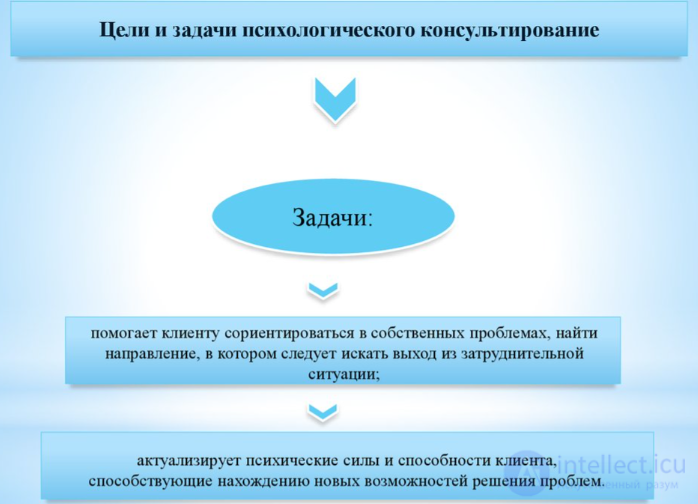
We hope that our service will become a useful resource for you and help you expand your knowledge and understanding of psychological counseling. We wish you success in taking the tests and joy from new discoveries!
single-answer choice task
1. Based on the definitions of psychological counseling, its main "features" are identified, except for:
2. Psychological counseling differs from other types of psychological assistance in:
3. Problems in relationships with current or former relatives, psychological-pedagogical problems, and problems in relationships with children are addressed in:
4. The pedagogical model of counseling includes all of the following components except:
5. The gentle form of communicating a psychological conclusion involves:
6. The principle of confidentiality involves:
7. The principle of respecting personal boundaries involves:
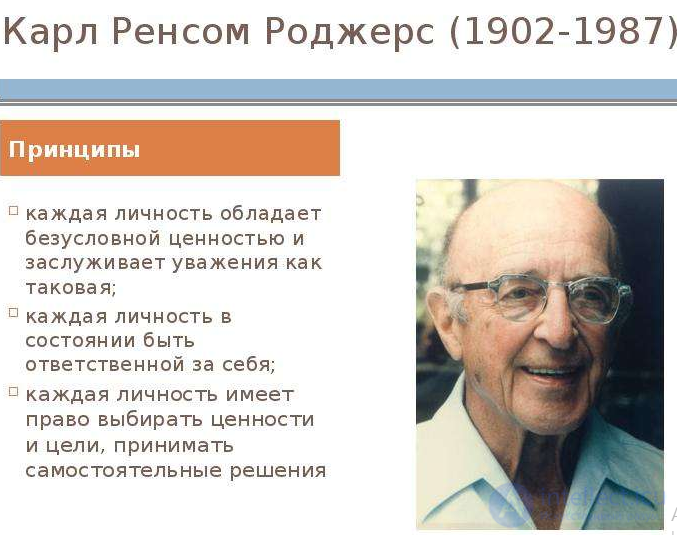
8. C. Rogers believed that the client is capable of "finding themselves" when the counselor creates specific conditions such as:
9. A psychoanalytically oriented counselor would be interested in the prototypical situations of early childhood, except for:
10. The psychological meaning of the contract between the client and the counselor consists in:
11. If an adolescent is late for or fails to attend a scheduled session, the counselor:
12. At the stage of presenting the problem and clarifying the request, the counselor is positioned as:
13. Advancing empathic listening and understanding presupposes:
14. Which of the following is NOT a counselor error:
15. Bipolarity techniques are used to clarify:
16. The criterion for ending counseling work is:
17. Which of the named specialists is most likely to make the statement: "Success in changing problem behavior does not imply knowledge of its causes":
18. Among the goals of using the technique of reflecting feelings does NOT include:
19. Which statement correctly characterizes the preferability of one or another methodological approach in psychological counseling:
20. The counselor's congruence is:
Correct answer options
|
|
|
|
|
|
|
|
|
|
|
|
|
|
|
|
|
|
|
|
|
|
|
|
|
|
|
|
|
|
|
|
|
|
|
|
|
|
|
|
|
|
|
|
|
|
|
|
|
|
|
|
|
|
|
|
|
|
|
|
|
|
|
|
|
|
|
|
|
|
|
|
|
|
|
|
|
|
|
|
|
|
|
|
|
|
|
|
|
|
|
|
|
|
|
|
|
|
|
|
|
|
|
|
|
Criteria for Evaluating Test Results in the Course "Psychological Counseling"
|
|
|
|
|
|
|
|
|
|
|
|
|
|
|
|
|
|
|
|
1. In C. Rogers's definition of counseling, first place is given to:
2. All of the following belong to the basic tenets of counseling, except:
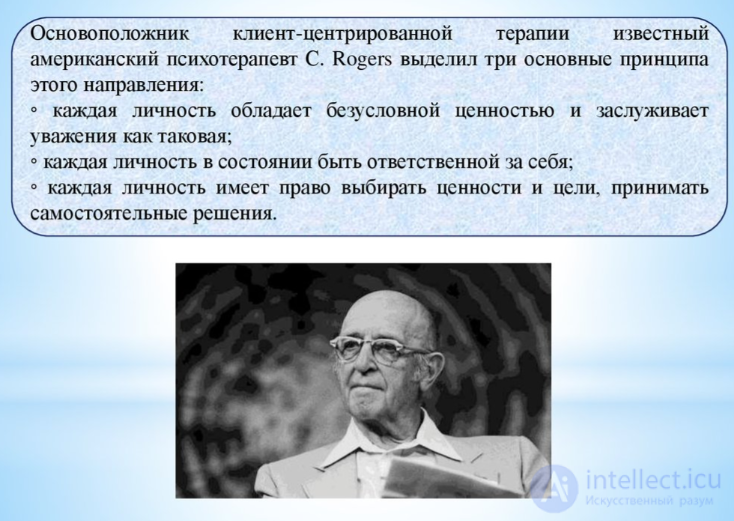
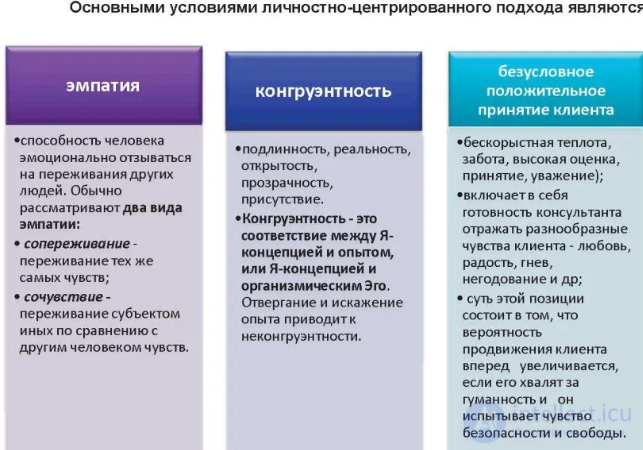
3. Three basic principles are identified in the client-centered approach; find the odd one out:
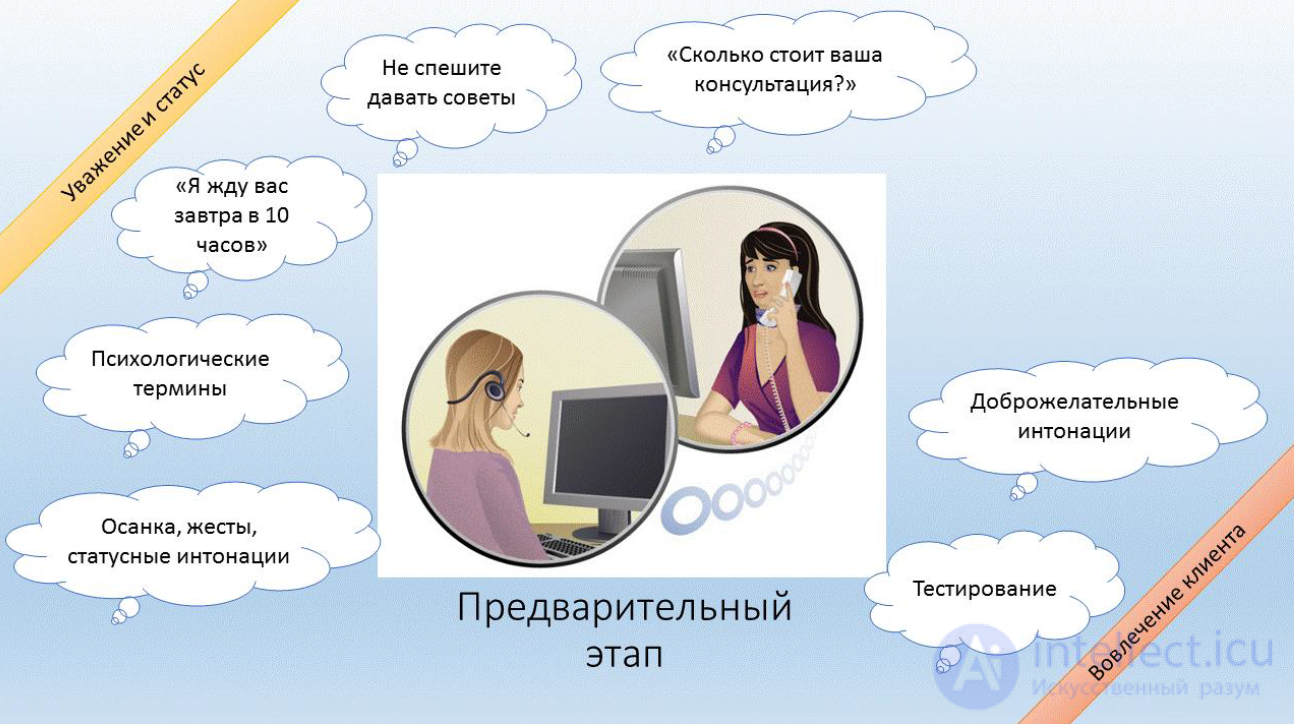
4. The generally accepted definition of psychological counseling in the domestic (Russian) school is:
5. The goal of counseling in the psychoanalytic tradition is:
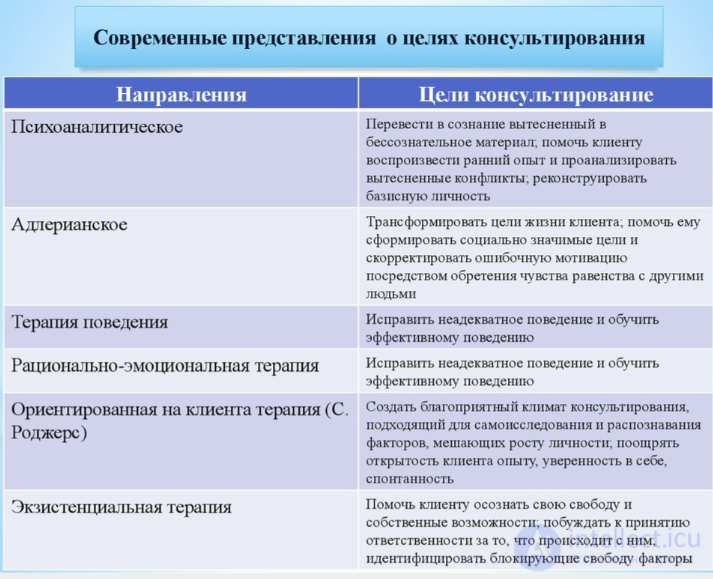
6. The goal of counseling in the existential approach is:
7. The pedagogical model of counseling includes all of the following components except:
8. The effectiveness of implementing the diagnostic model of counseling depends on:
9. The model that assumes the client's difficulties are based on illnesses or a pathological development of personality is called:
10. The model of psychological counseling that assumes the causes of problems lie either in intra-family communication or in the personal characteristics of family members is called:
11. The principle of psychological counseling that presupposes the existence of the personality as a mandatory condition:
12. The gentle (sparing) form of communicating a psychological conclusion presupposes:
13. The principle of refusing to give specific recommendations presupposes:
14. The principle of confidentiality means:
15. The principle based on uncovering all possible internal and external causes of disorders is called:
16. The principle based on monitoring normal mental development is called:
17. Psychological counseling differs from psychotherapy in:
18. A deep analysis of problems oriented toward unconscious processes and structural personality reorganization belongs to the following type of psychological help:
19. Which of the listed researchers formulated and developed the person-centered approach:
20. Which direction in psychology does A. Beck represent:
21. The psychologist's responsibility to warn a potential victim about a client's aggressive intentions is most correctly defined by the statement:
22. If one analyzes what is common among psychologists of different schools and orientations, it turns out to be:
23. Which of the listed skills is most important for a psychologist to help them grasp the essence of the client's state:
24. Which of the following approaches in counseling corresponds to the short-term type:
25. An approach that uses knowledge of the behavioral sciences and technique to understand it belongs to:
26. Which of the named approaches centers on the study of thoughts and thought processes that influence behavior:
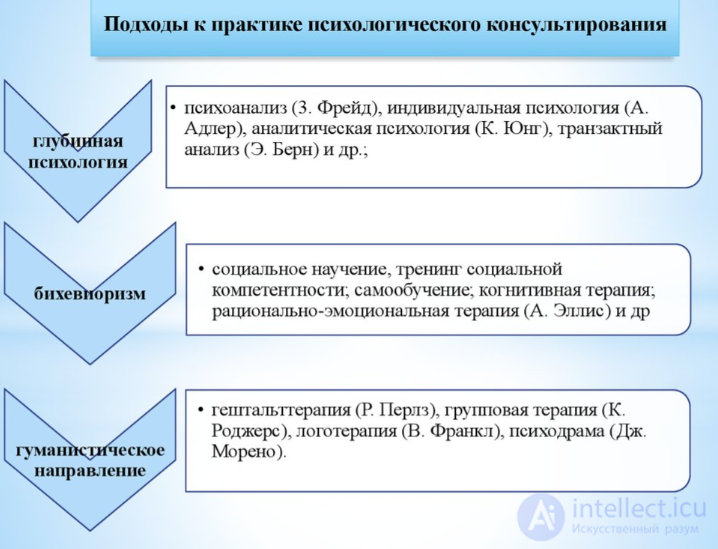
27. Which of the listed approaches asserts that indirect reinforcement can influence behavior:
28. Which of the following approaches focuses on how human relationships and other people's attitudes influence the development of personality and mental disorders:

29. Representatives of which of the following orientations are interested in identifying functional links between external events and the client's behavior:
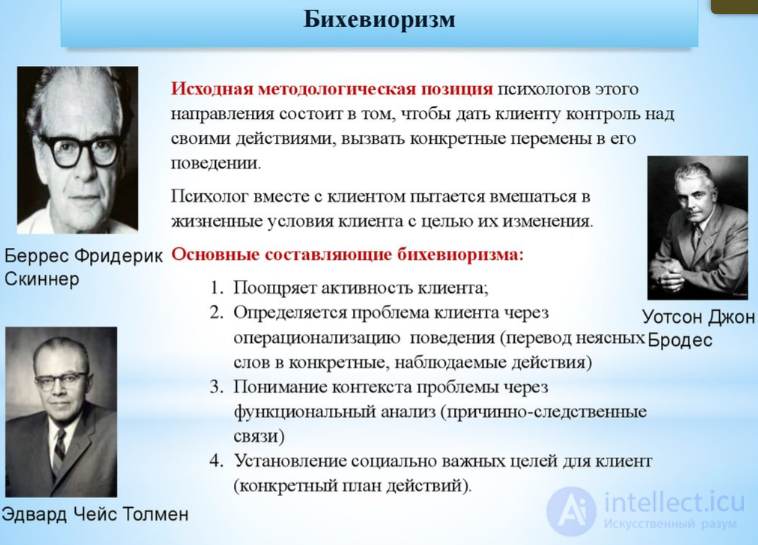
30. Which of the following psychological approaches rests on the idea that personality is inseparable from patterns of interaction and relationships with siblings, parents, children, and spouses:
31. Which of the listed approaches is based on the idea that human motivation is inspired by an inherent tendency to strive for self-actualization and meaning in life:


32. Which statement correctly describes the content of the concept of progressive relaxation:
33. To which group of methods should the method of dream analysis be assigned:
34. To which orientation can the method of paradoxical intention be assigned based on its main characteristics:
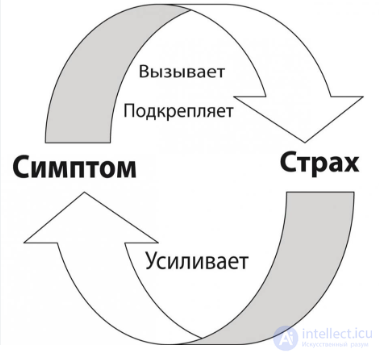
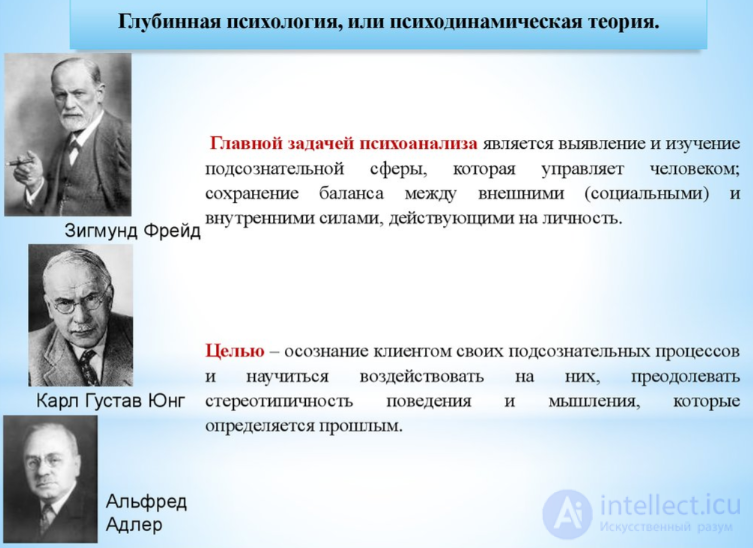
35. To which orientation can the stage of work called the working alliance be assigned:
36. Which of the named specialists most likely holds the view: "Success in changing problem behavior does not require knowledge of its causes":
37. The contract between the counselor and the client implies:
38. Unlike psychotherapy, psychological counseling pursues the following goals:
39. R. May identifies four stages of psychological counseling; NOT included among them is:
40. Which of the statements about active listening is NOT true:
41. Which of the following is among the client barriers that require the counselor's skill to overcome them for active listening;
42. NOT among the goals of paraphrasing is:
43. Which of the following is NOT one of the basic principles of paraphrasing:
44. Which statement correctly defines the reflection of the client's feelings in the counselor's work:
45. The goals of using the technique of reflecting feelings do NOT include:
46. Which statement correctly describes the essence of the "joining" technique:
47. The use of introductory phrases such as: "It seemed to me that... I got the impression that..." and the like:
48. Which of the following is among the factors that increase the risk of suicide:
49. The main directions for increasing the effectiveness of a counseling interview include all of the following, EXCEPT:
50. The content of psychological counseling is determined by:
51. Which statement correctly characterizes the preferability of one methodological approach or another in psychological counseling:
52. Inner freedom, based on the ability to make decisions in a situation of choice and to carry them out, is called:
53. The systemic model of counseling does not include the stage of:
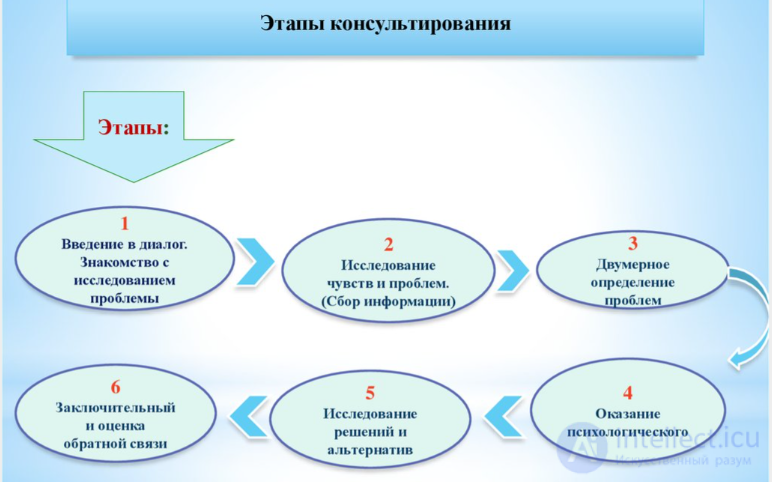
54. The stage of critically evaluating the selected alternative solutions to the problem is called:
55. The stage of clarifying and openly discussing a possible solution is called:
56. Analysis of a client's complaint does not include the component of:
57. Defining the problem necessarily includes:
58. The subject locus of a complaint does not include a complaint:
59. Self-diagnosis expresses:
60. A client's sincere interest in changing their situation is called:
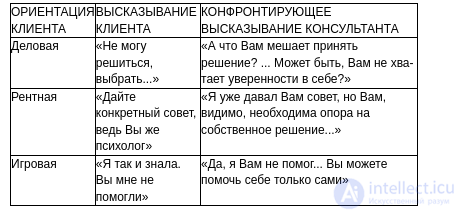
61. Three conflict zones are distinguished in the content of a complaint, except:
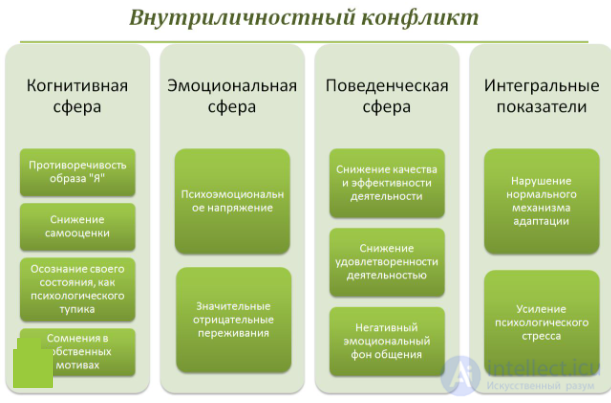
62. The content of the conflict is based on:
63. The behavioral style in which a person seeks to adapt to external circumstances is called:
64. Verbal counseling techniques do not include:

65. Nonverbal counseling techniques do not include:
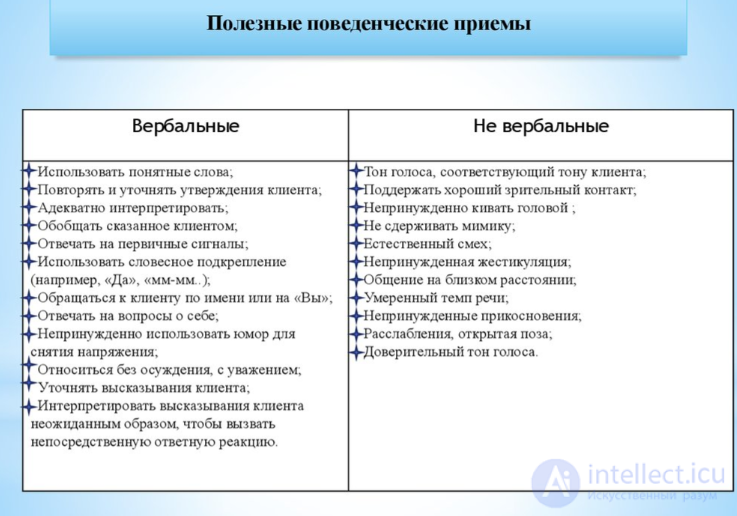
66. Counseling errors include all of the above, except:
67. During counseling it is not recommended to use the following techniques, except:
68. Questions that call for very short, one-word answers are called:
69. Highlighting the essence of the client's last statement in order to stimulate a deeper disclosure of the problem is called:

70. The presentation of the psychologist's own opinion on a particular issue is called:
Correct answers
|
|
|
|
|
|
|
|
|
|
|
|
|
|
|
|
|
|
|
|
|
|
|
|
|
|
|
|
|
|
|
|
|
|
|
|
|
|
|
|
|
|
|
|
|
|
|
|
|
|
|
|
|
|
|
|
|
|
|
|
|
|
|
|
|
|
|
|
|
|
|
|
|
|
|
|
|
|
|
|
|
|
|
|
|
|
|
|
|
|
|
|
|
|
|
|
|
|
|
|
|
|
|
|
|
|
|
|
|
|
|
|
|
|
|
|
|
|
|
|
|
|
|
|
|
|
|
|
|
|
|
|
|
|
|
|
|
|
|
|
|
|
|
|
|
|
|
|
|
|
|
|
|
|
|
|
|
|
|
|
|
|
|
|
|
|
|
|
|
|
|
|
|
|
|
|
|
|
|
|
|
|
|
|
|
|
|
|
|
|
|
|
|
|
|
|
|
|
|
|
|
|
|
|
|
|
|
|
|
|
|
|
|
|
|
|
|
|
|
|
|
|
|
|
|
|
|
|
|
|
|
|
|
|
|
|
|
|
|
|
|
|
|
|
|
|
|
|
|
|
Grading criteria for test results in the course Psychological Counseling
|
|
|
|
|
|
|
|
|
|
|
|
|
|
|
|
|
|
|
|
1. Marriage is a personal interaction between spouses, regulated by moral principles.
2. A nuclear family consists of a husband, a wife, and their minor children.
3. The functions of the family are fixed and constant.
4. The main goal of premarital communication is to please one's future spouse.
5. Family stability and marital satisfaction are mutually exclusive concepts.
6. The birth of a firstborn child can either strengthen or weaken a family.
7. Marital satisfaction does not depend on the length of married life.
8. Idealization of a partner is a factor that does not necessarily have a negative effect on future family relationships.
9. Internal motivation for marriage increases the likelihood of marital success.
10. Marital success is related to the length of premarital acquaintance.
11. Wives with more pronounced introversion are more often happy in marriage.
12. A patriarchal family structure implies the preservation of traditionally understood female and male roles and functions.
13. The main cause of men's extramarital affairs is love for another woman.
14. The second psychological stage of divorce is the stage of "smoldering dissatisfaction."
15. Two types of remarriage are most commonly observed.
16. Stepfathers get along with stepchildren much better than stepmothers do.
17. Motherhood, as science has proven, is a natural instinct.
18. The birth order of children in a family affects their psychological characteristics.
19. Family counseling and family therapy are practically the same thing.
20. Behavioral therapy does not consider it important to clarify the conditions of everyday communication.
21. Cognitive family therapy seeks to restructure the system of habitual beliefs about family and marriage.
Correct answers
|
|
|
|
|
|
|
|
|
|
|
|
|
|
|
|
|
|
|
|
|
|
|
|
|
|
|
|
|
|
|
|
|
|
|
|
|
|
|
|
|
|
|
|
|
|
|
|
|
|
|
|
|
|
|
|
|
|
|
|
|
|
|
|
|
|
|
|
|
|
|
|
|
|
|
|
|
|
|
|
|
|
|
|
|
|
|
|
Criteria for evaluating test results for the course "Fundamentals of Family Psychology and Family Counseling"
|
|
|
|
|
|
|
|
|
|
|
|
|
|
|
|
|
|
|
|
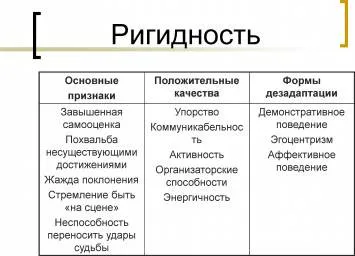
1. In the problem statement "I'll show them, they'll find out who I am…" what is the leading character trait:
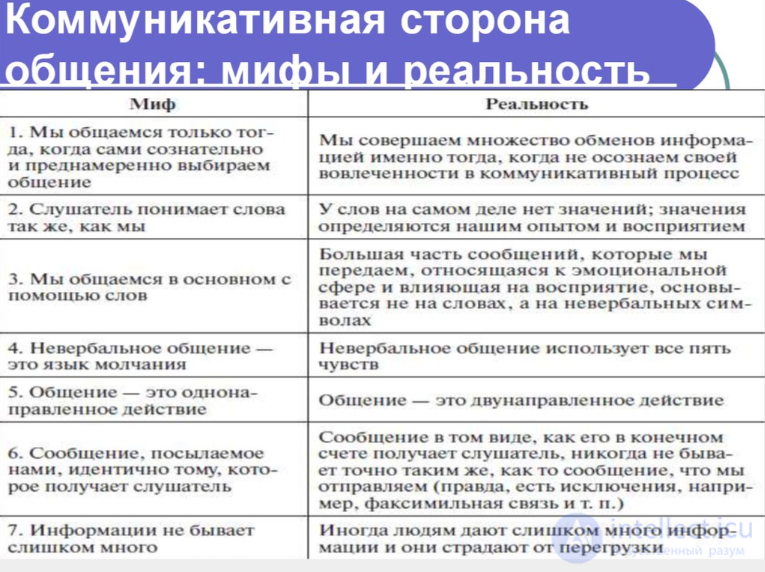
2. Are verbal and nonverbal means used in the process of psychological education:
3. The client's request in the counseling process:
4. According to V. V. Stolin, spontaneously arising client complaints are divided into:
5. In what year did the American Psychological Association change the specialty "counseling and guidance" to the specialty "counseling psychology":
6. A term related to resistance is:
7. The horizontal plane of contact between counselor and patient

Comments