
Lecture
tests with answers on the topic of Psychological and Pedagogical Correction, see the answers at the end. Reference diagrams are provided to help with hints and systematization of the material.
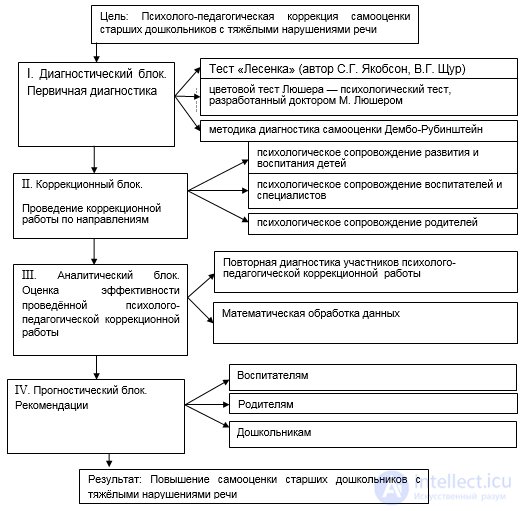
.Figure 1 - Model of psychological and pedagogical correction of self-esteem in older preschoolers with severe speech disorders
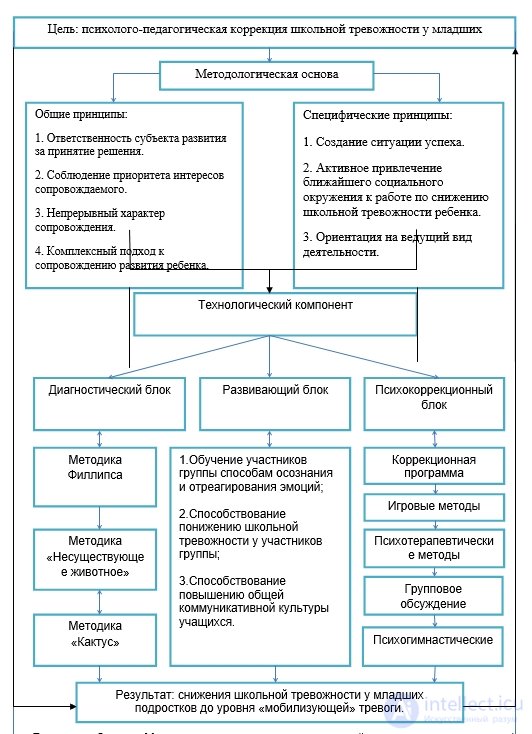
Figure 2 – Model of psychological and pedagogical correction of school anxiety in younger adolescents
1. Psychocorrection, unlike psychotherapy, is characterized as:
2. Primary prevention in psychocorrection is defined as:
3. The criterion not used to classify types of psychocorrection is:

4. The following is not one of the domestic principles of psychocorrection:
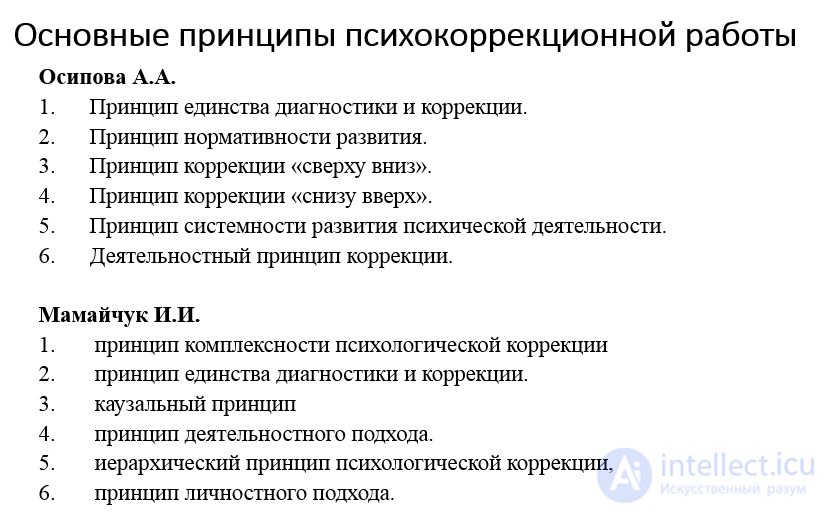
5. The "bottom-up" correction principle is defined as:
6. Symptomatic correction is based on the following psychological approach:
7. A correctional program includes all of the following blocks except:
At the formative experiment stage, a psychocorrectional program was developed and implemented to correct hyperactivity in students. The correctional program includes diagnostic, orientation, corrective, and evaluative blocks.
8. The orientation block addresses all of the following tasks except:
9. Evaluation of the effectiveness of psychocorrection work includes:
10. Standardized correctional programs differ from free-form ones in:
11. The role of a psychologist in a group oriented toward forming and practicing skills of effective behavior is called:
12. Psychological training in psychocorrection is distinguished by:
13. The following is not among the specific features of training:
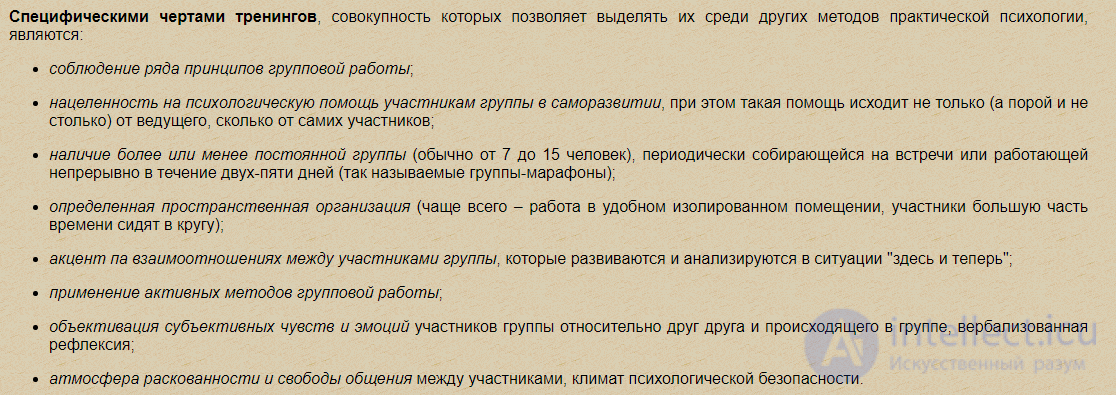
14. All of the following are among the general training methods except:
15. The orientation block of psychocorrection consists mainly of methods:
16. Non-game techniques belong to the following subgroups, except:
17. The least directive tactic is used at the stage:
18. The structure of a corrective session in the reconstructive block depends on:
19. The effectiveness of psychocorrective work does not depend on:
20. Diagnosis of the effectiveness of a corrective group's work is carried out:
21. The author of the theory of «Animal Magnetism» is:
22. The sources of psychocorrection as a science are usually considered to be research:
23. The author of the pathogenetic psychotherapy of neuroses, based on the principles of relations, is:
24. Affective groups do not include:
25. The founder of self-awareness development training is:
26. The essence of the «outer explosion» in self-awareness development training consists in:
27. Group analysts distinguish the following levels of the group process:
28. Therapeutic types of intervention in transactional analysis do not include:
Transactional analysis (transactional analysis, transactive analysis, transactional analysis; ) is a psychological model used to describe and analyze human behavior, both individually and within groups. This model includes a philosophy, theory, and methods that allow people to understand themselves and the specifics of their interaction with others. Psychoanalysis served as the key starting point for the development of transactional analysis, however Transactional analysis, as a model, acquired a significantly more general and large-scale character. A distinctive feature of transactional analysis is that it is set out in simple and accessible language, and its underlying principles are extremely straightforward and understandable to everyone.
29. «Action methods» include the methods of:
Psychodrama — a method of psychotherapy and psychological counseling, created by Jacob Moreno. Classical psychodrama is a therapeutic group process that uses the tool of dramatic improvisation to explore a person's inner world. Psychodrama is one of the action methods: when a person works through their problems and needs, they do so by means of action.. It is action that allows one to quickly move beyond what one already knows about oneself; action is in some sense «more truthful» than words. We can present a problem beautifully or clumsily, but once we begin to act, miracles happen. In simple terms: «Every person has an inner world in which some imagined events are constantly taking place. We recall the past and imagine the future, conduct mental dialogues (with people who matter to us and with ourselves). Sometimes we even come into conflict with ourselves. In other words, an inner drama is taking place within us. If this drama is brought outward and acted out in roles with the help of a group of people, the result is psychodrama».
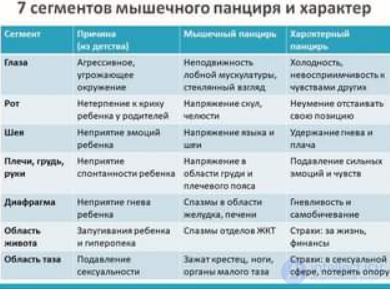
30. The «muscular armor» is the result of:
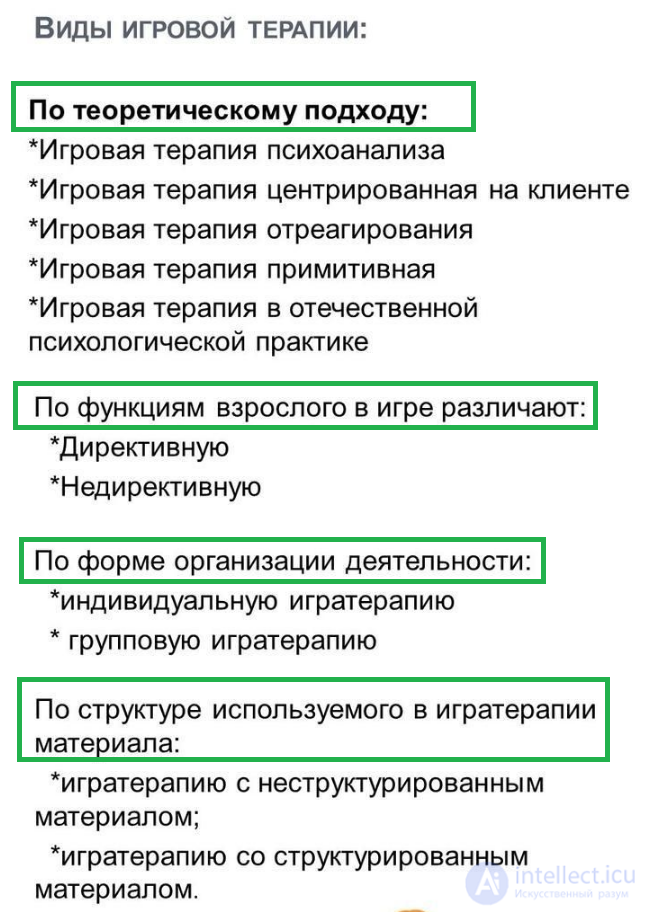
31. Play therapy is differentiated by:
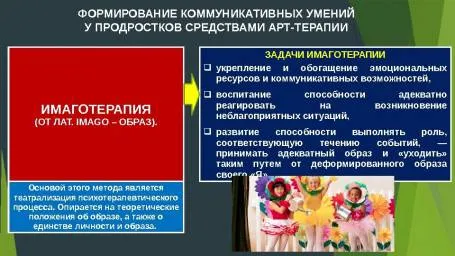
32. Which of the following is NOT one of the goals of art therapy:
33. The Swedish school of music therapy is oriented toward:
34. The dynamics of movement in «Effort System» are described by four parameters, except:
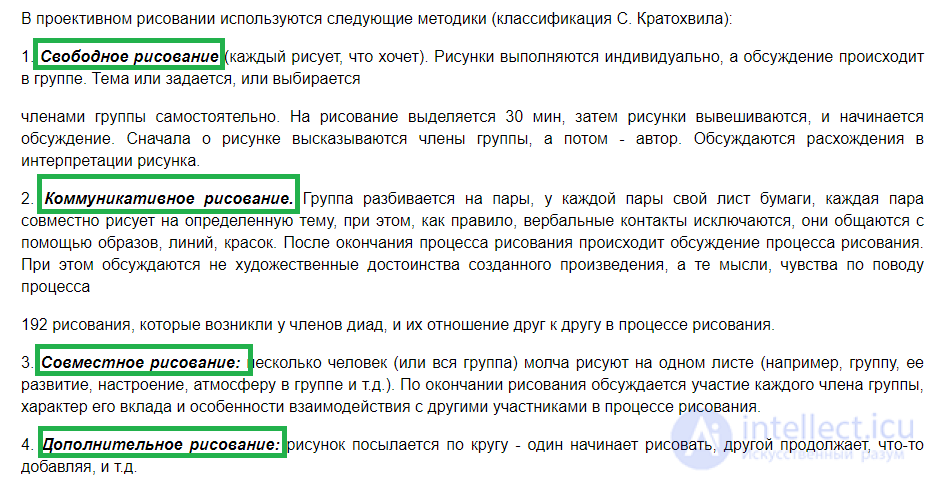
35. According to S. Kratochvil's classification, projective drawing does NOT use the following techniques:
36. The technique of rewriting fairy tales is used for the purpose of:
37. Puppet therapy is based on the processes of:
38. The method associated with training the understanding of others' nonverbal behavior and its development:
39. The method of «paradoxical intention» was proposed by:
40. The method of training the client to reproduce a specific set of characteristic images for corrective purposes is called:
41. The term «group dynamics» is usually used to refer to:
42. Which of the following is NOT among the main characteristics of group dynamics:
43. As a rule, phases are identified in group dynamics, among which the following is NOT included:
44. Which of the following is usually NOT among the goals of group correction:
45. Which types of group leaders are most effective:
46. Which statement correctly formulates the purpose of introducing group norms:
47. The concept of group work norms is best described by the statement:
48. Which of the following is NOT an actively operating factor in group psychocorrection:
49. In the initial phase of group correction, group members usually:
50. When experiencing a threat from the group, participants are most likely to react by:
51. Confrontation in group psychocorrection is understood as:
52. Which of the statements best describes the tasks of the encounter group:
53. In rational-emotive and cognitive-behavioral groups, more attention is paid to thoughts than to feelings. This helps participants become aware of:
54. The use of role-playing games in group psychocorrection produces a number of useful effects, which do NOT include:
55. The research method proposed by K. Lewin, later known as T-groups, is based on a definition of the group derived from the criteria of:
56. Which of the following helps group members become aware of their own problems and resources:
57. Which of the following statements is most correctly classified as feedback:
58. The «Johari Window» (a diagram by J. Luft and H. Ingham):
59. Groups are divided into homogeneous and heterogeneous on the basis of:
60. «Brainstorming» is a process used by a group to solve a problem. Which of the following is NOT a characteristic of «brainstorming»:
61. Which of the following is usually regarded as the main function of a T-group leader:
62. The most appropriate models of group psychotherapy for adolescents are:
63. The optimal size of children's psychocorrection groups is determined by a number:
64. Group forms of child psychocorrection are used in work with children starting from the age of:
65. The duration and intensity of correctional sessions are determined by:
66. The «disorganization» syndrome complex includes all of the following manifestations except:
67. False disorganization is a manifestation of:
68. Provocative forms of behavior manifest themselves:
69. The problem of correcting disorganization is resolved by using:
70. As recommendations for addressing the problem of disorganization, the following is NOT used:
71. The «aggressiveness» syndrome complex does not include:
72. The most difficult problem for a psychologist when correcting aggressiveness is:
73. Specific manifestations of insecurity do NOT include:
74. Prevention of insecurity has three strategic lines, except:
75. A characteristic manifestation of anxiety is NOT:
76. Anxiety is more characteristic of:
77. In correcting fears, all of the following techniques are used except:
78. The basis of fear formation is NOT:
79. The basis of a program for preventing exposure to psychoactive substances is:
80. Prevention of school maladjustment takes the form of:
Correct answers to the tests
|
|
|
|
|
|
|
|
|
|
|
1 |
1 |
1 |
28 |
5 |
1 |
55 |
2 |
1 |
|
2 |
3 |
1 |
29 |
1 |
1 |
56 |
3 |
1 |
|
3 |
3 |
1 |
30 |
2 |
1 |
57 |
3 |
1 |
|
4 |
4 |
1 |
31 |
2 |
1 |
58 |
2 |
1 |
|
5 |
1 |
1 |
32 |
4 |
1 |
59 |
3 |
1 |
|
6 |
2 |
1 |
33 |
1 |
1 |
60 |
2 |
1 |
|
7 |
3 |
1 |
34 |
4 |
1 |
61 |
3 |
1 |
|
8 |
4 |
1 |
35 |
5 |
1 |
62 |
1 |
1 |
|
9 |
4 |
1 |
36 |
3 |
1 |
63 |
1 |
1 |
|
10 |
1 |
1 |
37 |
1 |
1 |
64 |
2 |
1 |
|
11 |
1 |
1 |
38 |
3 |
1 |
65 |
5 |
1 |
|
12 |
4 |
1 |
39 |
2 |
1 |
66 |
4 |
1 |
|
13 |
3 |
1 |
40 |
3 |
1 |
67 |
2 |
1 |
|
14 |
4 |
1 |
41 |
1 |
1 |
68 |
4 |
1 |
|
15 |
2 |
1 |
42 |
3 |
1 |
69 |
1 |
1 |
|
16 |
3 |
1 |
43 |
3 |
1 |
70 |
4 |
1 |
|
17 |
2 |
1 |
44 |
1 |
1 |
71 |
3 |
1 |
|
18 |
4 |
1 |
45 |
3 |
1 |
72 |
1 |
1 |
|
19 |
4 |
1 |
46 |
3 |
1 |
73 |
4 |
1 |
|
20 |
4 |
1 |
47 |
3 |
1 |
74 |
2 |
1 |
|
21 |
2 |
1 |
48 |
2 |
1 |
75 |
4 |
1 |
|
22 |
3 |
1 |
49 |
1 |
1 |
76 |
1 |
1 |
|
23 |
3 |
1 |
50 |
3 |
1 |
77 |
4 |
1 |
|
24 |
3 |
1 |
51 |
3 |
1 |
78 |
5 |
1 |
|
25 |
2 |
1 |
52 |
3 |
1 |
79 |
3 |
1 |
|
26 |
3 |
1 |
53 |
3 |
1 |
80 |
2 |
1 |
|
27 |
4 |
1 |
54 |
3 |
1 |
|
|
|
Criteria for evaluating test results for the course in psychological and pedagogical correction
|
|
|
|
|
|
|
|
|
|
|
|
|
|
|
|
|
|
|
|

Comments