Это окончание невероятной информации про тесты по философии.
...
religion, art)
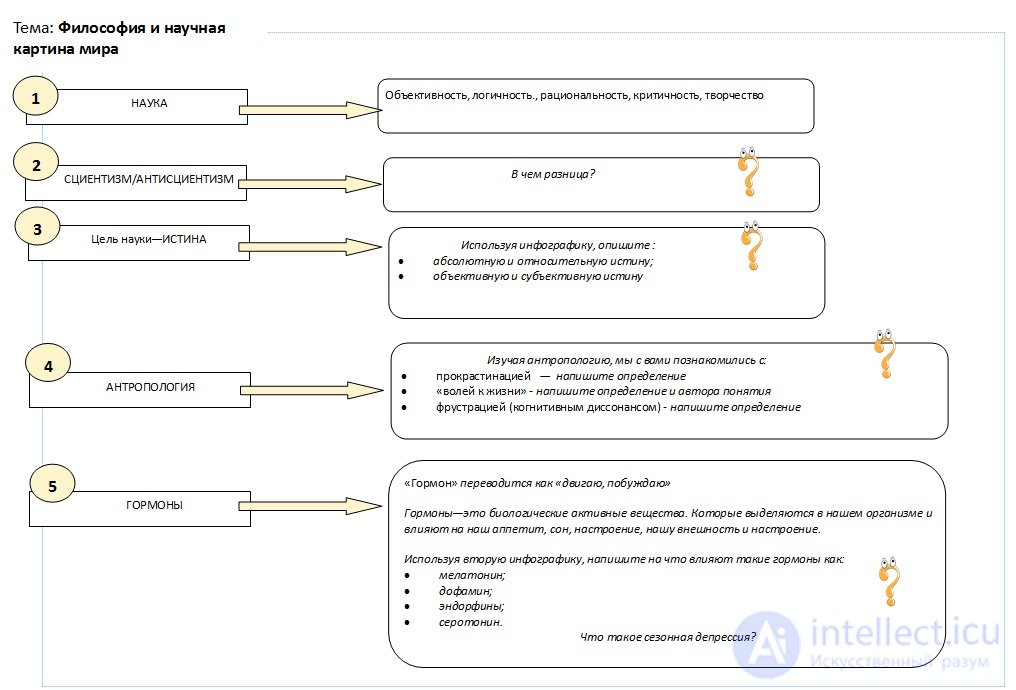
Topic 1 Philosophy and the scientific picture of the world
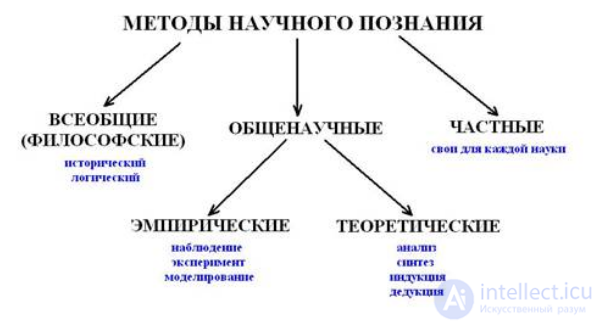
Basic concepts and terms on the topic: science, theory, principles, paradigm, hypothesis, interpretation, induction, deduction, analysis, synthesis, abstraction, scientism
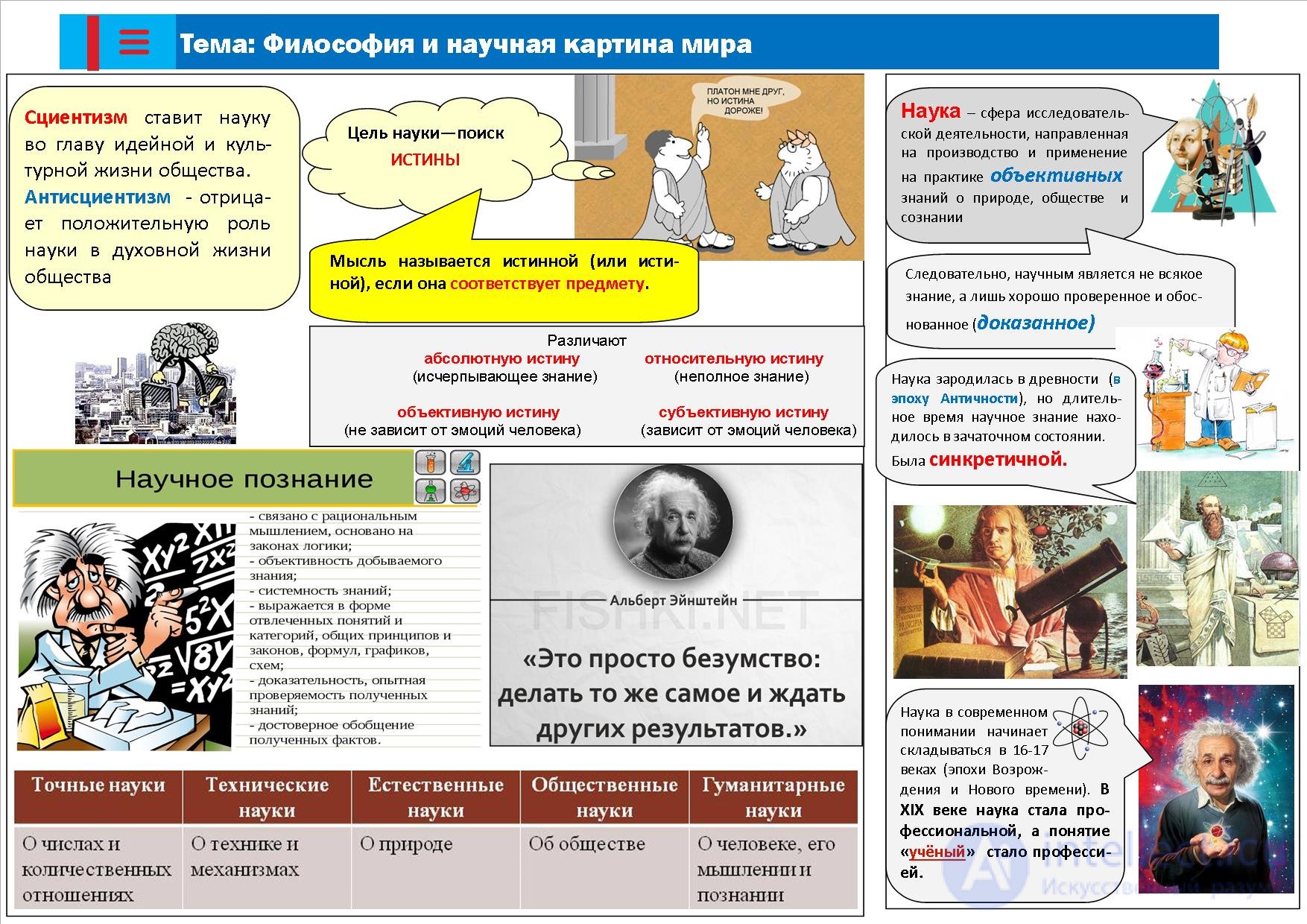
1. Both absolute and relative truth
- always find confirmation in practice
- are objective in character
- give complete, exhaustive knowledge of the subject
- can be refuted over time
2. True knowledge, unlike false knowledge,
- is obtained in the course of cognitive activity
- corresponds to the very object of cognition
- is abstracted from secondary features
- is expressed in scientific language
3. Absolute truth, as distinct from relative truth, is
- conclusions obtained by scientific means
- experimentally established facts
- knowledge that will never be refuted
- judgments devoid of subjective assessments
4. Only that knowledge can be considered true which
- has theoretical grounding
- corresponds to the object of study
- has practical significance
- is supported by authoritative opinion
5. In what century did science become a profession, and "scientist" become a profession?
- in the 7th-8th centuries BC
- in the 16th-17th centuries
- in the 19th century
- in the 21st century
6. Which philosophical trend of modern times denies the possibility of science replacing morality and religion in the spiritual life of society?
- agnostics
- atheists
- anti-scientists
- skeptics
7. Scientific knowledge, unlike everyday knowledge,
- presupposes verification of the truth of the information obtained
- reflects surrounding reality
- is formed on the basis of life experience
- is passed down from generation to generation
8. To which kind of science does philosophy belong?
- social sciences
- technical sciences
- exact sciences.
- humanities
9. Are the following judgments about relative truth correct? A. Relative truth is knowledge that not everyone agrees with. B. Relative truth is incomplete knowledge, true only under certain conditions.
- 1) only A is correct
- 2) only B is correct
- 3) both judgments are correct
- 4) both judgments are incorrect
10. Are the following judgments about scientific cognition correct? A. Any set of views whatsoever is science. B. Science always presupposes a logically constructed system of interrelated statements.
- 1) only A is correct
- 2) only B is correct
- 3) both judgments are correct
- 4) both judgments are incorrect
11. Are the following judgments about truth correct? A. Relative truth is knowledge that necessarily gives rise to different points of view. B. Relative truth is incomplete knowledge, true only under certain conditions.
- 1) only A is correct
- 2) only B is correct
- 3) both judgments are correct
- 4) both judgments are incorrect
12 Are the following judgments about scientific cognition correct? A. Scientific cognition differs from everyday cognition in its striving for maximum objectivity in describing the objects and phenomena studied. B. Scientific cognition differs from everyday cognition in the special language (terminology) used to describe the objects and phenomena studied.
- 1) only A is correct
- 2) only B is correct
- 3) both judgments are correct
- 4) both judgments are incorrect
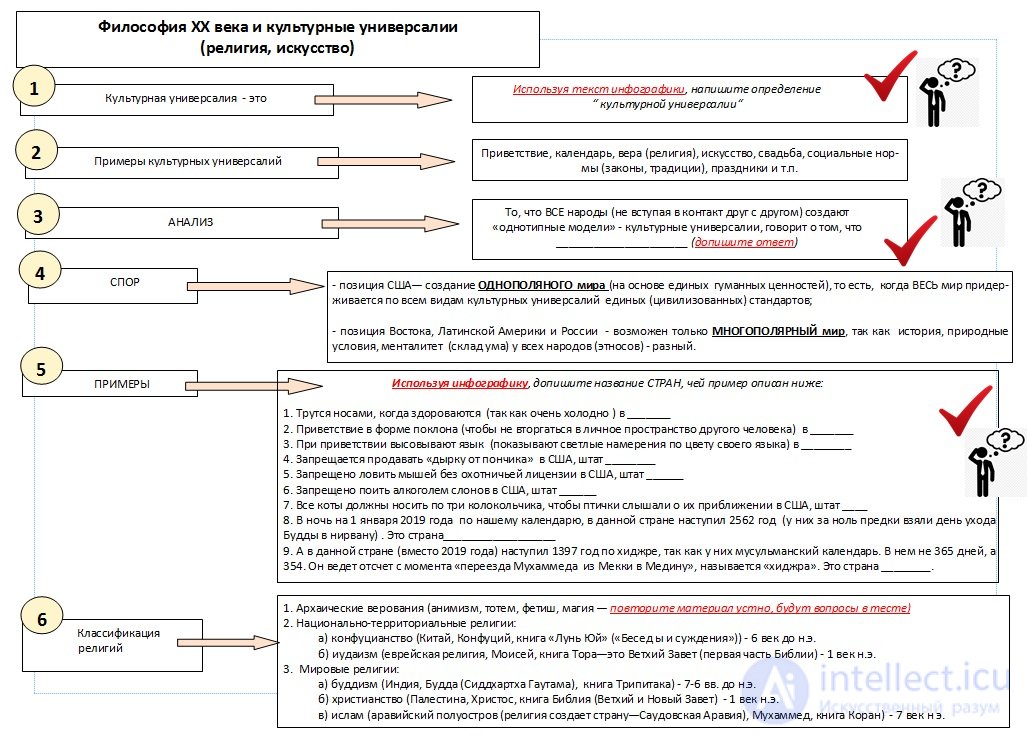
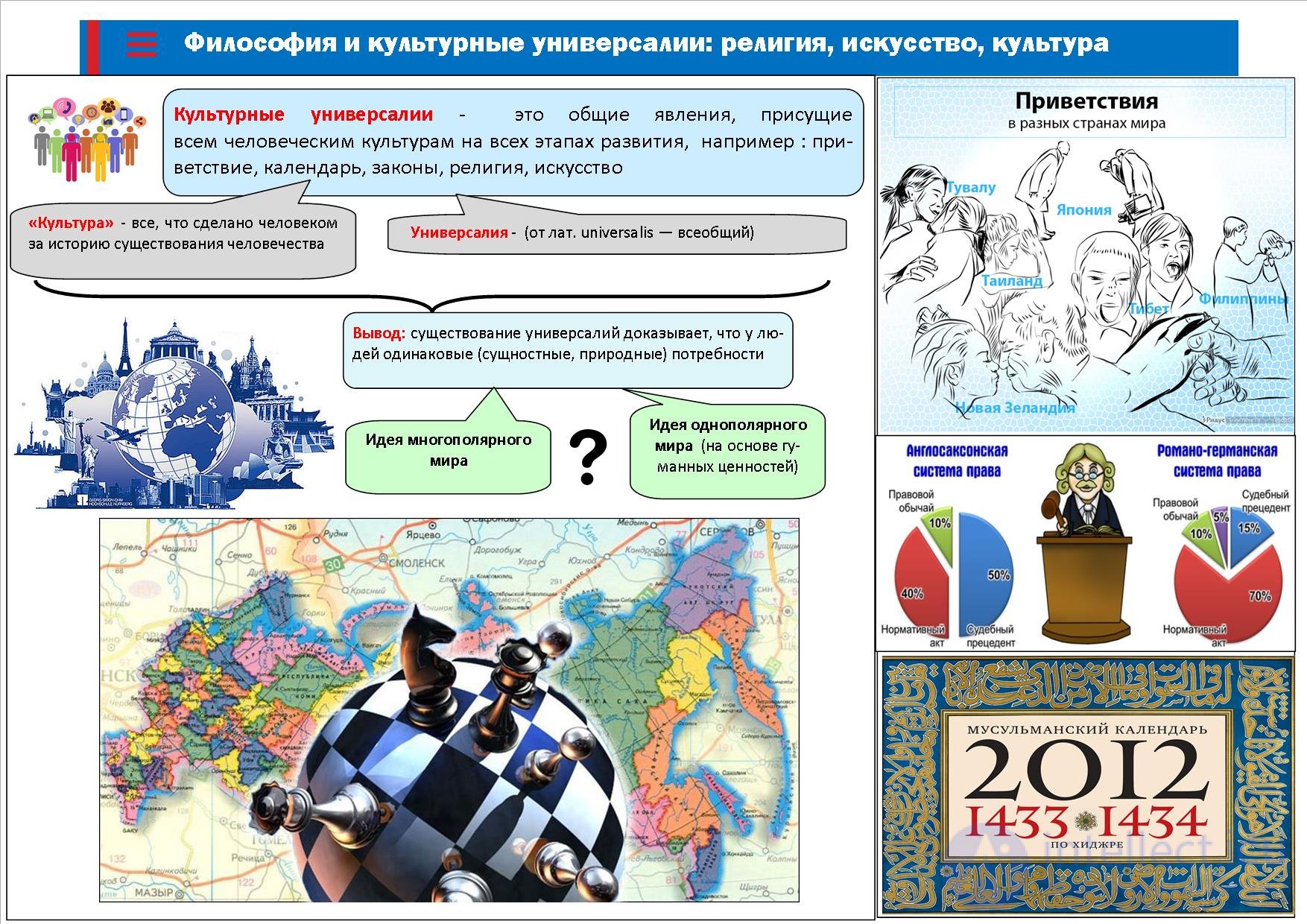
Topic 2 Philosophy and CULTURAL UNIVERSALS (religion)
Basic concepts and terms on the topic: faith, ecumenism, animism, fetishism, totemism
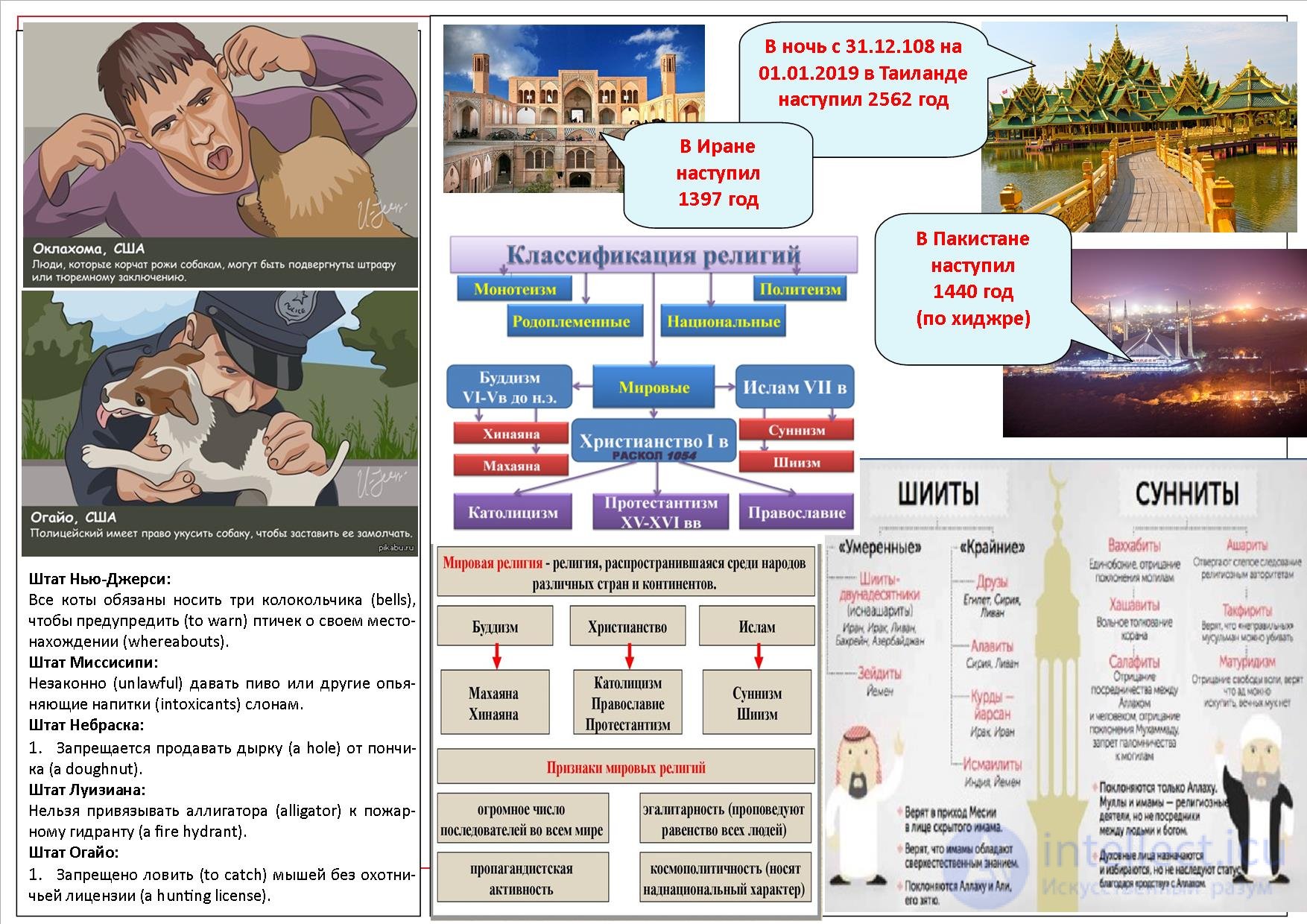
Test control of knowledge
Variant I
1. Who first used the word «religion»?
- a) Lakatos;
- b) Cicero;
- c) Caesar;
- d) Lactantius
2. Which variety of philosophical conceptions of the origin of religion holds that man creates God because he alienates his best spiritual qualities from himself and transfers them onto a fictitious being?
- a) the theological theory of man's inner religiosity;
- b) the idealist theory;
- c) the anthropological theory;
- d) the materialist theory;
- e) the psychological conception;
- f) the theosophical conception
3. Match the philosophical conception of the origin of religions with its essence:
- 1) the theological theory a) religion is inherent in man from the outset, since his spirit is a reflection of the World Spirit, which comes to know itself through man;
- 2) the idealist theory; b) man creates God because he alienates his best spiritual qualities from himself and transfers them onto a fictitious being;
- 3) the anthropological theory; c) religion is a fantastic reflection in people's consciousness of real external forces, which are perceived as supernatural;
- 4) the materialist theory; d) religion is a mechanism of psychological compensation for man before the unknown and hostile world of external nature and inner instincts;
- 5) the psychological conception; e) religion is a representation, accessible to human consciousness, of external Worlds and spiritual Beings that really exist in nature but are not supernatural;
- 6) the theosophical conception f) man inwardly senses the presence of God, and this sense gives rise to the striving to understand God and religion
4. Deism is:
- a) the notion of a multitude of gods;
- b) a system of religious beliefs based on the idea of a single God;
- c) a religious worldview proceeding from an understanding of God as an absolute personal being existing outside the world, who freely created it and acts within it;
- d) a religious-philosophical doctrine that recognizes God as the world mind, who constructed the expedient «machine» of nature and gave it laws and motion, but rejects any further intervention by God in the self-development of nature
-
5. Zoomorphism is:
- a) religious and philosophical teachings that identify God with the world whole;
- b) a religious-philosophical teaching according to which the world abides in God;
- c) the likening to man, the endowing with human properties of objects and phenomena of inanimate nature, heavenly bodies, mythical beings;
- d) the likening to an animal, the endowing with animal properties of objects and phenomena of inanimate nature, heavenly bodies, mythical beings
6. The social form of organization uniting believers, both clergy and laity:
- a) church;
- b) cult;
- c) denomination;
- d) sect;
- e) creed
7. The extreme form of a sect:
- a) church;
- b) cult;
- c) denomination;
- d) sect;
- e) creed
8. Which religions are world religions?
- a) Zoroastrianism, Shintoism, Taoism;
- b) Buddhism, Christianity, Hinduism;
- c) animism, fetishism, totemism;
- d) Buddhism, Christianity, Islam
9. The cult of inanimate objects:
- a) animism;
- b) totemism;
- c) fetishism;
- d) magic;
- e) divination
10. Who is the founder of Buddhism?
- a) Jesus Christ;
- b) Siddhartha Gautama;
- c) the Prophet Muhammad;
- d) Zoroaster
11. Which book is the source of doctrine in Islam?
- a) the Bible;
- b) the Quran;
- c) the Vedas;
- d) the Tripitaka
12. Match the religion with its basic concepts:
- 1) Buddhism; a) trinity;
- 2) Christianity; b) baptism;
- 3) Islam c) nirvana;
- d) hajj;
- e) samsara;
- f) karma;
- g) iman;
- h) repentance;
- i) Ramadan
Variant II
1. Who introduced the understanding of the concept of «religion» that was later associated with the Christian tradition?
- a) Lakatos;
- b) Cicero;
- c) Caesar;
- d) Lactantius
2. Which variety of philosophical conceptions of the origin of religion holds that religion is a fantastic reflection in people's consciousness of real external forces, which are perceived as supernatural:
- a) the theological theory of man's inner religiosity;
- b) the idealist theory;
- c) the anthropological theory;
- d) the materialist theory;
- e) the psychological conception;
- f) the theosophical conception
3. Polytheism – is:
- a) the notion of a multiplicity of gods;
- b) a system of religious beliefs based on the notion of a single God;
- c) a religious worldview proceeding from the understanding of God as an absolute personality existing outside the world, who freely created it and acts within it;
- d) a religious-philosophical doctrine that recognizes God as the world mind, who constructed the purposeful «machine» of nature and gave it laws and motion, but denies any further intervention by God in the self-development of nature
4. Pantheism – is:
- a) religious and philosophical teachings that identify God with the totality of the world;
- b) a religious-philosophical teaching according to which the world exists within God;
- c) the likening to a human being, the attribution of human qualities to objects and phenomena of inanimate nature, celestial bodies, and mythical beings;
- d) the likening to an animal, the attribution of animal qualities to objects and phenomena of inanimate nature, celestial bodies, and mythical beings
5. Atheism – is:
- a) religious and philosophical teachings that identify God with the totality of the world;
- b) the historically diverse forms of denial of religious beliefs and cult
- c) the likening to a human being, the attribution of human qualities to objects and phenomena of inanimate nature, celestial bodies, and mythical beings;
- d) a religious-philosophical doctrine that recognizes God as the world mind, who constructed the purposeful «machine» of nature and gave it laws and motion, but denies any further intervention by God in the self-development of nature
6. A group of dissenters within some religion, dissatisfied with the existing state of affairs in the church:
- a) church;
- b) cult;
- c) denomination;
- d) sect;
- e) creed
7. Match the forms of religious organizations:
- 1) church; a) the most extreme form of a sect;
- 2) cult; b) the totality of the dogmas and tenets of a given religion;
- 3) denomination; c) a social form of organization uniting believers, both clergy and laity;
- 4) sect; d) an intermediate link between a church and a sect;
- 5) creed e) a group of dissenters within some religion, dissatisfied with the existing state of affairs in the church
8. Match the types of religions:
- 1) primitive beliefs; a) Zoroastrianism;
- 2) national religions; b) Shinto;
- 3) world religions c) Taoism;
- d) Buddhism;
- e) Christianity;
- f) Judaism;
- g) animism;
- h) totemism;
- i) Islam;
- j) fetishism
9. The art of divination for the purpose of knowing the will of the gods:
- a) animism;
- b) totemism;
- c) fetishism;
- d) magic;
- e) mantic art
10. Who is the founder of Christianity?
- a) Jesus Christ;
- b) Siddhartha Gautama;
- c) the Prophet Muhammad;
- d) Zoroaster
11. Which book is the source of doctrine in Buddhism?
- a) the Bible;
- b) the Qur'an;
- c) the Vedas;
- d) the Tripitaka
12. Match the religion with the time of its emergence:
- 1) Buddhism; a) 7th century CE
- 2) Christianity; b) 7th century BCE
- 3) Islam c) 1st century CE
Variant III
1. Which type of philosophical conception of the origin of religion holds that a person inwardly senses the presence of God, and this sensation gives rise to a striving to understand God and religion:
- a) the theological theory of man's inner religiosity;
- b) the idealist theory;
- c) the anthropological theory;
- d) the materialist theory;
- e) the psychological conception;
- f) the theosophical conception
2. Which type of philosophical conception of the origin of religion holds that religion is a mechanism of psychological compensation for a person confronted with the unknown and hostile world of external nature and inner instincts:
- a) the theological theory of man's inner religiosity;
- b) the idealist theory;
- c) the anthropological theory;
- d) the materialist theory;
- e) the psychological conception;
- f) the theosophical conception
3. Monotheism – is:
- a) the notion of a multiplicity of gods;
- b) a system of religious beliefs based on the notion of a single God;
- c) a religious worldview proceeding from the understanding of God as an absolute personality existing outside the world, who freely created it and acts within it;
- d) a religious-philosophical doctrine that recognizes God as the world mind, who constructed the purposeful «machine» of nature and gave it laws and motion, but denies any further intervention by God in the self-development of nature
4. Panentheism – is:
- a) religious and philosophical teachings that identify God with the totality of the world;
- b) a religious-philosophical teaching according to which the world exists within God;
- c) the likening to a human being, the attribution of human qualities to objects and phenomena of inanimate nature, celestial bodies, and mythical beings;
- d) the likening to an animal, the attribution of animal qualities to objects and phenomena of inanimate nature, celestial bodies, and mythical beings
5. Match the types of human conceptions of gods with their essence:
- 1) pantheism; a) the notion of a multiplicity of gods;
- 2) deism; b) a system of religious beliefs based on the notion of a single God;
- 3) panentheism; c) a religious worldview proceeding from the understanding of God as an absolute personality existing outside the world, who freely created it and acts within it;
- 4) theism; d) a religious-philosophical doctrine that recognizes God as the world mind, who constructed the purposeful «machine» of nature and gave it laws and motion, but denies any further intervention by God in the self-development of nature;
- 5) anthropomorphism; e) religious and philosophical teachings that identify God with the totality of the world;
- 6) monotheism; f) a religious-philosophical teaching according to which the world exists within God;
- 7) zoomorphism; g) the likening to a human being, the attribution of human qualities to objects and phenomena of inanimate nature, celestial bodies, and mythical beings;
- 8) polytheism; h) the likening to an animal, the attribution of animal qualities to objects and phenomena of inanimate nature, celestial bodies, and mythical beings;
- 9) atheism i) the historically diverse forms of denial of religious beliefs and cult
6. The intermediate link between a church and a sect:
- a) church;
- b) cult;
- c) denomination;
- d) sect;
- e) creed
7. Which religions belong to the primitive religions?
- a) Zoroastrianism, Shinto, Taoism;
- b) Buddhism, Christianity, Hinduism;
- c) animism, fetishism, totemism;
- d) Buddhism, Christianity, Islam
8. The worship of some plant or animal and a tribe's belief in its descent from it:
- a) animism;
- b) totemism;
- c) fetishism;
- d) magic;
- e) mantic art
9. Influencing the world of spirits by means of special rituals and spells in order to change circumstances in people's favor:
- a) animism;
- b) totemism;
- c) fetishism;
- d) magic;
- e) mantic art
10. Who is the founder of Islam?
- a) Jesus Christ;
- b) Siddhartha Gautama;
- c) the Prophet Muhammad;
- d) Zoroaster
11. Match the religion with its sacred book:
- 1) Buddhism; a) «the Bible»;
- 2) Christianity; b) «the Tripitaka»
- 3) Islam c) «the Qur'an»
12. Arrange the religions in the chronological order of their appearance:
- a) Christianity;
- b) Islam;
- c) Buddhism
-
Variant IV
1. Which type of philosophical conception of the origin of religion holds that religion is inherent in man from the outset, since his spirit is a reflection of the World Spirit, which comes to know itself through man:
- a) the theological theory of man's inner religiosity;
- b) the idealist theory;
- c) the anthropological theory;
- d) the materialist theory;
- e) the psychological conception;
- f) the theosophical conception
2. Which type of philosophical conception of the origin of religion holds that religion is a conception, accessible to human consciousness, of external Worlds and spiritual Beings that really exist in nature but are not supernatural:
- a) the theological theory of man's inner religiosity;
- b) the idealist theory;
- c) the anthropological theory;
- d) the materialist theory;
- e) the psychological conception;
- f) the theosophical conception
3. Theism – is:
- a) the notion of a multiplicity of gods;
- b) a system of religious beliefs based on the notion of a single God;
- c) a religious worldview proceeding from the understanding of God as an absolute personality existing outside the world, who freely created it and acts within it;
- d) a religious-philosophical doctrine that recognizes God as the world mind, who constructed the purposeful «machine» of nature and gave it laws and motion, but denies any further intervention by God in the self-development of nature
4. Anthropomorphism – is:
- a) religious and philosophical teachings that identify God with the totality of the world;
- b) a religious-philosophical teaching according to which the world exists within God;
- c) the likening to a human being, the attribution of human qualities to objects and phenomena of inanimate nature, celestial bodies, and mythical beings;
- d) the likening to an animal, the attribution of animal qualities to objects and phenomena of inanimate nature, celestial bodies, and mythical beings
5. Among those listed below, identify the traits of religious consciousness:
- a) the predominance of faith over reason;
- b) objectivity and reliability;
- c) mysticism;
- d) only objective truth is regarded as the highest authority;
- e) adherence to traditions, established views, dogmatism
6. The totality of the dogmas and tenets of a given religion:
- a) church;
- b) cult;
- c) denomination;
- d) sect;
- e) creed
7. Which religions belong to the primitive religions?
- a) Zoroastrianism, Shinto, Taoism;
- b) Buddhism, Christianity, Hinduism;
- c) animism, fetishism, totemism;
- d) Buddhism, Christianity, Islam
8. Belief in the existence of spirits, and in the presence of an independent soul in people, animals, and plants:
- a) animism;
- b) totemism;
- c) fetishism;
- d) magic;
- e) mantic art
9. Match the forms of primitive beliefs:
- 1) animism; a) the worship of some plant or animal and a tribe's belief in its descent from it;
- 2) fetishism; b) belief in the existence of spirits, and in the presence of an independent soul in people, animals, and plants;
- 3) magic; c) the cult of inanimate objects;
- 4) mantic art; d) the art of divination for the purpose of knowing the will of the gods;
- 5) totemism e) influencing the world of spirits by means of special rituals and spells in order to change circumstances in people's favor
10. Match the religion with its founder:
- 1) Buddhism; a) Jesus Christ;
- 2) Christianity; b) the Prophet Muhammad;
- 3) Islam c) Siddhartha Gautama
11. Which book is the source of doctrine in Christianity?
- a) the Bible;
- b) the Qur'an;
- c) the Vedas;
- d) the Tripitaka
12. Which religions are monotheistic?
- a) Buddhism, Christianity, Judaism;
- b) Judaism, Christianity, Islam;
- c) Buddhism, Confucianism, Hinduism;
- d) Hinduism, Taoism, Shinto
Topic 3.3 Philosophy and Art
Key concepts and terms on the topic: humanism, visionary art, talent and genius, dehumanization.
36. Objects and phenomena can be considered beautiful when they appear as social-human values, embodying the affirmation of the individual in the world. The beautiful — is:
- the great feeling of the artist arising before the creation of a rough sketch
- * a category of aesthetics characterizing phenomena from the standpoint of perfection, as possessing supreme aesthetic value
- a serene sense of enjoyment
37. The Italian sculptor, painter, architect, and poet __________________ is the author of the paintings «The Lamentation of Christ» and «David», as well as the painting of the ceiling of the Sistine Chapel in the Vatican, the statue «Moses», and the fresco «The Last Judgment».
- Van Gogh
- Michelangelo*
- Da Vinci
38. Aesthetics — is:
- *the most general and fundamental concepts, reflecting the essential, universal properties and relations of the phenomena of artistic reality and the cognition of art
39. Style in art — is:
- * a fundamental category of art, a coherent system of principles, regularities, and rules of a particular creative method, as well as the features of artistic forms characteristic of a particular historical epoch
40. Name the composer who expressed the thought that «music — is a revelation higher than wisdom and philosophy» …
- Tchaikovsky
- * L. Beethoven
- Vivaldi
41. Name the leading representative of Impressionism, who sought to capture the state of the light-and-air environment at different times of day (the series «Haystacks», «Rouen Cathedral»):
42. Creative method in art — is:
- * a system of principles governing the process of creating works of art
43. F. M. Dostoevsky criticized the artist N. N. Ge for depicting «an ordinary quarrel of very ordinary people» in the painting
44. The author of the famous poem «The Divine Comedy», of whom it was said that he was «the last poet of the Middle Ages and at the same time the first poet of modern times», is:
45. Art — is:
- • a special form of social consciousness and spiritual activity, the specificity of which consists in reflecting reality through artistic images
-
2. What forms of rethinking the views of common sense and naive realism have arisen in the history of humanity?
- a) mythology;
- b) religion;
- c) art;
- d) politics;
- e) law;
- f) science;
- g) philosophy.
3. Among all the forms of rethinking the original naive-realistic picture of the world, the historically latest is:
- a) religion;
- b) philosophy;
- c) mythology;
- d) art.
4. certain abilities that are revealed with the acquisition of skill and experience are
- aptitudes
- *Talent
- Genius
- Genius (as a quality)
5. the highest degree of creative giftedness is
- aptitudes
- Talent
- *Genius
- Genius (as a quality)
6. the highest degree of manifestation of a person's creative powers
- aptitudes
- Talent
- Genius
- *Genius (as a quality)
7. anatomical-physiological features of the nervous system, serving as the basis for the formation of particular abilities.
- *aptitudes
- Talent
- Genius
- Genius (as a quality)
8. the understanding of the essence of art as mimesis belongs to the following philosopher:
- Aristotle
- Plato
- Dionysius the Areopagite
- Kant
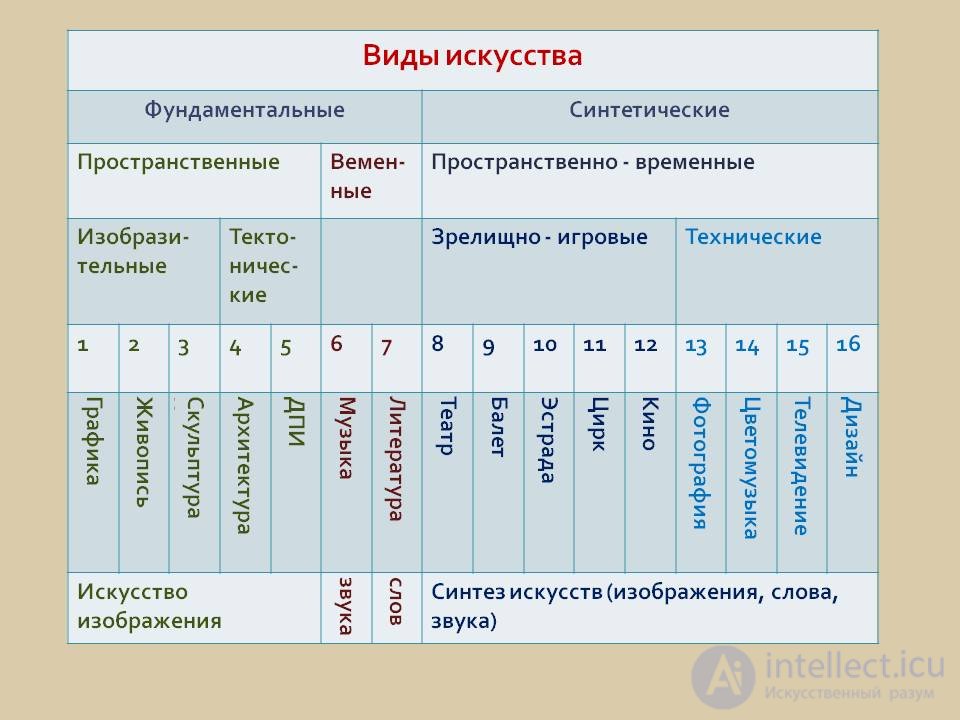
9. the temporal art forms include the following:
- music, literature
- dance, theater, cinema
- graphics, painting, sculpture, architecture
- advertising, design, circus
10. the understanding of the essence of art as Divine Revelation belongs to:
- Aristotle
- Plato
- Dionysius the Areopagite
- N. G. Chernyshevsky
11. art performs the following functions in relation to society:
- the development of spiritual potential, individualization, and self-identification
- socialization and the strengthening of social ties
- spiritualization, transformation, and preservation
- the aesthetic regulation of self-development
12. according to Plato, art is based on
- fantasy
- mathematics
- logic
- imitation of the world of sensory things
13. psychotherapy as the essence of art was regarded by
- Aristotle
- S. Freud
- Dionysius the Areopagite
- V.V. Bychkov
14. the functions of art in relation to man consist of the following:
- development of spiritual potential, individualization and self-identification
- socialization and the strengthening of social bonds
- spiritualization, transfiguration and preservation
- aesthetic regulation of self-development
15. the conception of the essence of art as the spiritual self-justification of humanity was created by
- Aristotle
- N.A. Berdyaev
- Dionysius the Areopagite
- N.G. Chernyshevsky
16. The play-theory of the origin of art was developed by:
- Plato
- Abelard
- Sartre
- Huizinga
Продолжение:
Часть 1 1000 Online Philosophy Tests with Answers, Diagrams, and Infographics
Часть 2 - 1000 Online Philosophy Tests with Answers, Diagrams, and Infographics
Часть 3 tests on the topic Society and History - 1000 Online
Часть 4 Topic 1 Philosophy and the scientific picture of the world


Comments