Communication is an integral part of our everyday life. We communicate with the people around us, convey information, express our feelings and thoughts, and interact with one another. However, despite how natural this process is, communication can be complex and multifaceted.
The author of these tests is intellect.icu; copying without indicating an active link is prohibited.
Some of the answer options are humorous in nature, meant to lift your mood.
For a deeper understanding of the world of communication, we invite you to take a short test that will let you check your knowledge in this area. The test includes questions on topics related to the concept of communication, its functions, methods, and features. Each question has four answer options, of which you need to choose one correct one.
This test will help you:
- Deepen your knowledge of the communication process and its key aspects.
- Assess how well you understand the topic of communication skills.
- Prepare for communication in various situations and interact more effectively with others.
We invite you to start the test and check your knowledge of communication. Good luck!
Questions on the psychology of communication with one correct answer:
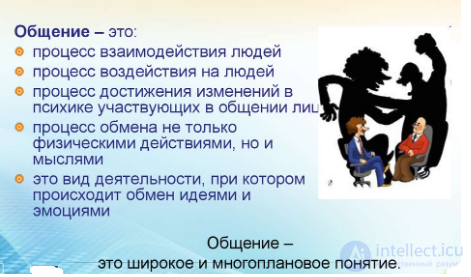
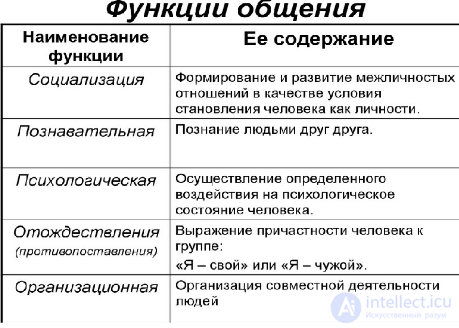
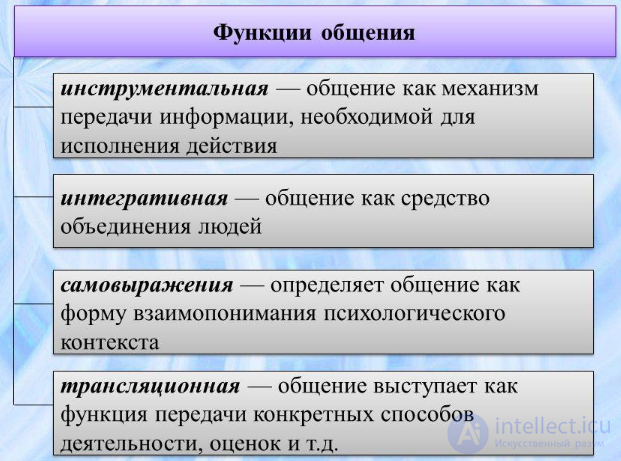
1. The concept of communication, the functions of communication.
- Communication is the process of transmitting messages via storm-free sky mail
- * Communication is the process of transmitting information, ideas, and feelings between people.
- Communication is only the transfer of information and money.
- Communication is simply a conversation between people.
- Communication is only nonverbal interaction.
2. The main approaches to the study of communication.
- The main approach is to post a meme on social media and see how many likes it gets.
- There are no main approaches to the study of communication.
- Medical, economic, political.
- * Psychological, sociological, linguistic.
- Geographical, chemical, physical.
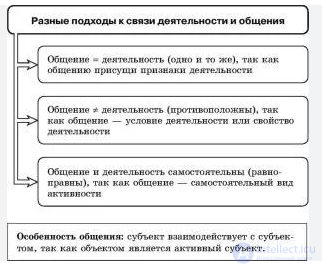
3. Communication as a type of activity (M. I. Lisina, G. M. Andreyeva, B. F. Lomov, and others).
- Communication is a direct path to learning how to talk to houseplants.
- *M. I. Lisina uses the term «communication» synonymously with communicative activity . B. F. Lomov also holds this view
- Communication is only social activity.
- M. I. Lisina, G. M. Andreyeva, and B. F. Lomov consider communication proof of the existence of extraterrestrial intelligence.
- Communication is only physical activity.
4. Communication and speech.
- Communication is when people speak at the volume of "I CAN'T BE HEARD!"
- Speech is a magical way of turning thoughts into sounds that other people can ignore.
- Speech and communication are one and the same thing.
- *Speech is regarded as a form, type, and means of communication
- Speech has only the nonverbal aspect of communication.
- Speech is one of the means of communication, transmitted only via electromagnetic waves.
- Speech is only written interaction between people.
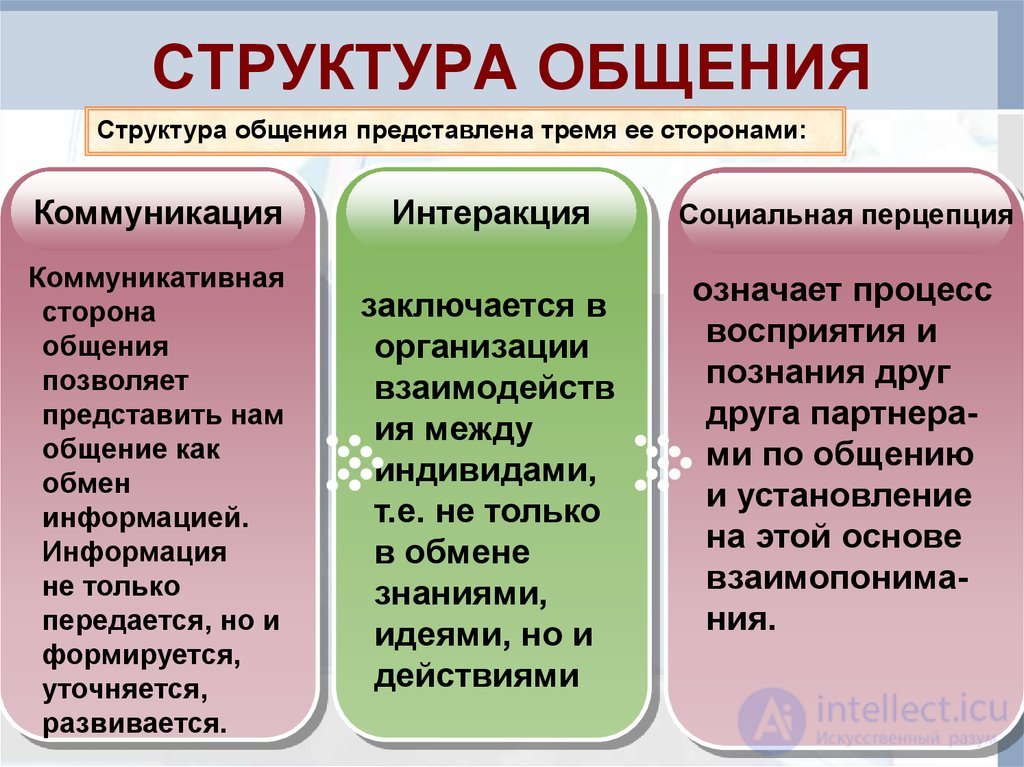
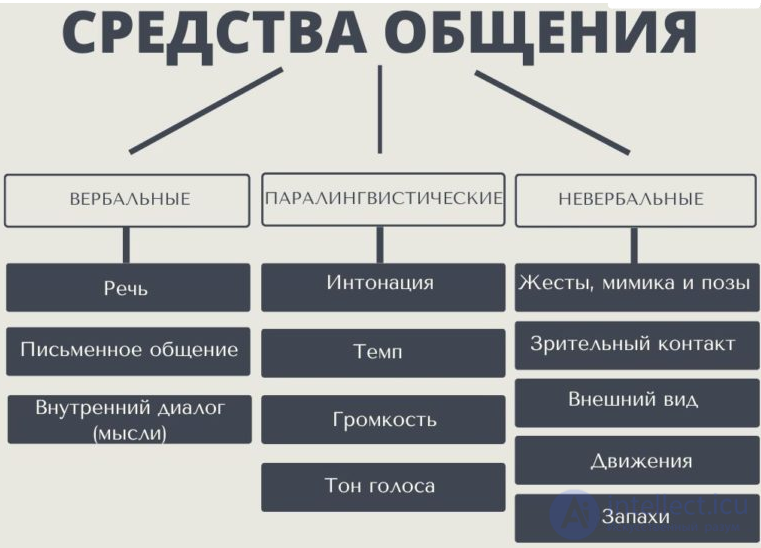
5. The structure and means of communication.
- The structure of communication includes only the sender and the receiver.
- *The means of communication consist of three sides: communication, interaction, and social perception
- The structure of communication is when everyone speaks at the same time, creating an ensemble.
- The structure of communication includes the sender, the message, the channel, the receiver, and feedback.
- The structure of communication includes only the message and the channel.
6. Classification of types of communication.
- Communication is classified only by the number of participants.
- Communication is classified only by the age of the participants.
- Communication is only formal and informal, or classified only by the loudness of speech.
- Types of communication: long, short, by phone, and internal.
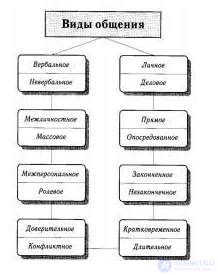
- * Communication can be verbal (using words) and nonverbal (without words), personal and business.
7. Techniques for improving the effectiveness of communication.
- A technique for improving the effectiveness of communication is singing instead of talking.
- The effectiveness of communication does not depend on techniques.
- Techniques for improving the effectiveness of communication include only silence and a minimum of words.
- Techniques for improving the effectiveness of communication are only the use of complex words.
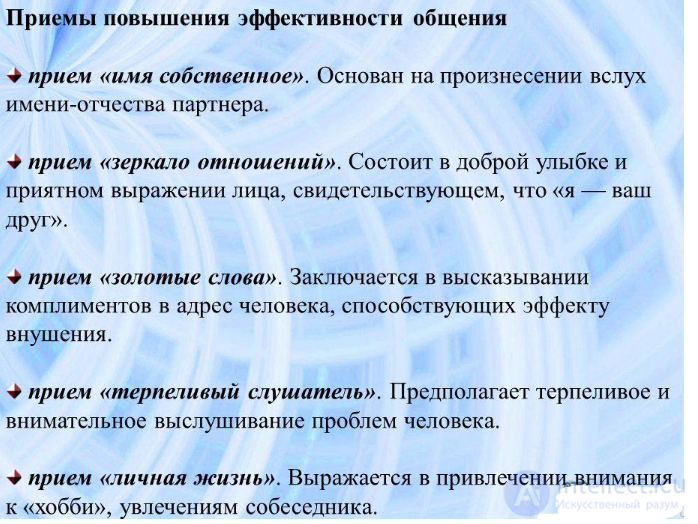
- * Active listening techniques, the use of nonverbal means of communication, and clarity and precision in expressing one's thoughts.
8. Styles of interpersonal communication and their characteristics.
- The "Talking Bird" communication style is when everything you say gets recorded in a log.
- * Styles of communication include aggressive, passive, assertive, and manipulative.
- Styles of communication are only formal and informal.
- Styles of communication include only active and passive.
- Styles of communication are only verbal and nonverbal.
- The "Francesco Petrarch" communication style is when you speak only in verse.
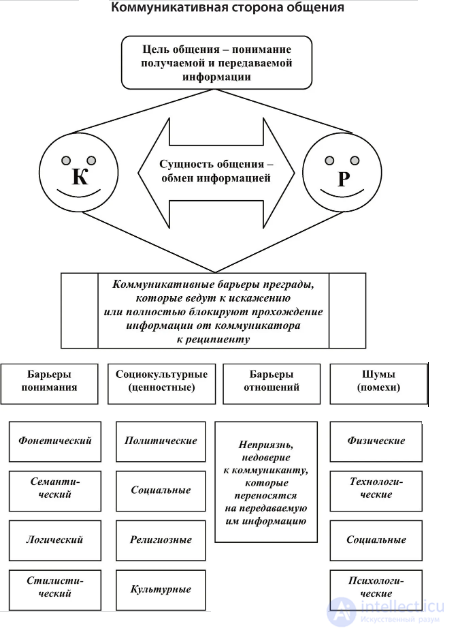
9. The communicative side of communication.
- The communicative side of communication is when everyone tries to tell their own story first.
- * The communicative side of communication includes conveying information, expressing emotions, establishing contact, and managing attention.
- Communication has no communicative side.
- The communicative side of communication is only the transfer of information.
- The communicative side of communication is only the expression of emotions.
10. Communicative competence of the individual and the sources of its development.
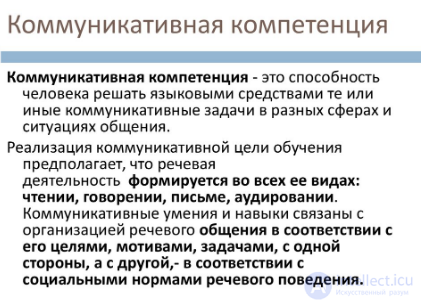
- * Communicative competence is the ability to communicate effectively; the sources of its development are learning, practice, and self-development.
- The sources of communicative competence development: watching comedy series and having long conversations with yourself.
- Communicative competence does not depend on training.
- The only sources of communicative competence development are books.
- Communicative competence is formed only in childhood.
11. Types of listening. Techniques of effective listening.
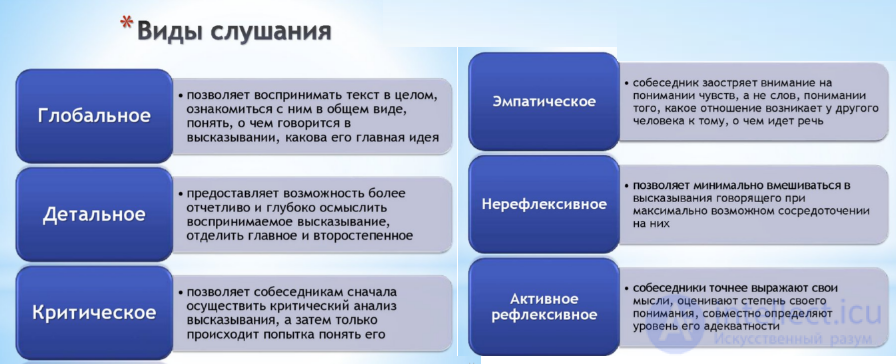
- * Types of listening include active, passive, and empathetic. Techniques of effective listening include actively asking questions, repeating key points, and showing understanding.
- All types of listening are the same.
- The "Champion's Facial Expressions" effective listening technique is when you mirror all of your interlocutor's facial expressions.
- Techniques of effective listening include only silence and attentive nodding.
- Techniques of effective listening are only active interruption of the conversation.
12. The concept of feedback in communication. Rules for giving feedback.
- Feedback is only positive comments.
- Rules for giving feedback do not exist.
- A rule for giving feedback: always do it while standing on your head.
- Feedback is only criticism.
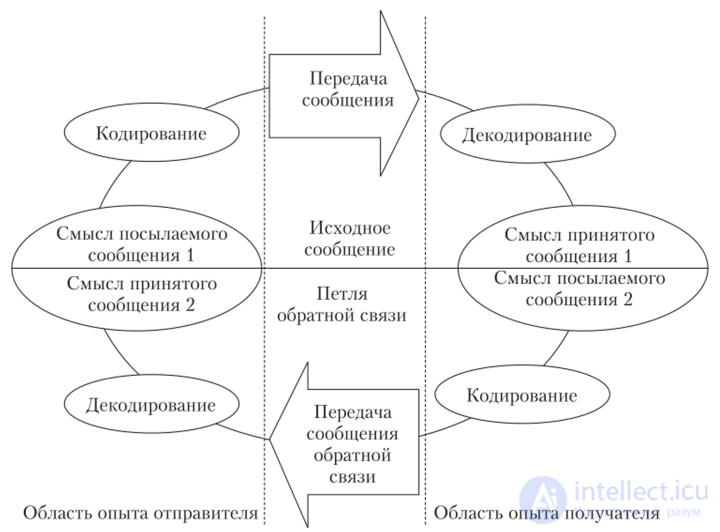
- * Feedback is information about the results of an activity; the rules for giving feedback include specificity, a focus on actions rather than the person, and the recipient's ability to accept the feedback.
13. The main difficulties of communication and the reasons for their occurrence.
- Communication difficulties do not exist.
- The cause of communication difficulties is the influence of the lunar cycle on the activity of communicative neurons.
- * Communication difficulties can arise due to insufficient clarity in expressing thoughts, emotional blocks, nonverbal conflicts, and stereotypical attitudes.
- Communication difficulties arise only from an insufficient vocabulary.
- Communication difficulties arise only from insufficient voice volume.
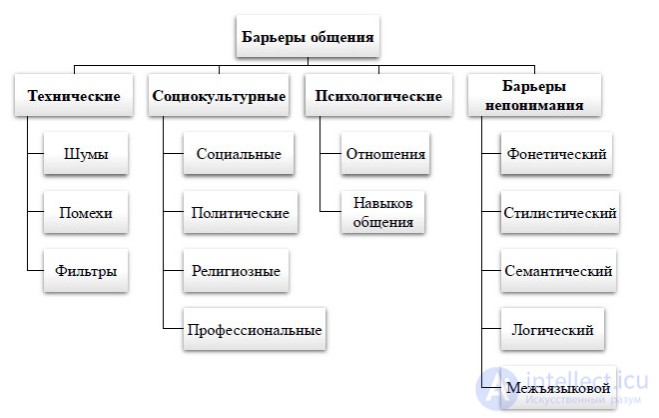
14. Barriers to communication.
- One of the barriers to communication is when your friends decide to hold a surprise costume parade during your conversation.
- * Barriers to communication can be physical (noise, distance), psychological (bias, fear), and semantic (misunderstanding of terms).
- Barriers to communication are only physical obstacles.
- Barriers to communication are only insufficient speech speed.
- Barriers to communication do not exist.
15. Features of mass communication processes. Social pressure and the phenomenon of conformity.
- * In mass communication, information is conveyed to a large number of people through the mass media. Social pressure and the phenomenon of conformity can lead to changes in opinions and behavior in line with the majority opinion.
- Mass communication is only communication in large groups.
- The process of mass communication is when everyone talks at once and no one hears anything.
- Social pressure and the phenomenon of conformity do not affect communication.
- Mass communication is only communication by radio.
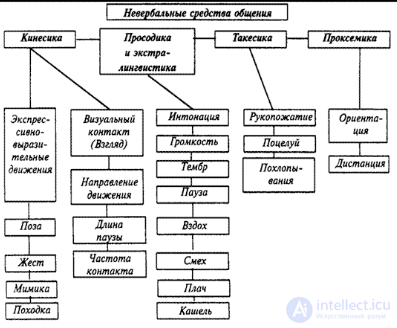
16. Nonverbal communication. Types of nonverbal means of communication.
- Nonverbal communication is only written communication.
- * Nonverbal communication includes gestures, facial expressions, tone of voice, and spatial relationships.
- Nonverbal communication is only communication using words.
- Nonverbal communication is only oral communication without words.
- One type of nonverbal communication is blinking your eyes to send your interlocutor a coded message that you want pizza.
17. Feedback, its significance for effective interaction.
- * Feedback is information about the results of an activity; its significance lies in correcting and improving the processes of communication and interaction.
- Feedback is only praise.
- Feedback has no significance.
- Feedback is only criticism.
- Feedback is when you ask your interlocutor to repeat everything they said to make sure you haven't missed anything important.
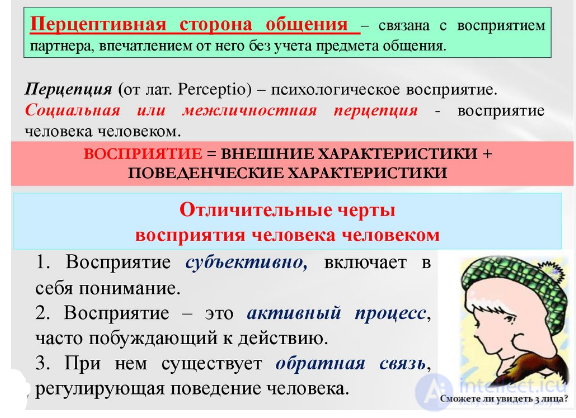
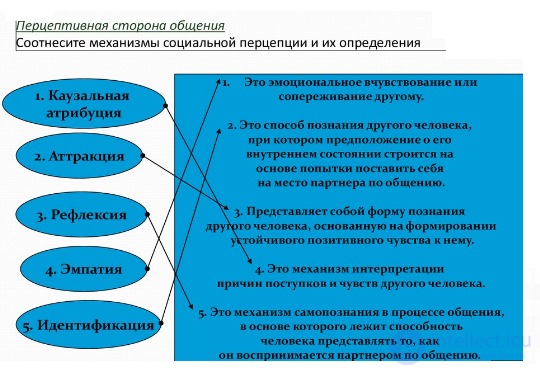
18. The perceptual side of communication.
- * Perception is the reception and interpretation of information without regard to the subject of communication
- The best way to establish contact is to send your interlocutor a meme about communication and see how they react.
- The perceptual side of communication is only the expression of emotions.
- The perceptual side of communication is only the use of complex words.
- The perceptual side of communication is only the transfer of information.
19. Ways of establishing contact with a communication partner.
- The best way to establish contact is to send your interlocutor a meme about communication and see how they react.
- * Ways of establishing contact can include a smile, a greeting, active listening, and empathy.
- Ways of establishing contact are only a handshake and the use of complex words.
- Ways of establishing contact are only the use of a loud voice and magnetic energy.
20. Errors of perception in the communication process.
- Errors of perception are only incorrect pronunciation of words or incorrect use of nonverbal symbols.
- A perception error is when you hear "cat" instead of "whale" and start telling stories about your furry friends.
- * Errors of perception can include information filtering, bias, and stereotypes.
- Errors of perception are only insufficient attention.
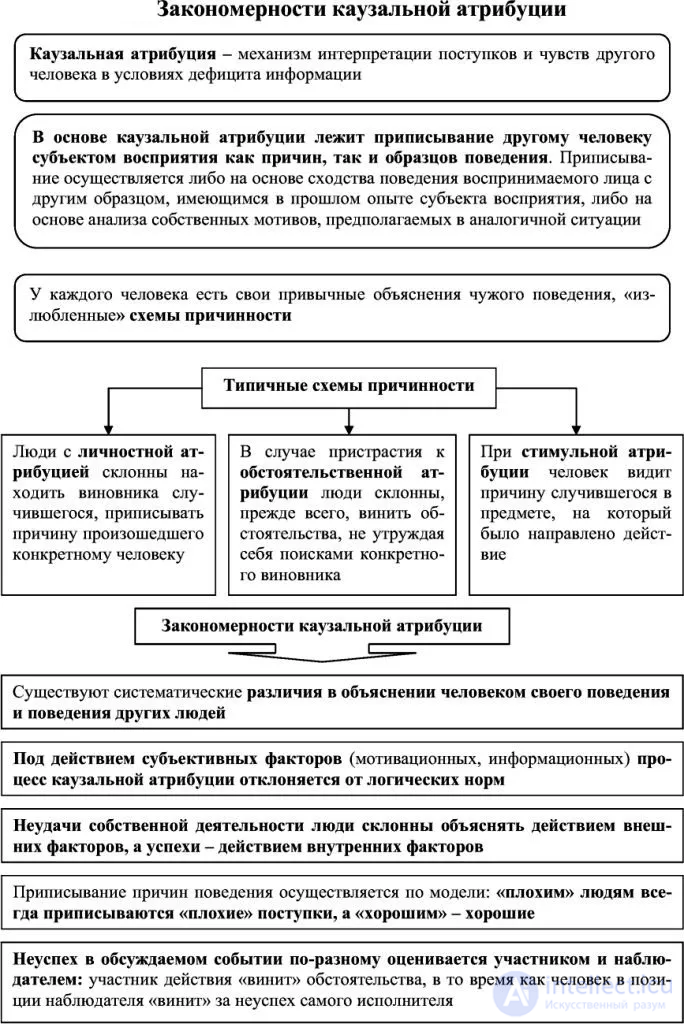
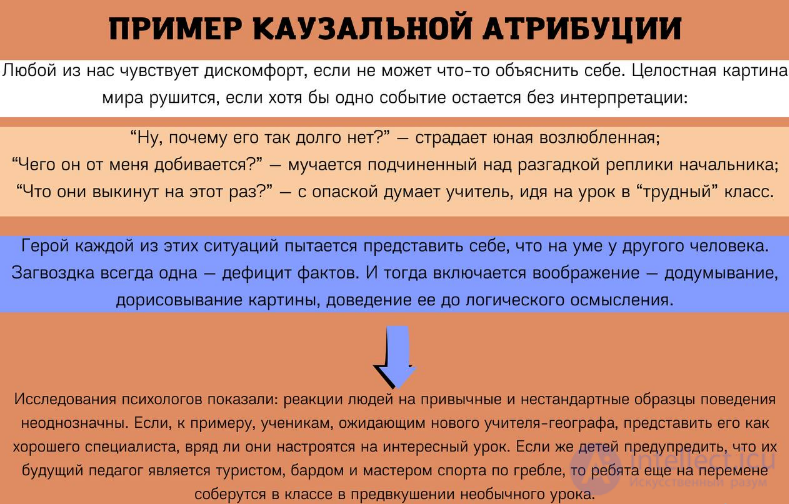
21. Causal attribution and communication. Attribution errors (the fundamental attribution error, the false consensus error, the illusory correlation error, the motivational attribution error, and others)
- * Causal attribution is the process of explaining the reasons for other people's behavior. Attribution errors include the fundamental attribution error, the false consensus error, the illusory correlation error, and the motivational attribution error.
- Causal attribution is only the use of complex words.
- Attribution errors do not affect communication.
- The fundamental error of causal attribution is when you always think your interlocutor is talking about you.
- Causal attribution is only a misunderstanding of terms.
22. Formation of the first impression of a communication partner.
- The first impression is when you imagine that your interlocutor is a superhero.
- The first impression does not matter.
- The first impression is formed only on the basis of words.
- * The first impression is formed based on appearance, communication, and nonverbal means.
- The first impression is formed only on the basis of clothing.
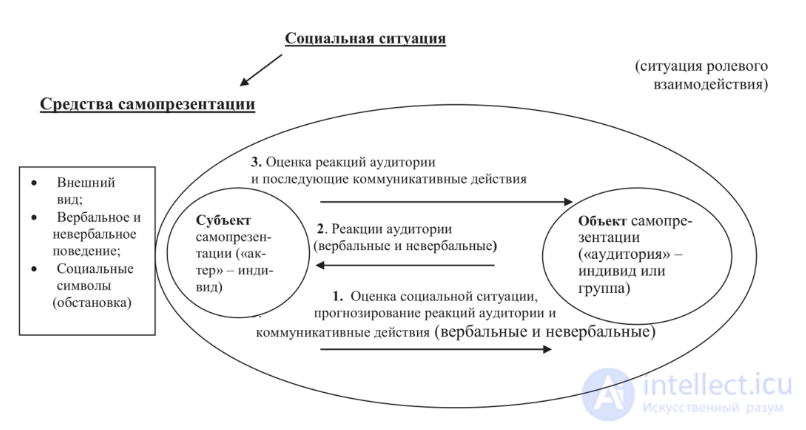
23. The concept and essence of self-presentation.
- * Self-presentation is the process of presenting oneself to other people. Its essence lies in creating a particular image and impression of oneself.
- Self-presentation is when you turn yourself into a gift for your interlocutor and wait for them to unwrap it.
- Self-presentation is only communication with oneself.
- Self-presentation is only a description of one's achievements.
- Self-presentation is only physical activity.
24. The relationship between self-presentation and the success of communication.
- Interaction in communication is when you and your interlocutor start turning into internet memes in real time.
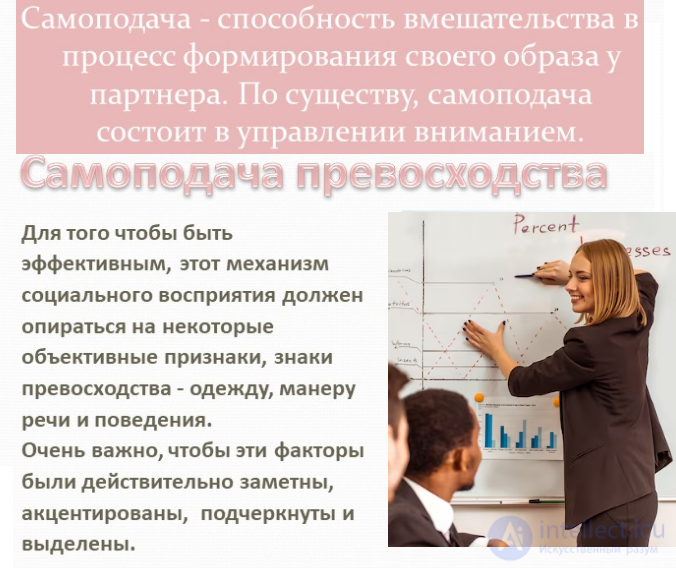
- * Self-presentation is the ability to present information so that it is clear and convincing. Self-presentation of superiority is important for successful communication.
- Self-presentation is only the transfer of information through the use of an outfit and the self-presentation of attitude, charm, and superiority.
- Self-presentation does not affect the success of communication.
- Self-presentation is when you serve yourself on a platter with gold sprinkles and fireworks, and communication success is guaranteed
- Self-presentation is only the use of complex words, but with clear diction.
25. The interactive side of communication.
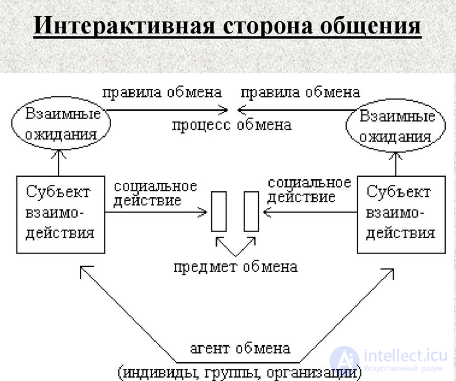
- * The interactive side of communication includes the interaction between participants in communication, the exchange of information, and reactions to the interlocutor.
- The interactive side of communication is only monological communication.
- The interactive side of communication is only the use of nonverbal means.
- The interactive side of communication is only reading books.
26. The role of identification, empathy, and reflection in the communication process.
- * Identification is the ability to put oneself in another person's place. Empathy is the ability to understand and share another person's feelings. Reflection is the ability to analyze and become aware of one's own behavior and reactions in the process of communication.
- Identification, empathy, and reflection have no significance in communication.
- Identification is only the use of nonverbal means.
- Identification is only monological communication.
27. Ways partners influence one another – emotional contagion, persuasion, suggestion, imitation.
- * Ways of influence can include emotional contagion (the transfer of emotions), persuasion (reasoned influence), suggestion (the transfer of beliefs), and imitation (copying behavior).
- Ways of influence are only physical influence.
- Ways of influence are only deception.
- A way of influence is imitation, when you start doing everything your interlocutor does, even if it's strange.
- Ways of influence are only the use of complex words.
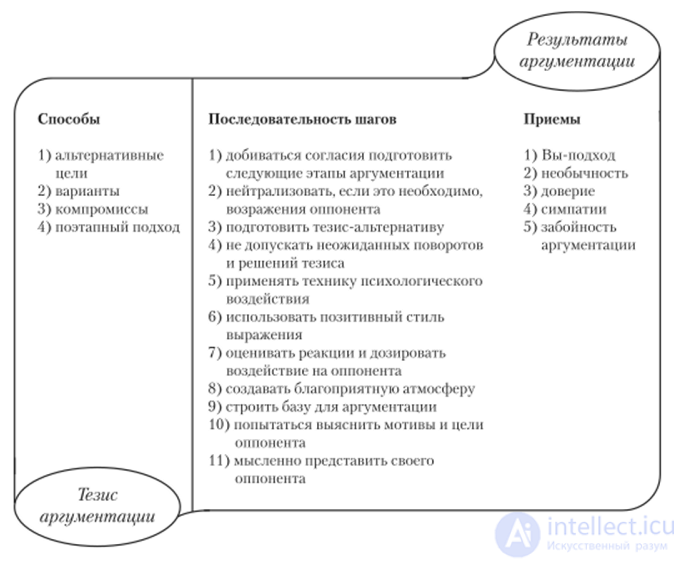
28. Argumentation, the principles of argumentation.
- Argumentation is only the use of complex words.
- Argumentation has no principles.
- A principle of argumentation is to say everything backwards and hope your interlocutor gets confused.
- * Argumentation is the process of providing evidence and arguments to support one's claims. The principles of argumentation include logical consistency, persuasiveness, and the relevance of the arguments.
- Argumentation is proving that ice cream in the store should be given away for free.
29. Conflict. Strategies of behavior in conflict.
- Conflict is only a clash of opinions between two or more parties
- Conflict is only a monologue and has no strategies.
- A strategy in conflict is to give your interlocutor a cookie so they forget what they were arguing about
- * Conflict is a clash of interests or points of view. Strategies of behavior in conflict can include cooperation, competition, compromise, and avoidance.
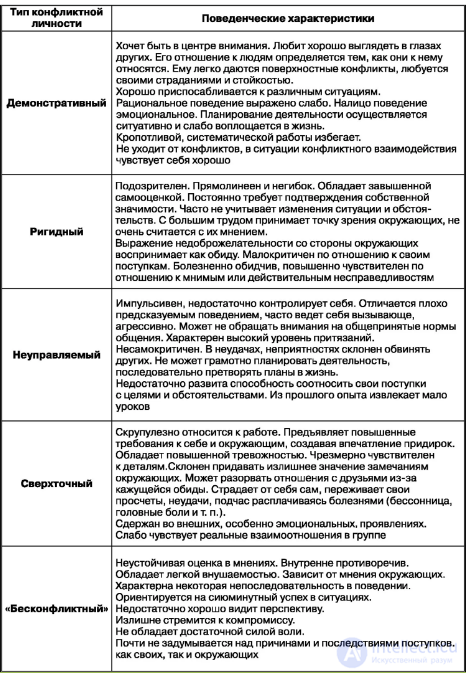
30. Types of conflict-prone personalities.
- * Types of conflict-prone personalities can include aggressive, avoidant, compromising, and cooperative types.
- A type of conflict-prone personality is the "Mime," who, instead of words, starts expressing their thoughts with gestures and facial expressions, like on Montmartre street in Paris.
- Types of conflict-prone personalities are only aggressive and cooperative.
- Types of conflict-prone personalities are only monological and polylogical.
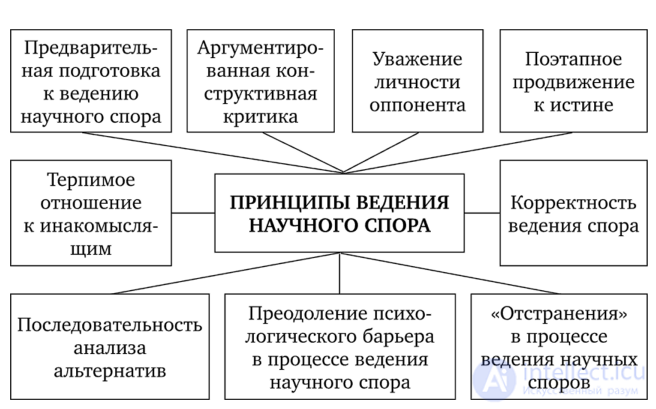
31. The concept of a dispute, the aims of a dispute, the principles of conducting a dispute.
- A dispute is only a monologue and a game.
- The aim of a dispute is to show that your cat is better than your neighbor's cat, otherwise you lose the dispute.
- * A dispute is a discussion or a reasoned opposition of viewpoints. The aims of a dispute can include establishing the truth or persuading the interlocutor. The principles of conducting a dispute include logical consistency, respect, and persuasiveness of the arguments.
- A dispute is only a physical fight with injuries.
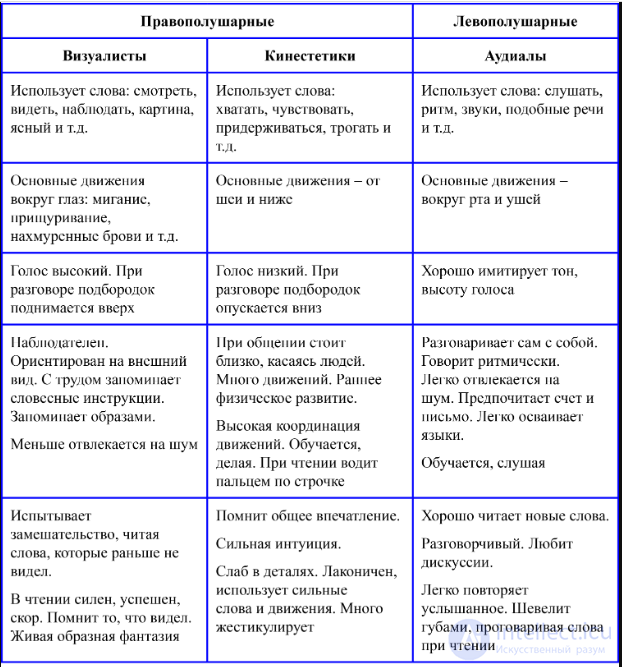
32. Representational systems. Types of people: visual, auditory, kinesthetic.
- * Representational systems are ways of representing information in the brain. Types of people can be visual (prefer visual images), auditory (prefer auditory images), and kinesthetic (prefer sensations and touch).
- Representational systems are only a monologue.
- The "Auditory" personality type is when you listen to others but talk to yourself out loud.
- Representational systems are only the use of complex words.
- Representational systems do not affect communication.
33. Communication and transactional analysis.
- Communication and transactional analysis is when you discuss purchases and expenses with your interlocutor and analyze the transaction ID from the receipt.
- * Transactional analysis is a method for analyzing communication and interaction between people. It is used to understand and improve communication.
- Transactional analysis is only a monologue.
- Transactional analysis is only physical influence.
- Transactional analysis is only a game.
34. Characteristics of a subject of impeded communication.
- A subject of impeded communication is a person who communicates only through a Telegram bot.
- A subject of impeded communication is only an aggressive person.
- A subject of impeded communication is only a cooperative person.
- A subject of impeded communication is only a monological person.
- * A subject of impeded communication is a person who has difficulties communicating with other people due to various psychological or social reasons.
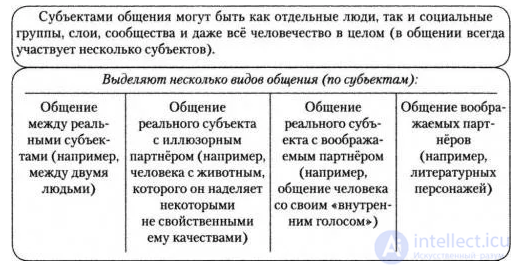
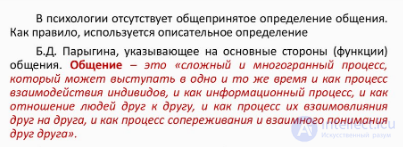
35. Communication is…
- A) a form of activity carried out between people, leading communication partners to the emergence of psychological contact that ensures a mutual exchange of emotions;
- B) a person's abilities and skills, which form the individual-natural basis for the formation and development of aptitudes;
- C) a complex, multifaceted process that can simultaneously act as a process of interaction between people, as an information process, as an attitude of people toward one another, and as a process of their mutual perception and mutual understanding;*
- D) both A and C are correct;
- E) all answers are correct.
36. The process of communication includes such aspects as…
- A) magic cookies and juices that bring luck in conversations
- B) Communicative, Interactive, Manipulative*
- D) Primitive
- E) Perceptual
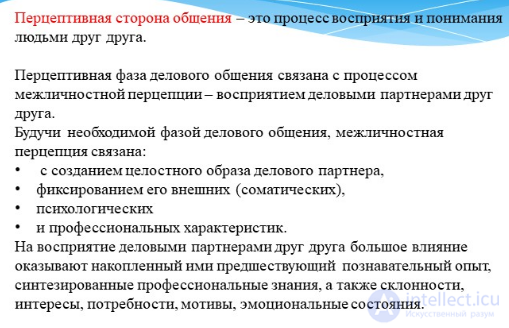
37. The perceptual side of communication is…
- A) the process of information exchange
- B) the process of social cognition
- C) the process of organizing interaction
- D) the process of perceiving the interlocutor *
38. This type of communication presupposes that in people's relationships the deep structures of personality are revealed; it is characterized by complete mutual understanding;
- A) Primitive communication.
- B) Formal-role communication.
- C) Business communication.
- D) Spiritual, interpersonal communication. *
- E) Manipulative communication.
- F) Secular communication.
These answers will help you better understand the basic concepts and notions in the field of communication.
If you have any comments or suggestions, please write them in the comments


Comments