
Lecture
For the DM, information is the initial component of decision-making. Information is extracted from data. However, depending on the adequacy of the chosen processing methods, using the same data may yield different information as a result. Data reflecting the properties of an object are objective in nature. Processing methods are subjective, since they are based on algorithms prepared by subjects — specialists.
Note!
Information (information) arises and exists at the moment of the dialectical interaction of objective data and subjective methods, which represent the data in a certain form (in formation).
The concepts examined are a constituent part of the pyramid of information support for decision-making, shown in Fig. 4.2. At its base lie the data, which, acquiring a certain form, move to the next level and turn into information. The pyramid is topped off by the level of knowledge, which unites heterogeneous information into a system of concepts, models and inference rules. As one moves up the information-support pyramid, volumes of data turn into a system of knowledge that provides the value of the decisions being made.
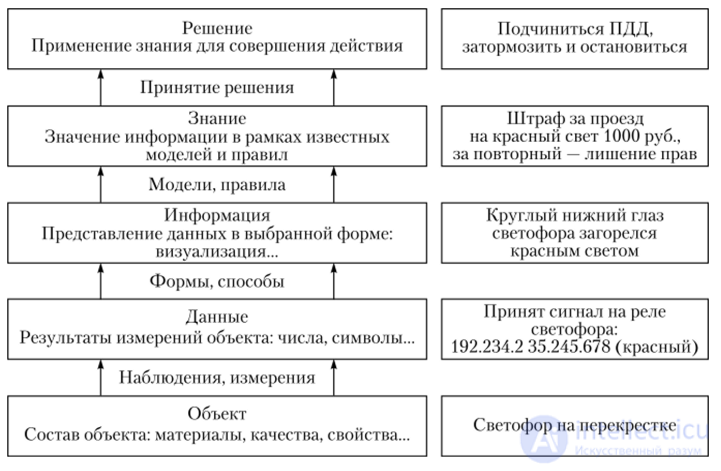
Fig. 4.2. Interaction of data, information, knowledge and decisions
Large volumes of data and arrays of information do not by themselves guarantee the acquisition of knowledge. The value of the knowledge obtained depends on the power of the procedures that convert data into information and on the quality of the knowledge-representation models that consume that information. The process of moving up the information pyramid from data to knowledge takes a great deal of time and is costly. For example, information in the form of the text of an article in an unfamiliar foreign language cannot by itself turn into knowledge of the article's content. With the help of a dictionary, the process of moving from information to knowledge is lengthy and laborious; by engaging a professional translator, the duration of this process is shortened, but at the cost of paying for the translation

Comments