
Lecture 3 min.
The systems approach, in essence, represents a set of conceptual propositions, principles and rules that show how objects should be studied and how they should be managed. These rules determine the algorithm of the researcher's activity, however formal compliance with them alone is not sufficient. In order to penetrate into
the essence of the phenomenon under study, a person must possess systems thinking. Systems thinking is the ability to think in such a way as to see
the whole picture of a phenomenon. In systems thinking, intuition and tacit knowledge play a large role. Systems thinking is the foundation of the systems approach.
Systems thinking is the reflection, in human consciousness, of the objects and phenomena of surrounding reality in their multi-aspectedness, integrity and interconnectedness (that is, as systems and their parts) (Fig. 6.5).
Systemicity in scientific thinking is the ability to think
in such a way as to see the whole picture of the subject domain, relying on models of various levels of abstraction.
An important feature of systems thinking consists in the
ability to consider a specific phenomenon from a greater number of
perspectives (points of view) than is typical of ordinary people (Fig. 6.6).
Systems thinking allows a person to see himself as part of
large-scale processes and phenomena. Wherever a person works,
whatever he does, he is always an element of some system - scientific, economic, social, etc. The effectiveness of his decisions depends on how well
he understands the structure and regularities of this system. If an employee does not think about the goals of the enterprise's activity, and sees only his own narrow piece of work, then he
makes short-sighted decisions (recall Example 6.2). If a scientist does not see the place of his research work within the established system of scientific knowledge, he will not obtain a scientific result that meets the requirements of worldwide novelty and usefulness.
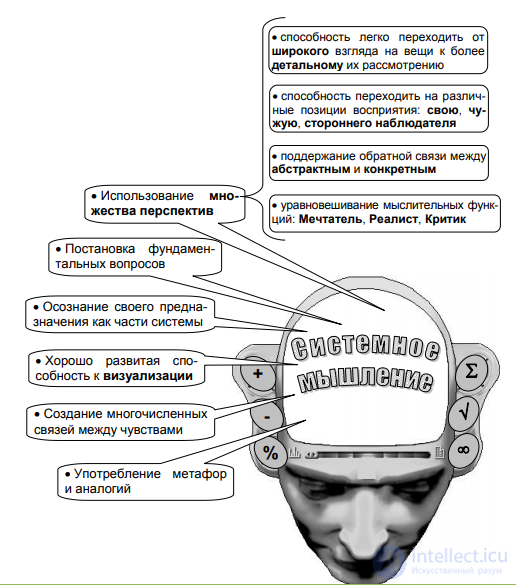
Fig. 6.5. Properties of systems thinking [7]
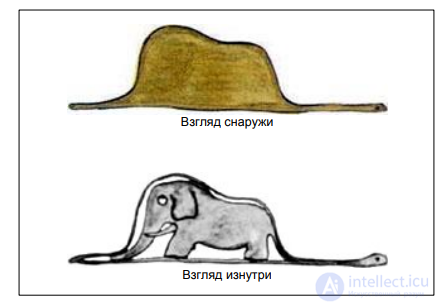
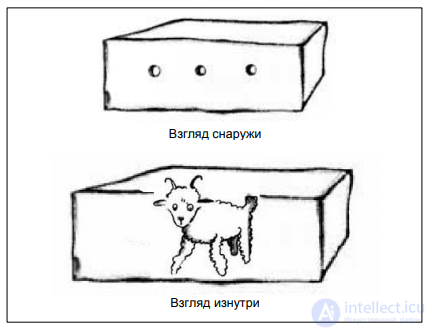
Fig. 6.6. An example of systems thinking (illustrations from Saint-Exupéry's book "The Little Prince")

Comments