
Lecture
specialist in the field of radiogeology . The profession of a radiogeologist is a specialized area within geology, dealing with the study of the radioactive properties of rocks and radioactive minerals. Here are some advantages and disadvantages of this profession, as well as areas of activity:
Advantages of being a radiogeologist:
Importance of research: Radiogeologists play an important role in the fields of geology and the mining industry, since their research helps to identify and study radioactive resources and the impact of radioactivity on the environment.
Scientific research: A radiogeologist's work is often connected with scientific research and development in the field of radioactive materials and methods of analysis.
Opportunity to contribute to safety: Radiogeologists can also work in the field of radiation safety, including the monitoring and control of radiation sources and radioactive materials.
Disadvantages of being a radiogeologist:
Potential risks: Working with radioactive materials and zones can carry certain health risks if appropriate precautions are not observed.
Complexity of the work: Studying radioactive properties requires specialized equipment and knowledge, which can make this profession difficult.
Limited demand: The job market for radiogeologists may be limited, and positions may be available only in certain geographic regions or industries and only in certain countries.
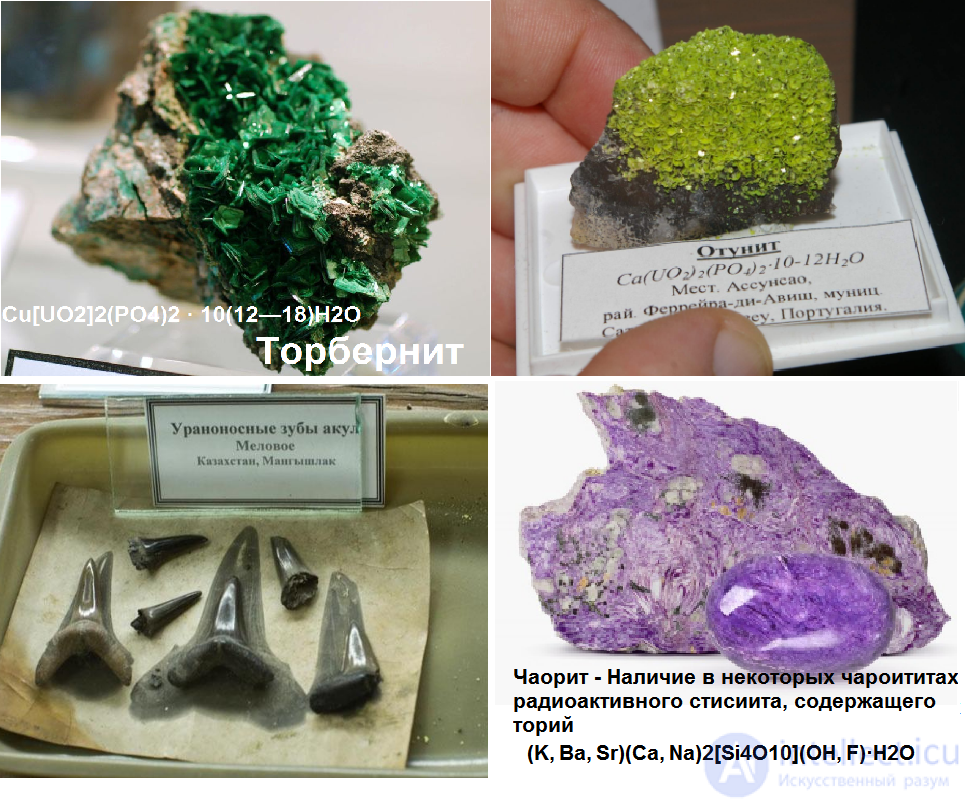
Areas of activity of a radiogeologist:
Study of radioactive ores and minerals: Determining the presence and distribution of radioactive elements in the Earth's crust.
Mining: Studying radioactive materials in rocks that may affect mining industry processes.
Radiation safety: Assessing radiation safety and monitoring radioactive sources.
Scientific research: Participating in scientific research and development in the field of radioactive materials and radioactivity in nature.
Environmental protection: Studying the impact of radioactivity on the environment and developing methods to minimize it.
Radiogeology is an important and responsible field that requires specialized knowledge and skills, but it can bring significant benefits in understanding and managing radioactive resources and safety.
Radiogeology (or nuclear geology) — a geological science that studies the patterns of natural nuclear transformations in the matter of the Earth and their manifestation in geological processes . The founder of the science was Academician V. I. Vernadsky, who in 1935 also proposed the term itself: «Now we can and must speak of a new creative science — radiogeology, the science of the radioactive properties of our planet, of the special radioactive phenomena occurring within it and inherent to it» . Radiogeology developed particularly in the USSR in the 1940s. In 1946 the Central Asian Expedition was established, now — the Laboratory of Radiogeology and Radiogeoecology of the Institute of Geology of Ore Deposits, Petrography, Mineralogy and Geochemistry of the Russian Academy of Sciences.
The main branches of radiogeology that a radiogeologist should know:

Comments