
Lecture
A professional development plan is an important tool for defining and achieving career goals in your chosen field.
Drawing up a professional development plan is a useful tool for both the company and its employees. This plan helps prepare specialists to perform more complex and responsible tasks, as well as to predict possible growth within the company and plan promotions.
However, in order to create a good plan, thorough preliminary preparation is required: defining goals for both the employee and the company, as well as assessing the employee. Special attention should be paid to these steps. In our article, I will explain how to carry out these actions correctly and how to work effectively with a professional development plan.
Here is a general professional development plan that can help you advance your career:
Defining goals:
Education and self-education:
Work experience and practice:
Networking:
Developing soft skills:
Mentorship and feedback:
Professional certification:
Continuous development:
An individual professional development plan serves a number of important objectives and goals. Regardless of level of experience and qualifications, a person needs such a plan in order not to become stuck at one level and to continually improve. Years of working in the same position can lead to performing duties on autopilot, which reduces motivation and work efficiency. To avoid this, caring managers strive to develop individual development plans for their employees. This approach benefits both the company and the employees.
Right now, the issue of staff development is becoming especially relevant for companies experiencing a shortage of qualified employees. Such companies understand the value of their workers and strive to retain them by developing plans for professional development and building a talent pool for future managers. This helps attract and retain professionals in the company and ensures steady career growth for employees.
To achieve personal career goals and take the company to new heights, a good employee should develop a strategy for individual professional growth (IPG).
IPG includes several key elements:
Regular professional development - a constant striving to improve one's knowledge and skills through training and professional growth.
Moving to a higher position - striving to grow and develop within the company by taking on more responsible and higher-paying positions.
Developing corporate competencies - working on the skills that help improve the performance of the entire team and the company as a whole.
Autonomy and trust - striving for greater independence in one's work, with less constant oversight from a higher-level manager.
The IPG is developed taking into account the interests of both the employee and the employer, seeking to create a "win-win" situation for all participants. The company forms a team of highly professional employees ready to generate profit, while employees find interesting and varied work, feel their value to the company, and build a career.
Regular analysis is a useful tool for the Individual Professional Development Plan (IPG). This analysis helps understand what is not being achieved, whether additional help is needed, whether the previous goals remain relevant, and whether new knowledge is being successfully applied in the workplace after training. The IPG is not just a dusty folder that gets forgotten, but a living, editable document that promotes practical growth and delivers benefits.
Consider the example of a company involved in railway transport. It had a negative situation associated with a superficial and unconscious approach to drawing up IPGs. On a theoretical level, everything was conceived beautifully. A model of corporate competencies was developed, on the basis of which personal professional development plans were drawn up for employees.
However, the problem was that those responsible for this work did not have a clear understanding of which competencies genuinely needed improvement and which had already reached a high level. This is an important point, as an incorrect assessment can lead to a waste of time and resources. As a result, the process of engaging employees in self-development and career growth proved ineffective, which is a common problem in organizations.
It is important not to make the big mistake of allowing employees, who do not always see the order and path of their development, to create IPGs on their own.
This example underscores the importance of a conscious and systematic approach to developing and implementing the IPG so that it truly contributes to the growth and success of both the employee and the company.
Implementing the IPG requires investment on the part of the employer in the form of time and resources. The employer must have a good understanding of the employee's abilities, interests, and capabilities, and identify competencies for development, taking into account the employee's personal goals and ambitions, through joint communication and planning.
The systematic development of employees according to a professional growth plan brings a number of benefits for all participants:
Professional development becomes organized and purposeful, leading to more effective use of employees' potential.
Employees feel more motivated, because they have clear goals and an understanding of how to achieve them and what contribution they make to the company.
Career growth and training become linked to the needs of the company, which helps improve the work and results of the entire department.
Employees feel that their interests are taken into account, which contributes to the unity and success of the team.
Feedback on the execution of the plan allows employees to better understand their responsibilities and role in the overall work, as well as to see prospects for development.
However, it should be noted that drawing up a long-term professional development plan under the influence of external factors is a challenging task. It requires a serious investment of time and resources on the part of the manager. Careless and ill-considered preparation of an IPG can become a source of demotivation for employees. In conditions of constant instability, it is better to develop, evaluate, and monitor development plans through personal communication and dialogue.
A professional development plan is a document that defines an employee's professional development for the coming 1-3 years or 3-5 years. It includes qualification requirements and steps for career advancement. A professional development plan should contain the following elements:
Identifying the competencies that satisfy both the employee and the company.
Identifying the positions and skills that require strengthening, and setting deadlines for achieving them.
A plan of activities that will help develop the necessary skills.
Planned internships for reserve positions, with a description of the expected results.
A proposal to delegate some of the duties of the reserve position.
A schedule for monitoring and analyzing the employee's development, including notes on the completion of planned actions and the ability to leave comments.
This plan allows both the employee and the company to clearly see the employee's professional development and contributes to achieving common goals.
Within an organization, there are two approaches to working with a professional development plan:
An informal approach, where responsibility for drawing up and implementing the plan rests solely with the head of the financial and economic service.
A centralized approach, where responsible parties are appointed at all levels of the organization and their actions are regulated. This approach involves employees, heads of structural units, the HR management service, and the company's leadership.
Obviously, the second approach is deeper and more serious, and it more often leads to results. Forming your own professional development plan should begin in collaboration with your manager. The HR management service conducts a centralized assessment and appraisal of employees' competencies, which makes it possible to identify problem areas: knowledge, experience, behavior, communication style, and so on.
From the standpoint of professional growth, both strengths and areas not yet developed are important, since they determine future development. Good diagnostics make it possible to successfully plan and achieve results in drawing up an individual professional development plan.
A company's key personnel, in participating in the development of a flexible staff-retention tool, must take into account the personal needs of employees. Only then will the strategic objectives of the business be successfully addressed. A professional development plan for the year, agreed upon by both parties, is regularly adjusted in a specific direction, with the details of tasks, project deadlines, and rewards being refined. In such a process, it is important to find compromise solutions.
Carrying out professional development includes the following stages:
Stage 1: Defining goals - It is necessary to develop a competent development plan, taking into account limitations of resources and staffing. It is recommended to classify employees into categories and determine the highest-priority goals for each group, such as improving the effectiveness of managers, developing talented employees, and the general development of all staff.
Stage 2: Assessing abilities - To avoid mistakes when distributing tasks, managers must know their employees well, along with their strengths and weaknesses. To this end, comprehensive professional testing is conducted, allowing an assessment of employees' inclinations and capabilities in various aspects of professional activity.
Stage 3: Identifying personal goals - It is important to find out what personal motivations and priorities each employee has in their profession. If personal and corporate goals coincide, the employee will be more motivated and successful in their work. Managers should listen to employees' opinions and plan two goals per year to ensure comfortable skill development and the achievement of successes.
Formulating specific goals - Goals must be clearly formulated and made specific in order to avoid procrastination and to identify tools for measuring the achievement of these goals. The results of training and development should be applied in practice and benefit the company.
Equal interests - All parties, including senior management, must take into account the interests of every participant in the development process. Equal attention to the interests and needs of each employee contributes to the successful development of the entire team and increases the company's competitiveness.
Stage 4: Selecting an effective development program for the business and employees requires careful choice of training and information resources based on the set goals. The program should pay special attention to unlocking potential and developing professional skills. Examples of such a program include internships supervised by experienced colleagues, access to training materials within the company, training sessions with invited experts, and reading business books on topics of interest.
Stage 5: Setting realistic deadlines for carrying out the individual plan for developing professional abilities over a year or half a year. After the development program is drawn up, a personal meeting with the employee is held to discuss the methodology for achieving goals and ways of assessing the plan's execution. An interim meeting can also be scheduled to analyze progress and keep the understanding of goals in sync. For motivation, one can use both internal factors, such as the desire to grow professionally, and external incentives, such as bonuses, salary increases, or the prospect of obtaining a higher position.
To draw up an employee professional development plan, various methods of assessing their performance are used. Possible types of assessment include comprehensive, qualitative, and quantitative assessment. The choice of a particular type depends on the purpose of the review, but usually a single type of assessment is not enough to obtain accurate results.
For material production, a quantitative assessment is used, based on counting achievements or errors, as well as on expert assessment using coefficients and testing with a professional focus.
However, for intellectual work, quantitative assessment is not always applicable, since it is difficult to measure effectiveness in this context. In such cases, qualitative assessment methods are used, which examine an employee's personal qualities, work style, and professional skills. These methods include assessment interviews, discussions with experts, and observation of the employee's activity.
The most reliable and effective method of assessment is comprehensive assessment, which combines various types of assessments. This helps avoid incorrect results and increases the accuracy of assessing employees' work.
Types of comprehensive assessment include:
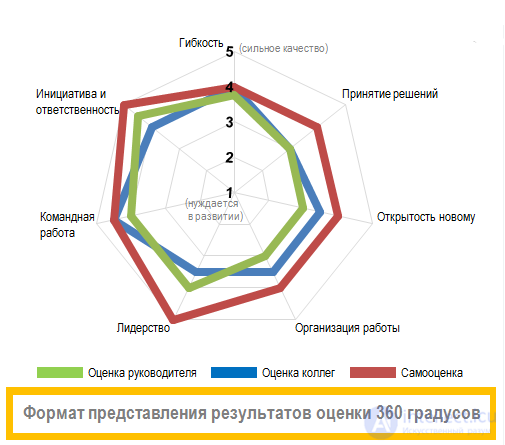
The "360 degrees" method: In this approach, an employee is assessed by their immediate circle, such as colleagues, subordinates, and direct managers. The employee's self-assessment is also taken into account, in order to provide feedback and allow them to compare their own view with how others perceive their work.
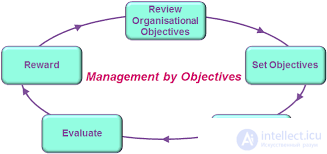
Management by Objectives (MBO): In this approach, the manager and employee jointly formulate goals for the calendar year. The assessment is based on the results achieved.
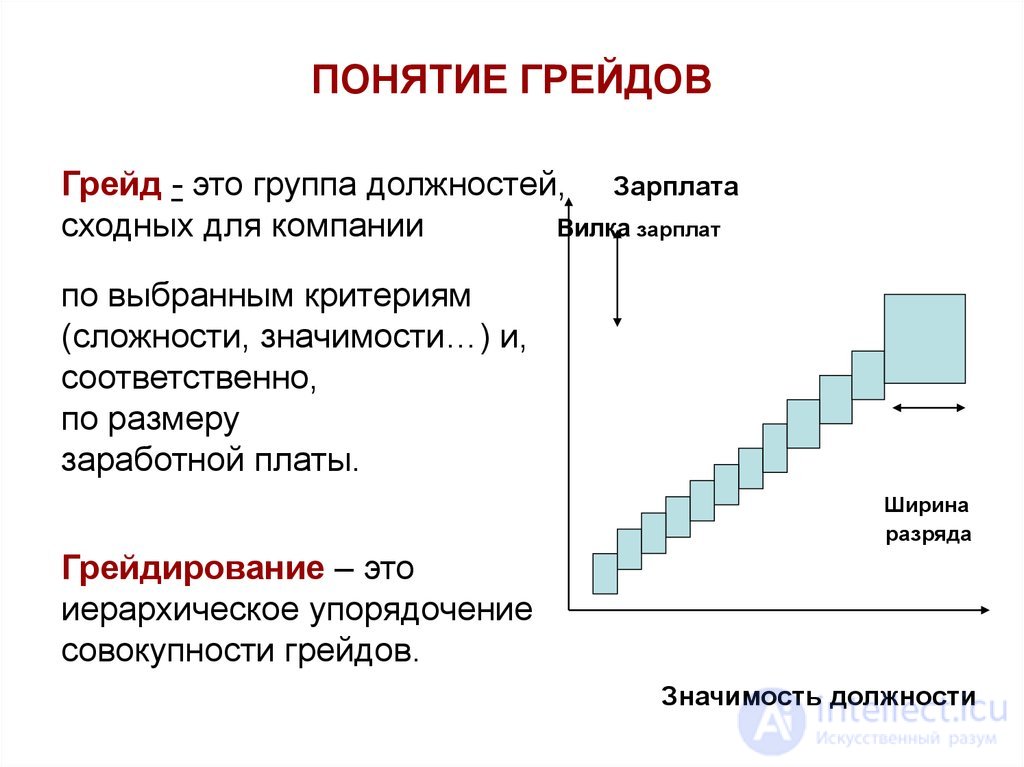
Grading of levels: This method is aimed at creating a system of motivation. Employees are assessed based on their abilities and qualities in accordance with the requirements of the position and their significance to the company. Assessing personnel using this system is considered the most suitable for setting salaries.
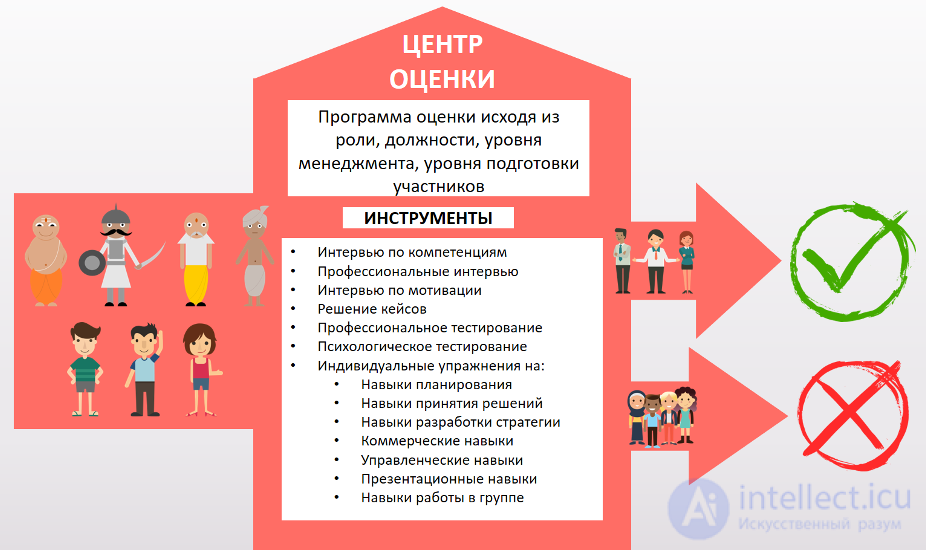
Assessment Center: This is a specialized approach in which personnel assessment is conducted by specialists from an external agency. However, a more common and convenient method is internal appraisal of employees, which is recognized as the most effective
When developing a professional development plan, regular appraisal of personnel is conducted to determine the effectiveness of employees' work, their fit for the position they hold, and their application of knowledge in practice.
The appraisal procedure has several goals:
Appraisal is carried out periodically, most often once a year or twice a year. A committee of several specialists develops the appraisal procedure and determines the criteria and competencies to be assessed. This is reflected in the appraisal regulations, which become the result of the committee's work. The documents are approved, and the appraisal procedure becomes known to managers and employees, who also undergo training.
Appraisal is mandatory for all employees, including top managers. The employee's internal clients are appointed as experts, such as their direct managers, who are well acquainted with their work behavior. The view of the direct manager is a key stage of assessment within the appraisal.
It is important to consider an employee's activity during appraisal objectively, impartially, and comprehensively. Employees from other departments, project managers, or functional managers are suitable for this. However, all experts must act in a coordinated manner. For example, to appraise a branch accountant, two experts will be needed: the branch director and the chief accountant from headquarters, who know the employee being assessed well and work with them directly.
Ideally, the experts express their opinions, and then all the competencies on which discrepancies in assessments arose are discussed. As a result of this process, a final unified assessment is rendered, which is accepted by all participants.
After the appraisal is conducted, the manager conveys the unified assessment to the employee along with recommendations for development and for drawing up an individual development plan (IDP).
The person being appraised is also required to assess their own activity. This makes it possible to conduct a better analysis of the work period, identify mistakes and successes, and then develop steps for self-development. For the manager, this also provides an opportunity to focus on discrepancies in assessments before announcing their decision and its justification.
Sometimes it is necessary to remind yourself how to correctly assess the professionalism of accounting services. Determining quantitative indicators can be difficult, so it is preferable to adhere to an established procedure applicable to everyone in the company.
When assessing representatives of the financial service, the following competencies should be taken into account:
For managers, managerial skills are important, such as forecasting future events, effectively distributing tasks, the ability to listen to and communicate with subordinates, and monitoring the quality of work.
Application of professional knowledge, including assessing qualifications and the quality of work, correcting tasks and detecting errors, timely and independent completion of assignments, and the employee's mobility in the opinion of management.
Assessment of a person's business qualities, including responsibility, capacity for work, the ability to set priorities, analytical abilities, independence, initiative, and the capacity for learning. Also analyzed is the ability to build good working relationships and the understanding and consideration of the interests of "internal" and "external" clients.
Compliance with the rules established by the company, loyalty to the company, and the worker's social characteristics.
Assessment of the execution of the professional-competency development plan is carried out by entering data into a special report. Sometimes the development plan itself contains an item "Goal Execution Status", where the employee assesses their progress and their achievements are evaluated by the manager.
Management often fears that after training, employees with improved skills may leave the company. This is risky, but trained employees usually understand that they work for an attractive firm that invests in their development.
An employee professional development plan is a powerful motivational tool, since workers are aware of their prospects and see management's interest in their professional growth.
When developing a development plan, it is necessary to take into account the specifics of the company in order to create adapted metrics and indicators for assessment. Using the tools of other firms is incorrect and formalistic.
Naturally, the same indicators cannot be used for different levels of positions. Higher-ranking positions require more complex indicators, associated with the employee's greater responsibility in their area of work.
Remember that a development plan should be flexible and adapt to changing circumstances. Do not be afraid to change your goals if you find that your vision of your career has changed or that there are new opportunities you want to pursue.

Comments