TESTS with answers on «FUNDAMENTALS OF BIOETHICS AND BIOSAFETY» correct answers are marked in italics
Bioethics — a field of interdisciplinary research concerned with the moral aspect of human activity in medicine and biology, which took shape in the mid-20th century at the intersection of philosophical disciplines, jurisprudence, and the natural sciences.
Biological safety — is the preservation by living organisms of their biological essence, biological qualities, system-forming links and characteristics, and the prevention of large-scale loss of biological integrity, which may occur as a result of:
- the introduction of alien life forms into an established ecosystem;
- the introduction of foreign viral or transgenic genes or prions;
- bacterial contamination of food;
- the effect of gene therapy, genetic engineering, or viruses on organs and tissues;
- pollution of natural resources (water, soil);
- the possible introduction of alien microorganisms from space.
001. Medicine belongs to one of the following types of knowledge:
- natural-scientific
- humanitarian
- art-historical
- interdisciplinary
- engineering
001. a For which dramatic psychosurgical intervention was the Nobel Prize in Medicine criminally awarded and still not revoked
- Anterior cingulotomy
- Anterior capsulotomy
- lobotomy (leucotomy)
- Amygdalotomy
- Subcaudate tractotomy
002. The fundamental basis that forms the medical profession is:
- economic
- cognitive (epistemological)
- moral
- territorial
- material (gaining benefit)
003. The main goal of a physician's professional activity is:
- saving and preserving human life
- public trust in the medical profession
- respect of colleagues
- material gain
- learning something new
004. The main distinguishing feature of a physician's professional ethics is:
- the right to deviant behaviour
- the conscious choice of moral principles and rules of conduct
- criminal liability for failure to observe professional ethical norms
- the unconditional necessity of subordinating personal interests to corporate ones
- the priority of the interests of medical science over the interests of a specific patient
005. Medicine and ethics are united by:
- man as the subject of study
- research methods
- mastery of techniques for overcoming conflicts in human relationships
- the striving for knowledge of the mechanisms of human behaviour and for controlling it
- orientation toward achieving a person's financial well-being
006. The correct definition of ethics as a science is:
- ethics is the science of the relations of living beings among themselves
- ethics is the science of the nature and meaning of moral relationships and moral principles
- ethics is the science of minimizing evil in human relations
- ethics is the science of the ability to behave correctly in society
- ethics – the ability to judge one's interlocutor
007. The relationship between general ethical teachings and professional biomedical ethics has a: A. regulatory
- determining
- informative
- there is no connection between them
- legal
008. Etiquette is a form of behaviour signifying
- recognition of the importance of special rules of conduct in social and professional relations
- custom
- the science of the nature and meaning of moral relationships and moral principles
- a person's capacity for social adaptation
- recognition of the importance of social subordination
009. Morality – is:
- the relations and mores of people as classified by culture according to the criterion of “good-evil”
- a body of scientific facts
- a philosophical teaching
- strict observance of laws and the constitution
- a form of the «collective unconscious» that points to what ought to be
010. The concept of “law” includes all of the listed meanings, except:
- an element of the system of state power
- a form of coercion and punishment of one person by another
- a phenomenon of social solidarity and connectedness between one person and another
- the body of laws of a state relating to some form of activity (for example, medical law)
- an individual's will to punish and chastise people
011. Moral regulation of medical activity is distinguished from legal regulation by:
- freedom of choice of action
- arbitrariness of the motive for the activity
- criminal impunity
- social approval
- the presence of a financial interest
012. Biomedical ethics and medical law should ideally be in a state of:
- independence
- medical law is a priority
- the priority of biomedical ethics must be maintained
- biomedical ethics is the criterion for the correctness of medical law
- medical law determines the correctness of biomedical ethics
013. According to Kant, morality and law stand in the relation:
- morality is subordinate to law
- morality and law do not oppose one another, for they are – kindred spheres of the spirit
- morality opposes law
- law is subordinate to ethics
- morality and law are independent
014. The German psychiatrist and philosopher K. Jaspers, by the phenomenon of “criminal statehood”, means:
- the rights of the people expressed in law
- the legalized freedom of action of a person
- the adoption by the state of a law that contradicts moral norms
- an apparatus that compels a person to observe the norms of law
- any authoritarian regime
015. The value of human life in biomedical ethics is determined by:
- age (number of years lived)
- mental and physical soundness
- racial and national origin
- financial solvency
- the uniqueness and irreproducibility of the individual
016. The concept of a person's “honour” includes everything listed, except:
- the physiological and psychological characteristics of a person
- keeping one's word
- a sense of responsibility for a deed committed
- social origin (aristocratic, noble)
- non-involvement in sin
017. The concept of a person's “dignity” includes all of the listed meanings, except:
a) purity of thoughts and intentions, the motives of a deed; b) the image and likeness of God; c) health; d) the physiological characteristics of the human organism; e) freedom; f) economic and financial success; g) public recognition, popularity; h) critical self-assessment, faith in oneself; i) the presence of abilities and talents in a person; j) awareness of a person's special purpose in life.
- b, e, g, i
- c, d, f
- b, f, i,
- a, b
- e
018. The correct definition of justice includes:
- justice – is primarily the principle of distributing material goods and monetary funds
- justice – is equality
- justice – is righteousness, the fulfilment of the law, and answering evil with good
- justice – is a principle that regulates relations between people
- justice - is situational benefit, action, result
019. Good is everything listed, except:
- the ability and readiness to help one's neighbour
- a good that is valuable and significant in itself
- individual health
- an unattainable ideal
- property and prosperity
020. Evil is what is listed, except:
- death
- violation of the divine order
- connected with vice and moral corruption
- that which can bring profit and benefit
- an intellectual fiction
021. The relationship between good and evil consists in the fact that:
- good is self-sufficient and self-significant
- good exists independently and separately from evil
- evil is self-sufficient
- evil is the absence of good
- good and evil are mutually conditioned
022. Duty is that which is fulfilled by virtue of:
- professional obligations
- the demand of conscience and the consequence of a moral ideal
- an order from a superior
- mutual benefit
- the demands of loved ones
023. The listed properties belong to a person's conscience, except:
- inner knowledge of good and evil
- a moral feeling that impels toward good and turns one away from evil
- the ability to discern the quality of a deed
- the vector of moral life, directed toward what ought to be
- a symptom of a mental disorder
024. Freedom is distinguished from arbitrariness by:
- an awareness of responsibility for a deed committed
- the justification of a person's sinfulness
- the recognition of a person's ability to do whatever they want
- a person's inability to subordinate their will to the demands of the moral law
- indifference to a person's capacity for moral self-perfection
025. Freedom is:
- a person's ability to do whatever they want
- the possibility of creativity
- a law of social life
- a conscious possibility and capacity for moral self-perfection
- complete liberation of the base instincts of man
026. The definition of the concept “pleasure” is related to all of the following, except:
- satisfaction of needs
- relief from suffering
- biological adaptive function
- expression of the interest of a social group
- disease
027. Choose the correct definition of justice:
a) sensory and rational; b) distributive and retributive; c) social and asocial; d) ideal and real.
028. Moral perfection of a person presupposes the presence of:
a) utopian faith; b) human abilities; c) possession of supreme power; d) wealth; e) intellectual reflection; f) knowledge of the purpose and meaning of human existence; g) professionalism.
029. A moral ideal is:
- an image of the highest perfection and the highest good
- a model of professional mastery
- a hero who sacrificed himself to save another person's life
- the president of a great country
- the leader of a parliamentary faction
030. Charity is:
- a selfless activity by which private resources are voluntarily distributed by their owners in order to assist those in need
- a Platonic idea.
- a result of equality
- a pagan virtue
- satisfaction of a selfish feeling
031. The concept of “mercy” includes all of the following, except:
- the feeling and capacity for compassion
- willingness to help someone in need
- indulgence
- willingness to fulfil any request of a person
- willingness to make material sacrifices
032. The professional ethics of a physician belongs to one of the following types of ethical theories:
- anthropocentric (naturalistic-pragmatic)
- ontocentric (idealistic-deontological)
- occupies an intermediate position
- creationist (proceeds entirely from religion)
- none of the above
033. According to ethical anthropocentrism, human behaviour and actions are determined by:
- the interests of a social group
- the innate biological and material needs of a person
- moral duty
- professional obligations
- the will of God
034. According to ethical ontocentrism, human behaviour and actions are determined by: a) the interests of a social group; b) the material needs of a person; c) innate biological needs; d) moral duty; e) professional obligations; f) national interests; g) the will of God
035. The conservative ethical tradition in biomedical ethics is formed by two main teachings: a) hedonism, b) the traditional Christian worldview, c) pragmatism, d) Kant's ethics, e) Freudianism.
036. The liberal position in biomedical ethics rests on: a) Old Testament morality, b) F. Nietzsche's teaching, c) pragmatism, d) stoicism, e) Platonism. A. a
037. Among the historical and logical models of biomedical ethics, one cannot include one of the following forms of professional ethical consciousness:
- the Hippocratic model
- the Paracelsus model
- the deontological model
- bioethics
- fascist medicine
038. In the Hippocratic model of biomedical ethics, the basic principle is: A. do no harm
- thou shalt not kill
- priority of the interests of science
- the principle of personal autonomy
- the primacy of religion
039. For Paracelsus's medical ethics, the basic principle is:
- do good
- do not bear false witness
- do not steal
- “knowledge is power”
- the principle of personal autonomy
040. For the deontological model of the doctor-patient relationship, the basic principle is:
- fulfil your duty
- do not commit adultery
- keep medical confidentiality
- help a colleague
- the principle of non-interference
041. For the modern model of bioethics, the basic principle is:
- the principle of “fulfilling one's duty”
- the principle of “do no harm”
- the principle of the priority of science
- the principle of priority of rights and respect for patient dignity
- the principle of non-interference
042. The characteristics of “American bioethics” are determined by all of the following, except:
- a developed scientific-organizational base
- the existence of research centres on bioethics
- the socio-political events of the 1960s-70s in the USA
- the formation of the patients' rights movement and the creation of the “Patient's Bill of Rights”
- disregard for the values of religious culture
043. The following factors are among the general civilizational foundations of bioethical knowledge, except:
- the emergence and application of new biomedical technologies in practical healthcare
- the democratization of social relations
- value and worldview pluralism
- the international activity of the Council of Europe
- the experimental nature of contemporary medical knowledge
044. The following features are among the characteristics of the Catholic “Christian bioethics”, except:
- a comprehensive examination of bioethical problems
- the priority of social realities in theological constructions and recommendations
- a reasoned critique of “‘evolutionist anthropology”
- choosing as the foundations of “Christian bioethics” the principles of understanding “man as subject and object at the same time”, the “God-likeness” of the person, and the body as the temple of God
- solving problems of bioethics from the standpoint of calculating “benefits and utility”
045. The following features are among the characteristics of bioethics in countries with a Protestant culture, except:
- the principle of the moral autonomy of the person
- the affirmation of the right and value of human spiritual freedom
- the value of “the nation's health”
- the idea of responsibility
- the idea of self-sufficiency
046. The following features are among the characteristics of the attitude towards bioethics in Orthodox moral anthropology, except:
- the commercial interests of the scientific-intellectual elite
- the understanding of God as the source of human aspirations toward perfection
- the principle of synergy (the possibility of the cooperation of man and God in the transformation of life)
- the principle of the “sanctity of life”
- the understanding of a person's calling as “a partaker of the divine nature”
047. The Islamic moral-religious tradition is characterized by:
- orientation toward the Quran and the code of canonical laws of Islam
- the priority of the free will of man
- the dominance of the socio-political interests of the state
- the unequal role of men and women in society
- the concept of the ensoulment of the embryo on the hundredth day of pregnancy
048. The basis of Muslim legislation regulating activity in the field of healthcare is:
- general national interests
- the code of canonical laws of Islam
- judgment by analogy
- the capacity and right of interpretation of the specialist
- the interests of science
049. The concept of the human person in Islam is determined:
- on the basis of the Quran's provisions on the entry of the soul into the embryo at three months and one week, i.e. on the hundredth day of pregnancy
- by the righteousness of the parents
- by the vital activity of the person
- by the personal opinion of the professional
- by material prosperity
050. For Buddhist ethical consciousness, all of the following principles are of fundamental significance, except: A. enlightenment and personal responsibility
- the will of God
- inner freedom
- the striving for liberation from suffering
- overcoming ignorance and knowing the nature of the spirit
051. Buddhist ethics is based on the understanding of man as:
- a natural being
- a being created by God
- man is the result of the fusion of the parents' sex cells and the “continuum of consciousness”
- a variant of reincarnation
- a continuer of the lineage
052. The “Convention on Human Rights and Biomedicine” (1997) undertakes, in the application of the achievements of biology and medicine, to protect and guarantee everything, except:
- respect for human dignity
- protection of the individuality of every human being
- respect for the integrity and inviolability of the person
- observance of human rights and fundamental freedoms
- ensuring economic benefit and material interest
053. The “Convention on Human Rights and Biomedicine” (1997), in the application of the achievements of biology and medicine, declares as priority:
- the interests and welfare of the human being
- the interests of society
- the interests of science and scientific progress
- the interests of the able-bodied population
- other interests
054. In carrying out any intervention in the sphere of health, including intervention for research purposes, everything must be observed, except:
- the laws of my country
- professional biomedical ethical standards
- the moral views of the patient
- the norms of biblical morality
- the economic interests of the researcher
055. The legal sanction for a doctor performing an induced abortion at the woman's request is:
- the woman's wish
- the WMA Ethical Declaration on Medical Abortion (1983)
- the doctor's personal ethical convictions
- medical indications
- the moral right to refuse to perform an abortion
056. The criteria determining the beginning of human life are: a) the formation of the foetus's nervous tissue, b) the formation of the foetus's respiratory system, c) the first heartbeat, d) the moral status of the human embryo, included in the system of moral relationships between people, e) the fusion of the female and male sex cells. A. a
- b
- c
- d, e
- none of the above
057. The value of human life in traditional Christian moral anthropology is determined by:
- age (the number of years lived)
- social status
- mental and physical fitness
- financial standing
- the uniqueness and irreplaceability of the person
058. The basis for the permissibility of abortion in liberal ideology is:
- the denial of the personal status of the foetus
- the rights of the child
- the inviolability of private life
- the existence of a medical operation for induced termination of pregnancy E. none of the above
059. In Christian ethics, abortion, as a forced measure, is permissible because:
- the embryo is part of the mother's body
- the embryo cannot speak
- the destruction of life becomes murder only after the child is born
- a person “begins” with the first breath
- in the case of an ectopic pregnancy, the embryo is doomed to death from the outset
060. The recognition of the ethical permissibility of surrogate motherhood in in vitro fertilization (IVF) in Islam is influenced by:
- the assumption that the carrying mother may be the husband's second wife
- the prohibition of egg donation
- the assessment of surrogate motherhood as a morally impermissible phenomenon
- the absence of ensoulment of the foetus in the first trimester of pregnancy
- the permissibility of human trafficking
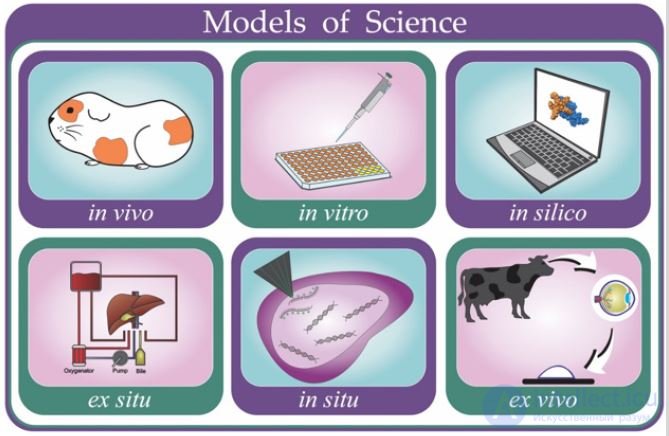
060. a the voluntary carrying (usually for payment) by women of foetuses obtained after fertilization of donor egg cells and transferred into the recipient's uterus – this is:
- 1 .surrogate motherhood
- 2. extramarital conception
- 3. IVF
- 4. In vitro
- 5. in vivo
- 6. In situ
- 7. in vitrual (in silico)
- 8. ex sity
- 9. ex vivo
061. Islamic ethics toward the use of prenatal diagnostics for eugenic purposes:
- A. approves it
- b. condemns it
- c. is neutral, relying on the person's own opinion
- d this problem does not exist.
062. Assisted reproductive technologies are prohibited from being used: a) for the purpose of selecting the sex of the future child; b) for preventing the inheritance of a severe sex-linked disease; c) for the purpose of procreation by persons of non-traditional sexual orientation.
- a
- b
- c
- a, c
- none of the described
063. The mass introduction of contraception does not have as its goal: a) affirming a person's right to plan the size of their family; b) opposing religious moral values; c) fulfilling various state orders and international projects to maintain a certain population size in various regions of the world; d) affirming the biblical commandment “be fruitful and multiply”; e) preserving traditional views on marriage and the family
064. The conservative negative attitude toward contraception is determined by all of the following factors, except:
- the destruction of traditional notions of the purpose of the family
- the suppression of the reproductive function
- the associated cultivation of “liberated sexuality”
- orientation toward families with few or no children
- the right of the state or international organizations to socio-political control over the birth rate in the country
065. The ethical unacceptability of “abnormal techniques of childbearing” is related to:
- the violation of the child's right to be born within a traditional marriage by natural means
- the recognition and condemnation of the inadequacy of the spouse and an attempt to find a replacement for him (her) (in the case of the use of donor sex cells)
- with the legalization of incomplete and non-traditional families
- with the destruction of “surplus” human embryos
- with all of the listed factors
066. The emergence of modern medical sexology is connected with:
- moral-worldview processes — the spread of ethical nihilism, vulgar Freudianism, and the introduction of the ideology of human rights
- the development of the pharmaceutical industry (the era of contraceptives and antibiotics)
- the scientific and technological revolution
- the development of films for adults — and the sex business
- all of the listed factors
067. European history has undergone the following number of sexual revolutions (periods of reassessment of human sexuality):
- two (the first – during the epoch of the collapse of the Roman Empire, the second – the second half of the 20th century)
- one, connected with the emergence of medical sexology in the second half of the 20th century
- one, connected with the formation of Christian culture in the first centuries of European history
- three – the collapse of matriarchy in prehistoric times, the collapse of the Roman Empire, and the emergence of sexology in the second half of the 20th century
- none of the above
068. The impermissibility of euthanasia from the standpoint of the moral anthropology of Christianity is connected with:
- the violation of the commandment “thou shalt not kill”
- the salvific nature of suffering
- the possibility of a person's participation in the experience of resurrection
- the possibility of comprehending the meaning of life
- all of the above
069. The medical unjustifiability of euthanasia is determined by:
- the chance of recovery and the possibility of the patient changing their decision
- the violation of the doctor's purpose to save and preserve human life
- the violation of the moral commandment “thou shalt not kill”
- the blocking of the moral incentive for the development and improvement of medical knowledge and medical means of combating death
- all of the listed factors
070. Active euthanasia differs from passive euthanasia by:
- the absence of consent or a request from the patient to be deprived of life
- the priority of the doctor's decision over the patient's decision to terminate
- the patient's life
- the active, deliberate intervention of the doctor in the process of terminating life at the patient's request
- the intentional or premeditated deprivation of a person's life
071. The decision to permit passive euthanasia, or to begin intensive therapy, depends on:
- determining the motives of the doctor's activity and action
- the nature of the explanation of the doctor's decision made
- the objective picture of the disease
- the universal human right to life
- technical medical means and situational possibilities
072. The use of resuscitation equipment for a patient in a critical condition is:
- an abuse of therapeutic means
- the realization of the principle of ”fighting for human life to the end”
- a sign of the specialist's low qualification
- the absence in the doctor of moral feeling and ethical culture
- obligatory if the patient has an insurance policy
073. The right of a sick person to refuse treatment is based on: a) awareness of the limitations of financial means; b) recognition of the limitations of medical means; c) the right to a peaceful natural death; d) acceptance of the will of God
- a
- b
- a, b
- c, d
- none of the above
074. The determining regulator of the doctor's resolution of complex ethical problems in professional activity is everything, except:
- international law
- the principles of professional ethics
- national legislation
- traditional religious morality
- personal gain
075. The ethical justification of homologous transplantation is determined by:
- solidarity in belonging to the scientific-technical intelligentsia
- the right to physical and psychological risk of the donor
- the financial standing of the recipient
- monetary compensation for damage to the donor and material provision for his existence
- E. the desire to save a human life
076. The ethicality of removing organs from a deceased donor presupposes:
- the absence of legislative restrictions
- the condition of the donor's legally documented consent expressed during their lifetime
- the condition of the absence of objections expressed by the donor during their lifetime against the removal of organs from their corpse
- the condition of the relatives' consent
- unhindered access in the interests of science and society
077. The removal of organs and tissues from a deceased donor is carried out in Ukraine:
- unhindered, in the interests of science and society
- according to the principle of “presumption of non-consent”
- according to the principle of “presumption of consent”
- in accordance with moral-religious values
- with the consent of all relatives
078. Transplantation constitutes an ethically incorrect action from the point of view of Christian religious consciousness on the grounds of:
- the violation of the somatic integrity of the person
- the Christian teaching on the fate of the human body in Eternity
- the violation of the unique properties of the individuality of the human person
- the violation of the will and wish of the deceased person
- the arbitrary, unrequested action of the doctor without the knowledge and consent of the donor
079. The transplantation most closely connected with the ethical problem of a person's reproductive identity is that of:
- kidneys
- liver
- heart
- the brain
- the cornea
080. Donation is a type of activity which, from the standpoint of Christian morality, is motivated by: A. financial gain
- the calling of love and compassion, the will to self-sacrifice
- solidarity on mutually beneficial terms
- the desire for a person's happiness and health
- none of the above
081. Heterologous transplants (xenotransplantation) are impermissible for the religious consciousness of the totalitarian sect «Jehovah's Witnesses» owing to:
- the species difference between man and animal
- the possibility of an identity crisis in the person
- the essential God-likeness of man
- the concentration of a living being's soul in its blood
082. The formation of modern medical criteria for human death is conditioned by:
- a moral-worldview understanding of the essence of man
- the development of medical technology
- the need of transplantation medicine
- respect for the honour and dignity of the person
- the denial of religious conceptions
083. In Ukraine, organ transplantation is regulated by:
- the concept of “requested consent”
- the presumption of consent (the concept of “unrequested consent”)
- it is not regulated by anything
- the consent of all relatives
- it is prohibited
084. In Russia, transplantation may be carried out without the donor's consent if the donor is:
- a particularly dangerous criminal sentenced to life imprisonment
- a citizen of a foreign state
- a citizen of a country that is in a state of war with Russia
- mentally deficient
- the donor is a deceased person, and neither he nor his relatives objected to the use of his organs
085. The moral-ethical problems of medical genetics (diagnosis, treatment, prevention, prognosis) are unrelated to:
- the patient exclusively
- the interests of the patient's family and relatives
- the well-being of offspring and the health of future generations
- the quality of life of society
- preceding generations
086. When a hereditary disease is detected in a developing foetus, the right to decide the fate of that foetus (continuation of the pregnancy or abortion) belongs to:
- only professional doctors
- only the parents
- only the mother
- religious organizations
- state health authorities
087. The non-directive character of medical-genetic assistance includes everything, except:
- A. the objective presentation of information
- informing about the probabilistic nature of genetic counselling data
- «competent influence» on the decisions and choices of patients
088. Gene therapy should be carried out:
- only for therapeutic purposes
- for medical and moral preparation and increased care for the future child
- for building a healthy society or a society of healthy citizens
- for the purpose of altering the genome of the patient's descendants
- none of the above
089. Genetic passportization cannot be used for discriminatory purposes in the situation of:
- the conclusion of employment contracts
- life insurance
- health insurance
- political activity
- various situations of family and intimate life
- the religious personal life of a person (participation in the Sacraments of the Church)
090. Genetic predictive testing reveals:
- a propensity for political activity
- a genetic predisposition or susceptibility to some disease
- the social danger of a person
- the creative or business incompetence of the individual
- a capacity for creativity
091. Genetic predictive testing is carried out:
- only for therapeutic purposes
- only for the purposes of medical scientific research
- for the purpose of carrying out artificial selection of the population
- for the purpose of creating favourable social conditions for persons with heightened intellectual abilities
- for the purpose of creating a perfect society by means of artificial selection
092. Intervention in the human genome may be carried out for all of the following purposes, except:
- altering the genome of germ cells
- preventive purposes
- diagnostic purposes
- therapeutic purposes
- none of the above
093. The maxim “thou shalt not bear false witness” is accepted as a moral principle only in:
- the Christian cultural tradition
- primitive communal formations
- neopagan movements
- Buddhist culture
- the tales told by Baron Munchausen
094. The untenability of the universality of a doctor's right to bear false witness is confirmed by:
- contemporary socio-psychological research
- universal moral-ethical values
- the negative social experience of human behaviour outside moral norms
- established legal norms
- all of the above reasons
095. A doctor's participation in the torture and corporal punishment of prisoners, and the use of his knowledge for this purpose, can be justified by:
- the interests of developing science
- the community's interest in obtaining necessary information
- punishment for crimes committed
- forbidden under any circumstances
- an order from a superior
096. The use of medical knowledge for the purpose of corporal punishment and torture forms tendencies toward: a) serving the interests of medical science; b) serving the interests of society's security; c) affirming inhumane principles of treatment of a person; d) devaluing the dignity of the doctor and the medical community; e) the moral degradation of the doctor's personality.
- a, b
- a, c, d C. c, d
- c, d, e
- d, e
097. The maxim “the patient's decision is law for the doctor” is morally justified only if this decision:
- does not lead to a deterioration of the patient's condition (provision of medical means contraindicated for the patient)
- coincides with the position of the ministry of health
- presupposes decent payment for the medical service
- corresponds to the interests of medical science
- does not contradict state ideology
098. Respect for a person's private life on the part of the attending physician presupposes:
- refusal to ascertain his family status
- keeping the confidentiality of his state of health
- observance of his electoral right
- the transfer of information about the nature of the patient's illnesses to his employers
- informing members of the patient's family about his state of health at their request
099. The provision of medical care is a form of the manifestation of:
- a privilege for certain strata of society
- mercy and social justice
- the economic interest of professionals
- a market-oriented division of labour and a source of profit
- E. none of the above
100. The idea of justice in medicine is realized in the form of:
- the mercy of doctors
- free assistance to a sick person
- high pay for medical workers
- an equally high level of medical care for all people
- all of the above
101. The embodiment of justice as the idea of the inequality of people is:
- free treatment of the sick
- compulsory state budget allocations
- private (paid) medicine and the system of voluntary health insurance
- forms of state insurance
- the social institution of healthcare
102. Two forms of healthcare organization belong to the manifestation of justice as the idea of equality and mercy:
- private (paid) medicine
- voluntary (private, commercial) health insurance
- forms of state insurance
- the national state healthcare system and compulsory (universal) health insurance
- none of the above
103. The relationship between biomedical ethics and deontology (professional ethics) has the character of: A. regulatory
- determining
- informative
- there is no connection between them
- complementary
104. Which of the following does not belong to a form of social regulation of medical activity:
- ethics
- morality
- economics
- law
- art
105. Morals – this is a concept that defines:
- the totality of a person's subjective reactions and forms of behaviour
- a propensity for good and the ability to endure the hardships and privations of everyday life
- one of the branches of philosophical science
- the mores, habits and customs classified by culture
- a cultural-historical phenomenon of society, a synonym of morality
106. Morality – this is:
- a special conventional politeness
- the subject studied by ethics
- rules of behaviour in a specific group of people
- the science of the nature and meaning of moral relationships and moral principles
- E. social subordination, etiquette
107. Of those listed below, which models of relationships are NOT included in biomedical ethics?
- A. Petrov's
- Hippocrates'
- Paracelsus'
- Fyodorov's
- the contractual model
108. What relationships do ethics committees regulate in bioethics?
- between patients
- between doctors
- between the pharmacist (doctor) and the research subject
- between the doctor and the patient
- between pharmacists
109. The Nuremberg Code (1947) – this is:
- an international “Code of Rules on the Conduct of Experiments on Human Beings”
- a guilty verdict against Nazi criminals
- a compilation of documents on Nazi crimes
- an instruction for the work of national ethics committees
- a national code of medical instructions
110. Duty is that which is carried out in medicine by virtue of:
- professional obligations
- the demands of loved ones
- the demands of conscience and the consequences of a moral ideal
- the ideological justification of social progress
- the order of a superior, the law, the constitution
111. Freedom differs from arbitrariness:
- through the awareness of responsibility for the deed committed
- through the justification of human sinfulness
- through the recognition that a person can do whatever he wants
- through a person's inability to subordinate his will to the requirement of the moral law
- through indifference to a person's capacity for moral self-improvement
112. The basic principles of bioethics are expressed in:
- the duties of the doctor
- the formulation of the patient's rights
- the attitude toward experiments on animals
- the relationships between the pharmacist and the doctor
- the relationships between patients
113. The methods of artificial insemination do not include:
- intracorporeal
- donor
- extracorporeal
- fetal therapy
- artificial insemination
114. Intervention in the sphere of a person's health may be carried out:
- on the basis of the free, conscious and informed consent of the patient
- on the basis of medical indications
- on the basis of the rarity of the clinical picture of the illness and its cognitive value
- on the basis of the demand of relatives
- on the basis of the extraction of financial gain
115. The concept of “informed consent” includes everything except:
- information about the purpose of the intended intervention
- information about the nature of the intended intervention
- information about possible negative consequences
- information about the risk associated with the intervention
- information about the social status of the patient
116. Persons unable to give informed consent include all except two groups of persons: a) minors; b) persons with mental deficiency; c) persons with severe forms of illness that block consciousness; d) persons of the female sex; e) citizens with foreign citizenship.
117. The negative attitude toward abortion in traditional Christian moral anthropology is determined by everything listed, except:
- the violation of the commandment «thou shalt not kill»
- the non-fulfilment of the commandment of love
- the doctrine of the transmigration of souls (metempsychosis)
- the irreducibility of the person to the properties of a human being's psychophysical nature
- E. the classification of abortion as a mortal sin
118. The ethical justification of transplantation is determined by:
- species identity
- solidarity in belonging to the scientific-technical intelligentsia
- the donor's right to physical and psychological risk
- the free and informed consent of the donor
- the financial solvency of the recipient
119. In Ukraine, the transplantation of organs may be carried out without the consent of the relatives and the donor in the event that:
- the donor is an especially dangerous criminal sentenced to life imprisonment
- the donor is a citizen of a foreign state
- the donor – is mentally retarded and legally incompetent
- if the donor is a deceased person and his relatives did not previously object to the use of his organs
- none of the cases listed
- since 2022, always, if there is no request from the deceased himself
120. A doctor's right to lie to a hopelessly ill patient cannot be universal because of the existence of:
- the legal provision on informed consent
- the moral commandment “thou shalt not bear false witness”
- the anthropological understanding of death as a stage of life
- differences in people's value-worldview conceptions
- all of the reasons listed
121. A doctor should inform the patient about the form of medical intervention in all cases except those when:
- the patient is either a minor, or mentally retarded, or unconscious
- this decision is determined by financial gain
- the patient does not have the medical education needed to grasp the complexity of the illness
- the patient's disagreement may entail a deterioration of his health
- in all of the cases listed
122. Respect for a person's private life on the part of a medical worker presupposes:
- keeping the confidentiality of his state of health
- observance of his electoral right
- the transfer of information about the nature of the patient's illnesses to his employers
- informing members of the patient's family about his state of health at their request
- E. the prohibition of euthanasia
123. Does a patient have the right to know about his hopeless diagnosis?
- yes
- no
- only relatives
- the decision is made by the doctor
- it depends on the patient's financial solvency
124. Does a patient have the right to know about his hopeless diagnosis?
- yes
- no
- only relatives
- the decision is made by the doctor
- it depends on the patient's financial solvency
125. The statement «Of all the medical sciences, psychiatry brings us closest to philosophical questions» led to the inclusion of psychiatry among the objects of biomedical ethics. To whom does it belong? A. Philippe Pinel
- John Conolly
- Sergei Sergeyevich Korsakov
- Pyotr Grigorenko
- P. Ya. Chaadaev
126. The main international document for the protection of the rights of psychiatric patients is:
- the Nuremberg Code
- the WMA Declaration of Geneva
- the Declaration of Helsinki
- the Declaration of Hawaii
- the Constitution of the country
127. The doctor's obligation to provide a person suffering from a mental disorder, in a form accessible to him and taking into account his mental state, with information about the nature of the mental disorder, the goals, methods, including alternative ones, and the duration of the recommended treatment, as well as about pain, possible risk, side effects and expected results, is the fulfilment of the rule of:
- confidentiality
- altruism
- personal autonomy
- informed consent
- all of the above
128. Stigmatization in bioethics – this is:
- the negative singling out by society of an individual (or social group) on some basis, with a corresponding stereotypical set of social reactions to that individual (or representatives of the social group).
- the process of branding livestock
- problems that limit the civil rights of patients, referred to as the process of singling out an individual from society by virtue of having a diagnosis, followed by the perception of him by others through the prism of stereotypical notions about patients with certain illnesses
- all of the above
- none of the above
129. Intervention in the sphere of a person's health may be carried out:
- on the basis of the free, conscious and informed consent of the patient
- on the basis of medical indications
- on the basis of the rarity of the clinical picture of the illness and its cognitive value
- on the basis of the demand of relatives
- on the basis of the extraction of financial gain
130. Persons unable to give informed consent include all except two groups of persons: a) minors; b) persons with mental deficiency; c) persons with severe forms of illness that block consciousness; d) persons of the female sex; e) citizens with foreign citizenship. A. a, b
131. A doctor should inform the patient about the form of medical intervention in all cases except those when:
- the patient is either a minor, or mentally retarded, or unconscious
- this decision is determined by financial gain
- the patient does not have the medical education needed to grasp the complexity of the illness
- the patient's disagreement may entail a deterioration of his health E. in all of the cases listed
132. The correct definition of ethics as a science is:
- ethics is the science of the relationships of living beings with one another
- ethics is the science of the nature and meaning of moral relationships and moral principles
- ethics is the science of minimizing evil in human relations
- ethics is the science of the ability to behave correctly in society
- ethics – is the science of the correct relationships between the doctor and the pharmacist
133. Duty is that which is carried out in medicine by virtue of:
- professional obligations
- the demands of loved ones
- the demands of conscience and the consequences of a moral ideal
- the ideological justification of social progress
- the order of a superior, the law, the constitution
134. Freedom differs from arbitrariness:
- through the awareness of responsibility for the deed committed
- through the justification of human sinfulness
- through the recognition that a person can do whatever he wants
- through a person's inability to subordinate his will to the requirement of the moral law
- through indifference to a person's capacity for moral self-improvement
135. Among the historical and logical models of biomedical ethics, one of the following forms of professional ethical consciousness cannot be included:
- the model of Hippocrates
- the model of Paracelsus
- the deontological model
- contractual (insurance) medicine
- Nazi medicine
136. For the deontological model of the doctor-patient relationship, the basic principle is: A. fulfil your duty
- do not commit adultery
- keep the doctor's professional secret
- help a colleague
- the principle of non-interference
137. For the contemporary model of biomedical ethics, the basic principle is:
- the principle of “fulfilment of duty”
- the principle of “do no harm”
- the principle of the priority of science
- the principle of the priority of rights and respect for the patient's dignity
- the principle of non-interference
138. The basic principles of bioethics are expressed in:
- the duties of the doctor
- the formulation of the patient's rights
- the attitude toward experiments on animals
- the relationships between the pharmacist and the doctor
- the relationships between patients
139. Among the general-civilizational foundations of bioethical knowledge belong all of the following factors, except:
- the emergence and application in practical healthcare of new biomedical technologies
- the democratization of social relations
- value-worldview pluralism
- the international activity of the Council of Europe
- the experimental nature of contemporary medical knowledge
140. The maxim “the patient's decision is law for the doctor” is morally justified only if this decision:
- does not lead to a deterioration of the patient's condition (provision of medical means contraindicated for the patient)
- is motivated by “informed consent” and does not threaten other human lives
- (abortion, forced euthanasia at the wish of the patient's relatives)
- presupposes decent payment for the medical service
- fits within the norms of behaviour proclaimed by the mass media
141. The basis for the permissibility of abortion in liberal ideology is:
- the denial of the personal status of the fetus
- the rights of the child
- the inviolability of private life
- the existence of a medical operation for the artificial termination of pregnancy E. none of the above
142. In Christian ethics, abortion, as a forced measure, is permissible because:
- the embryo is the body of the mother
- the doctor bears no responsibility for carrying out the mother's decision
- the destruction of life becomes murder only after the birth of the child
- a person “begins” with the first breath
- in the case of an ectopic pregnancy, the embryo is from the outset doomed to perish
143. The use of resuscitation equipment for a patient in a critical condition is:
- an abuse of therapeutic means
- the realization of the principle of «the fight for human life to the end»
- a sign of a specialist's low qualification
- the absence in the doctor of a moral sense and ethical culture
- obligatory if the patient has an insurance policy
144. The ethical justification of transplantation is determined by:
- species identity
- solidarity in belonging to the scientific-technical intelligentsia
- the donor's right to physical and psychological risk
- the free and informed consent of the donor
- the recipient's financial solvency
145. In Ukraine, organ transplantation may be performed without the consent of relatives and the donor in the case:
- if the donor is a particularly dangerous criminal sentenced to life imprisonment
- if the donor is a citizen of a foreign state
- if the donor – is mentally retarded and legally incompetent
- if the donor is a deceased person and his relatives did not object in advance to the use of his organs
- in none of the listed cases
146. The subjective aspect of the quality of life of terminally ill patients in a hospice includes:
- the ability for self-care
- the absence of «burnout syndrome»
- the quality of medical care
- all of the above
- none of the above
147. Refusing a patient medical care is, above all, a violation of the principle of biomedical ethics:
- A. do good
- of confidentiality
- of altruism
- of personal autonomy
- do no harm
148. The «explosive» spread of HIV and AIDS in Ukraine is caused by:
- timely, effective preventive work
- the absence of an epidemic situation regarding sexually transmitted diseases
- a sharp increase in the number of persons using injecting drugs
- all of the above
- none of the above
149. The use of resuscitation equipment on a patient in a hopeless condition is:
- abuse of therapeutic means;
- the realization of the principle of «fighting for human life to the end»;
- a sign of the specialist's low qualification;
- the physician's lack of moral feeling and ethical culture;
- mandatory if the patient has an insurance policy.
150. In which case must the patient's consent to a medical intervention be taken into account?
- with regard to an adult from the age of 15
- with regard to a legally incompetent adult
- with regard to persons suffering from a serious mental disorder
- in emergency cases
- with regard to a minor under 10 years of age
151. Which organizations deal with resolving contradictions in the field of biomedicine?
- Parliamentary committees
- Ethics committees
- The Ministry of Health
- The World Health Protection Organization
- The World Medical Association
152. What is necessary to conduct an experiment on humans?
- Consent of relatives
- Undergoing a mandatory medical examination
- Informed consent of the volunteer
- Approval by a lawyer
- Conclusion of a contract
153. Euthanasia in Ukraine:
- is permitted in special cases
- is prohibited
- only passive euthanasia is permitted
- is permitted with the agreement of relatives
- is possible by a court decision
154. What does a physician rely on when informed consent cannot be obtained in emergency cases requiring medical care?
- consults the victim's lawyer
- consults with narrow specialists
- the patient's main interest — to survive
- the advice of the victim's relatives
- instructions from the management of health authorities
155. The disclosure of information constituting medical confidentiality without the consent of the patient or his legal representative is permitted in all cases, except:
- in the event of a threat of the spread of infectious diseases, mass poisonings and injuries
- if the patient has an HIV infection
- at the request of the bodies of inquiry and investigation, the prosecutor's office and the court in connection with an investigation or court proceedings
- in the case of providing assistance to a minor under 15 years of age, to inform the parents or legal representatives
- for the purpose of examining and treating a patient who, due to his condition, is unable to express his will.
156. Artificial termination of pregnancy for medical reasons is performed: A. at up to 6 weeks
- at up to 12 weeks.
- up to 22 weeks.
- regardless of the length of pregnancy.
- at up to 28 weeks
157. A physician received information from a patient in an unconscious state and reported it to relatives. Did he act correctly?
- He had no choice
- No, this falls under medical confidentiality
- He should have reported everything to the head of the department or the hospital's chief physician
- He should have consulted the patient's lawyer
- Yes, relatives should know everything about the patient
158. Which model places the patient's trust in the physician first?
- The Hippocratic model
- The deontological model
- The Paracelsian model
- The technical model
- The collegial model
159. What does the term «deontology» mean?
- Respect for human rights and dignity
- Gaining the individual's social trust
- Obligations to teachers, colleagues, and students
- The set of «due» professional rules
- Respect for legislation
160. To carry out vaccination in a preschool childcare institution, it is necessary to:
- obtain permission from the sanitary-epidemiological station
- obtain written confirmation from the regional health department
- obtain permission from the caregiver
- obtain permission from the parents
- all answers are correct
161. AIDS, as an infection, is transmitted through:
- blood
- sweat
- urine
- airborne droplets
- all of the above
- it is not transmitted between people at all
162. The AIDS virus was discovered in 1983 by the scientist:
- Richard de Fournival (France)
- Ivan Petrovich Pavlov (Russia)
- Nikolai Ivanovich Pirogov (Russia)
- Paracelsus (Philippus Aureolus Theophrastus Bombastus von Hohenheim) Switzerland
- Montagnier Luc Antoine (France)
163. What is the name of the international treaty regulating the conduct of experiments on humans?
- The Geneva Declaration of the WMA
- The Convention on Human Rights and Biomedicine
- The Sydney Declaration of the WMA
- The Helsinki Declaration of the WMA
- The Geneva Convention
164. The lack of medical justification for euthanasia is determined by:
- the chance of recovery and the possibility of the patient changing his decision;
- a violation of the physician's mission to save and preserve human life;
- the social danger of possible abuses in this sphere;
- the blocking of the moral incentive for the development and improvement of medical knowledge and medical means of combating death;
- E. all of the listed factors.
165. Resuscitation science is the science that studies:
- the mechanisms of dying and revival
- the dying organism
- the study of clinical death
- theology
- the biophysics of the living
166. In the Middle Ages, the mentally ill were kept:
- in monasteries
- in special asylums
- in prisons
- all variants are correct
- all variants are incorrect
167. When a patient is voluntarily admitted to a psychiatric hospital, the physician is above all obliged to:
- acquaint him with the daily routine
- inform the patient about his illness
- obtain the patient's written informed consent
- inform the patient's relatives about his illness
- explain the patient's rights to him
168. In accordance with the legislation of Ukraine, euthanasia:
- is permitted in medical institutions of the state health care system
- is permitted in medical institutions of the private health care system
- is prohibited in all medical institutions
- is permitted only with a special license
- is permitted in specialized institutions
.
169. Consent to a medical intervention is formalized:
- in writing
- in the form of a civil-law contract
- in notarial form
- orally
- only in the presence of a lawyer
170. Artificial termination of pregnancy at the woman's request is performed:
- A. at up to 6 weeks
- B. at up to 12 weeks.
- up to 22 weeks.
- regardless of the length of pregnancy.
- at up to 28 weeks
171. When conducting experiments on animals, the following ethical recommendations must be observed, with the exception of: A. a minimal number of animals
- anesthesia is mandatory
- good care
- mandatory euthanizing of surviving animals
- good feeding
172. The main credit for «the insane being raised to the dignity of patients» belongs to: A. Pavlov
- Paracelsus
- La Rochefoucauld
- Pinel
- Hippocrates
173. Which psychiatrist, in the mid-19th century, considered methods of restraining the mentally ill unacceptable: A. Mudrov
- Pirogov
- Conolly
- Pavlov
- Bekhterev
174. The fairest and most easily implemented way of distributing medical resources is:
- a queue
- a mortgage
- medical insurance
- a solvency competition
- all answers are incorrect
175. What rules must be observed after a diagnosis of AIDS has been established:
- maintaining neutrality
- maintaining medical confidentiality
- the principle of non-interference
- notifying law enforcement agencies
- the principle of «five freedoms»
176. A physician providing medical care who learns that a patient has HIV should:
- report to higher authorities
- refer the case to law enforcement agencies
- provide the necessary medical care
- inform the closest relatives
- none of the above
177. A screening test for antibodies to AIDS can be:
- positive
- negative
- false-positive
- false-negative
- all of the above
178. The concept of «informed consent» includes everything, except:
- information about the purpose of the proposed intervention
- information about the priority of the benefit of the intervention for society compared to the risk
- information about possible negative consequences
- information about the risk associated with the intervention
- information about the nature of the proposed intervention
179. In which cases can treatment be carried out without the patient's consent?
- absence of alternative treatment options
- a favorable treatment outcome is expected
- in places of deprivation of liberty
- when the patient is unconscious
- in emergency cases
180. Where was the first animal in history cloned?
- Ukraine
- The USA
- Japan
- Great Britain
- Australia
181. What is "euthanasia":
- refusal of treatment
- artificial termination of life at the patient's request
- natural death
- suicide
- religious conviction
182. From the standpoint of the current criminal code, the following actions of a physician fall under the concept of a crime:
- intentional infliction of serious harm to health;
- infecting someone with HIV;
- coercion to remove human organs or tissues for transplantation;
- D. failure to provide assistance to a patient;
- E. all of the above.
183. The provision of medical care, including medical examination, hospitalization, observation and isolation without the consent of citizens or their legal representatives, is permitted with respect to all of the following, with the exception of:
- persons suffering from diseases that pose a danger to others
- persons suffering from severe mental disorders causing danger to themselves and others
- persons who have committed socially dangerous crimes
- minors
- persons with a particularly dangerous infectious disease
184. What is the peculiarity of providing psychiatric care:
- the incompetence of many patients;
- the inadequate behavior of some patients;
- the possibility of involuntary examination and treatment.
- all of the above
- none of the above
185. In which cases is the disclosure of medical confidentiality possible?
- in the case of certain genetic defects in one of the spouses
- to the employer during a medical examination when applying for a job
- when there is a danger of the spread of certain infectious diseases
- at the request of close relatives
- in none of the indicated cases
186. The basis for the crisis of medical paternalism in psychiatry was: A. the decision of the WHO committee of experts in 1955
- the emergence of new psychotropic substances
- the accumulation, in hospitals, of patients who do not need treatment
- all of the above
- another reason
187. The negative side of the anti-hospital movement was:
- unemployment among psychiatrists
- public discontent
- a sharp increase in the number of homeless people and vagrants from among former patients
- an increase in state revenue
- an increase in the number of divorces
188. What would you classify as scarce medical resources:
- ultrasound examination
- radiography
- hemodialysis
- computed tomography
- intramuscular injection
189. The test for HIV antibodies is carried out in the following order:
- voluntary
- compulsory
- mandatory
- A and C are correct
- B and C are correct
190. The cause of death of an AIDS patient is:
- cardiac arrest
- encephalopathy
- activation of one's own microflora
- stroke
- renal failure
191. Is a positive result of the test for AIDS antibodies always accurate:
- always
- confirmation by repeating the test is required
- practically never
- a complete blood count is needed to confirm it
- a physician examination is necessary
192. The first known source of the concept of medical ethics:
- The Bible
- the book "Ayurveda"
- "The Hippocratic Oath"
- "The Canon of Medicine"
- the works of Ibn Sina

193. Does the patient have the right to refuse treatment in a psychiatric hospital: A. yes
- no
- has the right in the case of voluntary hospitalization
- the refusal is formalized by a lawyer
- if all relatives are against it
194. With which name is the ethical model built on mercy and love for one's neighbor associated? A. Hume
- Jung
- Bentham
- Paracelsus
- Hippocrates
195. Who proposed the term «bioethics»?
- Potter
- Freud
- Percival
- Kant
- Tolstoy
196. According to WMA statements, the distribution of medical resources should be handled by: A. the physician
- legislators
- patients
- the hospital's chief physician
- members of parliament
197. Note the main drawback of the queue as a method of distributing medical resources:
- fairness
- wide prevalence
- duration
- high cost of maintenance
- complexity of management
198. Patients are informed of a positive result of HIV antibody testing if:
- a single positive result was obtained
- a double positive result was obtained
- a triple positive result was obtained
- the patient is from a «risk group»
- a quadruple positive result was obtained
199. A physician who has AIDS may:
- continue working
- be dismissed from the job
- be sent for compulsory treatment
- bear criminal liability
- retire on disability
200. Why, after the identification of HIV as a disease, were many people afraid to have contact with patients suffering from this disease:
- they considered such people «sinners» punished by God
- the causative agents of this disease and its routes of transmission were not known
- because these were often homosexuals, drug addicts, and prostitutes
- they feared becoming infected with the disease
- all of the above
201. The value of human life in biomedical ethics is determined by:
- age (the number of years lived);
- mental and physical fitness;
- racial and national origin;
- financial solvency;
- the uniqueness and singularity of the individual.
202. What is a clone?
- an exact copy of the father
- an exact copy of the mother
- an exact copy of the donor
- an exact copy of the recipient
- a unique being
A clone usually refers to an exact copy or replica of a living organism, whether a plant, an animal, or a human being. Cloning is the process of creating a genetic copy of an organism by replicating its DNA. There are several cloning methods, but one of the most well-known and widely discussed is nuclear cloning, or somatic cloning. In this process, the nucleus of an egg cell is removed and replaced with the nucleus from a cell of the donor to be cloned. The egg cell is then stimulated with an electrical impulse to start the process of division and development of the embryo, which can then be transferred into the uterus for further development. Cloning raises ethical and moral debates, since the creation of an exact genetic copy can raise questions about self-determination, individuality, and the uniqueness of each organism. Cloning also has many potential practical applications, from research in medicine to the preservation of vulnerable or endangered species.
203. Which concept is contained in the following formulation: «an organizational form of uniting people on the basis of some specific goal-directed activity»? A. Group
- Collective
- Organization
- Subdivision
- Community
204. The patient's death occurred as a result of taking an excessive dose of a painkiller prescribed by the physician at the patient's request. This act is classified as:
- active voluntary direct euthanasia;
- active voluntary indirect euthanasia;
- passive voluntary direct euthanasia;
- passive voluntary indirect euthanasia;
- none of the above.
205. The patient has the right to demand that he be provided with copies of medical documents reflecting the state of his health
- yes
- no
- only with the permission of the chief physician
- only by decision of a medical commission
- only by court decision
206. How should information be given to an unprepared patient?
- All possible variants of the course of the disease, treatment, and possible complications must be explained
- The physician is not obliged to give the patient a choice.
- The patient must find out all the necessary information from the physician himself.
- Convey the information in language such that he understands what he needs to understand.
- All possible complications and side effects must be indicated
207. What is informed consent:
- a means of protecting the patient's right to choose
- obtaining complete information
- a means of influencing the patient's opinion
- a mere formality
- none of the above
208. Which declaration first prescribed the prohibition of discrimination on the basis of mental illness:
- The Geneva Declaration (WMA, 1948)
- The Nuremberg Code (1947)
- The Declaration of Hawaii (1977)
- The Helsinki Declaration (1964)
- the declaration of the World Psychiatric Association (1983)
209. What is the «stigmatization» of a diagnosis of mental illness:
- a worsening of the course of the disease
- the application of restraint methods
- involuntary hospitalization
- a contemptuous attitude toward the mentally ill
- immunity from prosecution for certain types of crimes
Stigmatization of a diagnosis of mental illness (or mental stigmatization) refers to the negative and biased attitudes, prejudices, and discrimination faced by people diagnosed with a mental illness. This phenomenon is based on a stigma that associates mental illness with negative perceptions, fear, and misunderstanding. Mental stigmatization can lead to various forms of discrimination and restriction. People suffering from mental illness may face social isolation, rejection, mistaken perceptions of their condition and abilities, as well as restricted access to certain opportunities and services. This can include problems with employment, education, medical care, and interpersonal relationships. The stigmatization of mental illness can have serious consequences for people's mental and physical well-being, as well as for their ability to achieve full integration into society. It can discourage people from seeking help and support, which can make the process of recovery and improving quality of life more difficult. Overcoming mental stigmatization requires education, awareness, and positive changes in attitudes toward mental illness. It is important to foster the understanding that mental illnesses are medical conditions requiring help and support, and that people suffering from them deserve respect, compassion, and equal opportunities.
210. The main advantage of a private health care system is:
- high prices
- low accessibility
- the application of modern diagnostic and treatment methods
- universal accessibility
- an attentive attitude toward the patient
211. Infection with HIV during medical procedures is called:
- iatrogenesis
- an accident
- criminal negligence
- stigmatization
- a side effect
212. When HIV is detected in a patient, it is necessary to:
- warn all people who have contact with the patient
- prescribe compulsory treatment
- isolate him in a separate hospital ward
- maintain medical confidentiality
- report to law enforcement agencies
213. Children born to AIDS patients can be:
- sick in 100% of cases
- healthy in 100% of cases
- healthy in 75% of cases, and if preventive treatment is applied, in 85%
- healthy and sick in 50% of cases
- if the father is also sick, then sick in 90% of cases
214. When a hereditary disease is detected in a developing fetus, who has the right to decide the fate of that fetus (continuation of the pregnancy or abortion):
- only professional physicians;
- only the parents;
- only the mother;
- religious associations;
- state health authorities.
215. Why is it extremely necessary for a physician to observe medical confidentiality?
- It helps solve problems quickly
- It contributes to raising the physician's professional level
- It improves the quality of diagnosis and treatment of the patient's illness
- It strengthens the physician's authority
- It contributes to increased earnings
216. Euthanasia, translated from Latin, means:
- voluntary death
- a good death
- suicide
- sudden death
- none of the above
217. Inventor of the principle «do good!»?
- Pythagoras
- Bentham
- Aristotle
- Paracelsus
- Mudrov
-
218. The final decision on involuntary admission to a psychiatric hospital is made by:
- a psychiatrist;
- a commission of psychiatrists;
- the patient's relatives;
- family members
- the court.
219. Information on the state of health is understood to mean everything except:
- information on examination results
- information on the presence of a disease
- information on treatment methods
- information on the attending physician's health
- information on the risk of medical intervention
220. Name the main task of cloning today.
- creating a more perfect human being
- correcting fetal development
- increasing the population
- cloning of organs and tissues
- none of the above
221. Abuse of psychiatry is:
- treating a mentally ill patient by an unqualified physician
- using psychiatric knowledge for self-serving purposes
- using painful procedures to punish a patient
- using stigmatization for political purposes
- all of the above
222. The disease AIDS is:
- punishment for «improper behaviour»
- a viral infection
- an unstudied disease
- religious «retribution for sins»
- a bacterial infection
223. HIV disease today is:
- a fully curable disease
- a hereditary disease
- a partially curable disease
- a pathology of the respiratory system
- a fully incurable disease
224. Who is the author of the principle «do no harm!»?
- Paracelsus (Philippus Aureolus Theophrastus Bombastus von Hohenheim) Switzerland
- Epicurus (Athens)
- Hippocrates (Greece)
- Bogomolets Olga Vadimovna (Ukraine)
- Plato (Greece)
- Semashko Nikolai Alexandrovich (Russia)
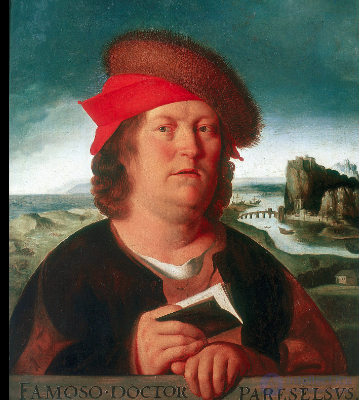
Photo of this physician
225. Can a physician refuse treatment because of its ineffectiveness
- At the request of relatives
- At the request of the patient
- For medical reasons
- On instructions from superiors
- Has no right to
226. Restraint of agitated psychiatric patients is not used:
- to facilitate examination
- to carry out necessary therapeutic procedures;
- to ensure the safety of the patient himself
- for punishment;
- to ensure the safety of people around the patient.
227. In case of an unfavourable prognosis for the disease, information about this:
- is communicated to the patient tactfully at his request
- is not communicated to the patient
- is not communicated to anyone, since it is confidential
- is communicated to relatives
- all of the above is incorrect
228. What is necessary to conduct an experiment on humans?
- Consent of relatives
- A mandatory medical examination
- Informed consent of the volunteer
- Agreement with a lawyer
- Conclusion of a contract
229. It has been reliably established that in some cases, patients, unable to bear the psychological strain after being told their diagnosis, end their lives by suicide. How should a physician act in this case?
- It depends on the patient's characterological features
- I will coordinate my actions with my superiors
- I will not disclose anything
- I will consult with the relatives
- I will consult with a lawyer
230. Is it possible to conduct experiments on mentally ill patients:
- according to the Nuremberg Code – no
- according to the Declaration of Helsinki – yes
- according to the Hawaii Declaration - yes
- yes, but only in special cases
- all of the above is incorrect
231. The main criticism of the mandatory health insurance system lies in:
- costly infrastructure
- expenses for maintaining administrative structures
- development of effective control mechanisms
- all of the above
- none of the above
232. Since HIV is currently an incurable disease, it follows that:
- these patients should not be treated
- these patients should be isolated from society
- compulsory euthanasia should be carried out
- such patients must be treated, as this is their inalienable right
- they should only be treated on a commercial basis
233. What guides a physician when informed consent cannot be obtained in emergency cases?
- consults the victim's lawyer
- consults with specialists
- the patient's overriding interest - to survive
- advice from the victim's relatives
- religious beliefs
234. Disclosure of information constituting medical confidentiality without the consent of the patient or his legal representative is permitted in all cases except:
- in case of a threat of the spread of infectious diseases, mass poisonings and injuries
- if the patient has HIV infection
- at the request of inquiry and investigation bodies, the prosecutor's office and the court in connection with an investigation or court proceedings
- in case of providing assistance to a minor under 15 years of age, to inform parents or legal representatives
- for the purpose of examining and treating a patient who is unable, because of his condition, to express his will.
235. AIDS is a disease that is:
- stigmatizing
- disqualifying
- disabling
- viral
- all of the above is correct
236. If a patient with terminal-stage AIDS develops agonal dying, what will YOU do:
- carry out the necessary resuscitation measures
- not carry out resuscitation measures
- not carry out resuscitation measures, since the patient will return to a state of slow dying
- not carry out resuscitation measures, since this situation was discussed and documented in writing beforehand
- another answer
237. Resuscitation medicine is the science that studies:
- the mechanisms of dying and revival
- the dying organism
- the study of clinical death
- the mechanisms of dying
- none of the above
238. From the standpoint of the current criminal code, the following actions of a physician fall under the concept of a crime:
- intentional infliction of grievous bodily harm;
- infecting a person with HIV;
- coercion to remove human organs or tissues for transplantation;
- failure to provide assistance to a patient;
- all of the above.
239. In which cases is disclosure of medical confidentiality possible?
- In case of certain genetic defects in one of the spouses
- To the employer during a medical examination for employment
- At the request of close relatives
- In case of the danger of the spread of certain infectious diseases
- In none of the above
See also
See also


Comments