
Lecture
Psychoanalytic pedagogy — is a direction in pedagogy that is based on the principles of psychoanalysis developed by Sigmund Freud and his followers. It studies the processes of teaching and upbringing through the lens of unconscious processes, emotional experience, and the psychodynamics occurring between students and teachers.
Modern pedagogy faces a problem consisting in its excessive orientation toward the conscious level of the learner's personality, which significantly limits its possibilities. To achieve deeper results, it is necessary to engage other, more hidden and powerful levels of consciousness, of which teachers often have only a superficial understanding.
The solution to this problem requires, on the one hand, expanding the field of the individual's consciousness, and on the other — turning to unconscious activity to unlock its enormous potential for development and self-development. However, this is only possible through the use of a new concept of upbringing and teaching, one that relies on the basic principles of psychoanalytic teaching.
Such an approach can be realized through psychoanalytic pedagogy, which is capable of becoming the basis for rethinking the educational process, opening the way to a more holistic and profound understanding of the personality.
Pedagogy is going through a stage in which its attention is focused on the key principles of psychoanalytic theory. Today it is impossible to ignore concepts such as «the conscious», «the preconscious», and «the unconscious», since their influence on the teaching and upbringing of students is significant. It is meaningless to speak of humanism in pedagogy without an understanding of the dynamics of the individual's mental processes. Psychoanalysis, which has always emphasized the importance of psychodynamics and the unity and integrity of mental life, is becoming an integral part of the modern approach to upbringing.
The process of upbringing – is a complex and heterogeneous path, in which the teacher encounters a multitude of challenges: pedagogical neglect, conflictual behavior, and the causes of poor academic performance. Overcoming them requires a deep analysis of the individual characteristics of the students, the conditions of their upbringing, and the influence of the surrounding environment.
Solving these problems is possible only through the integration of knowledge from various sciences about the human being. Earlier approaches, based on a one-sided understanding of upbringing, often ignored the inner nature and culture of the individual, focusing exclusively on their social role. However, a human being represents a unity of three essences: natural, cultural, and social. Accordingly, upbringing must be considered in all three dimensions, creating a holistic approach.
This means taking into account the biological and physiological laws to which a person, as a natural being, is subject, as well as the social aspects that define them as part of society. Such an approach makes it possible to consider the personality in all its diversity, ensuring harmonious development.
The main ideas of psychoanalytic pedagogy include:
Accounting for the unconscious in teaching:
Attention is paid not only to conscious motives but also to the hidden desires, fears, and conflicts of students that may influence their behavior and academic performance.
The role of the emotional environment:
The emotional atmosphere in the classroom and the relationships between teacher and students are regarded as key factors influencing motivation and the capacity for learning.
Resolving inner conflicts:
Primary attention is paid to the child's inner conflicts arising from pressure from society, the family, or the educational system. Pedagogy helps create conditions for their recognition and resolution.
Individual approach:
Psychoanalytic pedagogy emphasizes the importance of an individual approach to each student, taking into account their personal history, psychological characteristics, and experiences.
Development of the student's subjectivity:
Cultivating the student's autonomy, self-awareness, and ability to understand and manage their own emotions and behavior.
In practice, psychoanalytic pedagogy can be used:
This field requires teachers to have a deep understanding of psychology, empathy, and the ability to create a safe space for students' self-expression.
One of the main tasks of psychoanalytic pedagogy is to expand the field of the individual's consciousness, forming their readiness and ability to master and competently perform the system of social roles.
The psychoanalytic teaching, founded on the ideas of Sigmund Freud, continued to be developed and enriched by his followers and critics. Here are the key scholars and their main ideas that influenced psychoanalytic teaching:
Founder of psychoanalysis.
Creator of analytical psychology.
Founder of individual psychology.
Founder of object relations theory.
French psychoanalyst who developed Freud's ideas.
Author of the theory of psychosocial development.
Freud's daughter, a specialist in child psychoanalysis.
These scholars made a significant contribution to the development of psychoanalysis, expanding its theoretical and practical basis, which made it a foundation for working with the unconscious processes of personality.
Lack of scientific verification:
Difficulty of application in pedagogy:
Limited focus on the unconscious:
Sexualization of development:
Elitism of the approach:
Ignoring modern psychological theories:
Ethics of intervention:
Lack of proven effectiveness:
Cultural and social limitations:
Despite the significant contribution of psychoanalysis to understanding the human psyche, its application in pedagogy raises many questions. The criticism touches on both theoretical aspects and practical implementation. However, properly adapted ideas of psychoanalysis can be useful in combination with other approaches, creating a more balanced and effective educational system.
Holistic understanding of personality:
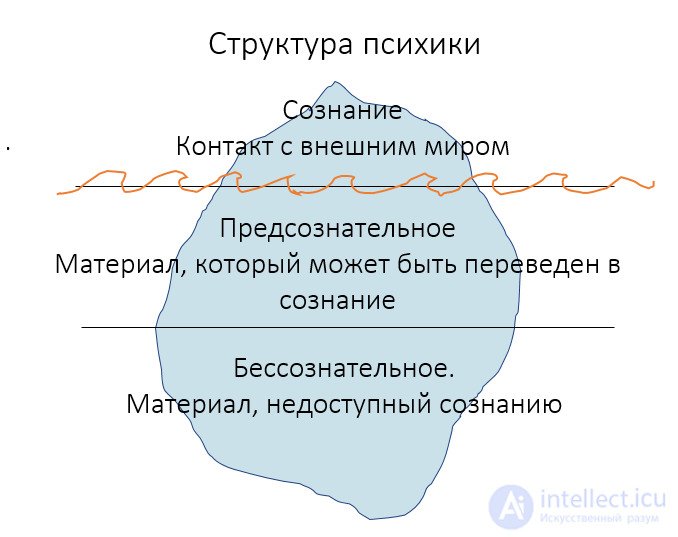
Psychoanalytic pedagogy views personality as a unity of three levels of consciousness — the conscious, the preconscious, and the unconscious. It takes into account the influence of unconscious processes on students' learning, upbringing, and behavior, which allows for a deeper understanding of the causes of their successes and difficulties.
The role of emotional experience:
Psychoanalytic pedagogy emphasizes the importance of the emotional environment and interpersonal relationships in the educational process. It recognizes that emotional traumas, conflicts, and inner contradictions can significantly affect personality development.
Individual approach:
Based on psychoanalytic teaching, pedagogy focuses attention on the uniqueness of each student, his or her personal experiences and inner world, which makes the process of upbringing and education more personalized and effective.
The role of subconscious processes:
Activating subconscious mechanisms and harmonizing them with conscious activity reveals additional resources for students' development and self-development. This makes psychoanalytic pedagogy especially relevant for solving complex pedagogical tasks, such as working with conflict behavior or low academic performance.
Integration of sciences:
Psychoanalytic pedagogy requires a synthesis of knowledge from psychology, biology, sociology, and other sciences about the human being. This allows for the formation of a comprehensive approach to upbringing that takes into account the natural, social, and cultural aspects of personality.
Humanistic orientation:
The central idea of psychoanalytic pedagogy is respect for the individual, his or her inner world, and needs. This makes it an important component of the humanistic approach to education.
Practical application:
Psychoanalytic pedagogy is especially useful in working with children who have complex psychological and social experiences. It helps teachers not only solve current problems, but also prevent them, forming a healthy and supportive environment for development.
Prospects for development:
This approach can become the basis for creating a new educational system, capable of better adapting to the needs of modern society, where the importance of emotional intelligence, self-awareness, and the capacity for self-development is growing.
Psychoanalytic pedagogy offers a unique and profound view of the process of teaching and upbringing, oriented toward the inner world of the individual. Its application contributes to a more harmonious development of students, taking into account their psychological characteristics and unconscious resources.
1. Who is the founder of psychoanalysis?
2. What is one of the key concepts of psychoanalysis?
3. Which level of consciousness in psychoanalysis is responsible for hidden, repressed desires?
4. What is the name of Freud's concept that divides the personality into the Id, the Ego and the Superego?
5. Which stage of psychosexual development does Freud associate with orgasmic pleasure from sucking?
6. Who is the founder of the theory of the "collective unconscious"?
7. What is the name of the stage of psychosexual development associated with the feeling of shame and the development of gender identity?
8. Which of the following is the main method of psychoanalysis?
9. Which psychoanalyst proposed the concept of "defense mechanisms"?
10. What is the name of the process by which a child between the ages of 6 and 12 begins to feel part of the social environment?
11. Which of Freud's principles underlies the theory of psychosexual stages?
12. Which of the statements most accurately reflects the essence of psychoanalytic pedagogy?
13. Which of the following is a criticism of psychoanalytic pedagogy?
14. What role does "transference" play in psychoanalysis?
15. In which case can psychoanalytic pedagogy be especially effective?

Comments