
Lecture
In order to master a particular profession and then work in it successfully, a person must possess specific qualities that meet the requirements that profession places on the personality of the worker. That is why, when choosing a profession, it is very important to know these requirements. Let us try to formulate them for each type, class, division and group of professions.
The requirements placed on a person in different professions can vary considerably depending on the nature of the work and the field of activity. Below are general requirements that may be typical of various professions:
Technical skills and knowledge: In most technical and engineering professions, such as engineer, programmer and mechanic, in-depth technical knowledge and skills in the relevant field are required.
Education: Many professions require a certain level of education. For example, working as a doctor, lawyer or teacher requires obtaining the appropriate licence and professional education.
Communication skills: In professions related to customer service, sales, management and education, effective communication skills with people are important.
Analytical abilities: Analytical abilities and the ability to make well-founded decisions are important in professions such as data analyst, financial analyst and research scientist.
Leadership and management skills: Executives, managers and directors must have team management skills and the ability to make strategic decisions.
Creativity and innovation: Professions related to art, design, marketing and product development often require creative thinking and the ability to come up with new ideas.
Stress resistance: Some professions, such as nurses, firefighters and police officers, require the ability to act effectively in stressful situations.
Physical endurance: Some jobs, such as construction, freight transport and sports, may require good physical fitness and endurance.
Specific skills and licences: Some professions require specific skills and licences. For example, a pilot must hold a licence to operate aircraft.
Ethical standards: Some professions have strict ethical standards that must be followed, such as doctors, psychologists and accountants.
These are general examples of requirements, and they may vary depending on the specific position and organisation. It is also important to note that many professions require a combination of different skills and qualities, and a successful employee may possess both technical and soft skills matching the requirements of their profession.
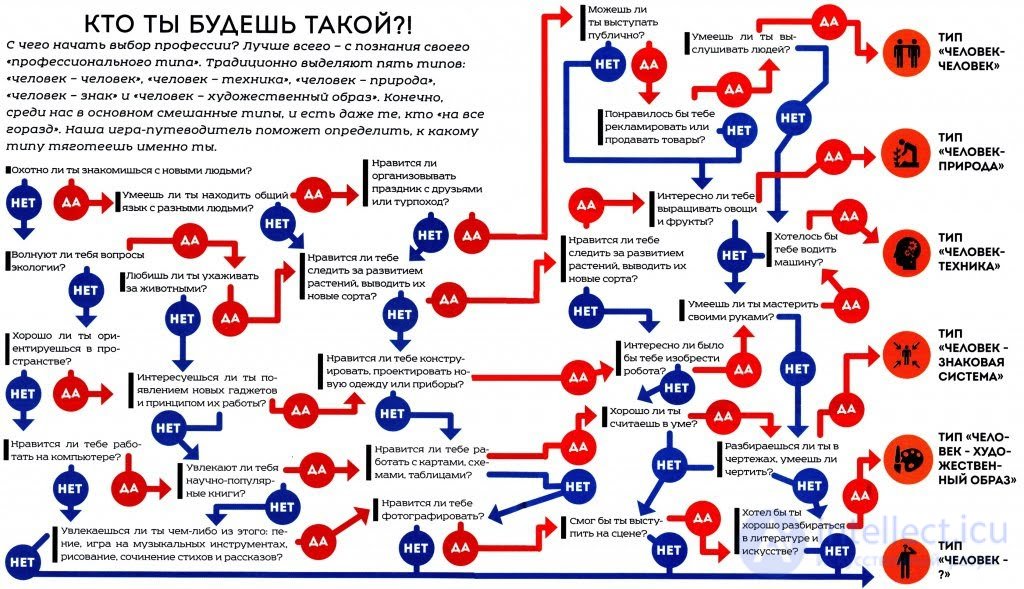
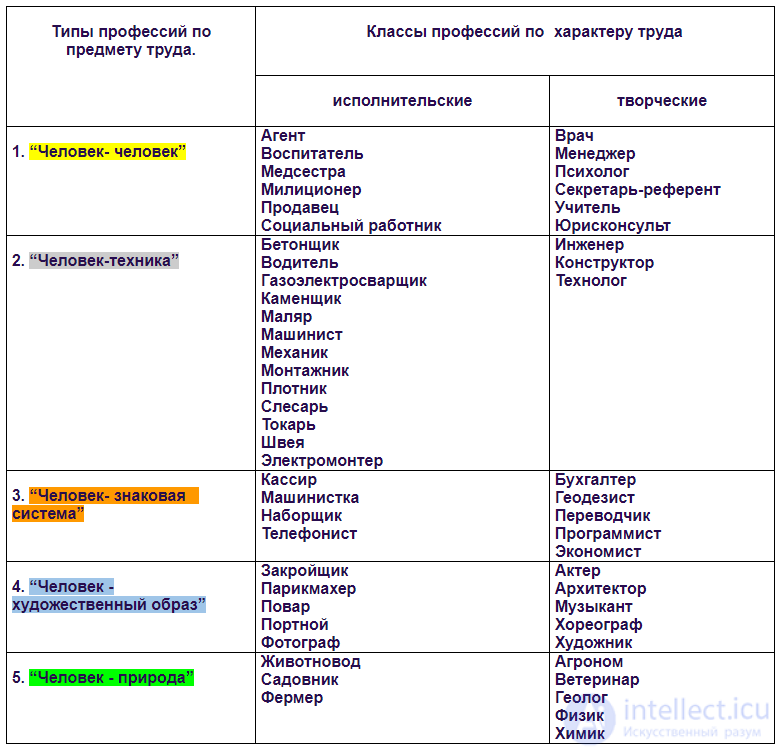
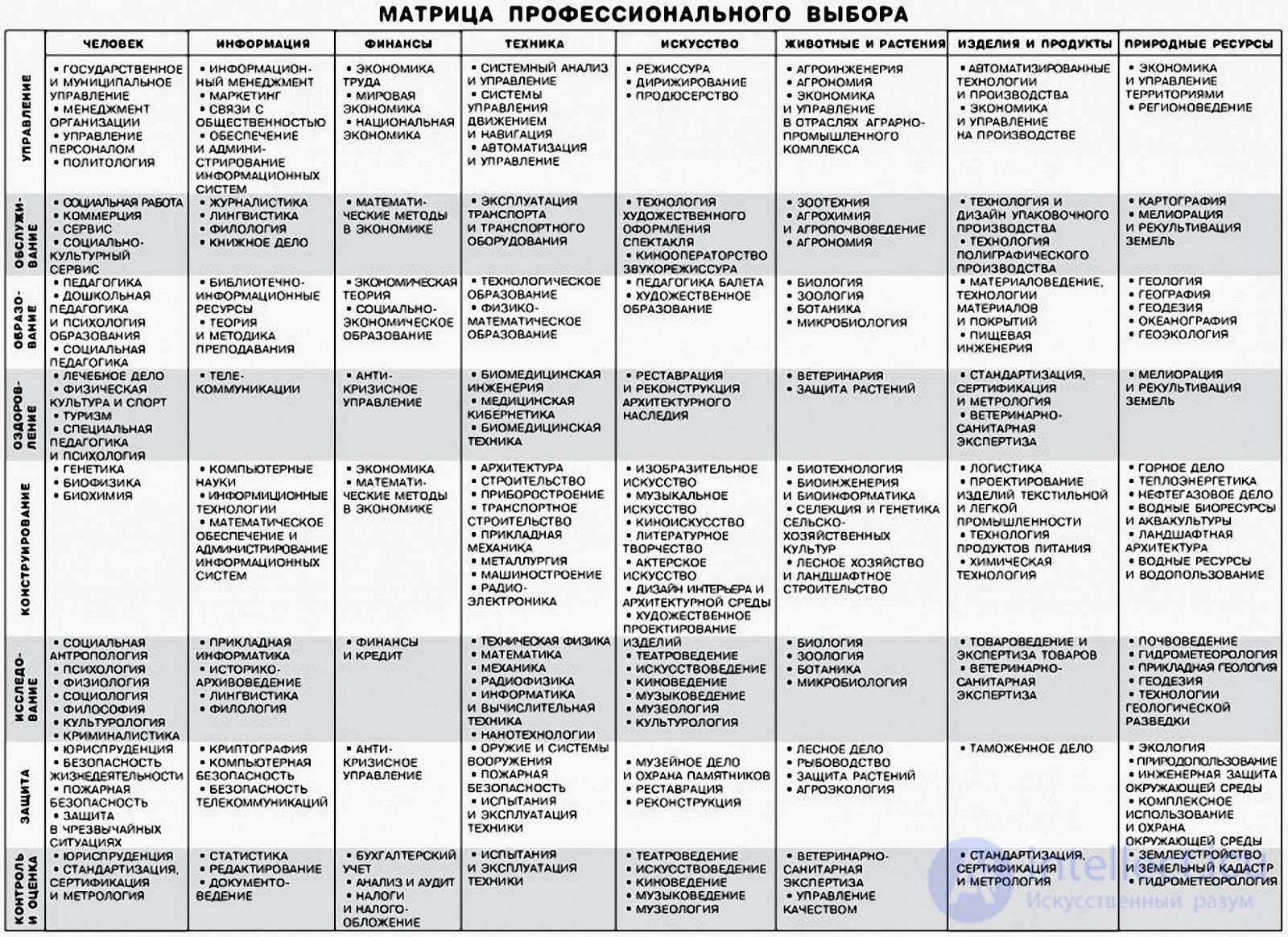
The psychological profile of a profession is an analysis and description of the psychological aspects associated with performing a particular job or profession. This profile involves examining which personality traits, skills and psychological factors may be important for successfully performing a given profession. Here are a few key aspects of a profession's psychological profile:
Personality traits: Each profession may attract people with certain personality traits. For example, successful managers often possess leadership qualities, tolerance for stress and decision-making ability. Doctors may have high empathy and stress resilience. A profession's psychological profile can determine which personality traits are important for a given job.
Cognitive skills: Different professions require different levels of cognitive skills, such as analytical thinking, problem-solving ability, creativity and mathematical ability. For example, engineers often require a high level of analytical skills, while designers need creativity.
Stress resilience: Some professions may involve high levels of stress and pressure, such as doctors, firefighters or police officers. A profession's psychological profile can assess how a person will cope with these stressful situations.
Emotional intelligence: Skills in the area of emotional intelligence, such as the ability to manage one's own emotions and understand the emotions of others, can be important for professions involving interpersonal relationships, such as psychologists or counselors.
Motivation and job satisfaction: A profession's psychological profile can assess how motivated a worker is to perform their job and how satisfied they are with it. The level of motivation and job satisfaction can strongly affect performance and success in the profession.
Sociocultural context: Cultural and social aspects can also matter for a profession's psychological profile. For example, which cultural values and norms influence the expectations and requirements placed on a worker in a given profession.
Career development: A profession's psychological profile can also assess career development prospects and opportunities for professional growth in the given field.
A profession's psychological profile helps both employees and employers better understand which psychological factors can influence success in a given profession, and helps them make informed decisions about career choice and personnel management.

Comments