
Lecture
Type of lesson: Lesson on forming new knowledge.
Teaching methods:
Objectives:
Instructional: to introduce students to the main sources of information about job vacancies.
Developmental: to develop the ability to analyze, compare, contrast, identify the main point, establish cause-and-effect relationships, give examples, and improve the ability to work independently and in a group.
Educational: to shape an emotionally engaged, personal attitude toward innovative technologies and to foster an active life stance. Students acquire the ability to listen, ask questions, and behave correctly using knowledge of business etiquette, and rules of conduct in society are developed.
Equipment:
Form of organizing learning activity in the lesson:
Motivation: the relevance of the lesson topic lies in forming students' knowledge about sources of information on job vacancies and the features of working with them.
Expected results:
Lesson outline
|
No. |
Structural elements of the lesson |
Teacher's activity |
Students' activity |
|
1 |
Organizational moment (2 min.) |
Greeting |
Getting ready for the lesson |
|
2 |
Announcing the topic and objective of the lesson (3 min) |
On the board: the name of the lesson topic. |
Write it down in their notebooks |
|
3 |
Reviewing previously covered material (5 min.) |
Ongoing check in question-and-answer form. |
Answer the questions |
| 4 | Goals, strategy and tactics, job search options | ||
| 5 | Preparing students for the active, conscious acquisition of new material and presentation of new knowledge: sources of information about job vacancies. (10 min.) | ||
|
6 |
writing a newspaper or website advertisement with a résumé (10 min.) |
Objective: to identify the features of job searching and sources of information. |
Receive information, ask questions and answer the teacher's questions. |
|
5 |
Consolidating new knowledge (3 min.) |
Additions, clarifications and announcement of grades. |
Check their notebook entries. |
|
6 |
Assigning homework and instructions for completing it (2 min) |
Clarify the purpose of the homework. |
Notes. |
Job searching is a process that involves setting goals, developing a strategy and applying tactics to achieve those goals. Here is how you can approach this process:
Goals:
Employment goal: Determine what type of job or position you are looking for. Make sure your goals are clear and specific. For example, "I want to get a position as a programmer at an IT company."
Career growth goals: Consider your long-term goals. Where would you like to be in 5, 10, or 20 years? For example, "I want to become a lead developer and manage my own team."
Strategy:
Education and training: If your goals require specific skills or qualifications, determine which courses, certificates, or degrees you need. Develop an education and training plan.
Networking: Create a strategy for expanding your network of contacts. Attend events, find contacts on social networks, and establish professional connections.
Résumé and personal brand: Create a strong résumé and profile on professional social networks. They should highlight your skills and achievements.
Tactics:
Job search: Use online job search platforms, including company websites, recruitment agencies, and job search sites. Subscribe to job listing newsletters.
Interview preparation: Practise for interviews. Prepare answers to typical questions and research the company where you are going to interview.
Submitting applications: Personalise each cover letter and application for a position. Make sure you meet the requirements of the vacancy.
Networking: Maintain active networking. Communicate with professionals in your industry, and look for opportunities for informal meetings and consultations.
Follow-up: After submitting applications and attending interviews, follow up on feedback and send a thank-you letter after the interview.
Opportunities:
University resources: Take advantage of your university's resources, including career centres, to get advice and support in your job search.
Professional associations: Join professional associations in your field, where you can find information about vacancies and network.
Volunteering and internships: Consider volunteering or an internship to gain experience and establish professional connections.
Personal brand: Use your personal brand and online profiles to attract the attention of employers.
Job searching can be a challenge, but with clearly defined goals, strategy, and tactics, as well as by making use of the opportunities available, you will increase your chances of successful employment.
Job searching and preparing for it is an important stage in anyone's career. The following plan can help you search effectively and prepare for work:
1. Defining your goals and wishes:
2. Analysing your skills and experience:
3. Developing your résumé and a profile on a job search site:
4. Preparing cover letters:
5. Researching the labour market:
6. Searching for job openings:
7. Preparing for interviews:
8. Building a network of contacts:
9. Submitting applications and sending out résumés:
10. Updating your professional knowledge: - Keep learning and developing in your field in order to remain competitive in the labour market. - Take courses and training, and obtain certificates if necessary.
11. Preparing for job offers: - Review job offers and compare them with your goals and expectations. - Prepare to negotiate salary and working conditions.
12. Preparing for onboarding: - Once you receive a job offer, prepare to adapt to the new company and work environment.
13. Track your progress and adjust your plan: - Evaluate which job search methods were the most successful, and adjust your plan as needed.
The job search can be a challenge, but with a well-prepared plan and persistence you can achieve success. Be ready for rejections and use them as an opportunity to improve your skills and job search strategy.
Organising a job search is an important stage in anyone's career. The following basic rules will help you effectively organise and carry out your job search:
1. Define your goals and priorities:
2. Update your résumé and LinkedIn profile:
3. Prepare for job interviews:
4. Research the labour market:
5. Build a network of contacts:
6. Search for vacancies:
7. Prepare for job offers:
8. Preparing for onboarding:
9. Track your progress and adjust your plan:
10. Be persistent and patient: The job search can take time, and sometimes you may be turned down. Don't be discouraged and keep moving forward.
11. Maintain a positive attitude: Your mental state plays an important role in a successful job search. Maintain a positive attitude and believe in your abilities.
12. Networking: It is important to maintain open communication with professional contacts and be ready to help others whenever you have the opportunity to do so.
Remember that job searching is a process that requires effort and persistence. By following these rules and staying focused on your goal, you will increase your chances of a successful search and of finding a job that matches your goals and expectations.
An unsuccessful job search may be caused by both objective and subjective factors. They can interact with one another and create a complicated situation.
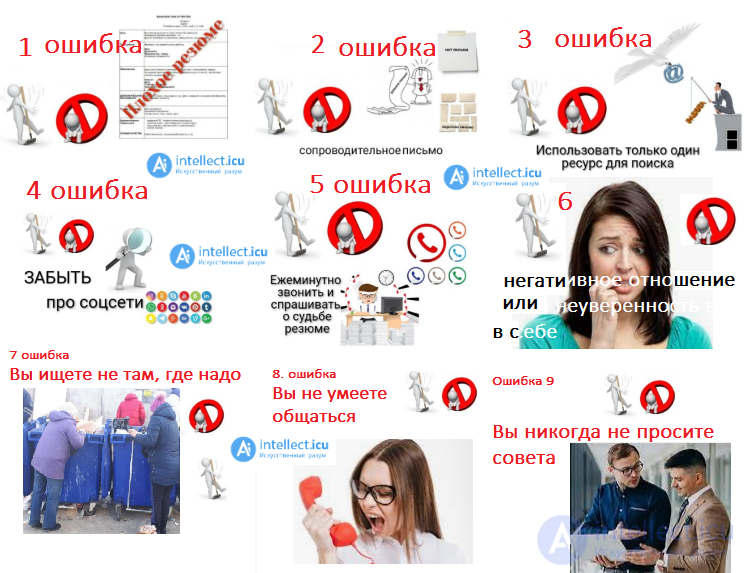
Let us look at some of them:
Objective causes:
Shortage of vacancies: In some industries or regions there may be a shortage of jobs, which makes the job search more difficult.
Lack of qualifications: If you do not have sufficient qualifications or experience for a particular position, this may limit your opportunities.
Seasonality: Some fields are seasonal in nature, and the job search can become more difficult during certain times of the year.
Economic crises: Economic crises can reduce demand for labour and make the job search more complicated.
Health or personal-life limitations: Physical or personal limitations can restrict the vacancies available to you.
Subjective causes:
Low self-confidence: A lack of confidence in your own skills and abilities can hold you back during a job search.
Unrealistic expectations: If your expectations regarding salary, position or working conditions are unrealistic, this can make the job search more difficult.
Refusal to adapt: Unwillingness to change your place of residence, relocate or take temporary work can limit your opportunities.
Poor job-search skills: An inability to draft a résumé, conduct interviews or make effective use of professional networks can make the search more difficult.
Lack of a plan: The absence of a clear job-search plan and strategy can lead to endless wandering.
Stress and depression: Stress and depression can reduce motivation and encourage inaction.
Ineffective use of resources: Insufficient use of modern technologies and professional contacts can reduce the effectiveness of the search.
Solving problems in the job search often requires a combined approach that includes both working on objective constraints (for example, improving skills or reconsidering the desired salary) and working on subjective factors (for example, boosting self-confidence or developing more realistic expectations). For a successful job search, it can be useful to seek advice from a professional career counsellor or psychologist.
Job searching is a process that can involve various methods and strategies. Here are some of the most common job-search methods:
Direct contact with the employer:
Using intermediary firms and organizations:
Using personal connections (networking):
Information about vacancies in the media:
Placing your own offer in the media:
Using online portals and resources:
Attending professional events and job fairs:
Job searching through social networks:
Independent research on companies:
Recommendations from teachers and mentors:
The choice of methods depends on your preferences, skills, and specific situation. It is important to use a combination of methods to maximise your job search opportunities.
The effectiveness of various job search methods can vary greatly depending on the specific circumstances, your professional field, and region. Let's compare some of the most common methods:
Direct approach to the employer:
Using intermediary firms and organisations:
Using personal connections (networking):
Vacancy information in the media:
Placing your own advertisement in the media:
Using online portals and resources:
Attending professional events and job fairs:
Job searching through social networks:
Independent research of companies:
Recommendations from teachers and mentors:
The effectiveness of job search methods depends on your own situation and the effort you are willing to put in. It is also important to adapt your strategy to your goals and specific professional field. Many job seekers successfully use a combination of different methods to maximise their chances of getting the job they want.
There are many employment options, and the choice depends on your professional field, experience, education and preferences. Here are some of the most common options:
Permanent employment (full-time): This is the classic form of employment, in which you work for a single employer on an ongoing basis. You are provided with a stable salary, benefits and other advantages.
Contract work: In this case you conclude a contract with an employer for a fixed term or to carry out a specific project. Contracts can run for several months or even years.
Freelancing: Freelancers work on projects for various clients on a temporary basis. This provides greater flexibility, but can also be less stable and predictable in terms of income.
Seasonal work: Seasonal workers can find temporary work during peak seasons, such as holiday periods, summer vacation or agricultural seasons.
Temporary work: This is work for a limited period, often used to cover temporary absences or temporary needs.
Part-time work: You work fewer than 40 hours a week, which can give you more time for other responsibilities or study.
Working from home: Many companies offer the opportunity to work remotely, allowing you to work from your home or another location.
Volunteering: You can work for non-profit organizations or charitable institutions without pay in order to benefit society and gain experience.
Internship: This is a great way to gain experience in your field, usually at the start of your career. An internship can be paid or unpaid.
Self-employment and entrepreneurship: If you have a business idea, you can become an entrepreneur and start your own business.
Teaching and research work: Depending on your field, you can work in scientific research or education.
Government or public service: Working in government or public institutions can provide stable employment with state benefits and a pension.
The choice of employment option depends on your goals, professional skills and circumstances. Think about your priorities and which option matches your career goals and life circumstances.
There are many sources where you can find information about job vacancies. Here are some of the most common sources:
Job search portals: There are many websites and portals specializing in posting vacancies. Some of the most popular include Indeed, LinkedIn, Glassdoor, Monster, and CareerBuilder.
Company websites: Many companies post vacancies on their own websites. If you already have a preference for certain companies, keep an eye on the "Careers" or "Vacancies" section on their sites.
Government employment services: Many countries provide government resources for job searching. For example, in the USA this may be CareerOneStop, and in the United Kingdom - the Gov.uk website.
Professional associations: If you specialise in a particular field, find out about the professional associations connected with your industry. They often provide their members with information about job openings.
Social media: Social networks such as LinkedIn can be an excellent source of job openings and professional connections. Many employers also use LinkedIn to search for potential candidates.
Working through agencies and recruiting firms: Recruiting agencies and firms specialise in finding candidates for companies. They can help you find suitable openings that match your skills and experience.
University career centres: If you are a student or a university graduate, contact your institution's career centre. They can provide information about job openings and support in your job search.
Newspapers and magazines: Some companies still post job openings in print newspapers and specialised magazines.
Tips from acquaintances: Ask your friends, colleagues, and professional contacts whether they have information about available openings or recommendations for you.
Job-search apps: There are numerous mobile apps for job searching, such as Indeed Job Search, LinkedIn Job Search, Glassdoor Job Search, and many others.
Freelance exchanges — these are online platforms where freelancers (self-employed specialists) can offer their services and find clients for various projects. Clients, in turn, can post listings seeking freelancers for their tasks. Here are a few popular freelance exchanges:
Upwork: This is one of the largest freelance platforms, where you will find a wide range of tasks, from web development to writing services.
Freelancer: Freelancer.com offers the ability to post and find projects in various fields, including programming, design, marketing, and much more.
Fiverr: Fiverr specialises in small projects and services. Here you can find freelancers to complete tasks starting from $5 and up.
Toptal: This is a platform for finding highly qualified freelancers and specialists, including developers, designers, and project managers.
Guru: Guru.com provides access to a wide range of freelance specialists and offers the ability to post projects and find suitable candidates.
PeoplePerHour: This platform specialises in freelance services in web development, design, marketing, and other fields.
99designs: 99designs offers design services, including logos, branding, and web design, and allows clients to run competitions among designers.
These platforms allow freelancers to find work, work remotely, and collaborate with clients from all over the world. When choosing a freelance exchange, make sure it suits your specialisation and goals, and pay attention to the commissions and rules in effect on that platform.
In addition, it is important to be active in your job search, regularly update your résumé, and apply for job openings that interest you.


Of course, I can help you write an advertisement for a newspaper or website featuring your résumé. However, to make the advertisement more accurate and effective, I need to know more information about you and your goal. Here is a general template that can be adapted to your needs:
Heading:
Advertisement text:
Name: [Your name] Contact information: [Your contact details — phone, email]
Work experience:
Education:
Skills:
Additional information:
Objective:
Work preferences:
Attached résumé:
Closing:
Ready for new opportunities and professional growth. I look forward to offers and to the chance to make a valuable contribution to your company.
Remember that it is important to adapt this advertisement to your unique situation and employment goals. Also make sure that your contact information is up to date and that you have attached your résumé, if possible.
A résumé (CV in the American sense) and a CV (Curriculum Vitae in the British/academic sense) are two different types of documents used when job hunting, and they differ in structure, length and level of detail. Let us look at the main differences between them:
Volume and length:
Focus:
Structure:
Use:
Audience:
What other documents are needed for a successful job interview:
Cover Letter: This is a document that accompanies your résumé or CV and provides additional information about you and your interest in a specific job position. A cover letter lets you express your motivation and the unique qualities you can bring to the workplace.
List of references (References): This document includes the contact information of people who can provide references about your professional or academic work. A list of references is usually provided upon the employer's request.
Portfolio: If your profession is related to creative work, design, programming, and so on, then a portfolio can be a useful document. This is a collection of your best works and projects.
Certificates and/or diplomas from courses or professional education programmes
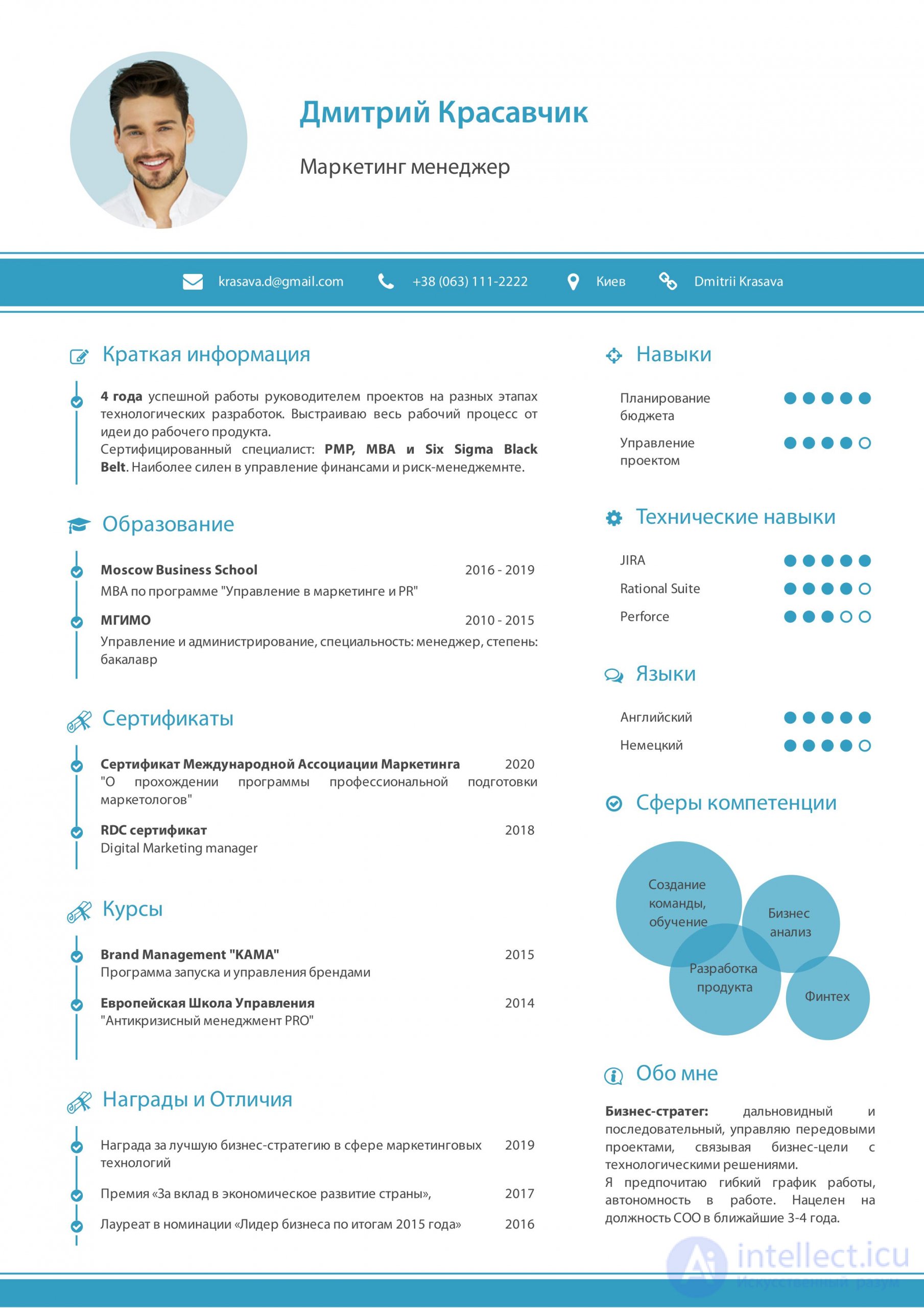
The choice between a résumé and a CV depends on your profession, regional preferences, and the specific requirements of the vacancy. Before sending your documents, it is recommended that you carefully review the employer's requirements.

Comments