
Lecture
Competition in the labour market means rivalry between workers for jobs and between employers for hiring labour. This process plays an important role in determining employment conditions, wage levels and labour market dynamics.
Competition in the labour market is a struggle between people for the best job opportunities and between companies for the best employees. It can be formal, when it is regulated by laws, or informal, depending on cultural and social factors.
In this struggle, employers can choose from a large number of candidates, trying to attract the most qualified and motivated workers. Workers, on the other hand, compete for job openings and better working conditions.

Competition also exists between companies trying to find and attract the best specialists. It affects hiring conditions and terms of employment.
Competition in the labour market can have both positive and negative consequences. On the one hand, it motivates workers to improve their skills and develop. On the other hand, it can create inequality and limit access to certain jobs for some groups of people, such as older workers or young specialists without experience.
It is important to build mutually beneficial relationships between employees and employers in order to ensure stability and success in the labour market.
Competition in the labour market has structural elements that include target, personal and activity-based components. This set of components is sufficient for analysing competition in a sociological context. Examining the contradictions and preconditions, as well as the root causes, makes it possible to consider social competition from the standpoint of social philosophy. Let us take a closer look at each of the identified components of social competition in the labour market:
The target component (objects of competition): This concerns exactly what is the object of competition in the labour market. These may be jobs, positions, opportunities for professional growth, high status and other goals that candidates strive to achieve through participation in competition.
The personal component (individuals): This aspect of competition relates to the participants, their personal characteristics and qualities. Employees and candidates possess certain skills, education, experience, ambitions and motivation. These personal traits can determine their competitiveness in the labour market.
The activity-based component (the clash of competition subjects): This component describes the activities and interaction of the subjects of competition in the labour market. This includes job searching, participating in interviews, job offers, and even the struggle for a pay rise or better working conditions.
Analysing these components allows for a better understanding of how social competition in the labour market is structured and what factors influence the success or failure of the participants in this competition. Such an analysis can also reveal contradictions that may arise between different labour market participants, and allows for reflection on the social and philosophical aspects of this competition.
Here are some key aspects of competition in the labour market:
Supply and demand for labour: Competition in the labour market is determined by the interaction between employers' demand for labour and workers' supply of labour. When demand exceeds supply, this can lead to higher wages and better conditions for workers. In the opposite situation, when supply exceeds demand, employers may have a wider choice, and this can lower wages and benefits for workers.
Competition among employees: Employees compete with one another for available jobs. This means they may strive to improve their skills, obtain education and gain experience in order to be more competitive in the labour market.
Competition among employers: Employers compete with one another to attract and retain highly qualified workers. They may offer bonuses, benefits, professional development and other incentives to attract and retain talented employees.
Regional differences: Competition in the labour market can vary depending on the region. In some places, demand for certain types of workers may be higher due to features of the local industry or economy.
The influence of technology and the global economy: Technological changes and world events can affect competition in the labour market. For example, automation can replace certain types of jobs, which increases competition for other jobs.
Legislation and social policy: Labour laws and social policies, such as minimum wage and unemployment insurance, among others, can also affect competition in the labour market by regulating employment terms and wages.
Competition in the labour market is of great importance for shaping employment terms and wages, as well as for the development of skills and professional growth of employees. It also affects the overall dynamics of the economy and the country's competitiveness in the global market.
To win the competition in the labour market and become the most attractive employee, you will need to invest effort in developing your skills and qualities. Here are a few steps that can help you achieve this goal:
Education and professional development:
Work experience:
Building a professional portfolio:
Networking:
Preparing for interviews:
Demonstrating motivation and ambition:
Adapting to market requirements:
Communication and professional conduct:
Working on your personal brand:
Striving for self-improvement:
Remember that competition in the labor market can be tough, and success requires effort and constant self-reflection. Strive to be better and more effective in what you do, and you will have more opportunities for career growth and greater appeal to potential employers.
To win the competition in the labor market and become the best employer, you need to create an attractive work environment and offer employees what other companies cannot offer. Here are some key steps:
Company culture and values:
Career opportunities:
Salary and compensation:
Working on your employer brand:
Working on the company's image:
Flexible schedule and work-life balance:
Employee involvement:
Caring treatment of employees:
Diversification and inclusivity:
Social responsibility:
Ultimately, being an in-demand employer requires creating an attractive environment for employees where they can thrive and achieve success. This will help you attract and retain the talent that will make your company better.
Laws governing competition in the labor market may differ across countries and regions, but they generally regulate important aspects of the relationship between employees and employers and ensure fair and effective conditions in the labor market. Below are some general laws and rules that are usually observed:
Anti-discrimination laws: Laws that prohibit discrimination based on race, gender, age, nationality, religion, disability and other characteristics. They require employers to treat all candidates and employees equally.
Minimum wage laws: They establish the minimum level of pay that employers must pay their employees.
Working time laws: They regulate the length of the working day, week and vacations, and set the rules for paying overtime hours.
Workplace safety and health laws: They require employers to provide safe working conditions and comply with employee health protection standards.
Collective bargaining and trade union laws: They regulate the rights and duties of trade unions, as well as the procedures for collective bargaining between employers and trade unions.
Dismissal and discretionary termination laws: They establish rules for dismissals and provide protection against unlawful and unfair termination.
Vacation rights laws: They regulate how much vacation time employees must be granted, and the terms of vacation pay.
Equal rights laws: These laws require employers to provide equal opportunities to all employees and candidates, regardless of their gender, race, age and other characteristics.
Laws on hiring and dismissing foreign workers: They regulate the rules and procedures for hiring foreign workers and issuing them work visas.
Intellectual property laws: They may regulate the rights and obligations concerning intellectual property created by employees during their work.
Privacy and data protection laws: They require companies to protect the confidential data of their employees and clients.
This is only a general overview of the main laws and rules of competition in the labor market. For specific information on the laws and rules in force in your country or region, you should consult lawyers, HR specialists or official government sources.
The basic rules of competition can be summed up in 3 statements: do no harm to the market, do no harm to yourself, work within the law.
The basic rules of competition in the labor market can be formulated as follows:
Do no harm to the market: Observe ethical standards and do not engage in actions that could harm the integrity of the labour market. Do not use unfair practices, such as monopolization, dumping or abuse of market position. It is important to maintain competition, which fosters innovation and choice for both employees and employers.
Do no harm to yourself: It is important to remember that competition in the labour market should be healthy. You should not engage in aggressive or ineffective strategies that could negatively affect your company's reputation or your own personal well-being. Make sure your actions support long-term sustainability and success.
Work within the law: Comply with all applicable laws and regulations concerning labour market relations. This includes compliance with anti-discrimination laws, occupational safety rules, equality laws and other regulatory acts. Strict adherence to the law is the foundation of a legitimate and fair competitive struggle.
Additional rules of competitive struggle in the labour market may include:
Transparency and honesty: Maintain open and honest communication with both employees and candidates. Do not give false promises or information.
Respect for confidentiality: Maintain the confidentiality of information about employees and business processes. Do not use others' confidential data for your own purposes.
Respect for employees' rights: Respect employees' rights to organize and participate in trade unions or collective bargaining, where these exist.
Professional development: Support employees' professional development by providing them with opportunities for training and growth.
Equality and diversification: Pay attention to creating a diverse and inclusive environment in which all employees can reach their potential regardless of their characteristics.
These rules help create a fairer and more sustainable labour market, where employees and employers can compete and develop in accordance with high standards of ethics and legality.
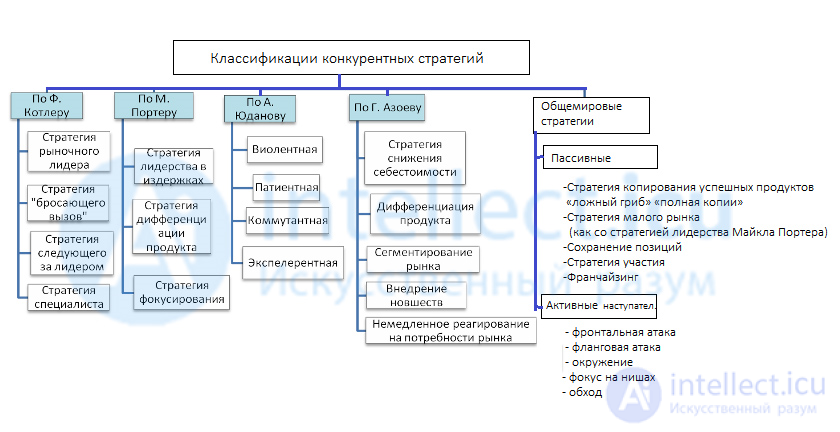
In the context of the labour market, as in other industries, there are offensive and passive strategies of competitive struggle:
Offensive strategies:
Active talent search: Companies can actively pursue the best candidates in the labour market, including those who already work for competitors. This may involve offering higher salaries, bonuses or other benefits to attract experienced employees.
Innovation in HR approaches: Especially in technology industries, companies can develop new methods and approaches to human resource management that make them more attractive to talented specialists.
Building employee loyalty: Companies can actively work on creating a positive working environment and culture in order to retain their employees and prevent them from moving to competitors.
A flanking attack strategy in the labour market can be interesting for both job seekers and employers. In this context it may have the following aspects:
For job seekers (employees): Using specialized skills: If you possess unique skills that are not very common in the labour market, you can use this as your competitive edge. For example, specialized technical skills or knowledge of a rare foreign language can make you more sought after.
For employers: Attracting narrowly specialised experts: Some companies may attract narrowly specialised experts who can bring new knowledge and skills into the organisation, strengthening its competitiveness.
A flanking-attack strategy in the labour market can help both job seekers and employers use their unique abilities or resources to achieve competitive advantages. It requires an analysis of weak points and a search for opportunities to make effective use of them in the dynamic environment of the labour market.
Passive strategies:
Specialisation and niches in the market: Companies can concentrate on unique niches within their industry, where competition is less intense. For example, specialisation in particular specialisms or narrow professional fields.
Cooperation with competitors: Instead of actively fighting, companies can look for opportunities to cooperate with competitors in the labour market. This can include exchanging personnel or creating educational initiatives that can benefit the entire industry.
Focus on improving internal processes: Companies can concentrate on optimising their internal processes and efficiency in order to maximise their productivity and profitability.
Which of these strategies suits a company depends on a great many factors, including the industry, the company's specific goals, its resources, and the current competitive conditions in the labour market. Some companies may even combine elements of both strategies in their approach to competition.
Competing in the labour market requires the development of effective strategies for both job seekers and employers. Here are some strategies that can help you cope successfully with the competition:
For job seekers (employees):
Continuous learning and development: Invest in your education and the development of your skills. Learn about new technologies and trends in your industry. This will help you remain competitive.
Building a network of contacts: Create professional connections by using social networks, participating in industry events and joining professional communities. Good contacts can open doors to new opportunities.
Personal brand: Work on your personal brand and online profile. The effective use of LinkedIn and other platforms will help you stand out from other job seekers.
Targeted approach: Do not simply send out mass applications for vacancies. Study the companies and positions you are applying for, and tailor your résumé and cover letter to the employer's specific requirements.
For employers:
Employer brand: Create a strong employer brand that attracts talented candidates. This includes building a company culture that attracts and retains the best employees.
Flexible working conditions: Offer flexible schedules, the possibility of remote work, and other benefits that can attract talent.
Promotion within the company: Strive to ensure that employees see the possibility of career growth within your company. This can inspire loyalty and high performance in them.
Diversity and inclusion: Create an environment that welcomes diversity and inclusion. Diverse teams are often more innovative and successful.
Training and development: Provide employees with opportunities for training and professional development. This helps attract and retain highly qualified specialists.
Both sides, job seekers and employers alike, can use these strategies to achieve their goals in a competitive labor market. Striving for continuous improvement and adapting to change will help you win in this competition.
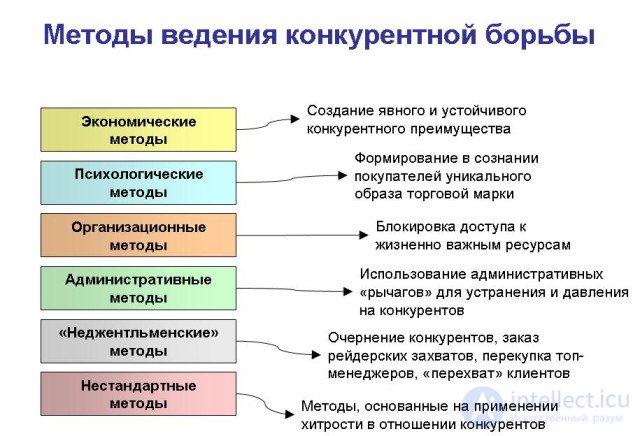
The benefits of competition in the labor market can be different for the employer and for the employee (job seeker).
From the employer's perspective:
Better employees: Competition among job seekers allows the employer to choose from a wider pool of highly qualified candidates. This means the company can find the best specialists, which in turn can increase productivity and business success.
Increased efficiency: Knowing that there is competition in the labor market, the employer is motivated to offer more favorable conditions for employees, such as higher salaries, bonuses, flexible schedules and other benefits. This can lead to increased employee motivation and productivity.
Innovation and diversity: Competition can encourage the recruitment of employees with different skills and experience, which can make the team more diverse and foster innovative solutions and ideas.
From the employee's (job seeker's) perspective:
Better opportunities: The employee has access to a wider range of vacancies and companies. This makes it possible to choose a job that matches their skills, interests and career goals.
Better conditions: Competition among employers for talented employees can lead to improved working conditions. Employees can expect higher salaries, bonuses, opportunities for professional development and other benefits.
Skills development: To win in the competition, an employee must constantly develop their skills and knowledge. This can contribute to personal and professional growth.
Choice among employers: When an employee has a choice among several offers, they can choose the employer that best matches their values and preferences.
Ultimately, competition in the labor market can benefit both employers and employees, since it drives improvements in working conditions and quality, and also promotes the development of human capital.
Competition in the labor market, while it drives development and efficiency, also has its negative aspects:
Pressure on wages: Under conditions of intense competition, employers may seek to hold down or reduce wages. This can lead to employees earning less than they consider fair, especially if the minimum wage level is not regulated by law.
Uncertainty about the future: Instability and high competition in the labor market can create uncertainty among workers. They may worry about job security and career growth prospects.
Discrimination and inequality: Under conditions of competition, problems with discrimination based on gender, age, race or other characteristics can arise. This can be caused by employers' desire to choose the "ideal" candidate, which can lead to inequality in access to jobs.
Pressure on workload: In the pursuit of competitive advantages, workers may tend to overwork and overload themselves, which can raise stress levels and lead to a decline in quality of life.
Exclusion of poorly protected groups: Under conditions of high competition, hired workers who lack strong professional skills or experience, as well as more vulnerable groups such as inexperienced young people, older people and people with disabilities, may suffer.
Increased staff turnover: When workers have many options and opportunities in the labour market, this can contribute to increased staff turnover. Workers may frequently change jobs in search of better conditions, which can create instability for employers.
Decline in the quality of training and professional growth: Under conditions of intense competition, some employers may cut spending on employee training and professional growth, which can negatively affect the qualifications and effectiveness of the workforce.
Uneven distribution of opportunities: Competition can create an uneven distribution of opportunities and access to work, especially for low-income groups of the population and regions with high unemployment.
Managing these negative aspects of labour-market competition requires a combination of efforts from the state, employers and workers in order to create a fairer and more stable environment for all participants in the labour market.
Labour-market competition with artificial intelligence (AI) systems is an important aspect of today's labour market. Artificial intelligence systems, such as machine-learning algorithms, robots, automated processes and analytical systems, are beginning to play an increasingly significant role across various industries. Here is how this affects competition:
From the perspective of job seekers (employees):
Higher skill requirements: With the growth of automation and AI, skills related to programming, data analysis, machine learning and big-data processing are becoming increasingly valuable. Employees with such skills may be more competitive in the labour market.
Collaboration with AI: Employees can use AI systems as tools to improve their productivity and make more informed decisions. Thus, the ability to work together with AI can be an important skill.
Threat of automation: AI systems can replace human labour in some tasks. Employees must be prepared for the possibility of automation and for learning new skills in order to remain competitive.
From the perspective of employers:
Automation and efficiency: The use of AI systems allows companies to automate many tasks, which can reduce costs and improve the efficiency of business processes. This can mean higher competitiveness and a need for specialists in developing and implementing AI solutions.
New growth opportunities: Companies that successfully integrate AI can create new products and services, expand into new markets, and create new jobs related to the development and maintenance of AI systems.
Preparing for the future: Employers must invest in training and developing employees so that they are able to work in an environment where AI is becoming increasingly widespread. This also includes building a culture of innovation and openness to using AI technologies.
The situation on the labour market with AI will continue to evolve, and the successful employees and employers will be those who adapt to these changes and can use the potential of AI to their advantage.
Let's imagine a fictional city called "Intellectograd" and look at its industry structure of employment and the characteristics of its demographic situation:
Industry structure of employment in the city of "Intellectograd":
Industry: Industrial enterprises account for a significant share of the workforce in "Intellectograd". This includes the production of machine-building components, electronics, and food products.
Information technology: The city is also known as a hub of information technology, and many local residents are employed in the IT sector, software development, and information security.
Education and science: There are several higher education institutions and research centres in the city, which makes education and science important industries. Teachers and researchers make up a significant part of the workforce in this field.
Healthcare: Healthcare is also a significant industry in "Intellectograd". The city has several large hospitals and clinics, as well as specialists in medical and pharmaceutical fields.
Demographic situation in the city of "Intellectograd":
Population: The city's population is about 800,001 people. The 1 is you, this year. In recent decades, the city has attracted young people and professionals from other regions thanks to high employment and opportunities for career growth, as well as a more developed socio-economic infrastructure.
Age structure: The city of "Intellectograd" is dominated by an even distribution of age groups, with working-age adults making up the main part of the population. There is also a stable number of elderly citizens, which creates demand for medical services and care.
Education: The city has a high level of education among its population. Many residents hold higher education degrees and actively participate in scientific and educational projects.
Ethnic composition: The city is characterized by multinationality, and its residents represent various ethnic groups, which creates cultural diversity and interaction.
This is merely a sample demographic situation and industry structure of employment for the fictional city of "Intellectograd". Such information can be adapted and refined depending on the specific needs of your city and country (the only rule being – more population, more opportunities).
The characteristics of the demographic situation and industry structure of employment in the city of "Intellectograd" have a significant impact on competition in the labour market in this city. Here's how:
Demand for labour resources: The industry structure of employment indicates the areas where there is high demand for workers. In this case, information technology and education, for example, may have high demand for specialists in these fields. This creates competition among employers for talented employees in these areas.
Competition for talent: The city of "Intellectograd", with an attractive demographic situation, such as a young population and the presence of highly educated residents, may face competition among companies for talented specialists. Employers may offer more favourable conditions to attract and retain such employees.
Specialised requirements: In some industries, such as medicine or high technology, there may be specific requirements for qualifications and training. This can intensify competition in the labour market, as employers will be looking for specialists with particular skills and experience.
Salary expectations: A high level of education and demand for talent can also affect workers' salary expectations. This may force companies to offer more competitive salaries and benefits in order to attract and retain promising candidates.
Market dynamics: Demographic changes and changes in industry structure can shift the balance of power in the labour market. For example, growth in the older population may increase demand for medical services and care, which can heighten competition for the relevant specialists.
Thus, the demographic situation and employment structure in the city of "Intellectograd" are of great importance for how companies attract, retain and compete for talented employees. These factors shape the conditions in the labour market and can influence hiring and staff retention strategies in this city.
In conclusion, competition in the labour market is an integral part of the modern world of work. This competition encompasses many aspects, ranging from employees' skills and qualifications to the use of artificial intelligence systems in business. It is important to remember that competition can be a driver of growth for both individuals and companies, but it can also present challenges.
What do you think about the current state of competition in the labour market? What trends and changes are you seeing in your industry? Share your thoughts and experience in the comments below. Your opinion matters to us, and we look forward to discussing this topical subject.

Comments