
Lecture
A candidate's folder (or candidate portfolio) is an organised set of documents, materials and information intended to present your professional skills, achievements and experience to potential employers.
Creating such a folder helps convince employers of your suitability for a specific position. Here is what a candidate's folder may include:
Résumé: Your résumé is the main document in which you provide information about your education, work experience, skills and achievements. It should be up to date and well formatted.
Cover letter: This is a letter in which you introduce yourself and explain why you are right for a specific position. The cover letter should be personalised for each vacancy.
List of references: If you have references from previous employers or professional contacts, include them in the folder.
Work samples: Depending on your professional field, you may include samples of your work, projects, a designer's portfolio, reports or publications.
Copies of diplomas and certificates: If you have education and certifications related to your field, provide copies of the relevant documents.
Personal brand: Your candidate's folder may also include elements of your personal brand, such as social media profiles, a website or an online portfolio.
Personal information: Include your contact details, including phone number, email address and mailing address, so that the employer can easily reach you.
Interview log: Keep records of the companies where you have had interviews, the dates and the results. This will help you track the progress of your job search.
Goals and strategy: Describe your career goals and job-search strategy. This will help you stay focused on your objective.
Letters of appreciation: If you have letters of appreciation or letters recognising your achievements from previous employers, add them to the folder.
Test results and assessments: If you have taken professional tests or assessments that may be relevant to your field, include their results.
Virtual space portfolio: If you work in web design, programming or another technical field, provide links to your work or projects that are available online.
It is important to keep your candidate's folder up to date and organised. This will help you quickly provide the necessary information to employers and demonstrate your professional competence.
3 types of résumé
A résumé (from the French résumé, «summary») — is a document containing information about skills, work experience, education, and other relevant information usually required for considering a person's candidacy for hire.
CV (Curriculum Vitae) and resume - are two documents used in a job search, and they have some similarities and differences.
Similarities between a CV and a resume:
Purpose: Both a CV and a resume have the purpose of presenting your professional and educational information to a prospective employer.
Information: Both documents include information about your education, work experience, skills, and qualifications.
Historical overview: Both a CV and a resume can include the history of your professional activity and education, including dates and places.
Differences between a CV and a resume:
Size and length: The main difference lies in the size and length. A resume is usually shorter and more concise, limited to one or two pages. A CV, on the other hand, can be more detailed and extensive, and its length can vary depending on your experience.
Level of detail: A CV can include more details about your career and education, including all places of work, publications, conferences, and so on. A resume, in contrast, presents key points and achievements more briefly.
Target audience: A resume is often aimed at a specific vacancy and adapted to its requirements, whereas a CV can be used for a broader audience and in different contexts, including academia.
Content: A CV can include more detailed information about academic education, research, and publications. A resume, on the contrary, focuses attention on professional experience and skills.
Structure: A CV and a resume can have different structures. For example, a CV can include sections such as "Scientific publications" and "Professional associations," which rarely appear in a resume.
Use around the world: A CV is most often used in the British and European style of job searching, while a resume is used in the American style. However, this distinction is becoming less clear-cut as global standards develop.
General rule: if you are applying for a position outside North America, you will likely need a CV. In North America and some other regions, a resume will be more appropriate. It is also important to take into account the employer's requirements and the standards in your industry.
A résumé plays a key role in effective employment, since it is the first document a prospective employer encounters. Let's consider why a résumé is so important and how it can affect your success in a job search:
1. First impression: A résumé creates the first impression of you as a candidate. If your résumé is clearly structured, professionally formatted, and contains substantial information, this can create a positive impression on the employer.
2. Filtering candidates: Many employers receive a large number of applications for vacancies. A résumé lets them quickly screen out candidates who do not meet the requirements.
3. Demonstrating skills and achievements: A résumé gives you the opportunity to showcase your skills, achievements, and work experience. You can describe in detail which tasks you successfully handled, which projects you completed, and what results you achieved.
4. Tailoring to a specific vacancy: You can customize your résumé for each specific vacancy, highlighting the skills and experience that best match the employer's requirements. This increases your chances of being invited to an interview.
5. Establishing a personal brand: A résumé helps you create your personal brand as a professional. Your style and your ability to express your achievements and qualities influence how you are perceived in the labour market.
6. A reference point for the interview: A résumé can serve as a reference point for interview questions. Employers may use information from your résumé to explore your experience and skills in greater depth.
7. Professional development: Preparing a résumé can be a useful exercise in self-understanding and in defining your career growth goals.
8. Boosting confidence: Knowing that your résumé is well put together and reflects your professional qualities, you will present yourself more confidently in the labour market.
9. A tool for self-promotion: A résumé can be used not only when job hunting, but also when requesting a promotion, moving to a different position, or negotiating salary internally.
It is important to remember that a résumé should be honest, accurate, and up to date. Errors and inaccurate information can negatively affect your chances of employment. A résumé is a powerful tool that helps you stand out among competitors and advance up the career ladder.
A résumé usually consists of several sections, and the information in each of them is designed to briefly acquaint a prospective employer with all the details about the candidate needed for hiring. A résumé should not include information that has no relevance to the intended job. A résumé should include only the information that will best characterize you.
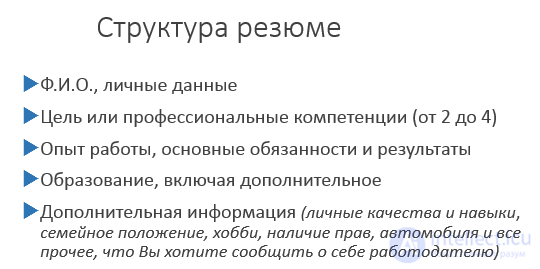
A résumé should contain:
Sometimes a résumé also includes information about membership in professional associations, scientific publications, and patents held. You can also include information about your hobbies in a résumé — it's better if these are active pursuits (for example, sports, travel, dancing) — however, such a description should be brief, and you should not include useless information in your résumé.
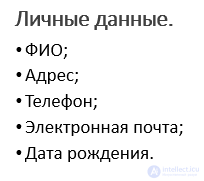
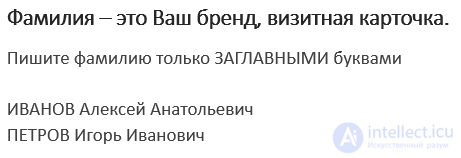
The structure of a résumé, or CV, can differ from country to country. Recently, online résumés filled out according to a specific template and posted on specialized recruiting agency websites have become widespread. There are also professional services that offer to prepare «expertly written» résumés.
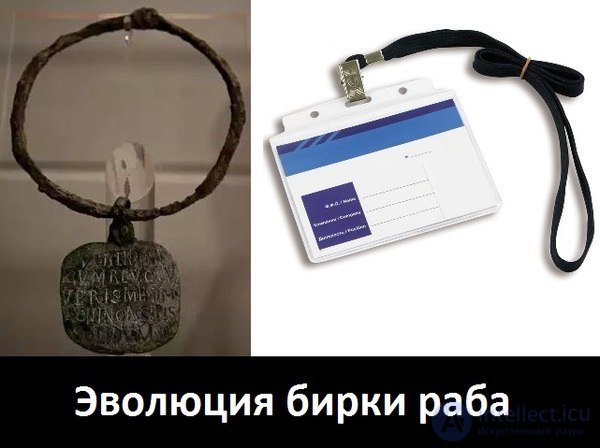
On the collar, which a slave could not remove, the owner would engrave his name and address so that if the slave escaped, he could easily be found.
Another, still not widely used, type of résumé is the video résumé - a short video in which the candidate talks about themselves, their skills, and so on. And just as with online résumés, there are specialised websites where these can be posted, and companies that handle recording and posting them.
A résumé can be presented in various formats, and the choice of format depends on your experience, professional field and preferences. It is important that the résumé be clear, informative and easy to read. Here are some common formats and rules for writing and formatting a résumé:
1. Chronological résumé:
Description: In this format, you start with your work experience, beginning with the most recent position and working backwards. This is usually the most common résumé format.
When to use: This format works well if you have stable experience in one field and want to demonstrate your professional growth.
2. Functional résumé:
Description: Instead of arranging your work experience chronologically, in this format you first highlight your skills, achievements and qualities, and then give specific examples from your experience.
When to use: A functional résumé can be helpful if you have long periods of unemployment or have changed fields.
3. Combination résumé:
Description: This format combines elements of the chronological and functional résumé. You start by describing your key skills and qualities, and then provide information about your work experience in chronological order.
When to use: A combination résumé can be helpful if you want to highlight your skills while also providing information about your work experience.
Rules for writing and formatting a résumé:
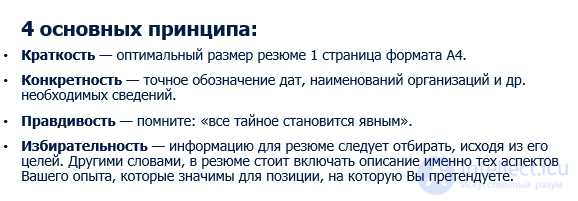
Brevity: A résumé should be concise and not exceed two pages (unless the employer has specific requirements). Use short phrases and avoid unnecessary detail.
Clear structure: A résumé should have a clear structure with headings and sections such as "Education", "Work Experience", "Skills", "Achievements" and "Profile". This makes it easier to read and understand.
Use of action words: Use action verbs to describe your achievements and responsibilities at previous jobs. For example, "managed a project", "developed a strategy", "increased sales".
Details: Provide specific examples of your achievements and experience so the employer can easily assess your qualifications.
Reverse chronology: If you use a chronological format, start with the most recent position and move backward in time.
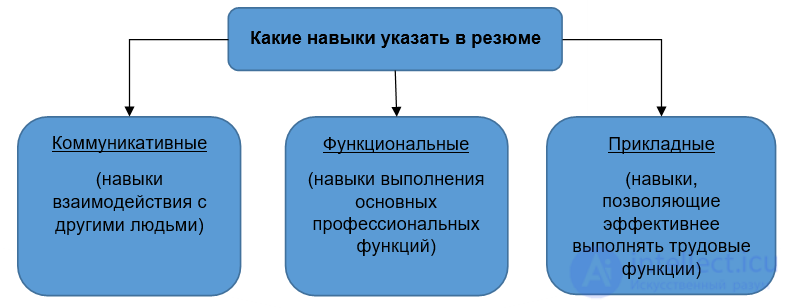
Keyword selection: Include keywords related to your professional field that can help your résumé get past the employer's search filters.
Error checking: Before sending your résumé, carefully check it for grammatical and spelling errors. There is nothing worse than a résumé with mistakes.
Personalization: Tailor your résumé to each specific vacancy, highlighting the skills and experience that best match the employer's requirements.
Formatting: Use a simple, readable font, such as Arial or Times New Roman, and ensure good line spacing and margins.
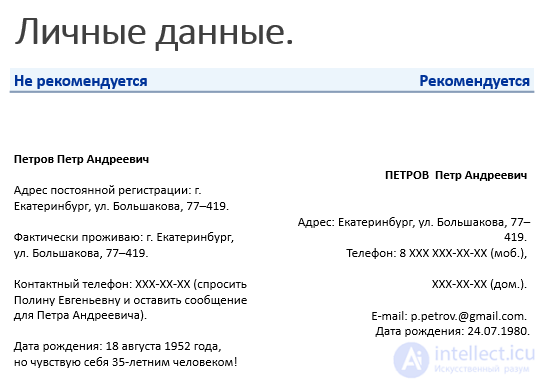
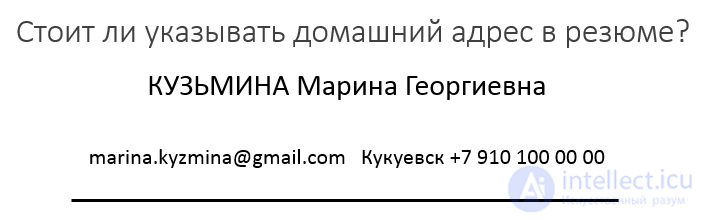
Contact information: Your name, address, phone number and email address should be clearly indicated.
Links: If you have profiles on professional social networks (such as LinkedIn), include links to them.
Consistency: Keep the formatting and style consistent throughout the entire résumé.
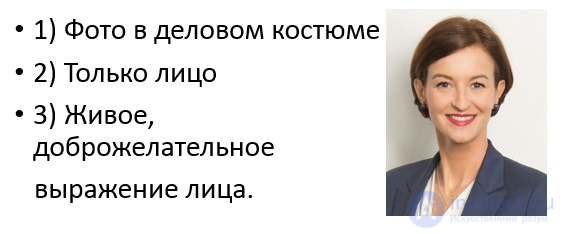
No photos: In most countries it is not customary to attach a photo to a résumé, except where it is required.
Confidentiality: Do not disclose confidential information about previous employers or clients.
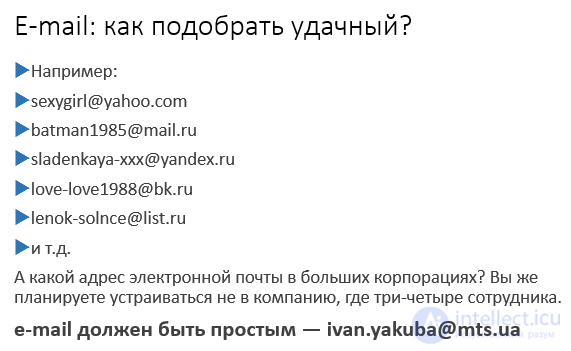
Professional email address: Use a professional email address rather than a personal one with inappropriate or informal names.
Remember that your résumé is your calling card, and its quality can significantly affect your success in the job search.
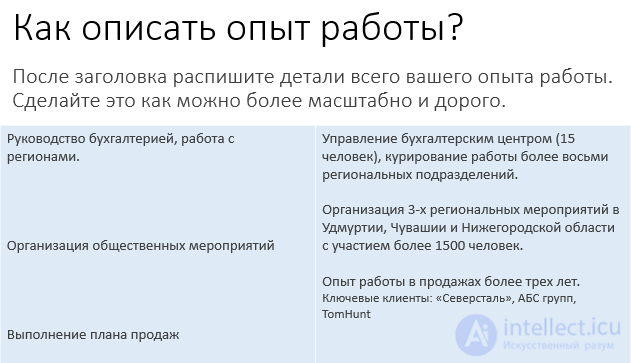
How to describe your work experience?
What are the requirements for a photo on a résumé?
Present the facts in your résumé from the most favorable angle for you
Believe me, you have enough information to present it in a favorable light
Professional experience is conventionally divided into several component parts for each place of work:
Periods of employment. How to avoid «blank spots» in a résumé?
A combination of letters and numbers makes information easier to perceive.
«Does the sun shine on me today just so that I might dwell on yesterday?» (Johann Schiller)
What should you do if you have not been working for a long time, and you need to fill the gap in your résumé with something?
Option 1 – write nothing. This is honest. It will be respected. You will find a way to explain it, especially if you are just starting to build a career or are a top manager.
Option 2 – independent consultant. If you carried out or helped someone else carry out projects, describe the functions and achievements. For example, «Vybor Consulting LLC», «External consultant», or «strategic partner», think it over.
Option 3 – tying it to a specific company. It often happens that during a career break, for example 10 months, you helped consult on or launch a friend's project. However, there was no formal arrangement, and the involvement was very part-time.
A few tips:
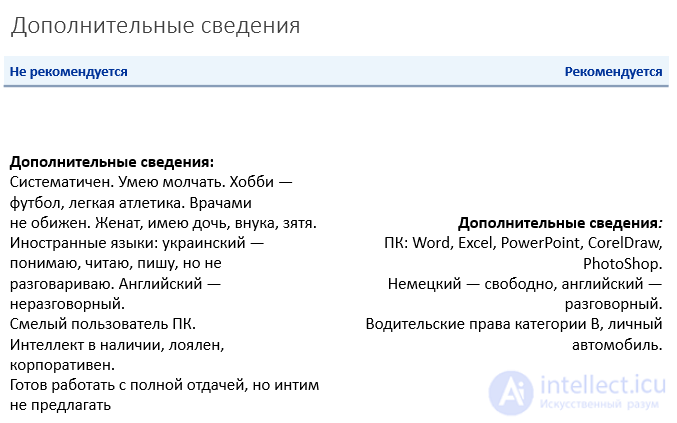
ADDITIONAL INFORMATION
Cover letters and reference letters are important elements of your career portfolio that can help you when job hunting and during the hiring process.
Writing a cover letter
1. The position applied for, for which the résumé is submitted.
2. A reference to the source from which you learned about the available vacancy.
3. A proposal to the employer to consider your candidacy.
Let's look at them in more detail:
Cover Letters:
A cover letter is a document that you send along with your résumé when applying for a vacancy. It is designed to:
Introduce you: In your cover letter, you describe who you are and what skills and experience you have that relate to the vacancy.
Show interest: You can explain why a particular vacancy and company attracted you, which lets the employer see your motivation.
Highlight your fit: A cover letter allows you to highlight how your experience and skills match the requirements of the vacancy.
Add information: You can provide additional information that was not included in your résumé but may be important to the employer.
End professionally: A cover letter concludes with an invitation to an interview or an action on the part of the employer, and this can be your chance to move further along in the selection process.
Recommendation Letters:
A recommendation letter is a document that is written or signed by other people (for example, former supervisors, colleagues, or teachers) in which they recommend you as a candidate for a particular position. These letters can:
Confirm your qualifications: Recommendation letters confirm the experience, skills, and qualities described in your résumé.
Provide an additional perspective: Recommendation letters can supplement your résumé by giving the employer additional information about you.
Strengthen your résumé: Good recommendations can strengthen your résumé and make it more convincing to the employer.
Highlight your professional reputation: Recommendations from authoritative people can improve your professional reputation and the employer's trust in you.
Convince the employer: Letters of recommendation can help convince an employer that you are a good fit for a particular position.
When writing cover letters and letters of recommendation, the following rules should be followed:
Personalisation: A cover letter should be personal and addressed to a specific employer. Letters of recommendation should also be addressed to a specific vacancy.
Clarity and brevity: Letters should be clear and concise, no more than one page.
Details: In a cover letter, indicate how you meet the requirements of the vacancy. In letters of recommendation, give specific examples and situations that confirm your qualities and skills.
Professional style: Letters should have a professional style and format, and should be checked for grammatical and spelling errors.
Consent: If you are asking someone to write you a letter of recommendation, always get their consent and give them enough information so that they can write a high-quality letter.
Cover letters and letters of recommendation can significantly increase your chances of employment, so give them due attention and prepare carefully when writing them.
References and testimonials (Recommendations):
References and testimonials are documents that contain recommendations and assessments of your professional work from colleagues, managers or clients. These documents can be used as additional confirmation of your qualifications and professional reputation. It is important that they be honest, positive and valid.
References and testimonials can include the following elements:
Information about the author: Indication of the name and position of the person who wrote the reference or testimonial.
Date: Indication of the date the reference or testimonial was written.
Description of the interaction: A brief description of how you and the author interacted (for example, colleagues at a previous job).
Assessment of skills and qualities: The author may assess your skills, qualities and professional achievements.
Specific examples: Giving concrete examples of situations in which you demonstrated your skills and qualities.
Overall recommendation: A summary statement about your qualifications and suitability for a specific position.
Contact information: The author's contact details for any further questions from the employer.
References and testimonials can be important, especially if you have credible recommendations from your previous employers or clients. They can serve as additional confirmation of your professional reputation and contribute to successful employment.
Autobiography (Autobiography):
An autobiography is a personal account of your life and career, written by yourself. It may include the following elements:
Biographical data: Your name, date of birth, place of birth and other basic biographical details.
Marital and family status: Information about your marital status, family, children, etc., if considered relevant to your autobiography.
Education: Information about your education, including institutions attended, graduation dates and degrees obtained.
Career path: A description of your professional development, including places of work, positions, key achievements and other events in your career.
Achievements and interests: A mention of your achievements in professional and personal life, as well as your interests and hobbies.
Goals and motivation: Your goals and motivation - what led you to work in a particular field.
Philosophy and values: Your philosophical beliefs and values, which may influence your approach to work and life.
An autobiography is a more personal document that can be useful, for example, when applying for scholarships, grants or competitions. This document allows others to better understand you as a person and a professional.
When writing an autobiography, it is important to be candid and sincere, but also able to highlight those aspects of your life and career that are most relevant to the specific purpose.
RÉSUMÉ ANALYSIS
Before conducting an interview, you need to review the résumé
1. All candidates in the recruitment department have a corporate (standard) questionnaire
2. The candidate's questionnaire is sent by email
3. During the analysis, a list of clarifying questions is drawn up immediately to obtain additional information
4. In the questionnaire, unfilled fields, «blank spots», and unclear points that will need to be clarified in the personal
interview are marked
5. Pay attention to the quality and completeness of the questionnaire; detailed answers to questions and additional information – this
already gives information about the candidate (manageability, desire to get this job)
RÉSUMÉ ANALYSIS
Key points of the questionnaire
EDUCATION
1. Having a COMPLETED higher education
2. Form of study (full-time / part-time)
3. Faculty and major (correspondence between the faculty name and the knowledge obtained – for example, marketing faculty but economics specialization)
4. Grade point average
5. Thesis topic (if this is a young specialist, the thesis topic reflects their interest in the type of activity and desire to develop in a specific direction)
6. Additional education (topic of the training, course, seminar, internship, etc. Number of hours of training. Name of the organization, institution, training company)
EXPERIENCE
1. Consistency and alignment of professional experience dates
2. Analysis of the number of jobs and the sequence of career growth
The candidate steadily moves up the career ladder, each subsequent position (level of responsibility, number of subordinates)
higher than the previous one
The candidate has changed 3-4 jobs, and performed roughly the same work in all positions.
Successful candidate We clearly track the reason for changing jobs
Willingness to start from a lower position, a vision of one's own development within
Desire and aspiration to develop, willingness to work actively, in order to gain recognition from management
EXPERIENCE
1. Length of service at each new place (the average market tenure is from 1.5 years; if a person works less, they are a «JOB HOPPER», if longer and in the same position, then «WHY»)
2. Functional content (GOOD – short, clear 4-5 functions, first-person past-tense verbs (developed, made, built)
BAD - a large number of verbal nouns (development, implementation, derivation), use of plural pronouns (we,
our…)
3. Black marks (no employment for a long period, long gaps between jobs)
4. Presence or absence of references (indicates how the person left their previous job – having references – means a voluntary departure agreed by both parties)
Personal information \ personal characteristics
1. Describing yourself with terms such as «communicative, stress-resistant, hard-working, diligent» carries no real meaning unless backed up with examples (see the topic INTERVIEW)
2. «Achievements» – a serious plus for candidates who have them and know how to present them well («Completed a postgraduate degree», «Increased, introduced, systematized», etc. – these words characterize drive and ambition
3. Self-presentation – fully filling out this field indicates interest, a desire to get this job, and makes it possible to assess adequacy.
4. Information about relatives – check whether any of the relatives are employees of a competing company, or have a criminal record
SUMMARY
1. The recruitment department selects candidates for the posted vacancy and provides résumés
2. The department head analyses the candidate's application and prepares a list of questions to ask the candidate at the interview
For the interview to be effective, the preparatory stage is of great importance in the candidate selection procedure.
For successful preparation you need to:

Comments