
Lecture
In the tests presented, choose one or more correct answers.
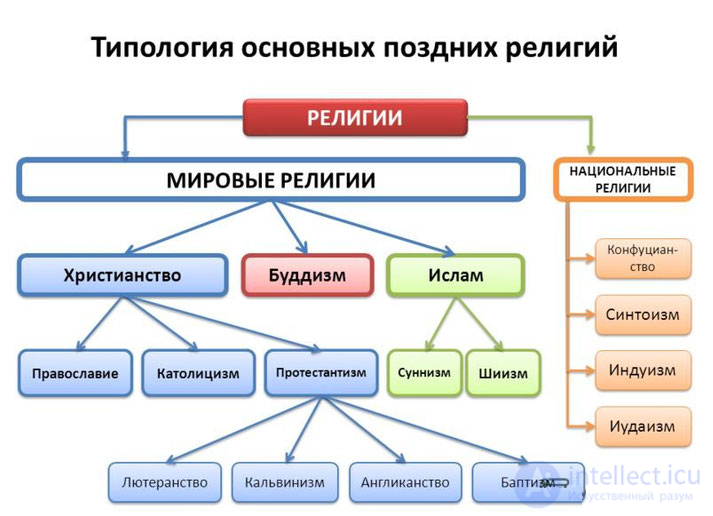
1. List the major religions of the world.
2. Indicate who is the founder of Islam.
3. Indicate what is the "Holy Book" of Islam?
4. What is the foundation of Christian doctrine?
5. List the most important dogmas of Islam.
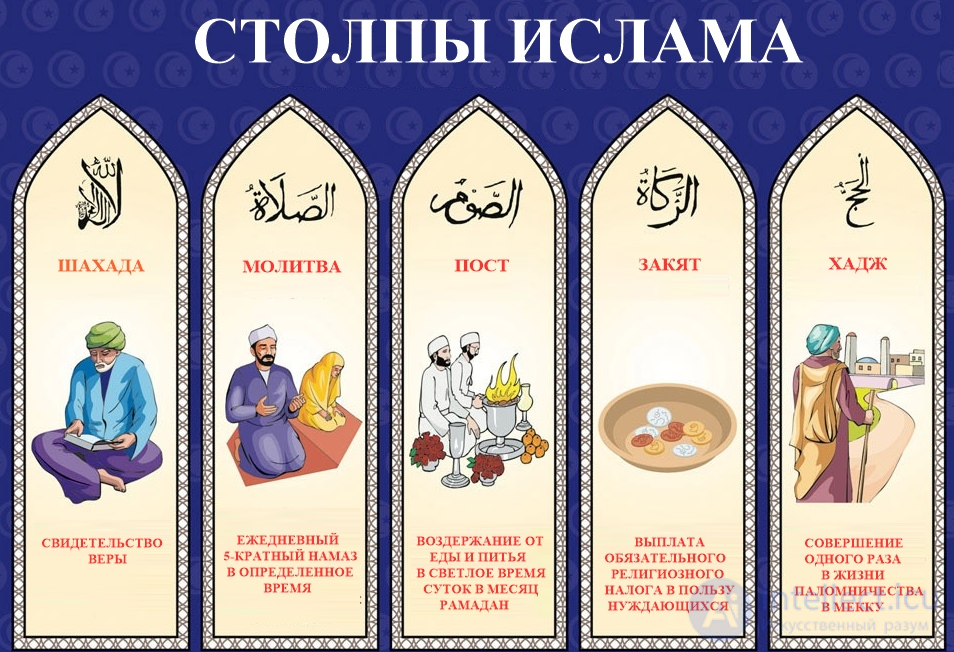
6. List the five pillars of the Islamic faith.
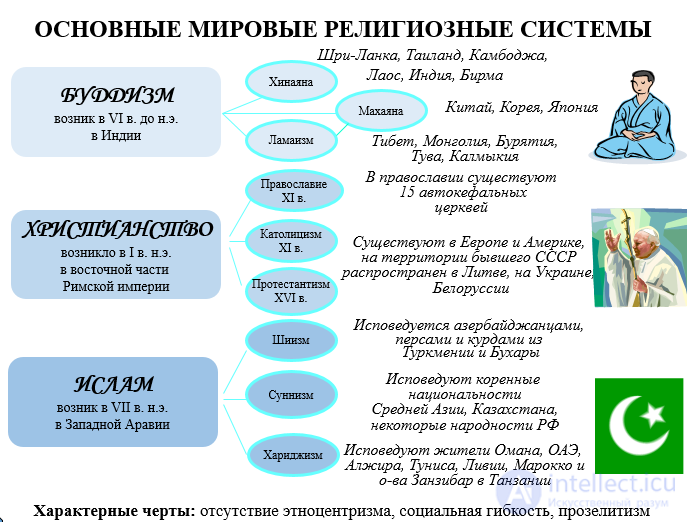
7. List the main branches of Islam.
8. In how many countries of the world is Islam the state religion?
9. Indicate who is the founder of Buddhism?
10. Indicate what is the highest goal of Buddhism?
11. Indicate how many links the "wheel of life" contains in Buddhism?
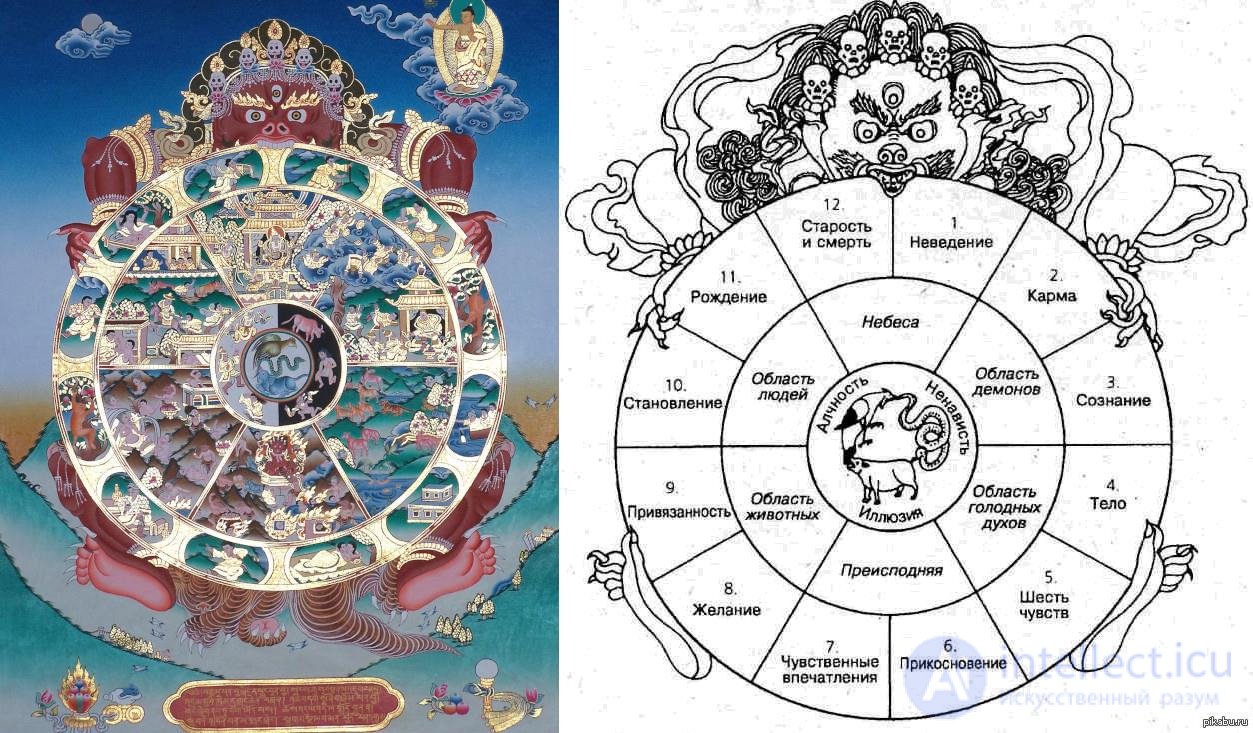
12. List the main varieties of Buddhism.
13. In which century did Christianity arise?
14. In which year did the split of the churches into Catholic and Orthodox occur?
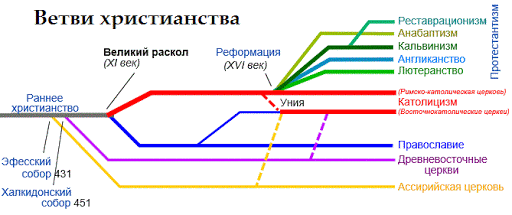
15. Which of the Testaments is not recognized by the Jewish religion?
16. In which year was the Baptism of Rus'?
17. How many dogmas does the universal Christian Creed contain?
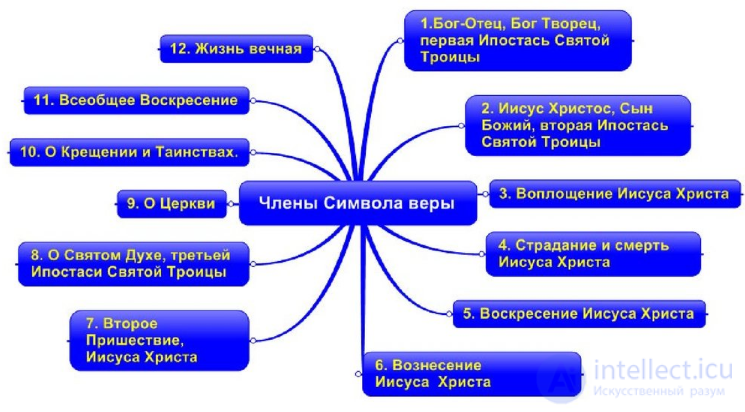
18. How many sacraments does the universal Christian Creed contain?
19. Where is the main governing body of the Roman Catholic Church located?
20. In which century did Islam arise?
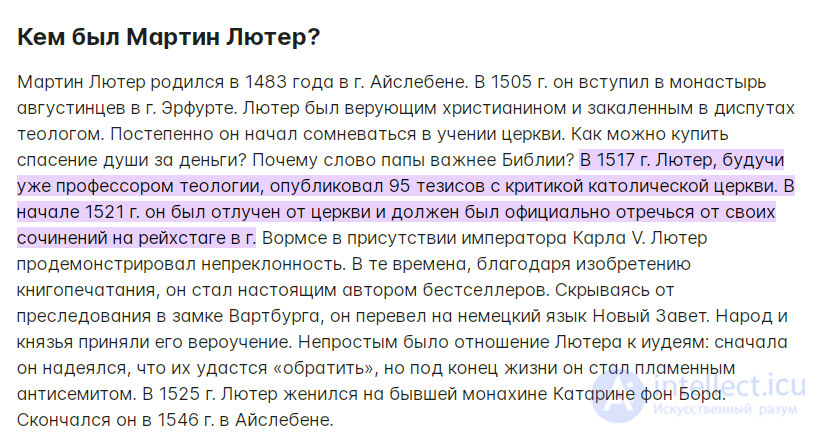
21. In which year did Martin Luther present his 95 theses against indulgences?
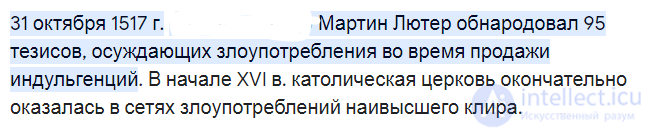
22. In which century did the split of the Roman Catholic Church that ended in the Reformation occur?
23. Who are the founders of the Reformation?
24. List the national religions of the world.
25. Indicate in which century Judaism arose?
26. Indicate who is the absolute of Islam?
27. List the roles of angels in Islam.
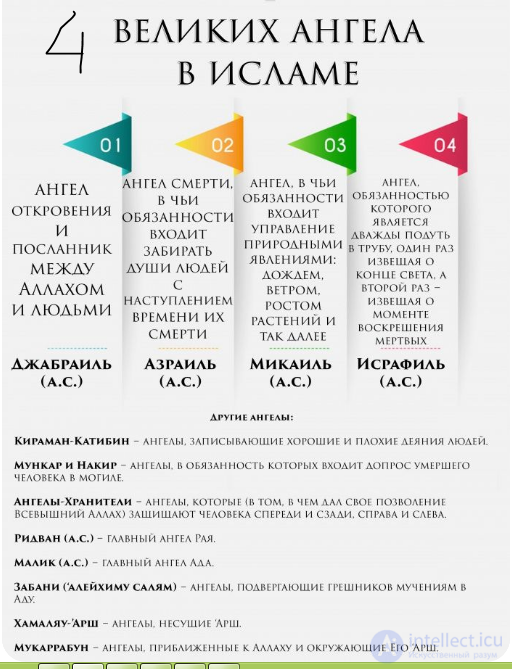
28. Indicate who served as the intermediary between Allah and Muhammad in transmitting the Quran to him.
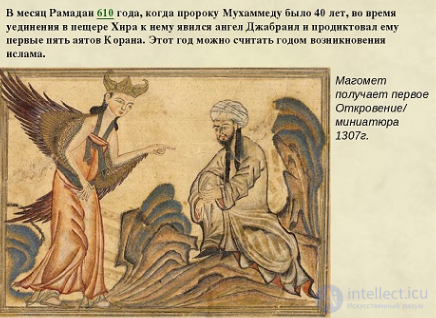
29. Indicate who is the highest spiritual authority in Islam.
30. List what the code of Sharia law includes.
31. Indicate in which century Buddhism arose?
32. Indicate in which country Buddhism arose?
33. List what the liturgical canon includes.
34. Indicate in which country Islam arose?
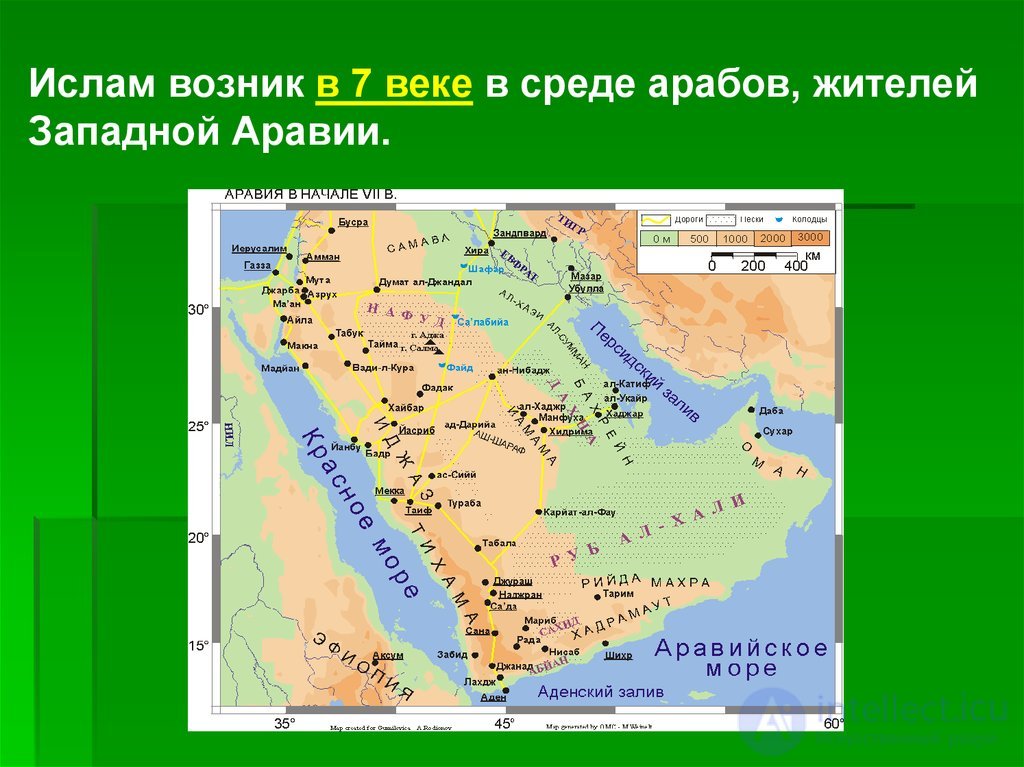
35. What is the religious center of Islam?
36. In which century did the split of Islam into Sunnis and Shiites occur?
37. What lies at the foundation of Buddhism?
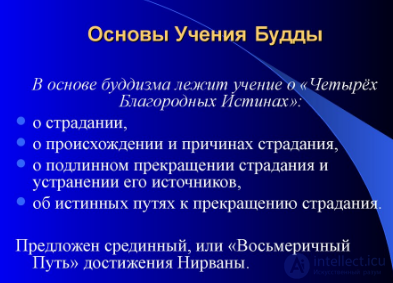
38. How can nirvana be attained in Buddhism?
39. Which branch of Buddhism adheres to the narrow path of salvation?
40. Where did Christianity arise?
41. List the main tenets of Orthodox doctrine.
42. What are the main differences between Orthodoxy and Catholicism?
43. What served as the ideological and theoretical foundation of Buddhism?
44. Samsara is (indicate):
45. Dharma is (indicate):
46. Karma is (indicate):
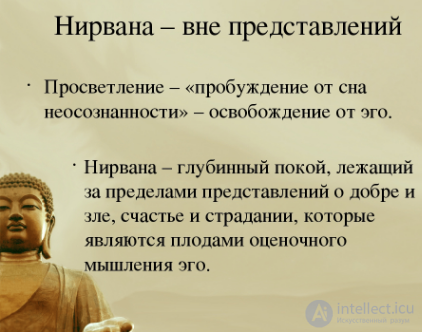
47. Nirvana is (indicate):
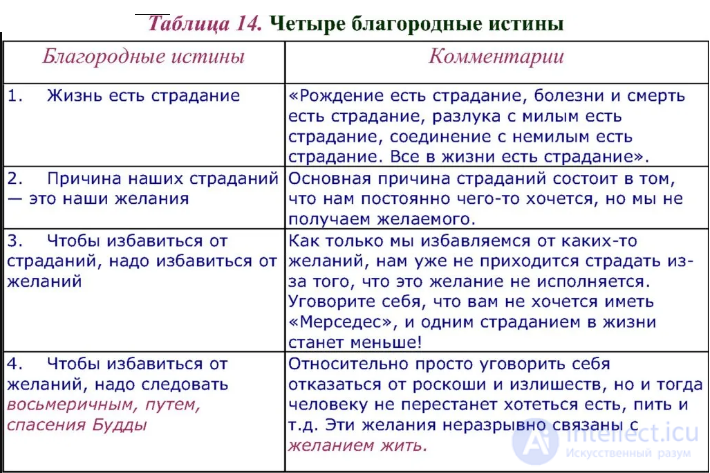
48. List the Four Noble Truths of Buddhism.
49. What is the "Holy Book" of Buddhism?
50. The foundations of Islamic doctrine are set forth in (indicate):
51. The Quran consists of (indicate):
52. The most important supplement to the Quran is (indicate):
53. List the main branches of Islam.
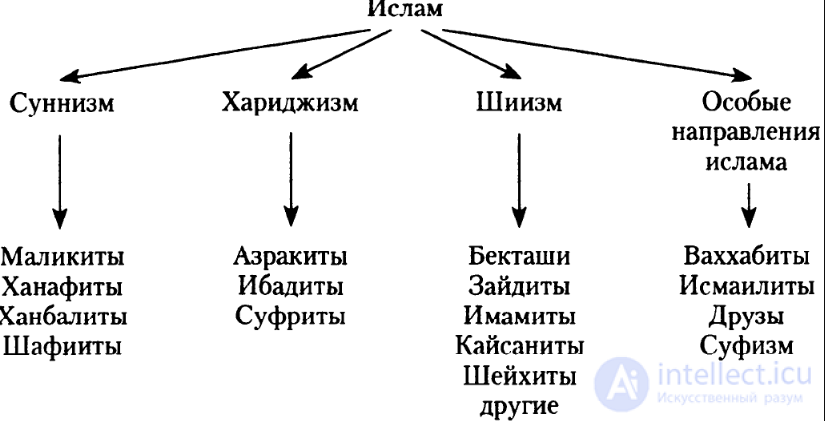
54. Is there a single leader in Islam?
55. When did Martin Luther write the "95 Theses against the doctrine of salvation..."?
56. When did the excommunication of Martin Luther from the Roman Catholic Church take place?
57. In which year did Protestantism take shape as an independent movement within Christianity?
58. Protestantism is (indicate):
59. In which country did Protestantism arise?
60. What is the foundation of Protestantism as a doctrine?
61. Protestantism is (indicate):
62. What is the essence of the central dogma of Protestantism?
63. A distinctive feature of the Protestant church is (indicate):
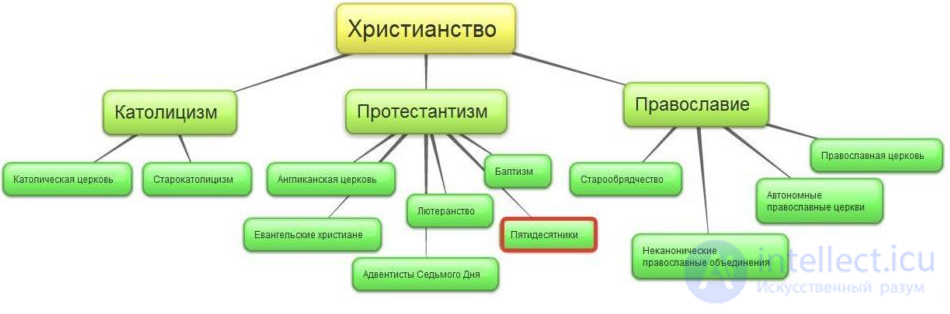
64. List the main branches of Protestantism.
65. Religious behavior is divided into (list):
1. An Indian religion founded by Mahavira
2. Bishop of one of the four centers of early Christianity.
3. A mentor or spiritual teacher in Tibetan Buddhism
4. A text containing the words of the Buddha
5. The central institution of communal and religious life for Jews
5. The paradise created by the Buddha
6. The traditional meal for the Passover holiday

7. The three precious sources of Buddhist beliefs.
8. Full realization of the Four Noble Truths, leading to nirvana.
9. Containing the teaching of the Buddha and its authoritative commentaries.
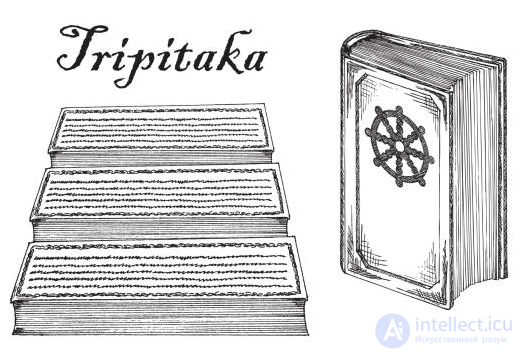
10. A notable rabbi in ancient Palestine.
11. A priest in the ancient Vedic religion and in later Hinduism.
12. The feast of the exodus from Egypt
13. A pictorial religious image
14. "Blowing out," "extinguishing," the cessation of suffering, liberation from rebirth
15. Shabbat
16. A term denoting the threefold dimension of the Eightfold Path.
17. A source dated to the European or Christian written period from 200 BCE to 200 CE
18. A formal defense of the Christian faith
19. An ancient name for Jerusalem
20. A position in the Catholic Church
21. Bishop of one of the four centers of early Christianity.
22. A religious service performed in a temple
23. A theory about the end of the world
24. An Arabic word meaning "GOD"
25. Striving in activity in the name of God
26. One of the pillars of Islam
27. Islamic Scripture
28. The custom of the Prophet Muhammad
29. The worldwide Muslim community
In the tests presented, fill in the blanks with the words you consider most fitting. Observe the case and declension indicated in the sentences.
1. There are three major religions in the world: Buddhism, ___ and Islam.
2. Buddhism arose on the basis of the national religion of ___ .
3. In the course of the spread of Buddhism and the formation of its canon, two of its main currents arose — ___ and Mahayana.
4. Lamaism formed in ___ as a result of interaction with the local religion.
5. All Buddhists agree in recognizing as the most important source of early Buddhism a body of religious writings that were recorded at the end of the 1st century BCE in the Pali language in Ceylon (Sri Lanka) and are known as the "___," which is the Pali canon of Buddhism.
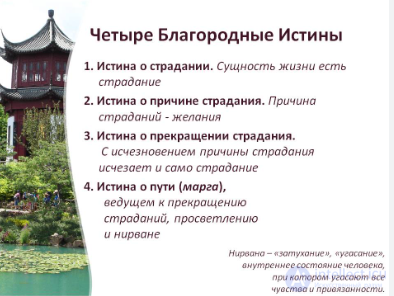
6. The foundation of Buddhist doctrine is formed by the "___ noble truths":
7. In Buddhism, unlike Christianity and Islam, there is no church, but there is a community of believers — ___ , which forms around a particular Buddhist temple or monastery.
8. Buddhist holidays are ___ for all Buddhists and are celebrated according to the lunar calendar.
9. Islam is the world religion closest to us in time of origin, which took shape at the beginning of the ___ century CE on the Arabian Peninsula.
10. Islam is not only a religion but also a system of state-legal and ___ norms, cultural canons, and the ideology of a whole range of political movements.
11. The founder of Islam is considered to be the prophet ___ (according to the Jewish, Christian, and Muslim religions, a prophet is a person supposedly deemed worthy of conversing with God and given the task of revealing His will to people).
12. In 632, after the death of the prophet ___ , his father-in-law Abu Bakr, appointed by him as caliph (Arabic — "successor"), became the spiritual and secular head of the Muslims.
13. The supporters of ____ , a claimant to the caliphal throne and descendant of Muhammad, organized a rebellion of the nomadic tribes, gave it a religious-political coloring, and on this basis created the Shiite movement (Arabic — "party, faction").
14. The most important principle of Islam is a strict ___, which bears an absolute and unconditional character.
15. The Sunnah is a collection of accounts about the life of the prophet ___ and some of his successors.
16. Sharia is a code of ___ and ___ norms, compiled on the basis of the Quran and the Sunnah.
17. The first persecution of Christians occurred under Emperor __ in 64 CE.
18. In 313, by the edict of Emperor …………………….., the persecution of Christians was officially ended and freedom of religion was recognized in the Roman Empire.
19. The foundation of Christian doctrine is __, which, according to the conviction of its adherents, is the Word of God (otherwise the "Holy Scripture").
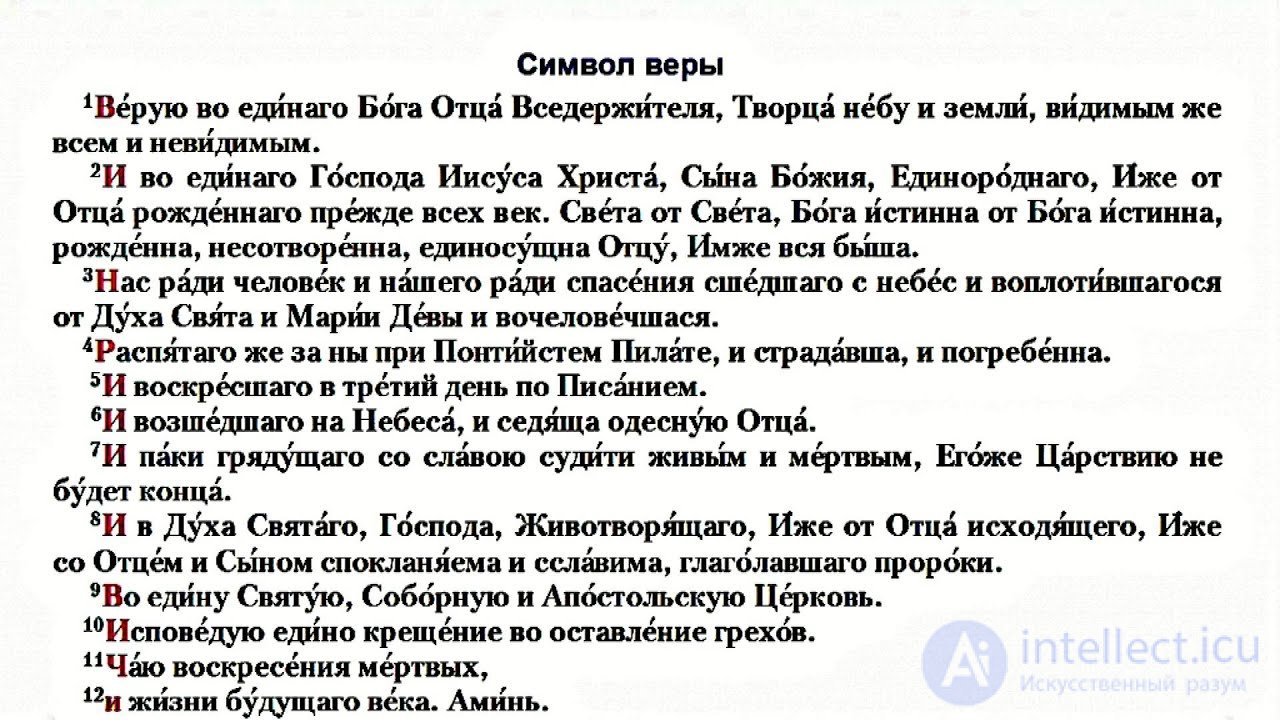
20. The main tenets of the Christian church — dogmas — are defined in ___ articles of the Creed.
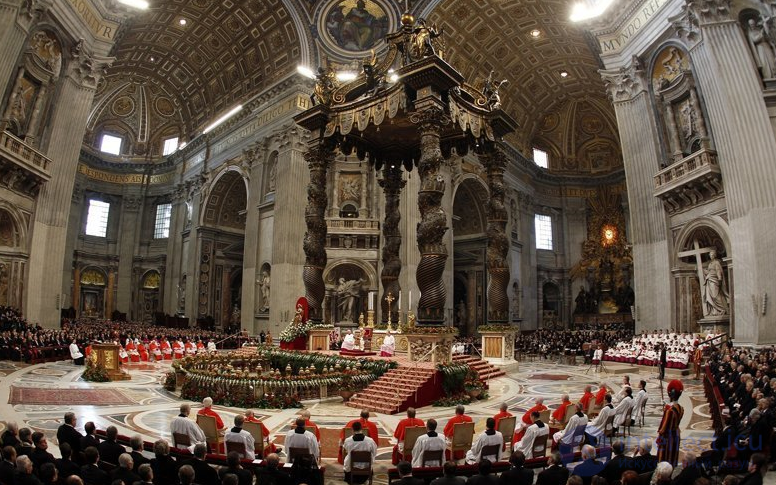
21. The center of Catholicism and the residence of its head, the Pope — ___, a state in the center of Rome, which was created in 1929.
22. Catholics believe in the existence of ___ (in addition to heaven and hell), and recognize the infallibility of the Pope in matters of faith and morals, whom they consider to be the vicar of Christ on earth.
23. The foundation of Orthodox doctrine is the ___ of faith, established at the first two Ecumenical Councils of 325 and 381.
24. The foundation of Protestantism is M. Luther's concept of ___ on "Justification by faith alone."
25. The sole source of doctrine, the holy book of the Protestants, is ……………., and therefore the decrees of church councils, the writings of the Church Fathers, and the like do not have the status of sacred texts.
26. Protestantism recognizes two sacraments — ___ and ___.
27. An important tenet of Protestant doctrine is contained in the ____ of Predestination.
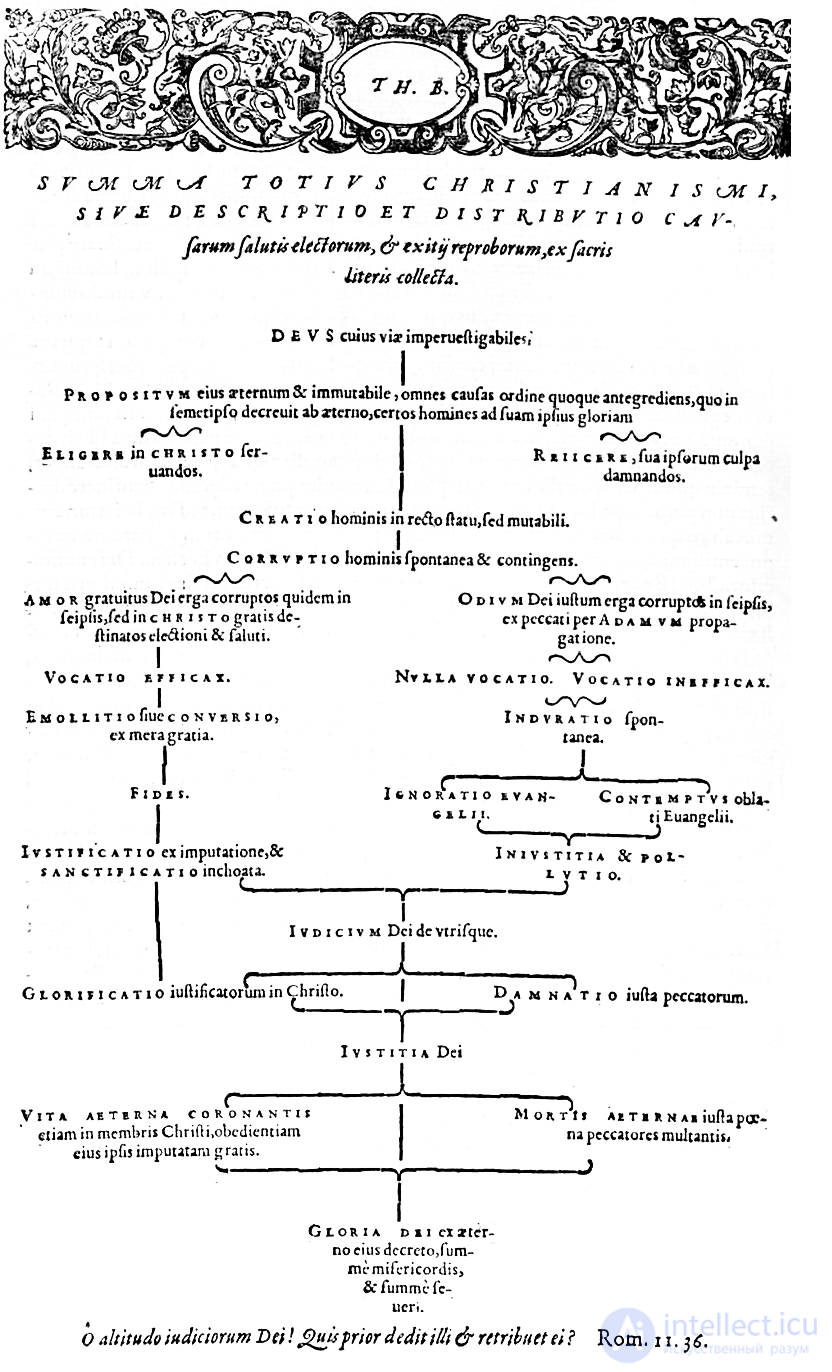
"Tabula Predestinationis" by Theodore Beza, in the 1570 edition of his works
28. The Greek word "___" is a literal translation of the word "Messiah" (from Hebrew — the anointed one, i.e., one consecrated and having received divine grace).
29. When Jesus was about 30 years old, in the waters of the ___ River he was baptized by the prophet of the new faith, John the Baptist.
30. The foundation of Christian teaching is the Creed, composed by the "Church Fathers" and approved at the ___ (325) and Constantinopolitan (381) Ecumenical Councils.
31. The Orthodox and ___ churches recognize seven sacraments: baptism, chrismation, communion, penance (confession), marriage, ordination, and unction.
32. Baptism symbolizes a person's acceptance into the bosom of the ___ church.
33. Catholicism teaches that a person can count on the salvation of their soul only through the help of ___, which has the ability to transfer the good deeds of the righteous to sinners.
34. A significant role in Catholicism is played by the dogma of ___ of the Pope in matters of faith and morals,
35. The true government of the Vatican is the Roman ___ — the body of the papal administration.
36. In Protestantism, ____ is declared the sole source of doctrine, while Sacred Tradition is either rejected or used only to the extent that it is recognized as consistent with Holy Scripture.
37. Protestants rejected the doctrine of ___ — a part of the afterlife in which, according to Catholic teaching, the soul of the deceased undergoes purification from sins before passing into paradise.
38. Islam, translated from Arabic, means submission and ___, or more precisely, surrendering oneself to the will of Allah.
39. According to the Muslim faith, Jesus was not a Divine person, but only a chosen ___ and ____ of God (like Abraham, Moses, and Muhammad).
40. Islam fundamentally diverges from Christianity in its understanding of God, not accepting the Christian idea of ____, the dogma of ____, considering it a concession to polytheism.
41. In formulating his teaching, the Buddha drew on the _____ tradition familiar to all Indians.
42. Nirvana, along with ____, is a key concept of Buddhism.
43. At the center of Christianity is the image of ___ — Jesus Christ.
44. In the year ___, Christianity was recognized as the state religion of the Roman Empire.
45. One of the specific features of Catholicism is the teaching on the supremacy of the Pope over all ………………….. .
46. The sacrament of ___. is called confirmation in Catholicism.
47. The central administrative apparatus of the Roman Catholic Church is called the Roman ___ .
48 that which exists in a person and also exists on the sun, both being the same — which religion does this belong to ....
In the crossword presented, fill in the cells with the words that, in your opinion, correspond to the given clues (phrases, statements). Observe case and declension.

|
Across: 6. A movement within Christianity. 9. The name of the man who betrayed Jesus Christ. 10. The river in which Jesus Christ was baptized. 11. Adherents of one of the branches of Islam. 13. The head of the Russian Orthodox Church. 14. The superior of a Catholic monastery. 16. A world religion. 17. The highest state in Buddhism. 20. The head of one of the branches of Buddhism. 22. One of the founders of the Reformation. 23. The place of eternal punishment. 26. A branch of Buddhism. 27. The place of eternal bliss. 28. Prayer in Islam. |
|
Down: 1. A world religion. 2. The supreme mind. 3. A movement within Christianity. 4. The first man created by God. 5. The code of moral norms in Islam. 7. The wife of the first man created by God. 8. The founder of Buddhism. 12. The total sum of deeds and their consequences in Buddhism. 15. The "Holy Book" of Christians. 16. A pictorial depiction of gods. 18. The city in which the First Ecumenical Council was held. 19. Part of a church's decor. 21. A sacrificial animal. 24. A form of Buddhism. 25. The head of the Roman Catholic Church. |
CONTROL AND TRAINING ASSIGNMENTS
In the assignments presented, indicate the correct formulations (statements).
Assignment No. 1
1. The founder of Buddhism was the prophet Muhammad, born in 560 BC and belonging to the kshatriya caste (rulers and warriors).
2. The founder of Buddhism was Siddhartha Gautama, born in 560 BC and belonging to the kshatriya caste (rulers and warriors).
3. The founder of Buddhism was Jesus Christ, born in 560 BC and belonging to the kshatriya caste (rulers and warriors).
Assignment No. 2
1. Gautama saw an old man, an infant, a corpse, and a shaven monk.
2. Gautama saw a woman, a sick man, a corpse, and a shaven monk.
3. Gautama saw an old man, a sick man, a corpse, and a shaven monk.
Assignment No. 3
1. At the age of 35, Gautama left his family and began the "great journey" in search of enlightenment.
2. At the age of 29, Gautama left his family and began the "great journey" in search of enlightenment.
3. At the age of 48, Gautama left his family and began the "great journey" in search of enlightenment.
Assignment No. 4
1. One day, sitting under a fig tree in a state of meditation, Gautama attained enlightenment. He entered nirvana while still alive. From that time (around 525 BC) Gautama became a prophet, the Enlightened One; the tree under which he sat has since been called the Bodhi (tree of wisdom).
2. One day, sitting under a fig tree in a state of meditation, Gautama attained enlightenment. He entered nirvana while still alive. From that time (around 525 BC) Gautama became the Buddha, the Enlightened One; the tree under which he sat has since been called the Bodhi (tree of wisdom).
3. One day, sitting under the roof of his porch in a state of meditation, Gautama attained enlightenment. He entered nirvana while still alive. From that time (around 525 BC) Gautama became the Buddha, the Enlightened One; the porch roof under which he sat has since been called the Bodhi (roof of wisdom).
Assignment No. 5
1. Buddhism rests on the "Two Noble Truths."
2. Buddhism rests on the "Three Noble Truths."
3. Buddhism rests on the "Four Noble Truths."
Assignment No. 6
1. The "Six Paths" is a system of therapy designed to develop in a person the habits that help overcome ignorance and cowardice.
2. The "Seven Paths" is a system of therapy designed to develop in a person the habits that help overcome ignorance and cowardice.
3. The "Eight Paths" is a system of therapy designed to develop in a person the habits that help overcome ignorance and cowardice.
Assignment No. 7
1. Every member of the monastic order (Sangha) must shave his head bald, wear red robes of a special cut, and constantly devote himself to reflection (meditation).
2. Every member of the monastic order (Sangha) must shave his head bald, wear yellow robes of a special cut, and constantly devote himself to reflection (meditation).
3. Every member of the monastic order (Sangha) must shave his head bald, wear white robes of a special cut, and constantly devote himself to reflection (meditation).
Assignment No. 8
1. Buddhists believe that a person finds salvation in the "Three Refuges"; the first refuge is Faith, the second is Dharma (the teaching), and the third is Sangha, the monastic order.
2. Buddhists believe that a person finds salvation in the "Three Refuges"; the first refuge is the Buddha, the second is Karma, and the third is Sangha, the monastic order.
3. Buddhists believe that a person finds salvation in the "Three Refuges"; the first refuge is the Buddha, the second is Dharma (the teaching), and the third is Sangha, the monastic order.
Assignment No. 9
1. The goal of every Buddhist is to attain the state of enlightenment.
2. The goal of every Buddhist is to attain the state of Nirvana.
3. The goal of every Buddhist is to attain the state of meditation.
Assignment No. 10
1. The followers of Mahayana adhere to the original, canonical books written in the Pali language.
2. The followers of Theravada adhere to the original, canonical books written in the Pali language.
3. The followers of Theravada adhere to the original, canonical books written in Sanskrit.
Assignment No. 11
1. The liberal school of Buddhism is called Hinayana, or northern Buddhism.
2. The liberal school of Buddhism is called Mahayana, or northern Buddhism.
3. The liberal school of Buddhism is called Lamaism, or northern Buddhism.
Assignment No. 12
1. Christianity arose around the middle of the 2nd century CE, that is, during the period of the early Roman Empire.
2. Christianity arose around the middle of the 1st century CE, that is, during the period of the early Roman Empire.
3. Christianity arose around the middle of the 3rd century CE, that is, during the period of the early Roman Empire.
Assignment No. 13
1. The final break between Christianity and Judaism occurred by the middle of the 1st century.
2. The final break between Christianity and Judaism occurred by the middle of the 3rd century.
3. The final break between Christianity and Judaism occurred by the middle of the 2nd century.
Assignment No. 14
1. The first persecution of Christians occurred under Emperor Nero in 164 CE.
2. The first persecution of Christians occurred under Emperor Nero in 645 CE.
3. The first persecution of Christians occurred under Emperor Nero in 64 CE.
Assignment No. 15
1. In 113, by the edict of Emperor Constantine I, the persecution of Christians was officially ended and freedom of religion was recognized in the Roman Empire.
2. In 213, by the edict of Emperor Constantine I, the persecution of Christians was officially ended and freedom of religion was recognized in the Roman Empire.
3. In 313, by the edict of Emperor Constantine I, the persecution of Christians was officially ended and freedom of religion was recognized in the Roman Empire.
Assignment No. 16
1. In 342, Emperor Theodosius I officially banned pagan cults, and Christianity became the sole state religion of Rome.
2. In 365, Emperor Theodosius I officially banned pagan cults, and Christianity became the sole state religion of Rome.
3. In 392, Emperor Theodosius I officially banned pagan cults, and Christianity became the sole state religion of Rome.
Assignment No. 17
1. The main tenets of the Christian church are defined in 10 articles of the Creed.
2. The main tenets of the Christian church are defined in 12 articles of the Creed.
3. The main tenets of the Christian church are defined in 24 articles of the Creed.
Assignment No. 18
1. At the first Ecumenical Council in the city of Nicaea, a brief statement of the main dogmas of Christianity was adopted, the so-called Nicene Creed, which determined the time for celebrating Easter and worked out 20 canons, or disciplinary and liturgical rules.
2. At the second Ecumenical Council in the city of Nicaea, a brief statement of the main dogmas of Christianity was adopted, the so-called Nicene Creed, which determined the time for celebrating Easter and worked out 20 canons, or disciplinary and liturgical rules.
3. At the third Ecumenical Council in the city of Nicaea, a brief statement of the main dogmas of Christianity was adopted, the so-called Nicene Creed, which determined the time for celebrating Easter and worked out 20 canons, or disciplinary and liturgical rules.
Assignment No. 19
1. The Second Ecumenical Council of Christians was convened in 381 in Nicaea.
2. The Second Ecumenical Council of Christians was convened in 381 in Constantinople.
3. The Second Ecumenical Council of Christians was convened in 381 in Rome.
Assignment No. 20
1. The Second Council worked out the formula of the Trinity of God, supplemented and canonized the Nicene Creed, which still serves as the guide of the church today.
2. The Third Council worked out the formula of the Trinity of God, supplemented and canonized the Nicene Creed, which still serves as the guide of the church today.
3. The Fourth Council worked out the formula of the Trinity of God, supplemented and canonized the Nicene Creed, which still serves as the guide of the church today.
Assignment No. 21
1. The first political precondition for the split of Christianity was the division of the Roman Empire into East and West in 375.
2. The first political precondition for the split of Christianity was the division of the Roman Empire into East and West in 385.
3. The first political precondition for the split of Christianity was the division of the Roman Empire into East and West in 395.
Assignment No. 22
1. In 969, Pope Paul VI and Patriarch Athenagoras I lifted the mutual anathemas between the two churches, but reunification did not occur.
2. In 1965, Pope Paul VI and Patriarch Athenagoras I lifted the mutual anathemas between the two churches, but reunification did not occur.
3. In 1769, Pope Paul VI and Patriarch Athenagoras I lifted the mutual anathemas between the two churches, but reunification did not occur.
Assignment No. 23
1. The state of the Vatican was created in 927.
2. The state of the Vatican was created in 1623.
3. The state of the Vatican was created in 1929.
Assignment No. 24
1. The clergy in Catholicism is distinguished by its vow of celibacy and by the so-called doctrine "of divine faith," which is distributed by priests.
2. The clergy in Catholicism is distinguished by its vow of celibacy and by the so-called doctrine "of divine grace," which is distributed by priests.
3. The clergy in Catholicism is distinguished by its vow of celibacy and by the so-called doctrine "of divine grace," which is distributed by parishioners.
Assignment No. 25
1. The foundation of Orthodox doctrine is the Creed, established at the first two Ecumenical Councils of 327 and 388.
2. The foundation of Orthodox doctrine is the Creed, established at the first two Ecumenical Councils of 325 and 381.
3. The foundation of Orthodox doctrine is the Creed, established at the first two Ecumenical Councils of 327 and 386.
Assignment No. 26
1. Widespread indignation against the Roman church in the 14th-15th centuries culminated in the 16th century in Protestantism (Latin — "transformation").
2. Widespread indignation against the Byzantine church in the 14th-15th centuries culminated in the 16th century in the Reformation (Latin — "transformation").
3. Widespread indignation against the Roman church in the 14th-15th centuries culminated in the 16th century in the Reformation (Latin — "transformation").
Assignment No. 27
1. As a result of the Reformation, a new Catholic church appeared in many countries of Europe.
2. As a result of the Reformation, a new Protestant church appeared in many countries of Europe.
3. As a result of the Reformation, a new Orthodox church appeared in many countries of Europe.


Comments