
Lecture
Purpose: to develop students' knowledge of the classification of medicinal products and their dosage forms; to show the practical significance of medicinal products; to develop knowledge of the correct methods of using medicinal products.
«The true purpose of chemistry lies not in the making of gold, but in the making of medicines».
Theophrastus Paracelsus (1493 – 1541)
Pharmacology is the science of the effect of medicinal substances on the body.
Pharmacology is the science of the interaction of chemical compounds with living organisms. Pharmacology mainly studies medicinal products used for the treatment and prevention of various diseases and pathological conditions.
Legislation on medicinal products consists of the Law «On Medicinal Products» and other legislative acts adopted in accordance with it.
A medicinal product is any substance or combination of substances having properties and intended for the treatment or prevention of disease in humans, or any substance or combination of substances that may be intended for preventing pregnancy, restoring, correcting or modifying physiological functions in a person by exerting a pharmacological, immunological or metabolic action, or for establishing a medical diagnosis.
The State Register of Medicinal Products is a regulatory document containing information on medicinal products authorised for manufacture and use in medical practice. A falsified medicinal product is a medicinal product that has been intentionally labelled non-identically (inconsistently) with the information (one or more items of it) about the medicinal product with the corresponding name entered in the State Register of Medicinal Products, as well as a medicinal product that has been deliberately counterfeited in another way and does not correspond to the information (one or more items of it), including its composition, about the medicinal product with the corresponding name entered in the State Register of Medicinal Products.
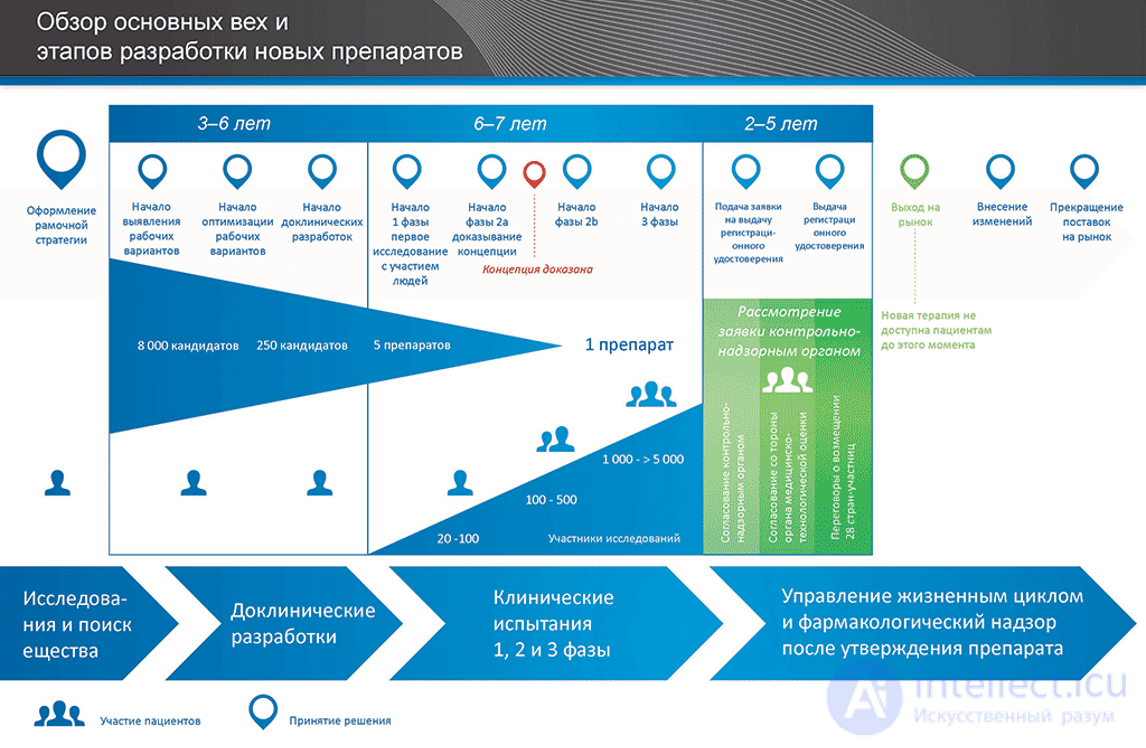
fig. the main stages of new drug development
Depending on the method of administration, a distinction is made between medicines for internal use, external use and for injection. Solid medicinal substances are dosed in grams, while liquid ones are dosed by spoonfuls. A tablespoon holds 15 ml of an aqueous solution, a dessertspoon – 10 ml, a teaspoon – 5 ml.
Solutions are also prescribed in drops. 1 ml of water contains 20 drops.
Solutions for injection are produced in sterile ampoules and vials.
With prolonged and frequent use of medicines, people may develop the following conditions:
irresistible urge for the systematic use of certain medicinal products and other substances that cause euphoria, to elevate mood, improve well-being, and also to eliminate the unpleasant experiences and sensations that arise after these products are withdrawn. A distinction is made between psychological and physical dependence on medicinal substances. Psychological dependence is a state in which a medicinal product causes a feeling of pleasure and mental elevation, that is, a state of euphoria, requiring periodic or constant administration of it in order to experience pleasure or avoid discomfort. Physical dependence – an adaptive state characterised by intense physical disturbances after the drug is discontinued. - withdrawal, withdrawal syndrome - a painful condition that develops in people with drug addiction or substance abuse after they stop taking the substances that cause dependence, and is a sign of physical dependence.
Throughout its history, humanity has suffered from diseases and sought remedies for every kind of ailment. Over many generations, folk medicine found healing powers in plants and in certain animal tissues.
Medicines is the term for substances that are used in specific doses for the purpose of treating some disease or preventing it. Medicines may be of plant, animal, mineral, microbial or synthetic origin
Medicines have been known to humankind since ancient times. One of the Egyptian papyri (17th century BC) describes medicinal products of plant origin, some of which, for example castor oil, are still used today.
A medicinal substance - is a single chemical compound or biologically active substance which, when introduced into the body, is able to prevent the onset of disease, alter the course of a pathological process, normalise function, and promote rapid recovery. The source for obtaining medicinal substances is medicinal raw material. Medicinal raw material - is material of bacterial, plant, mineral, animal or synthetic origin from which medicinal products are manufactured
A medicinal product - a pharmacological agent authorised for use by the country's authorised body in the established procedure for preventing, treating or diagnosing diseases of humans or animals. Authorisation to use a new substance as a medicinal product is granted by the State Pharmacological Centre of the state.
A pharmacological agent (a clinical example) - is a substance or mixture of substances with an established pharmacological activity that is the subject of a clinical trial.
A medicinal preparation - is a medicinal product in the form of a specific dosage form (tablets, dragees, ointment, etc.) ready for use.
A medicinal preparation may include one or several medicinal substances in pure form or combined with solid or soft excipients, as part of solutions, etc. The number of medicinal preparations manufactured by the pharmaceutical industry is measured in thousands of items. Their range is updated every year: the production of some is discontinued and the production of others, more effective ones, begins.
There are several classifications based on various characteristics of medicinal products:
The raw materials for obtaining medicinal products are:
The following types of medicinal products are distinguished: substances, finished dosage forms (GLS), homeopathic remedies, diagnostic agents, medicinal cosmetic products, medicinal food supplements, and pest-control agents. Medicinal products are divided into two large groups: natural raw materials and materials obtained as a result of purposeful synthesis under laboratory conditions. Natural raw materials of organic (plant, animal) and inorganic (mineral) origin undergo primary processing, purification from impurities, drying, and sorting by size and type of raw material. Examples of medicinal products of plant origin — valerian root, chamomile flowers, apricot gum.
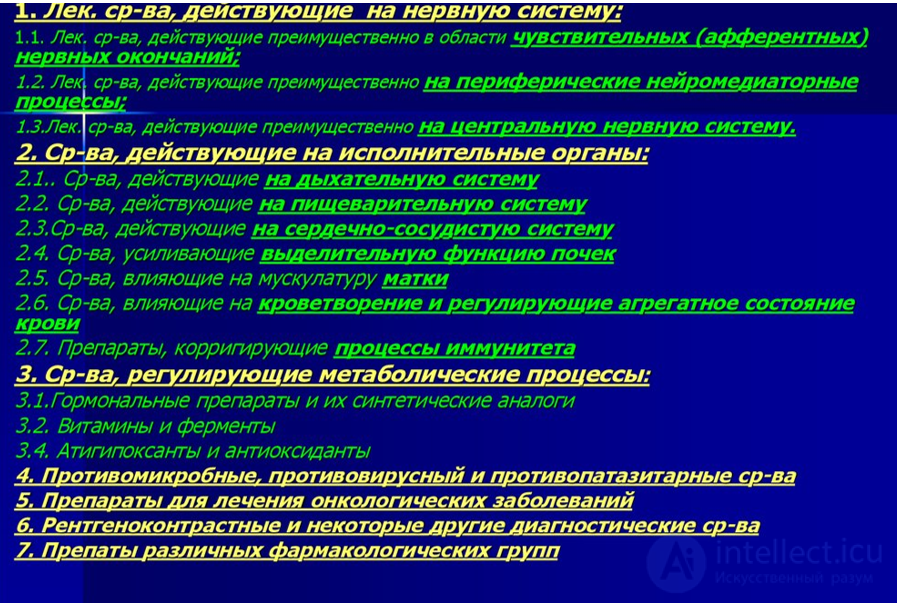
The classification of antibacterial drugs (antibacterial agents) is based on several criteria: mechanism of action, chemical structure, spectrum of activity, and origin. A systematised classification is given below:
Agents that disrupt bacterial cell wall synthesis:
Beta-lactams:
Penicillins (ampicillin, amoxicillin)
Cephalosporins (ceftriaxone, cefepime)
Carbapenems (meropenem, imipenem)
Monobactams (aztreonam)
Glycopeptides (vancomycin, teicoplanin)
Fosfomycin
Agents that disrupt cytoplasmic membrane function:
Polyene antibiotics (gram-negative): polymyxins (polymyxin B, colistin)
Lipopeptides (daptomycin)
Agents that disrupt protein synthesis (inhibit ribosomes):
Aminoglycosides (gentamicin, amikacin)
Tetracyclines (doxycycline, tetracycline)
Macrolides (erythromycin, azithromycin)
Lincosamides (clindamycin)
Chloramphenicol
Oxazolidinones (linezolid)
Agents that disrupt nucleic acid synthesis:
Quinolones and fluoroquinolones (ciprofloxacin, levofloxacin)
Rifamycins (rifampicin)
Nitroimidazoles (metronidazole)
Agents that disrupt folic acid metabolism (antimetabolites):
Sulfonamides (sulfamethoxazole)
Trimethoprim
Beta-lactams
Aminoglycosides
Tetracyclines
Macrolides
Fluoroquinolones
Sulfonamides
Glycopeptides
Nitrofurans (furazolidone, nifuroxazide)
Narrow spectrum
— active against a limited range of bacteria
Example: benzylpenicillin (Gram-positive only)
Broad spectrum
— act on both Gram-positive and Gram-negative bacteria
Example: amoxicillin, doxycycline, fluoroquinolones
Natural:
Penicillin, streptomycin, erythromycin
Semi-synthetic:
Amoxicillin, 3rd-generation cephalosporins
Synthetic:
Fluoroquinolones, sulfonamides
Vaccines intended for the prevention of bacterial infections are classified by antigen type, method of production, and spectrum of action.
| Vaccine type | Description | Examples |
|---|---|---|
| Live attenuated | Contain weakened but live bacteria | BCG (against tuberculosis), live cholera vaccine |
| Inactivated (killed) | Contain killed bacteria | Classic cholera vaccine |
| Toxoids | Contain inactivated bacterial toxins | Tetanus toxoid, diphtheria toxoid |
| Capsular polysaccharide | Contain capsular sugars of bacteria | Vaccines against meningococcus, pneumococcus |
| Conjugate vaccines | Polysaccharides linked to a carrier protein | Pneumococcal and Hib (Haemophilus influenzae type b) vaccines |
| Recombinant and subunit | Contain individual bacterial proteins | Current vaccines against Bordetella |
| Spectrum | Examples of vaccines |
|---|---|
| Mono- | BCG (tuberculosis only), anthrax vaccine |
| Combined | DPT (diphtheria, pertussis, tetanus), Pentaxim (also + polio and Hib) |
| Disease | Vaccine type | Names |
|---|---|---|
| Tuberculosis | Live attenuated | BCG |
| Diphtheria | Toxoid | Combined (DPT) |
| Tetanus | Toxoid | DPT, Tetraxim |
| Pertussis | Inactivated (acellular) | DPT (acellular component) |
| Pneumococcus | Conjugate/polysaccharide | Prevenar 13, Pneumo 23 |
| Meningococcus (A, C, W, Y) | Conjugate | Menactra, Menveo |
| Cholera | Inactivated, live | Dukoral, Shanchol |
| Typhoid fever | Inactivated/live | Typhim Vi, Vivotif |
| Anthrax | Inactivated | Special for at-risk workers |
| Haemophilus influenzae infection (Hib) | Conjugate | Hiberix, Pentaxim |
Enfuvirtide — blocks fusion of HIV with the cell
Maraviroc — a CCR5 receptor antagonist
Umifenovir (Arbidol) — inhibits fusion of the viral envelope with the membrane
Nucleoside/nucleotide:
Zidovudine
Lamivudine
Tenofovir
Non-nucleoside:
Nevirapine
Efavirenz
Block enzymes that cleave viral proteins
Examples:
Lopinavir
Darunavir
Simeprevir (for hepatitis C virus)
Prevent the insertion of viral DNA into the cell genome
Examples: raltegravir, dolutegravir
Aciclovir, ganciclovir — herpesviruses
Remdesivir — inhibits the RNA-dependent RNA polymerase of SARS-CoV-2
Favipiravir — influenza and COVID viruses
Oseltamivir (Tamiflu)
Zanamivir
Cycloferon
Kagocel
Interferon alfa
Isoprinosine
| Virus type | Drugs |
|---|---|
| Influenza | Oseltamivir, umifenovir, rimantadine |
| Herpes | Aciclovir, valaciclovir, famciclovir |
| Papillomavirus (HPV) | Podophyllotoxin, imiquimod |
| Hepatitis B | Entecavir, tenofovir, lamivudine |
| Hepatitis C | Sofosbuvir, daclatasvir, ledipasvir |
| HIV | Combinations of NRTIs, NNRTIs, PIs, IIs |
| SARS-CoV-2 (COVID-19) | Remdesivir, favipiravir, Paxlovid |
| Cytomegalovirus (CMV) | Ganciclovir, foscarnet |
Acyclic nucleosides – aciclovir, ganciclovir
Phosphonoacetates – foscarnet
Imidazoles and triazoles – Kagocel, Arbidol
Purine and pyrimidine derivatives – zidovudine, lamivudine
Synthetic: most modern agents
Biotechnological (recombinant): interferons, antibodies
Of plant origin (rarer): Panavir, Alpizarin
classification of antiviral agents
| Group of agents | Subgroup / Examples |
|---|---|
| 1. Antiviral drugs | Aciclovir, oseltamivir, remdesivir, etc. |
| 2. Immunomodulators and interferons | Interferon alfa, Isoprinosine, Kagocel |
| 3. Vaccines (prevention) | Inactivated, live, vector, mRNA |
Do not contain live viruses, but trigger an immune response.
Examples:
Influenza vaccine (e.g., Vaxigrip)
CoronaVac (Sinovac, against COVID-19)
Contain a live but weakened virus.
Examples:
Against measles, rubella, mumps (MMR)
Chickenpox vaccine (Varilrix)
Live poliomyelitis vaccine (OPV)
Contain messenger RNA that encodes a viral protein.
Examples:
Pfizer-BioNTech (BNT162b2)
Moderna (mRNA-1273)
Use a carrier virus (vector) bearing a gene of the causative virus.
Examples:
Sputnik V (adenovirus-based)
AstraZeneca
Johnson & Johnson
Contain only individual proteins of the virus (for example, the spike protein).
Examples:
Novavax (against COVID-19)
Hepatitis B vaccine (Engerix-B)
| Virus | Drugs | Vaccines |
|---|---|---|
| Influenza | Oseltamivir, umifenovir | Inactivated (Vaxigrip) |
| COVID-19 | Remdesivir, favipiravir | mRNA, vector, inactivated |
| Hepatitis B | Entecavir, tenofovir | Engerix-B, Sci-B-Vac |
| Hepatitis A | — | Havrix, Avaxim |
| Herpes (HSV-1,2) | Aciclovir | Vaccines in development |
| Cytomegalovirus | Ganciclovir | None licensed yet |
| Papillomavirus (HPV) | — | Gardasil, Cervarix |
| Measles, rubella | — | Live vaccine (MMR) |
| Chickenpox | Acyclovir | Varilrix |
| Poliomyelitis | — | OPV (live), IPV (inactivated) |
| Rabies virus | — | Rabipur, KOKAV |
| Criterion | Vaccines | Antiviral drugs |
|---|---|---|
| Purpose | Prevention (preventing disease) | Treatment or symptom relief |
| Time of use | Before infection | After infection |
| Immunity | Long-term | Temporary effect |
| Mechanism of action | Main drug groups | Examples |
|---|---|---|
| Disruption of fungal cell membrane structure | Polyenes | Amphotericin B, Nystatin |
| Inhibition of ergosterol synthesis | Azoles | Fluconazole, Itraconazole, Clotrimazole |
| Allylamines | Terbinafine, Naftifine | |
| Inhibition of β-glucan synthesis (cell wall) | Echinocandins | Caspofungin, Micafungin |
| Antimitotic action (blocks cell division) | Griseofulvin derivatives | Griseofulvin |
| Other mechanisms | Pyridones, oxiconazoles, etc. | Ciclopirox, Pimafucin |
| Group | Examples |
|---|---|
| Polyenes | Amphotericin B, Nystatin |
| Azoles | Fluconazole, Clotrimazole, Ketoconazole |
| Allylamines | Terbinafine, Naftifine |
| Echinocandins | Caspofungin, Anidulafungin |
| Pyridones | Ciclopirox |
| Griseofulvin derivatives | Griseofulvin |
| Polyenes (natural) | Nystatin |
| Type of action | Description | Examples |
|---|---|---|
| Against dermatophytes | Fungi of skin, hair, nails | Griseofulvin, Terbinafine |
| Against yeast-like fungi | Candida spp. | Fluconazole, Nystatin |
| Against mold fungi | Aspergillus spp., Mucor | Amphotericin B, Itraconazole |
| Broad-spectrum | Act on several groups of fungi | Azoles, amphotericin B |
| Form | Description | Examples |
|---|---|---|
| Topical (external) | Creams, ointments, sprays | Clotrimazole, Miconazole, Terbinafine |
| Systemic (internal) | Tablets, capsules, injections | Fluconazole, Amphotericin B |
| Intrathecal / inhalations | Used less often | For severe mycoses |
| Disease | Drug(s) |
|---|---|
| Candidiasis (thrush) | Fluconazole, Nystatin, Pimafucin |
| Onychomycosis (nails) | Terbinafine, Itraconazole |
| Dermatomycosis (skin) | Clotrimazole, Terbinafine |
| Systemic aspergillosis | Amphotericin B, Voriconazole |
| Cryptococcosis, candidiasis in HIV+ patients | Fluconazole, Amphotericin B |
| Criterion | Antifungal drugs | Antibacterial drugs |
|---|---|---|
| Causative agent | Fungi (eukaryotes) | Bacteria (prokaryotes) |
| Toxicity | Higher (similarity to human cells) | Lower |
| Difficulty of treatment | Higher | Lower |
Vaccines against pathogenic fungi – as of 2025, not a single fungal vaccine has been licensed for mass use in humans, although some are already successfully used in veterinary medicine, and others are undergoing clinical trials.
Fungi are eukaryotes, like human cells → it is difficult to find «foreign» targets.
Mycoses are more often dangerous in people with immunodeficiency, and vaccines help them less well.
The immune response to fungi is weaker and more complex than to viruses or bacteria.
Some fungi live in the normal microflora → risk of autoimmune reactions.
| Group of parasites | Name of drug group | Examples of diseases |
|---|---|---|
| Helminths (worms) | Anthelmintics | Ascariasis, enterobiasis, echinococcosis |
| Protozoa | Antiprotozoals | Malaria, amoebiasis, giardiasis |
| Ectoparasites (external) | Antiectoparasitics | Lice, scabies, demodicosis |
| Type of helminths | Drugs | Examples |
|---|---|---|
| Nematodes (roundworms) | Albendazole, Mebendazole, Pyrantel | Ascariasis, pinworms, hookworm disease |
| Cestodes (tapeworms) | Praziquantel, Niclosamide | Echinococcosis, taeniasis |
| Trematodes (flukes) | Praziquantel, Triclabendazole | Opisthorchiasis, fascioliasis |
Broad-spectrum: Albendazole, Praziquantel
Narrow-spectrum: Pyrantel (nematodes only), Niclosamide (cestodes)
| Disease | Drugs | Examples |
|---|---|---|
| Amoebiasis | Metronidazole, Tinidazole | Entamoeba histolytica |
| Giardiasis | Ornidazole, Metronidazole | Giardia lamblia |
| Trichomoniasis | Metronidazole, Tinidazole | Trichomonas vaginalis |
| Malaria | Chloroquine, Mefloquine, Artemether | Plasmodium spp. |
| Toxoplasmosis | Sulfadiazine + pyrimethamine | Toxoplasma gondii |
| Leishmaniasis | Antimonial drugs, Amphotericin B | Leishmania spp. |
| Trypanosomiasis | Nifurtimox, Suramin | Trypanosoma spp. |
| Causative agent | Drugs | Form |
|---|---|---|
| Scabies (Sarcoptes) | Benzyl benzoate, Permethrin | Ointment, emulsion |
| Lice (Pediculus) | Malathion, Permethrin, Pyrethrin | Shampoo, spray |
| Mites (demodex) | Sulfur ointment, Metronidazole | Gel, cream |
| Mechanism | Examples of drugs |
|---|---|
| Disruption of glucose metabolism in the parasite | Mebendazole, Albendazole |
| Paralysis of the parasite's musculature | Pyrantel, Levamisole |
| Disruption of DNA/RNA synthesis | Metronidazole, Quinines |
| Destruction of the parasite's membranes | Praziquantel |
| Immunomodulation (adjunct) | Interferons, immunoglobulins |
| Disease | Drug(s) |
|---|---|
| Ascariasis | Albendazole, Mebendazole |
| Pinworms | Pyrantel, Mebendazole |
| Malaria | Artemether + Lumefantrine |
| Amoebiasis | Metronidazole → Paromomycin |
| Scabies | Topical permethrin + hygiene |
Chemical-pharmaceutical drugs, in turn, are divided into subgroups: sulfonamide drugs (streptocide), anti-tuberculosis drugs, hypnotics, anaesthetics, antimalarials, as well as biologically active substances isolated from raw material in pure form, such as glycosides and alkaloids.
The same group includes radioactive isotope preparations, for example preparations of radioactive iodine; antibiotics, which are products of the vital activity of various microorganisms obtained through biological synthesis. Microorganisms are grown in nutrient media in order to obtain antibiotic preparations. The best-known antibiotics of microbial origin are penicillin, streptomycin, and biomycin. Many antibiotics are now obtained synthetically.
The World Health Organization maintains a list of essential medicinal products.
There is a law on medicinal products that regulates the legal relations connected with the creation, registration, production, quality control and marketing of medicinal products, and defines the rights and obligations of enterprises, institutions, organisations and citizens, as well as the powers of state authorities and officials in this field.
The most «chemical» place in the home – the medicine cabinet. There is no end to what is in it: white powders and coloured liquids, ointments, tablets, drops, vitamin dragees and medicinal herbs, antipyretics and sedatives, and much – much more of all sorts of things.
However in order to competently use even the most ordinary first-aid remedies, one must know well which class of compounds these preparations belong to, understand the features of their chemical properties, and be able to solve problems involving these substances».
Let us begin by conventionally dividing drugs into two groups: medicinal products belonging to inorganic substances, and medicinal products belonging to organic substances.
Despite the abundance of medicinal products, all the changes they cause in the body have a certain commonality and uniformity. Based on the concept of the norm of reaction, 5 types of changes caused by pharmacological agents are distinguished (N. V. Vershinin):
The sum of the tonic and excitatory effects.
Examples of drugs and their actions:
Acetylsalicylic acid (colloquially aspirin, the salicylic ester of acetic acid) —a medicinal product,
which has an analgesic (pain-relieving), antipyretic, anti-inflammatory and antiplatelet action.
The mechanism of action and safety profile of acetylsalicylic acid have been well studied, its effectiveness has been clinically confirmed, and for this reason this drug is included in the World Health Organization's list of essential medicinal products, as well as in the list of vitally necessary and essential medicinal products.
Acetylsalicylic acid is also widely known under the trade name «Aspirin»; it is a white, fine, needle-like crystal or a light crystalline powder with a slightly acidic taste, sparingly soluble in water at room temperature, soluble in hot water, and readily soluble in alcohol and in solutions of caustic and carbonate alkalis.
Antibiotics.
These are substances predominantly of microbial origin, semi-synthetic or synthetic analogues, which selectively suppress microorganisms sensitive to them.
A. Fleming's discovery in 1928 of penicillin — a group of antibiotics of the Penicillium fungus — became the triumph of the study of antibiosis — the phenomenon of antagonism and the deadly struggle of microorganisms with one another.
At present, semi-synthetic penicillins — oxacillin and ampicillin — are widely used.
Wide application in the treatment of infectious diseases has been found not only by penicillins and cephalosporins, but also by other antibiotics: chloramphenicol, tetracyclines, polymyxins, macrolides, aminoglycosides, fluoroquinolones and others.
By the nature of their antimicrobial action, antibiotics are divided into bactericidal (causing destruction of microorganisms) and bacteriostatic (inhibiting their growth and reproduction).
Antibiotics — a powerful weapon in the fight against infections, but they destroy not only pathogenic but also beneficial microorganisms, such as the intestinal microflora. Moreover, disease-causing microbes, in turn, acquire resistance to the antibiotics «familiar» to them.
It is obvious that one must not self-medicate with antibiotics!
Nevertheless, antibiotics — a large group of highly effective chemotherapeutic drugs that have revolutionised the treatment of a wide variety of infectious diseases. In addition to antibiotics, new antimicrobial agents also exist and are being created.
Having become acquainted with the concept of medicinal products, and with certain antibiotics, analgesics, anti-inflammatory, antiseptic and antipyretic agents, you already know that the method of use, and hence the therapeutic effect of a medicinal product, depends on many factors. These include the dose, whose therapeutic range is individual for each remedy.
For treatment, drugs are used in strictly defined amounts (doses). The same medicinal substance, depending on its amount, the person's age and the state of the body, can have a therapeutic effect or cause the most severe harm to the body, act as a poison, and even lead to death.
The amount of a medicinal substance intended for one dose is called the single dose, and the amount calculated for use over the course of a day is called the daily dose.
By the nature and strength of their effect on the body drugs are divided into poisonous (list "A"), potent (list "B") and others, relatively harmless even in large amounts.
A smaller dose does not produce a therapeutic effect, while too large a dose will cause side effects and poisoning of the body (recall the ideas of Paracelsus). Children and elderly people are usually more sensitive to drugs, which is why they are prescribed smaller therapeutic doses.
The dosing regimen and methods of administration of medicinal products are extremely important. The regimen (frequency) of administration is determined by the duration of action and the specifics of the drug's circulation, accumulation and elimination from the body. In addition, it is necessary to take into account the possible mutual influence of prescribed drugs on one another and their effect. The state of the body plays an important role when taking medicines. For example, impaired liver and kidney function can cause toxicity of a drug that is otherwise harmless. Some drugs sharply enhance the toxic effect of alcohol, causing poisoning even with a small amount of alcohol. Sometimes, in doing so, they lose their therapeutic effect. Particular caution is required when prescribing drugs to pregnant women and nursing mothers, since the drug may prove toxic to the foetus or newborn.
It is obvious that chemotherapeutic agents are effective only against certain microorganisms and require a microbiological analysis before they are prescribed. When prescribing a particular drug, the doctor also takes into account the specifics of the patient's work: some drugs (for example, sedatives) slow down the CNS's response reactions. It is clear what danger the use of such drugs poses during the work of a driver or a train engineer...
Certain individuals show heightened sensitivity to some medicinal substances. In such people, even a small amount of a particular drug causes an allergic reaction: a rise in temperature, skin rashes, swelling, and sometimes more pronounced disorders, up to and including shock.
Some drugs are eliminated from the body very slowly, leading to their accumulation in the body (cumulation), while tolerance develops to others. All this is taken into account when prescribing drugs to a patient.
As you already know, the action of a drug also depends on the method of its administration. So-called dosage forms, given to medicinal products for the convenience of their use, make administration easier and more effective.
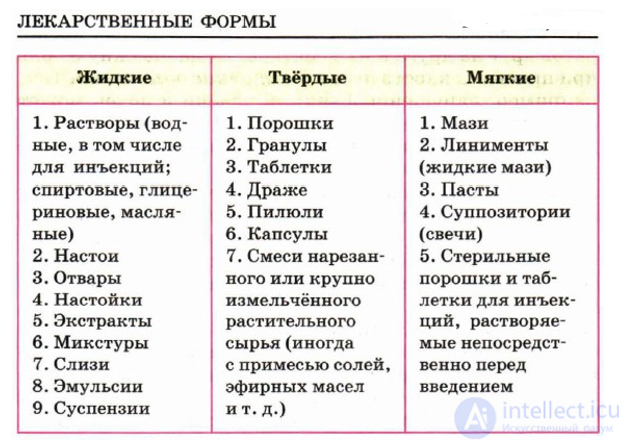
Dosage forms are divided into solid (powders, tablets, dragees, pills), liquid (solutions, infusions, decoctions, mixtures, drops, emulsions), soft (ointments, pastes, suppositories) and gaseous (aerosols, gases).
Depending on the method of administration, a distinction is made between forms for external use, internal use, and for injections.
Solid medicinal substances are prescribed in doses measured in grams.
Liquid medicinal substances for oral administration are dosed by spoons. A tablespoon contains 15 g of an aqueous solution, a dessertspoon – 10 g, a teaspoon – 5 g. Solutions of potent substances are prescribed for oral administration in drops. 1 g of water contains 20 drops.
Solutions for injection must always be sterile. They are produced mainly in ampoules containing a dose calculated for a single administration.
The following dosage forms are used in pharmacology:
Obviously, it is impossible to cover the entire diversity of medicinal products, their effect on the body, the specifics of their use, and the dosage forms of these preparations, which are ordinary chemical substances. However, it should now be clear that even a first acquaintance with this world is impossible without knowledge and understanding of chemistry.
Remember!!! Before taking any medicine, you must consult a doctor, check the drug's expiry date, and read the instructions for use. All medicines have contraindications!
Drug therapy serves as the most important component of the treatment process.
The speed of onset, strength and duration of effect depend on the route by which the medicinal substance is introduced into the body.
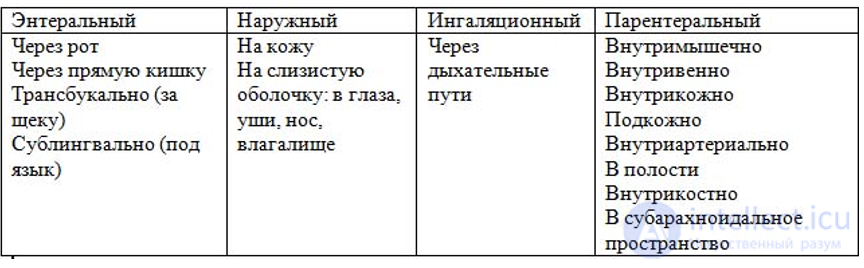
There are two main ways of administering drugs into the body: the enteral route - through the digestive tract, and the parenteral - route, bypassing the digestive tract.
The following routes of administration of medicinal products are distinguished.
1. External route:
2. Enteral route:
3. Inhalation route - through the respiratory tract.
4. Parenteral route:
The routes for administering a drug into a patient's body can also vary, namely:
Distribution
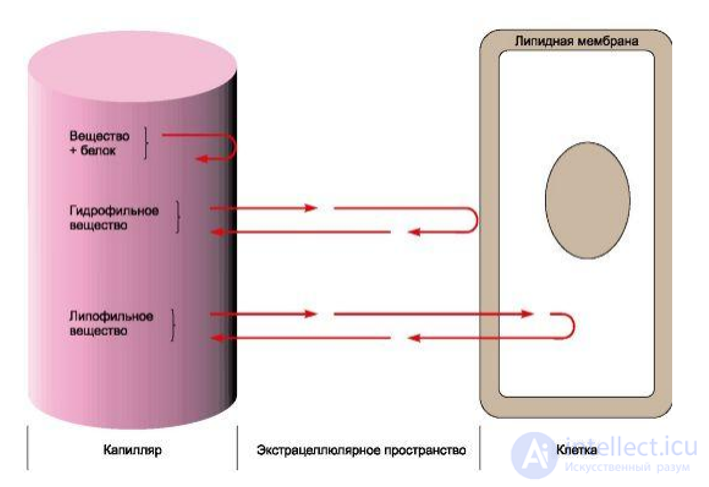
interaction and metabolism of medicinal products
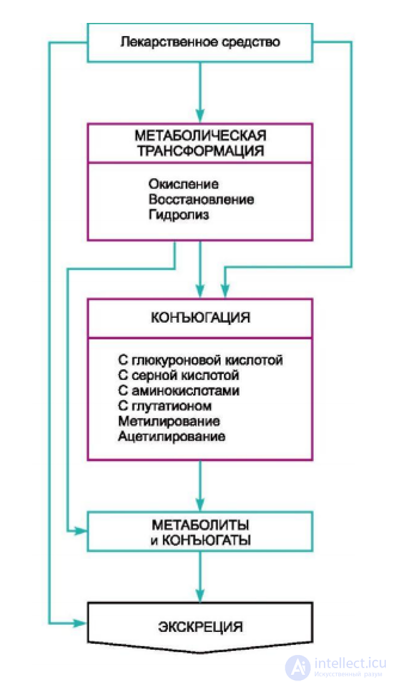
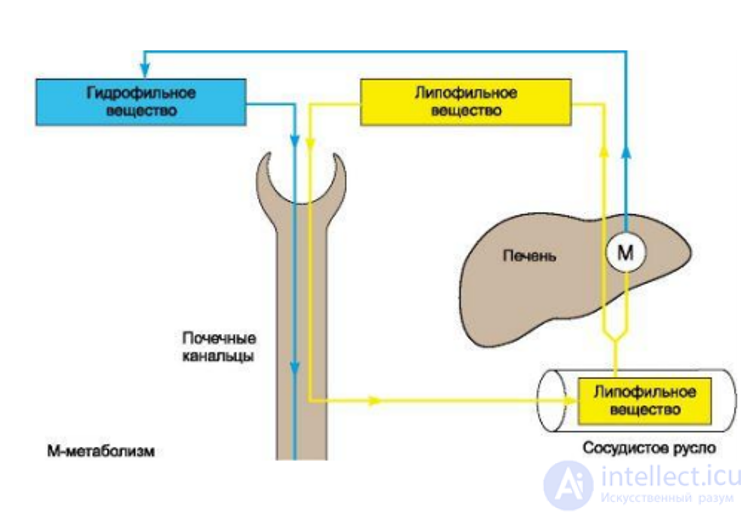
Elimination of medicinal products
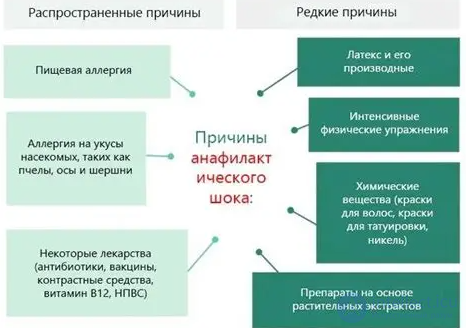
Anaphylactic shock (from Ancient Greek ἀνά- «against-» and φύλαξις «protection») — an immediate-type allergic reaction, a state of sharply increased sensitivity of the body that develops on repeated administration of an allergen. Anaphylactic shock is an extremely severe form of the development of anaphylaxis. Anaphylactic shock should not be confused with anaphylactoid shock, one of the manifestations of anaphylactoid reactions.
One of the most dangerous complications of drug allergy, ending fatally in approximately 10—20% of cases.
1. call a doctor through the on-duty staff;
2. lay the patient down and raise the lower limbs;
3. in the case of a subcutaneous injection, apply a tourniquet to the limb above the injection site and immediately inject 0.15-0.5 ml of 0.1% epinephrine solution or 2 ml of nikethamide into the injection site;
4. inject intramuscularly 2 ml of 2.5% promethazine solution (or 2 ml of 2% chloropyramine solution, or 2 ml of 1% diphenhydramine solution);
5. in the case of an intravenous injection, urgently stop administering the medicinal product and, without removing the needle, inject into it with another syringe 2-3 ml of promethazine (chloropyramine, diphenhydramine) diluted in 0.9% sodium chloride solution;
6. cover the patient with heating pads;
7. measure blood pressure;
8. provide the patient with an oxygen-air mixture (in the absence of a centralised oxygen supply - using an oxygen pillow);
9. continuously monitor the patient until the doctor arrives.
If the patient develops cardiac or respiratory arrest, an emergency resuscitation team must be called urgently through the staff, and chest compressions (closed cardiac massage) and artificial respiration must be started immediately. It should be remembered that only 4-6 minutes pass from the moment of cardiac arrest to the development of irreversible changes in the brain.
The nurse must know and be able to explain to the patient the change in the effect of drug therapy under the influence of various factors - such as adherence to a particular regimen, diet, alcohol consumption, etc. Taking medicinal products in combination with alcohol causes undesirable side effects.
· Alcohol taken with clonidine causes rapid loss of consciousness, a sharp drop in blood pressure, and retrograde amnesia (inability to remember events preceding the loss of consciousness).
• Alcohol combined with nitroglycerin sharply worsens the condition of patients with coronary heart disease and can cause a significant drop in blood pressure.
• Alcohol in large doses potentiates, i.e. enhances, the action of indirect anticoagulants (dicoumarol and other coumarin derivatives, in particular warfarin) and antiplatelet agents (acetylsalicylic acid, ticlopidine, etc.). This can result in profuse bleeding and haemorrhages into internal organs, including the brain, with subsequent paralysis, loss of speech, and even death.
• Alcohol in diabetes mellitus enhances the hypoglycaemic action of insulin and oral antidiabetic agents, which risks the development of a severe comatose state (hypoglycaemic coma).
External use of medicinal products
External use of medicinal products is intended mainly for their local action. Only fat-soluble substances are absorbed through intact skin, mainly through the excretory ducts of the sebaceous glands and hair follicles.
Every family should have a home first-aid kit with a set of essential medicinal products. It should be kept in a separate cabinet or in a separate place in it, inaccessible to children.
Medicinal products must be stored in a cool, dry and dark place, and have clearly legible labels with the exact name and an indication of their shelf life or expiry date.
In the home first-aid kit it is recommended to have the following medicinal preparations and remedies:
In addition, it is necessary to have a set of items for patient care: bandages, mustard plasters, heating pads, a rubber tourniquet for stopping bleeding, thick compress paper, pipettes for instilling medicines into the nose, eyes and ears, adhesive plaster, a medical thermometer, an Esmarch mug and a bulb for enemas and douching.
The potential danger of being involved in road traffic accidents requires that every vehicle have a driver's road first-aid kit. In accordance with the new requirements, it must contain: analgin, acetylsalicylic acid, nitroglycerin, validol, activated charcoal, corvalol, sodium sulfacyl solution, 5% alcohol iodine solution, 1% brilliant green solution, 10% ammonia solution, a haemostatic tourniquet, medical bandages: sterile, non-sterile, elastic, sterile wipes, bactericidal adhesive plaster, cotton wool, a portable hypothermic (cooling) pack, a tube for maintaining airway patency and performing artificial respiration, blunt-tipped scissors, medical gloves, condoms.
The sanitary bag - a standardised set of medicinal and dressing supplies, as well as some items for providing first aid, arranged in a special kit. It is a mandatory element of the equipment of sanitary squads. The sanitary bag contains:

Comments