
Lecture
Thermotherapy is the therapeutic use of heated media that have a high heat capacity, low thermal conductivity and a high heat-retaining capacity.
Indications for thermotherapy:
Contraindications for thermotherapy
PARAFFIN THERAPY
Paraffin therapy is the therapeutic use of medical paraffin. Paraffin is a mixture of high-molecular-weight, chemically low-reactivity hydrocarbons of the methane series obtained by petroleum distillation. Paraffin has a high heat capacity, a high heat-retaining capacity and low thermal conductivity. For procedures, white dehydrated purified medical paraffin is used, with a melting point of 48—52 °C. The therapeutic action of paraffin is based on thermal and mechanical factors.
In the area exposed to heated paraffin, heat is transferred to the underlying tissues by conduction, and tissue temperature rises by 1—3 °C. As a result, the vessels of the microcirculatory bed dilate and local skin blood flow increases. Skin hyperemia enhances the metabolism of the underlying tissues and accelerates the resorption of infiltrates and reparative regeneration in the affected area. At the site of paraffin exposure, skeletal muscle spasm and pain decrease, and scars soften.
Indications: consequences of diseases and injuries of the musculoskeletal system (bone fractures, joint dislocations, ligament and muscle ruptures, arthritis, periarthritis, arthrosis) and of the peripheral nervous system (radiculitis, neuralgia, neuritis), diseases of internal organs (chronic bronchitis, tracheitis, pneumonia, pleurisy, stage I—II hypertension, chronic gastritis, gastric and duodenal peptic ulcer disease, duodenitis, chronic cholecystitis and hepatitis, adhesive processes in the abdominal cavity, chronic colitis), chronic inflammatory diseases of the female genital area, varicose vein disease, poliomyelitis, skin diseases (psoriasis, neurodermatitis, dermatoses, scar changes of the skin), wounds, burns, frostbite, trophic ulcers, vibration disease, Raynaud's disease.
Contraindications: acute inflammatory processes, marked atherosclerosis, ischemic heart disease, exertional angina above functional class II, chronic glomerulonephritis, liver cirrhosis, ovarian cyst, thyrotoxicosis, infectious diseases, hereditary-degenerative progressive diseases of the nervous system, vegetative-vascular dysfunctions, second half of pregnancy and the lactation period.
Contraindications: general + second half of pregnancy, lactation period, acute infectious diseases
Parameters. For procedures, paraffin heated to a temperature of 60—90 °C in water baths is used. Cooling paraffin is applied using the layering technique, the paraffin-bath technique, and applications on« areas of skin pre-lubricated with petroleum jelly. To treat wounds, burns and ulcers and to act on mucous membranes, a mixture of paraffin (75 %) and fish oil or cottonseed oil (25%), is used, applied to the affected surface with a sprayer, or paraffin applications are used through transparent plastic film.
OZOKERITE THERAPY
Ozokerite therapy — is the therapeutic use of medical ceresin (ozokerite). Ozokerite is a mixture of solid paraffin-series hydrocarbons, gaseous hydrocarbons (methane, ethane, propylene, ethylene), high- and low-boiling mineral oils, asphaltenes, resins, carbon dioxide and hydrogen sulfide. Ozokerite contains a thermotolerant ozokerite bacillus with antibiotic properties. Ozokerite is obtained by processing natural rock. Of all heat carriers it has the maximum heat capacity and heat-retaining capacity and the minimum thermal conductivity. For procedures, purified ozokerite is used, from which water, alkalis and acids have been completely removed.
The main role in the therapeutic effects of ozokerite is played by the thermal and mechanical factors. But, unlike paraffin, one of the therapeutic factors of ozokerite is the chemical factor, due to the presence of a number of chemical substances in its composition.
As a result of the thermal factor of ozokerite, peripheral blood flow increases and biologically active substances with follicle-stimulating action are produced. In the area exposed to ozokerite, local skin blood flow increases and skin temperature rises by 2-3 °C. The rise in temperature of the underlying tissues is accompanied by accelerated venular and lymphatic outflow, activation of reparative regeneration in the inflammatory focus, and tissue metabolism.
When it solidifies, the initial volume of ozokerite decreases 1.5 times more than that of paraffin, which leads to pronounced compression of the superficial tissues and excitation of skin mechanoreceptors. As a result, the tone of the parasympathetic division of the autonomic nervous system increases.
Chemical substances contained in ozokerite irritate the skin and, through the sebaceous and sweat glands and hair follicles, penetrate into the superficial layers of the skin and stimulate the proliferation and differentiation of epidermal cells and fibroblasts, and also increase the activity of epidermal macrophages. Ozokerite stimulates nonspecific factors of skin immunity.
Indications : chronic inflammatory diseases of superficial tissues and internal organs, consequences of diseases and injuries of the musculoskeletal and peripheral nervous systems, diseases of the female and male genital organs, skin diseases, ENT organ diseases, eye diseases, adhesions in the abdominal cavity, trophic ulcers.
Contraindications : acute inflammatory processes of various locations, marked general atherosclerosis, ischemic heart disease, exertional angina functional class III, circulatory insufficiency stage II, liver cirrhosis, uterine myoma and fibromyoma, ovarian cyst, thyrotoxicosis, marked neuroses with autonomic disorders, chronic glomerulonephritis and neurosis, pregnancy and the lactation period.
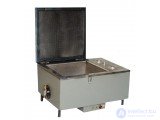
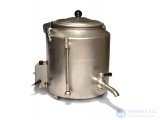
Parameters. The melting point of ozokerite is 52-68 0C. Ozokerite, heated to a temperature of 60-100 0C, releases heat to the tissues over a long period of time. Its effect on the skin is easily tolerated even at a temperature of 60-70 °C. Ozokerite is heated in water baths.
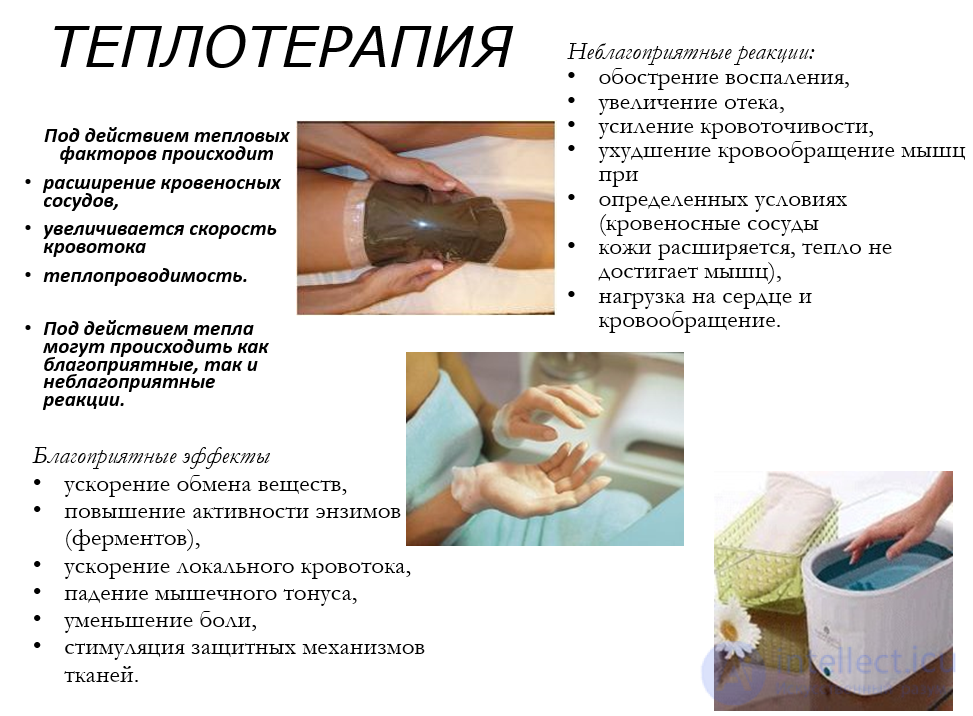
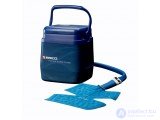
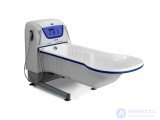
Thermotherapy devices are devices that provide dosed warming exposure of adjustable intensity. They are used in physiotherapy to treat injuries and dystrophic damage to musculoskeletal structures (the spine, joints); chronic inflammatory diseases of the nasopharynx and larynx; skin, neurological, cardiovascular and orthopedic pathologies.
The force of heat's effect on cellular metabolism is so high that all types of thermal treatment are included in the rehabilitation programs of restorative medicine centers and require caution in independent use.
Total products: 8
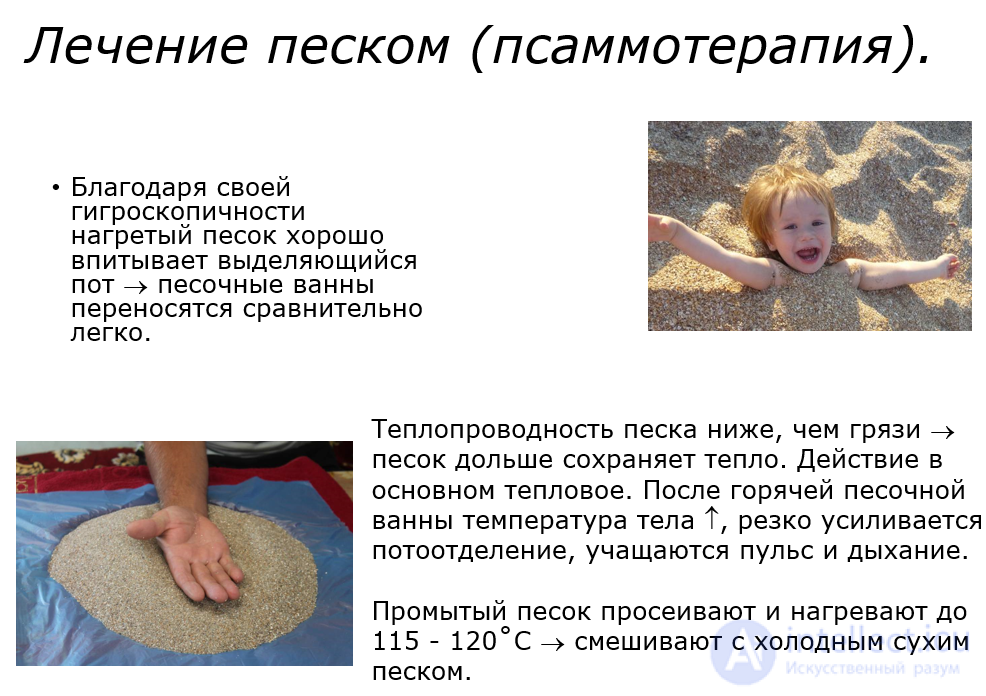
Sand treatment (psammotherapy).Psammotherapy is used for diseases of the musculoskeletal system of a metabolic and traumatic nature, for joint stiffness of non-tuberculous origin, for neuralgia, neuritis, radiculitis, and for inflammation of the female genital organs. As a result of using sand therapy, blood and lymph circulation are activated and sweating increases, which leads to loss of excess body weight and eases kidney function. In addition, sand baths relieve pain.
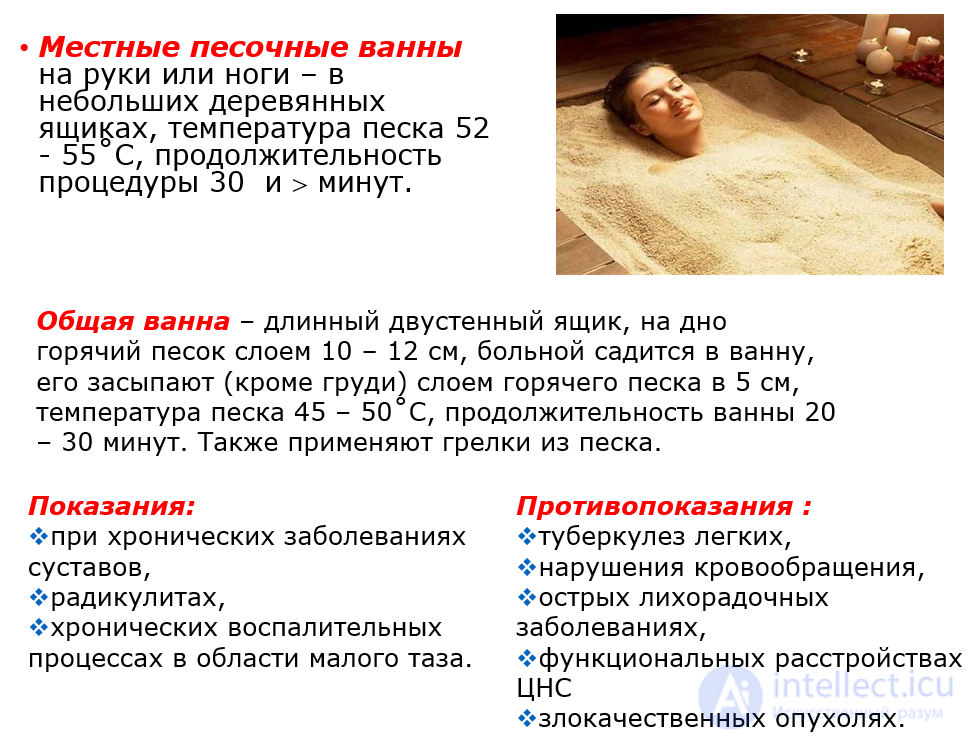
Layering onto the affected area. A flat brush or a cotton swab is dipped into melted paraffin (ozokerite) at a temperature of 60—65 0C and applied to the affected skin surface in a thin layer. After the first layer has hardened, subsequent layers are applied so that the thickness of the paraffin application is 1.5—2 cm. After this, the application is covered with oilcloth, a cotton wadding pad, and fixed with a bandage. Exposure time is 20—60 min.
Gauze-application method. Gauze napkins, folded in 10 layers, are dipped into melted paraffin (ozokerite) at a temperature of 60—65 °C. The first layer is applied as described in the previous method. Then the paraffin-soaked napkins are removed, wrung out and applied onto the first layer. The application is covered with oilcloth, a cotton wadding pad, and fixed with a bandage. Exposure time is 20—60 min.
Tray-application method. Melted paraffin (ozokerite) is poured into a wooden or plastic tray with sides 5—6 cm high, the bottom and sides of which are covered with oilcloth or waxed paper. The thickness of the paraffin layer should be 1.5—2 cm. After the paraffin has cooled somewhat to a temperature of 50—52 0C, which is checked by pressing with a finger, the oilcloth protruding from under the paraffin layer is taken by the edges, the application is removed and placed on the patient's skin over the affected area. A first layer may be applied beforehand. The paraffin is covered with oilcloth, a cotton wadding pad, and fixed with a bandage. Exposure time is 20—60 min.
Spray method. Paraffin (ozokerite) is sterilized by heating it to 100 °C for 15 min. Melted paraffin at a temperature of 80 °C is poured into a special metal sprayer cylinder. By forcing air into it, the paraffin is sprayed out through the outlet opening, which is brought up to the surface of the wound or ulcer.
If spraying is difficult, the cylinder should be warmed up. After applying a sprayed paraffin layer 0.3—0.5 cm thick, further treatment is applied according to indications.
Paraffin mask. Sterile paraffin from an individual container is layered with a brush or cotton swab onto the skin of the entire face, leaving the nostrils and mouth open. Beforehand, the skin is degreased with alcohol if it is oily, or wiped with vegetable oil if it is dry. After applying a paraffin layer 0.3—0.5 cm thick, various techniques are applied according to indications. Exposure time for cosmetic purposes is 20 min; a therapeutic mask is left on for 30—60 min.
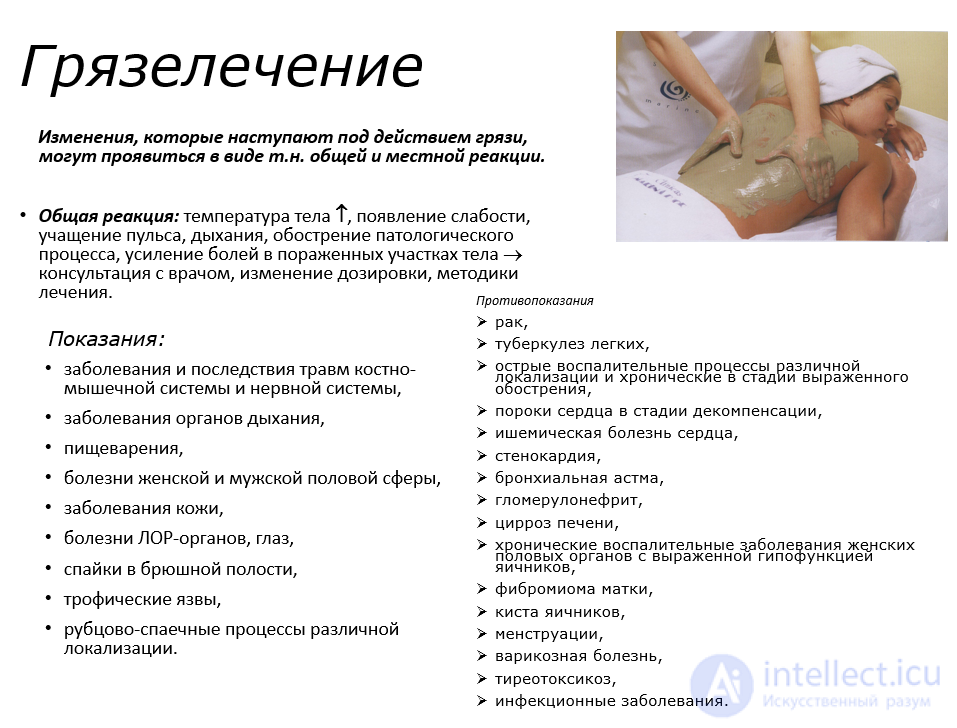
Mud therapy is a physiotherapeutic procedure based on exposing the human body to therapeutic mud, locally or in combination, for the purpose of treating or preventing diseases, as well as for cosmetic purposes.
The main methods of mud treatment are:
Application method — therapeutic mud is applied directly to the area of the pathological focus (for example, to the lumbar region in lumbosacral radiculitis).
Juxtafocal (parafocal) method — to avoid aggravating the pathological process, the mud is applied not to the zone of the focus itself, but to an area of the body located near it.
Reflex-segmental method — mud applications are applied not to the affected area, but to the area of projection of spinal cord segments (in accordance with concepts of the metameric connections of the skin and internal organs with spinal cord segments,).
In our medical center, mud therapy is used in the form of local mud applications.
The mechanism of action of mud is based on reflex (thermal and mechanical) action and the penetration of biologically active substances through the skin or mucous membrane. Due to its balanced mineral and organic composition, mud has anti-inflammatory, immunocorrective, desensitizing, antimicrobial, resolving, trophic, regenerating, analgesic and hormonal effects.

Comments