
Lecture
Flavoring additives for food, as well as condiments, spices, and seasonings, formerly known as flavoring substances — chemical substances, individual parts of biological products of plant origin, and their mixtures, intended to improve the taste and aromatic qualities of the food being prepared and of finished dishes.
Flavoring additives can help improve the digestion and absorption of food, as well as make it possible to store it for a long time. Flavoring additives include spices, salt, sugar, some flavorings, sauces, ready-to-eat products (ketchup, mustard, horseradish), butter blends (butter with mustard, herb butter, anchovy butter, crayfish butter, and the like), and other substances that affect taste or aroma (monosodium glutamate, acetic essence diluted with water, citric acid, and the like).

A fish dish seasoned with various spices.
Flavoring additives can be natural products and synthetic substances. Natural products are used both fresh (fruits, seeds, stems, rhizomes) and dried, ground into powder; butter blends are also used, which not only improve the taste of a dish but also increase its caloric content.
Some flavoring additives are standardized; in this case, they can be included in a special category — food additives.
Among the most popular food additives are spices — fresh or dried parts of aromatic spice plants, containing pungent (spicy) and various volatile aromatic substances, predominantly of tropical origin. For the most part, these products have no nutritional value, but when added to food in small amounts, they give the prepared dish a distinctive taste and aroma. Various parts of plants are used as spices, for example: fruits (black pepper), flower buds (cloves), leaves (bay leaf), roots (parsley), rhizomes (ginger), bulbs (onion, garlic), and others.
Many spices reached Europe as far back as ancient times from the East (India and China); some — from Africa and South America.
Condiments were known in historical Ancient Rome, India, Greece, and China. There is a myth that, before the widespread adoption of food preservation methods, hot spices and condiments were used to improve the taste of food, but this claim is not supported by any evidence or historical records. The Romans made the condiments garum and liquamen, similar and sometimes synonymous preparations, by crushing the entrails of various fish and then fermenting them in salt, which resulted in a liquid containing glutamic acid, suitable for enhancing the taste of food. The popularity of these sauces led to a flourishing condiment industry. In «Apicius», a cookbook based on the cuisine of the 4th and 5th centuries, there is a section devoted exclusively to condiments
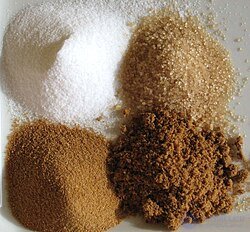
A type of flavored sugar.
Many condiments and spices contain flavoring and aromatic substances — essential oils, often — glycosides, their accompanying sugars, starch, and tannins. Among the substances that determine the characteristic properties of spices are glycosides, terpenoids, simple and complex esters, as well as some carotenoids and organic sulfides (for example, diallyl disulfide).
Condiments can benefit health. Micronutrient deficiency is widespread in Asia. To combat nutrient deficiency, certain condiments are added to food. Common condiments that help with micronutrient deficiency include fish sauce, soy sauce, spices, and bouillon cubes. Studies conducted in nine different Asian countries show that iodine and iron are common micronutrients whose deficiency is observed in many diets. The use of iodized salt can increase iodine intake by 9-80% of the recommended daily allowance (RDA). Adding bouillon cubes can increase iron intake by 3-40% of the RDA.
Condiments and food additives can be classified by origin (plant, mineral, synthetic), by purpose (flavorings, flavor enhancers, preservatives), as well as by form of use (dry, liquid, blends). Spices and seasonings are usually singled out as a separate group of plant additives, and condiments — as ready-made blends or sauces
Spices: parts of plants (seeds, roots, bark, fruits) used for taste and aroma. Examples: pepper, cloves, cinnamon.
Seasonings: leaves and green parts of plants, more often fresh or dried. Examples: basil, dill, parsley.
Flavorings: substances that enhance smell and taste, which can be natural (vanilla, citrus oils) or synthetic.
Condiments: ready-made blends or products that accompany dishes (sauces, marinades, ketchup, mustard).
Plant: spices, seasonings, essential oils.
Mineral: salt, baking soda.
Chemical/synthetic: monosodium glutamate, artificial flavorings, colorants.
Flavor enhancers: monosodium glutamate, yeast extract.
Preservatives: vinegar, citric acid, potassium sorbate.
Colorants: turmeric, paprika, carmine.
Blends: curry, khmeli-suneli, Vegeta.
Comparative table of food additives
| Category | Examples | Features |
|---|---|---|
| Spices | Pepper, cinnamon, cloves | Used in small doses, concentrated flavor |
| Seasonings | Basil, parsley, dill | Fresh or dried leaves, mild aroma |
| Flavorings | Vanilla, citrus oils | Enhance smell, can be natural and synthetic |
| Condiments | Sauces, ketchup, mustard | Ready-made products, often contain a blend of spices |
| Mineral additives | Salt, baking soda | Not of plant origin |
| Synthetic additives | Monosodium glutamate, colorants | Produced industrially, regulated by standards |
The gustatory sensory system — a sensory system by means of which taste stimuli are perceived.
Taste receptors, like olfactory receptors, are chemoreceptors and are intended for monitoring the chemical composition of the environment. For example, in humans the consequences of the TAS2R reaction to the bitterness of coffee are different in the mouth and in the stomach. A vivid example of the importance of the site of interaction is histamine.
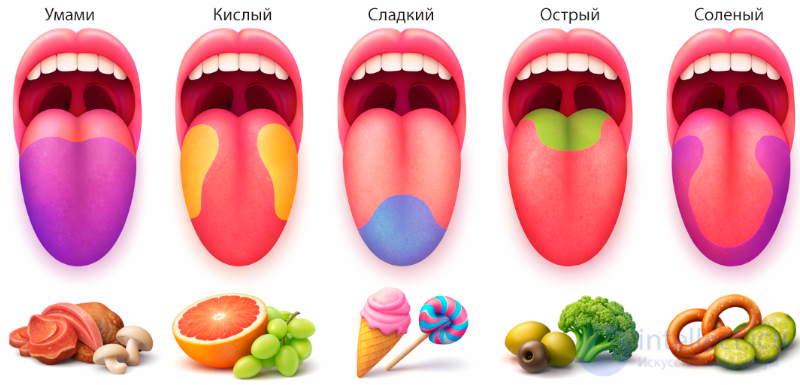
Taste is usually regarded as a contact sense (compare with sensation): the acting molecules are in a solution that comes into contact with the receptor, whereas smell, on the contrary, — is a distant sense, and the molecules of chemical substances are delivered to the receptors by air currents. Such a classification is very conditional both at the cellular and at the molecular level (the receptor mechanism in the case of both taste and smell may be one and the same). It is even more difficult to draw a boundary between taste and smell for aquatic animals, where the stimulating substances are always dissolved, as well as for a number of invertebrates (flatworms and annelids, mollusks). This article examines in detail the taste sensory systems proper of insects and mammals. Traditionally it was believed that sweet and salty tastes are perceived predominantly by the tip of the tongue, sour — by its sides, bitter — by the middle part of the back of the tongue. Nevertheless, the molecular and functional data available at present show that all taste receptors are distributed over the entire surface of the tongue and differ only in the density of their distribution. Thus, no «tongue map» exists, contrary to erroneous popular notions.
Hot: chili pepper, black pepper, mustard, ginger. Impart pungency, stimulate the appetite.
Aromatic-spicy: coriander, caraway, cardamom, cloves. Have a complex aroma, create a characteristic «warm» taste.
Aromatic herbal: basil, oregano, dill, parsley. Fresh, mild, green flavor notes.
Sweetish: cinnamon, vanilla, star anise, nutmeg. Add sweetness and mildness, often used in desserts.
Sour: citric acid, vinegar, sumac. Impart a refreshing, sour note.
Salty: salt, soy sauce. The basic taste that enhances the perception of others.
Bitterish: turmeric, fenugreek, horseradish. Add depth and balance, often in small doses.
Umami (meaty, rich taste): monosodium glutamate, soy sauce, mushrooms, seaweed. Creates a «hearty», rich taste.
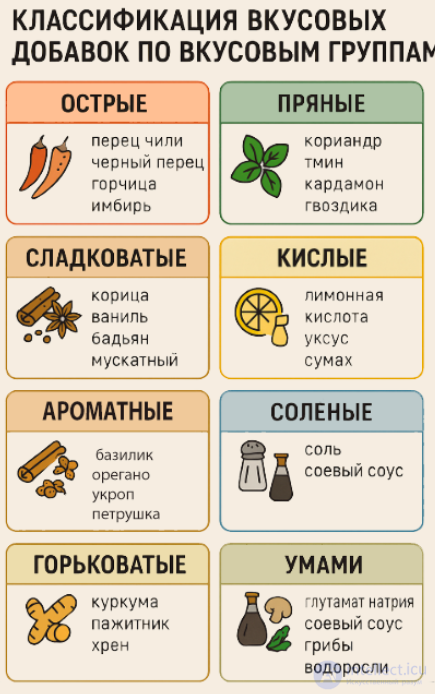
Table of classification by taste
| Taste group | Examples | Features |
|---|---|---|
| Hot | Chili pepper, ginger | Pungency, warming effect |
| Spicy | Cardamom, cloves | Complex aroma, warmth |
| Aromatic herbal | Basil, dill | Freshness, green taste |
| Sweetish | Cinnamon, vanilla | Mildness, dessert notes |
| Sour | Vinegar, sumac | Refreshing, sour taste |
| Salty | Salt, soy sauce | Enhancement of other tastes |
| Bitterish | Turmeric, fenugreek | Balance, depth |
| Umami | Soy sauce, mushrooms | Richness, meaty note |
Condiments are used in cooking, the food industry (canning, confectionery, baking, distilling), as well as in medicine and perfumery.
At present, in industry, instead of condiments in the form of fresh and dried parts of plants, prepared products are often used — powders, pastes, extracts, essential oils, as well as synthetic and semi-synthetic flavorings.
The main role of condiments — is to enhance the taste qualities of food, improve its aroma, stimulate the appetite, and sometimes — to mask undesirable organoleptic properties of products.
In addition to imparting new taste and aromatic qualities to food, some condiments can serve as a source of organic acids (vinegar), enzymes (soy sauce), and, to some extent — of trace elements — iron, calcium, iodine, etc.
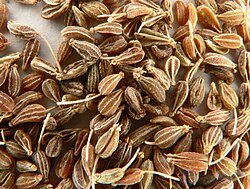
Anise
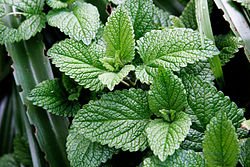
Peppermint
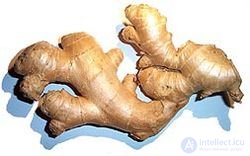
Fresh ginger root
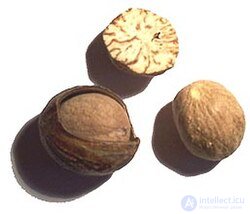
Nutmeg

Rosemary
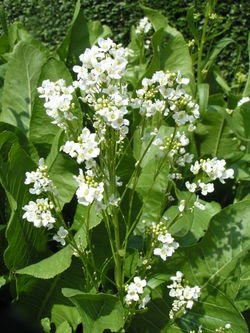
Horseradish
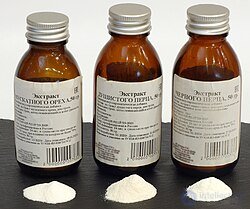
Spice extracts.
At present, proprietary spice concentrates obtained by extraction, including supercritical extraction using alcohol, freon, carbon dioxide, and other solvents as extractants, are widespread. The use of carbon dioxide as a solvent (the CO2-extraction method) is the most preferable method of extraction, because it preserves thermolabile compounds, such as, for example, vitamins.
Standardized condiment concentrates usually have a liquid or oily form. Most of them are lipophilic (soluble in oil and insoluble in water), but there also exist water-soluble concentrates, created in the form of emulsions.
Advantages of using concentrated condiments in cooking:
Hot condiments can be beneficial when consumed in moderation — they speed up the metabolism, improve digestion, and have antibacterial properties. However, an excessive amount can cause stomach irritation, heartburn, and aggravate chronic gastrointestinal diseases.
Acceleration of the metabolism Capsaicin (a substance in chili pepper) stimulates thermogenesis, which helps to burn calories faster and may contribute to weight loss.
Antibacterial properties Pepper, garlic, ginger, and turmeric suppress the growth of bacteria, which historically helped to preserve food in hot climates.
Improvement of digestion Hot spices stimulate the production of gastric juice and enzymes, facilitating the digestion of food.
Energy and mood Capsaicin stimulates the production of endorphins, which improves mood and reduces stress.
Prevention of colds Ginger and garlic have anti-inflammatory and immunomodulatory effects.
Irritation of the mucous membrane With gastritis, ulcers, or reflux, hot spices can increase pain and heartburn.
Increased blood pressure In people with hypertension, excessive consumption can provoke spikes in blood pressure.
Risk of habituation Constant consumption of very hot dishes reduces the sensitivity of the receptors, and a person begins to add more and more spices.
Sleep disturbance Hot food in the evening can cause insomnia due to stimulation of the nervous system.
Fast food with hot sauces It is not so much the pepper that is harmful, as the fatty and salty additives (ketchups, mayonnaises, ready-made sauces).
| Condiment | Benefit | Possible harm |
|---|---|---|
| Chili | Speeds up metabolism, antibacterial | Heartburn, gastrointestinal irritation |
| Ginger | Improves digestion, anti-inflammatory | May cause allergy |
| Garlic | Antibacterial, strengthens immunity | Irritates the stomach with gastritis |
| Turmeric | Reduces inflammation, antioxidant | In large doses — nausea |
| Horseradish/wasabi | Stimulates circulation, clears the nose | May cause watering eyes, irritation of the mucous membrane |
| Mustard |
Stimulates enzymes, improves appetite, contains antioxidants, vitamins, minerals Lowers cholesterol, supports the heart Mustard plasters for colds, improves the skin Detoxification, anti-inflammatory action |
Aggravates gastritis, ulcers, Allergy is possible May raise blood pressure Risk of burns with external use With overuse — irritation of the mucous membrane |
When is it best to consume hot condiments?
Beneficial: in the morning or during the day in moderate amounts, as part of a complete dish.
Harmful: on an empty stomach, late in the evening, with chronic gastrointestinal diseases, or in combination with fatty/salty food.
Taste can be enhanced with the help of salt, acids (lemon, vinegar), spices, and proper heat treatment; weakened — by dilution, the addition of fats, starch, or heat treatment, which smooths out bright notes.
Main ways of enhancing the taste of food
Salt: enhances the perception of sweetness and suppresses bitterness.
Acids (lemon juice, vinegar, tomatoes): refresh the taste, neutralize fattiness.
Spices and herbs: add new aromatic notes, enhance the basic tastes.
Sugar and sweet components: balance acidity and bitterness.
The addition of fat (liquid or by mixing with a solid) enhances existing tastes
Umami enhancers (monosodium glutamate, mushrooms, soy sauce): make the taste richer.
Serving temperature: hot dishes release aromas 40% better than cold ones.
Heat treatment (frying, baking): caramelization and Maillard reactions enhance the taste.
Ways of weakening the taste of food
Dilution with liquid: water, broth, or milk reduce the concentration of tastes.
The addition of fats (cream, butter): soften pungency and acidity.
Starchy products (potatoes, rice): absorb excess salt or acid.
Prolonged boiling: makes the taste milder, but may deprive the dish of vividness.
Sugar: weakens the perception of acidity and bitterness.
Cooling: cold dishes seem less aromatic and less rich.
| Method | Taste enhancement | Taste weakening |
|---|---|---|
| Salt | Emphasizes sweetness, suppresses bitterness | In excess, may mask other aromas |
| Acids | Refresh, balance fattiness | In large doses make the taste sharp, require softening |
| Spices | Add depth and complexity | When overloaded, may overpower the main taste |
| Fats | Enhancement of texture, «body» of taste | Softening of pungency and acidity |
| Temperature | Hot enhances the aroma | Cold reduces perception |
| Starch | No | Absorbs excess salt/acid |
Balance is more important than quantity: too much salt or spices does not enhance the taste but destroys the harmony.
Combinations work better: acid + salt + spices give a multi-layered taste.
Cooking methods affect perception: frying enhances, boiling softens, stewing balances.
Sweet: caused by sugars (for example, sucrose), some alcohols, and artificial sweeteners. The molecules must have a certain spatial structure and solubility in order to activate the receptors.
Sour: associated with the presence of acids (for example, citric, acetic), where hydrogen ions (H+) stimulate the receptors.
Salty: determined mainly by sodium chloride (NaCl), as well as by other salts of alkali metals.
Bitter: caused by glycosides (for example, amygdalin) and alkaloids (caffeine, quinine). Bitterness often signals potentially toxic substances.
Umami: a taste discovered later, associated with monosodium glutamate and nucleotides. It enhances the sensation of a «meaty» or «broth-like» taste.
special tastes are distinguished — the taste of nuts, the taste of water, umami, astringent, pungent, minty, alkaline, metallic — therefore these substances are often added to food.
Taste molecules are called glucophores — they have low volatility, are soluble in water, and have a specific shape for binding with receptors.
Chemoreception — the process by which food molecules interact with protein receptors on the tongue.
Different areas of the tongue are sensitive to different tastes, but modern science clarifies that the receptors are distributed more evenly than was previously thought.
Combinations of tastes create complex profiles (for example, the sweet-sour taste of fruits).
Food additives often enhance or mask tastes, affecting the perception of the product.
Evolutionary role: sweet signals energy, salty — minerals, sour and bitter — possible danger, umami — proteins.
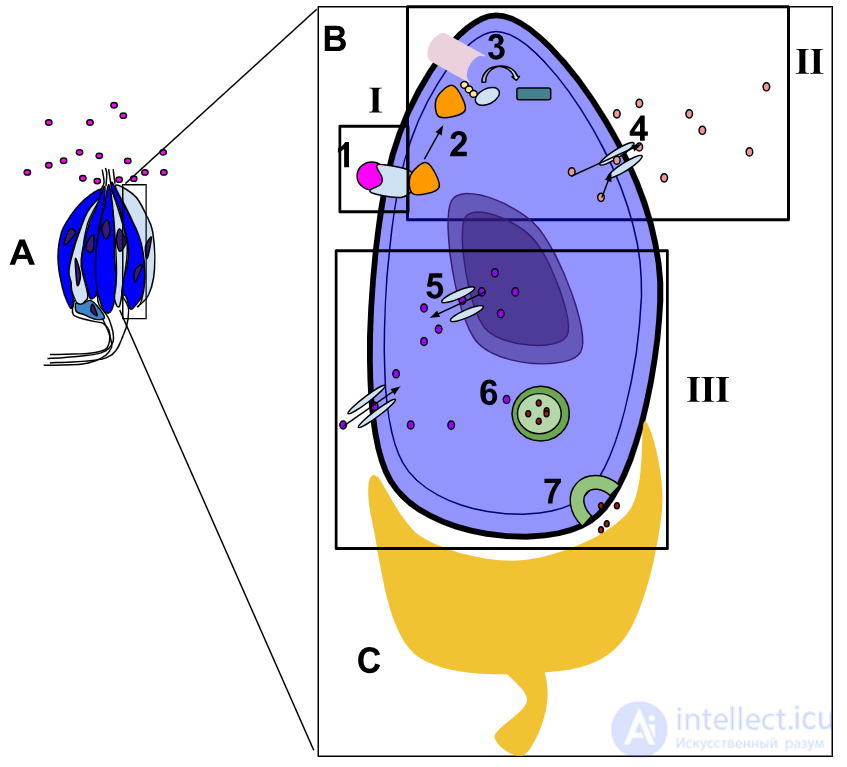
The diagram above depicts the signal transduction pathway of the sweet taste. Object A — is a taste bud, object B — is a single taste cell of the taste bud, and object C — is a neuron attached to the taste cell. I. Part I shows the reception of the molecule. 1. Sugar, the first messenger, binds to a protein receptor on the cell membrane. II. Part II shows the signal transmission by transmitter molecules. 2. G-protein receptors, secondary messengers, are activated. 3. The G-proteins activate adenylate cyclase, an enzyme that increases the concentration of cAMP. Depolarization occurs. 4. The energy from step 3 is used to activate K+, potassium, protein channels. III. Part III shows the response of the taste cell. 5. Ca+, calcium, protein channels are activated. 6. The increased concentration of Ca+ activates the neurotransmitter vesicles. 7. The neuron connected to the taste bud is stimulated by neurotransmitters.
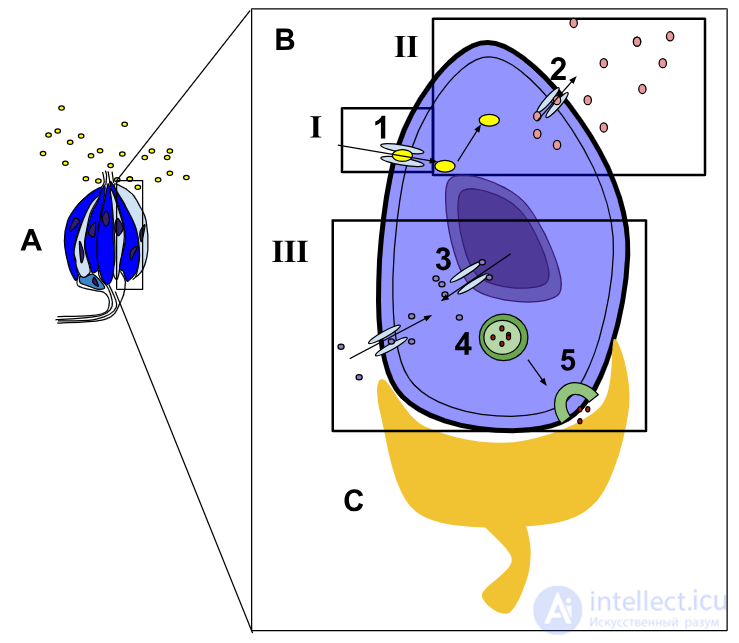
The diagram depicts the signal transduction pathway of the sour or salty taste. Object A — is a taste bud, object B — is a taste receptor cell inside object A, and object C — is a neuron attached to object B. Part I — is the reception of hydrogen ions or sodium ions. 1. If the taste is sour, H + ions from acidic substances pass through H + channels. Depolarization occurs. II. Part II — is the signal transduction pathway through transmitter molecules. 2. Channels for cations, such as K +, open. III. Part III — is the response of the cell. 3. The influx of Ca + ions is activated. 4. Ca + activates the neurotransmitters. 5. A signal is sent to the neuron attached to the taste bud.
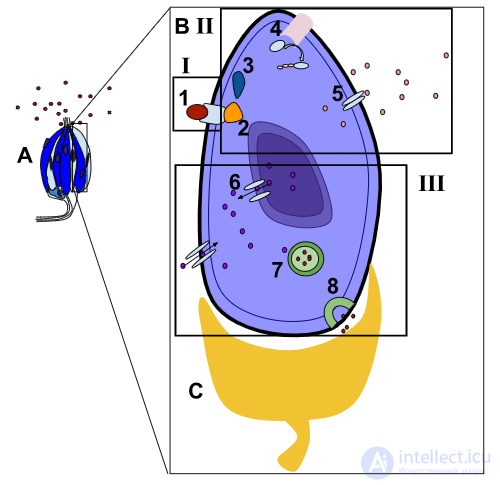
The diagram above shows the signal transduction pathway of the bitter taste. The bitter taste has many different receptors and signal transduction pathways. Object A — is a taste bud, object B — is a taste cell, and object C — is a neuron attached to object B. Part I — is the reception of the molecule. 1. A bitter substance, such as quinine, is consumed and binds to receptors coupled to G-proteins. II. Part II — is the signal transduction pathway. 2. Gustducin, the secondary messenger of the G-protein, is activated. 3. Then phosphodiesterase, an enzyme, is activated. 4. A cyclic nucleotide, cNMP, is used, reducing the concentration. 5. Channels, such as potassium channels (K+), close. III. Part III — is the response of the taste cell. 6. This leads to an increase in the level of Ca+. 7. The neurotransmitters are activated. 8. The signal is transmitted to the neuron.
| Taste | Main compounds | Examples of products | Function in nutrition |
|---|---|---|---|
| Sweet | Sugars, polyols, sweeteners | Fruits, honey, candy | Energy signal |
| Sour | Organic acids | Lemon, sauerkraut | Acidity regulation |
| Salty | NaCl, KCl | Salt, seafood | Mineral balance |
| Bitter | Alkaloids, glycosides | Coffee, cocoa, wormwood | Protective signal |
| Umami | Glutamate, nucleotides | Meat, soy sauce | Enhancement of the taste of proteins |
The starchy taste was officially described quite recently (formerly it was believed that carbohydrates themselves could have only a sweet taste). Such a «starchy» taste is possessed by products that contain carbohydrates and polysaccharides. An experiment with a rat is described: it was given a choice between two vessels with liquid: in one there was just water, and in the other — water with a 0.5-percent starch solution. The rat chose the water solution with starch. A person rarely senses the taste of starch because of the addition of sugar.
Fatty as a taste characteristic has been mentioned from time to time at least since the 1800s. Some researchers are not yet certain that this sensation is differentiated in all people and, citing the fact that the experiments were carried out on animals, are in no hurry to recognize this taste as «basic».
A person undoubtedly perceives a «fatty» taste — but this sensation is not as clearly expressed as the usually distinguished standard tetrad «sweet-sour-bitter-salty».
In some people with impaired liver function (for example, after hepatitis), the taste or sight of fatty food can cause unpleasant sensations.
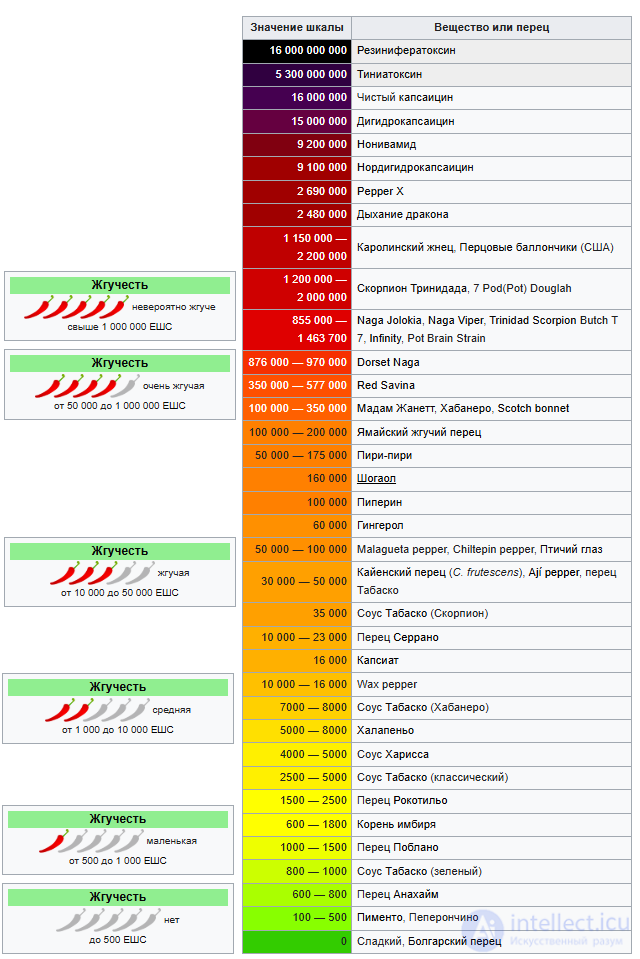
The pungent taste is not counted among the basic tastes, since no corresponding taste receptors have been discovered to date. It is associated with substances that stimulate the «heat» receptors — ethanol, capsaicin (the active substance of red pepper), piperine (the active substance of black pepper) — they excite branches of the trigeminal nerve and contribute to the «purely gustatory» sensation. The measure of pungency is the Scoville scale.
Some substances (for example, menthol) are able to act on the TRPM8 protein contained in the cold receptors. That is precisely why, when they come into contact with the tongue and the mucous membranes of the mouth, a sensation of a cooling taste arises.
The astringent taste («puckering taste») is associated with the reception of tannins (tannins in tea, in blackthorn berries, etc.). The mechanism of its occurrence is attributed to the binding of tannins with proline-rich proteins. Sometimes this taste is not distinguished and is assessed as a variant of bitter.
Both Chinese cuisine and Batak Toba cuisine include the idea of 麻 (má or mati rasa), the tingling numbness caused by such spices as Sichuan pepper. The cuisine of Sichuan province in China and of the Indonesian province of North Sumatra is often combined with chili pepper to produce the taste 麻辣 málà, «numbing and pungent» or «mati rasa». Typical of northern Brazilian cuisine is jambu — an herb that is used in dishes such as tacacá. These sensations, although not gustatory, fall into the category of chemesthesis.
Some Japanese researchers mention the taste kokumi (Japanese 濃味) from koku — rich, thick, and mi — taste, which is translated as «richness», «fullness of taste», or «richness», and describes chemical compounds in food that themselves have no taste of their own but enhance the taste characteristics when combined with other substances. Together with the five basic tastes — sweet, sour, salty, bitter, and umami — kokumi is described as something that can enhance the other five tastes, increasing and prolonging their perception, creating an effect of «fullness in the mouth». Garlic — is a common flavoring ingredient that helps to define the characteristic kokumi taste.
A metallic taste is characteristic of fresh (uncoagulated) blood, and is also usually felt in food that has come into contact with oxidized metals (spoons, forks, cans). A particularly strong metallic taste is observed on contact with copper alloys — brass, cupronickel, etc., which is why tableware made of cupronickel and nickel silver is coated with a thin layer of silver.
This sensation can serve as a sign of certain diseases; poisoning by metals (for example, in metal fume fever), by pesticides or chemical warfare agents, the action of certain medicinal products, for example metronidazole, etc.
A metallic taste in the mouth also usually arises during an electrophoresis procedure.
The characteristic taste of chalk has been identified as the calcium component of this substance. In 2008, geneticists discovered a calcium receptor on the tongue of mice. The CaSR receptor is normally located in the gastrointestinal tract, kidneys, and brain. Together with the «sweet» receptor T1R3, the CaSR receptor can detect the taste of calcium.
Taste disorders can be in the form of:
The names of the disorders are formed from the Greek word γεύσεις — tastes — and the corresponding prefixes.
Dysgeusia arises for various reasons — pregnancy, diabetes mellitus, diseases of the gastrointestinal tract or oral cavity, anemia, hypothyroidism, etc.
A distinction is made between ageusia — the loss of one of the basic taste sensations, hypogeusia — the weakening of one of the sensations, parageusia, when salty is sensed instead of sweet, and taste hallucinations (when the sensation of one or another taste is observed without obvious physical causes, for example, with neuroses).
A sensation of taste can arise under the action of radioactive irradiation, in some cases at levels of about 1 R/h.
Loss of taste and smell are among the characteristic symptoms of COVID-19 due to the coronavirus damaging the olfactory epithelium.
An impairment of taste perception can also be physiological, for example in the absence of nasal breathing (pinching the nostrils), or under the action of certain substances, for example ziziphin or gymnemic acid, contained in the leaves of the true jujube and of forest gymnema (Apocynaceae), whereupon a loss of sensitivity to sweet, bitter, and pungent is observed, while sensitivity to sour and salty is preserved.
An impairment of taste perception in cooks is called bridost (palate fatigue).
The concept of «basic tastes» dates back at least to the times of Aristotle. In European cultures, 4 «basic tastes» were traditionally distinguished. Aristotle mentioned «sweet» and «bitter» as basic, and «meaty taste», «salty», «pungent», «astringent», «puckering», and «sour» — as having developed from these two «basic» ones. In Dahl's work, sayings are given that testify to a linguistic conflation of the concepts «bitter», «astringent», and «sour» in the 19th century.
In the terminology of professional tasters (of food products, tea, coffee, wine, tobacco), the number of basic tastes used is substantially greater, but these terms relate rather to aroma than to taste proper. Researchers from the University of Oregon proposed including a «sixth taste», starchy, in the classification. In November 2005, French researchers showed that rats also distinguish a «fatty» taste.
In ancient Chinese philosophy of the five elements, five basic tastes were described: bitter, salty, sour, sweet, and pungent.
However, in the East 6 tastes have long been distinguished, including «pungent» (pepper, radish, mustard) and «bitter» (cinchona, bitter melon).
In 1908, the Japanese chemist Kikunae Ikeda gave a name to the taste umami, which he originally recognized in kombu seaweed, and also isolated from the seaweed monosodium glutamate, which possesses this taste. In 1985, the concept of «umami» was officially recognized as a scientific term at the First International Symposium on Umami (Hawaii).
The expression «There is no arguing about tastes (and colors)» (variant: «There are no comrades when it comes to taste and color», jocular: «When it comes to taste and color, all markers are different»), known in many languages, illustrates people's vague understanding of descriptions of taste, differences in the assessment of positivity in sensory perception among different people and ethnic groups, and the pointlessness of their absolute reconciliation.

Comments