
Lecture
Food colorings, additives, or dyes — these are any dyes, pigments, or substances that impart color when added to food or drink. Colorings can be supplied in the form of liquids, powders, gels, or pastes. Food colorings are widely used in commercial products and in home cooking.
Food colorings are also used for various non-food purposes, including cosmetics, pharmaceuticals, crafts, and medical devices. Some colorings can be natural, such as carotenoids and anthocyanins extracted from plants, or cochineal from insects, or they can be synthetic, such as tartrazine yellow.
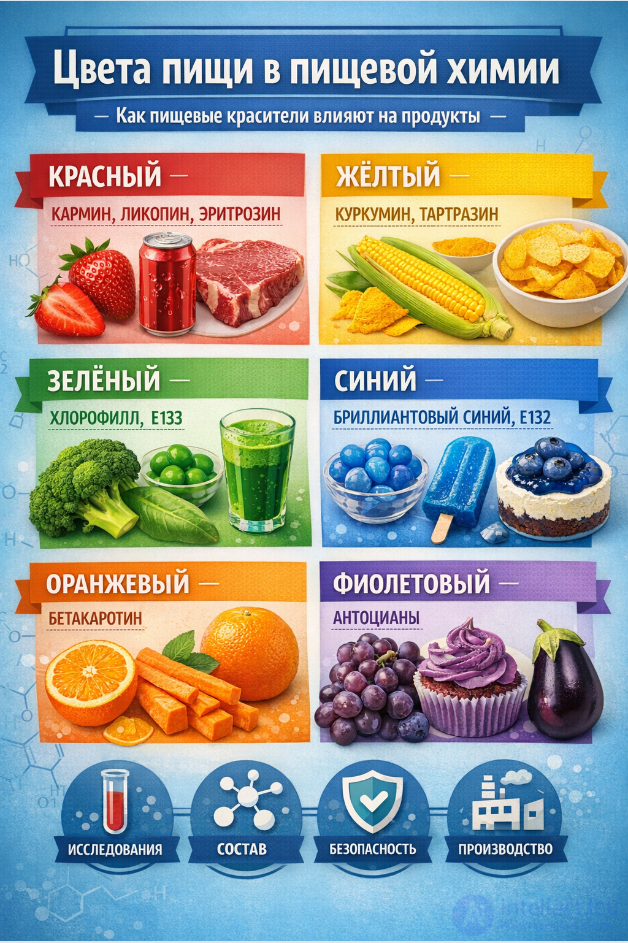
Food colorings are additives that give products their color. From the standpoint of food chemistry, they are divided into natural (curcumin, chlorophyll, carmine) and synthetic (azo dyes, triphenylmethane compounds). Their properties are determined by their chemical structure: the presence of conjugated double bonds and aromatic rings is responsible for the coloring, while stability depends on the environment, temperature, and light.
Natural colorings: obtained from plants, animals, or microorganisms. Examples: curcumin (from turmeric), chlorophyll (green pigments), carmine (from insects), anthocyanins (berries).
Synthetic colorings: created by chemical synthesis. They are distinguished by high color intensity, stability, and a standardized composition.
Structural features: color arises thanks to conjugated systems of double bonds and aromatic rings, which absorb light in the visible region of the spectrum.
Solubility and stability: depend on functional groups. For example, hydroxyl groups increase solubility in water, while lipophilic chains increase it in fats.
Improving appearance: makes products more appealing.
Compensating for color loss: during heat treatment or storage, natural pigments break down, and colorings restore the color.
Color stability: prevents changes in hue during prolonged storage.
Product identification: color can indicate flavor or aroma (for example, yellow — lemon, red — strawberry).
Comparison table
|
Type of coloring |
Examples |
Chemical characteristics |
Advantages |
Limitations |
|---|---|---|---|---|
|
Natural |
Curcumin, chlorophyll, anthocyanins |
Complex molecules, natural origin |
Safety, «naturalness» |
Less resistant to light and heat |
|
Synthetic |
Azo dyes, triphenylmethanes |
Simple structures, synthesized in the laboratory |
Brightness, stability, low cost |
Possible allergic reactions, strict regulations |
Regulation: each coloring has an E code (for example, E100 — curcumin, E102 — tartrazine).
Toxicology: synthetic colorings undergo strict testing for carcinogenicity, allergenicity, and permissible doses.
Consumer trends: demand for natural colorings is growing, especially in baby food and organic products.
In the production of food, beverages, and cosmetics, the safety of colorings is constantly under scientific oversight and certification by national regulatory bodies, such as the European Food Safety Authority (EFSA) and the U.S. Food and Drug Administration (FDA), as well as by international experts, such as the Joint FAO/WHO Expert Committee on Food Additives.
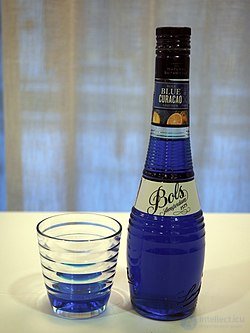
Blue Curaçao liqueur gets its signature blue color thanks to food colorings.
People associate certain colors with certain flavors, and the color of food can influence the perceived taste of anything from candy to wine. Sometimes the goal is to imitate a color that the consumer perceives as natural, such as adding red coloring to candied cherries (which would otherwise be beige), but sometimes it is done for effect, as, for example, with the green ketchup released by the Heinz company in 2000. Colorings are used in food for many reasons, including:
The addition of colorings to food is believed to have begun in Egyptian cities as early as 1500 BC, when candy makers added natural extracts and wine to improve the appearance of their products. In the Middle Ages, the economies of European countries were based on agriculture, and peasants were accustomed to producing their own food locally or trading within village communities. Under feudalism, aesthetic considerations were not taken into account, at least by the vast majority of the generally very poor population. This situation changed with urbanization in the early modern period, when trade arose, especially the import of valuable spices and dyes. One of the first food laws, adopted in Augsburg, Germany, in 1531, dealt with spices or dyes and required that saffron adulterators be burned alive.
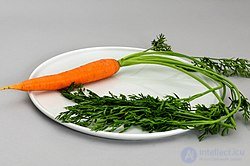
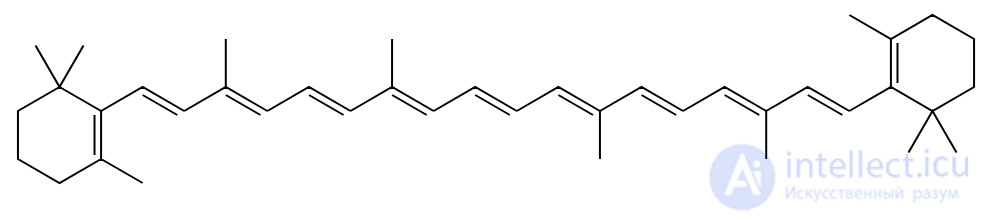
The orange color of carrots and many other fruits and vegetables is due to the presence of carotenoids.
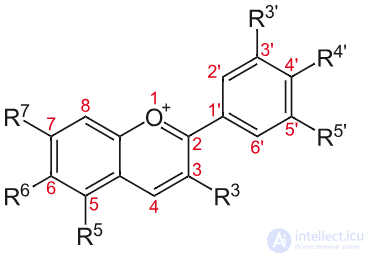
Carotenoids (E160, E161, E164), chlorophyllin (E140, E141), anthocyanins (E163), and betanin (E162) make up the four main categories of plant pigments grown for coloring food products. Other colorings or specialized derivatives of these main groups include:
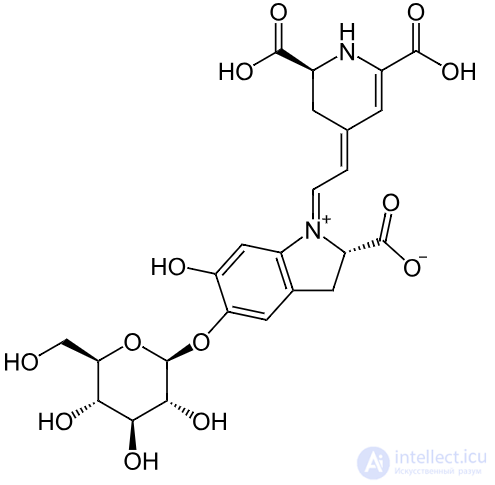
Blue colors are rare. The pigment genipin, present in the fruit of Gardenia jasminoides, can be treated with amino acids to produce the blue pigment gardenia blue, which is approved for use in Japan and the USA but not in the EU.
To ensure reproducibility, the colored components of these substances are often supplied in a highly purified form. For stability and convenience, they can be used as carriers (solid and liquid). Hexane, acetone, and other solvents break down the cell walls of fruits and vegetables and allow maximum extraction of the coloring component. Traces of these solvents may remain in the finished coloring, but they do not need to be listed on the product label. These solvents are known as «carry-over ingredients».
With the onset of the Industrial Revolution, people became dependent on food produced by others. The population living in large cities needed stable and inexpensive food options, and at that time there were few rules controlling and monitoring food supplies. The analytical methods needed to detect and identify products with artificial colorings did not yet exist, so food adulteration flourished. Heavy metals and other compounds containing inorganic elements proved cheap and suitable for «restoring» the color of diluted milk and other foods; here are a few more egregious examples:
At that time, sellers offered more than 80 artificial colorings, some of which had been invented to dye textiles rather than food.
Thus, at breakfast, consuming canned meat, fish, and sauces, he ingested to a greater or lesser degree Armenian bole, red lead, or even bisulfite of mercury [vermilion, HgS]. At dinner, with curry or cayenne pepper, he risked a second dose of lead or mercury; with pickles, preserved fruits, and vegetables he almost certainly received a dose of copper; and when he ate sweets for dessert, it was impossible to say how many poisonous pigments he might have consumed. And if his tea was blended or green, he certainly would not have escaped it being bulked up without the addition of a little Prussian blue...
Many colorings were never tested for toxicity or other side effects. Historical records show that poisoning by low-quality colorings led to injuries and even deaths. In 1851 in England, about 200 people were poisoned, 17 of them fatally, directly as a result of eating adulterated lozenges. In 1856, Sir William Henry Perkin developed mauveine, the first synthetic dye, and by the turn of the century unregulated colorings had spread across Europe and the United States in all kinds of popular foods, including ketchup, mustard, jelly, and wine. Initially they were called «coal-tar» dyes because the starting materials were derived from bituminous coal.
Compared to natural colorings, synthetic colorings are often cheaper, because they have high color intensity and require very low concentrations.
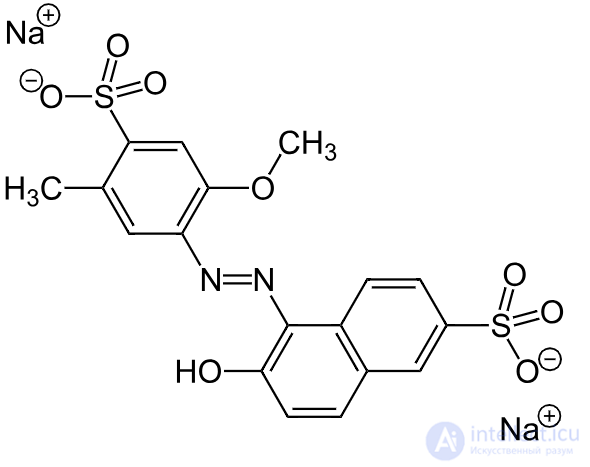
synthetic food colorings
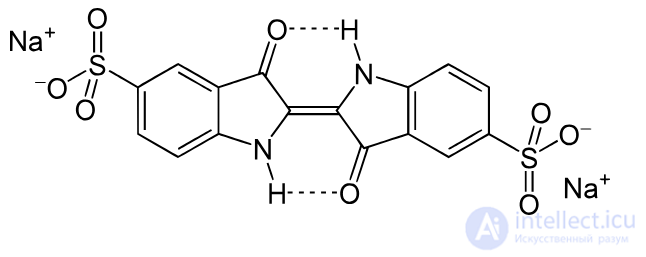
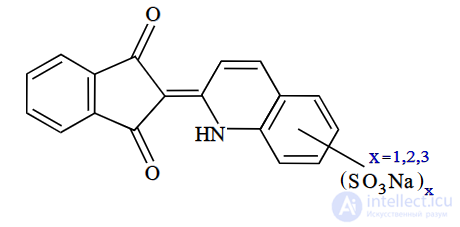
Concerns about food safety led to the adoption of numerous regulations around the world. The German food regulations adopted in 1882 provided for the exclusion of dangerous «minerals» such as arsenic, copper, chromium, lead, mercury, and zinc, which were often used as ingredients in colorings. Unlike modern regulations, these first laws followed the principle of a negative list (substances whose use is prohibited); even then they were guided by the fundamental principles of modern food regulations worldwide, since all these regulations pursue the same goal: protecting consumers from toxic substances and from fraud. In the United States, the Pure Food and Drug Act of 1906 reduced the permitted list of synthetic colorings from 700 to seven. Seven colorings were initially approved: Ponceau 3R (FD&C Red No. 1), amaranth (FD&C Red No. 2), erythrosine (FD&C Red No. 3), indigotine (FD&C Blue No. 2), light green SF (FD&C Green No. 2), naphthol yellow 1 (FD&C Yellow No. 1), and orange 1 (FD&C Orange No. 1). Even with the updated food laws, adulteration continued for many years.
In the 20th century, improved chemical analysis and testing led to the replacement of negative lists with positive ones. Positive lists consist of substances permitted for use in the production and improvement of food. Most current laws are based on a positive list. A positive list implies that substances intended for human consumption have been tested for safety and must meet certain purity criteria before their approval by the relevant authorities. In 1962, the first EU directive (62/2645/EEC) approved 36 colorings, of which 20 were of natural origin and 16 were synthetic. This directive did not specify in which foods colorings could or could not be used. At that time, each member state could determine where certain colors could and could not be used. In Germany, for example, quinoline yellow was permitted in puddings and desserts, but tartrazine was not. In France the situation was the reverse. This was updated in 1989 by directive 89/107/EEC, which dealt with food additives permitted for use in food.
Natural colorings, most of which have traditionally been used for centuries, are exempt from certification by several regulatory bodies around the world, such as the FDA. The exempt category includes colorings or pigments of plant, mineral, or animal origin, such as annatto extract (yellow), beet (purple), beta-carotene (yellow to orange), and grape skin extract (purple).
Synthetic food colorings are generally cheaper to produce but require more thorough scientific study for safety and are certified for use in the food industry in the United States, the United Kingdom, and the European Union.
The global food coloring market is expected to grow from $4.6 billion in 2023 to $6 billion by 2028. This growth is mainly driven by rising consumer demand for visually appealing food. Home cooks, especially those who are active on social media, seek bright colors to enhance the aesthetic appeal of their homemade snacks and sweets. In addition, major food brands are adding bright colors to their products to stand out in a competitive market.
Although demand for food colorings is growing, so too are concerns about their potential health effects. In some regions, such as California, regulations have been introduced limiting the use of certain artificial colorings due to concerns about their effect on children's behavior.
Canada has published food and drug regulations concerning food colorings.
In Canada, food may not be sold with more than: : section B.06.002, p. 217
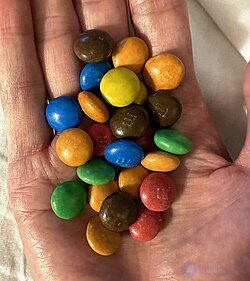
In accordance with European Union rules on food colorings, European M&M's have a darker color than American ones.
In the European Union, E numbers are used for all additives, both synthetic and natural, permitted for use in food. E numbers beginning with 1, such as E100 (turmeric) or E161b (lutein), are assigned to colorings. The safety of food colorings and other food additives in the EU is assessed by the European Food Safety Authority (EFSA). The Coloring Directive 94/36/EC, adopted by the European Commission in 1994, defines the permitted natural and artificial colorings, their approved areas of application, and their limits in various foods. This is a mandatory requirement for all EU member states; any changes must be incorporated into national legislation by a set deadline. In non-EU countries, food additives are regulated by national authorities, which usually, but not always, seek to harmonize them with EU rules. Most other countries have their own rules and lists of food colorings that may be used in various applications, including maximum daily intake amounts.
In the EU, synthetic colorings with E numbers 102–143 are permitted, which cover the entire spectrum of artificial colorings. The EU maintains a list of permitted additives. Some artificial colorings permitted for use in food in the EU include:
Three synthetic colorings — Orange B, Citrus Red No. 2, and FD&C Green No. 3 — are banned in the EU, as is roasted partially defatted cooked cottonseed flour.
The Food Safety and Standards Act of 2006 in India generally permits eight artificial colorings in food:
| No. | Color | Common name | INS No. | Chemical class |
|---|---|---|---|---|
| 1 | Red | Ponceau 4R | 124 | Azo |
| Carmoisine | 122 | Azo | ||
| Erythrosine | 127 | Xanthene | ||
| 2 | Yellow | Tartrazine | 102 | Pyrazolone |
| Sunset Yellow FCF | 110 | Azo | ||
| 3 | Blue | Indigo carmine | 132 | Indigoid |
| Brilliant Blue FCF | 133 | Triarylmethane | ||
| 4 | Green | Fast Green FCF | 143 | Triarylmethane |
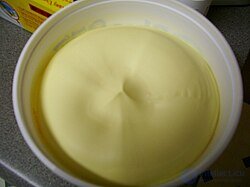
Adding food colorings such as beta-carotene gives naturally white margarine a yellow, butter-like color.
FDA-permitted colorings are classified as subject to certification or exempt from certification in the Code of Federal Regulations – Title 21, Parts 73 and 74, both of which are subject to strict safety standards before their approval and listing for use in food.
In the United States, FD&C numbers (indicating that the FDA has approved the use of the coloring in food, drugs, and cosmetics) are assigned to approved synthetic food colorings that do not occur in nature.
The following seven artificial colorings are currently permitted (the most common are shown in bold). The lakes of these colorings are also permitted, with the exception of the lake of Red No. 3. The U.S. Secretary of Health and Human Services plans to phase out all of these colorings by 2026 (for Red No. 3 — by 2027), and the Food and Drug Administration plans to approve the use of four new colorings before then.
The U.S. Food and Drug Administration (FDA) permits the use of two colorings for limited purposes:
Many colorings have been removed from the list for various reasons, ranging from poor coloring properties to regulatory restrictions. Some of the food colorings removed from the list:
Since the early 1960s, the Joint FAO/WHO Expert Committee on Food Additives has promoted the development of international standards for food additives not only through toxicological assessments, which are continuously published by the World Health Organization in the «Technical Report Series», but also through the development of appropriate purity criteria, which are set out in the two volumes of the «Compendium of Food Additive Specifications» and their supplements. These specifications are not legally binding, but very often serve as a guiding principle, especially in countries where scientific expert committees have not been established.
To further regulate the use of these assessed additives, in 1962 the WHO and FAO created the international Codex Alimentarius commission, which includes representatives of government authorities, food industry associations, and consumer groups from around the world. Within the Codex organization, the Codex Committee on Food Additives and Contaminants is responsible for developing recommendations on the use of food additives: the General Standard for Food Additives. In light of the World Trade Organization's General Agreement on Tariffs and Trade (GATT), the Codex standard, although not legally binding, influences the regulation of food colorings worldwide.
In a 2023 update on food colorings, the FDA required manufacturers to provide safety assurances and limits on the types of products in which colorings are used, their maximum amounts and labeling, batch certification, and the quantity needed to achieve the desired coloring. The scientific consensus holds that food colorings are safe when the limits on their use are observed, and that most children experience no adverse effects from consuming products with coloring ingredients; however, some individual studies indicate that some children may have an allergic sensitivity to colorings. In October 2023, the state of California banned Red 3 coloring in food, starting in 2027. Specific federal recommendations on colorings are contained in the Food, Drug, and Cosmetic Act (FD&C Act), and the «Redbook 2000» sets out the necessary safety assessments.
In the 20th century, a widespread public belief that artificial food colorings cause ADHD-like hyperactivity in children arose thanks to Benjamin Feingold, a pediatric allergist from California, who in 1973 suggested that salicylates, artificial colorings, and artificial flavorings cause hyperactivity in children. However, there is no clinical evidence supporting the widespread claims that food colorings cause food intolerance and ADHD-like behavior in children. : 452 It is possible that some food colorings may act as a trigger in those who are genetically predisposed.
In 2011, concerns were again raised that food colorings might cause ADHD-like behavior in children; a 2015 literature review showed that the evidence was inconclusive. The UK Food Standards Agency studied the effects of tartrazine, Allura Red, Ponceau 4R, quinoline yellow, sunset yellow, and carmoisine on children. These colorings are found in beverages. The study identified a «possible link between the consumption of these artificial colorings and the preservative sodium benzoate and increased hyperactivity» in children; the Food Standards Agency's advisory committee, which evaluated the study, also determined that, due to the limitations of the study, the results could not be extrapolated to the general population, and further research was recommended. After continuous review, as of 2024 the FSA stated that the aforementioned artificial food colorings may cause hyperactivity in some children. Food and beverages containing any of the six specified colorings must warn consumers on the package labels that they may have an adverse effect on the activity and attention of children.
The European regulatory community, emphasizing the precautionary principle, required labeling and temporarily lowered the acceptable daily intake of food colorings; the UK Food Safety Authority urged food manufacturers to voluntarily abandon the use of these colorings. However, in 2009, the European Food Safety Authority reviewed the available data and determined that «the available scientific evidence does not support a link between coloring additives and behavioral effects» for any of the colorings.
In 2016, EFSA updated its safety assessment of titanium dioxide (E 171), concluding that it could no longer be considered a safe food additive. As of 2024, the FDA was reviewing a petition to remove titanium dioxide from use in food, beverages, and cosmetics in the United States.

Comments