
Lecture
Carbohydrates are polyhydroxyaldehydes and polyhydroxyketones, as well as compounds that are converted into them after hydrolysis.
Polyhydroxyaldehydes are compounds consisting of several hydroxyl groups and an aldehyde group (glucose, galactose, arabinose, xylose, ribose).
Polyhydroxyketones are compounds consisting of several hydroxyl groups and a keto group (fructose). Carbohydrates are the main source of energy for humans; the assimilation of 1 g of digestible carbohydrates releases 4 kcal or 16.74 kJ of energy.
The average daily human requirement for carbohydrates is 350-400 g, including 50-70 g of mono- and disaccharides. At least 25 g of indigestible carbohydrates (dietary fiber) must be consumed per
day. The recommended content of digestible carbohydrates in the human diet in terms of caloric value is 56-58 % of
the daily requirement. An excess of carbohydrates in the diet leads to obesity, since carbohydrates are used to build fatty acids; it also leads to disruption of the nervous system and to allergic reactions.
The requirement for carbohydrates exceeds the body's requirement for proteins and lipids by 4-5 times. This can be explained by a number of reasons:
1. Food of plant origin predominates in the diet, and it in turn has a high proportion of carbohydrates.
2. Food products of plant origin, as a rule, do not require special conditions (for example, low temperatures) for long-term storage. Food of animal origin cannot be preserved without the use of low temperatures.
3. Plant food is a convenient and cost-effective source of energy for the human body
4. From the standpoint of cost, animal food is in most cases more expensive than food of plant origin.
Classification by structure and composition. Carbohydrates are divided into monosaccharides (simple carbohydrates) and polysaccharides (complex carbohydrates) (figure 8).
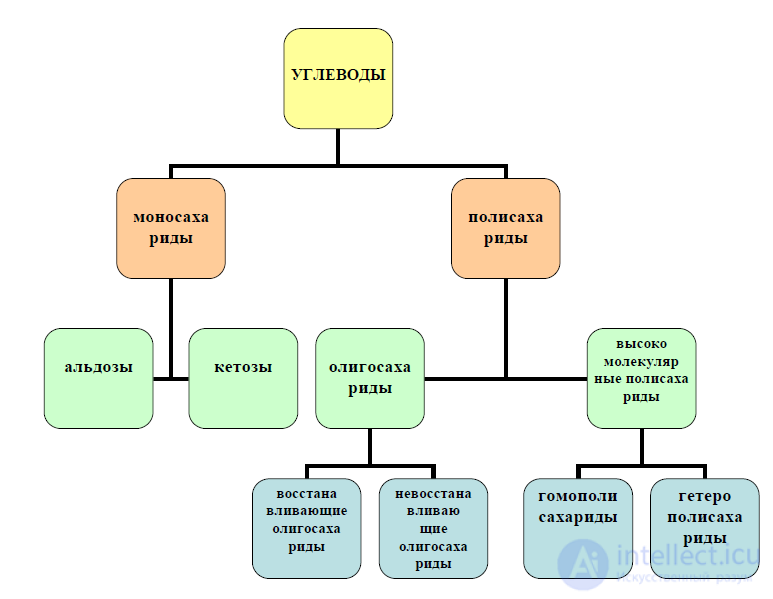
Figure 8 – Classification of carbohydrates
Monosaccharides are carbohydrates that are incapable of being hydrolyzed to form simpler carbohydrates. Most of these substances have a composition corresponding to the general formula CnH2nOn. They are subdivided into aldoses (containing an aldehyde group) and ketoses (containing a keto group). Examples of aldoses are glucose, galactose, arabinose, xylose, ribose; an example of a ketose is fructose. On the
other hand, monosaccharides are divided according to the number of carbon atoms in the molecule into trioses (three carbon atoms in the molecule), tetroses (containing four carbon atoms), pentoses (consisting of five carbon atoms), hexoses (six carbon atoms in the molecule) and so on.
The main representatives of the monosaccharide hexoses are glucose and fructose, which play an important role in food technology, are components of food products, and serve as the starting material in fermentation. Glucose is an aldohexose, and fructose is a ketohexose. The pentose monosaccharides (arabinose, ribose, xylose) are widespread in nature. They are mainly structural components of complex polysaccharides (pentosans, hemicelluloses, pectic substances), as well as of nucleic acids and other natural polymers. Arabinose, xylose, and ribose are aldopentoses. The molecules of complex carbohydrates are built from various numbers of monose residues. They are subdivided into oligosaccharides (first-order polysaccharides, sugar-like polysaccharides) and high-molecular-weight polysaccharides (second-order polysaccharides, non-sugar-like polysaccharides). The general formula of these substances is CmH2nOn. Oligosaccharides contain 2-10 monosaccharide residues. The most widespread oligosaccharides are those consisting of two monosaccharide residues – disaccharides: maltose (malt sugar), sucrose (beet or cane sugar), and lactose (milk sugar). According to their ability to participate in oxidation-reduction reactions, acting as a reducing agent, oligosaccharides are subdivided into reducing (maltose, lactose) and non-reducing (sucrose). Complex carbohydrates containing more than ten monosaccharide residues are called high-molecular-weight polysaccharides. High-molecular-weight polysaccharides consist of a large number of monose residues (up to 6,000-10,000). They are divided into homopolysaccharides, carbohydrates built from residues of a single type of monosaccharide (starch, dextrins (a product of the incomplete hydrolysis of starch), glycogen (animal starch), cellulose), and heteropolysaccharides (hemicelluloses, pectic substances, inulin, gums, mucilages), carbohydrates consisting of residues of various types of monosaccharides. Classification from the standpoint of assimilation in the body. From the standpoint of assimilation in the body, carbohydrates are divided into digestible and indigestible (dietary fiber) (figure 9).
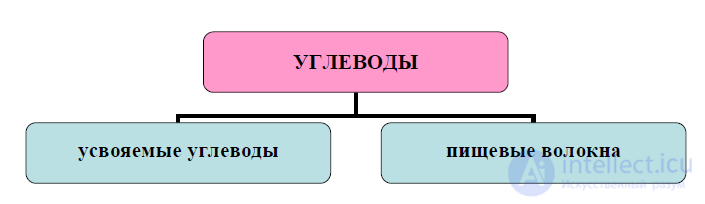
Figure 9 – Classification of carbohydrates by assimilation
Digestible carbohydrates are digested in the human gastrointestinal tract. These include mono- and disaccharides, dextrins, starch, and glycogen. Dietary fiber, accordingly, is not digested in the gastrointestinal tract. The indigestible ones are cellulose, hemicelluloses, pectic substances, inulin, gums, and mucilages. These polysaccharides are part of the cell walls of plants.
Classification by origin. By origin, carbohydrates are divided into:
- plant carbohydrates – arabinose, xylose, glucose, fructose, maltose, cellobiose, sucrose, dextrins, starch, cellulose, hemicelluloses, pectic substances, inulin, gums, mucilages;
- animal carbohydrates – lactose, glycogen.
The most widespread monosaccharides are those containing five or six carbon atoms. Among the pentoses, arabinose, xylose, and ribose are widespread. Among the hexoses, glucose, fructose, and galactose are more common. Ribose (figure 10) is the most important constituent of biologically active molecules responsible for the transmission of hereditary information and the transfer of chemical energy needed to carry out many biochemical reactions of a living organism, since it is part of ribonucleic acid (RNA), deoxyribonucleic acid (DNA), adenosine triphosphate (ATP), and so on.
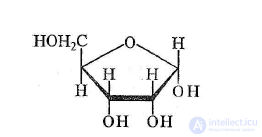
Figure 10 – Structural formula of ribose
Arabinose (figure 11) is part of hemicellulose.
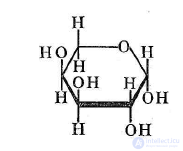
Figure 11 – Structural formula of arabinose
Xylose (figure 12) is part of hemicellulose.
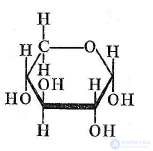
Figure 12 – Structural formula of xylose
Glucose (figure 13) is part of maltose, cellobiose, sucrose, lactose, starch, glycogen, cellulose, and hemicellulose.
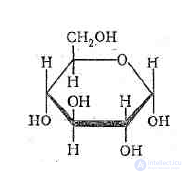
Figure 13 – Structural formula of glucose
Fructose (figure 14) is a constituent of sucrose and inulin.
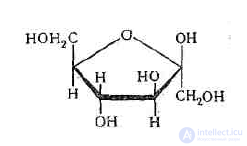
Figure 14 – Structural formula of fructose
Galactose (figure 15) is a constituent of lactose, and galactose derivatives are part of pectin.
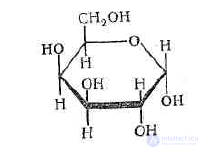
Figure 15 – Structural formula of galactose
Oligosaccharides are first-order polysaccharides, that is, they consist of 2-10 monosaccharide residues joined by glycosidic bonds. Among oligosaccharides, disaccharides are more widespread.
Maltose consists of two residues of an α-glucose molecule (figure 16). Maltose is formed as an intermediate product of the hydrolysis of starch or glycogen. It is contained in fairly large amounts in malt, and therefore it is called malt sugar.
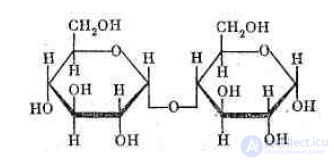
Figure 16 – Structural formula of maltose
Cellobiose consists of two residues of a β-glucose molecule (figure 17).
Cellobiose is part of cellulose and is formed as an intermediate product of its hydrolysis.
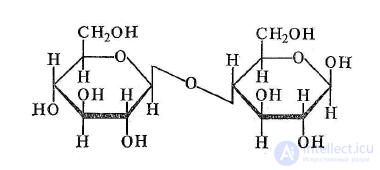
Figure 17 – Structural formula of cellobiose
Lactose consists of ß-galactose and α-glucose (figure 18). Lactose
is contained in milk and dairy products and is often called milk sugar.
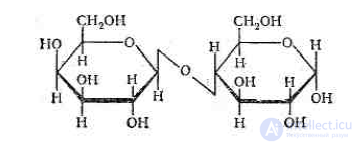
Figure 18 – Structural formula of lactose
Sucrose consists of α-glucose and ß-fructose (figure 19). Sucrose is a component of the widespread food product sugar. The hydrolysis of sucrose is carried out by the enzyme invertase; the hydrolysis of sucrose yields fructose and glucose. The raw materials for its production are sugar beet and sugar cane, and for this reason it is called beet or cane sugar.
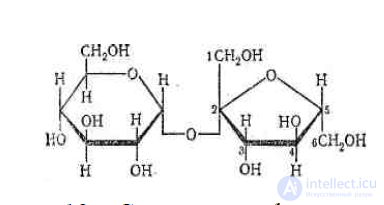
Figure 19 – Structural formula of sucrose
High-molecular-weight polysaccharides are made of a large number of carbohydrate residues. Polysaccharides can have a linear or branched structure.
Starch consists of α-glucose residues joined by a 1,4-glycosidic bond. Starch is also a polysaccharide that is a mixture of two types of polymers differing in spatial structure – amylose and amylopectin. Amylose is a linear polysaccharide in which the residues of α-glucose molecules are joined by a 1,4-glycosidic bond (figure 20).
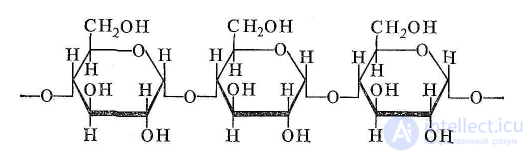
Figure 20 – Structural formula of amylose
Amylopectin is a branched polysaccharide in which the residues of α-glucose molecules are joined by 1,4- and 1,6-glycosidic bonds (figure 21). Starch is the main carbohydrate constituent of human food. It is the chief energy resource for humans.
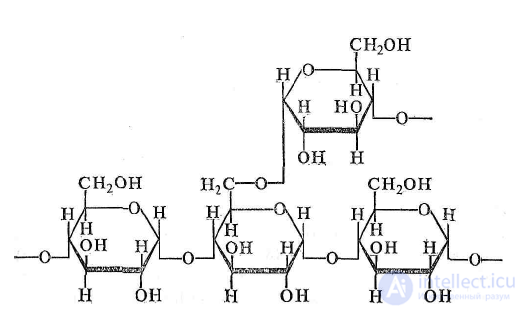
Figure 21 – Structural formula of amylopectin
Glycogen is starch of animal origin. It consists of α-glucose residues joined by 1,4- and 1,6-glycosidic bonds; branching in glycogen occurs at every 3-4 glucose units. Glycogen is a reserve nutrient of the living cell.
Cellulose consists of ß-glucose residues joined by a 1,4-glycosidic bond. Cellulose is a widespread plant polysaccharide; it is part of wood, the skeleton of stems and leaves, and the husks of grain crops, vegetables, and fruits. Cellulose is not broken down by the enzymes of the human gastrointestinal tract, and therefore in human nutrition it plays the role of dietary fiber,
i.e., it aids the cleansing of the human intestine. Pectic substances consist of residues of galacturonic acid and methoxylated galacturonic acid joined by 1,4-glycosidic bonds. Several varieties of pectic substances are distinguished:
- protopectin or insoluble pectin; it is found in a bound state with hemicellulose, cellulose, or protein;
- soluble pectin has a high degree of esterification with methyl alcohol residues; in an acidic environment and in the presence of sugar it is able to form jellies and gels, and therefore is used as a gelling agent;
- pectic acids have no methyl alcohol residues, and in this case pectic acid loses the ability to form jellies and gels.
- pectates – salts of pectic acid;
- pectinic acid;
- pectinates – salts of pectinic (polygalacturonic) acid.
Pectin is not assimilated by the human body and belongs to dietary fiber. Hemicelluloses are heteropolysaccharides, since their composition includes glucose, xylose, and arabinose. Residues of galactose and mannose are less common. Hemicelluloses are part of the cell walls of plants, including the walls of starch grains, hindering the action of amylolytic enzymes on starch.
Respiration is an exothermic process of the enzymatic oxidation of monosaccharides to water and carbon(IV) oxide. Respiration is the most important source of energy for humans. To carry out the process of respiration, a large amount of oxygen is required.

When there is a deficiency of oxygen or its absence, the process of fermentation of monosaccharides takes place. There are several types of fermentation in which various microorganisms take part. Alcoholic fermentation is carried out with the participation of yeast enzymes according to the following scheme:

As a result of the alcoholic fermentation reaction, under the action of the enzyme complex of yeast of the genus Saccharomyces, ethyl alcohol and carbon(IV)
oxide are formed. Monosaccharides are fermented by yeast at various rates. Glucose and fructose are fermented most easily, mannose more with difficulty, while galactose is practically not
fermented. Pentoses are not fermented by yeast. Along with monosaccharides, yeast can ferment the disaccharides maltose and sucrose, since
yeast possesses enzymes capable of breaking down the molecules of these two disaccharides into monosaccharides. Alcoholic fermentation plays an important role in the
production of beer, spirits, wine, and kvass, and in bread-baking. Along with the main products of fermentation – ethyl alcohol and carbon dioxide – during
alcoholic fermentation, by-products and secondary products of fermentation are formed:
glycerol, acetaldehyde, acetic acid, isoamyl alcohol, and other higher alcohols. These products affect the organoleptic properties of the products and can impair their quality.
Lactic acid fermentation is carried out with the participation of the enzymes of
lactic acid bacteria.
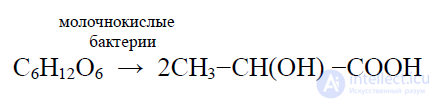
As a result of the lactic acid fermentation reaction, under the action of an enzyme complex, lactic acid is formed. Lactic acid fermentation plays an important role in the production of fermented milk products, bread kvass, rye bread, and the pickling of cabbage.
Butyric acid fermentation is carried out with the participation of the enzymes of butyric acid bacteria.

As a result of the butyric acid fermentation reaction, butyric acid, carbon(IV) oxide, and hydrogen are formed. This process occurs at the bottom of swamps during the decomposition of plant residues, as well as during the infection of food products by butyric acid microorganisms.
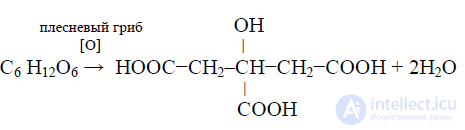
Citric acid fermentation is carried out with the participation of the enzymes of the mold fungus Aspergillus niger. mold fungus OH
As a result of the citric acid fermentation reaction, a molecule of citric acid is formed.
In the human body, carbohydrates perform a number of diverse functions.
1. Structural function – carbohydrates are part of the body's fluids, organs, and tissues.
2. Energy function – the oxidation of 1 g of carbohydrates releases 4 kcal or 16.74 kJ of energy.
3. Protective function – thus, glucuronic acid combines with certain toxic substances, forming non-toxic esters that, owing to their solubility in water, are removed from the body with urine; indigestible carbohydrates adsorb substances toxic to the body and then remove them from the body.
4. The regulatory function is diverse; for example, carbohydrates prevent the accumulation of ketone bodies during the oxidation of fats.
5. Toning function – the sensation of sweetness, perceived by the receptors of the tongue, tones the central nervous system.
6. Specialized functions – for example, heparin prevents the clotting of blood in the vessels, hyaluronic acid prevents the penetration of bacteria through the cell membrane, and so on.
One of the main functions of digestible carbohydrates is the energy function, but at the same time individual digestible carbohydrates possess a number of features and exhibit properties inherent only to them.
Glucose:
- is a structural element of most carbohydrates (maltose, lactose, cellobiose, lactose, sucrose, starch, glycogen, cellulose, hemicelluloses, inulin, dextrins), and therefore it can be said that it is one of the most widespread carbohydrates on earth;
- is the sugar in the form of which carbohydrates circulate in the blood, as well as a nutrient for the brain;
- the sweetness of glucose is 74 %.
Fructose:
- is a structural element of sucrose and inulin;
- has a special pathway of conversion into glycogen in the liver; this does not require
insulin, and therefore fructose can be consumed by people suffering from diabetes mellitus;
- is the sweetest monosaccharide; the sweetness of fructose is 173 %.
Lactose:
- promotes the development of lactic acid bacteria, which suppress the growth of pathogenic microorganisms; suppresses the undesirable microflora of the gastrointestinal tract;
- the sweetness of lactose is 16 %.
Maltose:
- is not fermented in the intestine, and therefore is useful for those suffering from diseases of the gastrointestinal tract;
- the sweetness of maltose is 32 %.
Sucrose:
- has no specific positive functions; is easily assimilated; performs only the energy function;
- the sweetness of sucrose is considered the reference standard and is 100 %.
Starch:
- is a reserve polysaccharide of plants (grain, potato);
- unlike sucrose, starch does not lead to a rapid increase in blood sugar, which can be noted as a positive point;
- is the main source of glucose.
Glycogen:
- is the main reserve carbohydrate; is a component of all tissues of animals and humans;
- serves as an important source of energy and a reserve of carbohydrates in the body;
- participates in the regulation of the water balance of cells.
Excessive consumption of digestible carbohydrates leads to the development of many diseases, primarily obesity, diabetes, atherosclerosis, and cancer of the large enter the human body and leave it in the same form. For this reason they were given the name ballast substances. Relatively recently, the attitude toward dietary fiber (indigestible carbohydrates) has changed sharply. It has been established that
dietary fiber possesses a number of beneficial properties, without which it is very difficult for the human body to function optimally.
One of the main functions of indigestible carbohydrates is protective, since they promote the removal of toxic substances from the body. In addition, dietary fibers are sorbents of water, and therefore retain water in the food bolus, and then in the undigested food residues. This property of dietary fiber facilitates the motor activity of both the entire gastrointestinal tract and the motor function (peristalsis) of the intestine.
Individual indigestible carbohydrates possess a number of features and exhibit properties inherent only to them.
Cellulose:
- creates favorable conditions for the movement of food through the gastrointestinal tract;
- normalizes the activity of the beneficial intestinal microflora;
- promotes the removal of cholesterol from the body;
- creates a feeling of satiety, thereby reducing appetite.
However, excessive consumption of cellulose leads to a decrease in the digestibility of the main nutrients.
Pectin:
- promotes the removal of heavy metals from the body;
- promotes the removal of free radicals from the body;
- participates in the suppression of the vital activity of putrefactive microorganisms;
- more effectively than cellulose, promotes the reduction of cholesterol in the blood and the removal of bile acids. intestine. At one time it was believed that carbohydrates indigestible in the human body were useless, irritated the intestinal mucosa, and in whatever form
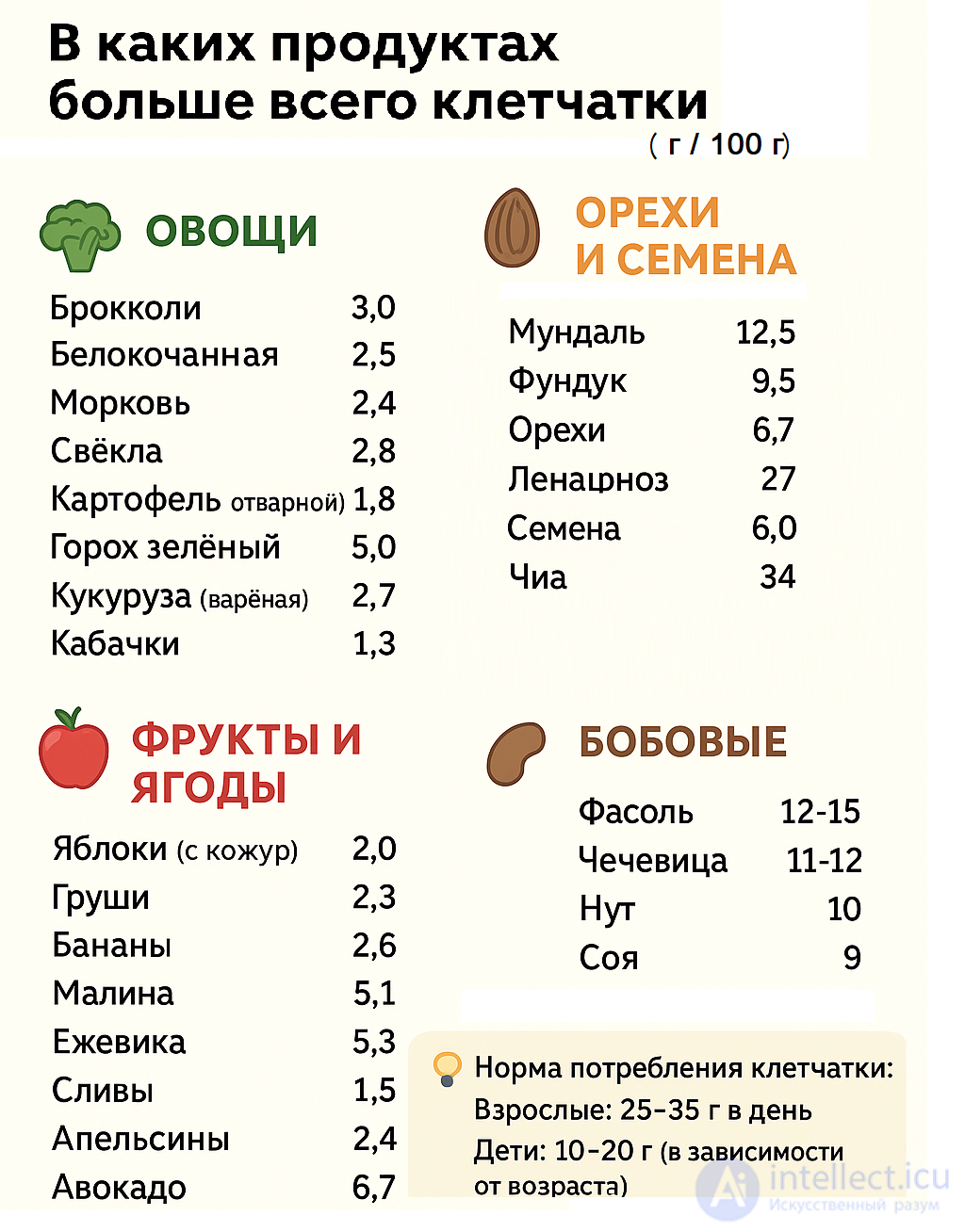
Roughage is complex carbohydrates of plant origin (cellulose, hemicellulose, pectins, lignin, etc.) that are not digested in the human stomach and small intestine, because we do not have enzymes that break them down.
Dietary fiber and roughage are essentially the same thing, but there is a small clarification:
Roughage is the main component of dietary fiber; most often it refers to cellulose (the structural polysaccharide of plant cell walls).
Dietary fiber (dietary roughage) is a broader concept, which includes:
cellulose (roughage proper),
hemicelluloses,
pectins,
lignin,
beta-glucans,
inulin and other indigestible plant polysaccharides.
Roughage is a part of dietary fiber.
All roughage is dietary fiber, but not all dietary fiber is specifically roughage.
Roughage is not a source of energy but a regulator of metabolism and digestion, ensuring the normal functioning of the gastrointestinal tract and of cholesterol and carbohydrate metabolism, as well as supporting the intestinal microflora.
Slows the emptying of the stomach → the feeling of satiety is maintained longer.
Stimulates intestinal peristalsis → prevents constipation.
Increases the volume of fecal matter → helps the normal functioning of the intestine.
Roughage absorbs water (like a sponge) and sorbs toxins, cholesterol, bile acids, and heavy metals → promotes their elimination.
Owing to this, it helps to lower cholesterol levels and reduce the risk of atherosclerosis.
Slows the absorption of glucose from the intestine → prevents sharp spikes in sugar after eating.
This is especially important for the prevention of type 2 diabetes.
In the large intestine, roughage is partially fermented by bacteria, forming short-chain fatty acids (butyric, acetic, etc.) — this is energy for the intestinal cells and support for immunity.
By improving the functioning of the intestine and the elimination of waste, roughage indirectly accelerates overall metabolism.
Reduces the risk of obesity and of disorders of lipid and carbohydrate metabolism.
Adults: 25–35 g per day
Children: 10–20 g (depending on age)
The presence of carbohydrates in food raw materials and food products gives them a number of properties.
1. Sweetness. One of the most important functions of low-molecular-weight carbohydrates is imparting a sweet taste to food products. Table 3 gives
a characterization of the relative sweetness of various carbohydrates and sugar substitutes compared with sucrose, whose sweetness is taken as 1 unit of relative
sweetness or 100 %.
Table 3 – Relative sweetness of carbohydrates and some sugar substitutes
Carbohydrates Relative
sweetness
Carbohydrates or
sugar substitutes
Relative
sweetness
Sucrose 1 α-D-lactose 0.16
ß-D-fructose 1.73 ß-D-lactose 0.32
α-D-glucose 0.74 Xylose 0.40
ß-D-glucose 0.82 Sorbitol 0.63
α-D-galactose 0.32 Xylitol 0.90
ß-D-galactose 0.21 Cyclamates 30
α-D-mannose 0.32 Aspartame 200
ß-D-mannose bitter Saccharin 500
2. Hydrophilicity. The presence of carbohydrates in food products gives the products the ability to retain moisture, since hydrogen bonds arise between the hydroxyl groups of carbohydrate molecules and the oxygen atoms of water molecules. For example, the staling of bakery products and flour confectionery products is slowed down.
3. Aroma fixatives. Aromatic substances formed during the production of food products or introduced during the technological process are fixed in the food owing to the hydrogen bonds that previously retained water. Simply put, one can say that the water present in food raw materials is replaced by aromatic substances

4. Organoleptic properties. Carbohydrates in food products participate in chemical transformations, in the course of which substances are formed that give rise to taste, smell, color, and other specific properties. A classic example is the melanoidin-formation reaction – the reaction of the interaction of reducing disaccharides and monosaccharides with amino acids, peptides, and proteins. Melanoidins (melanoids) are formed – brown-colored substances having a characteristic taste and aroma.
5. Therapeutic and prophylactic functions. Some carbohydrates give food therapeutic and prophylactic functions. For example, fructose has a special pathway of conversion into glycogen in the liver; this does not require insulin, and therefore it can be consumed by people suffering from diabetes mellitus. Dietary fiber normalizes the activity of the beneficial intestinal microflora, promotes
the removal of cholesterol, heavy metals, free radicals, and bile acids from the body.
During technological processing, the carbohydrates of the raw material undergo a number of transformations. Caramelization. The caramelization reaction is carried out when solutions of glucose, fructose, and sucrose are heated above 100 °C. In this process, various transformations of the carbohydrates take place, and the type of products of the caramelization reaction depends on the concentration of the carbohydrate solution. Let us consider the caramelization reaction of sucrose.
1. Caramelization of low-concentration solutions (carbohydrate content 10-30 %). When sucrose is heated in a weakly acidic medium, partial hydrolysis (inversion) occurs with the formation of glucose and fructose. Water is split off from the hydrolysis products, and substances called anhydrides are formed. The anhydrides then interact with glucose and fructose, and with each other. If three molecules of water are split off, an anhydride called hydroxymethylfurfural is formed. Further breakdown leads to the destruction of the carbon skeleton and the formation of formic and levulinic acids.
carbohydrate → anhydrides → hydroxymethylfurfural → formic acid + levulinic acid
2. Caramelization of high-concentration solutions (carbohydrate content 70-80 %).
In the first stage of the caramelization reaction, two molecules of water are split off from the sucrose molecule. Caramelan (C12H18O9) is formed, consisting of anhydro rings
containing double bonds in the ring, which have a light-brown color. In the second stage, three molecules of water are split off, condensation takes place, and
caramelen (C36H50O25) is formed, having a dark-brown color. In the third stage, condensation of sucrose molecules occurs and caramelin (C125H188O80) is formed, having a dark-brown color; it is poorly soluble in water.
carbohydrate → caramelan → caramelen → caramelin
. The reaction of the interaction of reducing disaccharides and monosaccharides with amino acids, peptides, and proteins. As a result of the interaction of the carbonyl (aldehyde or ketone) group of carbohydrates and the amino group of proteins, peptides, and amino acids, multistage transformations of the reaction products occur with the formation of glucosamine, which undergoes rearrangement, and then melanoidin
pigments are formed, having a dark-brown color, a specific taste, and a specific smell.
reducing carbohydrate + amino acid → glucosamine → melanoidins
The melanoidin-formation reaction is the main cause of the non-enzymatic browning of food products. Such browning occurs during the baking of bread, during the drying of malt, during the hopping of beer wort, and during the drying of fruits. The rate of the reaction depends on the composition of the interacting products, the pH of the medium, temperature, and humidity. As a result of the melanoidin-formation reaction, the content of carbohydrates, vitamins, and amino acids, including essential ones, decreases, which leads to a change in the quality of the finished product and a decrease in its nutritional, biological, and energy value. There is evidence that the products of the melanoidin-formation reaction reduce the assimilation of proteins. Hydrolysis. The enzymatic breakdown of carbohydrates is accelerated by amylolytic, cytolytic, and pectolytic enzymes. The hydrolysis of starch is carried out by amylolytic enzymes. This is the most important reaction occurring during the technological processing of raw materials in the production of beer and spirits.
The enzyme α-amylase hydrolyzes starch acting randomly, breaking the
1,4-glycosidic bond with the formation of dextrins and a small amount of
maltose and α-glucose.

The enzyme α-amylase, acting on the starch grain, forms channels, splitting the polysaccharide into parts (figure 22). The enzyme ß-amylase hydrolyzes starch acting from the non-reducing end of the chain (i.e., not from the side of the aldehyde group), breaks the 1,4-glycosidic bond, and forms a larger amount of maltose and a smaller amount of dextrins.
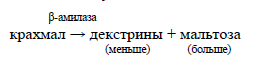
At the branching points of amylopectin, the action of ß-amylase ceases; in this case a small amount of dextrins remains (figure 23). The enzyme glucoamylase acts from the end of the chain, splits off one molecule of glucose, breaks the 1,4-glycosidic bond; at the branching points of amylopectin the action of glucoamylase ceases and a small amount of unhydrolyzed dextrins remains.
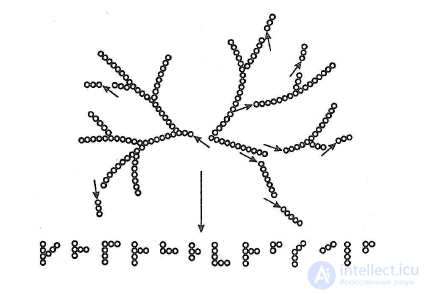
Figure 22 – Scheme of the hydrolysis of starch by the enzyme α-amylase
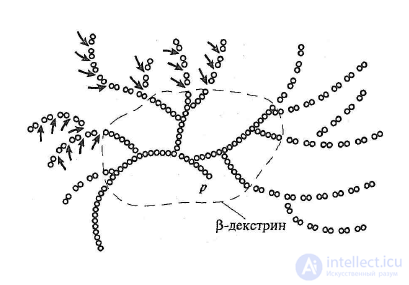
Figure 23 – Scheme of the hydrolysis of starch by the enzyme ß–amylase
The hydrolysis of starch under the combined action of the three amylases can be represented in the form of a scheme:
starch → amylodextrins → erythrodextrins → achrodextrins → maltodextrins → maltose → α-glucose
The hydrolysis of glycogen is carried out by amylolytic enzymes. The hydrolysis of cellulose is accelerated by cytolytic enzymes. The process proceeds in several stages:
cellulose → cellodextrins → cellobiose → β-glucose
The hydrolysis of hemicelluloses is carried out by cytolytic enzymes, which include endo-ß-glucanase, arabinosidase, and xylanase. Hemicelluloses are unable to dissolve in water and considerably hinder the hydrolysis of starch. Under the action of the enzyme endo-ß-glucanase, a glucose residue is split off; under the action of the enzyme arabinosidase, an arabinose residue is split off; and under the action of the enzyme xylanase, a xylose residue is split off. During the partial hydrolysis of hemicellulose,
gums or amylans are formed, which have a lower molecular weight, dissolve in water, forming viscous solutions.
The hydrolysis of pectin is carried out by pectolytic enzymes. Soluble pectin is converted from insoluble pectin into a soluble state under the action of the enzyme protopectinase or in the presence of dilute acids. In this process, pectin is split off from hemicellulose or other binding
components. Soluble pectin is able, in an acidic medium and in the presence of sugar, to form jellies and gels. Pectic acids are formed from soluble pectin under the action of the enzyme pectase (pectinesterase) or in the presence of dilute
alkalis, and in this process pectic acid loses the ability to form jellies and gels.
As a result of the action of the enzyme pectase, methyl alcohol is split off from the soluble pectin.
The hydrolysis of sucrose is carried out by the enzyme invertase (sucrase); the hydrolysis of sucrose yields β-fructose and α-glucose. This process is called the inversion of sucrose.
1. Which chemical substances belong to the carbohydrates? Give a general characterization of carbohydrates.
2. What is the energy value of carbohydrates equal to?
3. State the daily requirement of the human body for carbohydrates.
4. What underlies the classifications of carbohydrates? Which classifications of carbohydrates are you familiar with?
5. Into which groups are carbohydrates divided by origin? Give examples.
6. Into which groups are carbohydrates divided by structure? Give examples.
7. Characterize each carbohydrate from the standpoint of all three classifications; for example: glucose is a monosaccharide, a hexose, an aldose, a digestible carbohydrate, and is of plant origin.
8. Characterize the monosaccharides. Give examples. Into which groups
are monosaccharides divided?
9. Characterize the polysaccharides. Give examples.
10. Into which groups are polysaccharides divided?
11. What is the chemical structure of polysaccharides?
12. Into which groups are oligosaccharides divided? Give examples of reducing and non-reducing disaccharides. Characterize them.
13. Into which groups are high-molecular-weight polysaccharides divided? Give examples of homopolysaccharides and heteropolysaccharides. Characterize them.
14. Into which groups are carbohydrates divided by assimilation in the human body? Give examples.
15. Characterize individual digestible mono- and polysaccharides.
16. Characterize individual dietary fibers.
17. What is amylose? Write its structural formula. Characterize it.
18. What is amylopectin? Write its structural formula. Characterize it.
19. Tell about the process of respiration. How is it connected with carbohydrates?
20. Which types of fermentation are you familiar with? Tell about individual types of fermentation.
21. Formulate the physiological functions of carbohydrates.
22. The sweetness of which carbohydrate is taken as the reference standard?
23. In what way does dietary fiber perform a protective function in the human body?
24. List the functions of cellulose in the human body
25. List the functions of pectic substances in the human body.
26. Characterize the hydrophilicity of carbohydrates.
27. Characterize the ability of carbohydrates to fix aromatic substances in food products.
28. Characterize the ability of carbohydrates to act as therapeutic and prophylactic additives in food products.
29. Explain what the caramelization reaction is. What significance does it have in the production of food products?
30. Tell about the process of caramelization of low-concentration carbohydrate solutions. Which products are formed in this process?
31 Tell about the process of caramelization of high-concentration carbohydrate solutions. Which products are formed in this process?
32. Explain what the Maillard reaction is. What significance does it have in the production of food products?
33. Tell about the process of the enzymatic hydrolysis of starch.
34. List the intermediate products of the hydrolysis of starch.
35. What are the enzymes that accelerate the hydrolysis of starch called?
36. What are the enzymes that accelerate the hydrolysis of cellulose and hemicelluloses called?
37. What are the enzymes that accelerate the hydrolysis of pectic substances called?
38. What are the enzymes that accelerate the hydrolysis of glycogen called? How does glycogen differ from starch?
39. What is the process of the hydrolysis of sucrose called? Name the products of the hydrolysis of sucrose.

Comments