
Lecture
Socio-economic infrastructure is a system of material and organizational elements designed to sustain and develop the economy and to meet the social needs of society. This infrastructure plays a key role in creating favorable conditions for people's lives and work, as well as for the development of business and the economy of the country as a whole.
Economic infrastructure (from Lat. infra — below, under + structura — structure, arrangement) —
a set of branches and types of activity that service production and the economy as a whole, creating for them, as it were, a common foundation, a support. Economic infrastructure includes transport and communications facilities, warehousing, power and water supply, and so on. The range of branches classified as economic infrastructure is defined differently in different countries. Their common purpose is to simplify and make more efficient the flows of goods and services between sellers and buyers. Some authors also include in economic infrastructure science, healthcare and the education system, calling them the non-productive (social) infrastructure of the economy
Social infrastructure — a set of branches and enterprises that functionally ensure the normal life activity of the population. This includes: housing and its construction, facilities for social and cultural purposes, the entire sphere of housing and communal services, enterprises and organizations of the healthcare, education and preschool upbringing systems; enterprises and organizations related to recreation and leisure; public catering, the service sector, sports and recreational institutions; passenger transport and communications serving the population; the system of institutions providing legal and financial-credit services (legal consultations, notary offices, savings banks, banks), and others .
Factors of social infrastructure:
1) The consumer factor – the main factor (distribution of the population);
2) The natural-resource factor (associated with bodies of water, forests, mountains);
3) The "knowledge-intensive" factor (gravitates toward scientific centers. For example: higher education (university, institute));
4) The transport factor (when siting infrastructure facilities, transport accessibility for the population is always taken into account)
Socio-economic infrastructure includes the following main elements:
Transport infrastructure: Roads, bridges, railways, airports, ports and other means of transport that ensure the movement of goods and people within the country and between different regions and countries.
Energy infrastructure: Power plants, gas pipelines, oil pipelines, electricity distribution networks and other facilities that provide the supply of energy for production and household needs.
Communications infrastructure: Telephone networks, internet infrastructure, mobile communication networks and other means of communication that allow people and companies to communicate and transmit information.
Educational and scientific infrastructure: Schools, universities, research centers and libraries that provide access to education and knowledge.
Healthcare infrastructure: Hospitals, polyclinics, pharmacies and other institutions providing medical services and medicines.
Housing infrastructure: Residential buildings, apartments, multi-apartment houses and infrastructure for living, such as water supply, sewage and waste removal.
Financial infrastructure: Banks, exchanges, stock markets and other financial institutions supporting financial operations and investments.
Social services: Social services providing assistance and support to the population, such as social security, pensions and social assistance.
First of all, it should be noted that the distinction of social infrastructure is one of the most widespread classifications of economic infrastructure, which in this case is divided into productive and non-productive (social) . Social infrastructure — these are branches and sub-branches that are indirectly linked to the production process in the sense of ensuring the conditions for the population's labor and social activity, activity in the sphere of culture, everyday life, and social and interpersonal communication .
In turn, social infrastructure is divided into :
Starting from the middle of the 20th century, in all countries with developed market economies, the process of developing social infrastructure sharply accelerated. The unfolding of the scientific and technological revolution, first, required a sharp increase in the quality of the labor force through the development of intellect, the strengthening of health, and changes in labor motivations, which stimulated the development of various spheres of social infrastructure. Second, a qualitatively new, technologically advanced material and technical base was created in the branches and spheres of social infrastructure, which ensured the high efficiency of its functioning. Third, the unfolding of the scientific and technological revolution in the branches of material production was accompanied by a significant reduction in the number of people employed, which created the possibility of a substantial redistribution of the labor force into the service sector, including into the branches of social infrastructure.
The development and effective functioning of the facilities that make up social infrastructure, and their accessibility to the population, are an important condition for raising the standard and quality of life of the bulk of the country's population.
Assessments of social infrastructure play an important role in modern statistical studies conducted both by individual countries and by international organizations for the purpose of providing appropriate assistance. For example, the World Bank uses the following indicators :
The national economy as a system possesses a number of both general systemic and particular properties. The national economy is a multidimensional system included in the world economy, each component of which is itself a system. Specific properties of the national economy, which are absent in its individual components and are characteristic of the system as a whole :
The world leader in infrastructure investment is China, which spends an average of 8.5% of GDP. Russia spends about 3.2% of GDP annually for similar purposes .
In 2010, infrastructure investment amounted to: in the USA — 1.0% of GDP, in China — 10.9% of GDP, in Germany — 1.3% of GDP. A separate problem is presented by the assessment of the return on such investments, which is often measured in non-monetary terms. For example, according to American experts, in the USA the investment of 1 million dollars in the construction of transport facilities creates 35,000 jobs.
To analyze the socio-economic infrastructure and prospects for labor market development in your region, it is necessary to take into account the specific characteristics and conditions of that region. However, general recommendations and factors can be provided that may influence the development of socio-economic infrastructure and the labor market in your region.
Type of region: The development of socio-economic infrastructure and the labor market depends on whether your region is urban, rural or industrial. Each type of region has its own characteristics and needs.
Infrastructure: Assess the state of transport, educational, medical and communications infrastructure in your region. The presence of quality infrastructure can attract investment and contribute to the creation of new jobs.
Economic factors: Study the economic base of your region. Which industries predominate? Which companies and enterprises are active in the region? Analysis of the economic situation will help determine the potential for labor market growth.
Education and skills: The development of education and support for training and retraining can contribute to preparing the personnel needed for modern industries and enterprises.
Investment: Attracting investment to the region can create new jobs and contribute to economic growth. Finding investors and developing investment projects are important for this purpose.
Innovation and technology: Keep track of trends in innovation and technology. Develop sectors related to high technology in order to create high-paying jobs.
Social programs: Develop and support social programs and support measures for local residents, especially for those who may be experiencing difficulties in the labor market.
Cooperation with business: Cooperation with local entrepreneurs and companies can contribute to the creation of new jobs and the development of small and medium-sized businesses.
Environmental sustainability: Pay attention to environmental sustainability and the development of "green" industries, as this can become a source of new jobs and economic growth.
Government support: Explore opportunities for obtaining financial and organizational support from the state at the federal and regional levels.
Analyzing and taking these factors into account will help develop a strategy for the development of socio-economic infrastructure and the labor market in your region, taking into account its unique needs and opportunities.
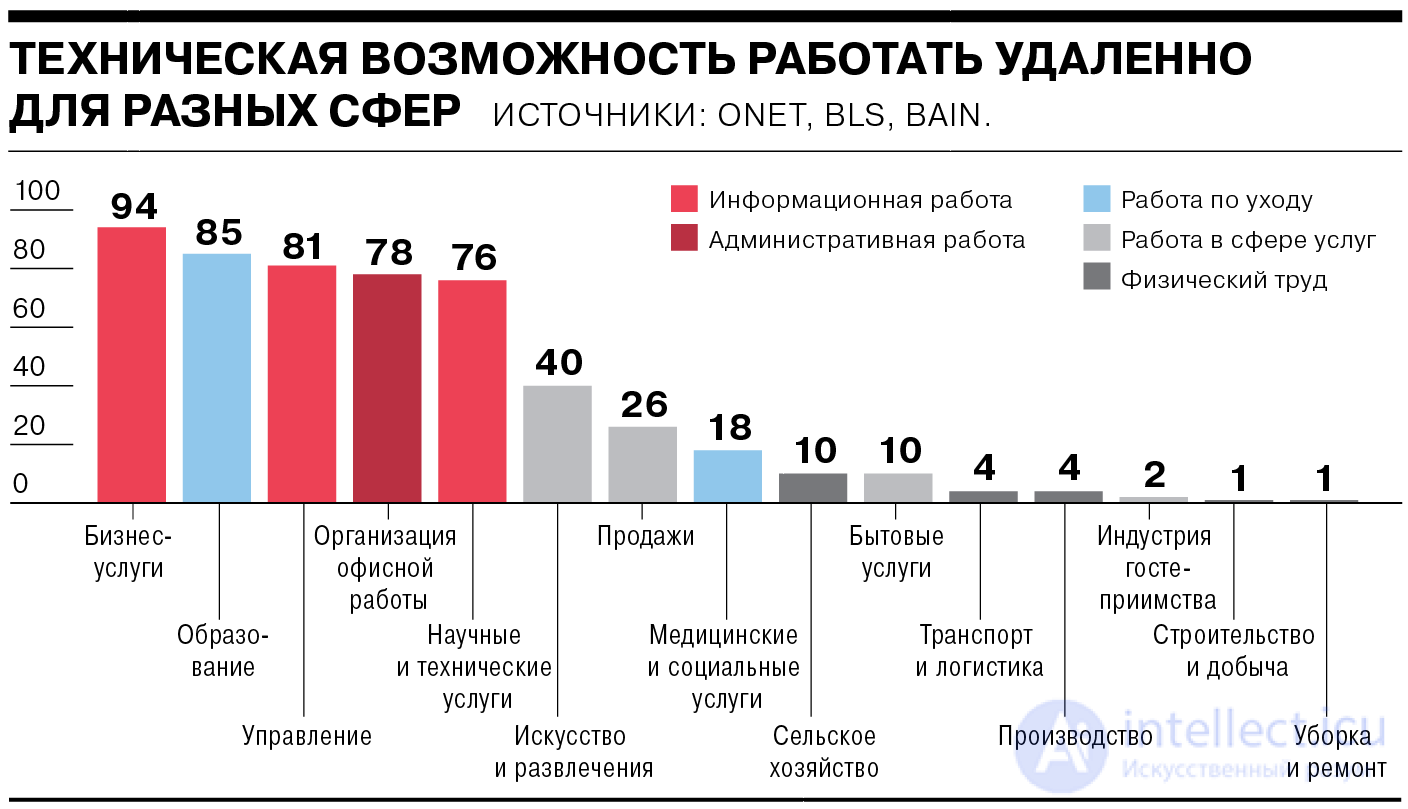
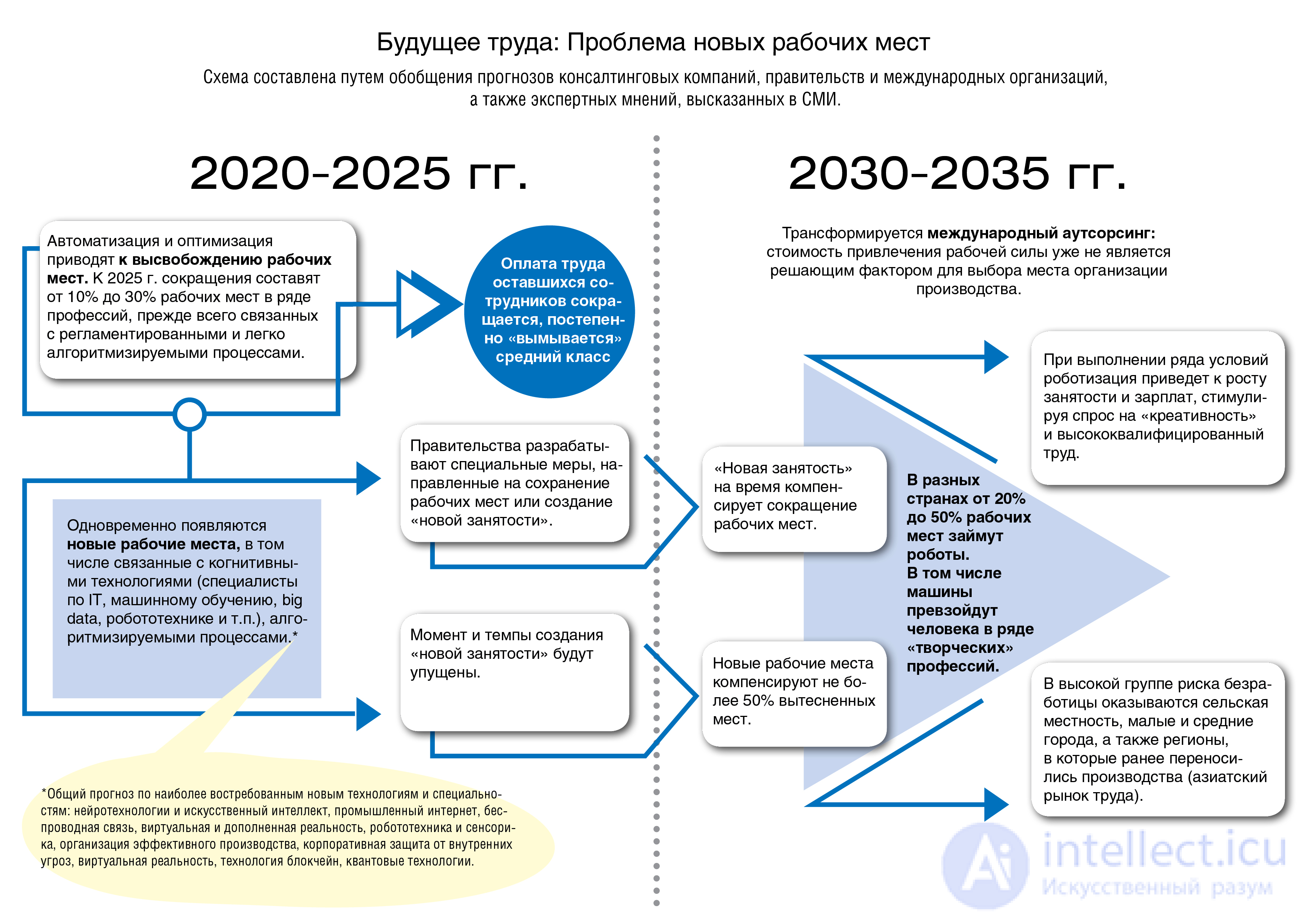
The state of the labor market can vary greatly depending on the country, the region and the current economic situation. A general context that may help you understand what factors can influence the labor market regardless of time.
Unemployment rate: This is one of the key indicators of the labor market situation. High unemployment may indicate difficulties in finding work, while a low unemployment rate may indicate demand for labor.
Economic growth: Economic growth is usually accompanied by an increase in the number of jobs and a decrease in unemployment.
Seasonal and structural changes: The situation in the labor market can change depending on the time of year and structural changes in the economy. For example, some industries may be seasonally dependent.
Education and skills: Workers' skills and qualifications can affect their ability to find work and earn high wages.
Technological change: Automation and technological change can affect demand for certain types of labor. For example, some jobs may be replaced by robots or software solutions.
Employment policy and social programs: Government policy and social programs can affect the labor market situation by providing support to the unemployed and creating incentives for enterprises to create jobs.
Demographic factors: The structure of the population, including age and gender, can also affect labor supply and demand.
Migration: The migration of labor between regions and countries can have an impact on the labor market.
Features of new professions and the decreasing need for some existing ones.
To get more detailed and up-to-date information about the labor market situation in your region, you may need to contact local labor statistics agencies, employment institutions, economic research organizations and other data sources.
The evolution of technology and changes in social and economic conditions can affect demand for various professions. Below are some features of new professions and the decreasing need for some existing ones:
Features of new professions:
Information technology (IT): Professions related to information technology, such as software developers, data analysts, cybersecurity specialists and artificial intelligence specialists, are becoming increasingly in demand. The growth of the internet, cloud technologies and digital transformation of companies is driving demand for such professions.
Green energy: Specialists in renewable energy sources, energy conservation and sustainable development may find new opportunities in connection with growing interest in environmentally friendly technologies.
Healthcare and medicine: With population growth and an aging population, demand is increasing for medical specialists, including doctors, nurses, pharmacists and technologies in the field of telemedicine.
Digital marketing and social media: Due to the growth of online sales and advertising, specialists in digital marketing, content management and social media are becoming increasingly in demand.
Robotics and automation: Professions related to the creation, maintenance and programming of robots and automated systems may become more important in manufacturing and logistics.
Decreasing need for some existing professions:
Manufacturing: Manual production may decrease due to the automation of production processes and the use of robots.
Traditional retail sales: With the development of online trade and automated sales systems, demand for traditional salespeople may decline.
Banking: The introduction of fintech technologies and internet banking may reduce the need for bank cashiers and branch employees.
Manual labor in agriculture: Many tasks related to agriculture may be automated using agricultural robots and drones.
Unskilled labor: In some cases, unskilled labor may be replaced by automated systems.
These trends may vary depending on the country, region and specific industry. For successful adaptation to changes in the labor market, workers should pay attention to developing skills that correspond to new professions, and readiness to learn new technologies and methods of work.
Socio-economic infrastructure is of enormous importance for the economic growth and development of society, since it facilitates production, education, healthcare and other aspects of life. The development and maintenance of this infrastructure are important tasks of state policy and the business sector.

Comments