
Lecture
General principles for designing an instruction sheet for the victims of a disaster. The structure of the instruction sheet consists of three parts. The first part should set out the feelings and emotions that people typically experience after a traumatic event: helplessness, sadness, numbness, anger, fear, guilt, fatigue and exhaustion, muscular tension, heart palpitations, and so on. The second part of the instruction sheet lists the somatic sensations that accompany a person after a traumatic event: insomnia, impaired memory and concentration, dizziness, headaches, and other changes in sensation, and so on. The third part of the instruction sheet presents states that may arise after the experience: numbness, hyperactivity, withdrawal, and so on. The instruction sheet lists the main ways of reducing negative tension: what should and should not be done. A list of conditions is given for when it is necessary to seek professional psychological help. The instruction sheet includes, at least twice, texts that foster a positive attitude toward the traumatic state.
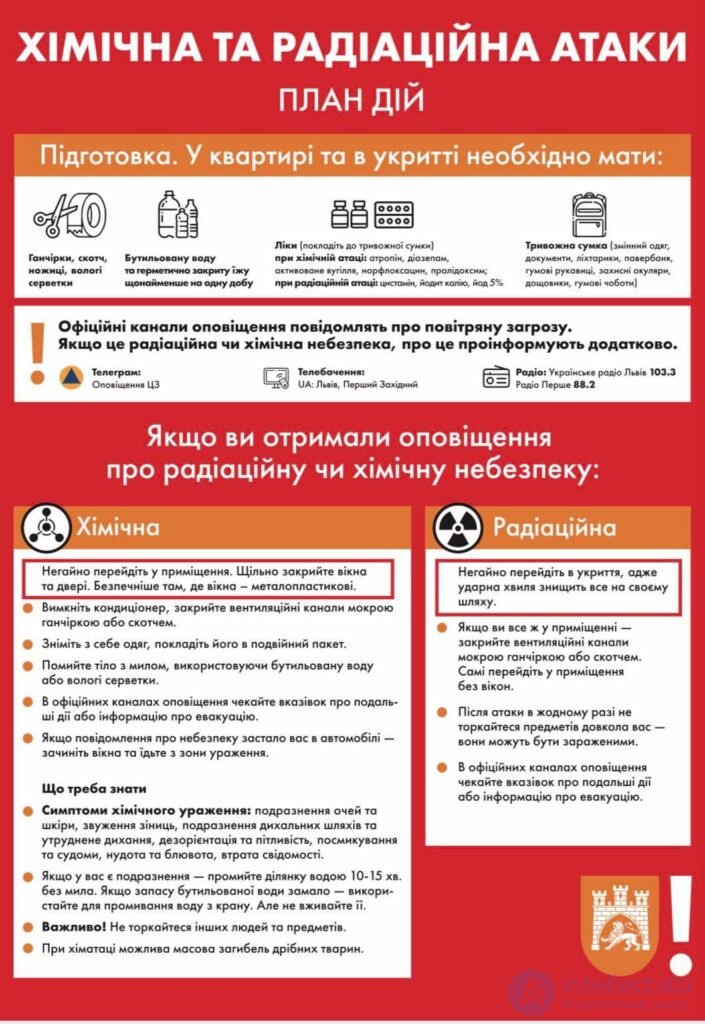
If a disaster has already occurred, it is important to act based on the existing situation and priorities. In such cases, instructions can be extremely useful for organizing actions and maximizing safety and support for all those affected. Here are some actions that may help in this situation:
Ensure your safety: Try to assess the current situation and make sure you are in a safe place. If possible, move away from danger.
Help yourself first: Take care of your own safety and health. This will allow you to help others better.
Seek help: Call the emergency services (police, fire department, medical assistance) and follow their instructions.
Provide first aid: If you have first-aid skills and it is safe to do so, help the injured by providing them with the necessary medical assistance.
Gather together: Try to bring together all your loved ones and other affected people in a safe place, if it is safe to do so.
Follow the authorities' instructions: After a disaster, it is important to follow the instructions and recommendations of the authorities and rescue services.
Psychological support: Keep in mind that external and psychological stress can be high after a disaster. Try to support one another and seek psychological help if necessary.
Use available resources: If you have access to information and resources, use them to ensure safety and comfort.
Stay connected: Try to stay in touch with relatives and loved ones to let them know your condition and whereabouts.
Completion and recovery: After a disaster, a prolonged period of time may be needed for recovery and a return to normal life. Focus on the recovery stage and seek help if you need support.
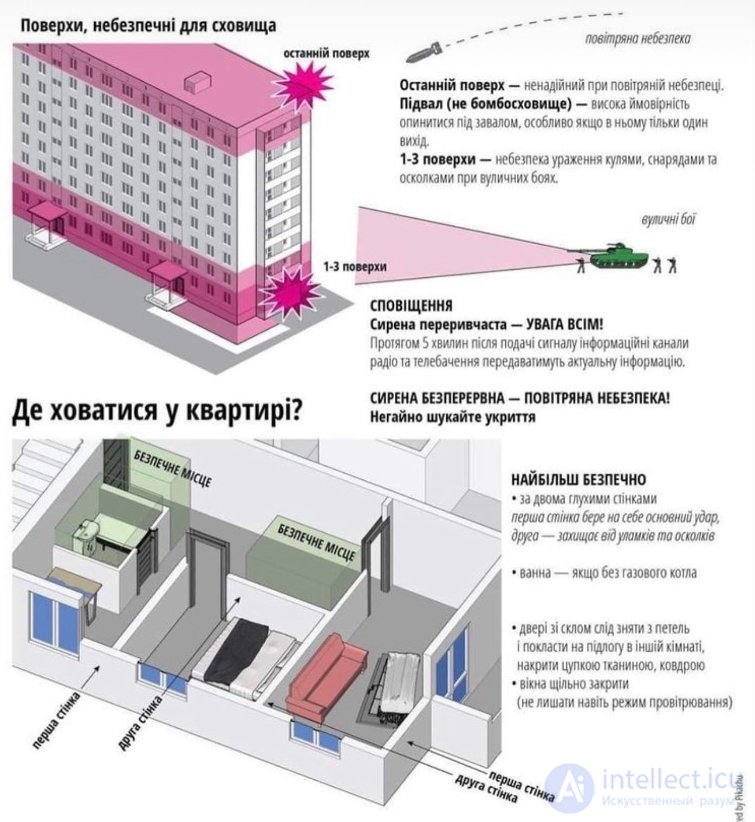
an example of an infographic (booklet)
Remember that it is important to act wisely and to remain calm in a crisis situation. Effective actions can help save lives and ease the consequences of the disaster.

Comments