
Practice
Apple skipped from macOS 15 straight to macOS 26 in order to synchronize macOS numbering with iOS, iPadOS, and other systems. This is a marketing and strategic move — not a technical mistake. This way, all Apple platforms now stay «in step» with their version numbers.
Apple officially explained the version jump by saying that all of its operating systems will now be labeled by release year, rather than by the «traditional» sequential numbering.
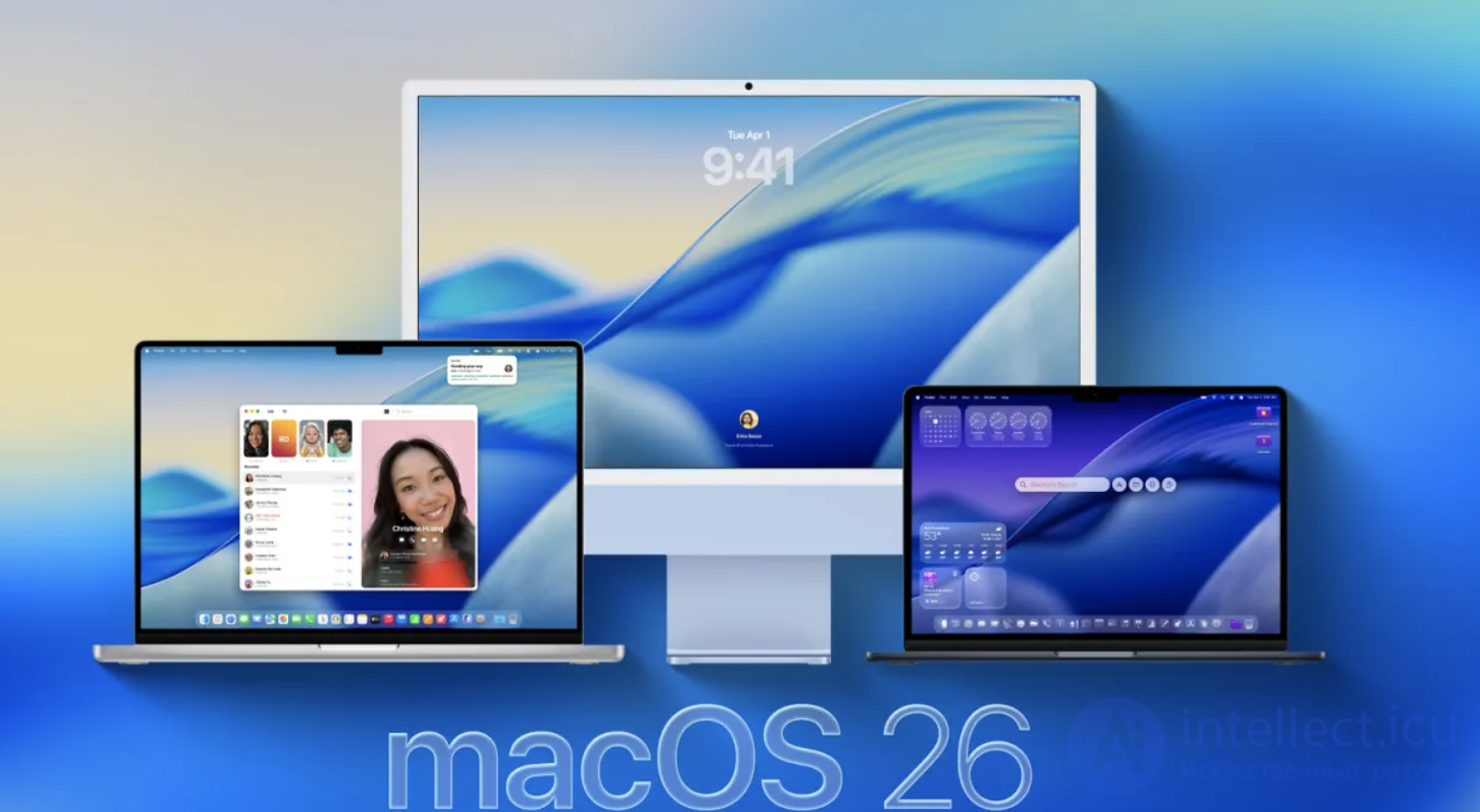
Year-based labeling: the version number now corresponds to the year. For example, all OSes released in 2025 got the number 26.
Analogy with the auto industry: just as a car's model year can be «2026», even if the car comes out in 2025, macOS/iOS/iPadOS are now synchronized by «year indices».
Ecosystem unification
Version unification: Apple decided it would be easier for users to navigate if macOS and iOS had the same numbers. For example, iOS 26 and macOS 26 are released in parallel.
Marketing logic: the number «15» looked «outdated» next to iOS 26. The jump emphasizes the modernity of macOS and its equal status among the other systems.
A symbolic relaunch: the new macOS Tahoe 26 brought major changes — the Liquid Glass design, updated apps, and Apple Intelligence integration.
| Feature | Description |
|---|---|
| Liquid Glass | A new translucent interface with light and depth effects. |
| Updated apps | Safari, Photos, Music, FaceTime and others received a redesigned look and new features. |
| Apple Intelligence | AI integration for smart suggestions, automation, and search. |
| Unified ecosystem | macOS, iOS, and iPadOS versions are now synchronized by number. |

Comments