
Lecture
1 The concept of diet
2 The concept of metabolism and other basic concepts
3 The calorie as a measure of the amount of energy involved in metabolism
4 Metabolism
5 Interactions of hormones involved in plastic and energy metabolism (catabolism and anabolism), regulation of metabolism, metabolic disorders
6 Factors affecting metabolic rate
7 Digestion and absorption
8 Components of foods and their metabolism
9 The importance of physical activity, comparison of aerobic and anaerobic training
Conclusions
The word "diet", which in Ancient Greece meant "way of life, regimen of eating," after repeated transformation from the original dio, dies (day), is today interpreted as "the ration and regimen of eating prescribed to a patient."
Nutrition science now includes dietetics, which studies the nutrition of healthy and sick people, develops the foundations of rational nutrition and methods of organizing it, and diet therapy (therapeutic nutrition), i.e., a method of treatment consisting in the use of a specific diet.
Thus, diet is regarded today not only as one of the effective means of comprehensive treatment of many ailments, but also as a means contributing to their prevention. However, in the past — both the distant and the not so distant — the most brilliant minds arrived at this empirically. Thus, at the end of the 18th century, the founder of German idealism Immanuel Kant wrote, in particular, in "The Conflict of the Faculties" that dietetics is the art of preventing diseases.
Metabolism is the process of exchange of substances in the human body; its rate depends on many factors, such as total body mass, the amount of adipose tissue, and the individual health of the particular person. Speeding up metabolism can help lose weight faster. Below are a few tips for speeding it up. Metabolism, or exchange of substances, is the totality of biochemical processes and vital processes of the cell. It ensures the existence of living organisms. Processes of assimilation (anabolism) and dissimilation (catabolism) are distinguished. These processes are different sides of a single process of metabolism and energy transformation in living organisms.
From a scientific standpoint, metabolism is a biochemical process of the body in which calories from food are converted into the energy needed to sustain life. Metabolism begins with digestion and physical activity and ends with breathing at night, when the body is completely relaxed and the body continues to supply the internal organs with oxygen.
Metabolism cannot be sped up by eating certain foods. Moreover, when the metabolic rate increases, appetite rises, and this is certainly not what people trying to lose weight want. There are chemical medicinal substances that can alter metabolism; however, they may cause the development of cancer. Therefore, it is better to use classical methods of influencing metabolism.
Assimilation refers to the processes associated with the uptake, absorption and accumulation of chemical substances that are used for the synthesis of compounds needed by the body.
Plastic metabolism is the totality of synthesis reactions that ensure renewal of the chemical composition and cell growth.
Dissimilation refers to the processes associated with the breakdown of substances.
Energy metabolism is the totality of reactions of breakdown of complex compounds with the release of energy. In the course of their life activity, organisms absorb energy from the environment in certain forms. They then return an equivalent amount of it in another form.
Assimilation processes are not always balanced with dissimilation processes. Accumulation of substances and growth in developing organisms are provided by assimilation processes, so these predominate. Dissimilation processes predominate in nutrient deficiency, intense physical work, and aging.
Assimilation and dissimilation processes are closely related to the types of nutrition of organisms. The main source of energy for living organisms on Earth is sunlight. It satisfies their energy needs indirectly or directly.
Autotrophs (from Greek autos – self and trophe – food, nutrition) are organisms capable of synthesizing organic compounds from inorganic ones using a certain kind of energy. Phototrophs and chemotrophs are distinguished.
Phototrophs (from Greek photos – light) are organisms that use the energy of light for the synthesis of organic compounds from inorganic ones. These include some prokaryotes (photosynthetic sulfur bacteria and cyanobacteria) and green plants.
Chemotrophs (from Greek chemia – chemistry) use the energy of chemical reactions to synthesize organic compounds from inorganic ones. These include some prokaryotes (iron bacteria, sulfur bacteria, nitrogen-fixing bacteria, etc.). Autotrophic processes belong more to the processes of assimilation.
Heterotrophs (from Greek heteros – other) are organisms that synthesize their own organic compounds from ready-made organic compounds synthesized by other organisms. These include most prokaryotes, fungi, and animals. Their source of energy is the organic substances they obtain with food: living organisms, their remains or waste products. The main processes of heterotrophic organisms — breakdown of substances — are based on dissimilation processes.
To quantitatively assess the amount of energy involved in metabolism, a unit of energy, the calorie, is used.
The calorie is a non-SI unit of amount of heat. One calorie is the amount of energy needed to heat 1 gram of water by 1 degree Celsius. 1 cal = 4.1868 J. The calorie is used in assessing the energy value ("caloric content") of foods. Energy value is usually expressed in kilocalories (kcal). 1000 calories (cal) equal one kilocalorie (kcal).
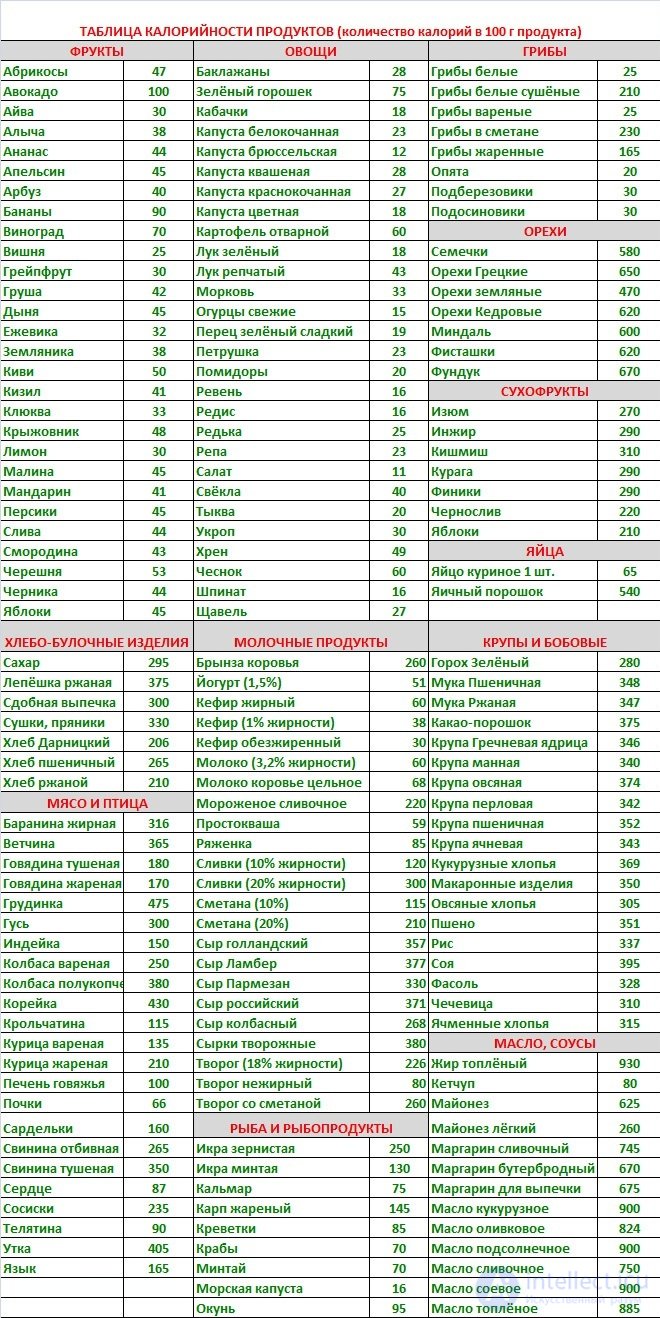
All macronutrients produce heat during metabolism, which is measured in calories. One gram of carbohydrates or protein provides 4 kcal, and one gram of fat provides 9 kcal.
Energy balance is the difference between the number of calories (kcal) we consume and the number we expend. If we consume more calories than we expend, we gain weight. If we expend more than we consume, we lose weight.
| AGES 19-30 | AGES 31-50 | OVER 50 | |
|---|---|---|---|
| Predominantly sedentary lifestyle | 2300-2500 kcal | 2100-2300 kcal | less than 2000 kcal |
| Moderately active lifestyle | 2700 kcal | 2500 kcal | 2300 kcal |
| Athletes and active people | 3000 kcal | 2900 kcal | 2600 kcal |
| AGES 19-25 | AGES 26-50 | OVER 50 | |
|---|---|---|---|
| Predominantly sedentary lifestyle | 1900-2100 kcal | 1700-1900 kcal | 1500-1700 kcal |
| Moderately active lifestyle | 2100-2300 kcal | 2000-2100 kcal | 1700-1900 kcal |
| Athletes and active people | 2300-2500 kcal | 2100-2300 kcal | 1900-2000 kcal |
There are also formulas for calculating the daily calorie requirement.
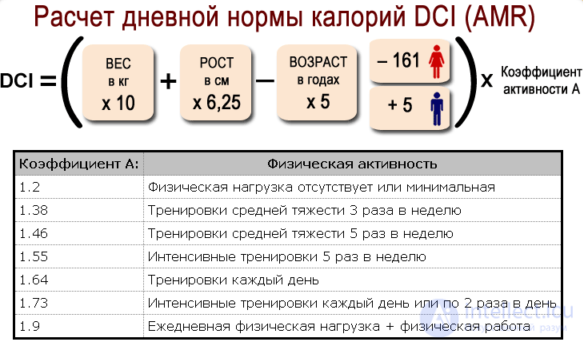
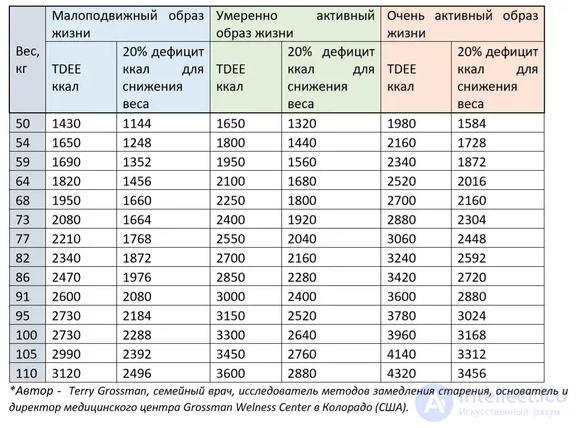
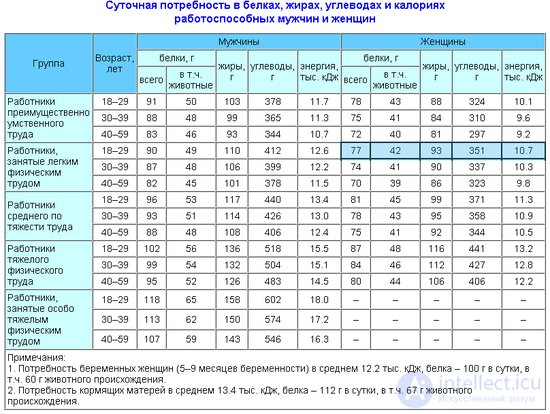
Table: Daily requirements for protein, fat, carbohydrates and calories in able-bodied men and women
Let us imagine a person who weighs 70 kg, is 1.70 m tall and is not very active. In daily life this person consumes 2400 kcal per day. Let us look in more detail at how and where this person expends these calories:
This process is one aspect of homeostasis — a dynamically changing state of equilibrium between the internal environment of an animal's body and its external surroundings.
OXIDATION REACTIONS OCCUR WITH THE RELEASE OF THERMAL ENERGY: the energy is used to heat the body and to perform external work.
At rest, the human body produces 70 to 80 W, and during work of moderate intensity, 130 to 150 W. Let us assume that a person works 8 hours a day and rests for 16 hours. We will take average power values: 140 and 75 W for work and rest, respectively.
THE HUMAN BODY PRODUCES:
| AT REST, 70 to 80 W | 99 kcal per hour |
| PERFORMING WORK OF MODERATE INTENSITY, 130 to 150 W | 112 kcal per hour |
| DURING HEAVY WORK, 250 to 290 W | 230 kcal per hour |
| DURING VERY HEAVY WORK, 500 to 650 W | 488 kcal per hour |
| W = J / s — thermal power. | 1 cal |
| 1 cal/s = 4.19 W 1 kcal/h = 1.163 W |
ALL THE THERMAL ENERGY RELEASED IN HUMAN CELLS IS DISSIPATED INTO THE ENVIRONMENT:
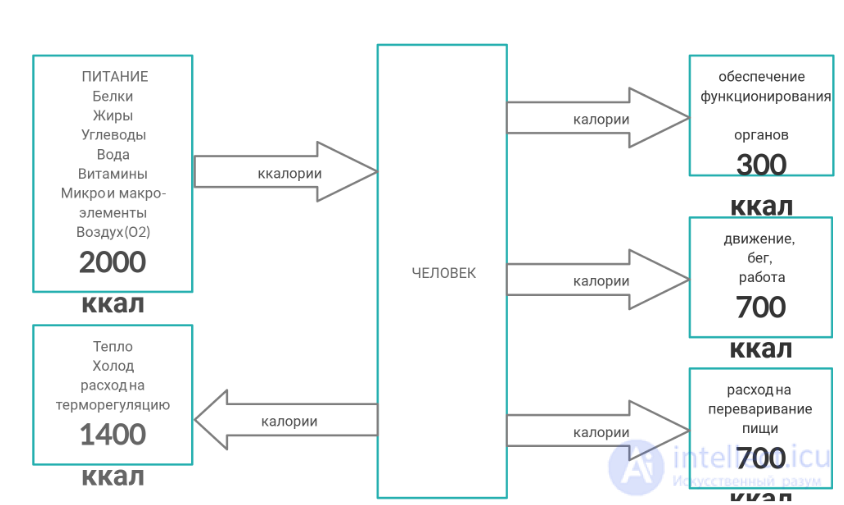
A constant human body temperature is maintained by heat production resulting from chemical processes and by thermoregulation.
(let us add to the figure that, in total, energy is continuously radiated — about 80-100 W; from all digestive processes this is about 100 kcal per hour, or about 2000 kcal per day; on top of this, heat is released during thermoregulation)
Likewise, if you eat chilled food or stay in a cool environment, additional calories will be expended:
However, be careful not to catch an acute respiratory viral infection (ARVI) or other colds.
Soups, dumplings, porridges, teas — traditionally all of these are meant to be served piping hot. Hot food satisfies hunger faster and gives the body a lasting feeling of fullness. But there are also dangers associated with eating excessively hot food — from burns of the oral mucosa and esophagus to the development of stomach diseases such as ulcers and even cancer. Hot foods containing fat or oil are especially dangerous — they significantly increase the likelihood of burns. Eating hot dishes can also lead to infections that develop in the oral cavity at sites of irritation and burns.
It is known that eating cold foods increases the body's energy expenditure on digesting them — the body must first spend resources to "warm" the food to the required temperature and only then proceed to "process" it. This principle formed the basis of a number of diets that were very popular in the 1980s. It is worth knowing that, besides impaired digestion and the development of stomach and intestinal diseases, frequent consumption of cold foods can lead to tonsillitis of varying severity, even purulent tonsillitis.
Do not eat cold food that was previously cooked at a high temperature, especially food containing protein — fish, meat, kebabs, steaks, cutlets. To be digested normally, such dishes must be reheated; otherwise the proteins cannot be absorbed properly by the body, and digestion will be impaired.
The habit of washing down food with cold drinks can lead you to eat more and more often — cold drinks at the end of a meal prevent a person from becoming truly satiated by the food. Incidentally, this is the principle behind all the combo meal offers at fast-food restaurants — they do not include hot drinks, instead suggesting that you finish the meal with an iced soda. Therefore, if you do not want to gain weight, give up cold drinks after eating.
The serving temperature of the main meal should be comfortable and close to body temperature — from 36 to 40 degrees. This allows the digestive organs to function normally and digest food properly. The time of day also matters — in the morning and evening it is better to avoid cold food altogether, because at these times metabolism slows down and the body needs a "push" to start the digestive processes correctly, whereas at lunchtime you can certainly allow yourself aspic (jellied meat) or ice cream.
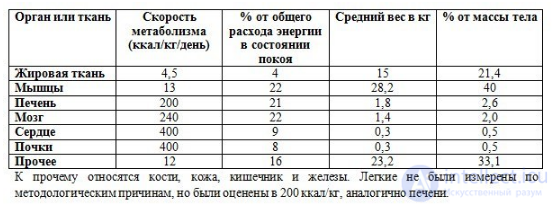
How does the body expend energy?
This is individual for everyone. Muscles, for example, consume about 20% of daily energy, the liver 19%, the heart 8%.
People who engage in sports actively have a higher level of exertion, so they need to consume enough calories so that the body can expend a lot of energy on exercise while still having enough of this energy in reserve.
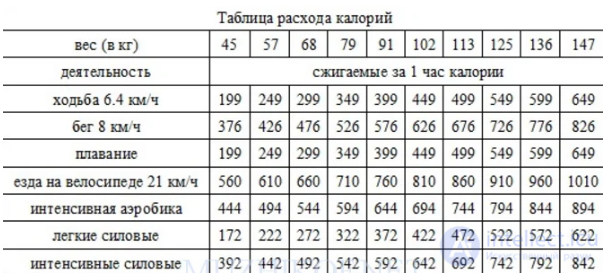
Calorie expenditure for activities other than walking. Note that it also depends on body weight
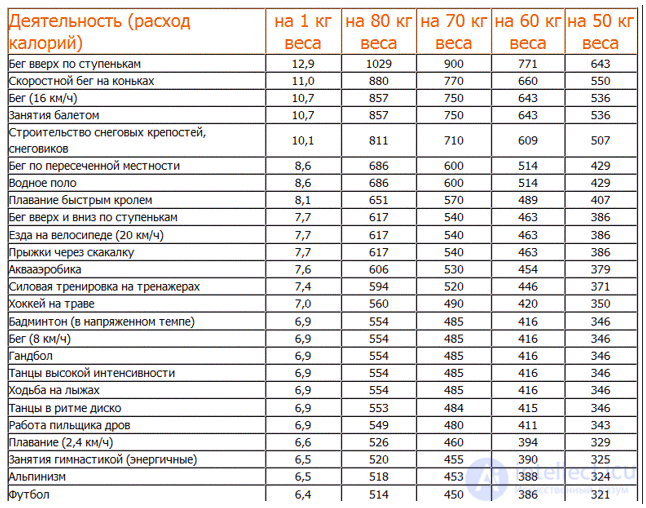
Also, do not forget that the daily calorie requirement must be adjusted according to your own weight: those who want to lose weight should reduce their energy intake, and those who want to gain weight should, conversely, increase it.
There is a continuous exchange of matter and energy between the organism and its environment.
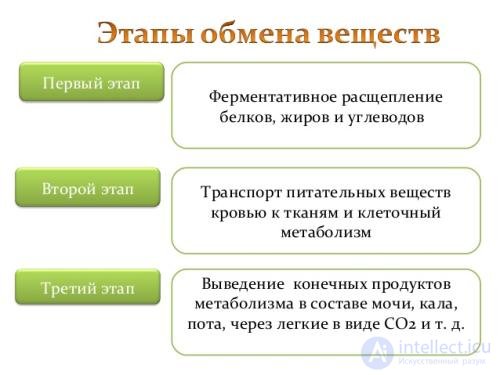
Metabolism is the complex chain of transformations of substances in the body, beginning from the moment they enter from the external environment and ending with the elimination of breakdown products.
Metabolism begins with the entry of water and food into the body. In the digestive tract, some substances are broken down by enzymes into simpler ones, which are absorbed in the intestine and pass into the blood (and the blood carries the substances to the body's cells). In the cells, chemical transformations take place (cellular metabolism), during which the body obtains the energy and the materials it needs to build its own cells and tissues.
The residues left unused after these transformations, together with waste products of vital activity (breakdown products), are excreted from the body (in urine, feces, sweat and exhaled air).
What happens after nutrients enter the bloodstream? There are only two possible outcomes: they are either burned (used as energy) or sent to storage. In fact, there is also a third option: in certain diseases (diabetes, insulin resistance), nutrients can remain circulating in the blood, causing problems with the blood vessels, or will eventually be excreted from the body in the urine. But in a healthy person these things can be disregarded.
Oxidation
Oxidation is the burning of a substance to produce energy. It can occur in the liver, in skeletal muscles and in some other places. All four macronutrients (proteins, fats, carbohydrates and alcohol) can become energy.
Storage
Carbohydrates can be stored as liver and muscle glycogen. In rare cases they are converted into fat.
The main site of fat storage in the body is the fat cells (adipocytes). Most of them are located under the skin. A small proportion of adipocytes (and in obese people, a large proportion) surround the internal organs. This fat is called visceral fat. A very small amount of fat is stored in muscles, but it does not affect outward appearance.
All the muscles of the body can be considered the body's protein store. The amino acids of proteins are used for a wide variety of purposes — the synthesis and renewal of cells, enzymes, hormones and more. And if they are not supplied with food, body proteins are broken down.
As it turns out, there is a relationship between the size of the "store" of a given substance and the body's ability to use it for energy immediately after a meal.
The larger the potential size of the body's "store" of a nutrient and the better the body's ability to store it, the less of that nutrient is used for energy after a meal.
Conversely, the smaller the body's stores of a nutrient and the poorer its ability to store it, the more readily the substance is burned after it enters the body.
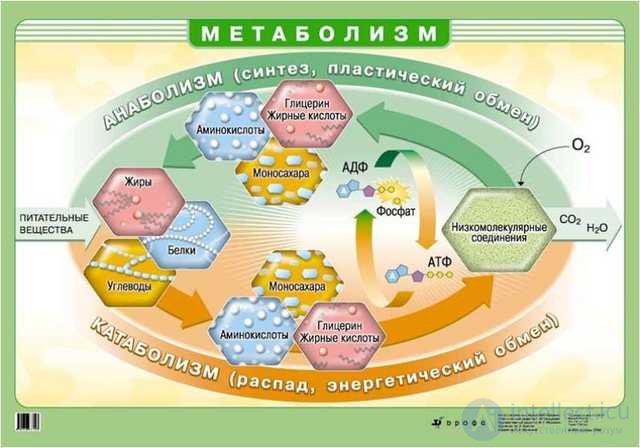
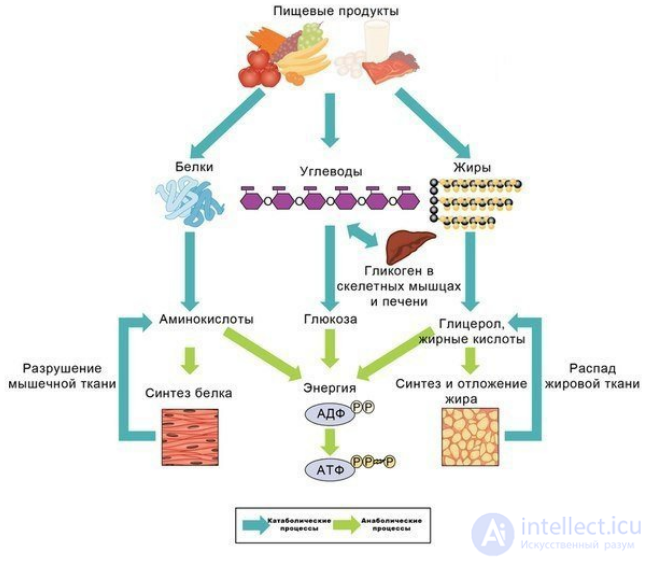
Metabolism in the body is not merely a constant flow of substances through its main structures, but the totality of all the chemical reactions occurring in the body. All reactions involving the transformation of substances can be assigned to two processes: plastic metabolism and energy metabolism.
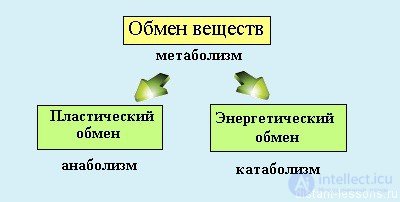
Plastic metabolism (assimilation, or anabolism) is the set of reactions of synthesis of organic substances in the cell that use (expend) energy. Examples of anabolism are the synthesis of proteins and hormones, the accumulation of fat and the building of muscle fibers. Anabolic processes occur at rest and under the influence of anabolic hormones — steroids, growth hormone, peptides, insulin — as well as agents with anabolic activity (anabolic steroids, protein, amino acids and many others).
Some people mistakenly believe that anabolism means building up muscle mass. In fact, it also involves the synthesis of glycogen, which leads to the accumulation of fat deposits. To avoid this, the body needs a reserve of energy, which comes from food. Therefore, athletes who wish to increase their muscle mass in a short time should include protein in their diet and make sure they take in enough calories.
The anabolic process in the body can be enhanced by one of the following methods.
Protein-rich food. If you increase the amount of protein in your diet, there will be more "building material" for cells and muscle tissue. However, it should be noted that protein will not be beneficial when combined with low-calorie food, since in that case the body will lack energy reserves. Therefore, an athlete's menu should be as balanced as possible, taking into account the regularity, intensity and amount of physical exercise.
Reducing catabolism. This is one of the most difficult methods, although at first glance it may seem quite simple. To reduce catabolic processes in the body and increase anabolism, it is necessary to sleep a lot, lead a healthy lifestyle, follow a proper diet, avoid overexertion and stressful situations, and train within one's limits rather than to the point of wearing the body out.
In the processes of energy metabolism (dissimilation, or catabolism, or biological oxidation) the nutrients obtained from food are broken down to simple compounds, releasing the energy stored in the chemical bonds of the organic molecules of food. It is necessary for the formation of simple substances (glucose, amino acids) that can be used for urgent needs.
Catabolism is the opposite of anabolism. Whereas in the latter new cells and muscle fibers are created, this concept refers to the breakdown of complex substances into simpler ones, as well as the destruction of old parts and the oxidation of substances.
The intensity of catabolic processes is regulated by hormones. Catabolic reactions are triggered primarily by stress, fatigue, physical exertion, hunger and other situations accompanied by a rise in the concentration of cortisol, adrenaline and, to a lesser extent, thyroid hormones. For example, some of them (glucocorticoids) increase the breakdown of proteins and amino acids but inhibit the formation of glucose, while others (insulin), on the contrary, accelerate glucose catabolism but slow the breakdown of proteins. In addition, the hormone adrenaline enhances this process, whereas testosterone is responsible for the predominance of anabolism in the body's metabolism.
Catabolic processes should not be viewed negatively. Many athletes believe that because of catabolism they lose muscle mass and have difficulty building it. In fact, during the breakdown of substances the body obtains energy, without which there would be no strength for training. In addition, during the breakdown of complex substances into simple ones, the amount of lipids (fat deposits) decreases.
4.3 METABOLISM as the unity of anabolism and catabolism
In a healthy body both processes are strictly balanced (although during periods of rapid growth assimilation may temporarily predominate over dissimilation).
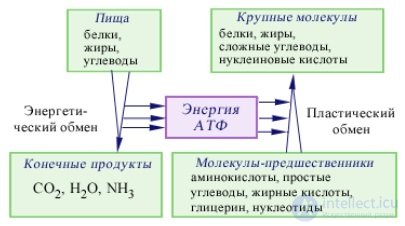
The totality of all reactions involved in the exchange of substances (enzymatic chemical reactions) in the body is called metabolism.
That is, anabolism + catabolism = metabolism.
The main types of metabolism are protein, carbohydrate, fat and water-salt metabolism.
Organizing proper nutrition. To begin with, think about how to make breakfast more balanced and nutritious, since it is breakfast that kick-starts the body's metabolism after waking. Then divide meals into small portions — the number of meals per day should be at least 5.
It is also important to give preference to wholesome, healthy food and to give up fast food, junk food, sausage, frankfurters and canned goods. Eat plenty of beans and grains, vegetables and fruits, meat and fish. It is recommended to give up fatty and fried food completely, replacing it with steamed food.
Foods considered to speed up human metabolism especially strongly include: green tea, seafood, pepper, coffee, grapefruit, mustard, egg white, cinnamon, as well as legumes and cereal crops.
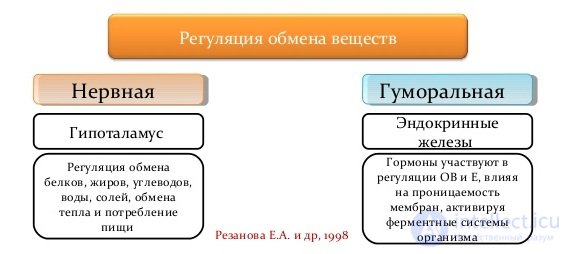
Metabolic processes in the body occur under the action of enzymes and are regulated by neurohumoral mechanisms.
Almost all endocrine glands take part in the regulation of metabolism:
Positive effects are highlighted in green, negative effects in red.
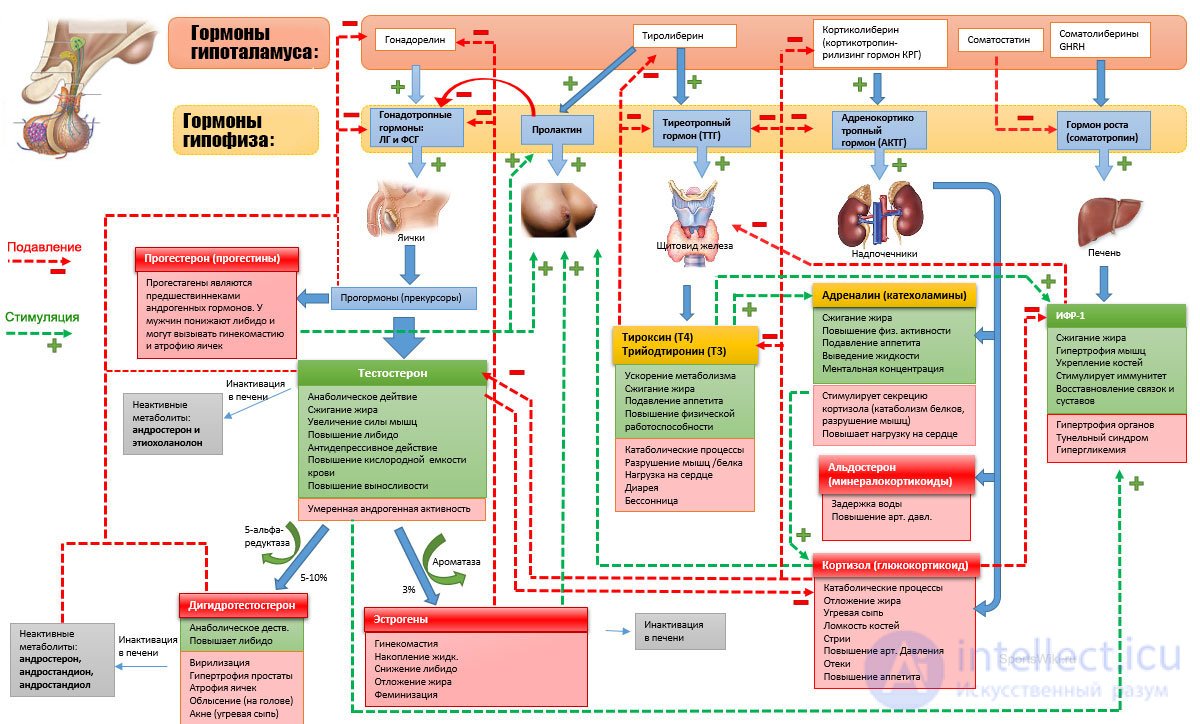
Disturbances in the regulation of metabolism cause various diseases.
Every person has an optimal weight, determined by height, sex and age. However, improper nutrition can cause a change in a person's weight. A person loses or gains weight depending on which metabolic process (plastic or energy) predominates.
One of the most common symptoms of a metabolic disorder, and at the same time a disease in its own right, is obesity. Obesity is divided into grades (by the amount of adipose tissue) and into types (depending on the causes that led to its development).
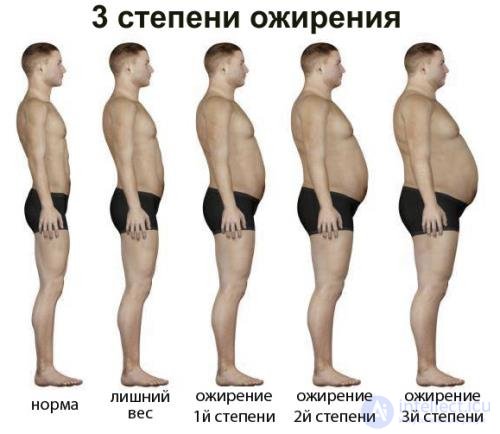
Body mass index (BMI) is a value that makes it possible to assess how well a person's weight corresponds to their height and thereby to judge indirectly whether the weight is insufficient, normal or excessive. It is important in determining indications for the need for treatment.
Body mass index is calculated using the formula:
 ,
,
where:
and it is measured in kg/m².
For example, a person's weight = 77 kg, height = 170 cm. Therefore, the body mass index in this case is:
BMI = 77 / (1.70 × 1.70) ≈ 26.64 kg/m²
The body mass index was developed by the Belgian sociologist and statistician Adolphe Quetelet in 1869.
Interpretation of body mass index
| BMI < 18.5: | Underweight |
| BMI >= 18.5 AND < 25: | Normal weight |
| BMI >= 25 AND < 30: | Overweight |
| BMI >= 30 AND < 35: | Class I obesity |
| BMI >= 35 AND < 40: | Class II obesity |
| BMI >= 40: | Class III obesity |
An increase in BMI is positively correlated with an increased probability of malignant tumors [11], in particular adenocarcinoma of the esophagus and, possibly, adenocarcinoma of the gastric cardia [12]. A positive correlation between BMI and GERD is also known [13].
According to some studies, the greatest average life expectancy in men corresponded to a BMI of 25–27 [14]. There is also the "obesity paradox," in which very obese people with a high BMI live long and are not particularly ill. Studies of the last decade have shown that the dependence of life expectancy on BMI is J-shaped: a maximum at 25–27, then a minimum at 33 kg/m², and it begins to rise again toward 40 kg/m². Further studies have confirmed that obesity itself is unlikely to be a factor of better survival; rather, the outcome in obesity depends on the presence or absence of some additional factor. For example, genetic characteristics and the type of adipose tissue (white, brown, beige); the presence or absence of metabolic syndrome. Metabolic syndrome (also called the "deadly quartet") is an increase in visceral fat mass (in the abdominal area): a combination of obesity, atherogenic dyslipidemia, impaired glucose tolerance and hypertriglyceridemia (not necessarily all of these factors; two are sufficient). The body volume index, in contrast to BMI, shows precisely the proportion of visceral fat; it starts with a 3D scan of the body surface and is calculated as the ratio of abdominal volume to the volume of the whole body.
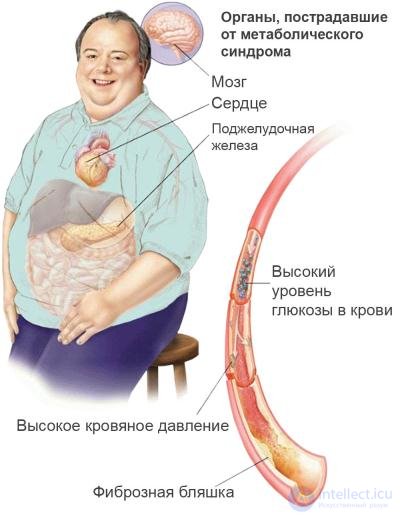
Obesity leads to an increased risk of diabetes mellitus (a disease associated with impaired carbohydrate metabolism and pancreatic dysfunction), hypertension and other diseases (metabolic syndrome) associated with excess weight.
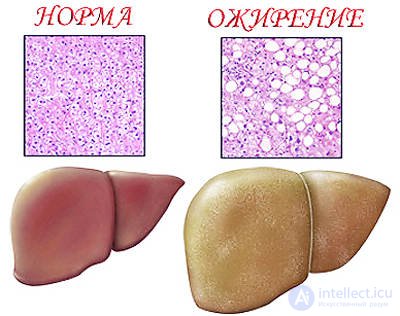
Obesity affecting the internal organs is particularly dangerous. For example, fatty liver (the signs of fatty liver can resemble the symptoms of poisoning).
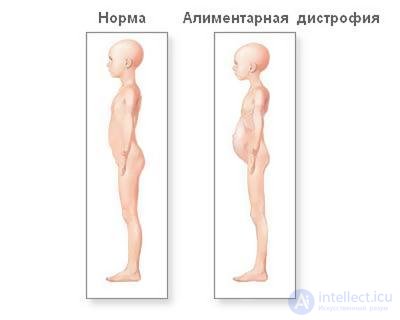
Dystrophy is a disease associated with insufficient intake of nutrients (especially protein) into the body. When all reserves of organic substances have been used up, the body's own proteins begin to break down.
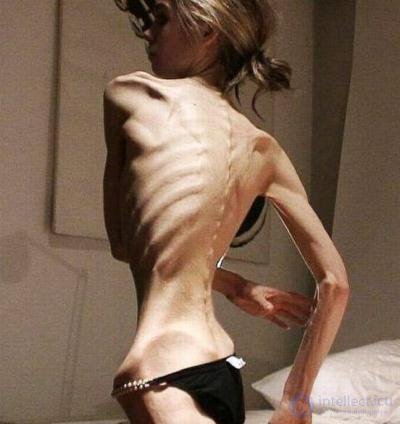
Anorexia is a serious mental disorder (a desire to lose weight) that some psychiatrists consider a manifestation of one of the forms of schizophrenia. This disease usually occurs in young people aged 12 to 30 years. It affects girls more often than boys. Patients lose so much weight that disturbances develop in all organ systems.
Another disorder, bulimia, is characterized by episodes of binge eating, during which a person eats many times more food than usual and then induces vomiting to prevent weight gain. Bulimia can lead to serious complications, from neurasthenia to acute heart failure.
Metabolic disorders in the body can cause the deposition of salts and the formation of stones in the kidneys and urinary tract.
The main factors affecting metabolism include the following:
To lose weight, you do not need to look for ways to speed up your metabolism. You simply need to watch your diet so that healthy foods enter your body.
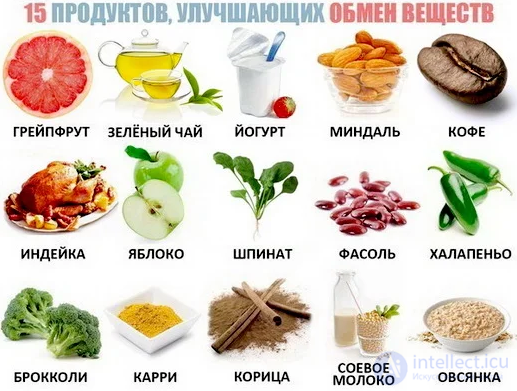
So how can you speed up your metabolism? The rate of the metabolic processes that break down carbohydrates and fats depends on the following factors:
Sex: according to scientific research, metabolism is 10-20% more intense in men than in the female body.
Age: after the age of 25, the rate of metabolic processes decreases by 2-3% every 10 years.
Weight: the greater the mass of muscles, internal organs and bones and the smaller the amount of fat deposits, the faster the metabolic process in the body.
Physical exercise: with regular exercise, the metabolic rate increases by 20-30% during the first two hours after a workout and by 5% over the course of the day.
If you cannot give up junk food but want to burn fat through increased activity, your weight may even increase in the end, because your appetite will begin to grow. If you do not watch your diet carefully, weight loss will be difficult.
1. Limit your consumption of fast carbohydrates.
They "spoil" the natural mechanism of metabolism by causing additional hunger.
2. Eat more fiber, since it makes you feel full and improves the functioning of the gastrointestinal tract.
3. Consume a sufficient amount of natural vitamins, since a deficiency of them disrupts metabolism.
4. Do not consume many calories at night.
5. The number of meals per day does NOT affect your metabolic rate in any way. What matters is the caloric content of the diet over a given period. It does not matter whether you eat 2000 kcal in 1 meal or in 6; what matters is the amount of food eaten. On the other hand, it is rather hard to wolf down as much as 2 thousand kcal in one sitting, isn't it? But this is the only drawback of having few meals. Otherwise, it is simply a matter of your preferences.
6. Studies have also shown that if you eat 50%, 25% and 25% of your daily intake at breakfast, lunch and dinner respectively, the rate of weight loss doubled compared with those who ate more at dinner.
7. Eat slowly (so you will not be able to eat a lot, and the food will be well chewed and mixed with saliva), in a well-lit room (studies have shown that darker rooms dull alertness and self-control) and from small plates (this also promotes lower consumption).
8. Move more and exercise regularly
Of course, the best way to speed up metabolism is exercise. For example, cardio training helps improve metabolism by 16%, and strength training by 14%.
But due to various circumstances, not everyone can afford to exercise actively. In that case, a daily walk in the fresh air or a thorough house cleaning is best.
The main mistake in weight loss is refusing to eat. In principle, this may help you lose weight, but it can be dangerous to your health. Starvation can lead to digestive disorders and the development of gastrointestinal diseases, and a sharp restriction of calories can cause poor metabolism. However, you should not overeat either.
Many people have probably heard that you need to drink one and a half liters of water a day. But not many know why this is needed.
According to a study by a clinic for training, nutrition and healthy lifestyle in Israel, water deficiency can affect all physiological processes. The same studies found that water helps increase the number of calories burned by 17%.
The famous model Adriana Lima always drinks a glass of plain water before meals. This helps improve metabolism and reduces appetite.
Sleep plays an important role in our lives. It helps us look good and improves the functioning of the body, including metabolism.
Sleep deficiency can affect your figure. It affects the metabolic rate and increases the risk of gaining extra kilograms. On average, good sleep helps speed up metabolism by 8%.
It is important to watch your diet. First of all, it is important to understand that you need to eat often and in small portions. This way our body will not feel hunger, and accordingly metabolism will be continuous. Second, you need to pay attention to what you eat. Fast food, soda, sweets and other products have a bad effect on our digestion and metabolism. It is best to focus on proteins, fresh fruits and vegetables.
A meal schedule is the distribution of food throughout the day. In addition to accounting for daily caloric intake, it is very important to distribute meals properly throughout the day.
For healthy people eating at home, the optimal quantitative distribution of food over the course of a day is as follows: 1st breakfast — 25%, 2nd breakfast — 15%, lunch — 35%, afternoon snack — 10%, dinner — 15% of daily caloric intake.
However, for most people such a meal schedule is unattainable because of work. Healthy people should remember that it is essential to have breakfast, lunch and dinner, skipping the other, less important meals if necessary. Ideally, the last meal should be 3-4 hours before bedtime.
Ministries of health in various countries recommend four meals a day for medical institutions: breakfast at 8–9 a.m., lunch at 1–2 p.m., dinner at 5–6 p.m., and a bedtime meal at 9 p.m. This timing is determined by the physiological characteristics of the human body, namely the activity of its enzyme systems. Caloric content of the meals: breakfast — 30%, lunch — 40%, dinner — 25%, bedtime meal — 5%.
International studies show that the following meal pattern should be followed: breakfast — 50%, lunch — 20%, dinner — 25%,
The optimal ratio of nutrients is when 14% of the daily caloric intake is covered by proteins, 30% by fats, and 56% by carbohydrates.
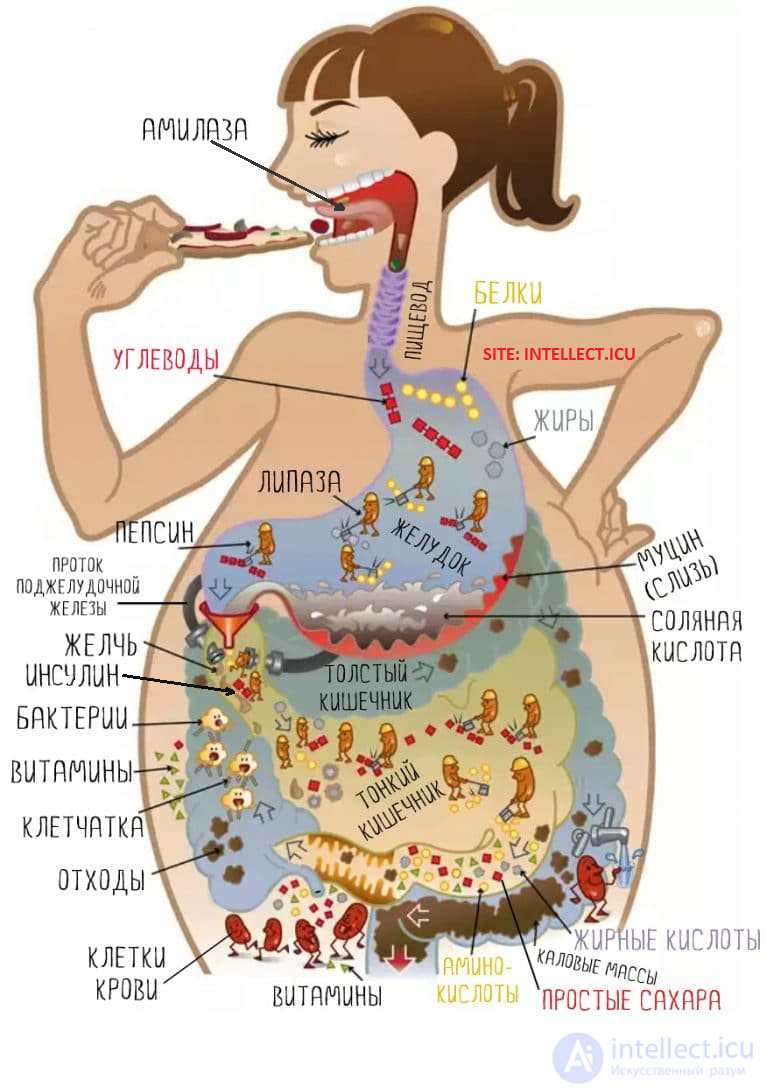
The process of extracting energy begins in the oral cavity: the enzyme ptyalin (amylase), which is contained in saliva, acts on the carbohydrates in food, converting starch into sugar. Sugars, proteins and fats (in a word, "food") are processed in the body, and one of the products of this processing is GLUCOSE. When GLUCOSE is oxidized in the living cells of the body, ENERGY is released. The process of forming glucose in the animal body from proteins, fats and other substances (other than carbohydrates),
takes place mainly in the liver and is called "gluconeogenesis." A constant blood glucose level is maintained by the synthesis and breakdown of glycogen. The uptake of glucose by the cell is regulated by the hormone INSULIN, which is produced by the pancreas. Inside the cell, glucose is oxidized with the participation of oxygen, forming CARBON DIOXIDE and WATER. During the biological oxidation of organic substances in the cell, ATOMIC HYDROGEN appears, which can be oxidized in two ways:
All food enters the stomach and then the small intestine, where most of it is absorbed. Whatever is not absorbed in the intestine leaves the body by the natural route.
Thus, macronutrients (proteins, fats, carbohydrates) are released from the food we eat and enter the bloodstream. The body then either burns them for energy or stores them somewhere: in the liver, muscles or fat cells.
However, the digestive efficiency of the human body is high. Fats are absorbed at 97% (if you eat 100 grams of pure fat, 97 grams are absorbed). Animal proteins are absorbed at 90-95%, and plant proteins at 80%. The absorption of carbohydrates depends on fiber content, but few people eat so much of it that it makes any difference. People absorb food differently, but the difference is no more than 100 calories a day. Of course, in the case of gastrointestinal diseases everything is completely different, but we do not consider that here.
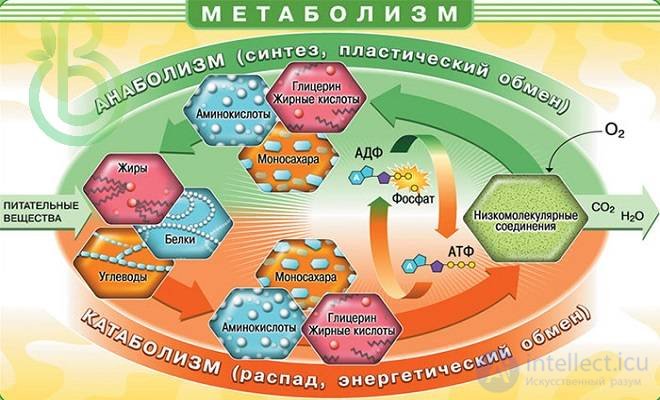
Metabolism
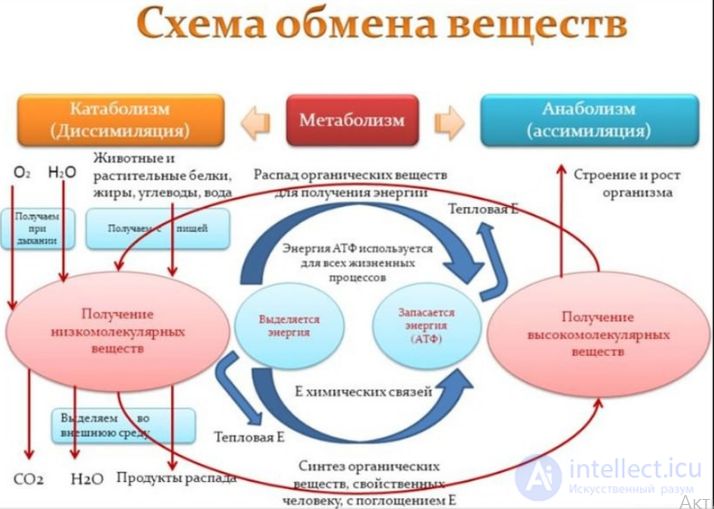
In biological systems, energy is used to support various processes in the body: thermal, mechanical, chemical, electrical, etc. Part of the energy is dissipated as heat during energy metabolism reactions, and part of it is stored in the high-energy chemical bonds of certain organic compounds. The universal such substance is adenosine triphosphate (ATP). It is the universal chemical energy accumulator in the cell.
Under the action of an enzyme, one phosphate residue is cleaved off. ATP then becomes adenosine diphosphate (ADP), releasing about 42 kJ of energy. When two phosphate residues are cleaved off, adenosine monophosphate (AMP) is formed (84 kJ of energy is released). The AMP molecule can also be broken down. Thus, the breakdown of ATP releases a large amount of energy, which is used for the synthesis of compounds the body needs, for maintaining a certain body temperature, etc.
The nature of the high-energy bonds of ATP has still not been fully clarified, although their energy content is several times greater than that of ordinary bonds.
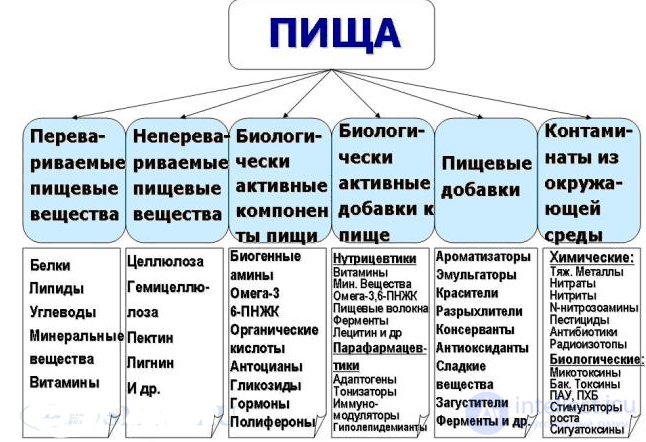
The general structure of the food consumed by humans: the composition and components of food
The daily fat requirement of any person is very modest compared with how much fat they can potentially store.
When you eat fat, the body does not use it as energy right away, even on a diet. The only exception is when a large amount of fat is eaten at once (about 80 grams), but even then the effect is fairly mild. Every day, all dietary fat is deposited in fat cells. But if you are on a diet, fat is drawn from the stores to provide the body with the missing energy.
Unlike fats, the size of the carbohydrate store does not differ greatly from the daily intake norm. The average person can store 350-450 g of glycogen. Men store more, women less. If we take a 2700-calorie diet and the standard recommended 60% carbohydrates, that comes to exactly 400 grams. For this reason, the body is good at using carbohydrates for energy.
As it turns out, fat oxidation depends directly on the amount of carbohydrates. When you eat more carbohydrates, you burn more carbohydrates and less fat; eat fewer carbohydrates, and you burn fewer carbohydrates and more fat.
Protein stores in the body amount to about 10-15 kg, which is quite a lot compared with the average daily protein requirement. Even if a person eats 200-300 g a day, that is still much less than what the body can store.
The rate of protein oxidation changes in response to protein intake. When we eat more protein, the body uses more protein as energy. When we eat less protein, its oxidation also decreases. These changes do not occur immediately (as with carbohydrates) but take 3-9 days.
Water
You need to consume more fluids. A lack of water in the body slows down metabolism. Doctors recommend drinking at least 1.5-2.5 liters of water a day, roughly 30 ml per 1 kg of body weight. You should drink low-fat kefir and milk and freshly squeezed juices. Green tea is also beneficial, but it should not be overused, since it leaches calcium from the bones.
It is very important to protect yourself from dehydration in the summer. It is better to drink cold and melted-snow water, because then the body expends more energy warming it and metabolism speeds up immediately. You should also drink at least 1 glass of water in the morning on an empty stomach to wake up the whole body.
Exercise accelerates blood circulation and all metabolic processes in the human body. To maintain the necessary physical activity, you only need to do morning exercises and go to a class chosen according to your interests a couple of times a week: it can be yoga, swimming, gymnastics or even boxing.
If you have no time or money to go to a gym, you can exercise at home: do abdominal exercises, squats, jump rope, or even buy an inexpensive exercise bike and train on it.
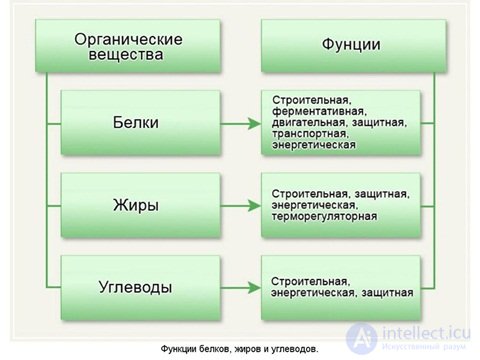
Proteins are high-molecular-weight natural substances consisting of a chain of amino acids linked by peptide bonds. The main function of proteins is the regulation of the body's chemical reactions. In the context of a harmonious figure (the right balance of fat and muscle mass), the structural function of proteins is of decisive importance.
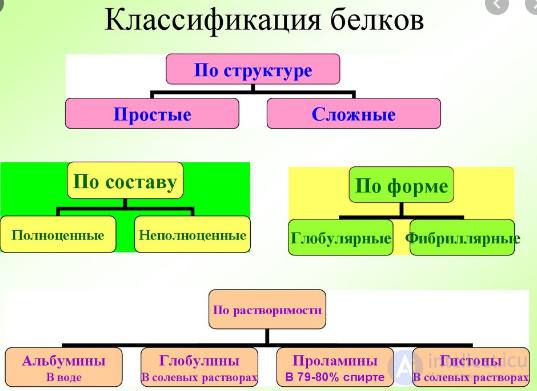
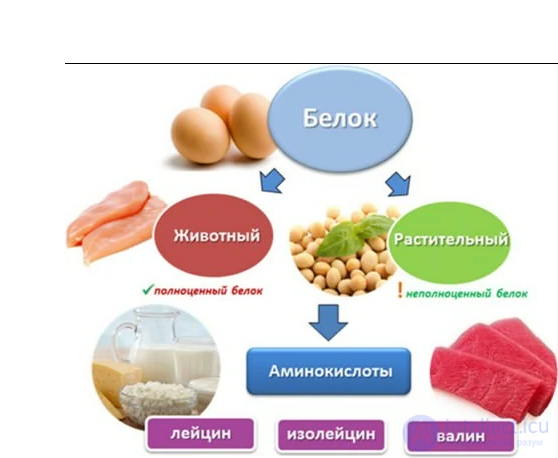
All proteins are divided by their source into animal and plant proteins. Besides this, there are other classifications, in particular the following.
Protein quality can be assessed quantitatively using the PDCAAS score
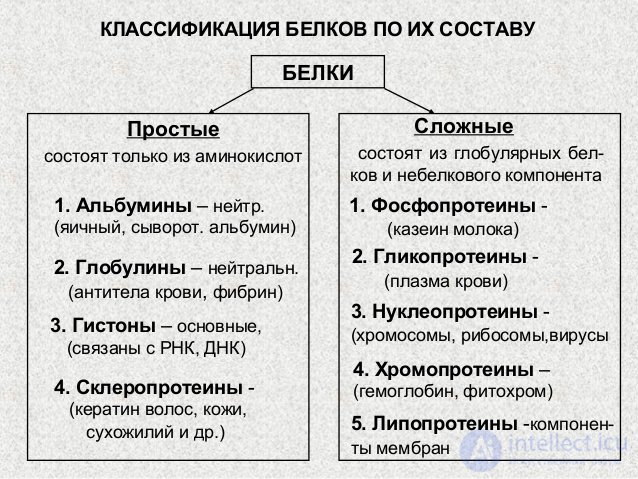
Classification of proteins
For normal functioning, a person needs 20 L-series amino acids (8 of which are not synthesized by the body). Animal proteins are considered to contain most of the essential amino acids (complete proteins) and are absorbed at 90-95%. From this point of view, plant proteins are incomplete and are absorbed by the body at only 60-75%.
Note:
The eight amino acids that the body cannot synthesize on its own: leucine, isoleucine, valine, tryptophan, lysine, phenylalanine, threonine, methionine.
Excluding meat and animal products impoverishes the human diet of essential amino acids. Their concentration in the blood falls, and the body signals this through various disturbances. Besides protein, a person also gets too few healthy fats (omega-3-6-9); in such a case, people may develop problems with the skin and hair, i.e. your beauty will fade.
Meat, poultry, milk and fish contain all the amino acids our body needs, in contrast to, for example, beans, lentils and nuts, which lack one or more essential amino acids. Animal proteins such as meat and milk have higher DIAAS values than plant proteins, but by combining foods it is possible to provide a diet balanced in all amino acids.
According to their content of particular amino acids, proteins are divided into biologically complete and incomplete. Biologically complete proteins contain essential amino acids, i.e. those that are not synthesized in the body and enter it only with food. These include tryptophan, leucine, isoleucine, valine, methionine, threonine, lysine, phenylalanine, histidine and arginine. Incomplete proteins do not contain essential amino acids.
By chemical structure, proteins are customarily divided into simple (proteins) and conjugated (proteids). Simple proteins are compounds consisting solely of polypeptide chains; conjugated proteins are compounds in which, along with the protein molecule, there is also a non-protein component, the so-called prosthetic group.
Depending on their spatial structure, proteins can be divided into globular (their molecules have a spherical, ellipsoidal or similar shape) and fibrillar (consisting of elongated, thread-like molecules).
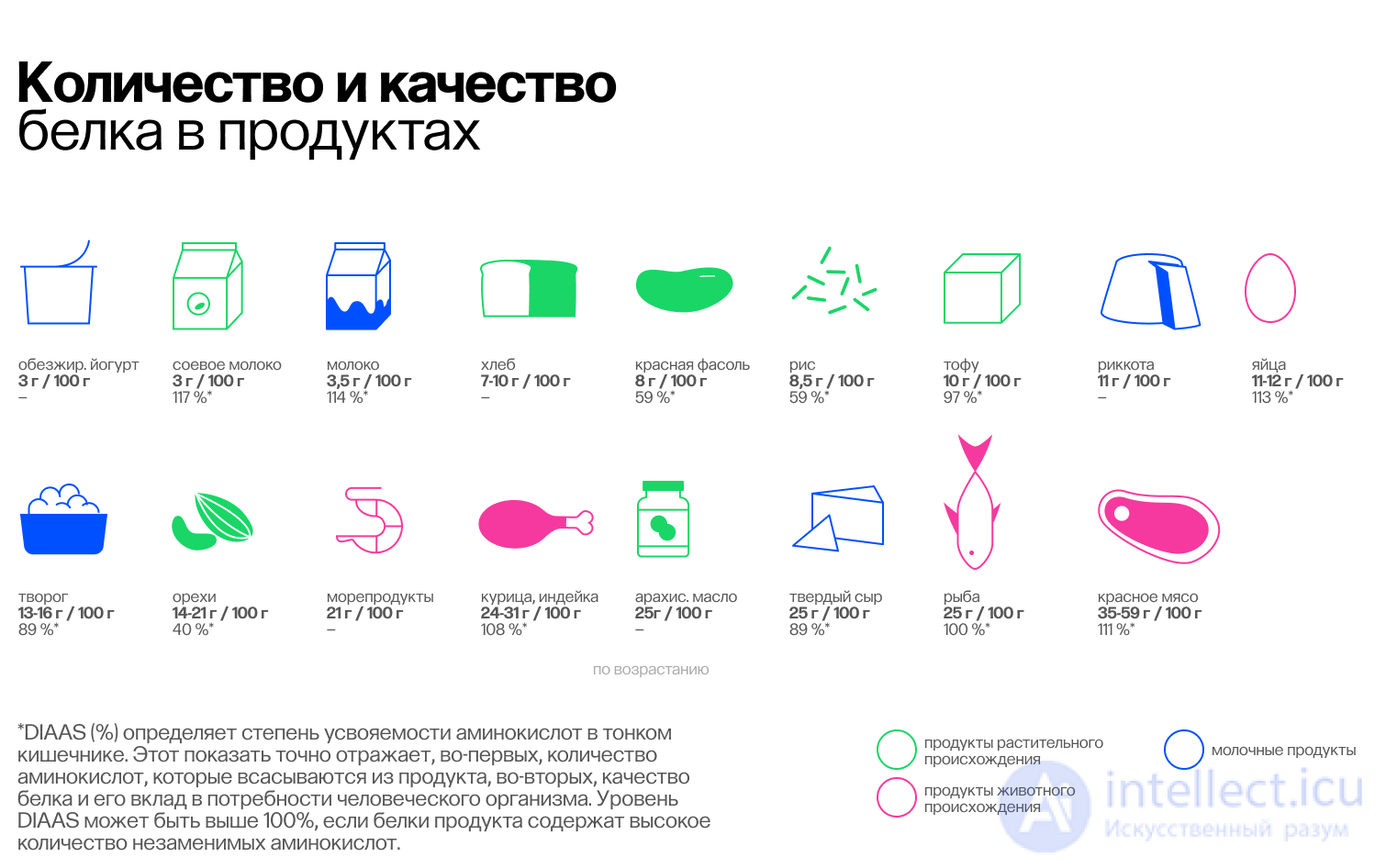
Quality and quantity of proteins in foods
продолжение следует...
Часть 1 Diet and Metabolism: Catabolism, Anabolism and Protein, Fat and Carbohydrate Metabolism
Часть 2 8.2 Carbohydrates, Their Classification, Functions and Carbohydrate Metabolism - Diet
Часть 3 See also - Diet and Metabolism: Catabolism, Anabolism and Protein,

Comments