
Lecture
1 How to determine body fat percentage?
2 Types and causes of body fat deposits in humans
3 Structure of adipose tissue, or where is fat stored?
4 How to reduce body fat?
4.1 Nutrition. How to eat?
4.2 Training. How to train?
4.3 Medical (invasive and non-invasive) methods of correcting localized fat deposits
5 Methods and means of reducing mortality with an elevated body fat percentage:
6 What affects fat formation and breakdown? The concepts of lipogenesis and lipolysis
7. Stages of fat burning (lipolysis)
Conclusions
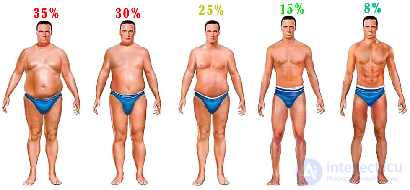
This can be done by many methods: using anthropometric measurements and simple calculations, or using ultrasound and other diagnostics, as well as by simple visual inspection and comparison with reference images of a person of similar build, and therefore similar body fat percentage.
Studies have shown the importance of measuring true obesity and excess weight, and have indicated that BMI does not always accurately show whether people have excess fat. The most recent and high-quality study from
July 4, 2018 (a joint study by scientists from the USA), followed people for an average of 21.4 years. A strong positive monotonic association was shown between predicted fat mass and all-cause mortality. The study also concludes that the higher mortality at very low body weight is largely explained by low muscle mass rather than low fat mass (in the lower BMI range, that is, mortality is increased, including from sarcopenia). The study also concludes that the earlier confusion in results on the effect of obesity on mortality is also due to BMI being an imperfect measure of obesity, and that additional methods, such as waist circumference and others, are needed to determine obesity. BMI does not take into account the ratio of adipose tissue to muscle tissue. Excess fat mass is harmful to health, while a moderately increased amount of muscle mass is beneficial. Thus, a positive association was observed between body fat mass and total mortality, including mortality from CVD and cancer, whereas only a U-shaped relationship was found between mortality and muscle mass.
Link to the study:
Hydrostatic density testing (hydrostatic weighing) is the only method that gives accurate results for determining body fat percentage. But this method is not available to everyone and is expensive. However, as practice shows, formula-based methods and simple measurements at home with a tape measure and scales give fairly good results. For example, in further testing of the accuracy of the method based on the articles (links below), the deviation from reality did not exceed 3-4% for adults and 6-8% for children. Therefore, we will consider the calculation method accurate enough to give an approximate idea of the state of your health. Usually such methods use several well-known formulas at once and then derive their average. Moreover, they cost nothing, and only a tape measure and bathroom scales are needed for the calculation. First, measure all the necessary parameters, then calculate the average body fat percentage by each of the proposed methods, and then calculate the geometric mean of all methods. So, let us begin with step 1 and continue on.
Links to articles:
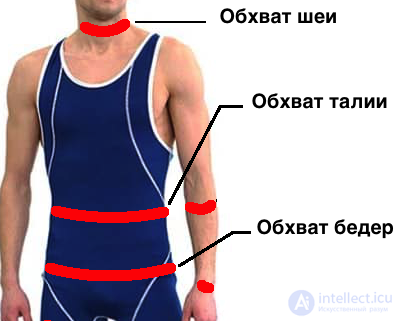 Height. Measure height without shoes (in centimeters)
Waist circumference. Measure the waist horizontally; do not pull in or push out the abdomen while measuring — relax. Measure at the end of exhalation for the most accurate result (in centimeters)
Neck circumference. Measure in a relaxed position. During measurement the tape must pass below the Adam's apple (in centimeters)
Hip circumference. Measured at the widest part of the hips while standing. It is better to measure several times to make sure you are measuring at the widest point (in centimeters).
Body weight. Bathroom scales can be used (in kilograms)
Body fat percentage based on BMI =(1.2*BMI)+(0.23*age)-(10.8*sex)-5.4, where sex equals 1 for men and 0 for women.
=(US Navy method*YMCA method*BMI-based method)^(1/3)
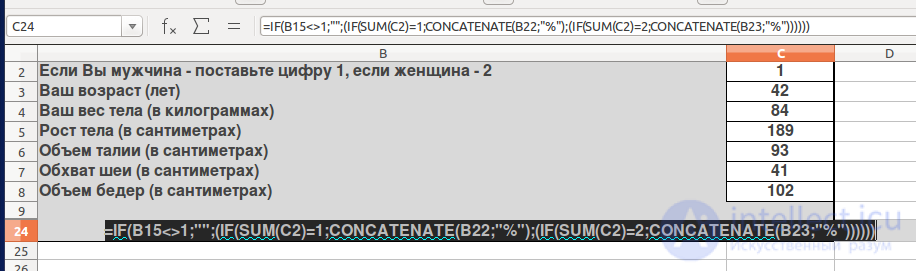
=IF(B15<>1;"";(IF(SUM(C2)=1;CONCATENATE(B22;"%");(IF(SUM(C2)=2;CONCATENATE(B23;"%"))))))
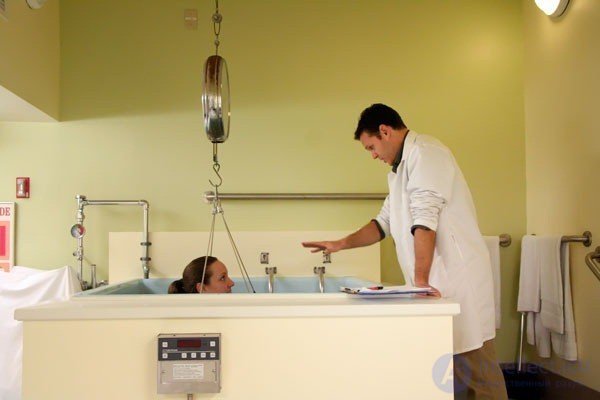
Underwater weighing is a very accurate method (error of about 3%). It is based on the fact that fat has increased buoyancy. The person is submerged in water up to the head in a special chair and weighed several times. The fat weight is then calculated using a formula.
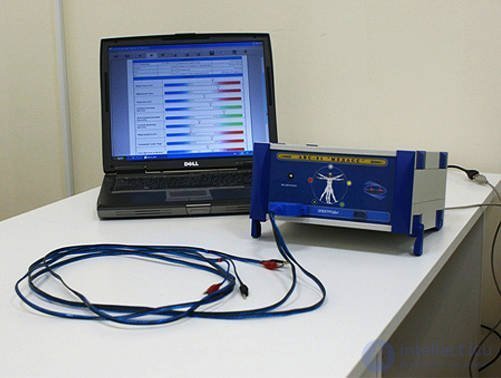
Bioimpedance analysis is the determination of the percentage of subcutaneous body fat using a current passed through the tissues. This method is not entirely accurate: results may differ between morning and evening and depend on the amount of water in the body. The measurement error is about 2%. The speed of current passage and the resistance depend on tissue quality: the more fat it contains, the longer the signal takes to pass through it, or the greater the resistance.
Body composition analyzers are usually available in all fitness clubs: you can undergo a bioimpedance examination there at any time. The devices in gyms may differ: the single-frequency ABC-01 Medass bioimpedance analyzer is often encountered. This device measures resistance at a frequency of 50 kHz between two electrodes placed on the wrist and foot on the right side. First the device calculates total body water, then finds the amount of lean mass — body mass without fat. Lean mass is determined by dividing total body water by the lean mass hydration coefficient, set in the software at 0.73. The final step calculates fat mass by subtracting lean mass from total body mass.
However, some claim that using this method is quackery, since it measures only superficial resistance and therefore does not assess subcutaneous and visceral fat.
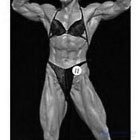
9%

10-12%
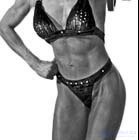
11%
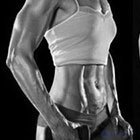
11-12%

14-15%
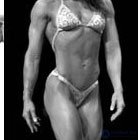
15%

15-17%

17-18%

18%

20%

20-21%

20-22%

25%

25-26%
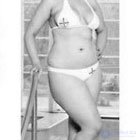
30%
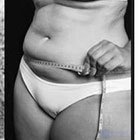
34-35%
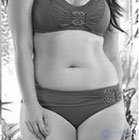
35%
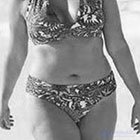
40%
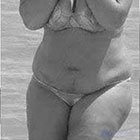
45%

50%
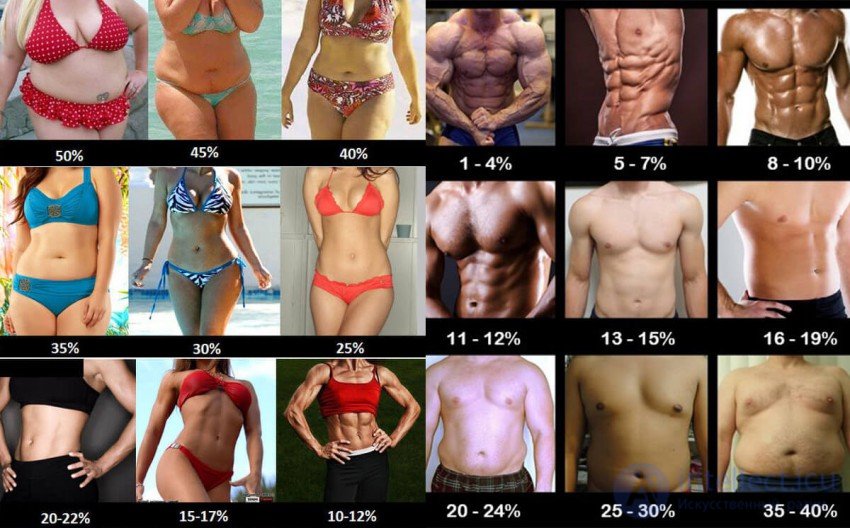
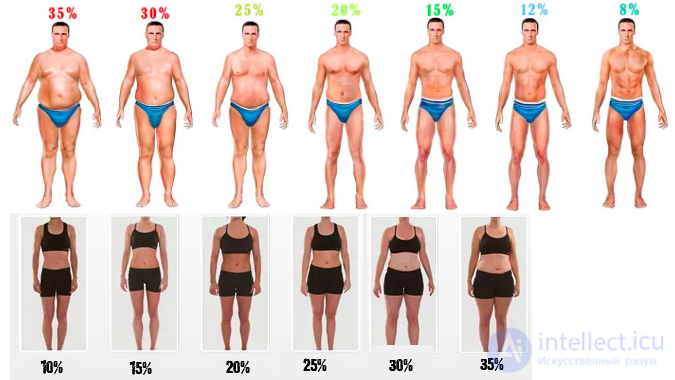
The photographs show people in the 25-35 age group. It should be noted that the older a person gets, the more fat their body contains. For example, men aged 20 and 50 may have the same body fat percentage by appearance, but the first (young) man will have 15% body fat, and the second, 20%. This is due to the tendency of fat to increase with age around the organs and within the muscles.
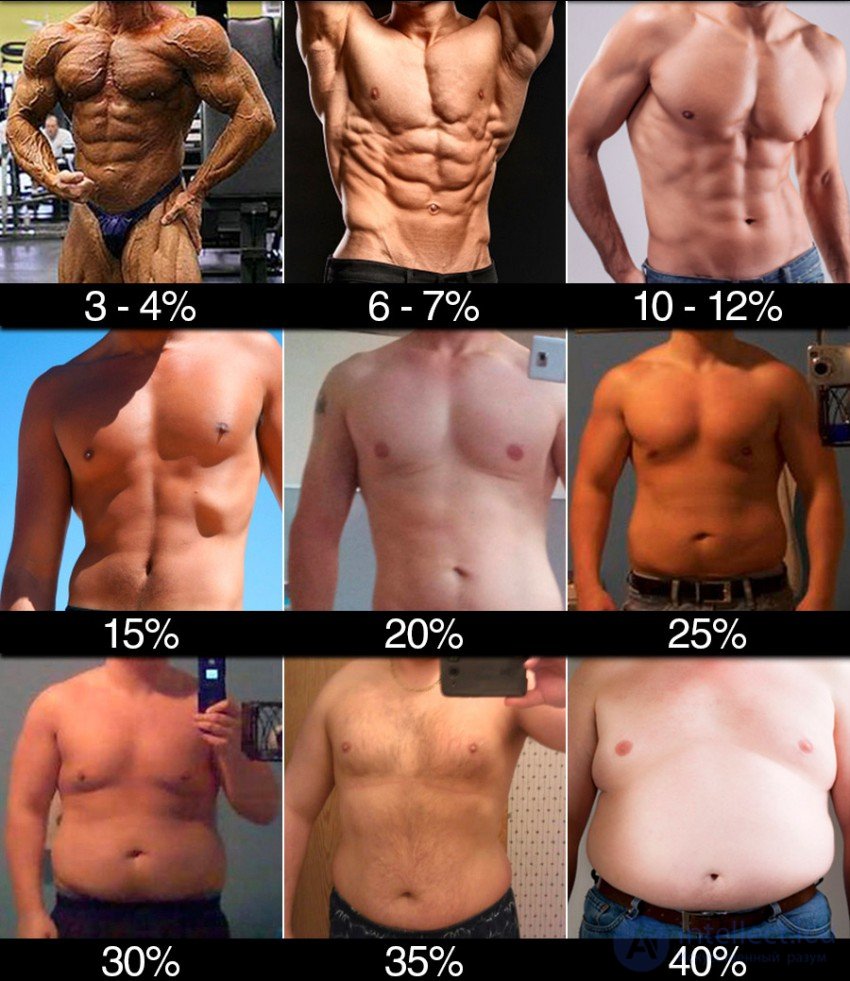
This body fat percentage is typical of bodybuilders in the period of preparation for competitions. Here, increased vascularity is observed: veins are visible on almost every muscle. Even the gluteal muscles show slight separations, and their absence indicates a very low fat content. About 2% fat is considered the minimum for men. This is precisely the amount necessary for the body to function normally, since fat protects the organs of the abdominal cavity and the chest.
This figure is not as extreme as the previous one, but it is still not normal for most men. The reason is that it affects appearance; for example, the face looks gaunt, which worries the people around. This body fat percentage is typical of most models: their muscles are clearly defined and vascularity is pronounced, including in the muscles of the limbs and abdomen. When the abdominal muscles are clearly visible and the muscles are sharply separated, this indicates low fat content.
This is a normal level for a man. Of course, the abdominal muscles are not as clearly visible as in the previous case, but the abdominal (rectus abdominis) muscles are still well defined. This is exactly the condition and body shape that most men strive for. Women also consider it attractive. At this body fat percentage, grooves between muscles are characteristic only of the arms and shoulders, not of every muscle.
This level corresponds to men with a fit and slim figure. The contours of the muscles are clearly visible, but there is no visible separation between them. As a rule, the grooves are covered by a small amount of fat. However, this does not negatively affect body shape: the figure is attractive even though there is no distinct muscle definition.
At this level of body fat, the definition of muscles and blood vessels is not very clear. In most cases men develop a small belly. For example, men in New York City mostly have body fat levels in the range of 20-25%. But in other places this figure may differ. As a rule, a man 180 cm tall weighing 81 kg has about 20% body fat.
In this case there is a significant increase in waist circumference, and muscles and blood vessels are barely visible. For a man 180 cm tall, the minimum waist circumference can reach 91 cm. This body fat percentage is also characterized by a slight increase in neck circumference and small fat folds. But all of this is perfectly hidden by clothing. Men with a higher body fat level than that stated in this section face the problem of obesity. Abdominal obesity is diagnosed if the waist circumference exceeds 101 cm.
This figure is characterized by the spread of fat throughout the body, including the formation of fat deposits at the waist, hips, back and calves. Visually the waist looks larger than the hips, muscles are not visible at all, and the belly sags.
When body weight increases continuously, the amount of fat grows as well, with more of it accumulating in the abdomen. At this level the belly sags even more, and the waist as such disappears entirely (its circumference may exceed 101 cm). Such a belly is called a "beer belly".
As in the previous case, fat deposits are concentrated at the waist and abdomen. Waist circumference may exceed 145 cm. With this figure a person faces a number of problems with mobility, especially on stairs. Bending over is difficult. These are the first signs of obesity!
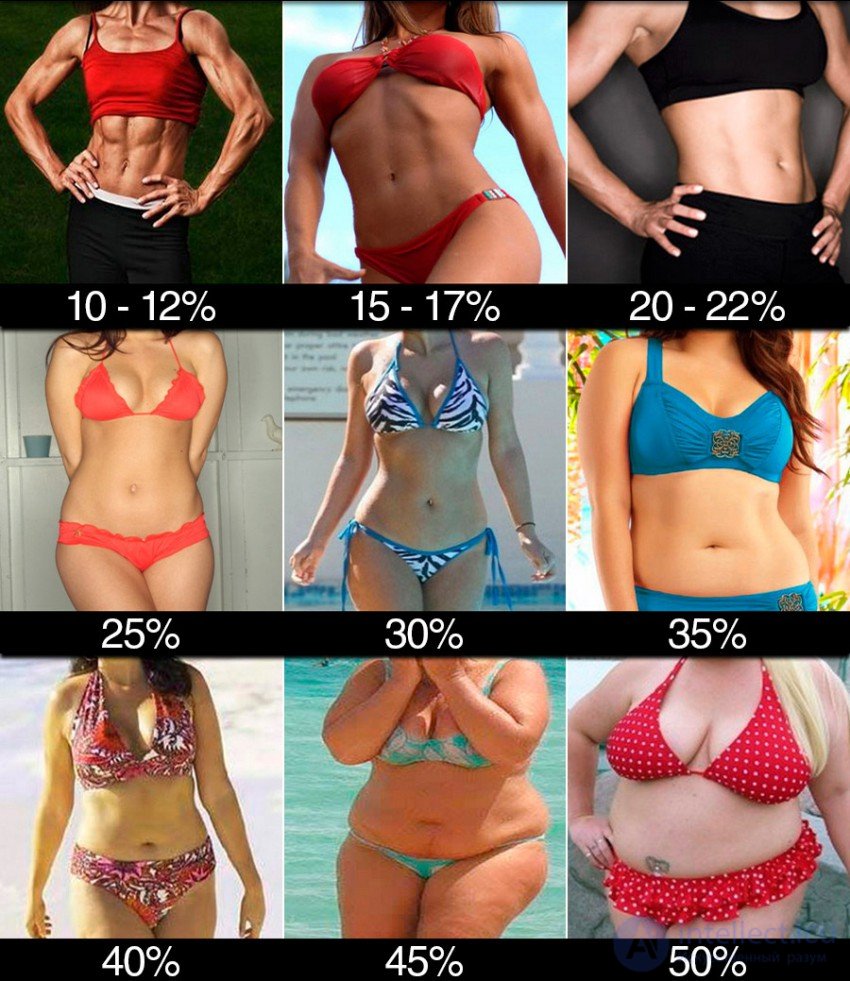
The minimum level, which can be observed only in women who do bodybuilding. Blood vessels and muscle grooves are clearly visible. For the body to function normally, a fat content within 8-10% is acceptable. What accounts for this difference compared with the minimum for men (2%)? It is due to the greater amount of fat around the uterus and in the mammary glands, so one should not strive for the male figure, since for women this poses a health risk. The girl in the photograph probably has the upper limit stated, since the blood vessels are poorly visible.
Corresponds to the second level of body fat in men. This figure is typical of most models who advertise lingerie. Most of them may face problems associated with impaired functioning of the body. The muscles of the limbs, shoulders and abdomen are clearly visible. Because of the low body fat level, the shape of the hips and buttocks is not pronounced.
This is exactly the body fat percentage in most female athletes. A small amount of fat is seen on the limbs, and the abdominal muscles are well defined. The separation of muscles from each other is minimal.
Typical of most women. Such a woman cannot be called too thin, but she is not fat either. A small layer of fat is present on the buttocks, and the curve of the hips is clearly visible. This level is typical, for example, at a height of 163 cm and a body weight of 59 kg.
Unlike men, in whom fat accumulation occurs mainly in the abdomen, in most women it is deposited in the buttocks and hips. The latter are pronounced and rounded. 30% body fat is the upper limit for an average woman.
The hips increase even more, and the neck and face take on rounded forms. Hip circumference may exceed 100 cm, and waist circumference, 80 cm. The belly begins to sag.
Hip circumference may exceed 106 cm, waist circumference, 90 cm, and thigh circumference, 63 cm.
This level is characterized by the appearance of noticeable folds, and skin condition deteriorates. Hip circumference may exceed 115 cm, and waist circumference, 90 cm. The shoulders look noticeably narrower than the hips.
The hips become even larger, noticeably exceeding the width of the shoulders. Skin condition deteriorates, and fat is clearly noticeable. Hip circumference may exceed 115 cm, and waist circumference, 101 cm. Example: for a woman 163 cm tall with a body weight of 90 kg, half of it is muscle mass and the remaining 50% is fat.
Two methods can be used simultaneously to combat it:
control of food intake and physical exercise
There are many other methods used to measure the fat layer, such as determination of total body potassium, total body electrical conductivity, isotope dilution, urinary creatinine excretion, total body calcium, total body nitrogen, total plasma creatinine, computed tomography, magnetic resonance imaging, ultrasound, neutron activation analysis, and dual-photon absorptiometry. While some of these high-tech methods can be incredibly accurate and useful in the laboratory, none of them is practically suitable for your personal use when carrying out a diet program.
But if you want extremely accurate body composition measurements, only the "direct measurement" method will do; that is, physical dissection of the fat layer. True, you would have to be a corpse to have your fat layer measured this way, so this method is not very practical. I mention this not as a joke but to emphasize that all methods of testing the fat layer are merely approximate estimates, not "direct measurements".
Recommendation for a healthy body fat percentage from the ACSM (American College of Sports Medicine):
Link to the source:
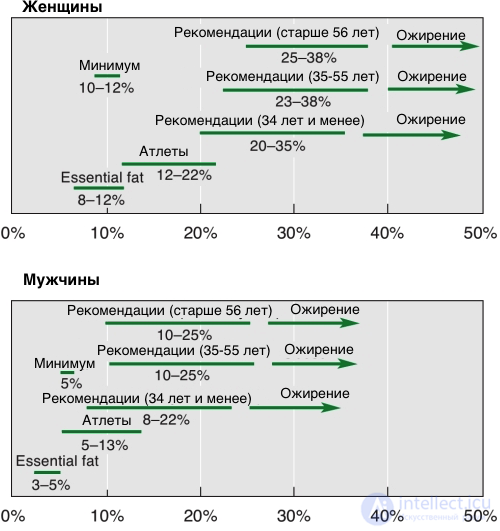
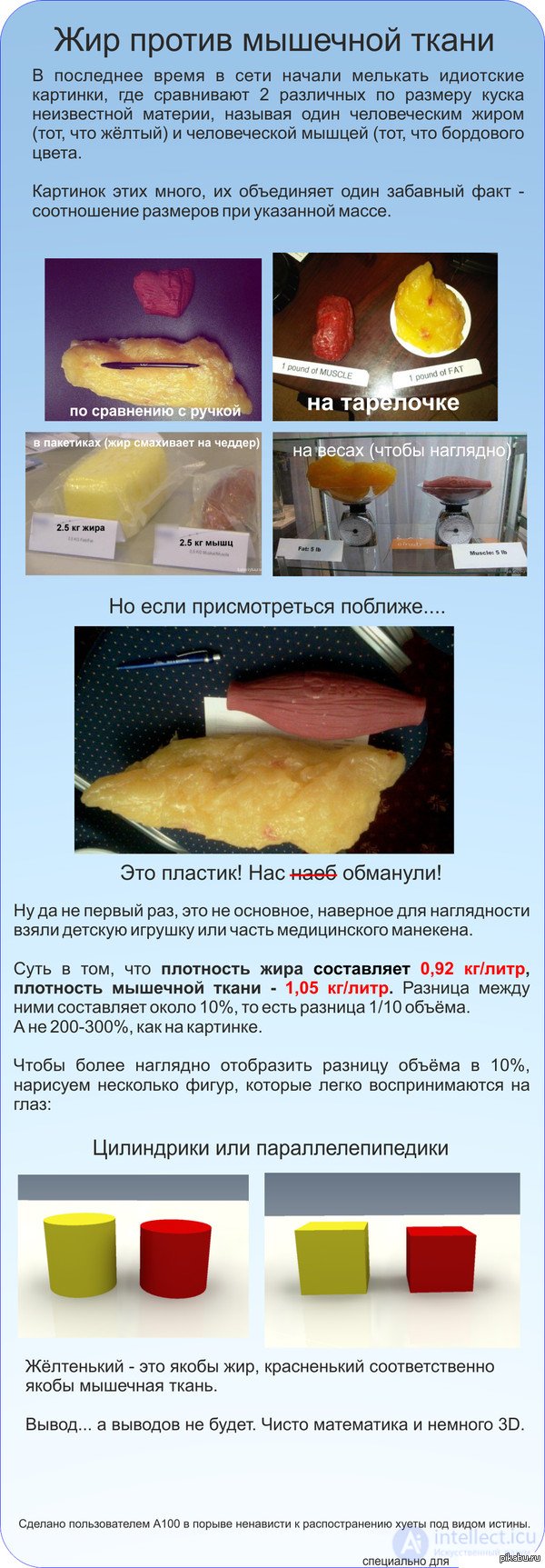
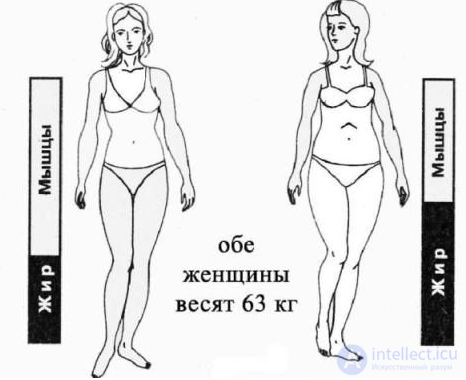
However, at the same weight but a different body fat percentage, a person's appearance will differ
The lower the body fat mass and the higher the muscle mass, the more attractive and toned the figure looks. Even weight has nothing to do with it, since people of the same height and weight but with different amounts of fat and muscle mass can look completely different.
Muscle mass weighs more, so a person with a large muscle mass in kilograms may weigh quite a lot, yet will have an athletic and attractive figure. Or one can weigh the same but have a lot of fat mass and look like a flabby, overweight person.
It is now clear that to correct one's figure one must start from fat mass and muscle mass indicators, that is, reduce fat mass and increase muscle mass.
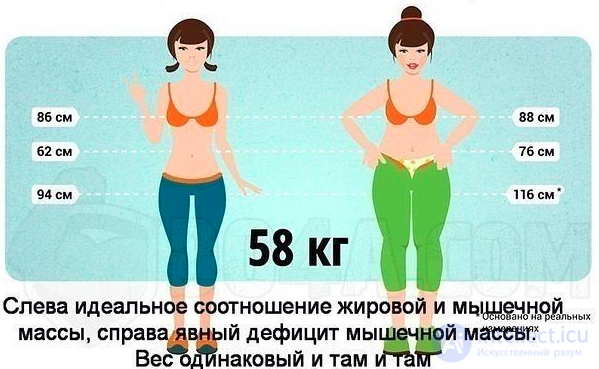
At the same time, with normal weight and a deficiency of bone mass, osteopenia may be suspected. With normal weight and a deficiency of muscle tissue, one can speak of relative obesity, since the lack of muscle tissue is in this case "compensated" by fat mass, and so on. It should be noted that, individually, such hidden obesity, which arises against a background of normal weight and a good BMI, is often tolerated by patients as poorly (shortness of breath, fatigue, etc.) as with a clear increase in body weight but a normal muscle component. However, the need to identify such conditions is dictated by the different approach to treatment.
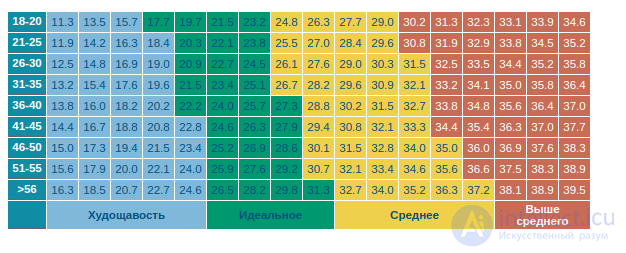
BMI values and age
Fat in the human body belongs to one of three distinct types:
1) subcutaneous abdominal fat,
2) internal visceral fat,
3) retroperitoneal fat.
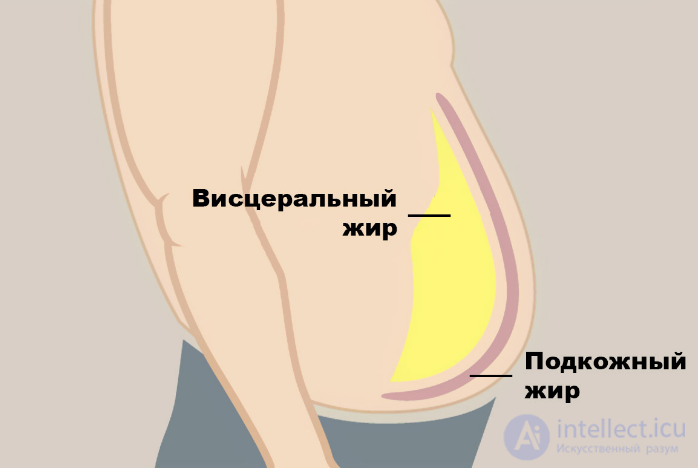
The differences lie not only in where the fat is located but also in its effect on the body.
While the presence of subcutaneous fat is solely an "aesthetic" problem (soft abdominal fat does not affect health), internal fat actively participates in metabolism, adversely affecting hormone levels. Among other things, the growth of visceral fat leads to mechanical compression of the internal organs.
In men, visceral fat lowers testosterone levels and raises estrogen; as a result, female-pattern obesity worsens and fat begins to accumulate actively on the hips and chest.
Visceral fat is fat located in the abdominal region and surrounding the internal organs. It is what pushes the abdomen forward, giving the figure an apple shape. A large amount of visceral fat is one of the key characteristics of obesity.
Studies indicate that abdominal fat stores adversely affect hormone levels. The mechanisms of production of insulin, cortisol and leptin are altered. In addition, in men visceral fat promotes the conversion of testosterone into estrogen.
The key cause of visceral fat gain is restricted physical activity combined with increased caloric intake, ranging from the last months of pregnancy to fractures. Another cause of abdominal fat growth is depression, when the desire to move simply disappears.
The process of visceral fat gain often becomes chronic: it gets harder and harder to limit oneself in eating high-calorie foods. A person sees that they are gaining weight, but either cannot change their lifestyle or simply stops caring.
Changes in hormonal balance also play a role. Internal fat makes the body less sensitive to insulin while at the same time disrupting the production of leptin, the hunger hormone, so that a chronic feeling of hunger arises and excess calories are quickly stored as visceral fat
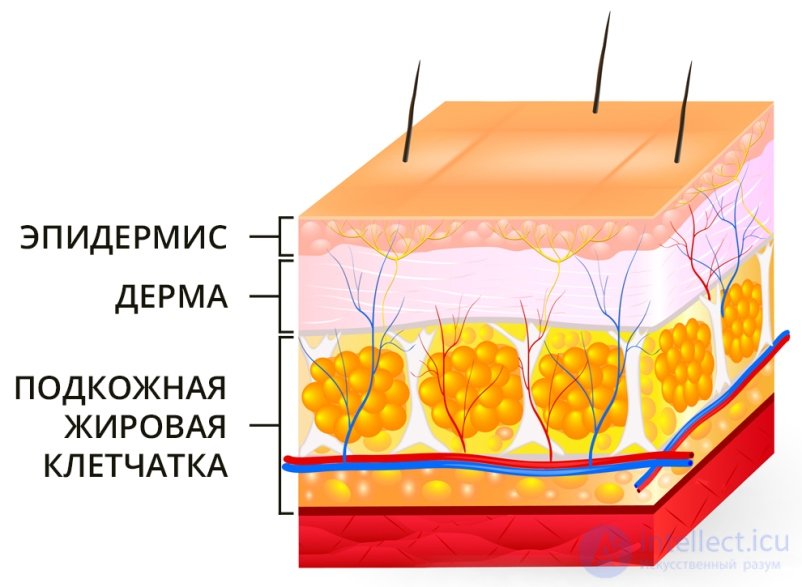
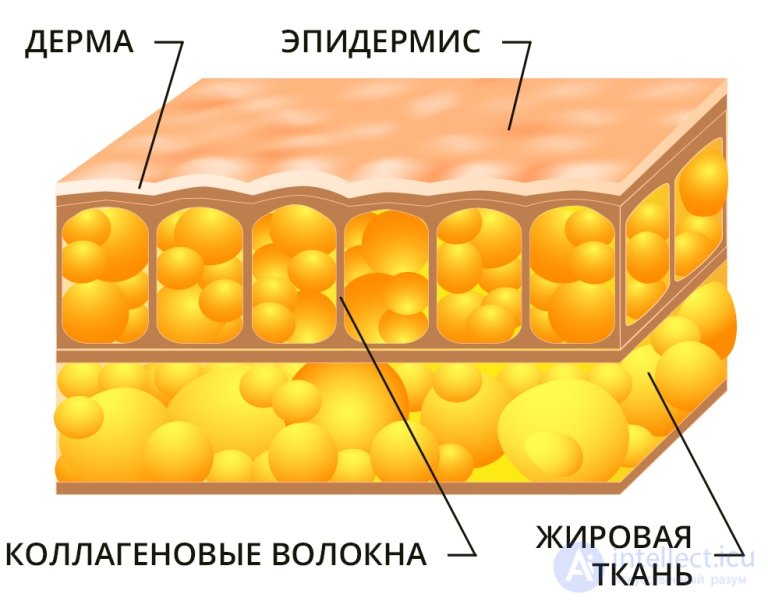
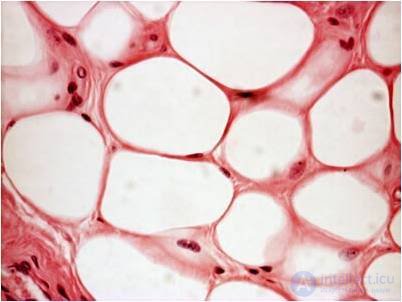
Subcutaneous fatty tissue (hypodermis) is the structural and deepest layer of the skin, whose upper part is relatively mobilely attached to the dermis (the skin proper) by collagen fibers penetrating the adipose tissue and forming a kind of looped network. Within this network, with the participation of collagen and, to a lesser extent, elastin fibers, compartments are formed in which clusters of adipose tissue cells, adipocytes (lipocytes), are located. Subcutaneous fat has an extensive blood supply, venous-lymphatic network, and innervation system.
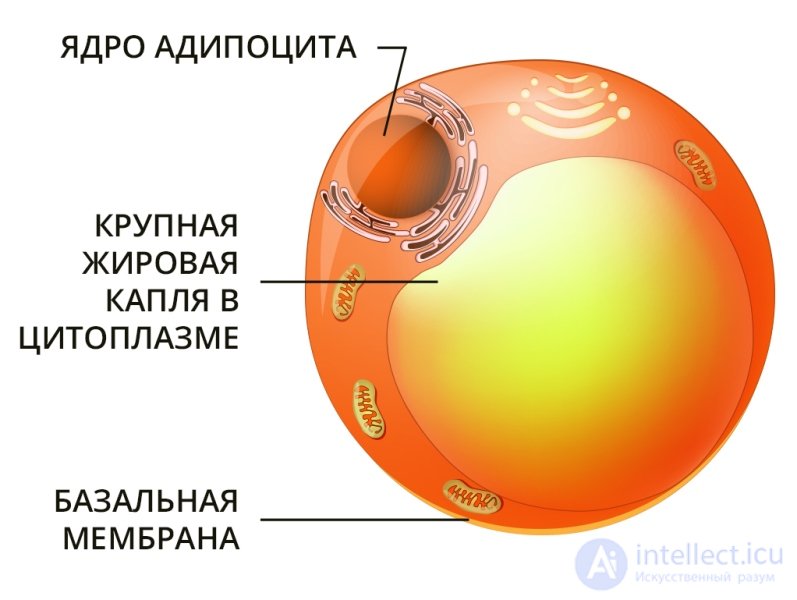
Adipocytes are the structural and functional unit of adipose tissue and are divided into two types:
The functions of subcutaneous fat in the body are quite diverse; the main ones are the following:
Adipose tissue is present in large amounts in the human body and is distributed unevenly. Its distribution is influenced primarily by sex and age. Anatomical features of fat distribution account for the main gender differences.
The female pattern of fat deposition (gynoid, "pear-shaped") is an accumulation of fat mainly in the gluteofemoral region.
The male pattern (android, "apple-shaped") is an accumulation of fat mainly in the abdomen and lower back.
Many people want not just to exercise but also to have objective measures of their body's quality. They meticulously track strength progress, take endurance levels into account, and even calculate their body fat percentage. There is an increasing demand for "fat-burning" exercises, massages, and even foods (yes, foods with "negative calories").
Visceral fat is the easiest to burn. Because it accumulates as a result of inactivity and excessive calorie intake, once the diet is normalized and regular cardio is added, the body gets rid of it quickly. Weight loss of 0.5 kg per week is a quite achievable result.
However, it is important to lose weight gradually rather than try to get rid of belly fat in a few days. A sharp calorie restriction combined with intense training disrupts the body's hormonal balance even more. In addition, visceral fat places a serious load on the knees, so not all types of cardio are suitable.
Visceral fat stores formed in the absence of physical activity have few capillaries. Such fat is an inert mass that the body does not use for energy metabolism. To "retrain" it and get rid of the fat, regular exercise is required.
Under the influence of aerobic and moderate-intensity cardio exercise, blood flow in the internal abdominal fat gradually increases, as a result of which the body begins to use visceral fat as an energy source, which leads to its gradual burning.
It is also important to note that the process of losing visceral fat accelerates over time. In other words, the hardest part is developing the habit of exercising regularly and eating properly; but once the first kilograms are gone, losing weight becomes much easier.
How to get rid of visceral fat:
On the one hand, getting rid of internal fat is easier than getting rid of subcutaneous fat — it usually forms with a sedentary lifestyle and excess calories, so normalizing the diet helps reduce belly fat. On the other hand, visceral fat disrupts metabolism, making weight loss more difficult.
The recommendations listed below explain how to reduce body fat quickly, effectively, and without harm to health.
Some basic principles that will help reduce body fat:
While getting rid of visceral fat, it is important to resist the urge to go on an aggressive diet or to start fasting. This will not help burn fat faster; it will only put the body into a state of shock. Although you need to completely reconsider your diet, it is better to do so gradually.
At this stage of weight loss, it is enough to simply stay within the daily calorie norm, exclude fast food, sweets, and other fast carbohydrates as much as possible, increase the amount of fiber, green vegetables, and other healthy foods in the diet, and simply avoid overeating (especially in the evening).
Later, it is necessary to study the theory of the glycemic index and learn to divide carbohydrates into healthy and unhealthy ones.
In fat-burning training there is one basic rule: the heavier the exercises, the more energy is spent on performing them; accordingly, with proper nutrition, namely a reduced calorie intake, this leads to the burning of adipose tissue throughout the body. Thus, for rapid weight loss you need strength training combined with cardio sessions of 40–60 minutes in a heart rate zone of about 110–140 beats per minute*.
*Please note that this figure is an average; more accurate individual heart rate recommendations can be obtained through fitness testing or from a personal trainer after a step test.
How to burn excess fat on the waist/hips/arms?
Fat burning is a process that occurs at the hormonal level. It is impossible to order hormones to reduce fat in specific places. Therefore, the process of lipolysis (fat burning) is triggered throughout the body, including in problem areas.
The main criterion when choosing workouts to combat internal fat is keeping the heart rate in the fat-burning zone. In other words, the heart rate should be neither too low nor too high — around 120–140 beats per minute.
To get rid of visceral fat, people with obesity are recommended brisk walking, a stationary bike, or an elliptical trainer, whereas running and intense fat-burning workouts are usually prohibited. They place excessive strain on both the heart and the joints.
The strategy for successfully burning visceral fat is 2–4 cardio workouts per week, 40–60 minutes each. After one to two months, once the first results have been achieved in the form of a body weight reduction of 10–15 kg, you can move on to workouts to strengthen the abdominal muscles.
If exercise does not help, you need a quick result, or you have money to spare, then you are left with resorting to medical methods.
Weight loss pills I would like to mention all kinds of weight loss pills that come to us, for example, from China or Korea. Such products sometimes contain thyroid hormones, which promote the breakdown of the fat layer. And you really will lose weight after taking such remedies. But it is a well-known fact that the body reduces its own hormone production if hormones are supplied from outside. Thus, after the course of pills is stopped, the thyroid gland may end up "in shock".
Modern methods of treating obesity include various approaches; patient management strategies and correction methods are selected by specialists strictly on an individual basis.
For example, the following may be used:
There are also surgical methods of treatment:
Whatever the approach, an integral part of treatment is:
Cosmetologists also often encounter patients with varying degrees of obesity in their practice, since eliminating excess weight and correcting body contour play a major role in creating and maintaining the aesthetic image of modern people.
The methods of reducing fat folds known in cosmetology can be divided into surgical and therapeutic. Therapeutic methods, in turn, are divided into invasive and non-invasive.
Today there are quite a few methods for correcting localized fat deposits that have either a direct or an indirect lipolytic effect. They can be roughly divided into several groups:
The advantage of surgical methods is a pronounced, rapid effect and the possibility of correcting the most difficult cases; however, surgical intervention entails a number of difficulties and drawbacks: the need for fairly lengthy rehabilitation, the use of anesthesia and general anesthesia, a long list of contraindications, the high qualifications required of surgeons, etc.
INVASIVE METHODS
Direct action on adipose tissue is more specific and effective. However, almost all methods of direct lipolysis are performed with damage to the skin.
NON-INVASIVE METHODS
1. Direct action on adipose tissue.
2. Indirect action on adipose tissue (acceleration of lipolysis through stimulation of blood circulation and muscle activity):
The arsenal of a beauty salon and a cosmetology clinic must include effective non-surgical methods.
Regardless of the method of lipolytic therapy, it is mandatory to prescribe drainage procedures that stimulate venous and lymphatic outflow. This combination triggers the process of natural physiological detoxification and accelerates the elimination of breakdown products and metabolites of adipose tissue.
All the methods listed above are well studied and time-tested. Vast experience in their use has been accumulated, and their advantages and disadvantages have been identified. Soft fat deposits can be successfully corrected using lipolytic mesotherapy. But if the collagen fibers in the connective tissue matrix of the adipose tissue are thickened and compacted, if fibrosis is present, or if the fat deposits are difficult to correct and hardly respond to either exercise or diet, then adding device-based treatment will achieve a more pronounced and faster result.
 This method is also readily chosen by patients with soft fat deposits who want to speed up treatment or enhance the effect obtained after a course of lipolytic mesotherapy. In this article we want to share practical experience with combined treatments — device-based and mesotherapeutic. Let us consider the device-based methods. Ultrasound therapy is one of the classic methods that have long been used successfully in body contouring programs. Recently, the most popular of the ultrasound methods has been cavitation lipolysis.
Why did it so quickly gain recognition and win the affection of cosmetologists and patients around the world? The answer is simple: a rapid onset of the lipolytic effect (a reduction in waist circumference of up to 4 cm per procedure). Why does cavitation lipolysis succeed in correcting localized fat deposits where classical ultrasound and electrolipolysis previously failed? Because of a pathogenetically justified combination of ultrasound therapy (low- and high-frequency ultrasound) and infrared radiation.
Cosmetologists now have a sufficient number of devices that use these methods. We use a method that ideally combines the qualitative and quantitative characteristics of ultrasound and infrared radiation. Let us consider the mechanism of action of the physical factors used.
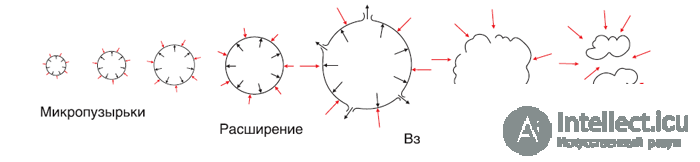
When low-frequency ultrasound propagates in a liquid medium, alternating pressure arises, and negative pressure can lead to the formation of microbubbles. These bubbles are called "cavitation" bubbles, and the phenomenon itself came to be called ultrasonic cavitation. The size of the bubbles depends on the frequency of the ultrasonic waves: it decreases as the frequency increases, and vice versa. A frequency of 30–40 kHz proved to be optimal for bubble formation.
Cavitation bubbles arise and expand during the rarefaction half-cycles and collapse after passing into the region of increased pressure. They do not live long: they reach their resonant size fairly quickly, expand rapidly, and then collapse abruptly. When a large number of cavitation bubbles collapse simultaneously, an enormous amount of energy is released, which propagates within the fat cell as a spherical shock wave. As a result of the superposition of waves inside the fat cell, a hydrodynamic shock — a microexplosion — occurs. The microexplosions damage the cell membranes of adipocytes. Owing to cavitation, the fat cell membrane is destroyed, while other cells and tissues of the body, which have a higher elasticity coefficient, are not affected [3]. Nearby blood vessels, nerves, and other tissues are not damaged [2, 6]. Ultrasonic cavitation that directly destroys fat cells is called cavitation lipolysis or ultrasonic liposuction.
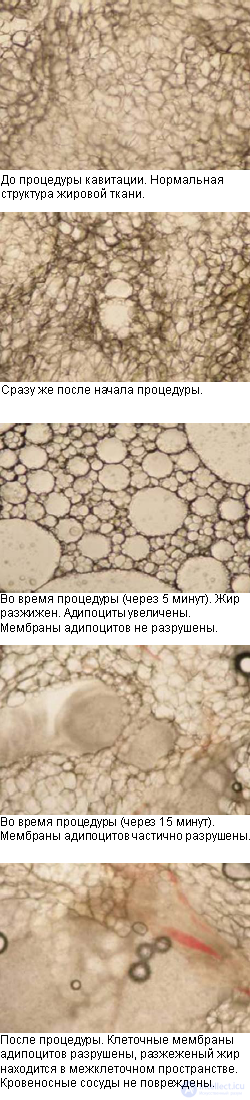
Dr. Pedro Lapuente (University of Zaragoza, Bologna, Spain) showed what changes occur in adipose tissue under the action of cavitation. In his experiments he used human adipose tissue and blood vessels. The response of the adipose tissue was studied under an electron microscope [6].
In other words, true lipolysis, that is, the conversion of adipose tissue into a finely dispersed fat emulsion that is fluid and light in texture, is impossible without cavitation. Fat in this form is easily released from the adipocyte, recognized by lipases, undergoes further biochemical transformation in the intercellular space, and is removed from the tissues into the drainage systems.
 EXPOSURE TO HIGH-FREQUENCY ULTRASOUND (1 MHZ)
The effects of cavitation can be enhanced by simultaneous exposure to high-frequency ultrasound (1 MHz). An ultrasonic wave, being an alternation of compression and rarefaction zones, produces a vibrational "micromassage" as it propagates through tissues, improves lymphatic and venous drainage, and ensures the removal of metabolites from the interstitial fluid. There are three main natural mechanisms for eliminating the breakdown products of the fat cell.
Biochemical. The breakdown products of adipose tissue enter the intercellular space. In an aqueous medium, under the influence of ultrasonic cavitation, they form a finely dispersed emulsion. Some of them are broken down by hormone-sensitive lipases into glycerol and fatty acids. Fatty acids, which are poorly soluble in water, bind to albumin and are transported to the liver or other tissues that need these molecules as building blocks or as an energy source. Glycerol is water-soluble and is transported to the liver or to other cells that use it.
Tissue. The breakdown products of adipose tissue acquire antigenic properties and are phagocytosed by macrophages.
Vascular. Fatty acids and glycerol are removed through the lymphatic vessels and "discharged" into the large lymphatic trunks, and then into the inferior vena cava. Under the action of high-frequency ultrasound, the drainage function is enhanced, which contributes to the "cleansing of toxins" from the treated area [6].
Ultrasound with a frequency of 1 MHz does not destroy the adipocyte membrane and therefore has no direct effect on adipose tissue. It activates lipolysis in fat cells indirectly. As tissue edema decreases and pressure on the vessels is reduced in congested areas, blood flow increases, and a sufficient amount of oxygen begins to reach the problem areas. Ultrasound helps break down the dense fibrous septa between adipocytes and gives tissues greater elasticity. In addition, ultrasound increases the permeability of the stratum corneum of the epidermis, which creates favorable conditions for the penetration of active ingredients into the dermis, but not deeper than the papillary layer. This is nothing other than ultraphonophoresis (sonophoresis), a method long and widely used in physiotherapy and aesthetic cosmetology.
With ultraphonophoresis we can deliver lipolytic agents, thereby combining the effects of ultrasound therapy with the specific effects of the agent delivered by ultrasound. The choice of mesotherapy preparations is made by the physician individually for each patient, taking into account all indications and contraindications. For example, for lipolytic purposes we use preparations containing fucus extract, which has an indirect lipolytic action through phosphodiesterase blockade.
As is known, heating of tissues improves blood supply, accelerates metabolism, and increases the permeability of vessel walls. As a result, the intensity of redox reactions increases and biologically active substances are released. Heating of tissues with infrared radiation helps lower the melting point of fats and improves the penetration of active substances. Therefore, it is advisable to begin lipolytic procedures with exposure to this factor. The thermal effect of infrared radiation is determined primarily by its wavelength. Using the long-wave, non-aggressive part of the infrared spectrum (8–14 μm) makes the procedure comfortable for the patient, since the human body is well adapted to it. During the procedure the patient feels only gentle warmth. The effects of ultrasound and infrared radiation are not simply summed but mutually enhance each other through potentiation, action on different aspects of the process, and a longer aftereffect period.
We know from theory, and practice confirms, that if adequate lymphatic drainage is not ensured, the breakdown products remaining in the tissues may be deposited again as fat. That is why, after the procedure, agents and methods are used that ensure further metabolism of the breakdown products of adipose tissue and have a lymphatic drainage effect. Mesotherapy is the long-recognized and most effective of such methods. L-carnitine, which ensures the transport of free fatty acids into the mitochondria, is traditionally responsible for metabolic conversion. To enhance lymphatic drainage, preparations containing rutoside and extracts of yellow sweet clover, green tea, artichoke, and others are used. It is advisable to add active ingredients with antioxidant and anti-inflammatory action (vitamins C and E, walnut extracts, sarsaparilla root extract).
Examples of such preparations include Liporeductor RC-2 (Dietbel, Spain), Rutin + Melilotus extract (ID Farma, Spain), Alkafit, and Kamezin (Skinasil, Russia). They ensure lymph flow and lymphatic drainage and have an anti-edema effect, accelerating and enhancing the utilization of the final metabolites — free fatty acids and water.
In cases of pronounced microcirculation disorders, it is advisable to conduct mesotherapy sessions using extracts of Ginkgo biloba and arnica. They relieve spasm of the precapillary sphincters, strengthen vessel walls, and restore microcirculation.
The combination of device-based treatment (ultraphonophoresis + ultrasonic cavitation + infrared irradiation) and mesotherapy leads to the following results.
Thus, the working time on the LIPO-CAVITATION SYSTEM device is 20 minutes, and the whole procedure lasts 40–60 minutes. When the procedure is performed correctly, waist circumference decreases by 1–4 cm at a time (Fig. 7 and 8). Correcting localized fat deposits takes time, and the final result depends on many factors: the skill of the physician, the technical characteristics of the equipment, and, without doubt, the regularity of the procedures and the patient's compliance with all recommendations [4].
If all conditions are met, at the end of a course of 7–10 procedures all patients report a reduction in waist circumference of 15–20 cm. Because cavitation does not shrink fat cells but destroys them completely, they will not be restored: what no longer exists cannot reappear! And although there is no panacea among the methods of treating localized fat deposits, perhaps the panacea lies in combining them correctly.
If hormonal, physical and drug therapy cannot eliminate excess fat, a great number of problems arise in the body, including an increase in mortality.
Metformin reduces mortality in people by approximately 30%, as shown in a study of 51,675 patients with type 2 diabetes (ncbi.nlm.nih.gov/pubmed/22798258) (ncbi.nlm.nih.gov/pubmed/25041462). It also reduces mortality in older people with insulin resistance by 23% by preventing the onset of frailty caused by an increased proportion of intermuscular fat (www.ncbi.nlm.nih.gov/pubmed/27978584) (www.ncbi.nlm.nih.gov/pubmed/25506599)
A meta-analysis of 31 RCTs with a total of 4,570 participants without diabetes mellitus but with risk factors for developing diabetes in the future showed the following. Metformin treatment in people at risk of diabetes (including those who are overweight) improves body weight, lipid profile and insulin sensitivity, and also reduces the risk of developing diabetes by 40%. This meta-analysis suggests that metformin should be used not only in people with diabetes mellitus but also in people with insulin resistance. After all, it is precisely insulin resistance that gives rise to intermuscular fat, which gradually displaces muscle mass.
Link to the study:
The process of synthesis, i.e. accumulation of fats, is called lipogenesis, and their breakdown is called lipolysis.
Fat synthesis is regulated by the reactions of carbohydrate metabolism and, very importantly, the amount of fat cells stored is determined by the amount of carbohydrates in the diet, not of fats. Put simply, if you eat a lot of carbohydrates – confectionery, sweets, pasta, etc. – there is a high likelihood of new fat stores being deposited.
Lipogenesis and lipolysis are complex, multistage processes. Many enzymes and several hormones take part in them. On the membranes of fat cells there are molecular structures – receptors – whose activation triggers biochemical processes. Alpha-2 receptors are responsible for fat accumulation, and beta receptors for its release.
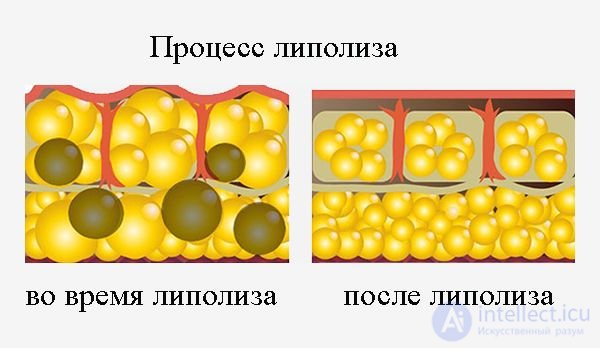
The adipose tissue of women contains a great many alpha receptors and very few beta receptors. Thus nature itself has made women ideally adapted to accumulating fat. For the same reason, low-calorie diets are practically unable to help women.
The table below helps explain why we lose weight when we are nervous, i.e. when the blood adrenaline level rises, and gain weight when we smoke. It is also worth noting that a cup of coffee really does promote the breakdown of fats.
| Promote the release of fat from cells: | adrenaline, noradrenaline and hormones with similar actions, thyroid hormones, caffeine. |
| Promote fat accumulation: | insulin, salicylates, nicotinic acid. |
Lipolysis is necessary in the treatment of
продолжение следует...
Часть 1 Body Fat Percentage: Measurement Methods, Analysis and How to Reduce It
Часть 2 7. Stages of fat burning (lipolysis) - Body Fat Percentage:

Comments