
Lecture
The skin is the largest organ of the human body. It protects the body and takes part in thermoregulation, respiration, and metabolism. With age, the structure and functions of the skin change, so the rules of skin care also differ.
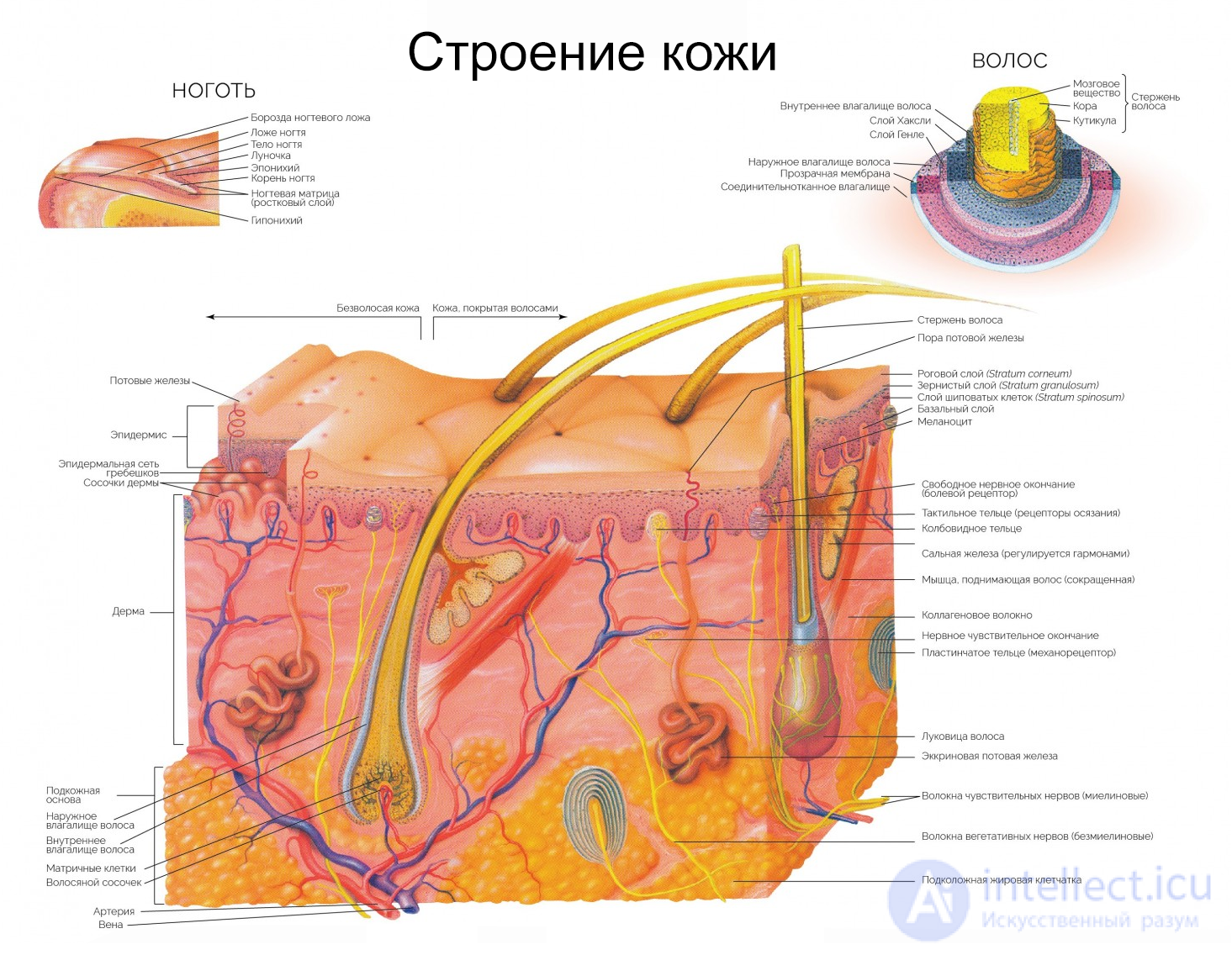
Figure 1. Structure and disorders of the skin
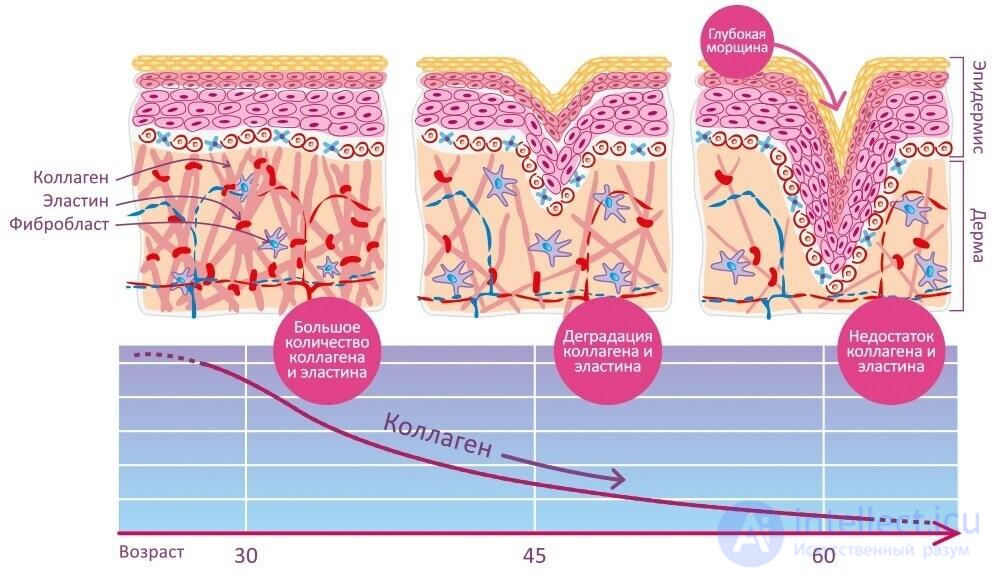
Figure 2. How the structure of the skin changes with age and why wrinkles appear.
The diagram shows the layers of the skin:
The dermis contains:
1. Up to about age 30
2. After age 40–45
3. After age 60
The graph at the bottom shows that the amount of collagen decreases gradually and steadily with age.
The decrease in collagen and elastin leads to:
Aging cannot be stopped completely, but it can be slowed considerably:
1. Sun protection (the most important)
2. Skin care
3. Lifestyle
4. Professional procedures (optional)
Skin hygiene in children:
Skin hygiene in adolescents:
Skin hygiene in adults:
Skin hygiene depends on a person's age.
| Age | Features of skin hygiene |
|---|---|
| Newborns and children (0–10 years) | Daily washing, regular bathing, frequent changes of underwear and clothing, protection from irritants and sunlight. |
| Adolescents (11–18 years) | Washing in the morning and evening, a daily shower, especially after physical exertion, care of problem skin when pimples appear. |
| Adults (19–60 years) | Daily water procedures, cleansing and moisturizing of the skin, sun protection, maintaining a healthy lifestyle. |
| Older people (60 years and over) | Gentle skin cleansing, regular moisturizing, protection from dryness and injury, monitoring of skin condition. |
| Skin defect | Possible causes | Ways of eliminating |
|---|---|---|
| Blackheads (acne) | Hormonal changes, increased sebaceous gland activity, improper skin care | Regular skin cleansing, a proper diet, special products recommended by a doctor |
| Pimples | Skin contamination, bacteria, hormonal changes | Maintaining hygiene, using medicated products, not squeezing them |
| Dry skin | Lack of moisture, cold air, frequent use of soap | Moisturizing creams, sufficient water intake, mild cleansers |
| Oily skin | Active sebaceous glands, heredity | Regular cleansing, using products for oily skin |
| Pigment spots | Sun exposure, age-related changes, hormonal disorders | Sunscreen products, cosmetic procedures prescribed by a specialist |
| Freckles | Heredity, exposure to sunlight | Sun protection, using sunscreens |
| Wrinkles | Age-related changes, ultraviolet exposure, lack of moisture | Moisturizing the skin, sun protection, a healthy lifestyle |
| Skin flaking | Dryness, allergy, vitamin deficiency | Moisturizing, a proper diet, eliminating the cause of irritation |
| Scars and marks | Injuries, burns, consequences of acne | Special creams, physiotherapy, cosmetic procedures |
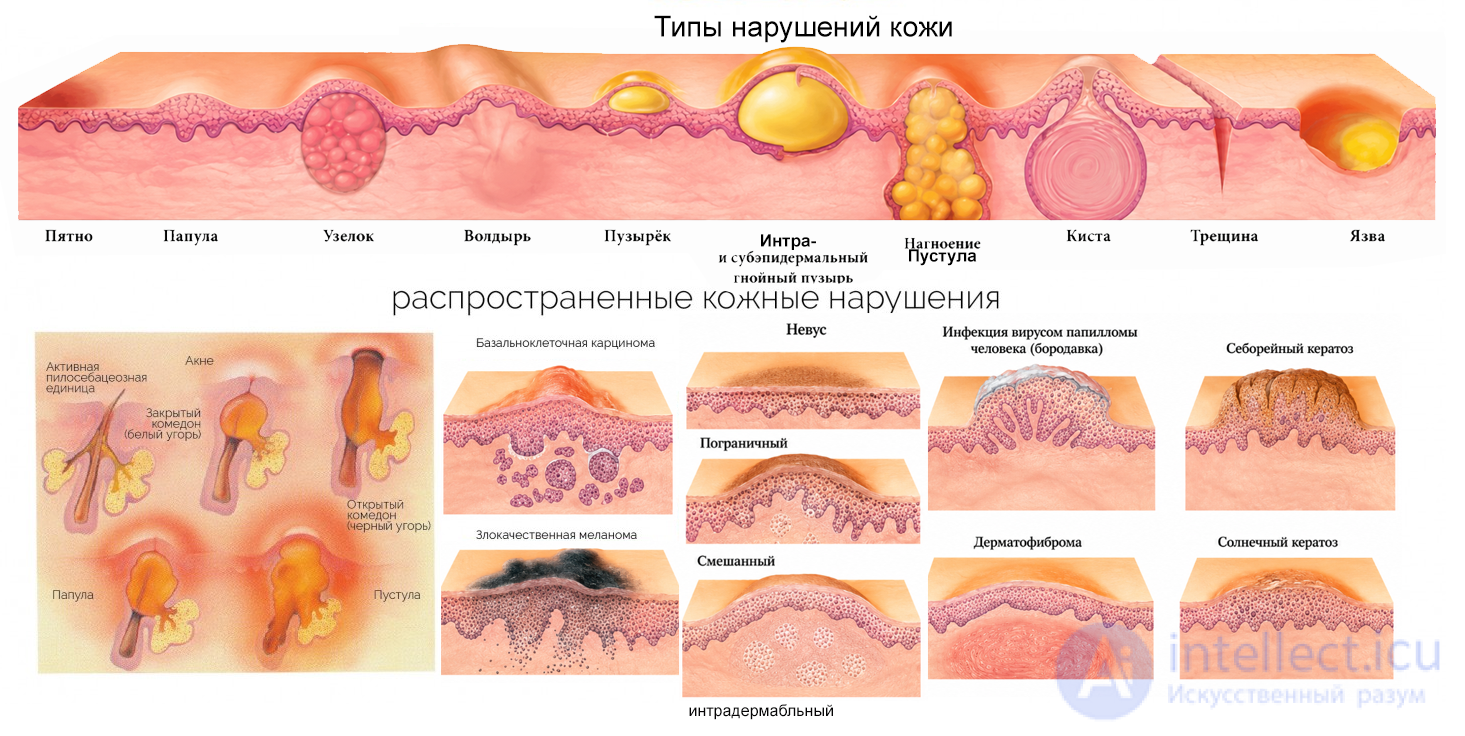
| Type of growth | Characteristics and causes | What to do |
|---|---|---|
| Actinic (solar) keratosis (precancerous condition) | Occurs due to prolonged exposure to ultraviolet rays. Presents as rough, dry patches on the skin. | Monitoring and treatment by a dermatologist are essential. |
| Bowen's disease (precancerous condition) | An early form of squamous cell carcinoma of the skin. Looks like a red, scaly plaque. | Requires examination and treatment by a specialist. |
| Cutaneous horn (may be precancerous) | A dense horny growth projecting above the skin surface. | Examination is necessary to rule out cancer. |
| Basalioma (basal cell carcinoma of the skin) | The most common skin cancer. Grows slowly and rarely metastasizes. Often appears on exposed areas of the body. | Treatment by an oncologist or dermatologist, usually surgical removal. |
| Squamous cell carcinoma of the skin | A malignant skin tumor capable of spreading to other organs. | Requires timely treatment by an oncologist. |
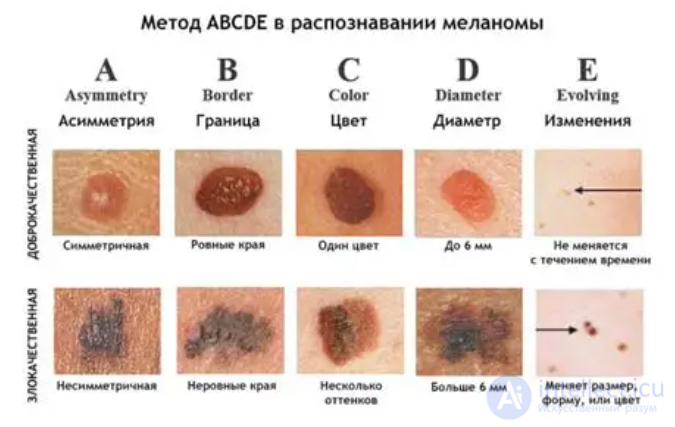
| Melanoma | One of the most dangerous types of skin cancer, developing from pigment cells. It may arise from a mole or on unchanged skin. | See a doctor urgently if melanoma is suspected. |
Special attention should be paid to moles and other growths if they:
For melanoma, the ABCDE rule is often used:
Regular skin examination and protection from excessive exposure to sunlight help reduce the risk of developing precancerous and cancerous skin diseases.
Age-related changes in the skin are linked to the features of its structure and functioning at different stages of life. Following the rules of personal hygiene helps maintain skin health, prevent diseases, and preserve its protective properties.

Comments