
Lecture
Vitamins are biologically active substances necessary for the vital functions of the body.
The body needs vitamins in very small amounts; however, when they are lacking, hypovitaminoses develop quickly, and when they are absent, avitaminoses develop, which can even lead to death.
As components of enzymes, vitamins enhance the action of other biologically active substances, increase immunity and the body's resistance to disease, stimulate tissue growth and regeneration, etc.
Vitamins are designated by Latin letters and divided into 2 groups: water-soluble and fat-soluble.
With a normal diet, the body's daily vitamin requirement is fully met. Insufficient or inadequate nutrition (for example, an unbalanced diet in the elderly, poor nutrition in alcoholics, consumption of convenience foods) or impaired vitamin absorption and utilization can cause various forms of vitamin insufficiency, up to and including avitaminosis. The microflora of the digestive tract plays an important role in supplying the body with several vitamins (K, B12, H). Therefore, vitamin deficiency can result from medical treatment with antibiotics.
Only a few vitamins, such as A, D, E, and B12, can accumulate in the body. Therefore, vitamin insufficiency quickly leads to vitamin deficiency diseases affecting the condition of the skin, the blood cells, and the nervous system.
Vitamin insufficiency is cured by a complete diet or with vitamin preparations. Hypervitaminosis concerns only vitamins A and D. An excess of most other vitamins is quickly excreted from the body in the urine.
Most vitamins come from food, but some are obtained in other ways: for example, microorganisms in the intestinal flora produce vitamin K and biotin; and one form of vitamin D is synthesized in skin cells when they are exposed to ultraviolet light of a certain wavelength present in sunlight. Humans can produce some vitamins from precursors they consume: for example, vitamin A is synthesized from beta-carotene, and niacin is synthesized from the amino acid tryptophan. Natural vitamin C can be synthesized by some species but not by others. Vitamin B12 is the only vitamin or nutrient not available from plant sources. The Food Fortification Initiative lists countries that have mandatory fortification programs with the vitamins folic acid, niacin, vitamin A, and vitamins B1, B2, and B12.

Gum damage from scurvy due to vitamin C deficiency
The body's stores of different vitamins vary greatly; vitamins A, D, and B12 are stored in significant amounts, mainly in the liver, and an adult's diet can be deficient in vitamins A and D for many months, and in B12 in some cases for many years, before a deficiency state develops. However, vitamin B3 (niacin and niacinamide) is not stored in significant amounts, so the stores may last only a couple of weeks . For natural vitamin C, the time to onset of the first symptoms of scurvy in experimental studies of complete vitamin C deprivation in humans varied widely — from one month to more than six months, depending on the previous dietary history, which determined the initial vitamin C stores.
Vitamin deficiencies are classified as primary or secondary. A primary deficiency occurs when the body does not get enough of a vitamin from food. A secondary deficiency may be caused by an underlying disease that prevents or limits the absorption or use of the vitamin, by a "lifestyle factor" such as smoking, excessive alcohol consumption, or the use of medications that interfere with the absorption or use of the vitamin. People who eat a varied diet are unlikely to develop a serious primary vitamin deficiency, but they may consume less than the recommended amount; a national survey of foods and dietary supplements conducted in the United States in 2003–2006 showed that more than 90% of people who did not take vitamin supplements had inadequate levels of some essential vitamins, in particular vitamins D and E.
Well-studied vitamin deficiencies in humans are associated with thiamine (beriberi), niacin (pellagra), vitamin C (scurvy), folic acid (neural tube defects), and vitamin D (rickets)[21]. In most of the developed world, these deficiencies are rare because of adequate food supplies and the addition of vitamins to common foods. In addition to these classic vitamin deficiency diseases, some data also indicate a link between vitamin deficiencies and a number of different disorders.
Only the excess of water-soluble vitamins can be excreted from the body. These are the B vitamins and vitamin C. The fat-soluble vitamins — A, E, D, K — tend to accumulate in the body. Acute or chronic toxicity at high doses, called hypertoxicity, has been documented for some vitamins. The European Union and the governments of several countries have established Tolerable Upper Intake Levels (UL) for those vitamins whose toxicity has been documented. The likelihood of consuming too much of any vitamin from food is low, but excessive intake (vitamin poisoning) from dietary supplements does occur. In 2016, 63,931 people reported to the American Association of Poison Control Centers an overdose of all vitamin and multivitamin/mineral products, with 72% of these cases occurring in children under five years of age. In the United States, an analysis of a national survey of diet and dietary supplements showed that about 7% of adult supplement users exceeded the upper limit for folic acid, and 5% of people over 50 exceeded the upper limit for vitamin A.
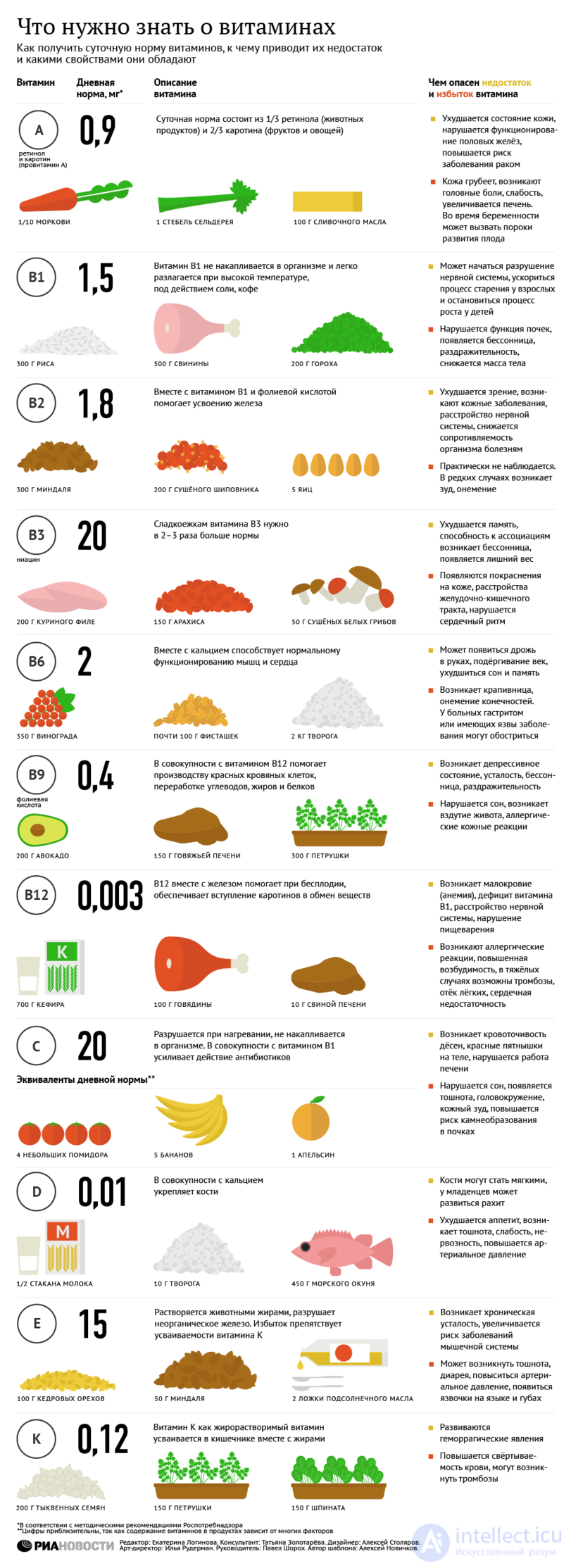
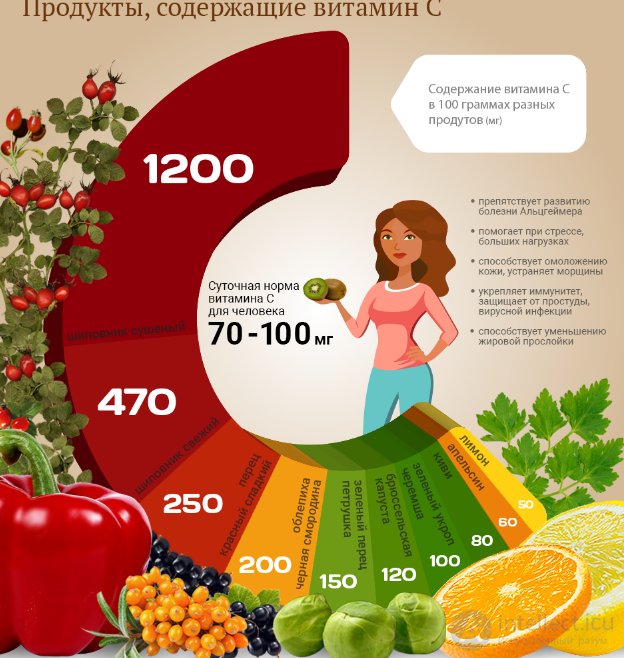
Vitamin C (L-ascorbic acid) — takes part in oxidation-reduction processes and increases resistance to infections. In hypovitaminosis, a gum disease — scurvy — develops, and the walls of the blood vessels are affected (the gums bleed, and the teeth loosen and fall out). If the deficiency of this vitamin is not made up, a person may die. Vitamin C is found in vegetables and fruits, but it is most abundant in rose hips, black currants, sea buckthorn, and sweet peppers.
C (ascorbic acid) is the γ-lactone of 2,3-didehydrogulonic acid. Both hydroxyl groups are acidic, so upon loss of a proton the compound can exist in the form of the ascorbate anion. A daily intake of ascorbic acid is necessary for humans, primates, and guinea pigs, since these species lack the enzyme gulonolactone oxidase (EC 1.1.3.8), which catalyzes the last step of the conversion of glucose to ascorbate.
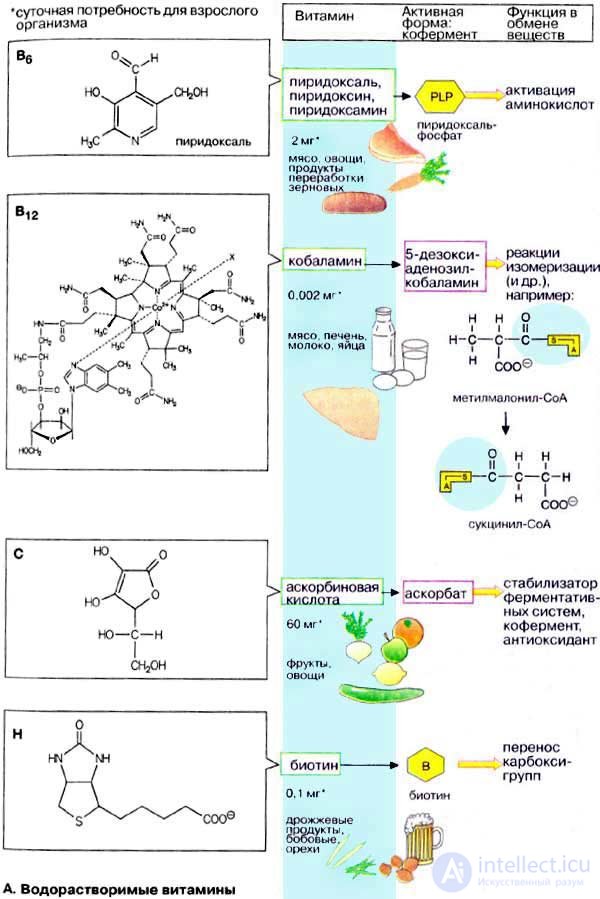
The source of vitamin C is fresh fruits and vegetables. Ascorbic acid is added to many beverages and foods as an antioxidant and flavoring. Vitamin C is slowly destroyed in water. As a strong reducing agent, ascorbic acid takes part in many reactions (mainly hydroxylation reactions). Among the biochemical processes involving ascorbic acid, one should mention collagen synthesis, tyrosine degradation, and the synthesis of catecholamines and bile acids. The daily requirement of ascorbic acid is 60 mg — a value unusual for vitamins. Today vitamin C deficiency is rare. The deficiency manifests after several months in the form of scurvy. The consequences of the disease are atrophy of connective tissues, disorders of the hematopoietic system, and tooth loss.
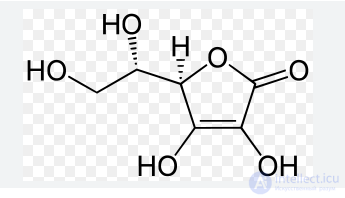
structural formula of vitamin C
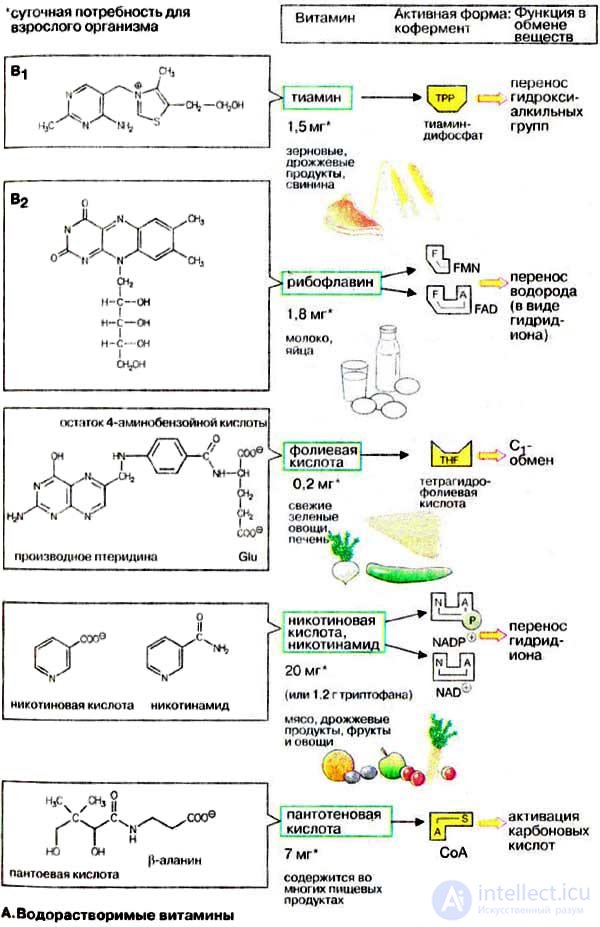
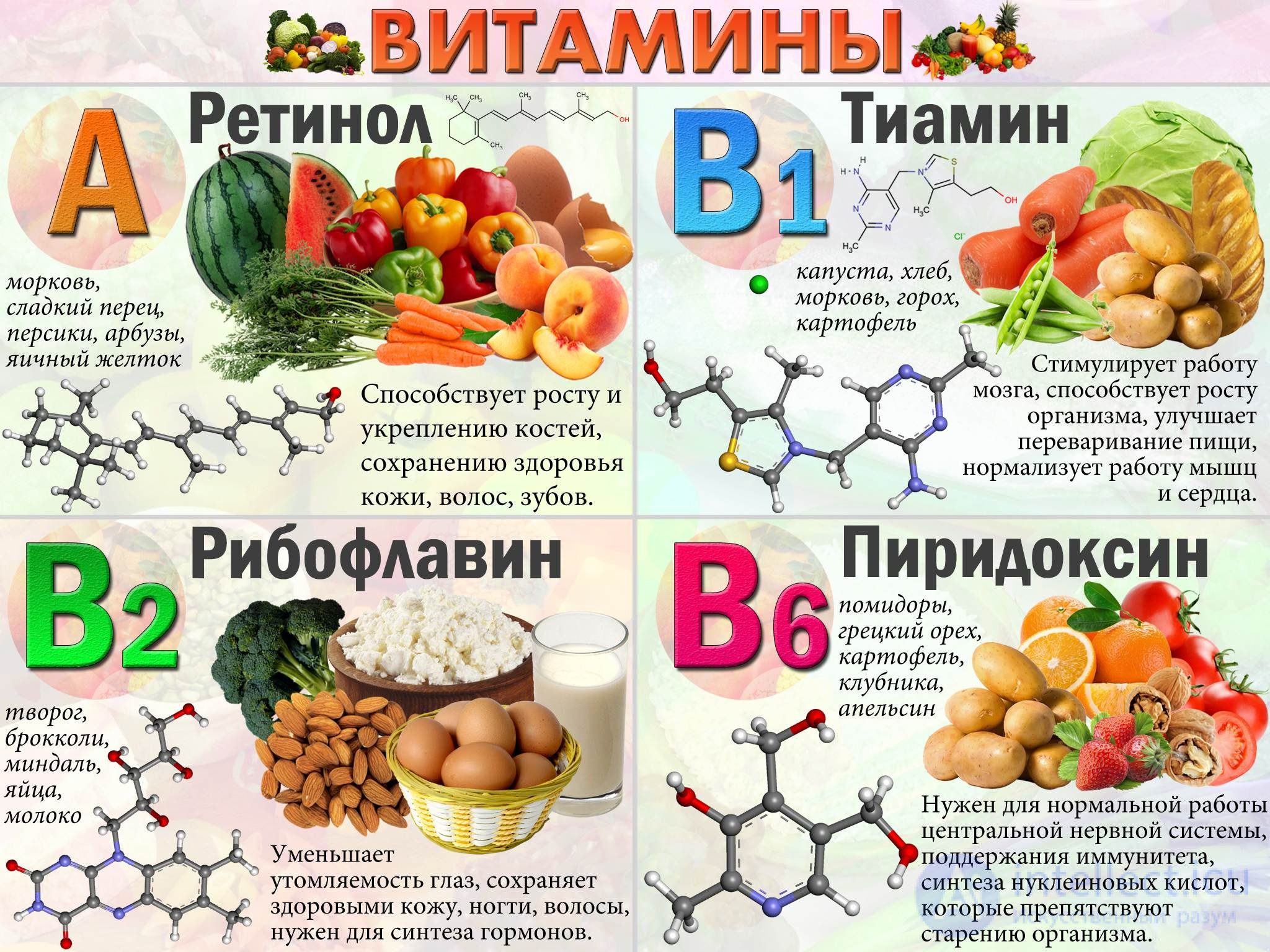
B1 (thiamine) — takes part in the metabolism of proteins, fats, and carbohydrates and in the conduction of the nerve impulse. Vitamin B1 is necessary for the normal functioning of the nervous, endocrine, and immune systems. Hypovitaminosis causes the disease polyneuritis. At first insomnia, increased irritability, anxiety, and headaches occur. Weakness and pain in the legs appear. The richest sources of thiamine are coarsely ground flour products containing bran, as well as legumes: peas, beans, soy. Vitamin B1 (thiamine) is built from two cyclic systems — pyrimidine (a six-membered aromatic ring with two nitrogen atoms) and thiazole (a five-membered aromatic ring containing nitrogen and sulfur atoms), joined by a methylene group. The active form of vitamin B1 is thiamine diphosphate (TPP), which functions as a coenzyme in the transfer of hydroxyalkyl groups ("activated aldehydes"), for example in the oxidative decarboxylation of α-keto acids, and also in the transketolase reaction of the hexose monophosphate pathway. A deficiency of vitamin B1 leads to the disease beriberi, whose signs are disorders of the nervous system (polyneuritis), cardiovascular diseases, and muscle atrophy.
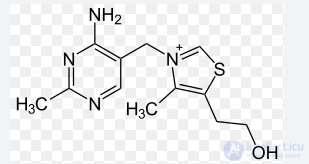
structural formula of vitamin B1 (thiamine)
B2 (riboflavin) — takes part in cellular respiration. Hypovitaminosis causes damage to the mucous membrane at the corners of the mouth; skin injuries heal poorly, the eyes water, and photophobia develops. The main sources of vitamin B2 are milk and dairy products, eggs, liver, meat, fish, bread, and buckwheat groats.
Vitamin B2 is a complex of vitamins including riboflavin, folic acid, nicotinic acid, and pantothenic acid. Riboflavin is a structural element of the prosthetic groups of flavin mononucleotide (FMN) and flavin adenine dinucleotide (FAD). FMN and FAD are the prosthetic groups of numerous oxidoreductases (dehydrogenases), where they function as hydrogen carriers (in the form of hydride ions). No specific diseases associated with riboflavin deficiency are known.*
A number of sources express a different point of view. It is believed that riboflavin deficiency causes digestive and nervous system disorders, chronic colitis and gastritis, general weakness, various skin diseases, and reduces the body's resistance. The vitamin is necessary for good vision. Ultimately, riboflavin deficiency leads to a shortened lifespan..
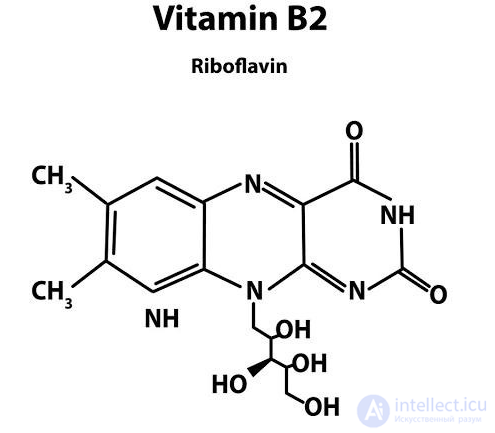
structural formula of vitamin B2 (riboflavin)
Pantothenic acid (vitamin B3) is the amide of α,γ-dihydroxy-β,β-dimethylbutyric acid (pantoic acid) and β-alanine. The compound is necessary for the biosynthesis of coenzyme A (CoA), which takes part in the metabolism of many carboxylic acids. Pantothenic acid is also part of the prosthetic group of acyl carrier protein (ACP). Since pantothenic acid is present in many foods, avitaminosis due to vitamin B3 deficiency is rare.
B6 — takes part in metabolism; in hypovitaminosis, skin diseases, convulsions, and anemia occur. Vitamin B6 is the collective name for three pyridine derivatives: pyridoxal, pyridoxine, and pyridoxamine. The diagram shows the formula of pyridoxal, in which an aldehyde group (-CHO) is at position C-4; in pyridoxine this position is occupied by an alcohol group (-CH2OH); and in pyridoxamine by an aminomethyl group (-CH2NH2). The active form of vitamin B6 is pyridoxal 5-phosphate (PLP), the most important coenzyme in amino acid metabolism. Pyridoxal phosphate is also a component of glycogen phosphorylase, which takes part in the breakdown of glycogen. Vitamin B6 deficiency is rare.
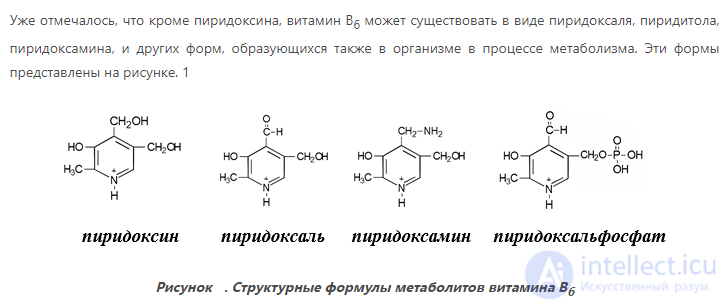
structural formula of vitamin B6 (pyridoxine)
The folic acid molecule (vitamin B9, vitamin Bc, folacin, folate) contains three structural fragments: a pteridine derivative, 4-aminobenzoate, and one or more glutamic acid residues. The reduction product of folic acid — tetrahydrofolic (folinic) acid (THF) — is a component of enzymes that carry out the transfer of one-carbon fragments (C1 metabolism). Folic acid deficiency is quite common. The first sign of deficiency is impaired erythropoiesis (megaloblastic anemia). Synthesis of nucleoproteins and cell maturation are inhibited, and abnormal precursors of erythrocytes — megalocytes — appear. In acute folic acid deficiency, generalized tissue damage develops, associated with impaired lipid synthesis and amino acid metabolism.
Unlike humans and animals, microorganisms are able to synthesize folic acid de novo. Therefore, the growth of microorganisms is suppressed by sulfonamide drugs, which as competitive inhibitors block the incorporation of 4-aminobenzoic acid into folic acid biosynthesis. Sulfonamide drugs cannot affect the metabolism of animal organisms, since these cannot synthesize folic acid.
B12 — takes part in protein metabolism. In hypovitaminosis, anemia occurs.
Vitamin B12 (cobalamins; the pharmaceutical form is cyanocobalamin) is a complex compound based on a corrin ring and containing a coordinately bound cobalt ion. This vitamin is synthesized only by microorganisms. Among foods, it is found in liver, meat, eggs, and milk and is completely absent from plant foods (note to vegetarians!). The vitamin is absorbed by the gastric mucosa only in the presence of a secreted (endogenous) glycoprotein, the so-called intrinsic factor. The purpose of this mucoprotein is to bind cyanocobalamin and thereby protect it from degradation. In the blood, cyanocobalamin is also bound by a special protein, transcobalamin. In the body, vitamin B12 is stored in the liver.
Derivatives of cyanocobalamin are coenzymes that take part, for example, in the conversion of methylmalonyl-CoA to succinyl-CoA and in the biosynthesis of methionine from homocysteine. Derivatives of cyanocobalamin take part in the reduction of ribonucleotides to deoxyribonucleotides by bacteria.
Vitamin deficiency or impaired absorption of vitamin B12 is associated mainly with the cessation of intrinsic factor secretion. The consequence of avitaminosis is pernicious anemia.
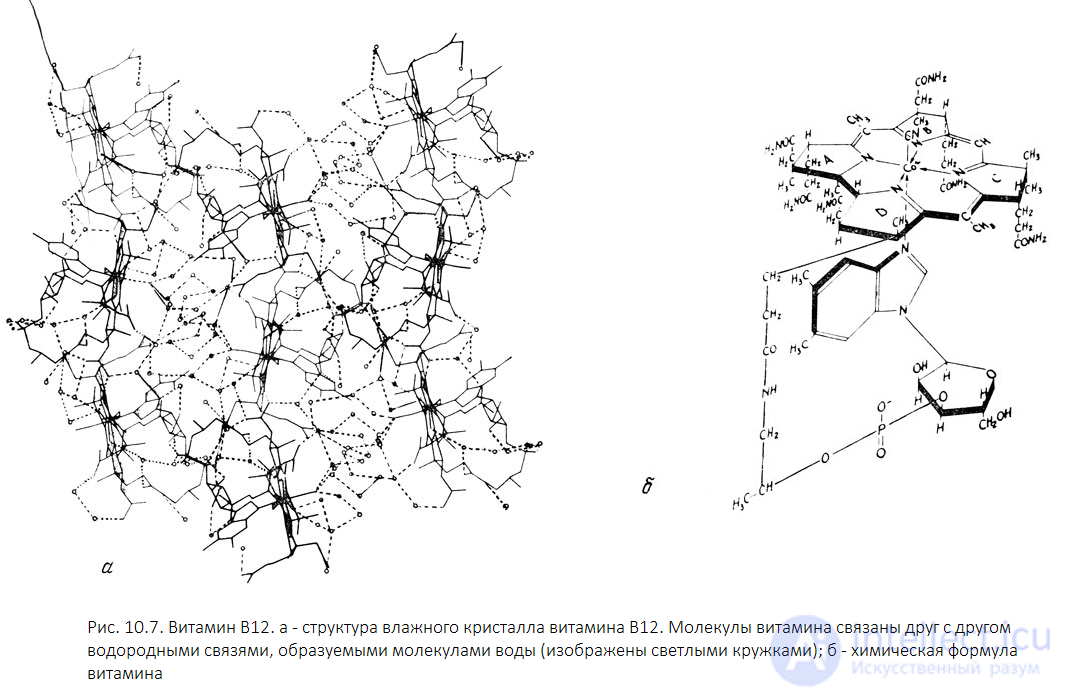
structural formula of vitamin B12 (pyridoxine)
PP (nicotinic acid) — ensures the normal intensity of energy metabolism in the body and takes part in cellular respiration and the work of the digestive system.
When nicotinic acid is lacking, pellagra develops — a severe disease involving damage to the central nervous system, the gastrointestinal tract, and the skin. Sources of vitamin PP are cereals, coarse-ground bread, legumes, meat and animal organs (liver, kidneys, heart), fish, and some vegetables. The nicotinic acid content of yeast and dried mushrooms is very high. Nicotinic acid (niacin) and nicotinamide (niacinamide) (both known as vitamin B5, vitamin PP) are necessary for the biosynthesis of two coenzymes — nicotinamide adenine dinucleotide (NAD+) and nicotinamide adenine dinucleotide phosphate (NADP+). The main function of these compounds, the transfer of hydride ions (reducing equivalents), is discussed in the section on metabolic processes. In animal organisms, nicotinic acid can be synthesized from tryptophan, but the biosynthesis proceeds with a low yield. Therefore, a vitamin deficiency occurs only if all three substances — nicotinic acid, nicotinamide, and tryptophan — are simultaneously absent from the diet. Diseases associated with niacin deficiency manifest as skin damage (pellagra), stomach disorders, and depression.
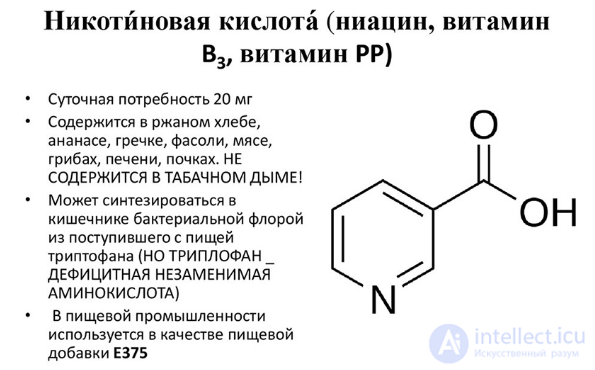
structural formula of vitamin B3 PP (pyridoxine)
Vitamin H (biotin) is found in the liver, egg yolk and other foods; in addition, it is synthesized by the intestinal microflora. In the body, biotin is bound (via the ε-amino group of a lysine residue) to enzymes, for example pyruvate carboxylase (EC 6.4.1.1), which catalyze carboxylation reactions. During transfer of the carboxyl group, the two N atoms of the biotin molecule bind a CO2 molecule in an ATP-dependent reaction and transfer it to an acceptor.
Biotin binds to avidin, a protein of chicken egg white, with high affinity (Kd = 10 - 15 M) and specificity. Because avidin is denatured by boiling, vitamin H deficiency can develop only from eating raw eggs.
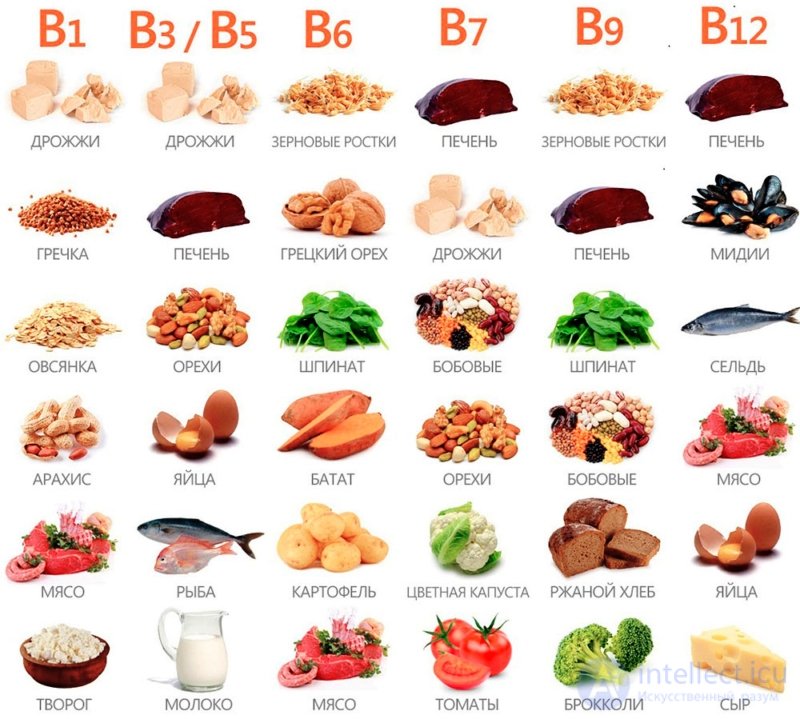
Why are these vitamins grouped together? The reason is that they all share one common property: water solubility. They enter the body with food, do not accumulate in it (with the exception of B12), dissolve quickly in water, and are washed out of the body with it.
The B vitamins are grouped together because they have similar chemical and biological properties and perform a number of important functions in the body. This group includes several different vitamins, such as B1 (thiamine), B2 (riboflavin), B3 (niacin), B5 (pantothenic acid), B6 (pyridoxine), B7 (biotin), B9 (folic acid) and B12 (cobalamin).
The main common feature of the B vitamins is their role in metabolism. They take part in various chemical reactions related to energy production, the synthesis of nucleic acids (DNA and RNA), protein synthesis, and the metabolism of carbohydrates and fats. Vitamins of this group often act as cofactors for various enzymes, accelerating biochemical processes in the body.
Although the B vitamins perform similar functions, they also have unique properties and roles. For example, vitamin B12 is necessary for the formation of red blood cells and for the health of the nervous system, and folic acid (B9) is important for the synthesis of DNA and RNA.
Thus, the grouping of the B vitamins into one category is due to their similar metabolic functions and interdependence, but each of them also plays its own unique role in maintaining the health of the body.
These substances are water-soluble and therefore cannot accumulate in the tissues, since any excess is excreted by the urinary system. The exception is vitamin B12. For normal functioning of the body they must be supplied with food every day in the required amounts, and a deficiency leads to various disorders.
The following predisposing factors for B vitamin deficiency are distinguished:
In addition, there is a separate group of conditions in which the need for vitamins is increased:
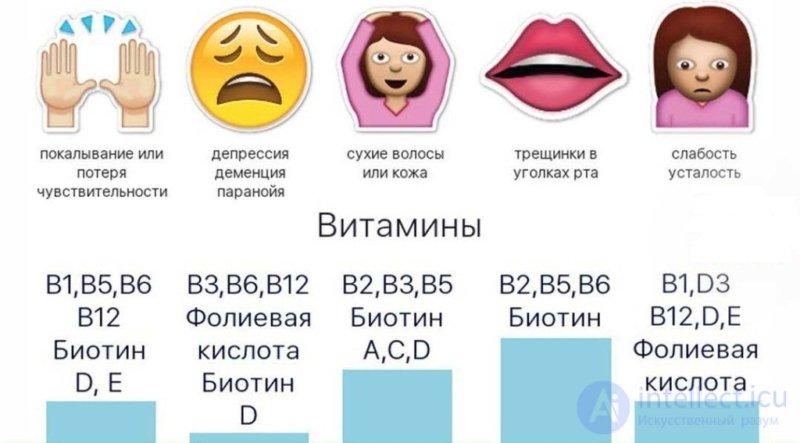
Two types of correction of B vitamin deficiency are distinguished: therapeutic and preventive.
The therapeutic approach involves the use of high doses of B vitamins in long courses. Correction is carried out under strict medical supervision when clinical and laboratory data confirm a vitamin deficiency. At present, primary dietary avitaminoses are rare. This form of B vitamin deficiency mainly develops against the background of gastrointestinal pathology or hereditary disorders of vitamin metabolism. In this case, oral forms of the preparations do not always have the expected therapeutic effect, so some groups of patients are prescribed injectable administration of multivitamin or single-vitamin preparations.
The preventive approach to eliminating B vitamin deficiency involves taking preparations at a dose close to the daily requirement. Such therapy may be prescribed even without proven vitamin insufficiency.
According to solubility, vitamins are divided into fat-soluble and water-soluble. Chemically, the fat-soluble vitamins A, D, E and K belong to the isoprenoids .
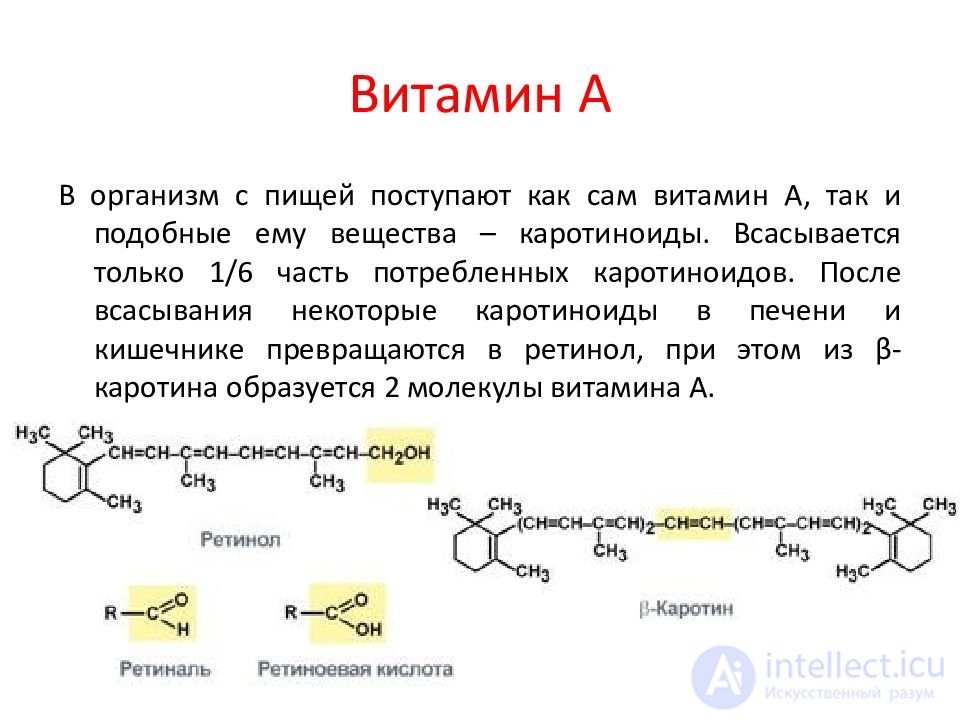
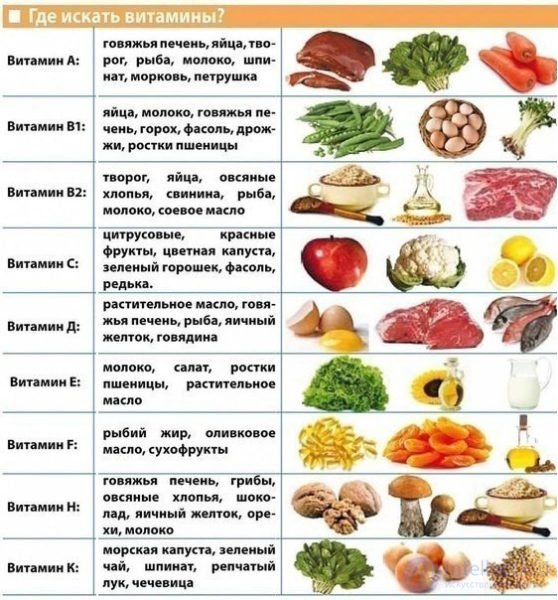
A (retinol) — ensures normal growth of the body, skeletal formation and proliferation of skin cells, and is also necessary for normal vision. This vitamin enters the body only with foods of animal origin. It is found in the liver of fish and other animals, eggs, butter and sour cream. Plants contain the pigment beta-carotene, from which vitamin A is slowly formed in the human body itself. In hypovitaminosis, night blindness occurs (a reduced ability to distinguish colors in dim light). Vitamin A (retinol) is the precursor of the group of "retinoids", which includes retinal and retinoic acid. Retinol is formed by oxidative cleavage of the provitamin β-carotene. Retinoids are found in animal products, and β-carotene in fresh fruits and vegetables (especially carrots). Retinal determines the color of the visual pigment rhodopsin. Retinoic acid functions as a growth factor. When vitamin A is deficient, night blindness, xerophthalmia (dryness of the cornea of the eyes) and growth impairment develop.
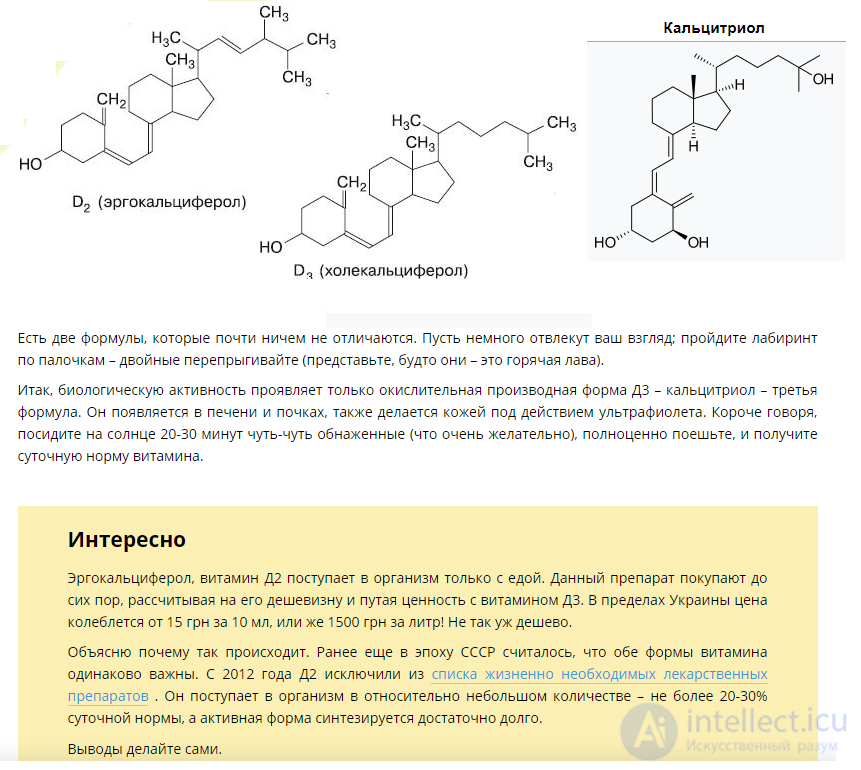
D (calciferol) — regulates calcium and phosphorus metabolism and is necessary for normal formation of bone tissue. It increases the absorption of these minerals in the small intestine and promotes their deposition in bones. In hypovitaminosis, the disease rickets develops. Vitamin D is abundant mainly in foods of animal origin: fish liver, dairy products, eggs. Vitamin D is also produced in human skin under the action of ultraviolet radiation (when tanning). Vitamin D (calciferol), upon hydroxylation in the liver and kidneys, forms the hormone calcitriol (1α,25-dihydroxycholecalciferol) . Together with two other hormones (parathyroid hormone, or parathyrin, and calcitonin), calcitriol takes part in the regulation of calcium metabolism. Calciferol is formed from the precursor 7-dehydrocholesterol, present in the skin of humans and animals, upon irradiation with ultraviolet light. If UV irradiation of the skin is insufficient or vitamin D is absent from the diet, vitamin insufficiency develops and, as a consequence, rickets in children and osteomalacia (softening of the bones) in adults. In both cases the process of mineralization (incorporation of calcium) of bone tissue is disrupted .
Vitamin E — prevents oxygen free radicals from destroying cell membranes. In hypovitaminosis, sexual function is weakened and skeletal muscle dystrophy develops. Sources of this vitamin are vegetable oils, especially unrefined ones. Vitamin E is also found in liver, eggs, bakery products, buckwheat and legumes. Vitamin E includes tocopherol and a group of related compounds with a chroman ring. Such compounds are found only in plants; they are especially abundant in wheat germ. For unsaturated lipids, these substances are effective antioxidants .
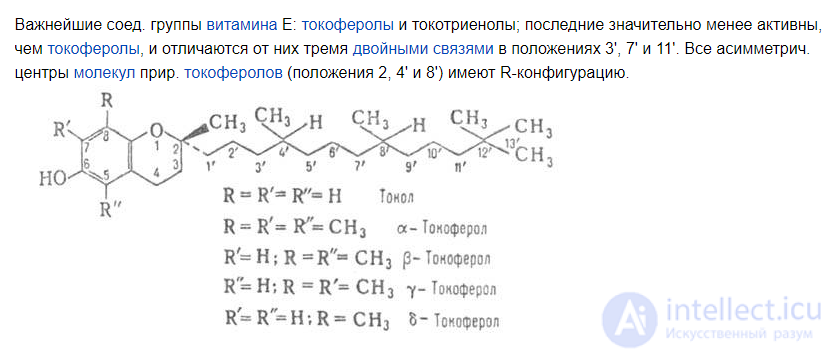
structural formula of vitamin E
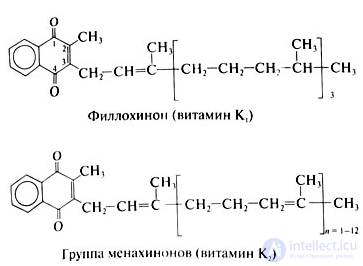
K — (phylloquinone) participates in the formation of prothrombin, without which blood clotting is impossible. In hypovitaminosis, blood clotting is reduced. Vitamin K is found in many foods: cauliflower, lettuce, zucchini, beef liver. In addition, this vitamin is produced by bacteria living in the large intestine. Vitamin K is the general name for a group of substances that includes phylloquinone and related compounds with a modified side chain. Vitamin K deficiency is observed quite rarely, since these substances are produced by the intestinal microflora. Vitamin K takes part in the carboxylation of glutamic acid residues of blood plasma proteins, which is important for normalizing or accelerating the blood clotting process. The process is inhibited by vitamin K antagonists (for example, coumarin derivatives), which is used as one of the methods of treating thrombosis.
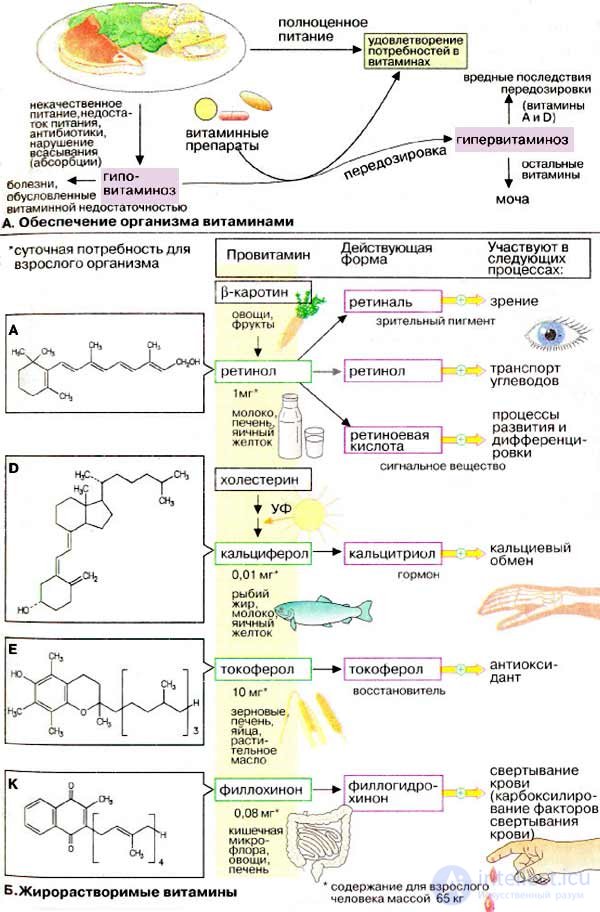
Every person should receive all the necessary vitamins with food every day; if they are lacking in the diet, vitamin supplements can be taken on a doctor's recommendation.
The preservation of vitamins in foods depends on the culinary processing of the food and on the conditions and duration of its storage.
The least stable are vitamins A, B1 and B2.
It has been established that vitamin A is destroyed during boiling and drying of the foods that contain it (for example, boiled carrots contain half as much as raw ones). Heat treatment also significantly reduces the content of B vitamins in food (meat loses 15 to 60% of its B vitamins after boiling, and plant foods about 1/5).
Vitamin C is easily destroyed by heating, and even by contact with air, so vegetables should be peeled and cut just before cooking. To preserve more vitamins in vegetables, it is best to drop them straight into boiling water, cook them briefly in a covered pot, and eat them immediately after preparation.
Additional information
To this day it remains unclear why the human body and the bodies of many animals have a requirement for vitamins. It is suggested that in animals this is due to the loss, as a result of mutations, of certain stages of coenzyme synthesis, whereas these stages have been preserved unchanged in microorganisms and plants. In any case, the presence in the diet of the precursors required for coenzyme biosynthesis, as well as of ready-made vitamins, makes it possible to compensate for defects of endogenous synthesis caused by such mutations.
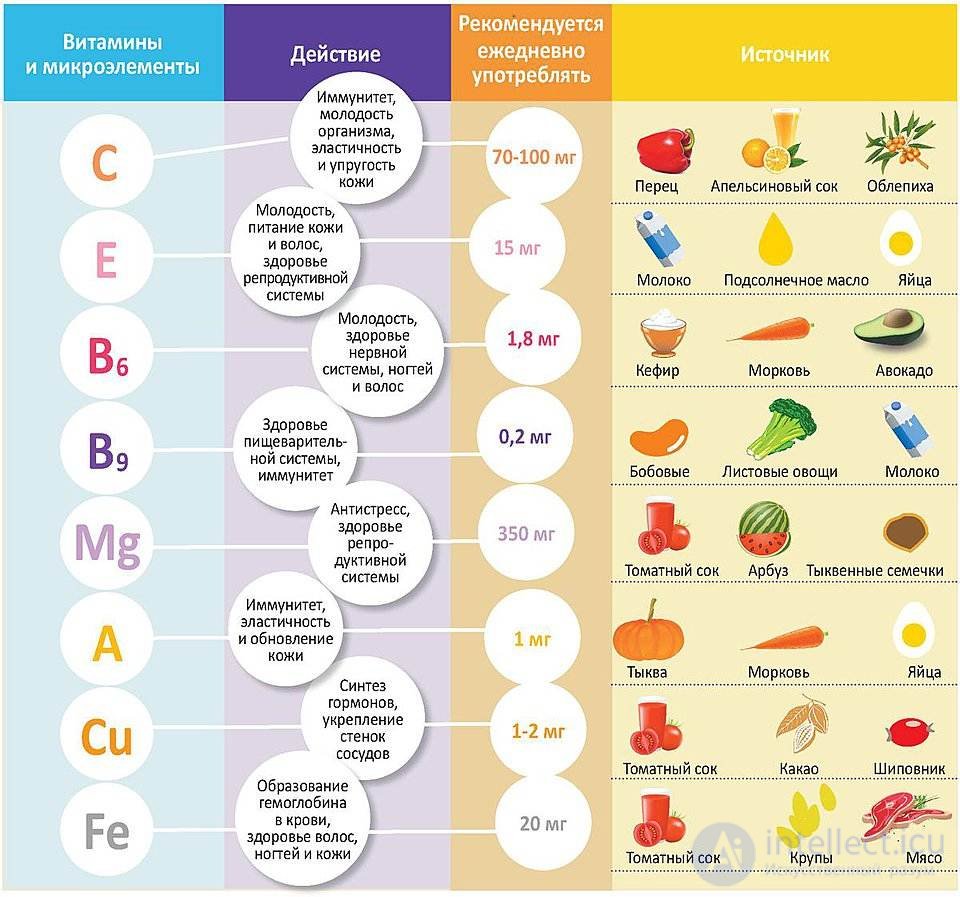
When choosing vitamin-mineral complexes and supplements, the compatibility of vitamins and minerals must be taken into account. Now let us discuss the compatibility of vitamins and minerals in more detail.
If you decide to take vitamins, you can choose a complex or individual vitamins and minerals. Of course, it is more convenient to take one tablet that contains everything you need, but will it be beneficial? By taking vitamins and minerals separately, you can not only take their compatibility into account but also avoid overdosing on those vitamins and minerals that you already get in sufficient amounts from food.
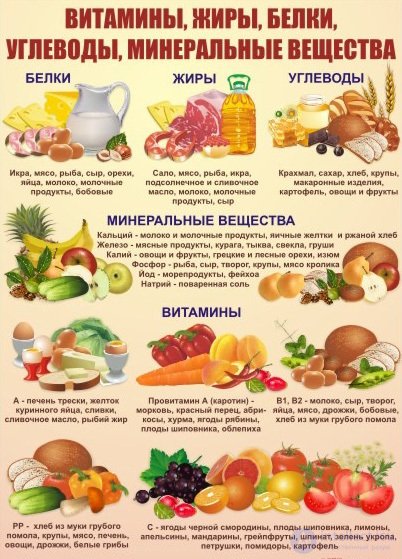
Our body is like a chemical factory in which many different processes take place at the same time. All these processes require a wide variety of elements that we obtain from outside — proteins, fats, carbohydrates, vitamins and minerals. For all these substances to be absorbed and optimally used by the body, it is important to know which substances combine well with one another and which do not. Some vitamins and minerals interfere with each other's absorption, while others, on the contrary, help it. Moreover, some vitamins and minerals cannot be absorbed and used by the body at all when taken separately.
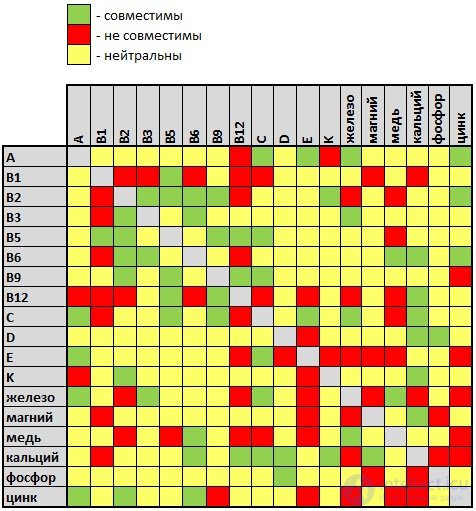
Let us see how the most common vitamins (A, B1, B2, B3, B5, B6, B9, B12, C, D, E, K) and minerals (iron, magnesium, manganese, copper, calcium, silicon, selenium, phosphorus, zinc) combine with one another.
Which vitamins and minerals combine well?
Taking well-combined vitamins and minerals together produces an effect many times greater than that of taking them separately. Synergy is precisely the case where 2+2=10, not 4.
The reasons may differ:
Good compatibility with vitamins C and E and the minerals iron and zinc.
Good compatibility with vitamins B3, B6, B9 and K and with the mineral zinc.
Good compatibility with iron, copper and vitamins B2, B6 and H.
Good compatibility with vitamins B1, B2, B4, B9, B12 and C.
Good compatibility with vitamin B2 and the minerals copper and zinc.
Good compatibility with vitamin C.
Good compatibility with vitamins B5, B9 and calcium.
Good compatibility with vitamins A, E, B5 and B9.
Good compatibility with calcium and phosphorus.
Good compatibility with selenium and vitamin C.
Good compatibility with calcium and vitamin B2.
Good compatibility with magnesium, boron and vitamins B6, B12, D and K.
Good compatibility with copper and vitamins A, B3 and C.
Good compatibility with vitamin D.
Good compatibility with vitamin B6 and iron.
Good compatibility with calcium and B vitamins (except B1).
Good compatibility with vitamins A, B2 and B6.
Which vitamins and minerals do NOT combine well?
In some combinations, vitamins and minerals can destroy each other or inhibit each other's properties. It is advisable to take such vitamins and minerals separately, with a break of 4–6 hours.
Poor compatibility with vitamins B2, B3, B6 and B12 and the minerals magnesium and calcium.
Poor compatibility with the minerals iron and copper.
Poor compatibility with copper.
Poor compatibility with vitamins B1 and B12.
Poor compatibility with zinc.
Poor compatibility with iron, manganese, copper and vitamins A, B1, B2, B3, B6, C and E.
Poor compatibility with B1, B12 and copper.
Poor compatibility with magnesium, zinc, copper and vitamin D.
Poor compatibility with vitamins E and A.
Poor compatibility with sodium, iron, phosphorus, manganese, zinc, and also with an excess of magnesium.
Poor compatibility with zinc, magnesium, chromium and calcium and with vitamins E and B12.
Poor compatibility with magnesium and calcium.
Poor compatibility with zinc and with vitamins B2, B5, B12, C and E.
Poor compatibility with calcium and iron.
Poor compatibility with vitamins B1 and E, with phosphorus and manganese (in large amounts, also with calcium).
Poor compatibility with vitamin B9, calcium, iron, and copper.
For convenience, I have compiled this compatibility table of the most common vitamins and minerals. Using the table is very simple:
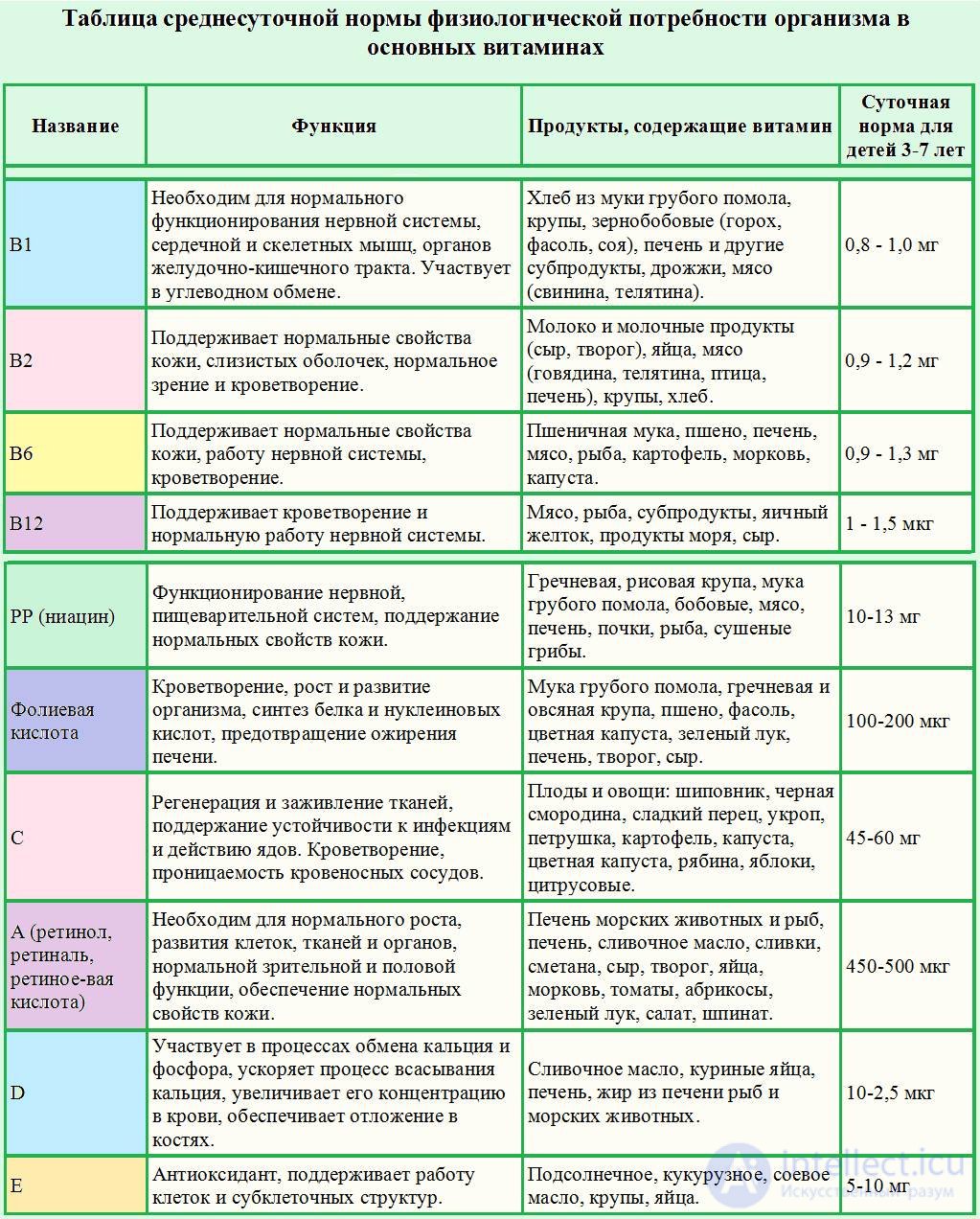
In addition to the compatibility of various vitamins and minerals with one another, it is advisable to take into account the influence of foods. Vitamin-mineral complexes are only a supplement to your main diet, which also contains biologically active substances. This influence is far from always favorable.
Here are the main factors that can significantly reduce the benefit of taking vitamins and minerals:
The paradox is that all of the factors listed above are usually the main reason why you do not get enough vitamins and minerals from food and are forced to take them in the form of tablets.
Individual vitamin requirements may vary depending on various factors, including age, sex, physical activity, diseases, pregnancy and lactation, genetic predisposition, diet and general health. Here are some of the main factors that can influence individual vitamin requirements:
Age: Children, adolescents, adults and older people may have different vitamin requirements.
Sex: Some vitamins may be more important for men or for women, especially during pregnancy and lactation.
Physical activity: Athletes and people who lead an active lifestyle may have increased requirements for some vitamins, such as vitamin C and vitamin D.
Diseases: Some diseases or medical conditions may require increased intake of certain vitamins. For example, people with anemia may need additional iron and vitamin B12. For people with cancer, many vitamins may aggravate the underlying disease; for patients with heart disease or diseases involving metabolic disorders, the intake of correctly chosen vitamins and their doses is also very important.
Pregnancy and lactation: Pregnant and breastfeeding women need additional vitamins and minerals, such as folic acid, iron and calcium, selected by a personal gynecologist or general practitioner.
Genetic predisposition: Some people may have genetic characteristics that affect their ability to absorb or use certain vitamins more or less efficiently.
Diet: Nutrition plays an important role in determining vitamin requirements. People who follow a balanced diet will probably meet their vitamin needs better than those who eat unbalanced foods or foods with a limited vitamin content.
General health: Some conditions, such as stress, infections or surgical interventions, may increase the body's need for vitamins, or, conversely, taking certain vitamins may cause harm.
For synthetic vitamins — individual intolerance to the components of the vitamin-mineral complex (dyes, flavorings, other additives) is possible. If the preparation is taken as described in the instructions, there is no need to fear other side effects.
If you follow average statistical norms of requirements for natural vitamins, the body may exceed its calorie needs, which can lead to obesity, diseases of the musculoskeletal system, diabetes and cardiovascular disorders; therefore, the correct dosage of vitamins, including natural or synthetic ones, can be prescribed only by a doctor after diagnostic tests and an assessment of the general condition of the body.
To determine individual vitamin requirements, it is recommended to consult a physician or dietitian. They can assess your health, lifestyle and diet in order to offer recommendations on taking specific vitamins and minerals in accordance with your needs.

Comments