
Lecture
Carbohydrates are the main source of energy for the human body and are found mainly in foods of plant origin.
The caloric content of foods containing a large amount of carbohydrates is quite high — 1 g of carbohydrates provides 4 kcal. The average carbohydrate intake is 4 g per 1 kg of body weight per day.
All carbohydrates contained in foods are divided into
- fast (simple) — with a high glycemic index - slow (complex) — with a low glycemic index.
A person who expends a lot of energy every day (an athlete, a manual worker) will consume more than 4 g of carbohydrates per 1 kg of body weight. Conversely, for those who are losing weight, the intake should be reduced to about 2 g/kg (depending on height, weight and physical activity).
What kinds of carbohydrates are there?
Fast (or simple) carbohydrates enter the bloodstream quickly and are used immediately as energy; they are also called easily digestible. They sharply raise blood sugar levels.
Fast carbohydrates are found in all foods to which sugar has been added:
This list is quite long, but the principle for including a food in it is one: if a food tastes sweet, it contains simple carbohydrates.
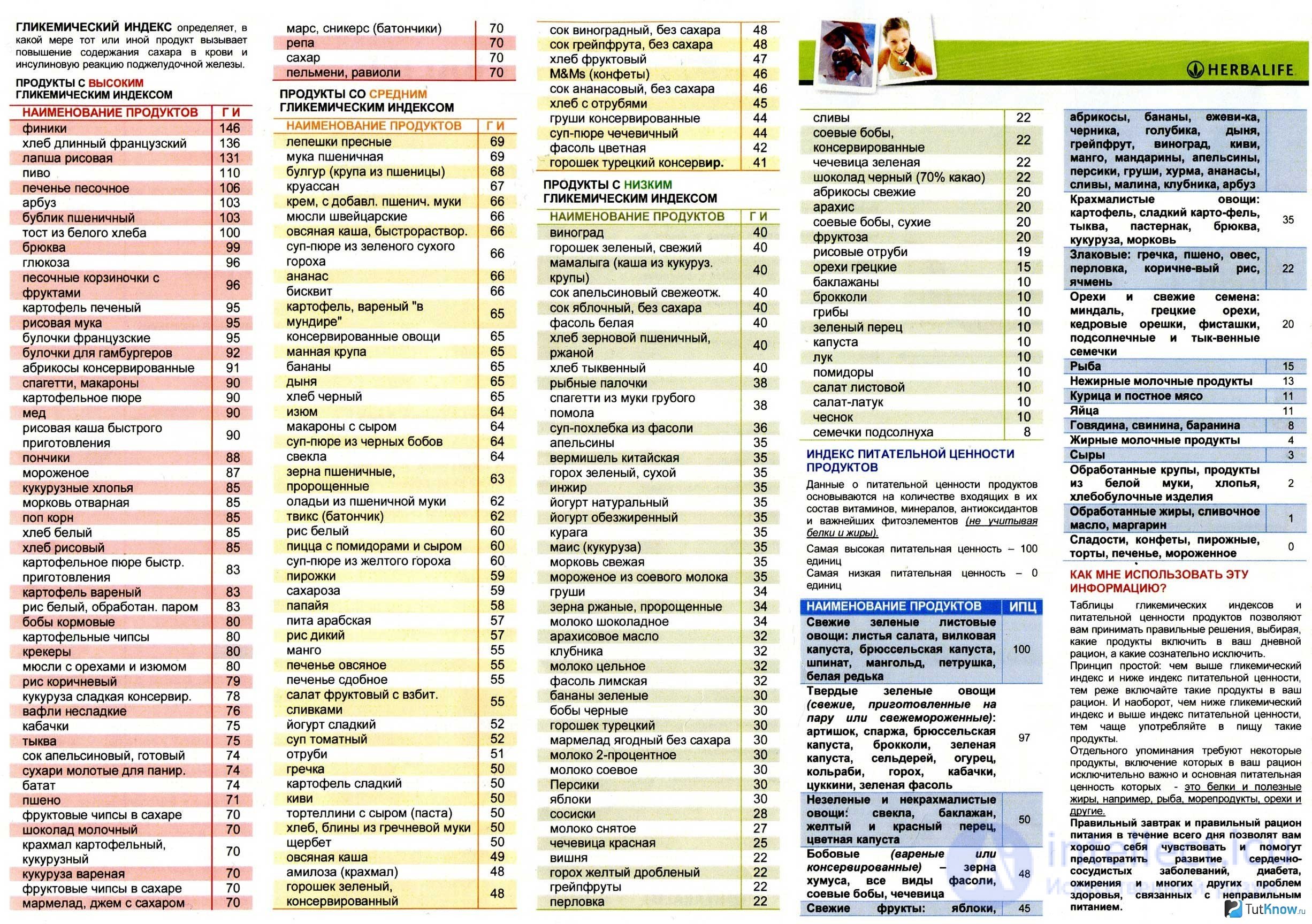
Simple carbohydrates have a high glycemic index (GI).
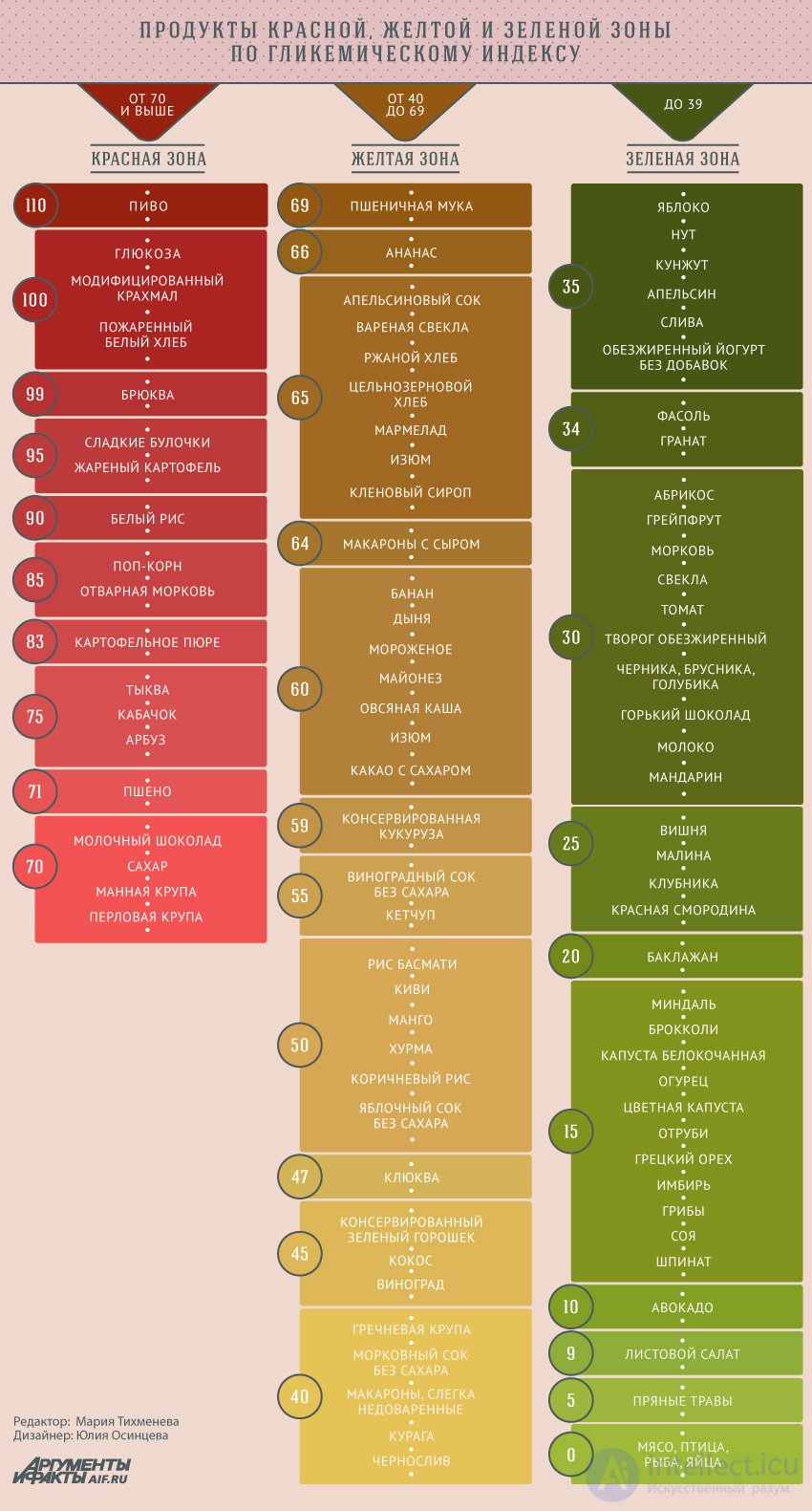
The glycemic index is the rate at which carbohydrates are absorbed by the body and raise blood sugar levels.
The glycemic index shows the degree of the initial rise in blood sugar after a meal. In response to the spike in sugar, the body releases the hormone insulin, which transports glucose from the blood into the cells. The more sugar, the higher the insulin release.
If you abuse foods with a high GI for a long time, a constant feeling of hunger will appear and, as a consequence, weight will increase.
The mechanism is as follows: the body gets used to high insulin production, and there will be a lot of insulin even when the person eats food with a low glycemic index. Insulin quickly removes sugar from the blood and hunger immediately returns (since no glucose remains in the blood available to provide energy for current needs); as a result, the person begins to eat more food than needed, which leads to weight gain if daily calorie expenditure (through physical activity) has not increased.
If you need energy "here and now," fast carbohydrates with a high GI are necessary — they will be spent on the body's current needs and will not have time to turn into fat stores.
In doing so, give preference to fruits and chocolate with a high cocoa content (over 60%) rather than high-calorie candies and baked goods (which are better avoided altogether).
So that these foods are not laid down "in reserve," it is better to eat them in the first half of the day in small portions.
Another option is to plan physical exercise after eating such food to burn off the calories gained.
On a strict diet aimed at weight loss, fast carbohydrates are excluded from the diet completely.
Of course, such exclusion cannot become a way of life. We need sugar as a source of energy and for mental activity. It is much more rational to follow the principles of balanced nutrition and to be reasonably mindful of what and when we eat.
Slow carbohydrates (or complex carbohydrates) are broken down in the body much more slowly and are gradually used up during the day for active physical activity rather than being immediately converted into fat. Another benefit of slow carbohydrates is that they do not raise blood sugar levels. They can be consumed by people with diabetes mellitus.
Slow carbohydrates are found in:
Complex carbohydrates have a low glycemic index and do not provoke high insulin secretion. Sugar enters the blood gradually and supplies the body with energy for longer than simple carbohydrates. Thus, a person does not feel hungry for a long time and does not eat more than needed.
Consume slow carbohydrates when you need to satisfy hunger for a long time but physical activity will be at a moderate level — for breakfast (together with simple carbohydrates, which immediately replenish the energy deficit after sleep), lunch and dinner.
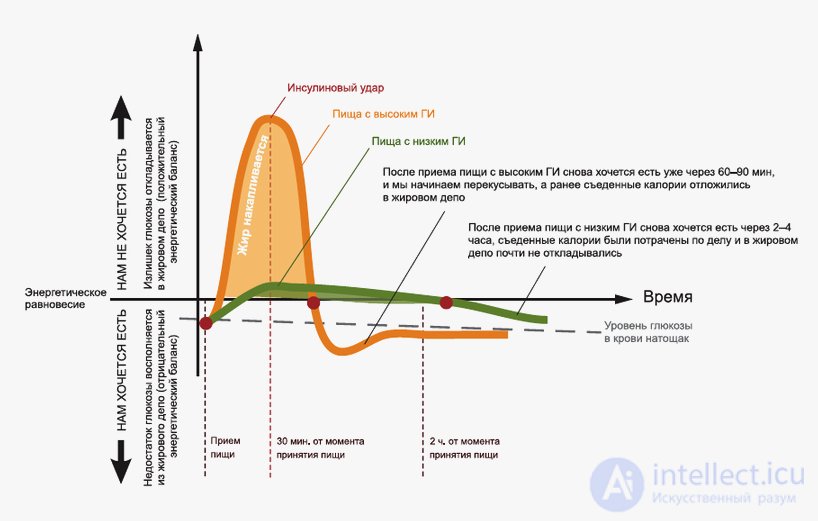
Fig. What the glycemic index is
As we have already found out, the glycemic index affects the blood sugar level, and the amount of energy in the body in turn depends on it. If the glucose level is below normal, a person feels a loss of strength and hunger. If it is above normal, the body triggers increased insulin production and converts the excess glucose into fat stores.
Another property of insulin is the suppression of the activity of enzymes needed for the breakdown of glycogen and fat cells. Therefore, consuming foods with a high GI leads not only to the formation of excess fat but also to a slower rate of its burning. In addition, foods with a high GI are mostly high in calories, which also adversely affects one's figure and well-being.
Foods with a low GI, on the contrary, ensure a steady supply of glucose and its use in energy-consuming processes. Provided the daily calorie intake is maintained, they help normalize energy metabolism, improve well-being and gradually get rid of excess kilograms.
Monitoring the glycemic index makes it possible to:
It is not only people suffering from diabetes or obesity who need to monitor the glycemic index. The ability to use this indicator when planning a daily diet will help anyone normalize their eating, improve mental and physical performance, and improve overall well-being.
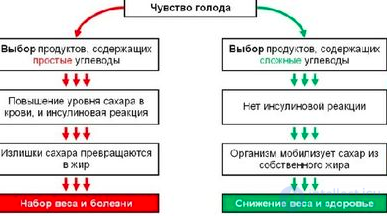
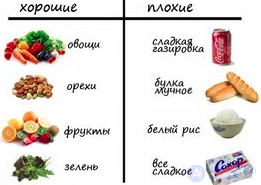

1. Simple (fast) carbohydrates can be found in foods with a high glycemic index. They are digested instantly in the body, do not bring a feeling of fullness, cause a rapid return of hunger and are often stored as fat cells under the skin and around the organs. Examples of fast carbohydrates: sugar, white bread, confectionery, products made from white flour, instant cereals, potatoes, white rice, pasta made from non-durum wheat, sweet fruits, dried fruits, honey, sweet sodas, packaged juices.
2. Complex (slow) carbohydrates are not sugar but, above all, starch, cellulose and fiber. They consist of simple carbohydrates tightly bound together, so their breakdown takes longer and requires energy expenditure. Complex carbohydrates normalize digestion and supply the body with long-lasting energy. Eating slow carbohydrates does not cause blood sugar spikes; on the contrary, it normalizes blood sugar levels. Examples of complex carbohydrates: cereals and grains, whole-grain rice, durum wheat pasta, legumes, whole-grain bread and crispbread, vegetables and leafy greens, unsweetened fruits, and fresh herbs.
Let us list the slow carbohydrates in the order of meals (from breakfast to dinner).
So, here is what a person who prefers healthy eating and an active lifestyle should eat:
1. Cereals and grains. In the morning you can eat any porridge except semolina and rice. Buckwheat, oatmeal and pearl barley are especially beneficial.
2. Whole-grain bread. In the first half of the day you can well afford a snack of a small slice of coarse-ground bread.
3. Durum wheat pasta. It is also best eaten no later than lunchtime. For those trying to lose weight — without any sauces. If the pasta package says it cooks for more than 8 minutes, it is made from durum wheat.
4. Unsweetened vegetables and fruits. You can snack on them throughout the day without harming your figure (cabbage, zucchini, peppers, tomatoes, cucumbers, grapefruits, kiwis, green apples, avocados).
6. Legumes. They contain a large amount of protein, so they can easily be used as a side dish at dinner (beans, lentils, kidney beans, soy).
Add proteins (meat, fish) and healthy fats (olive oil) to the right carbohydrates, and you have a balanced diet.
At the same time, no one is urging you to give up small dessert pleasures once and for all. A small piece of cake on a gloomy day will only lift your mood, if the rest of the time you prefer healthy foods, use gentle methods of cooking them, move a lot and think positively.

Comments