
Lecture
Nutrition is a component of metabolism and a necessary condition for the normal growth, development and vital activity of the body.
A healthy diet plays an important role in maintaining overall health and well-being. The composition of food includes various nutrients necessary for the normal functioning of the body.
Nutrition is the set of processes of intake, digestion, absorption and assimilation by the body of the nutrients necessary for its normal vital activity.
Humans are omnivorous, i.e., they eat food of both animal and plant origin.
For normal growth, development and vital activity, a person needs a constant supply of the main nutrients (proteins, fats, carbohydrates, mineral salts, water and vitamins) contained in a variety of foods.
A complete diet provides for energy intake matching energy expenditure. The average daily requirement is approximately 100–150 g of protein (not less than 40 g), 400–500 g of carbohydrates and about 80–100 g of fat.
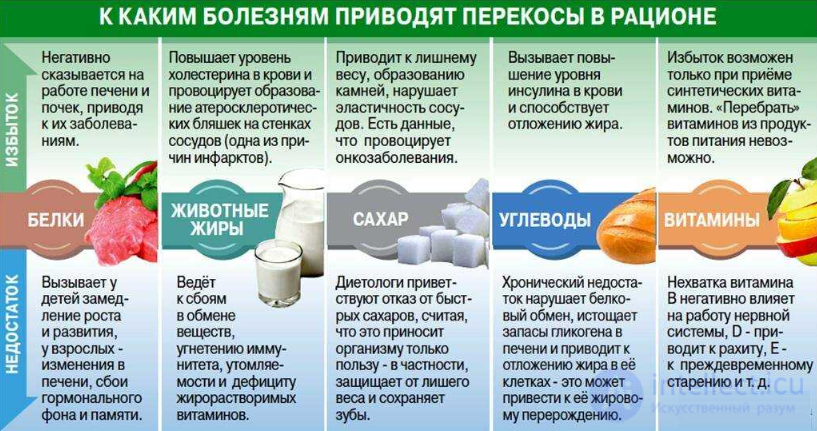
Here are the main nutrients and their roles:
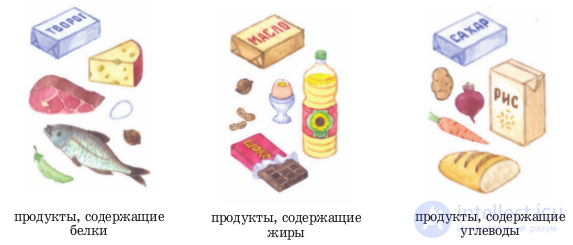
Carbohydrates: Carbohydrates are the main source of energy for the body. They are broken down into glucose, which is used by cells as fuel. Healthy sources of carbohydrates include fruits, vegetables, whole grains and legumes. Carbohydrates, or sugars, are the main source of energy in the human body. Simple sugars, such as glucose and fructose, as well as complex carbohydrates (starch, etc.), are found in large amounts in foods of plant origin: cereal grains, potatoes, berries and fruits.
Proteins: Proteins are necessary for the growth and regeneration of tissues, the formation of enzymes and antibodies, and the maintenance of the immune system. Healthy sources of protein include meat, fish, poultry, dairy products, eggs, legumes and nuts.
Proteins are an important part of the human diet. They are the main building material of cells. Human body proteins contain approximately 20 kinds of amino acids (some of them are essential, i.e., cannot be synthesized in the human body).
Dietary sources of protein are meat, fish, milk and dairy products, legumes and cereal crops, and nuts.
In foods of animal origin — meat, fish, eggs, milk — the amino acid composition corresponds to the body's needs. Plant proteins are incomplete for humans, so on a vegetarian diet the diet must be properly planned so that several plant proteins replace complete animal protein.
Fats: Fats are important for the absorption of certain vitamins (for example, vitamins A, D, E and K), for providing energy and for maintaining the health of cell membranes. Healthy sources of fats include olive oil, avocado, nuts, seeds and fish rich in omega-3 fatty acids. Fats enter the human body both with animal food (meat, butter) and with plant food (liquid oils — olive, sunflower, rapeseed, etc.). These substances, along with proteins, are a building material of cells. In addition, fats serve as an important reserve source of energy for the basic vital processes of the human body. It is necessary to consume fats of both animal and plant origin. Liquid plant fats contain essential fatty acids that are absent from fats of animal origin.
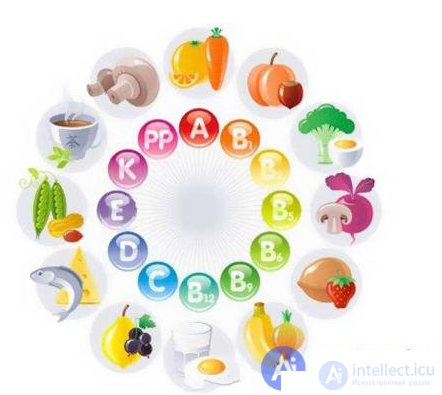
Vitamins: Vitamins are organic compounds necessary for many biological processes in the body. Examples of vitamins include vitamin C, vitamin D, vitamin E and the B vitamins. A varied and balanced diet usually provides the necessary amount of vitamins. Vitamins are found in both plant and animal foods. These substances are necessary for humans for normal metabolism and other vital processes, but only in very small amounts.
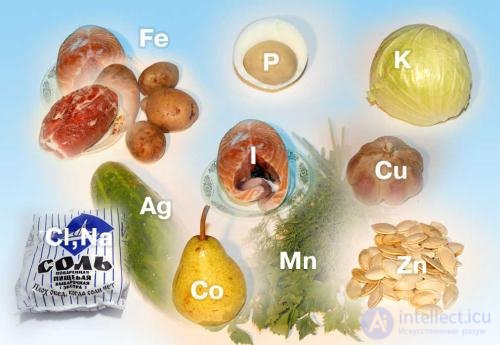
Minerals: Minerals are inorganic elements, such as calcium, iron, magnesium and zinc, that are necessary for healthy bones, blood and many other body functions. Healthy sources of minerals include dairy products, nuts, green vegetables and meat. Mineral salts are essential components of a healthy human life. They participate actively not only in metabolism, but also in the electrochemical processes of the nervous system and muscle tissue. They are also necessary for the formation of such structures as the skeleton and teeth. Humans obtain mineral salts from a wide variety of foods. These substances, like vitamins, are absorbed in the human body in unchanged form.
Fiber: Fiber is a part of carbohydrates and is important for the normal functioning of the digestive system. It also helps control blood sugar and cholesterol levels. Sources of fiber include vegetables, fruits, whole grains and legumes.
Water: Water is not a nutrient, but it is vital for all biological processes in the body. Drinking enough water is important for maintaining hydration and normal cell function. Water makes up about two thirds of the human body and is the main component of every cell. It enters the human body both with drinks and with food (for example, watermelon or cucumber flesh contains up to 98% water).
A healthy diet includes a variety of foods rich in all of the nutrients listed above. A balanced diet helps maintain health and prevent various diseases. It is recommended to consult a physician or dietitian to develop a personal nutrition plan that takes into account individual needs and characteristics of the body.

Comments