
Lecture
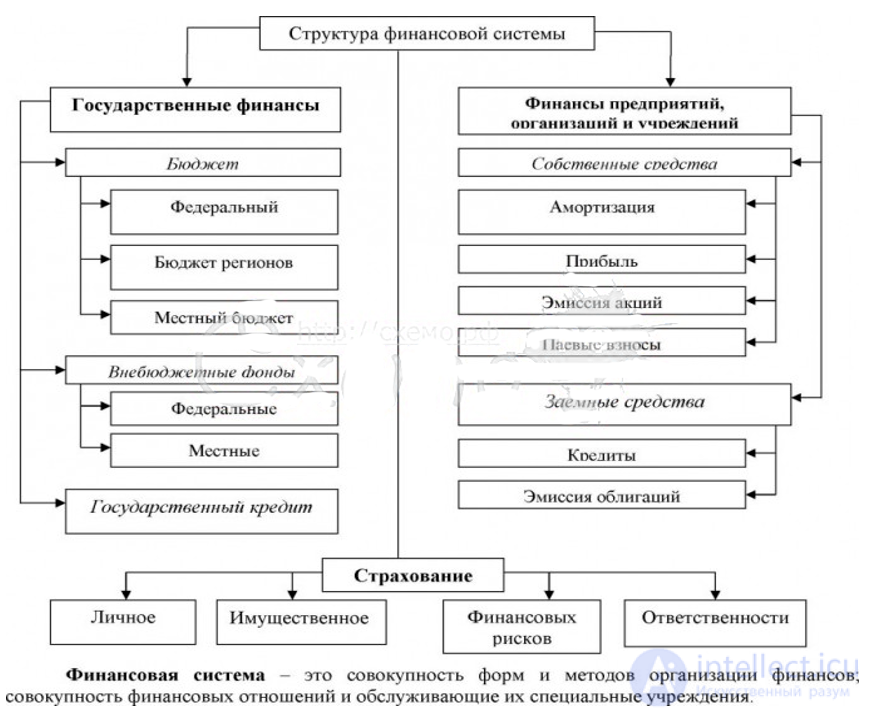
State economic policy gives concrete form to the principles of state intervention in the economy for the realization of its strategic goals:
The Russian market economy is a complex system based on a combination of market mechanisms and state regulation. Since the transition from a planned economy to market relations in the 1990s, the Russian economy has undergone significant transformations, including the privatization of state property, the development of private enterprise and integration into the world economy. At the same time, the state retains an important role in regulating key sectors, ensuring macroeconomic stability and providing social protection.
The principal characteristics of the Russian economy are:
A high degree of dependence on the export of natural resources, especially oil and gas.
A significant share of the public sector in strategically important industries.
Uneven regional development and substantial differences in the population's standard of living.
A continuous need for the modernization and diversification of the economy.
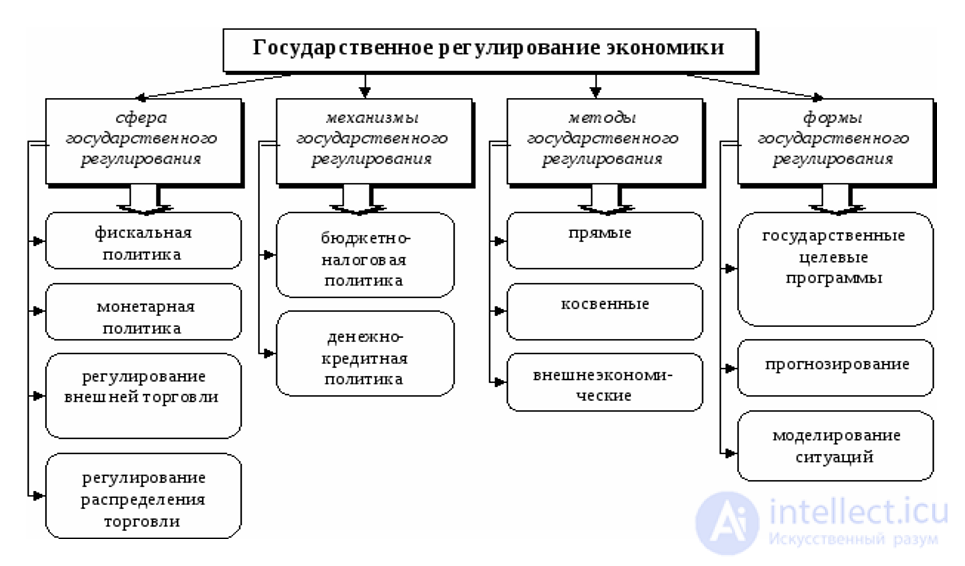
The objects of economic administration are the totality of economic processes, phenomena and structures on which the influence of state authorities is directed. The principal objects include:
Markets for goods and services — ensuring their stable functioning and competitiveness.
The financial system — regulation of the banking sector, tax policy and the state budget.
Productive industries — support for manufacturing, agriculture, construction and transport.
The social sphere — ensuring employment and developing the systems of health care, education and social protection.
Natural resources — their rational use and the protection of the environment.
The legal regulation of economic administration is based on the Constitution of the Russian Federation, as well as on a number of federal laws and regulatory legal acts. The key documents include:
The Civil Code of the Russian Federation, which regulates economic activity.
The Budget Code, which establishes the rules for the formation and expenditure of the budget.
Laws regulating individual sectors, such as energy, transport and communications.
Decrees of the Government of the Russian Federation concerning economic policy.
The history of economic administration in Russia comprises several stages:
The period of the Russian Empire: Economic policy was conducted through ministries such as the Ministry of Finance and the Ministry of Trade and Industry.
The Soviet period: The creation of a planned system based on centralized administration, carried out by Gosplan, Gossnab and the sectoral ministries.
The post-Soviet period: The transition to a market economy, the reform of state bodies, and the creation of new structures such as the Federal Antimonopoly Service and the Central Bank of the Russian Federation.
Economic administration bodies are state structures engaged in the development and implementation of economic policy. They are divided into:
Federal bodies: the Ministry of Finance, the Ministry of Economic Development, the Central Bank of the Russian Federation.
Regional bodies: departments and ministries of economic development at the level of the constituent entities of the Russian Federation.
The contemporary structure of economic administration bodies includes:
Legislative bodies: the State Duma and the Federation Council, which adopt laws regulating economic activity.
Executive bodies: the Government of the Russian Federation, ministries and agencies.
Oversight bodies: the Accounts Chamber and the antimonopoly services.
Academic and analytical centres: advisory and research institutes working on the development of economic strategy.
The principal functions of economic administration bodies include:
Developing economic strategy: the formulation of national priorities and long-term development plans.
Regulating macroeconomic processes: maintaining price stability, controlling inflation and managing the money supply.
Developing industries and regions: supporting key sectors of the economy and eliminating imbalances between regions.
Oversight and supervision: ensuring compliance with legislation and protecting economic competition.
International cooperation: participation in integration processes, the conclusion of trade agreements and the attraction of investment.
Thus, economic administration is a complex and multifaceted process aimed at ensuring sustainable economic growth and the well-being of the population. State bodies play a key role in this process, acting as the link between market mechanisms and the public interest.

Comments